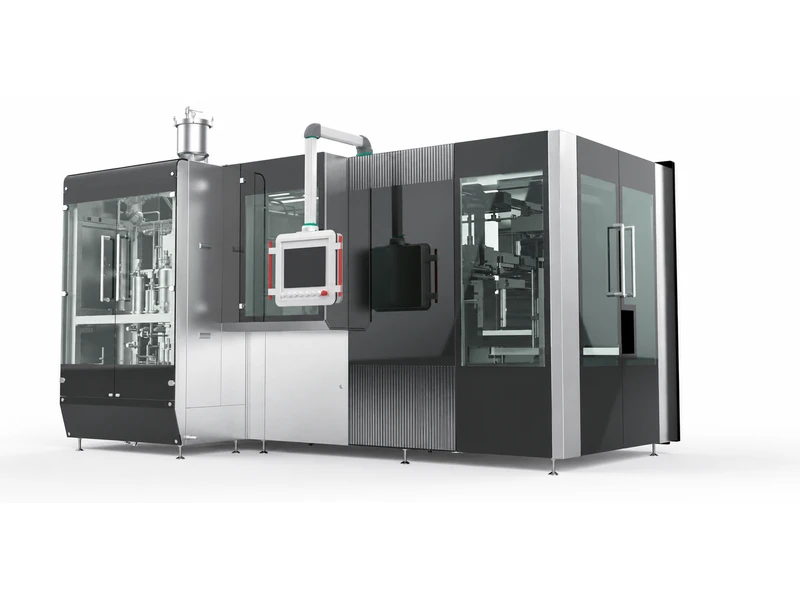
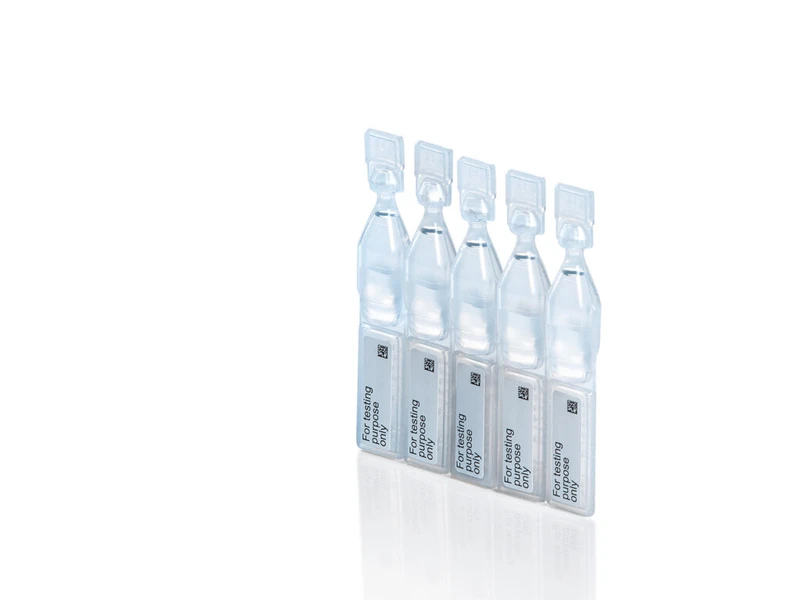
Preparation system
Liquid preparation combines the specified ingredients and transfers the bulk product toward filling. Mixing, hold conditions, filtration where appropriate and the product-contact path must suit the formulation.
Process expertise. Chinese manufacturing. Global perspective.

Explore our solutions
Sterile preparation equipment connects product preparation, container handling, filling and closing with the required inspection and transfer interfaces. Bulk containers, ready-to-use presentations and blow-fill-seal follow different routes; the directory helps identify the operation and the boundary that your process needs.
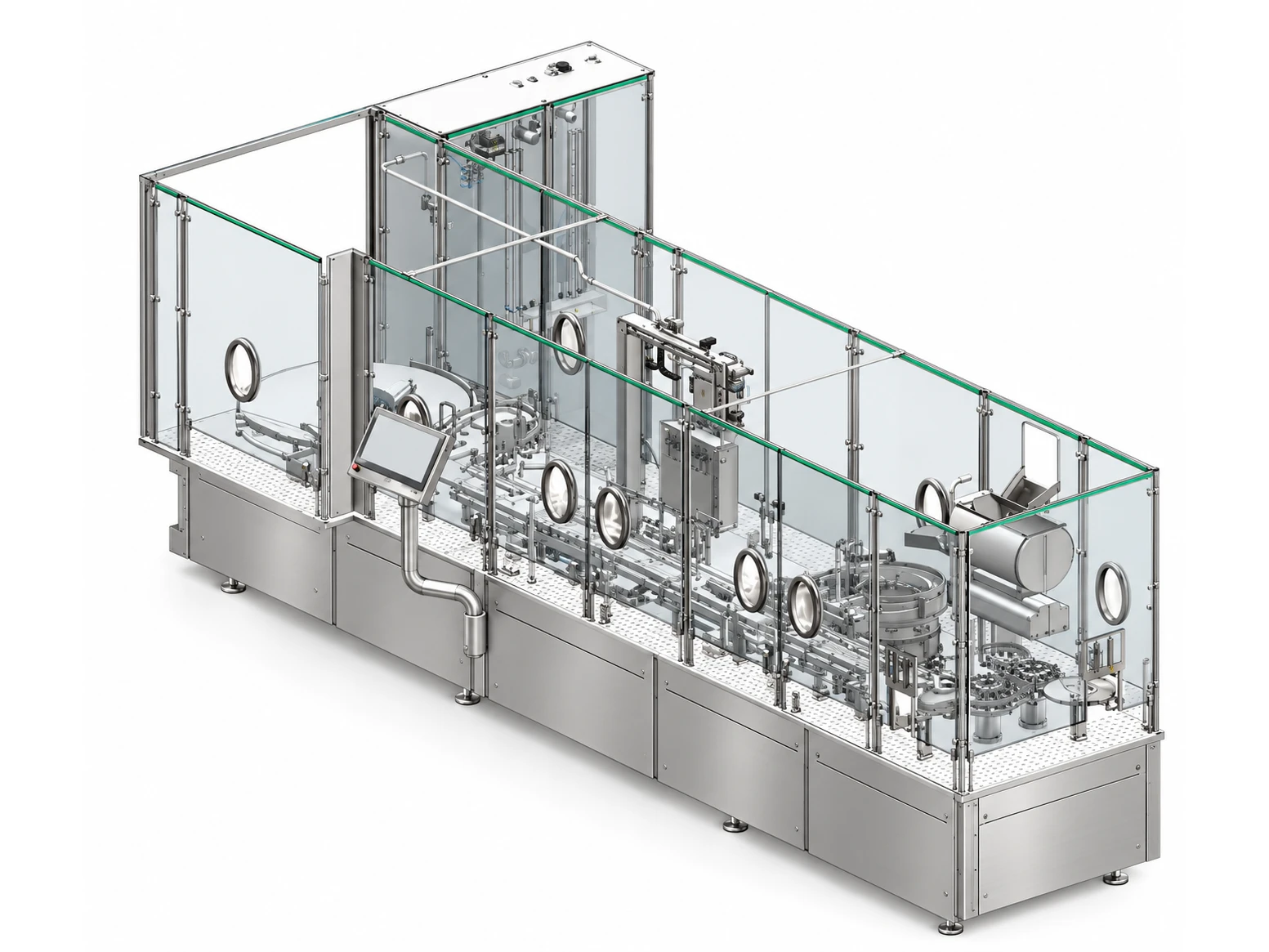
The container arriving at the filler may be washed bulk glass, an item protected in a ready-to-use nest, or a polymer container formed within a BFS process. Product state also changes the route: liquid dosing, direct powder filling and liquid filling followed by freeze drying are separate choices. Barrier and component-preparation systems support the chosen route rather than forming one compulsory sequence.
Select a sterile process boundary
Choose the operation you need to specify. The equipment directory below also covers component preparation, utilities and finishing.
4
Container infeed options
6
Filling platforms to compare
3
Barrier and integrity directories
—
Process options
Liquid preparation combines the specified ingredients and transfers the bulk product toward filling. Mixing, hold conditions, filtration where appropriate and the product-contact path must suit the formulation.
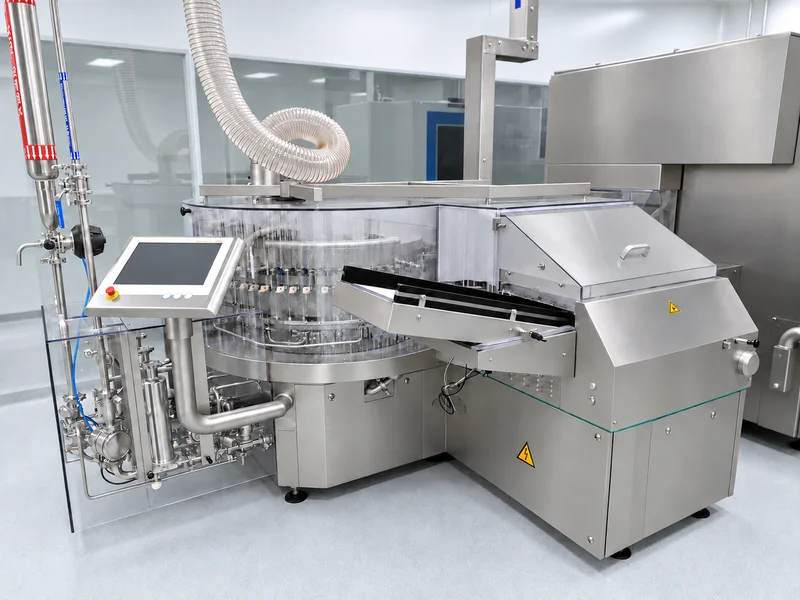
Bulk container washing removes the specified contamination before the next treatment. Its internal and external access, media sequence and discharge state depend on the container and receiving equipment.
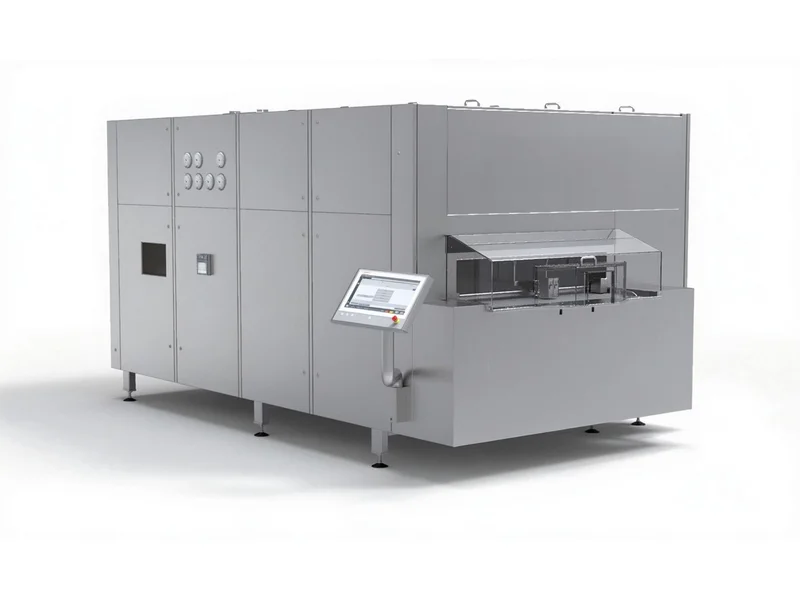
A thermal tunnel treats suitable prepared containers before filling. The selected temperature profile and transfer boundary determine its role; it is distinct from a steam autoclave and from RTU unpacking.
Liquid dosing and stoppering connect formulation behavior with vial handling. Fill verification, product-path design and closure state at discharge distinguish this operation from powder dosing.
Direct powder filling meters a prepared powder into its container. Powder flow, dosing behavior and containment determine the process; it is distinct from freezing and drying a liquid-filled vial.
Debagging removes the specified outer protective layer of an RTU pack. Pack presentation and transfer protection determine what happens next; removal of a bag is not sterilization.
Tub opening exposes the specified RTU presentation for the next handling operation. Lid removal, liner handling and transfer of the nest or containers have separate scope boundaries.
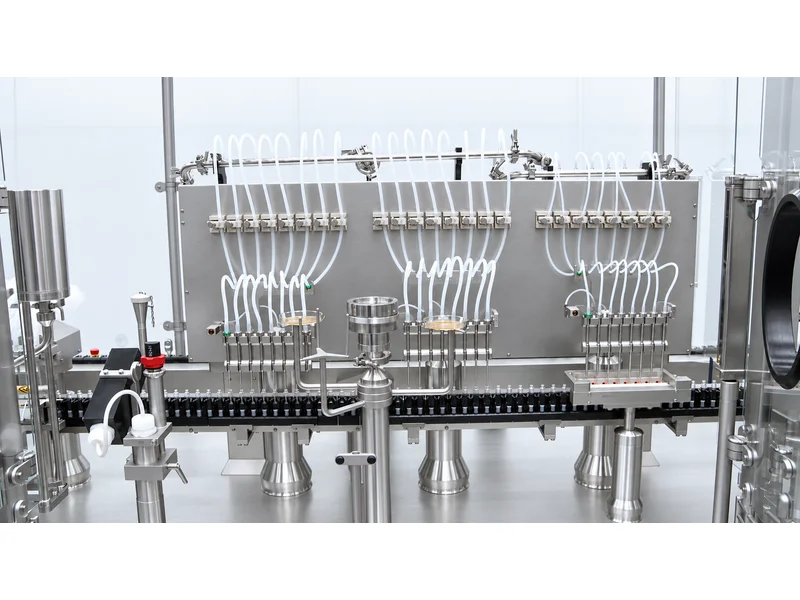
Cartridge dosing and closure depend on how the container arrives and which end is already closed. The filled cartridge is a primary container; later assembly into an injector is a separate operation.
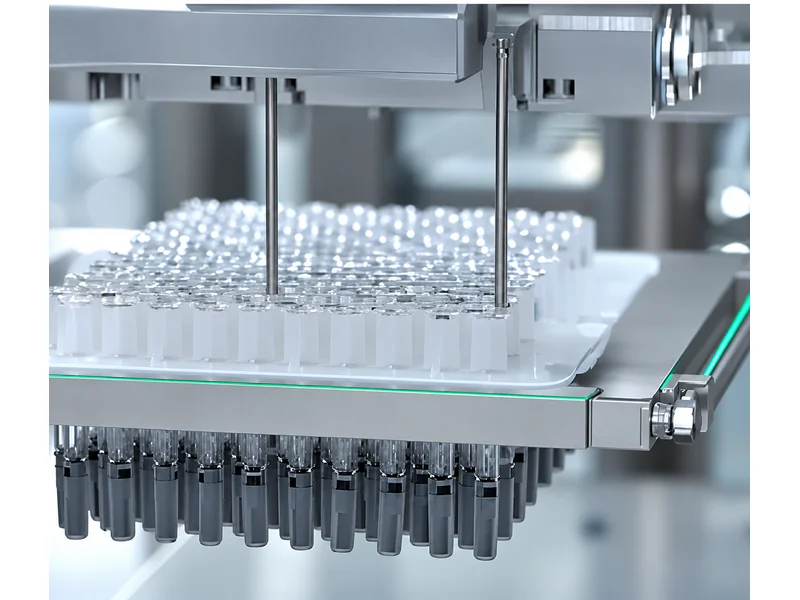
Prefilled-syringe dosing and stopper placement depend on the barrel, product and RTU or other agreed presentation. Later plunger-rod or safety-device assembly should be distinguished from primary closure.
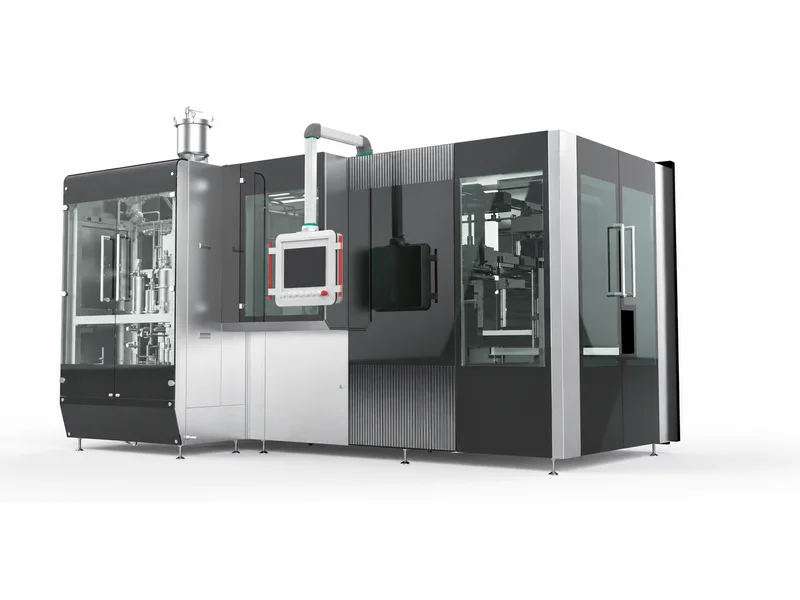
BFS combines polymer-container forming, filling and sealing. The formed pack and product establish a different handling route from glass-vial or nested-syringe filling.
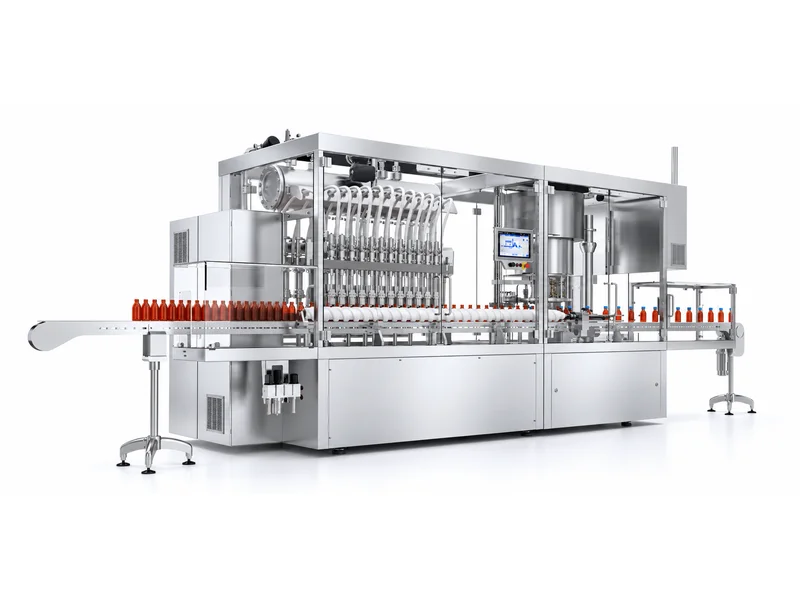
Oral-liquid filling addresses formulation behavior, bottle handling and the selected cap or dosing closure. Its presence in this equipment directory does not imply that every oral-liquid product uses an aseptic route.
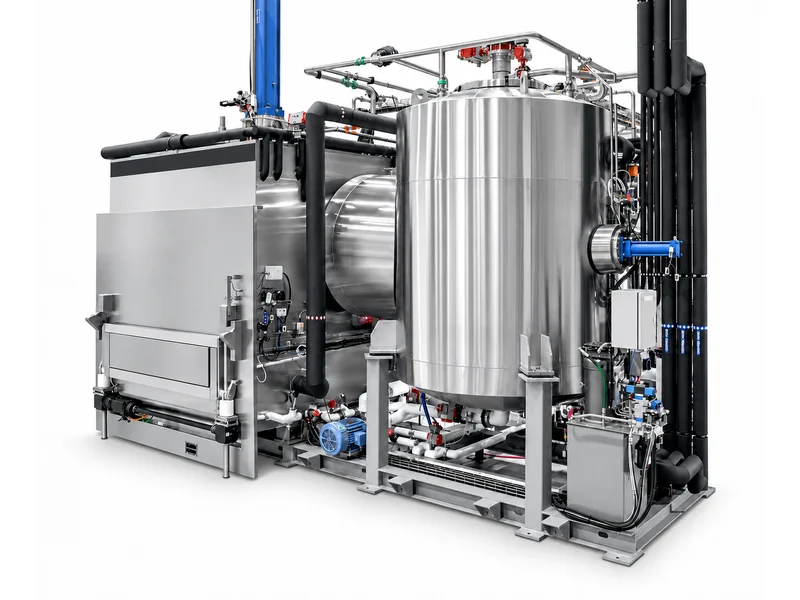
Freeze drying removes water from a suitably filled and partially stoppered product through a developed cycle. It is a product-specific branch, not a required step after every vial fill.
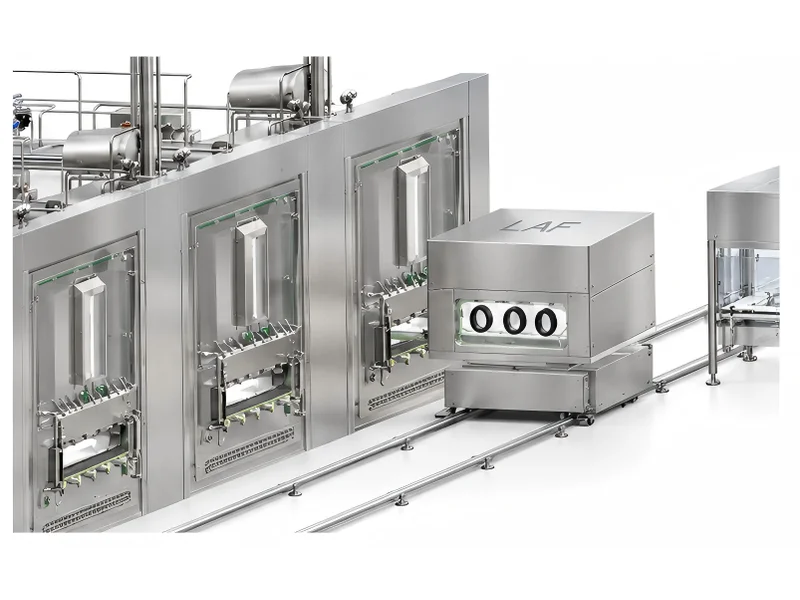
Automatic loading and unloading transfers the defined vial array to and from the freeze dryer. Shelf geometry, vial stability and the protected transfer interface determine the handling scope.
Capping applies the specified closure component to the container after the relevant filling or stoppering operation. Crimp, screw-cap and other closure duties require distinct tooling and checks.
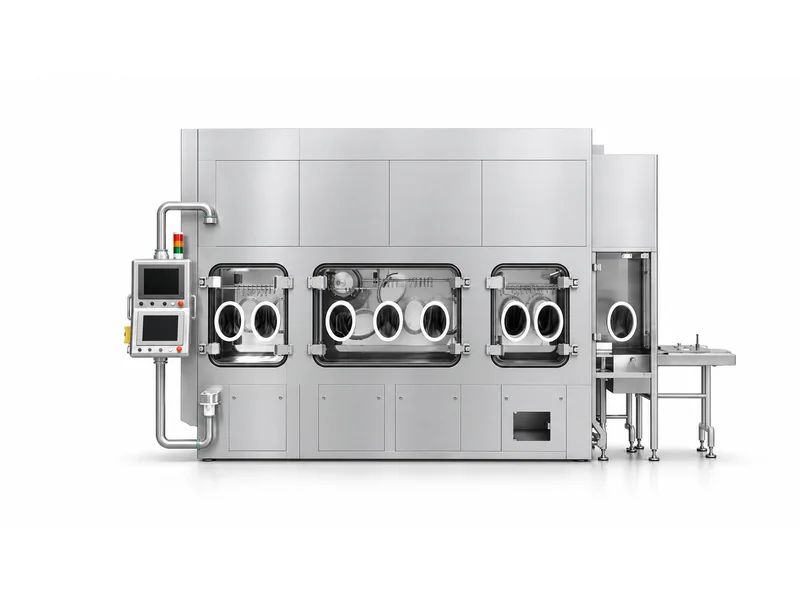
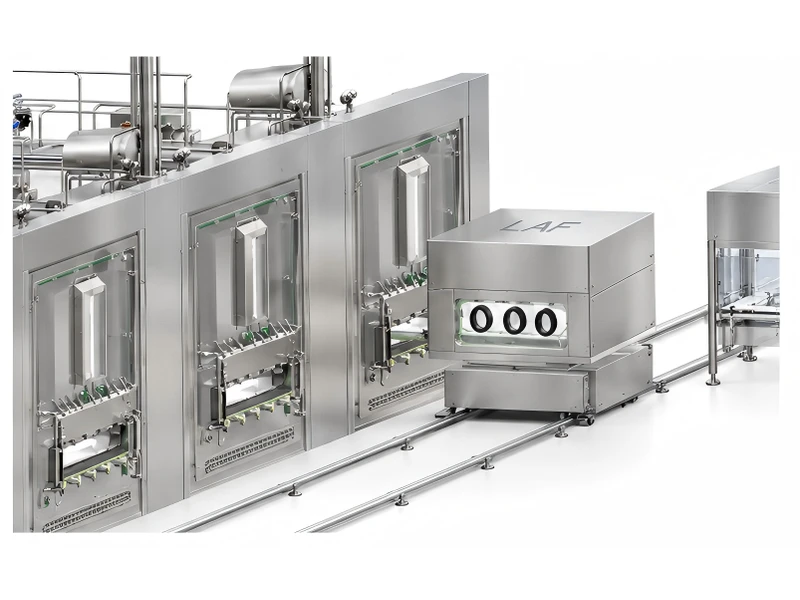
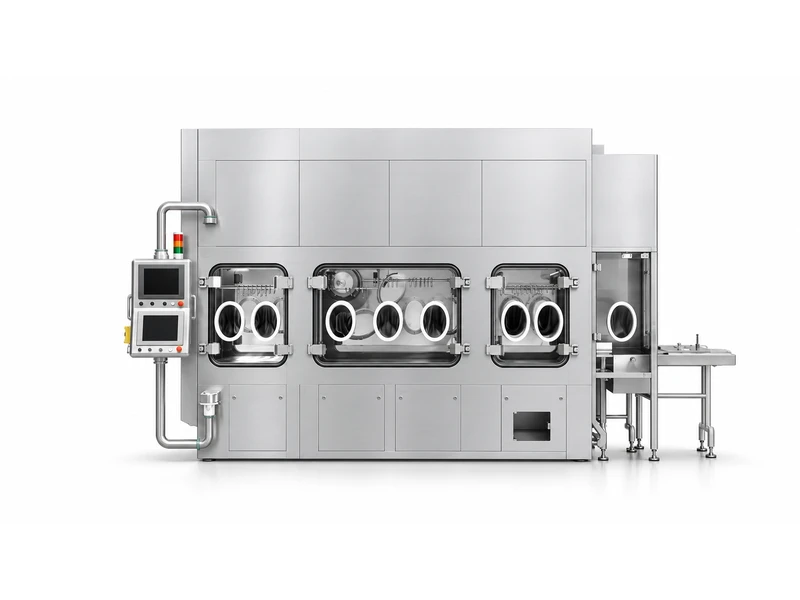
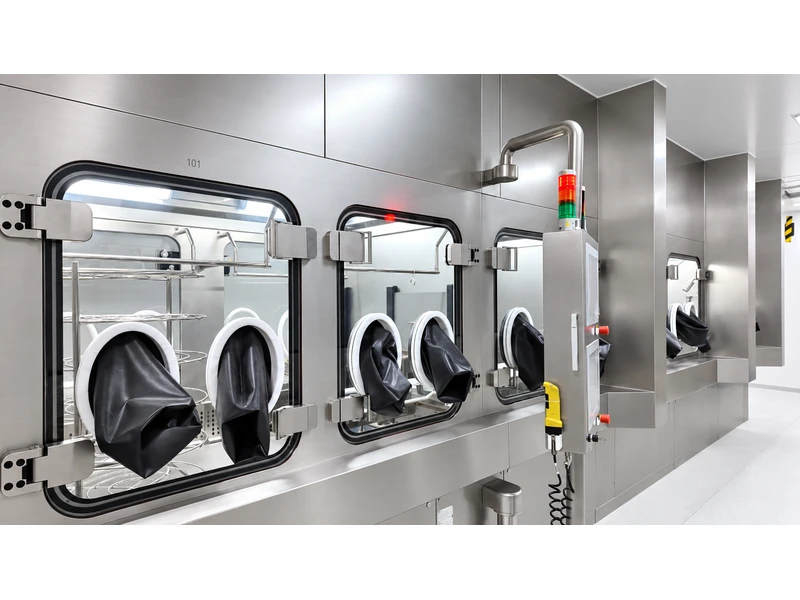
A filling-line isolator encloses the specified aseptic process and its transfers. Product protection, access, interventions and decontamination arrangements must be assessed for the integrated process.
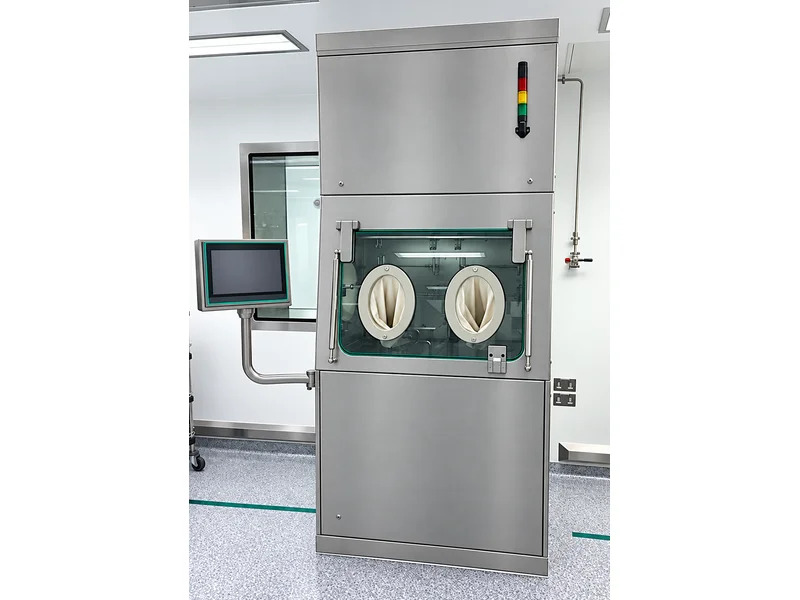
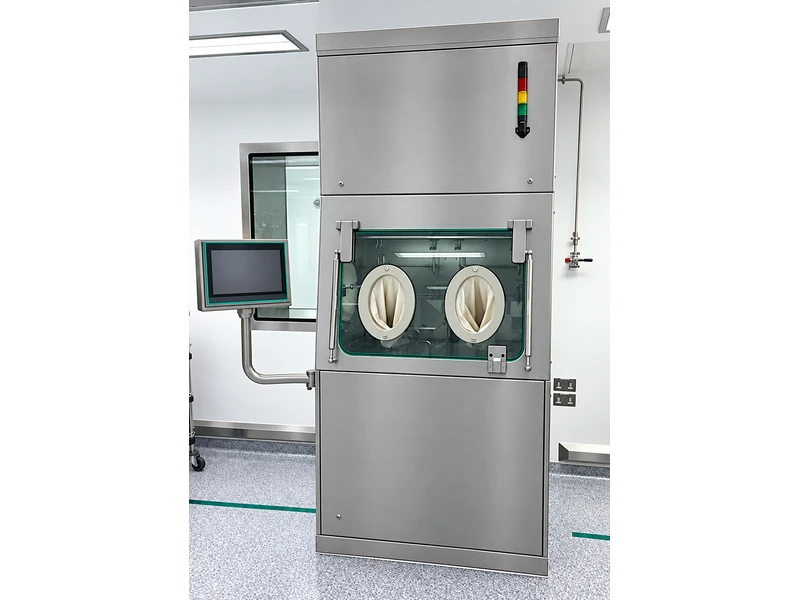
A separately specified QC enclosure supports sterility-testing sample handling. Its method, transfer controls and product-specific evidence differ from ATMP production handling and the filling-line barrier.
An ATMP isolator supports the specified small-batch processing workflow. Material identity, transfers and time-sensitive operations shape the boundary for that process.
Stopper processing prepares the selected closure through the required washing, treatment and drying steps. The discharge and transfer method must preserve the condition needed at the filling equipment.
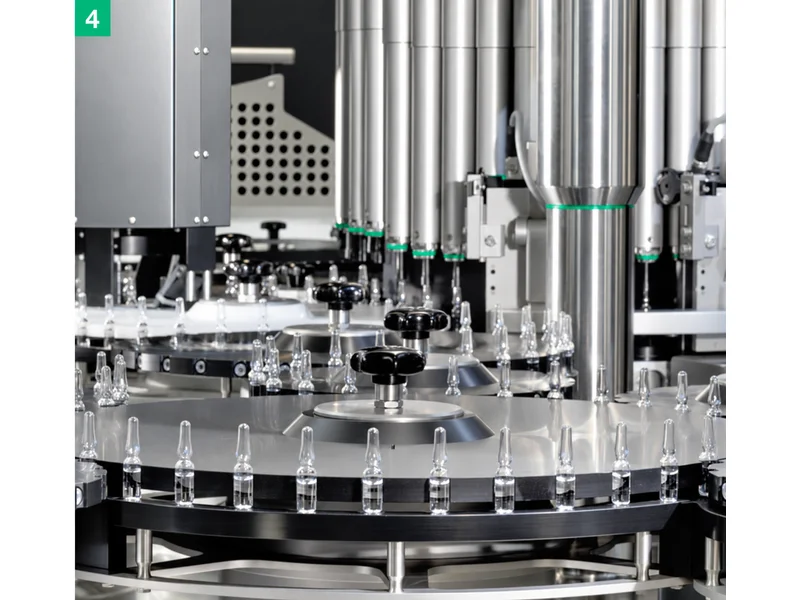
Filled-vial visual inspection presents the product and container for checks of defined visible defects. Handling, inspection conditions and reject confirmation depend on the vial and formulation.
Filled-syringe inspection considers the barrel, stopper position and product appearance within the defined defect scope. Its handling differs from that of vials or empty syringe components.
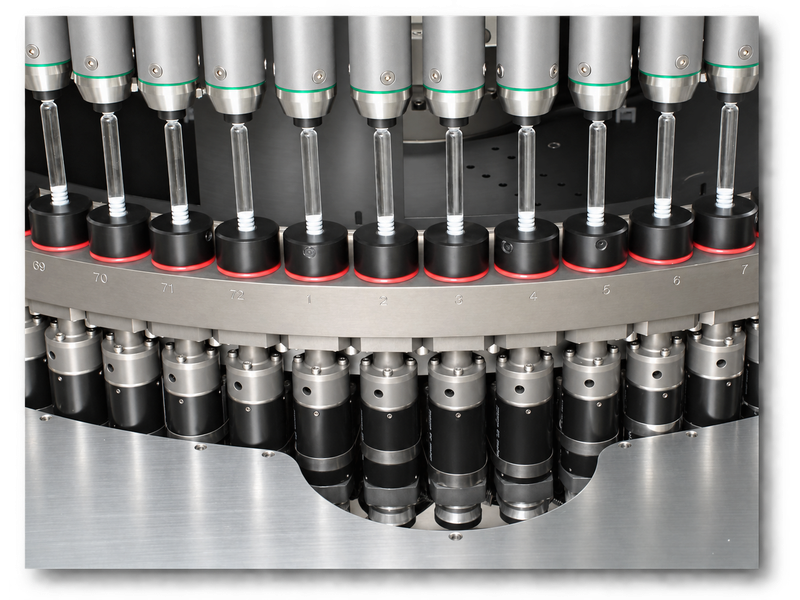
Filled-cartridge inspection addresses the specified container, product and closure defects before the downstream device or packaging process. It does not establish injector functional performance.
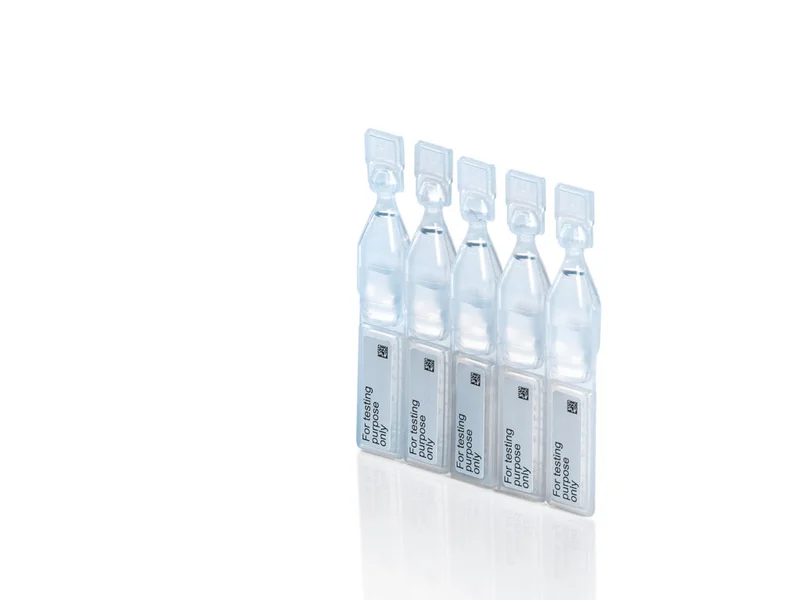
Production BFS visual inspection checks the defined visible defects on the formed and filled container as part of the manufacturing flow. It remains distinct from the separate QC inspection entry and is not a substitute for integrity testing.
Container-closure integrity testing assesses leakage by a selected method under defined conditions. Package design, test access and sensitivity requirements determine the method and its place in the process.
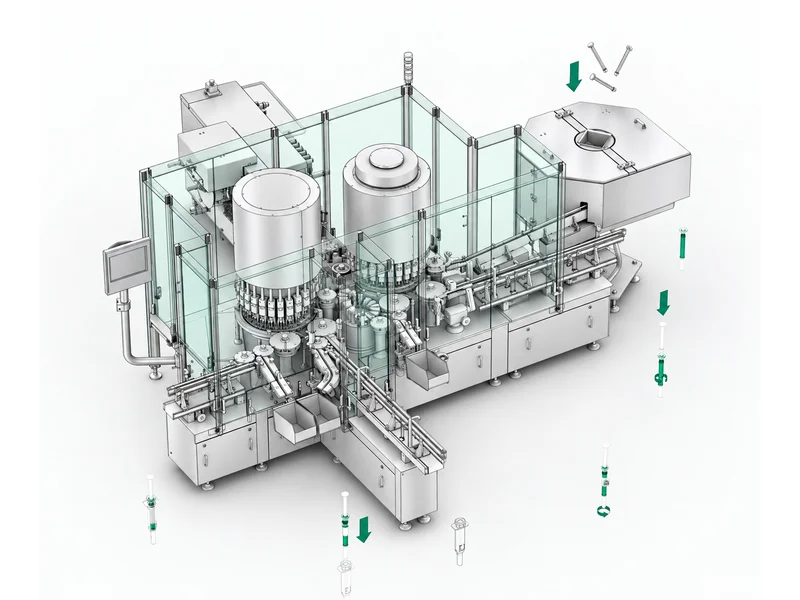
Vial labelling applies identification to a suitable closed-container surface. Label presentation, code checks and the transfer to secondary packaging define the station boundary.
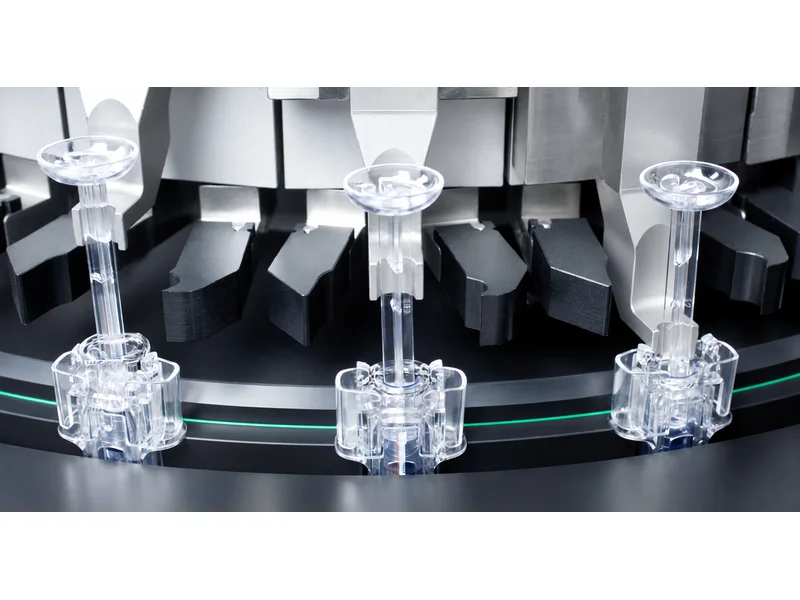
Syringe labelling and component assembly handle the already filled primary container. The selected add-on components and identification tasks are separate from the filling and primary-closure process.
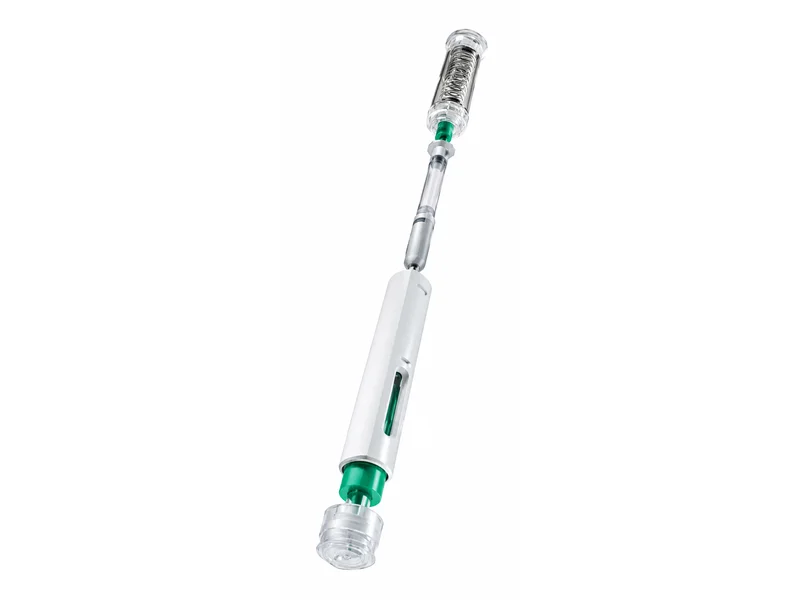
Pen and autoinjector labelling handles the assembled device. Device presentation, label or code checks and the next packaging operation determine the equipment interface.
BFS container labelling accommodates the selected polymer-pack geometry. Support, label presentation and identity checks must fit the pack and its secondary-packaging route.
The inlet specification establishes product condition, container presentation and closure state. The outlet specification establishes what the next inspection or packaging station receives. RTU unpacking is an alternative to relevant bulk-container preparation, freeze drying is a separate product branch, and barrier systems serve the selected process boundary.
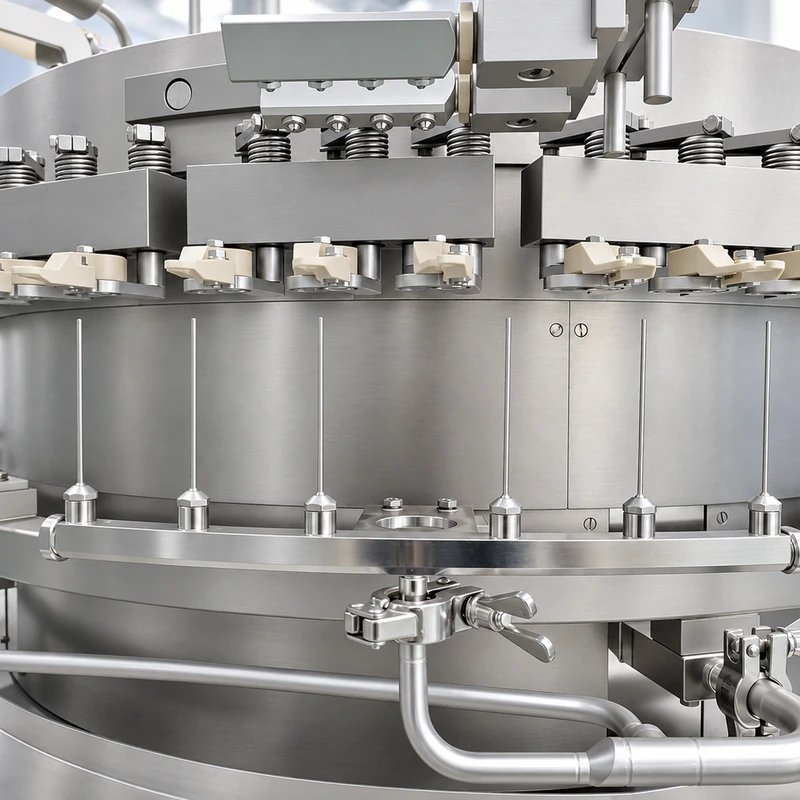

Start with the actual delivery pack and its documented condition. Trace the operations required to bring that presentation to filling: bulk glass may need washing and thermal treatment, whereas an RTU pack needs the appropriate unpacking and handling sequence. Do not add all directory entries to the same line.
Describe the product state, container orientation, closure status and allowed transfer conditions at each handoff. Include how rejects and interrupted transfers are identified so adjacent equipment does not assume a container is ready for the next operation.
Establish the formulation, container presentation and intended dosing and closure operations. Identify the barrier and component-preparation duties that support the route.
Learn moreUse representative product and packs to assess transfers, fill and closure checks, interventions and reject handling. Define the evidence required for each selected operation.
Learn moreDocument format changes, product-path setup and cleaning or decontamination interfaces. Include the recovery procedure when a container or transfer is interrupted.
Learn moreShare container drawing, product-contact materials and intended dose.
Request product information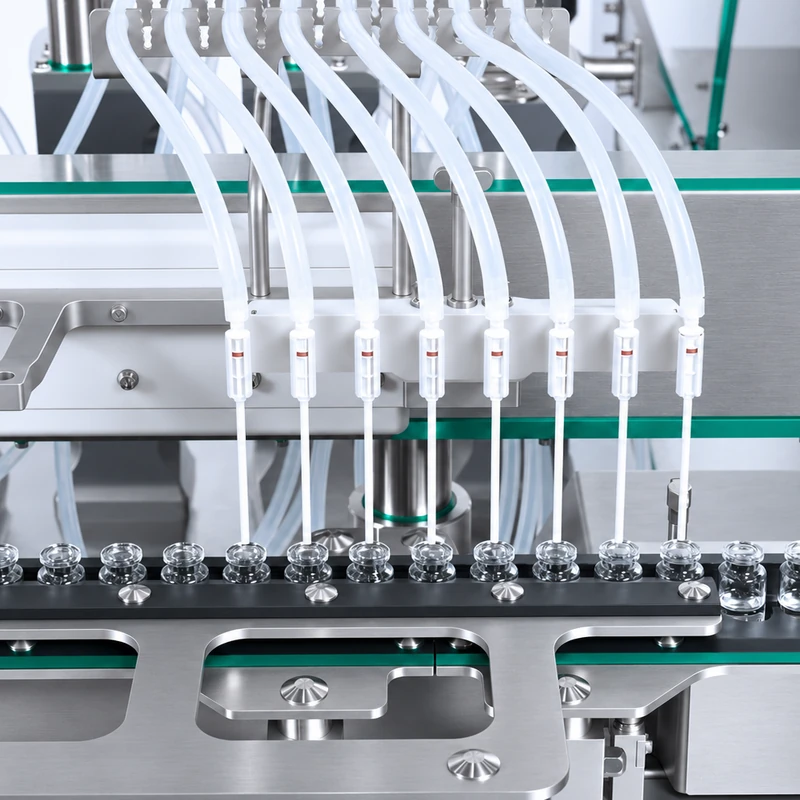
2 resources
No. They serve different incoming presentations and treatment requirements. Select the preparation route from the actual container supply state rather than treating the directory as a fixed equipment sequence.
No. Direct powder filling doses a prepared powder. Freeze drying starts from a suitably filled product and removes water through a developed freezing and drying cycle. Their equipment and interfaces must remain distinct.
A filled vial, syringe or cartridge has a defined primary-closure state. Subsequent rod, safety-device, pen or autoinjector assembly is a separate operation whose inputs must match that state.
No. Visual inspection addresses the specified visible defects; integrity testing assesses leakage with a selected method. Their acceptance questions and test conditions differ.
Production inspection works within the agreed manufacturing handling and reject flow. A QC inspection duty follows its own inspection or testing workflow. Define each scope and acceptance question independently; similar container formats do not make the two systems interchangeable.