Skip to content

Process expertise. Chinese manufacturing. Global perspective.

PREASYS

Equipment & technology

Dry Powder Inhaler (DPI) Blister Filling Machine

Place pre-metered dry-powder doses in individual blister cavities for use in an inhaler. DPI blister filling connects powder metering with pocket formation, sealing and strip handling; the strip must protect the formulation and present each cavity correctly to the device mechanism.

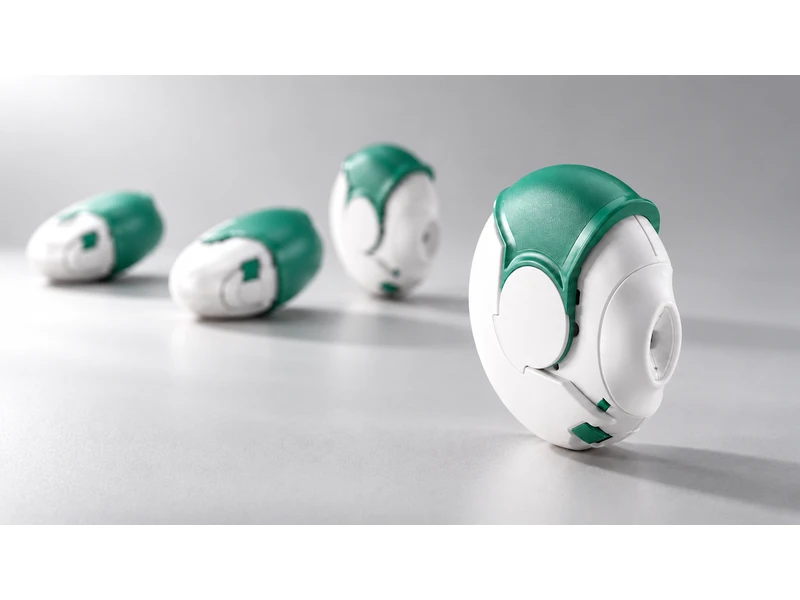
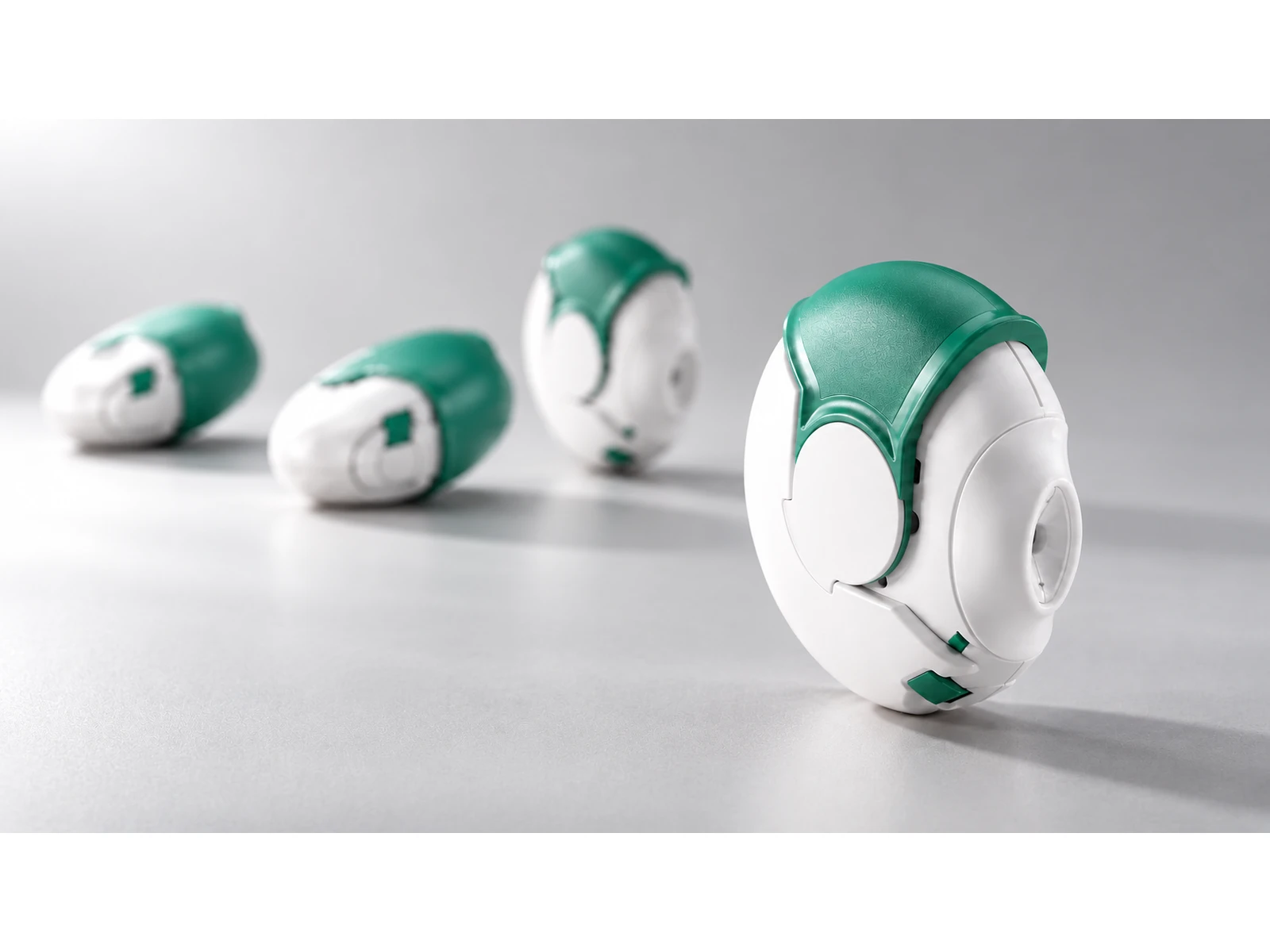
Dry-powder inhaler in open and closed positions

Blister Inhalation

Meter the powder and protect each cavity

A pre-metered dose held within a sealed blister strip

In a blister-based dry-powder inhaler, the manufacturing line meters the powder before the user operates the device. Powder flow and release affect the amount delivered to the pocket, while residue on the seal land can interfere with closure. The sealed strip then has a second role: its pitch, edges and winding must suit the mechanism that opens and advances the next cavity. Fill mass and seal quality are important manufacturing checks; aerosol performance is assessed with the formulation and device together.

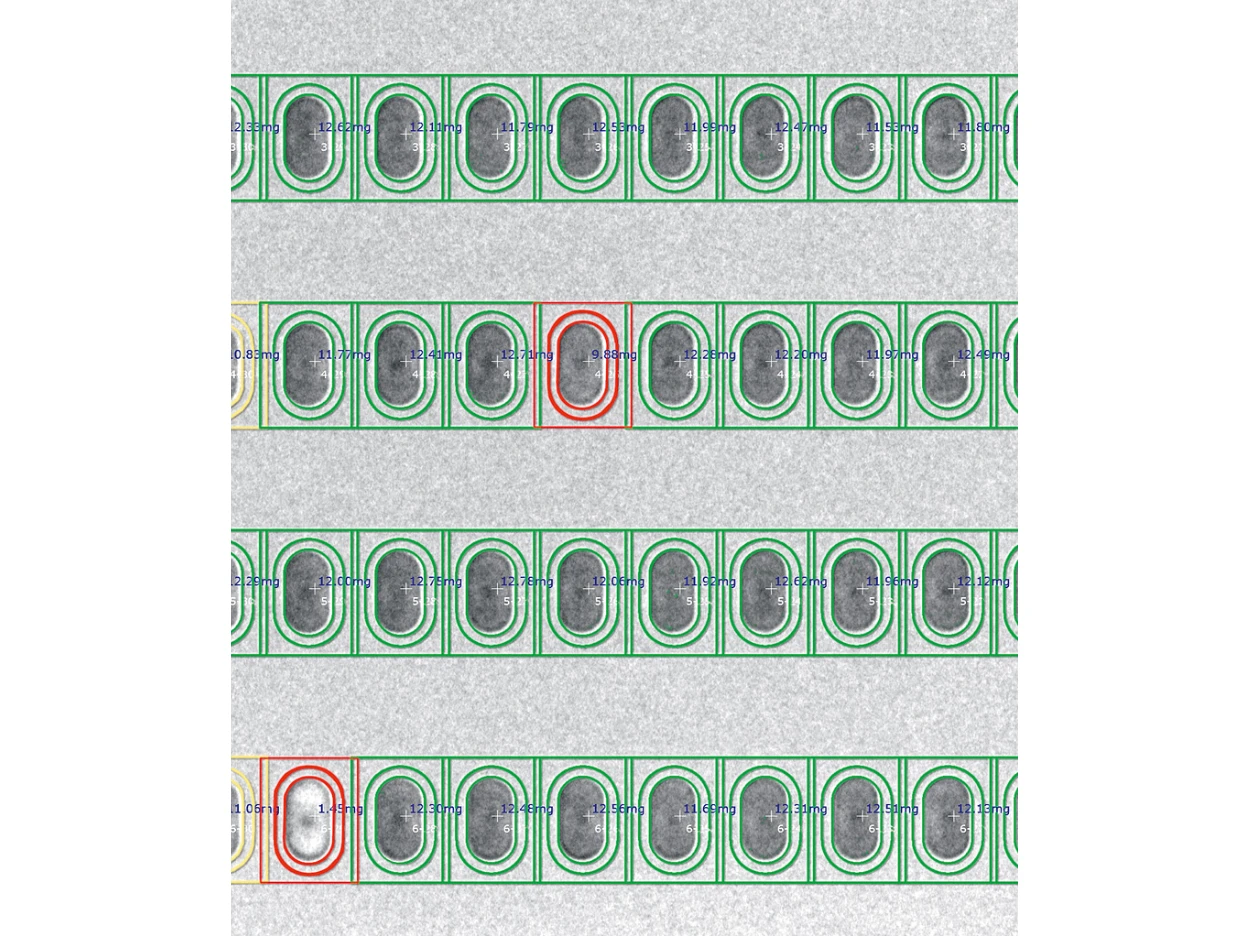
Blister cavities inspected in successive rows beneath an imaging station

Process at a glance

Cavity filling and device assembly are separate process boundaries. Powder condition and the blister barrier both affect the finished dose presentation.

Form

Prepare dose pockets in the selected blister web

Dose

Place powder into each addressed cavity

Seal

Close and organize the filled blister for the device

Process challenges

The amount released into a cavity depends on powder supply, tool filling and discharge. The metering method is evaluated with the actual formulation.

Read details

The amount released into a cavity depends on powder supply, tool filling and discharge. The metering method is evaluated with the actual formulation.

Cohesion and bulk behaviour affect both tool filling and powder release. A method suitable for one powder is not necessarily suitable for another.

Residual powder at an interrupted outlet can enter the next pocket or seal land. Stop and restart behaviour forms part of the process assessment.

Pocket geometry and web condition influence loading and sealing. Forming defects must be distinguished from dosing or seal defects.

Seal integrity and product stability are linked but different evidence. The package and formulation are assessed together for the required protection.

Tension, pitch and edge geometry determine strip presentation to the receiving assembly mechanism.

Device assembly positions the strip and components according to the inhaler design, with separate assembly and functional checks.

Production supply, environment and web movement can differ from development conditions even with a related dosing principle.

Web-position records must survive cutting, rejected pockets, splices and winding so accepted strips retain their correct status.

Technical data & features

Dose protection depends on powder handling, cavity filling, seal quality and the mechanism that presents the next dose.

Blister cavities inspected in successive rows beneath an imaging station

Powder delivery, seal protection and strip geometry

Drum, membrane or another selected micro-dosing method interacts with the powder through filling and release. Cohesion, bulk behaviour and sensitivity to handling affect the dose and residual powder, so the actual formulation determines which method is appropriate.

A fill-control strategy measures or samples the property specified for the dose and relates the result to the correct cavity. The available weighing arrangement, measurement resolution and rejection method must be established for the selected line.

Closing the dosing outlet between fills limits unintended powder delivery. Residue at the outlet or on the seal land is especially relevant during a stop and the first cycles after restart.

The formed pocket holds the dose while the surrounding laminate forms the sealing surface. Temperature, contact and material condition affect the selected seal process; package integrity is assessed with its defined test rather than assumed from the word sealed.

Strip tension and winding geometry affect how cavities and edges arrive at device assembly. Excessive or uneven tension can alter the strip presentation; the finished reel or cut strip must match the device drawing.

Device assembly places the specified strip and components in their required positions. Indexing, opening and code checks follow the inhaler design, with assembly scope distinguished from producing an accepted strip for another assembler.

Using a related dosing principle during development can inform production selection. Scaling still changes powder supply, motion, environment and residence conditions, so production performance requires evidence from the proposed arrangement.

Changing dose, cavity or strip format may alter dosing tools, forming tools, seal tooling and device interfaces. A reservoir-filled inhaler is a separate product architecture and is not an interchangeable blister format.

Cleaning and acceptance at the powder–web boundary

Cleaning access covers the dosing path, powder collection points and seal area. After dosing-tool or web-tool maintenance, verify release into the pocket, seal-land condition and strip registration. Acceptance trials include start, stop, powder replenishment and strip transfer.

Configuration consideration Development configuration Production configuration
Development dosing Characterizes powder filling and release with the selected principle. Production assessment includes sustained powder supply and operating conditions.
Strip process May use separately prepared pockets or a development forming route. Defined forming, dosing, sealing and strip-finishing sequence.
Assembly boundary Trial strips support evaluation in the intended device. Accepted strips or completed devices are supplied at the agreed boundary.
Evidence Dose and pack studies inform selection. Production and device evidence remain configuration- and product-specific.
Module Function
Pocket formation Creates the cavity geometry in the specified web.
Powder metering Delivers the formulation with the selected dosing principle.
Sealing Closes the pocket using the approved laminate and process.
Strip finishing Cuts or punches the required strip edges and indexing geometry.
Winding Prepares the selected reel form for handling or assembly.
Device assembly Positions the strip and components with device-specific checks where included.

How it works

Operating sequence and process decisions

How is a small powder fill established?

Study the powder entering and leaving the dosing tool, then evaluate the delivered amount with the agreed measurement strategy. Residue and powder-supply changes can matter as much as the nominal metering volume.

How does powder flow affect the dosing choice?

A cohesive formulation may fill and discharge differently from a freely moving powder. Trials connect those behaviours with the selected tool and operating conditions; they do not establish that one setup suits every formulation.

What happens at a dosing stop?

Observe outlet closure and powder remaining at the discharge. Inspect the first pockets and their seal lands after restart, and define the affected length of strip to hold or reject when the process is interrupted.

How is the seal evaluated?

Use the specified laminate, pocket and sealing tools, then assess the seal with the agreed method. Shelf life depends on the complete formulation–package system and cannot be established from sealing equipment alone.

How does winding affect assembly?

Strip tension, alignment and reel geometry determine how the web feeds into the inhaler assembly operation. Test the reel or strip with the actual receiving mechanism, including the ends and transitions.

How is strip placement related to device operation?

The strip must align with the mechanism that opens and advances its cavities. Assembly checks confirm the specified placement, while device testing evaluates operation and delivery with the formulation.

What evidence carries from development to production?

Powder and tooling studies identify useful operating relationships. Production evaluation then addresses sustained supply, environmental exposure, motion, stops and the full web process at the selected configuration.

How are rejected pockets kept out of accepted devices?

The result follows the web position through cutting and winding. The agreed removal or disposition strategy must prevent a known failed pocket from being included in a released strip or inhaler.

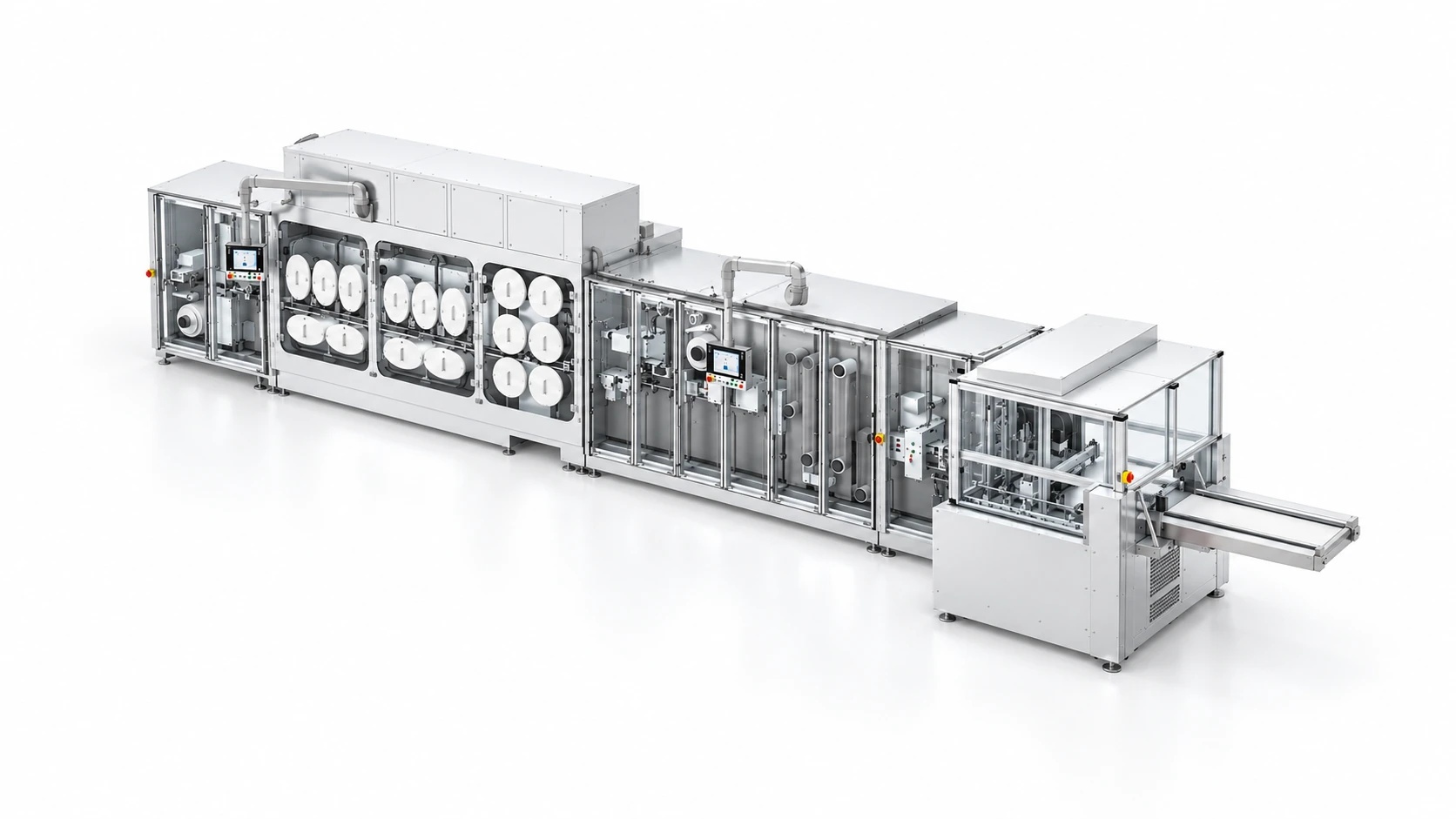
Blister inhaler dose line. Follow the single-dose blister web through contained processing, closing and pack discharge.

Production line · Equipment context

Blister inhaler dose line

Explore the process areas on the production line associated with this equipment.

Skip tour
Production layout 5 equipment areas · Scroll to explore

Follow the single-dose blister web through contained processing, closing and pack discharge.

Related production lines: Blister Dry Powder Inhalation Lines · Dry Powder Inhalation Manufacturing Lines

Line integration

Aluminum foil + Formulation powder + Inhaler parts

↓

A strip process matched to the device

Form the specified cavities → meter powder into their defined positions

Apply the specified fill checks → seal the laminate → cut or punch the strip

Prepare the strip or reel to the required geometry and tension Insert and assemble the strip in the inhaler where this is included in scope ↓

Finished inhalers → Final packaging / cartoning

Powder, laminate and inhaler parts arrive with their specified identity and condition. Powder preparation belongs upstream; its handling and exposure conditions continue to matter during filling.

The output may be accepted strip reels for a separate assembler or completed inhalers for secondary packaging. These handoffs need different acceptance and identification records.

Keep fill, seal and code results associated with the correct web position until the affected strip is released or removed. Splices, cut ends and rejected pockets must remain accounted for through winding and assembly.

Equipment acceptance and product-performance evidence

Support throughout your project and production

Define the equipment scope

Dose protection depends on powder handling, cavity filling, seal quality and the mechanism that presents the next dose.

Learn more

Agree the acceptance test

Link the identity of each accepted strip to the device assembly and final functional checks.

Learn more

Prepare for operation

Identify the contact parts and format tooling for Blister Inhalation. Agree access for cleaning, the spares to hold and the operating records the site will need.

Learn more

Knowledge hub

2 resources

Frequently asked questions

Is the amount in the cavity the same as the dose delivered from the inhaler?

They describe different quantities. Manufacturing fill establishes the amount placed in the blister; device and formulation testing evaluate the amount released and its aerosol performance.

Can a reservoir DPI run as another blister format?

No such interchangeability should be assumed. A reservoir stores multiple doses for metering by the device, whereas this line creates pre-metered cavities. The product architecture changes the filling and assembly process.

Does every cavity have to be weighed on the line?

The control strategy depends on the dose, measurement method and line arrangement. Specify the required evidence and confirm what is measured, its resolution and how results are linked to pockets; do not assume universal in-line weighing.

Can strips be supplied without final device assembly?

That is a possible project boundary where agreed. Define the strip or reel geometry, acceptance criteria, identification and receiving assembly interface separately from a complete inhaler line.

Contact

Share the blister and device drawings, formulation behaviour and required dose presentation. These inputs connect powder handling, cavity filling, sealing and the handoff to assembly.

Discuss your project →
Blister cavities inspected in successive rows beneath an imaging station