Process group 01 / 05
Material preparation
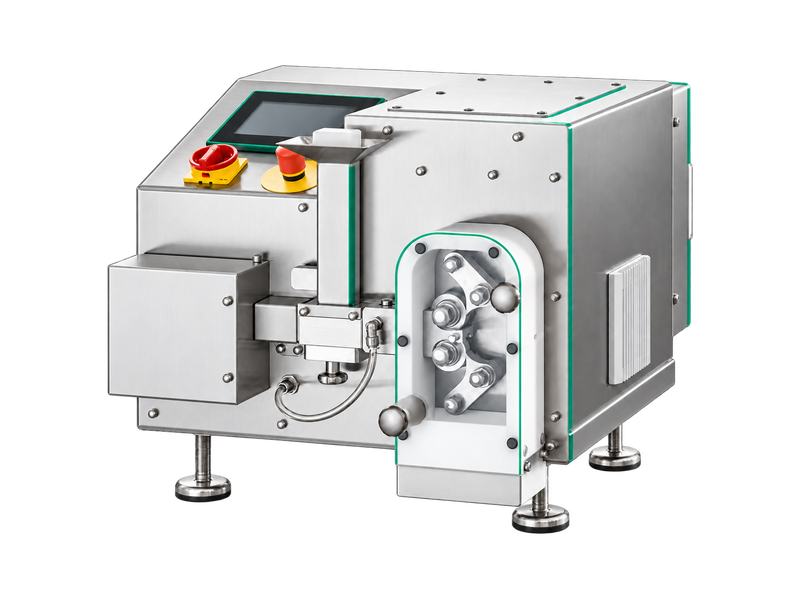
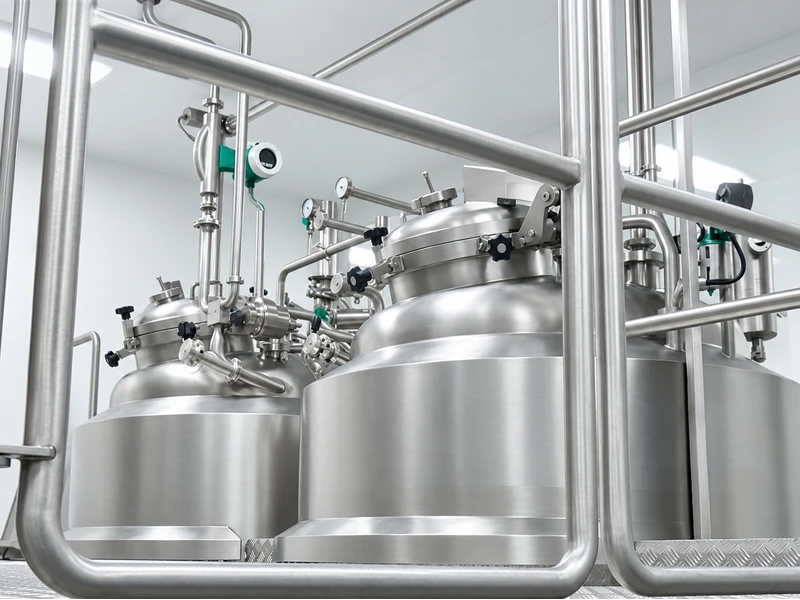
A suitable blend can go directly to capsule filling. Wet granulation, dry granulation and pellet preparation are alternative routes selected for the formulation.
Process expertise. Chinese manufacturing. Global perspective.

Production line
A pharmaceutical capsule line starts with the fill material: powder, granules or pellets that can be metered into the selected shell. Connect the necessary preparation route to capsule filling, finishing and inspection, then select the bottle or blister pack required for the finished product.
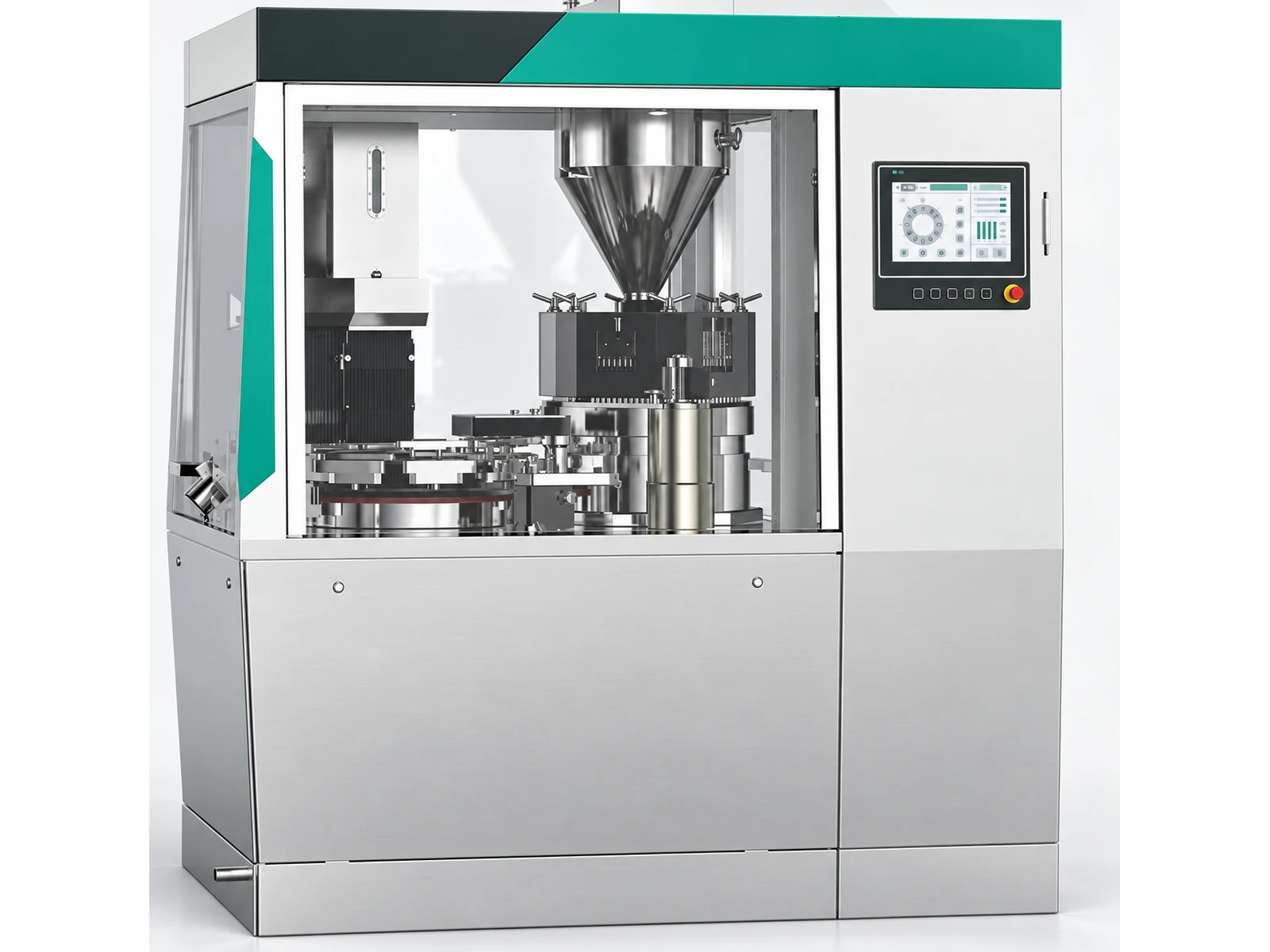
Capsule preparation depends on the material inside the shell. A suitable blend can feed the filler directly, while granules or pellets require the selected upstream route. Wet granulation, dry granulation and pellet preparation are alternatives. The dosing mechanism then meters that material into the chosen shell before closing, finishing and inspection; accepted capsules continue to either bottles or blisters.
Example project input
This example uses the bottle route. For blister packs, plan from the pocket layout and the number of cards per carton. Add rejected and sampled units separately.
180
Bottles in the trial order
30
Accepted capsules per bottle
5,400
Accepted capsules needed
—
Process options
Capsule production · Process route
Five process groups, with equipment choices inside each stage. Start with the formulation, then select the primary pack.
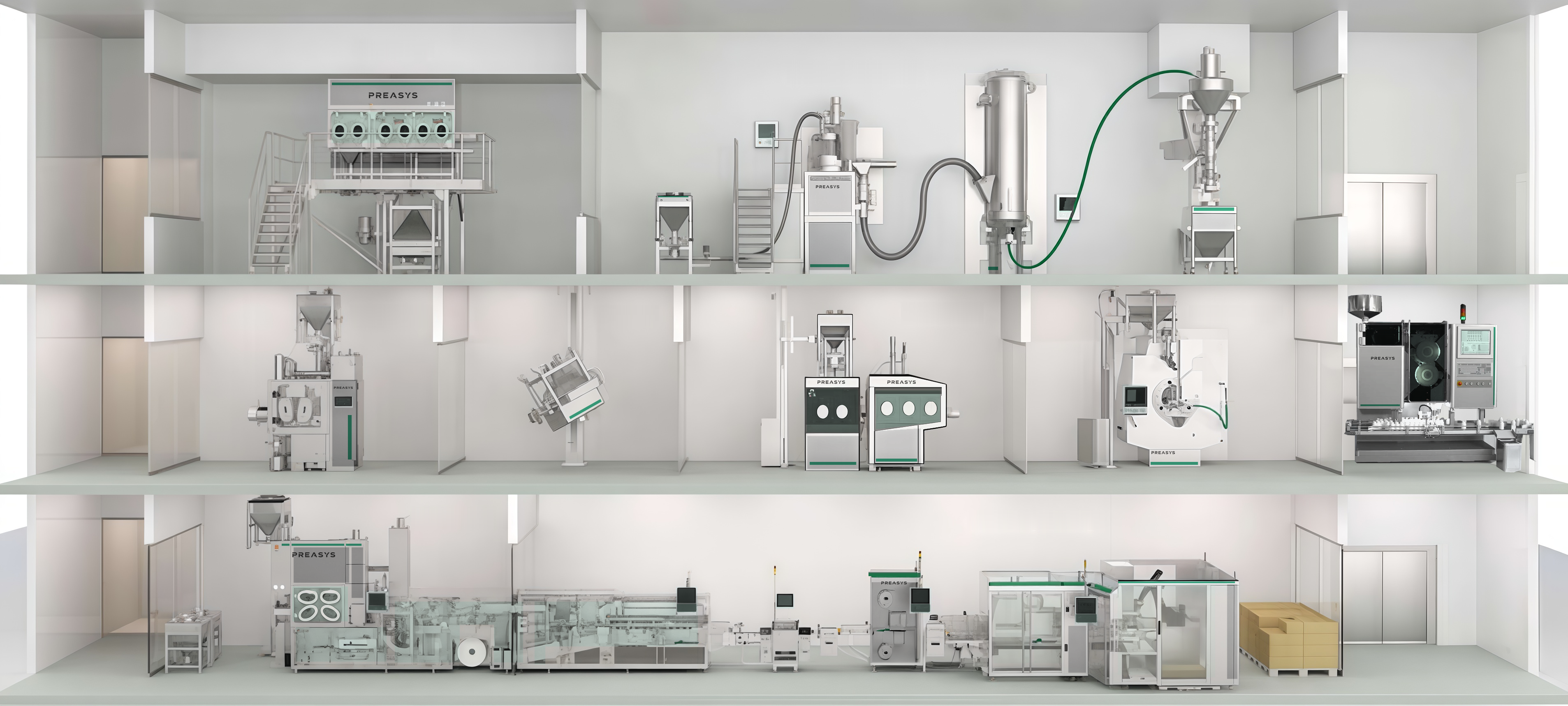
Capsule route highlighted within a shared solid-dose layout. Tablet pressing and tablet coating shown in the background are outside this route. Equipment options without a mapped position are listed in the relevant group.
Use the numbered points or the index to explore the operations and related equipment. Optional stages and alternative routes are identified within each group.
Process group 01 / 05
A suitable blend can go directly to capsule filling. Wet granulation, dry granulation and pellet preparation are alternative routes selected for the formulation.
01 / Material preparation · 1.1
Coordinate material identification, dispensing and transfer into the selected preparation route.
01 / Material preparation · 1.2
Use wet granulation followed by drying when required. Dry granulation is an alternative; it is not an additional mandatory step.
01 / Material preparation · 1.3
For the selected wet route, the fluid-bed configuration removes moisture before the separately specified sizing and transfer operations. A top-spray granulator is not evidence that the same unit provides every drying or sizing duty; its proposed operating mode must be confirmed.
01 / Material preparation · 1.4
Prepare a consistent powder or granule blend for the selected dosing system. Direct powder filling does not require a granulation step.
01 / Material preparation · 1.5
Use a pellet route only when the formulation calls for it. Establish particle characteristics and the selected coating or drying scope.
Process group 02 / 05
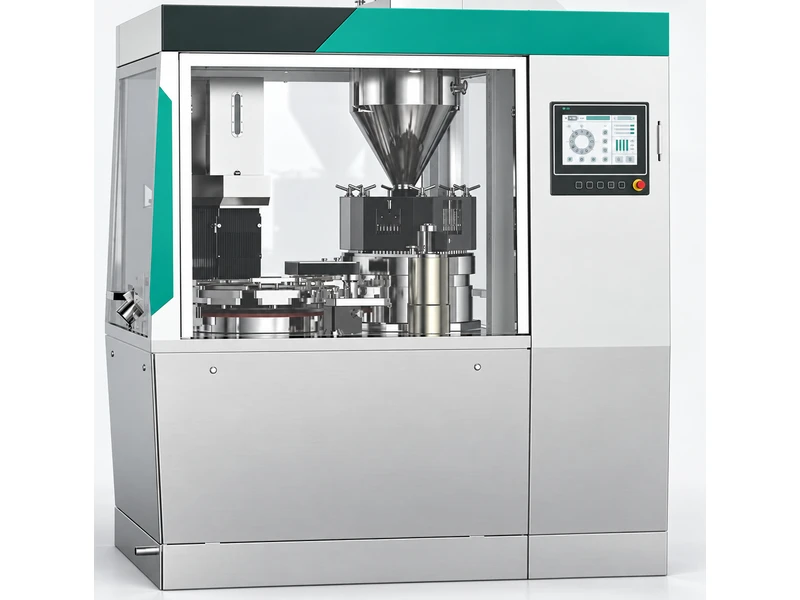
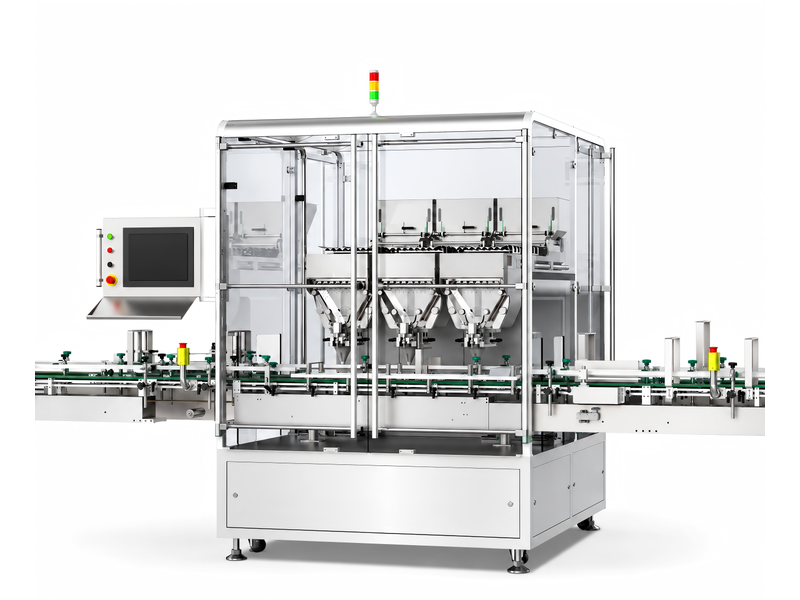
Match the dosing tools to the fill material and shell size, then close the filled shell before transfer.
02 / Capsule filling · 2.1
Confirm powder, granule or pellet handling, capsule size and fill-mass criteria with representative material.
Process group 03 / 05
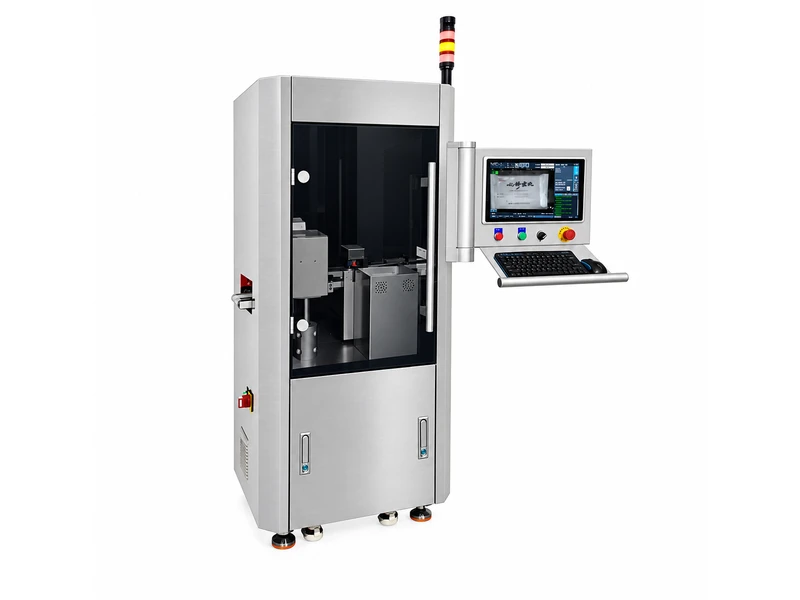
Define which checks are performed in the filler and which require a separate inspection, weighing or detection station.
03 / Finishing and inspection · 3.1
Inspect the finished shell and closure against agreed defect criteria before primary packaging.
03 / Finishing and inspection · 3.2
Choose an appropriate capsule weighing arrangement and identify the rejection and reconciliation points.
03 / Finishing and inspection · 3.3
Evaluate a compatible detector and rejection arrangement for the capsule route and the stated detection requirement.
03 / Finishing and inspection · 3.4
Include marking only when required by the product presentation and supported by the shell and equipment trials.
Process group 04 / 05
Choose bottle packing or blister packing. These are alternative branches, with different feeding, counting and downstream interfaces.
04 / Primary packaging · 4.1
Count accepted capsules into the selected bottle. Agree the closure, seal and identification interfaces for that bottle format.
04 / Primary packaging · 4.2
Feed capsules into formed pockets, then seal and discharge the blister. Treat forming and sealing as parts of the selected blister platform.
Process group 05 / 05
Choose the downstream configuration for the accepted bottle or blister pack. Bundling and automated palletizing are selected project options.
05 / Secondary & end-of-line packaging · 5.1
Match the primary pack, carton and leaflet to the cartoner infeed.
05 / Secondary & end-of-line packaging · 5.2
Agree print verification and market-specific serialization or aggregation.
05 / Secondary & end-of-line packaging · 5.3
Group cartons only when the sales or shipping pack requires a bundle.
05 / Secondary & end-of-line packaging · 5.4
Pack cartons or bundles into the selected shipping case.
05 / Secondary & end-of-line packaging · 5.5
Agree case patterns, pallet dimensions and the dispatch handoff.
Technology
Set the dosing tool from the powder or pellet fill. Compare individual fill masses and examine the body-to-cap joint after discharge.
Explore equipment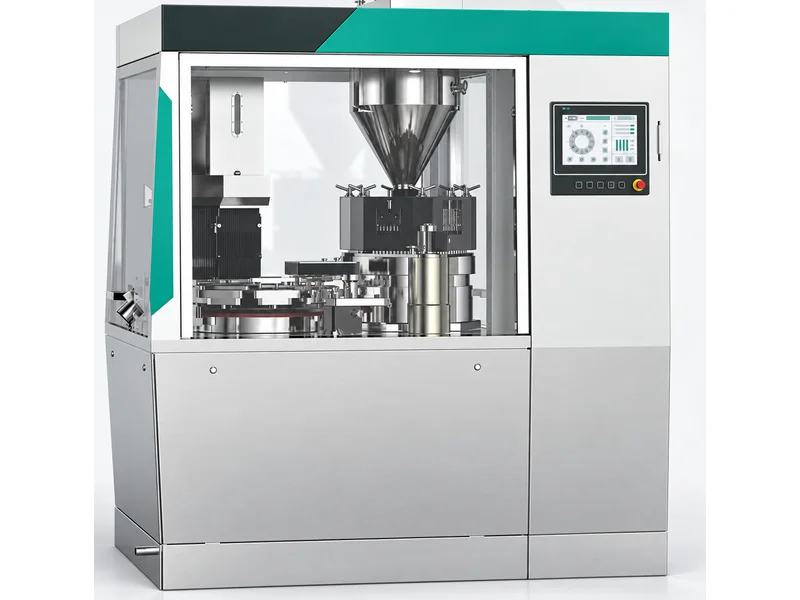
Technology
Present the cap, body and joint to the optics. Use capsules carrying known defects to check the view and the physical reject path.
Explore equipment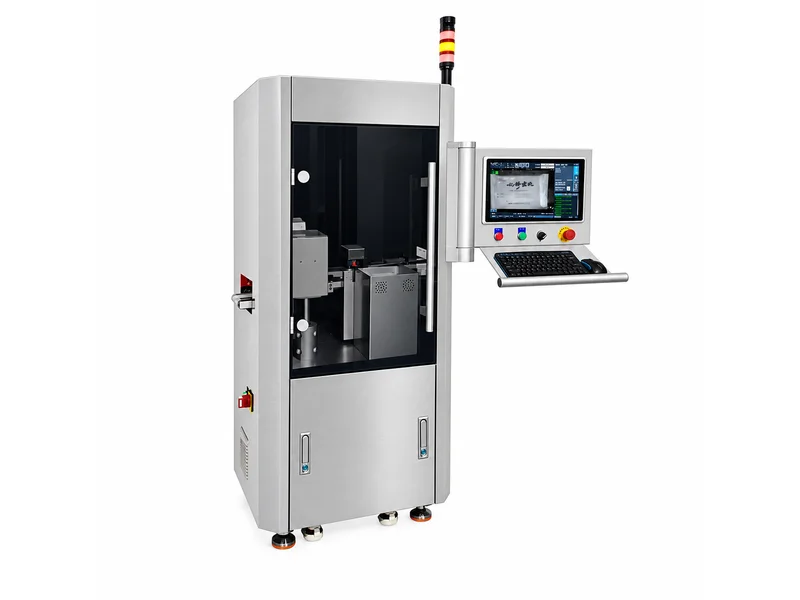
Technology
Set the recipe by accepted units per bottle. Check counts at starts, stops and bottle changeovers before closing the pack.
Explore equipment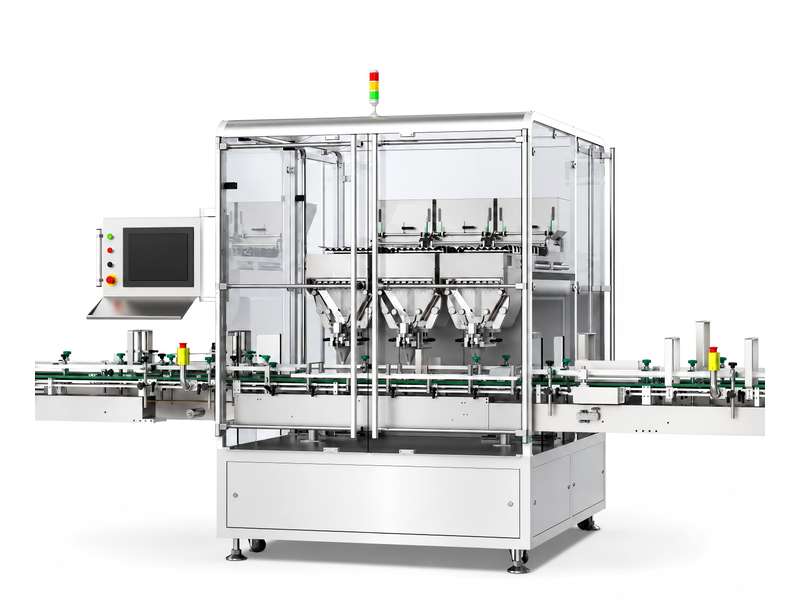
A common accepted-capsule specification connects filling with either primary-pack branch. Fill checks and shell inspection occur at defined positions before accepted units reach bottle counting or blister loading. Separate reject handling preserves the packing count and helps distinguish a filling fault from a transfer or packaging fault.

Run the proposed powder, granule or pellet with its specified shell. Compare individual fill masses and inspect the locked shell after discharge and transfer.
For bottles, reconcile accepted counts at changeover. For blisters, inspect pocket occupancy and shell damage before sealing. Use the intended pack material in either trial.
Set the boundary at each material change: prepared fill into the dosing system, closed capsule into finishing and inspection, and accepted units into one selected primary pack. Tablet compression and tablet coating in the shared solid-dose illustration are outside this capsule route.
Establish whether the fill can be dosed as supplied or needs blending or granulation. Define shell size and fill properties.
Check dose formation, shell closure and the condition of the capsule after discharge. Inspection points depend on the defect to detect.
Choose either bottle counting or blister feeding for the primary pack. Specify how the selected machine receives accepted capsules.
Direct powder filling, pellet filling and granulation are alternative preparation choices driven by the formulation.
Learn moreCheck shell closure and flow into the selected blister or bottle pack.
Learn moreIdentify the contact parts and format tooling for Pharmaceutical Capsule Production Lines. Agree access for cleaning, the spares to hold and the operating records the site will need.
Learn moreShare dosage form, starting material and finished presentation.
Request product information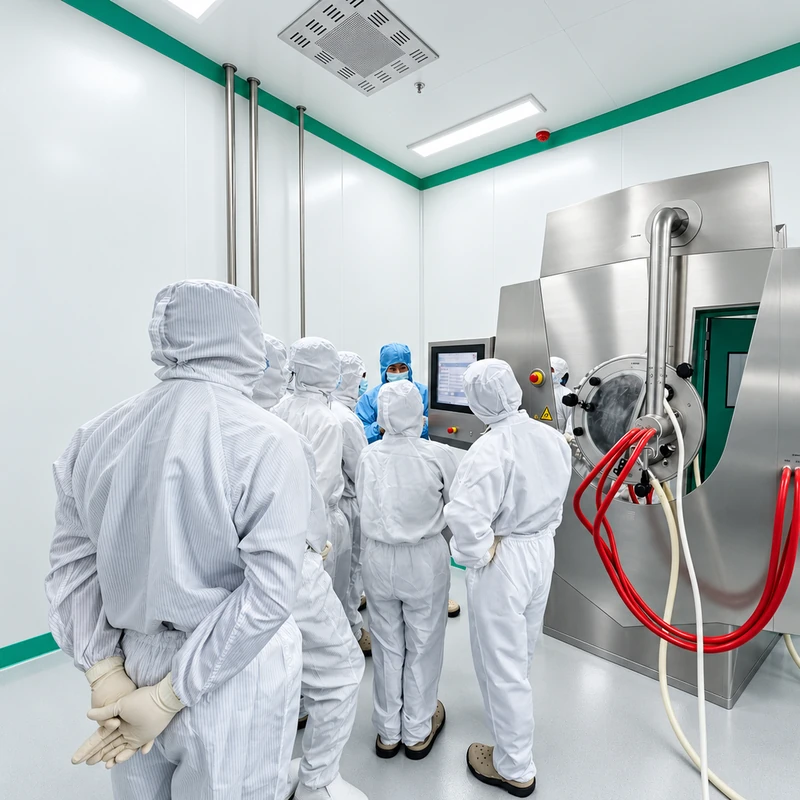
Brochure
Pharmaceutical Capsule Production Lines
Available by enquiry
Request product informationCase
Pharmaceutical Capsule Production Lines
Available by enquiry
Discuss project references2 resources
No. A powder with suitable dosing behaviour can follow a direct-blending and filling route. Wet granulation, dry granulation or pellet preparation is selected for a formulation need. Define the selected branch and its output properties before specifying the filler.
The fill material changes the dosing and handling requirements. Specify whether the capsule contains powder, pellets or a combination, then confirm the required tooling, material feed and checks with representative material. Do not infer interchangeability from shell size alone.
They are alternative primary-package routes for the accepted capsules. A project can include both as separately configured lines or branches, but a capsule is not normally bottled and then blister packed. Define the selected pack and its handoff before sizing downstream cartoning.
Agree fill-mass checks, shell closure, damage, reject handling and the transfer to the intended pack. Include refill, stop/restart and format-change conditions. The target output should be evaluated across the complete selected route rather than only at the filler.