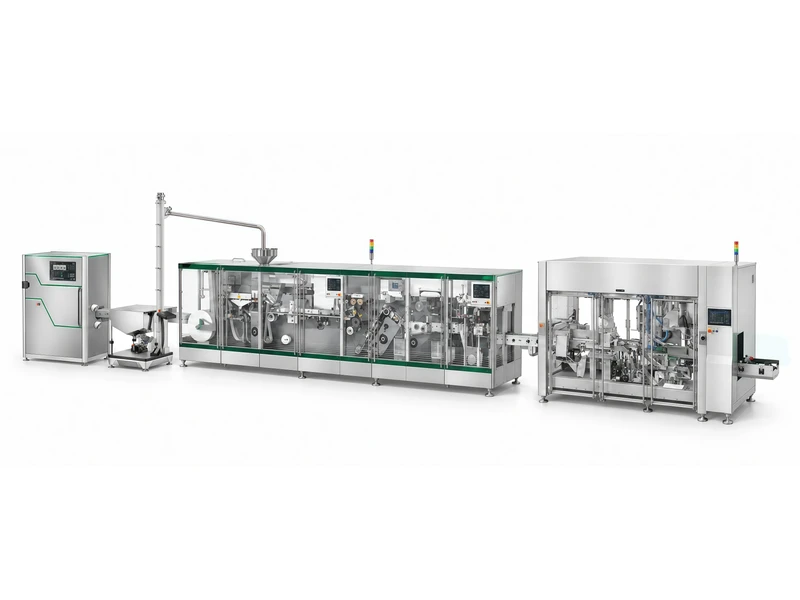
Define the equipment scope
Lighting and camera position depend on the forming material, product colour and whether the lid has already been sealed.
Learn moreProcess expertise. Chinese manufacturing. Global perspective.

Equipment & technology
Blister inspection examines the product presented in each cavity and carries the decision forward to the corresponding pack. The inspection position, lighting and web registration work together so a detected problem can be associated with the correct strip after sealing and cutting.
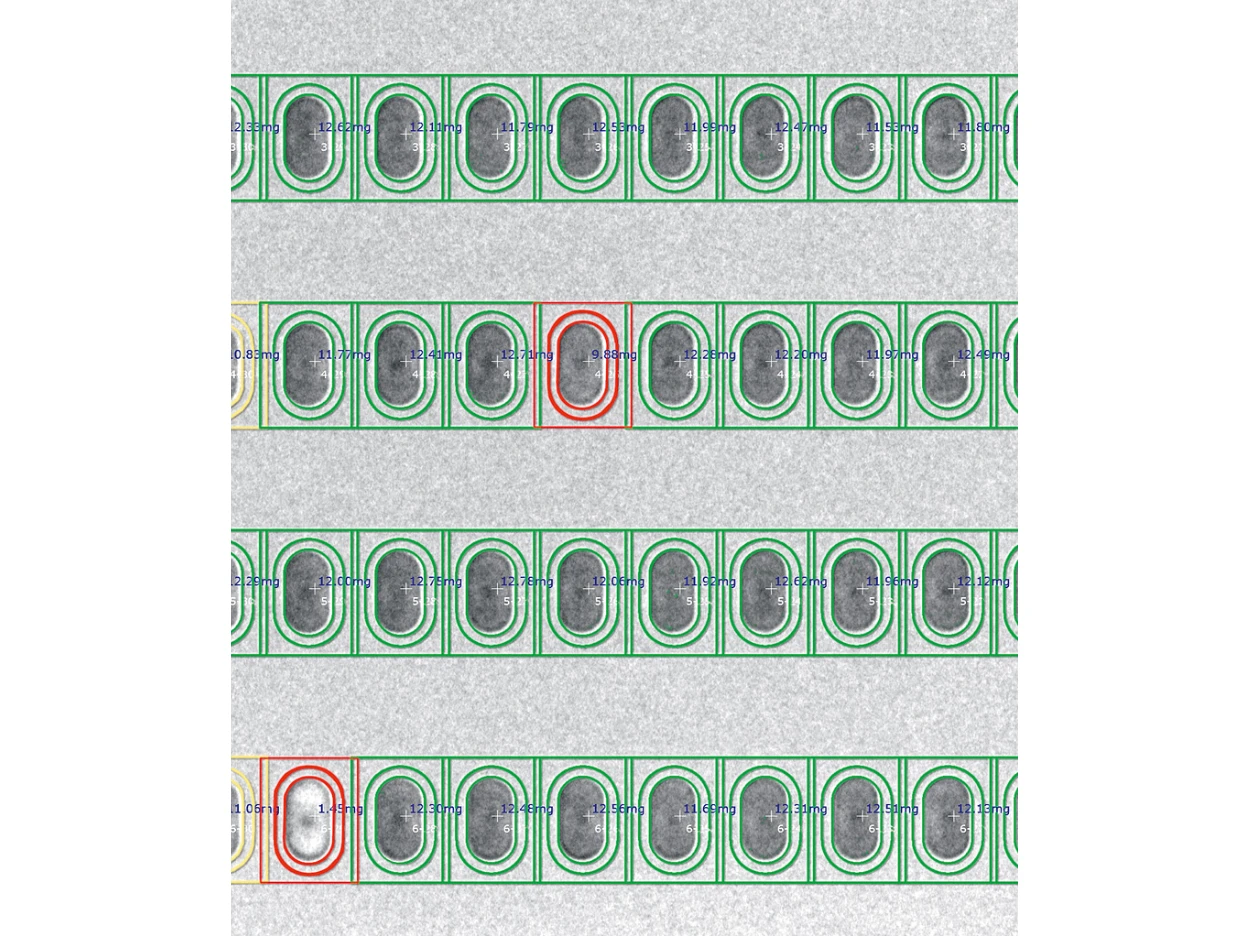
An open cavity provides a different view from a sealed pack. Product colour, reflective foil, pocket depth and lid transparency influence the visible features. The inspection arrangement therefore begins with the pack material and stage of the process, rather than a universal camera specification.
Example project input
Track each test pocket from the camera to the reject position. Record its web index and position across the web, including pockets deliberately left empty.
8
Pockets per web index
15
Web indexes in the trial
120
Pocket images to reconcile
—
Process options
Occupancy and visible product condition are different inspection questions. An empty pocket, a broken unit and a product with normal colour variation require different acceptance examples. A useful defect catalogue defines both unacceptable conditions and the variation that should remain accepted.
Cavity positions are registered against the web pitch and index. The inspection result must remain linked to that position as the web advances, is sealed and is cut; otherwise a correct detection can still lead to the wrong pack being rejected.
Reject verification closes the loop between an image decision and physical removal. Representative challenge packs should exercise normal running, stops and restart behaviour. Optical windows, lighting and registration references also need accessible cleaning and routine checks.
Use these inputs to define the proposed configuration. Confirm operating values against the selected model and trial conditions.
| Project input | What to record and why |
|---|---|
| Pocket layout | Supply the blister drawing with pitch, pocket positions and orientation. Use it to locate the inspection windows and reject the correct pack. |
| Product appearance | Provide acceptable units showing normal variation in colour, orientation and finish as well as identified defect samples. |
| Web index | Record the distance the web advances per cycle and its registration reference. Track a marked pocket from the camera to the reject point. |
| Downstream reject position | Measure the distance between detection and the reject device. Trace a marked unit to check timing, rejection and physical reconciliation. |

Load the intended pocket layout and locate each cavity against the web reference. Use acceptable products and identified defect samples under the proposed lighting to establish what is actually visible at that inspection point.
Introduce known challenge positions and follow them through the subsequent indexes to the cut pack. Reconcile accepted and rejected packs, then repeat the sequence after a controlled stop and restart.
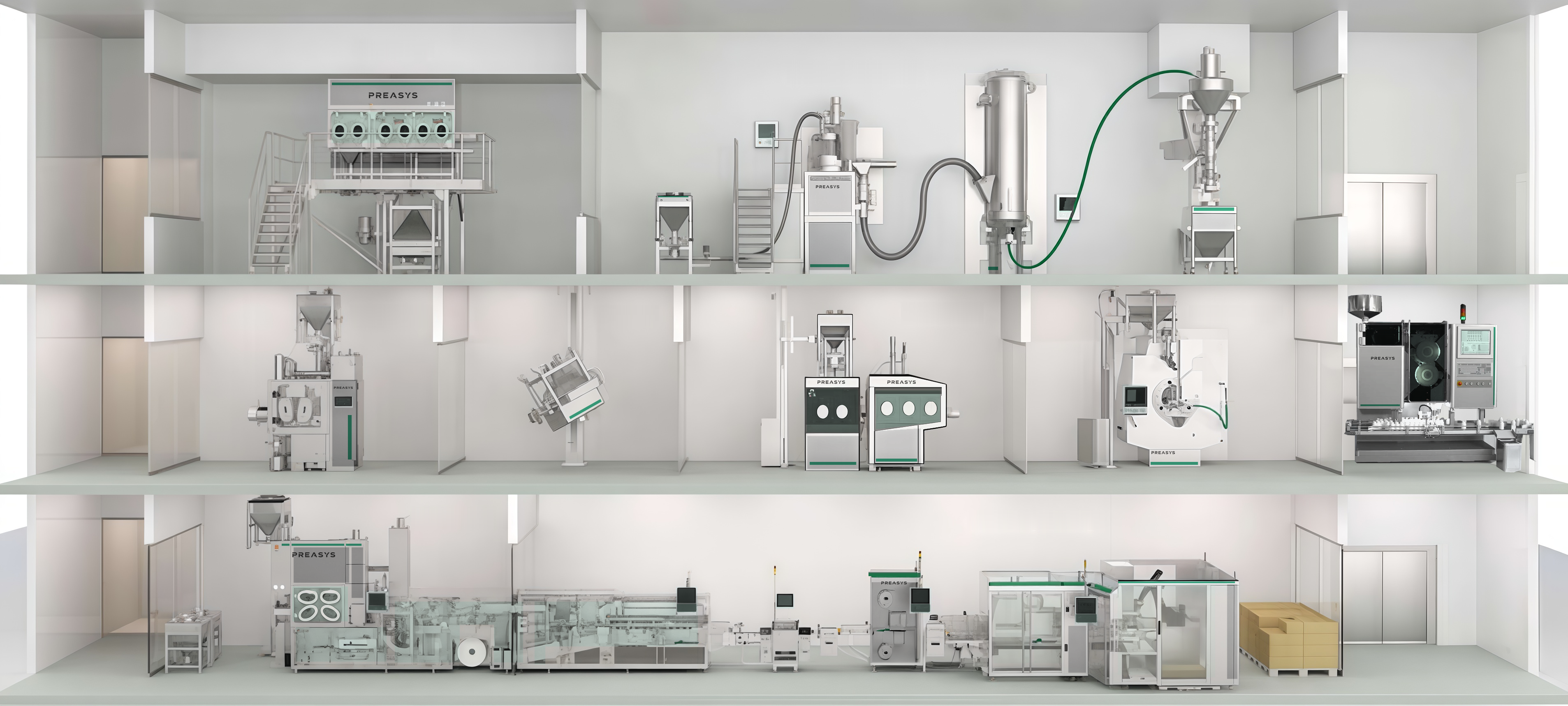
Oral solid dosage · Integrated production
Discover the equipment behind your solid dosage process.
Route selection. Wet and dry granulation are alternatives. Select tablet compression or capsule filling for the dosage form; include coating when required.
Illustrated equipment and packaging options show process relationships. The facility layout and equipment configuration are defined for each project.
The vision station receives a positioned web or pack and returns an accept or reject decision to the packaging controls. The downstream reject point must account for the distance and any indexing between detection and removal, including the handling of packs present during a stop.
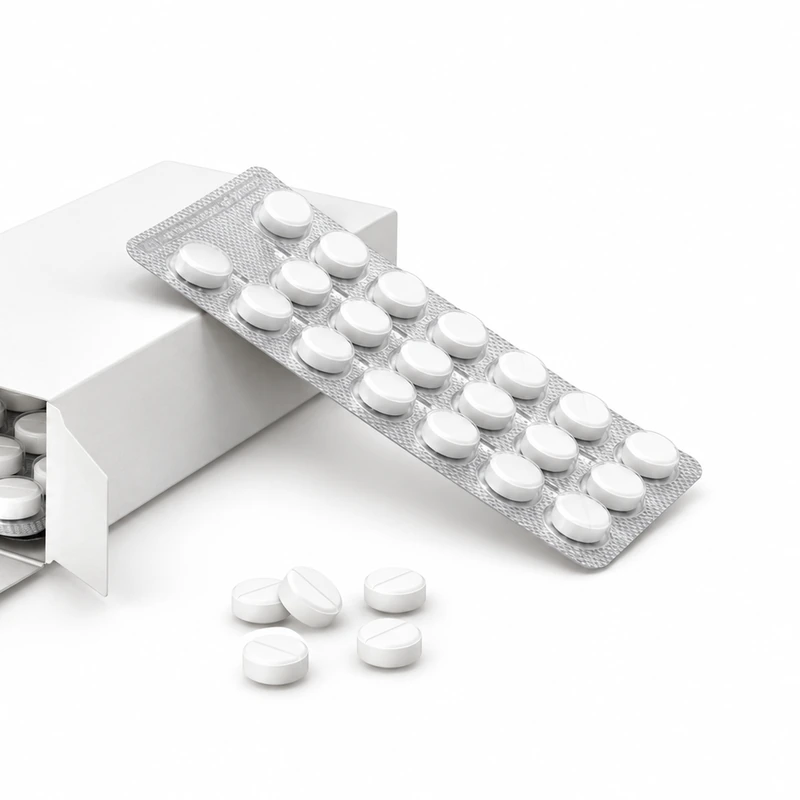
Lighting and camera position depend on the forming material, product colour and whether the lid has already been sealed.
Learn moreFollow challenged cavities through sealing and cutting to verify that the correct finished pack is rejected.
Learn moreIdentify the contact parts and format tooling for Blister Inspection. Agree access for cleaning, the spares to hold and the operating records the site will need.
Learn moreShare pocket layout, product appearance and web index.
Request product information
2 resources
No. Lid and forming-material properties can obscure the product. The inspection location must provide the view needed for the agreed defect criteria.
Not by itself. Appearance inspection and package-integrity testing answer different questions and may need separate methods or equipment.
Demonstrate inspection performance using the actual pack, defined defects and intended operating conditions. Record the observed regions, missed defects and false rejects; a camera count alone does not establish detection capability.
For a configuration review, include pocket layout, product appearance, web index, downstream reject position.
Discuss your project