01
Barrel presentation
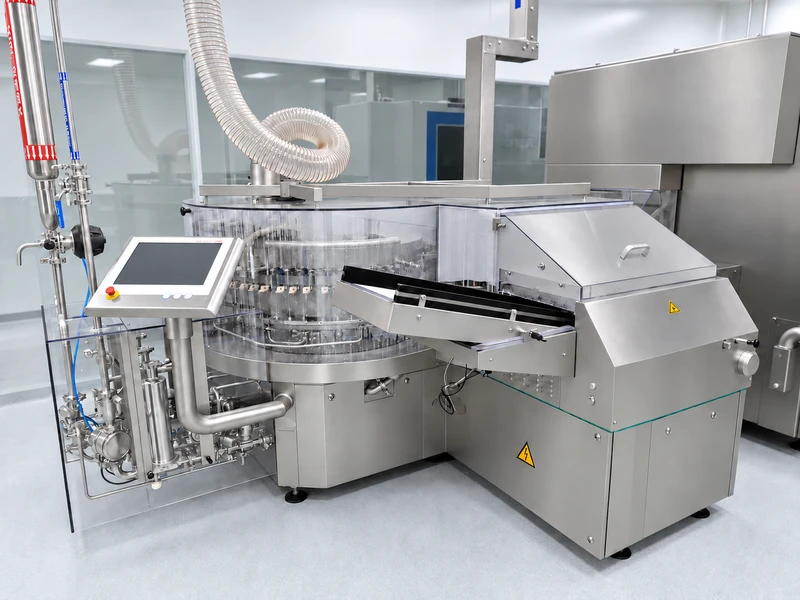
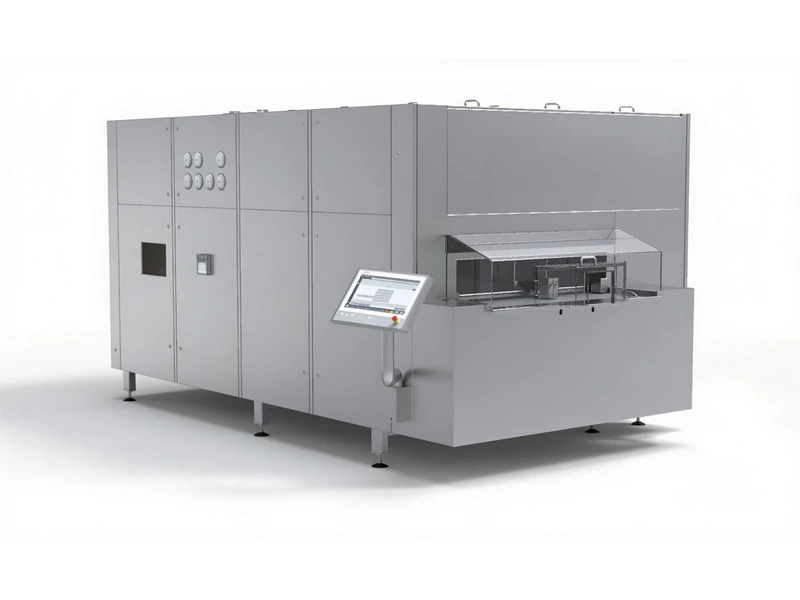
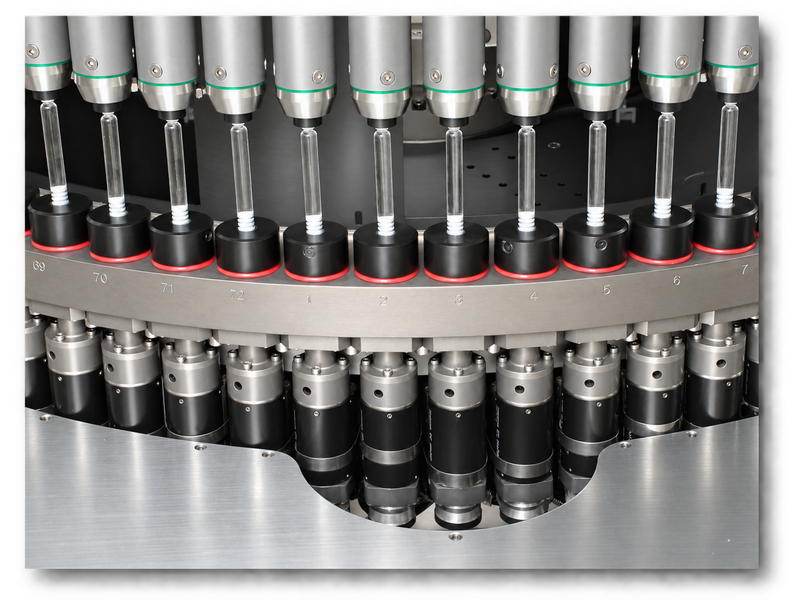
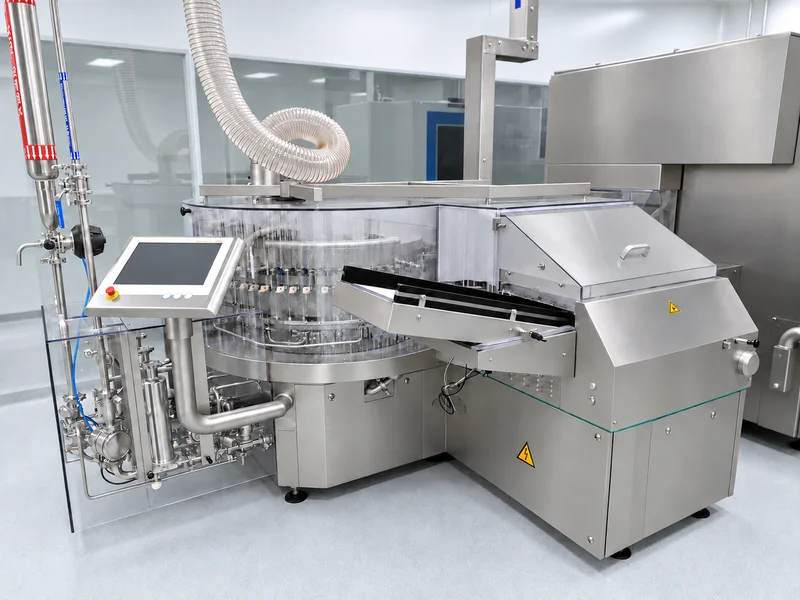
Choose loose glass with washing and thermal preparation, or RTU nests with tub opening. Confirm barrel support and the incoming closure condition.
Process expertise. Chinese manufacturing. Global perspective.

Production line
The cartridge route prepares the formulation and primary container, fills and closes the barrel, then transfers units to inspection or device assembly.
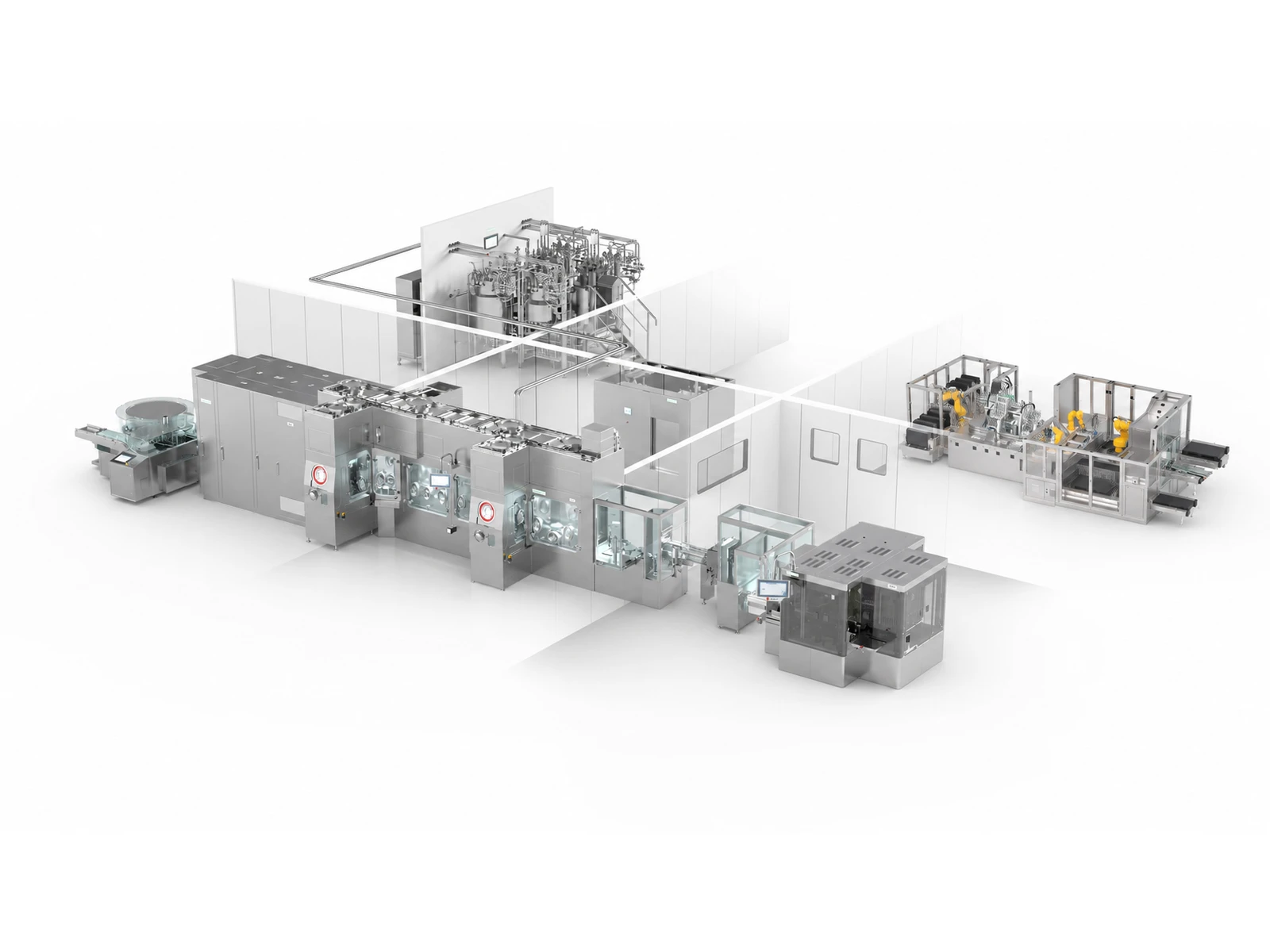
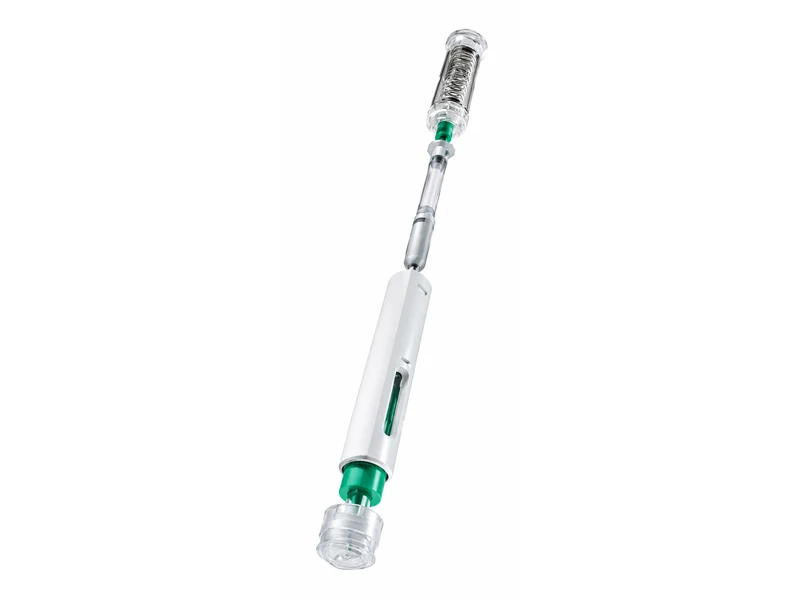
A cartridge line can receive loose glass or prepared nested barrels. The dose and closure sequence must also leave a cartridge that the selected delivery device or pack can accept.
Example project input
This estimate is for nested RTU cartridges. Loose barrels require their own washer, thermal preparation and infeed study. Check the actual nest drawing.
32
Nests in the example batch
50
Cartridges per selected nest
1,600
Cartridges presented to filling
—
Process options
Bulk glass and nested ready-to-use cartridges have different incoming handling requirements.
Choose loose glass with washing and thermal preparation, or RTU nests with tub opening. Confirm barrel support and the incoming closure condition.
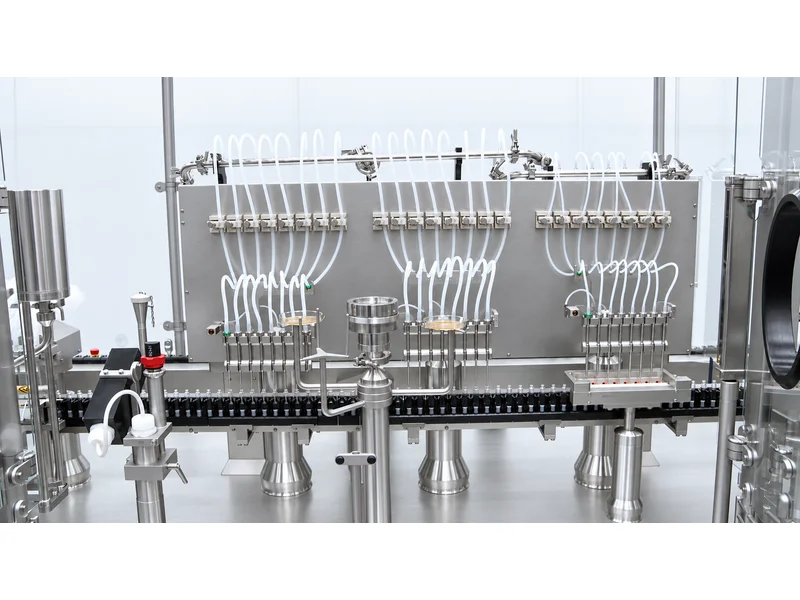
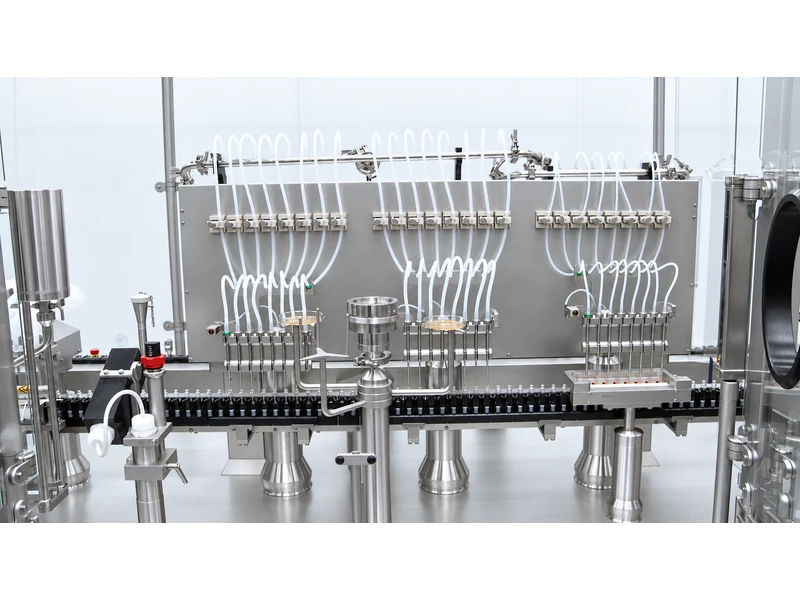
Specify the plunger, dosing and crimp sequence against the cartridge drawing. Agree where the cartridge is held and how position is checked.
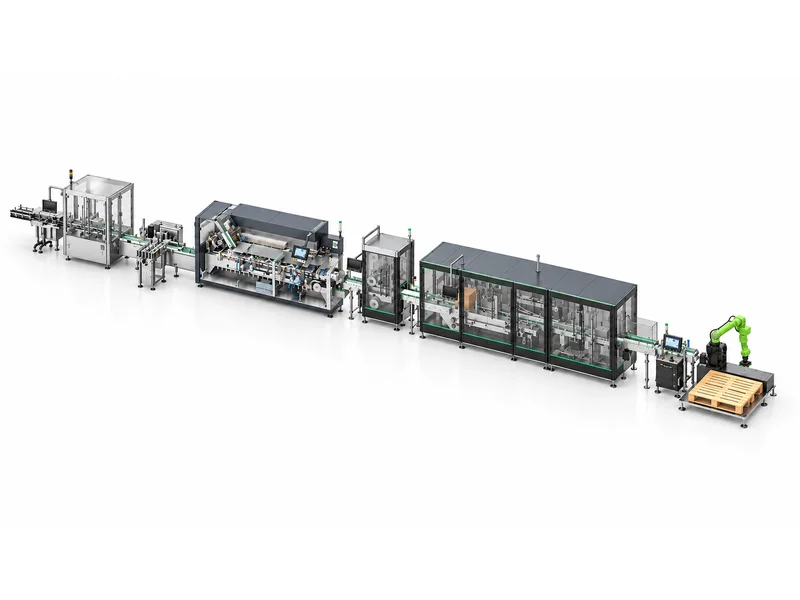
Transfer inspected cartridges to their protective pack or to a pen assembly fixture when device assembly is included. Keep accepted and rejected units separate.
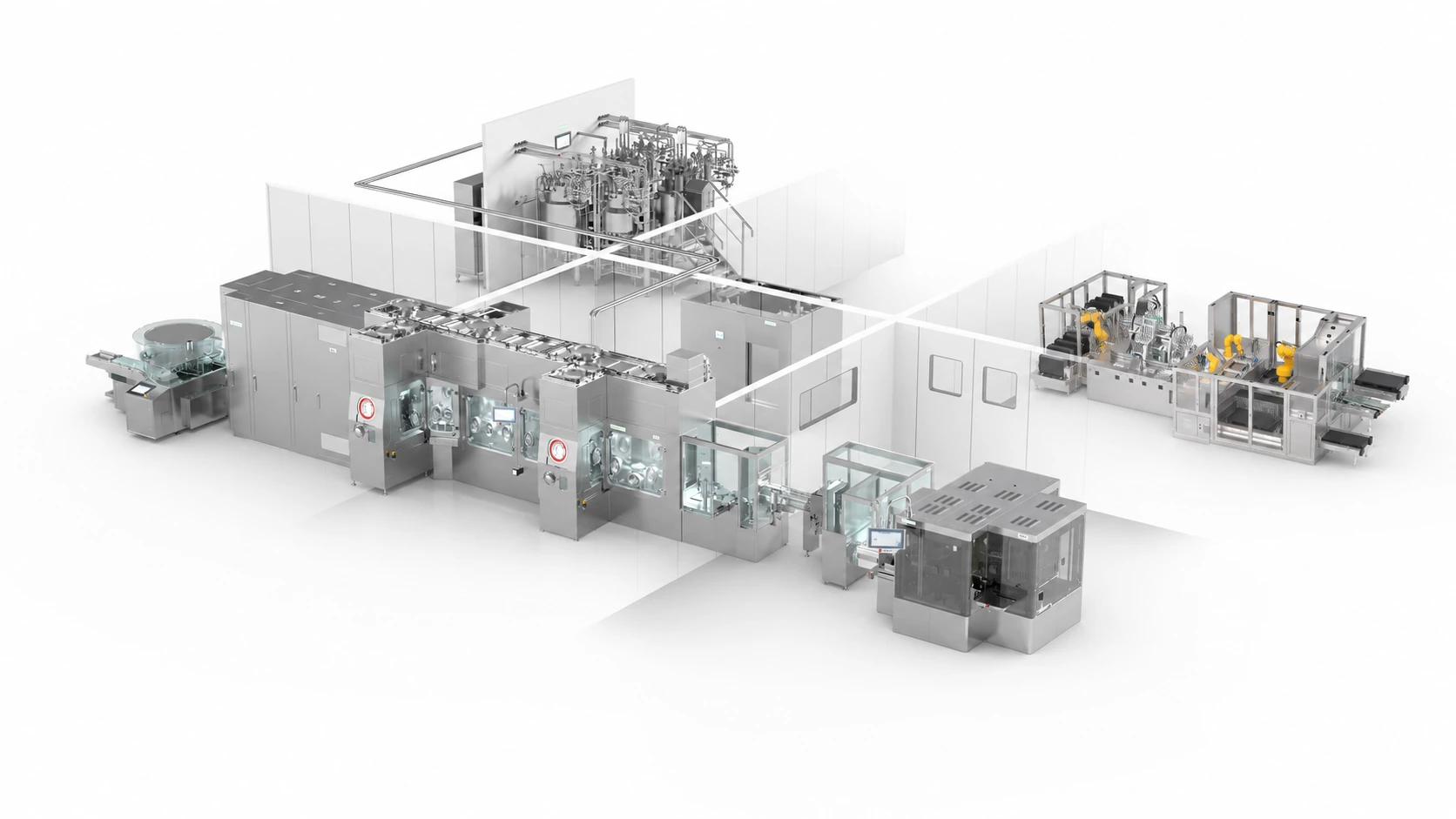
Integrated production · Process route
Explore the numbered process areas on this line.
Explore the primary container train and its separate secondary packaging cell.
Select a numbered area to see the operation and related equipment.
Filling technology
A flexible tube carries the liquid while rotating rollers control dosing. The product contacts the tube rather than the pump mechanism. This principle is used when a disposable product path and gentle handling are priorities. Tubing selection, product compatibility and the changeover procedure should be reviewed for each application.
Explore technology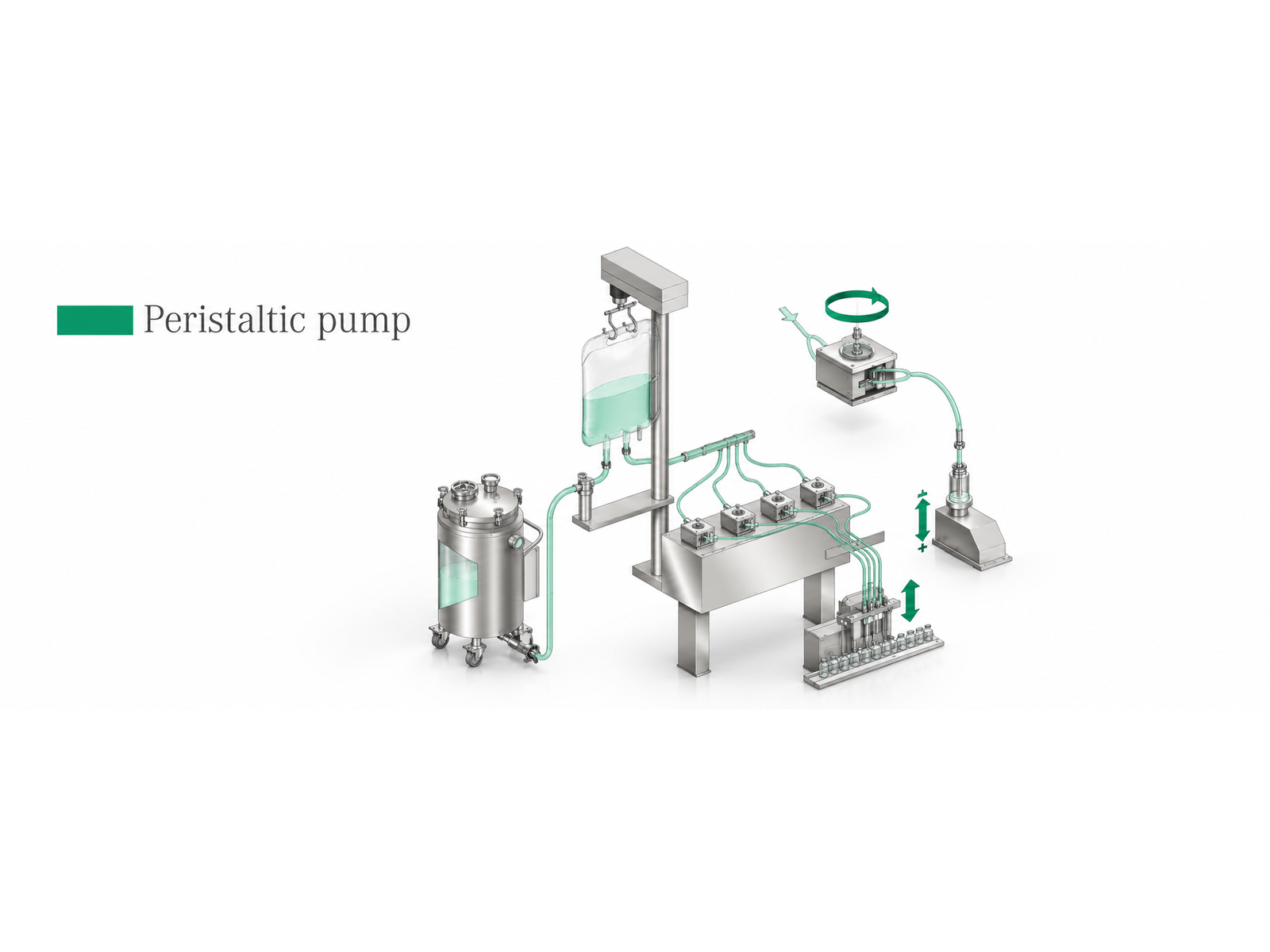
Filling technology
A piston draws liquid into a cylinder and then dispenses a measured volume through the outlet. The selected piston, valve and product-contact materials determine the application range. Review viscosity, cleaning requirements and the required filling volume together with the product and container format.
Explore technology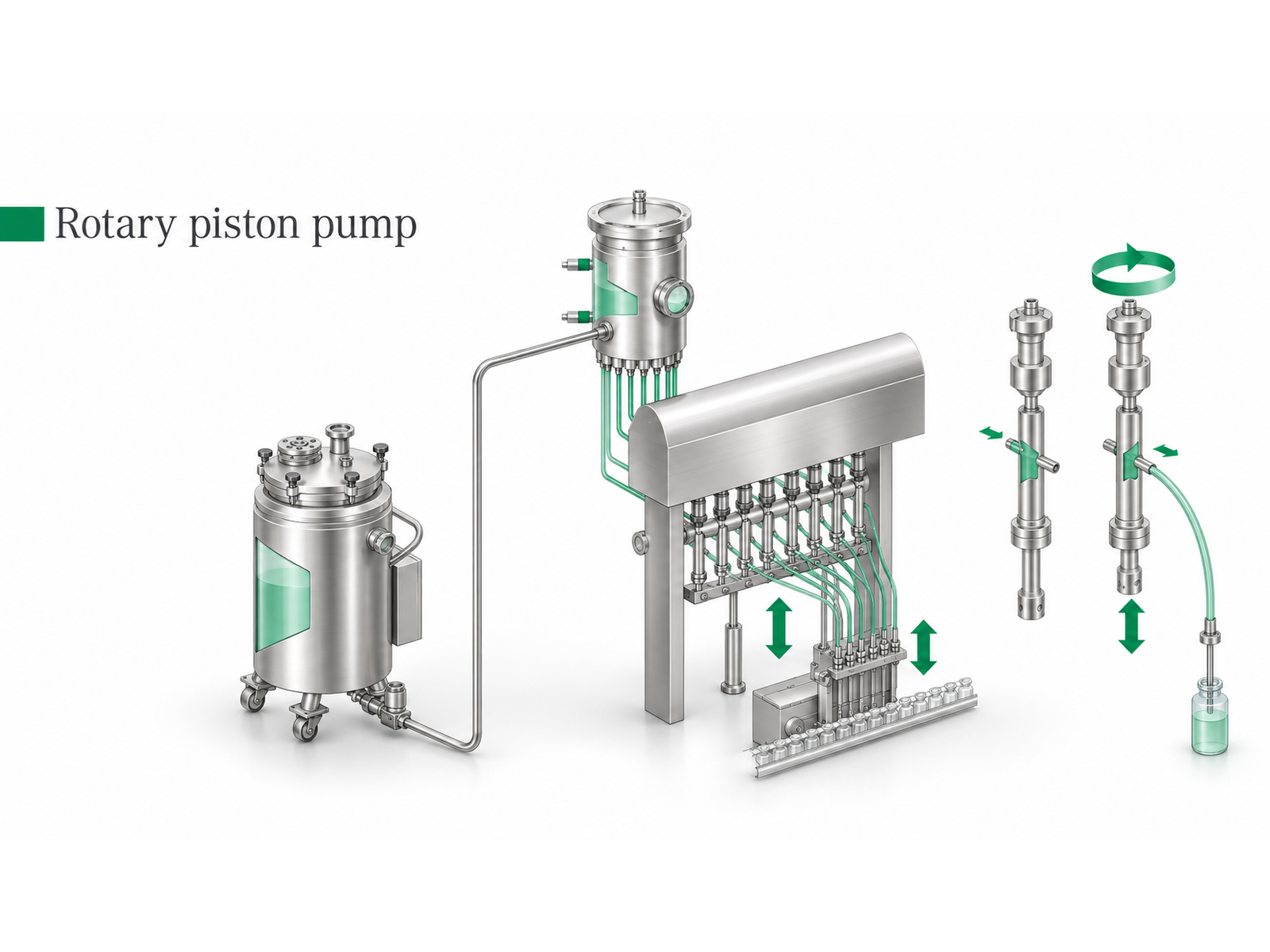
Filling technology
Controlled pressure moves liquid through a filling valve. The opening time and supply conditions determine the dispensed quantity. Product properties, pressure stability and the valve configuration are evaluated together when setting up the filling process.
Explore technology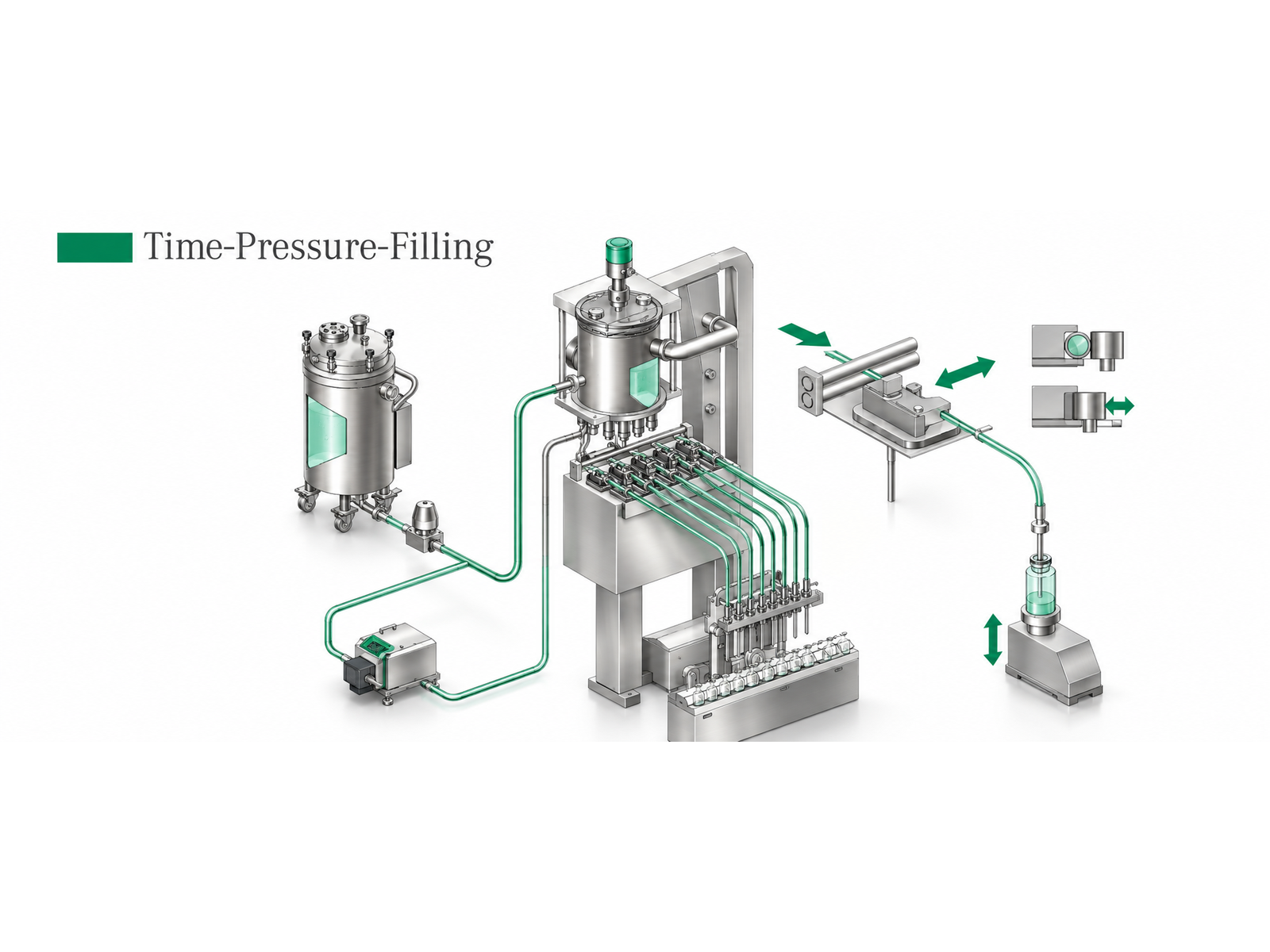
Filling technology
A flow sensor measures the product passing through the filling path and provides feedback to the dosing valve. The process is evaluated around the required fill mass, product behaviour and cleaning strategy. Sensor selection and the control sequence depend on the application.
Explore technology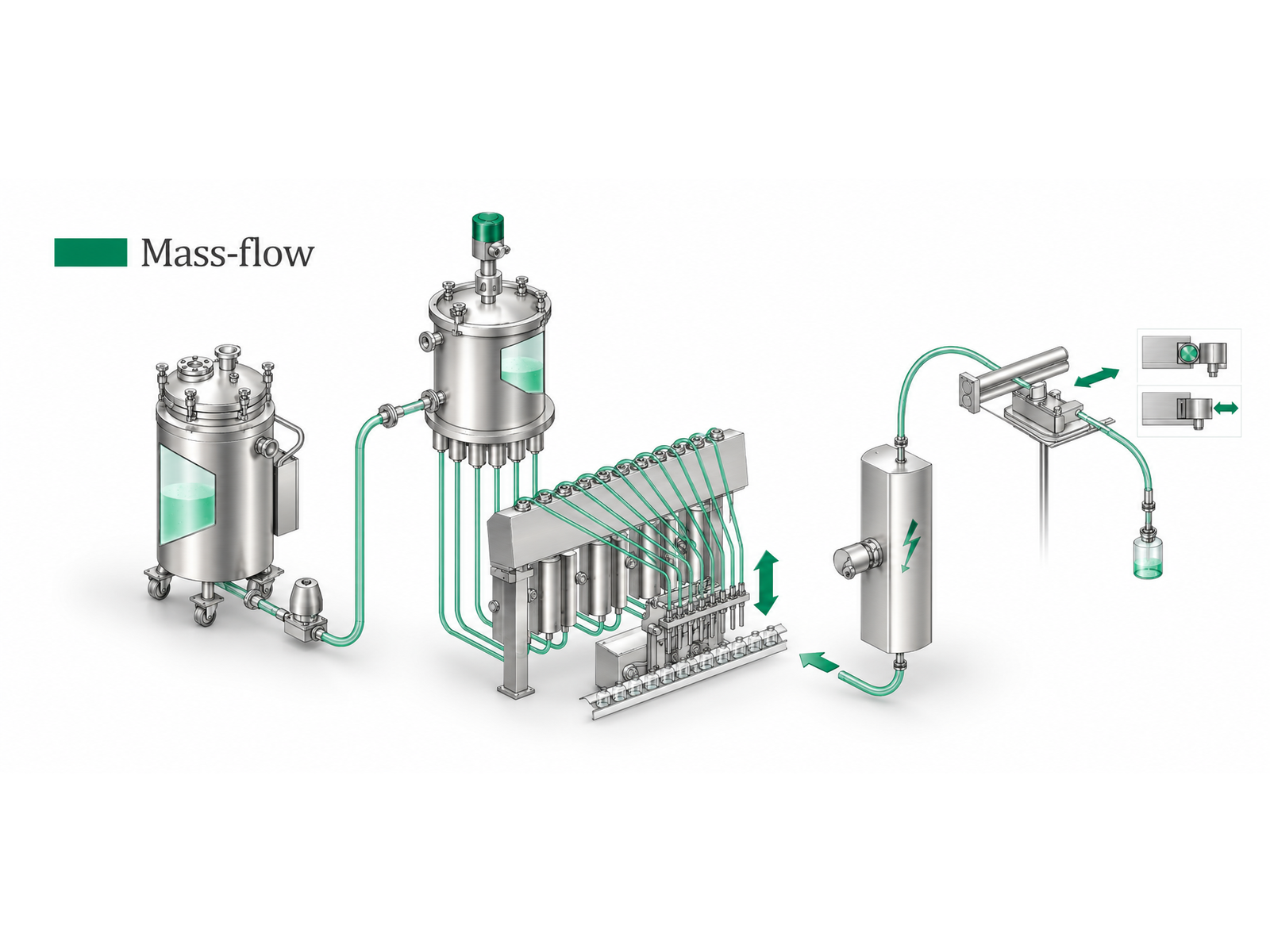
Matching barrel support and optical access early avoids discovering at inspection that a carrier hides the crimp or plunger edge.

Use the selected infeed with the same barrel revision planned for production. Check the transfer height and support through filling, then inspect for scuffing or damage.
Pass accepted filled cartridges through its receiving fixture. Confirm orientation, seating position and clearance at the crimp and plunger ends.
Treat bulk and nested containers as alternative infeed configurations.
Identify whether cartridges arrive as loose glass or prepared RTU units. Those infeed and preparation routes differ.
Set barrel support, stopper sequence, dose and closure geometry together. Confirm where inspection can see the critical areas.
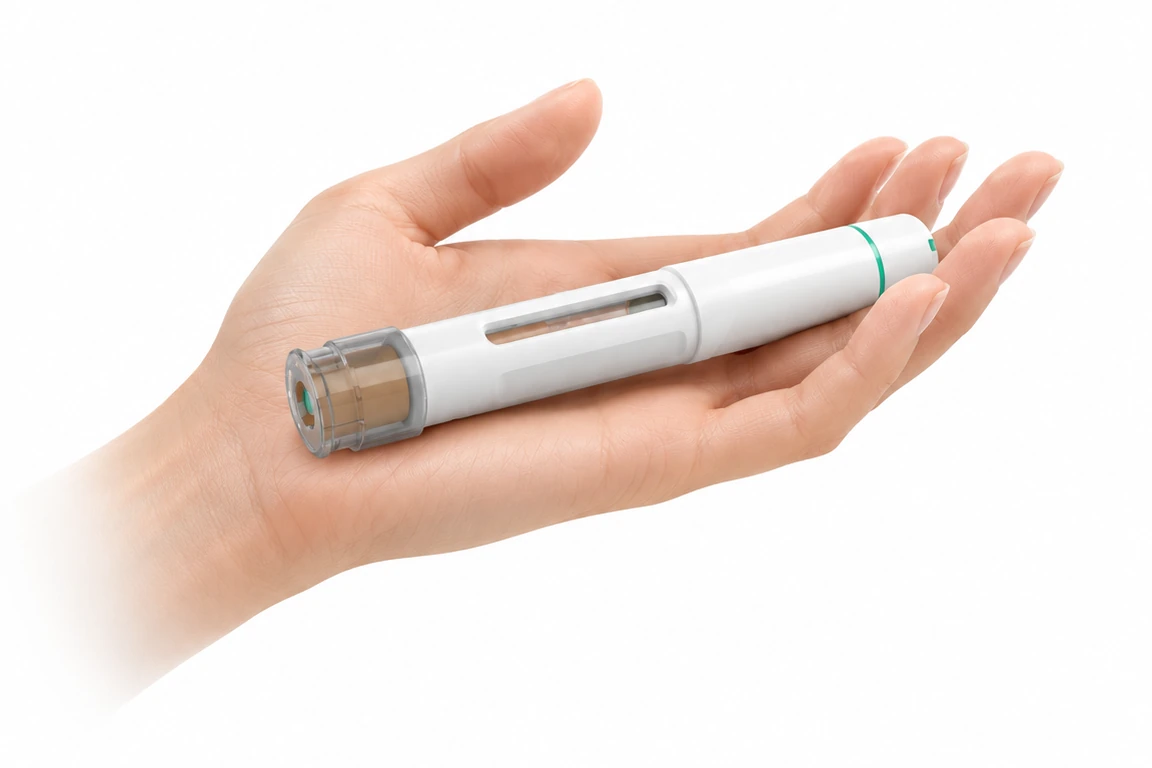
Transfer accepted cartridges to the contracted pack or pen assembly. A device assembly station is needed only if included in project scope.
Bulk glass and nested ready-to-use cartridges have different incoming handling requirements.
Learn moreSpecify the orientation, closure position and transport support expected by the next device station.
Learn moreIdentify the contact parts and format tooling for Pharmaceutical Cartridge Filling Lines. Agree access for cleaning, the spares to hold and the operating records the site will need.
Learn moreShare dosage form, starting material and finished presentation.
Request product information
Brochure
Pharmaceutical Cartridge Filling Lines
Available by enquiry
Request product informationCase
Pharmaceutical Cartridge Filling Lines
Available by enquiry
Discuss project references2 resources
Prepared nested cartridges arrive in a different state from bulk glass. Identify the incoming presentation before including washing or thermal treatment in the line.