Skip to content

Process expertise. Chinese manufacturing. Global perspective.

PREASYS

Equipment & technology

Track & Trace System

Connect a physical pack with its recorded identity through printing, verification and packaging events. A pharmaceutical track-and-trace system can link saleable packs to cases and pallets, but each association must follow the packs actually accepted, loaded or removed on the line.

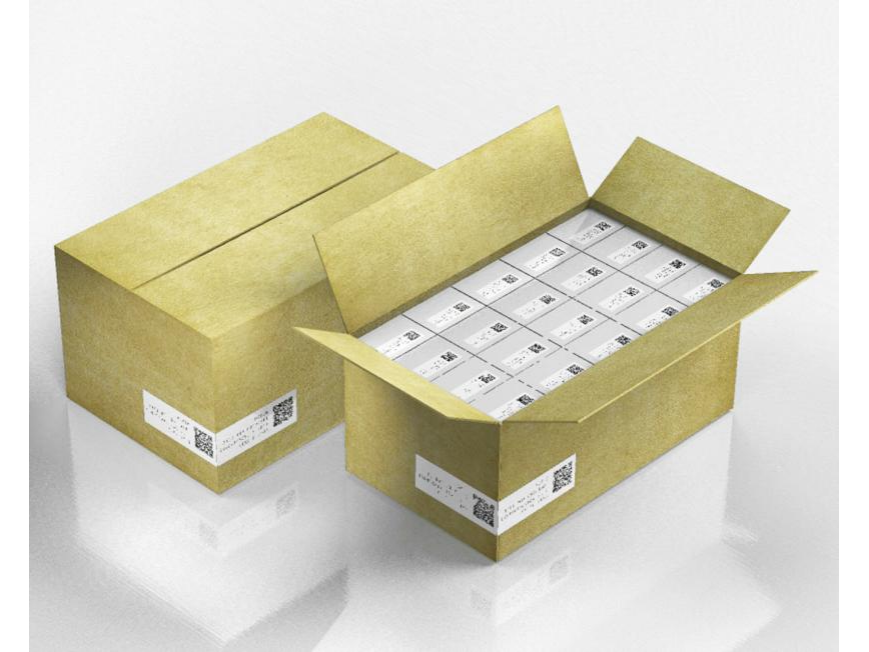
Opened shipping case showing the arrangement of individual cartons
Process context · Opened shipping case showing the arrangement of individual cartons

Track & Trace System

Keep the recorded identity with the physical pack

Printing creates a mark; verification establishes whether the specified mark is present and readable; serialization assigns an individual identity. These operations serve different purposes and need a defined sequence before an identified pack enters the accepted stream.

Aggregation records which child packs were loaded under a parent case or pallet identifier. It supports tracing the recorded packing hierarchy, but the record becomes wrong if a physical pack is removed without the corresponding event. The system therefore needs ordinary production and exception workflows: rejected prints, duplicate reads, interrupted loading, case opening and rework.

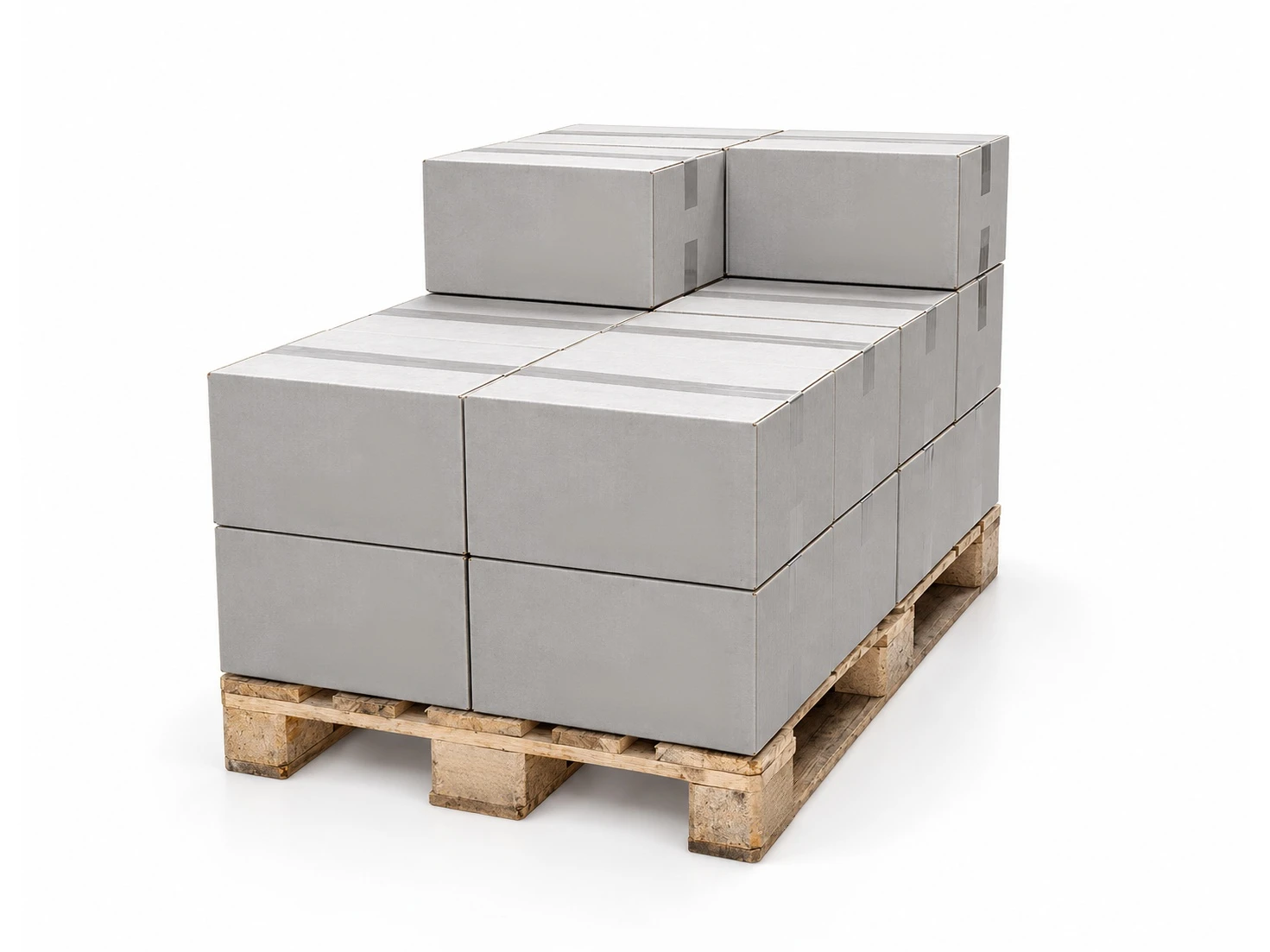
Shipping cases stacked in layers on a pallet
Process context · Shipping cases stacked in layers on a pallet

Process at a glance

Serial identity and aggregation require agreed data ownership at each physical handoff.

Identify

Print or read the pack identity at its station

Verify

Evaluate the specified code and its association

Reconcile

Account for accepted, rejected and reworked packs

Process challenges

An identifier supports authentication and trace workflows only when its assignment and recorded events remain controlled.

Read details

An identifier supports authentication and trace workflows only when its assignment and recorded events remain controlled.

Code and reporting requirements depend on the market and supply-chain role. The selected implementation follows that documented scope.

A printed code, a readable code and a valid pack state are distinct results. Their sequence determines whether the pack can proceed.

Trace queries use recorded identity, batch and packing relationships. They cannot establish unrecorded physical movement.

Printing, reading, rejection and site-system exchange must stay synchronized across interruptions and rework.

Industry problem Track-and-trace design considerations
Counterfeit packs in market An individual identifier and verified event record support pack authentication workflows; they do not independently prevent every counterfeit or diversion scenario.
Regulatory blocking Translate applicable market requirements into a documented code, event and system specification with the responsible regulatory and IT teams.
Data fragmentation Define the data owner and accepted state at printing, verification, grouping and exchange, including acknowledgements and exceptions.
Slow recalls Use accurate batch, identity and aggregation records to support a trace query; the system cannot infer unrecorded movement or current physical location.
Integration friction Coordinate sensors, printers, rejection, line controls and the site platform as one tested interface scope.

Technical data & features

Agree the required code hierarchy, verification points and rules for rework before laying out stations.

Shipping cases stacked in layers on a pallet

The code content and carrier are determined by the product, packaging level and applicable market specification. A serial number identifies an individual pack; batch and expiry information serve different purposes and do not replace that identity.

Reading a code and grading its print quality are different functions. The installed reader or verifier evaluates the specified data and image criteria; a failed result must remain associated with the correct pack until its rejection is confirmed.

A parent-child association is created from the actual accepted children loaded into a bundle, case or pallet. Physical count, code reads and completion signals need to describe the same group before its parent record is closed.

Line events may pass to a site serialization system or other designated platform. Interface format, acknowledgement, duplicate handling and recovery determine whether the recorded event reaches the intended system without losing its meaning.

Exception workflows and access control

Rework changes the relationship between packs and their identifiers. Controlled access, event history and explicit correction steps help preserve that history. The implementation scope must identify the responsibilities of printer, reader, line controls, site system and external exchange provider.

How it works

How does a printed identity follow a physical pack?

Follow one pack from code assignment and printing to reading and accepted-state confirmation. Challenge a missing or incorrect code and verify that the affected physical pack is rejected. Then load accepted packs into a parent case and reconcile the recorded child list with its actual contents.

How should a rejected code be reconciled?

Reject a coded pack, reopen a case and remove a child pack using the agreed rework workflow. Check the pack states and parent associations after each action. Interrupt the system interface and verify recovery without duplicate or missing events; a correct nominal print is only the start of this test.

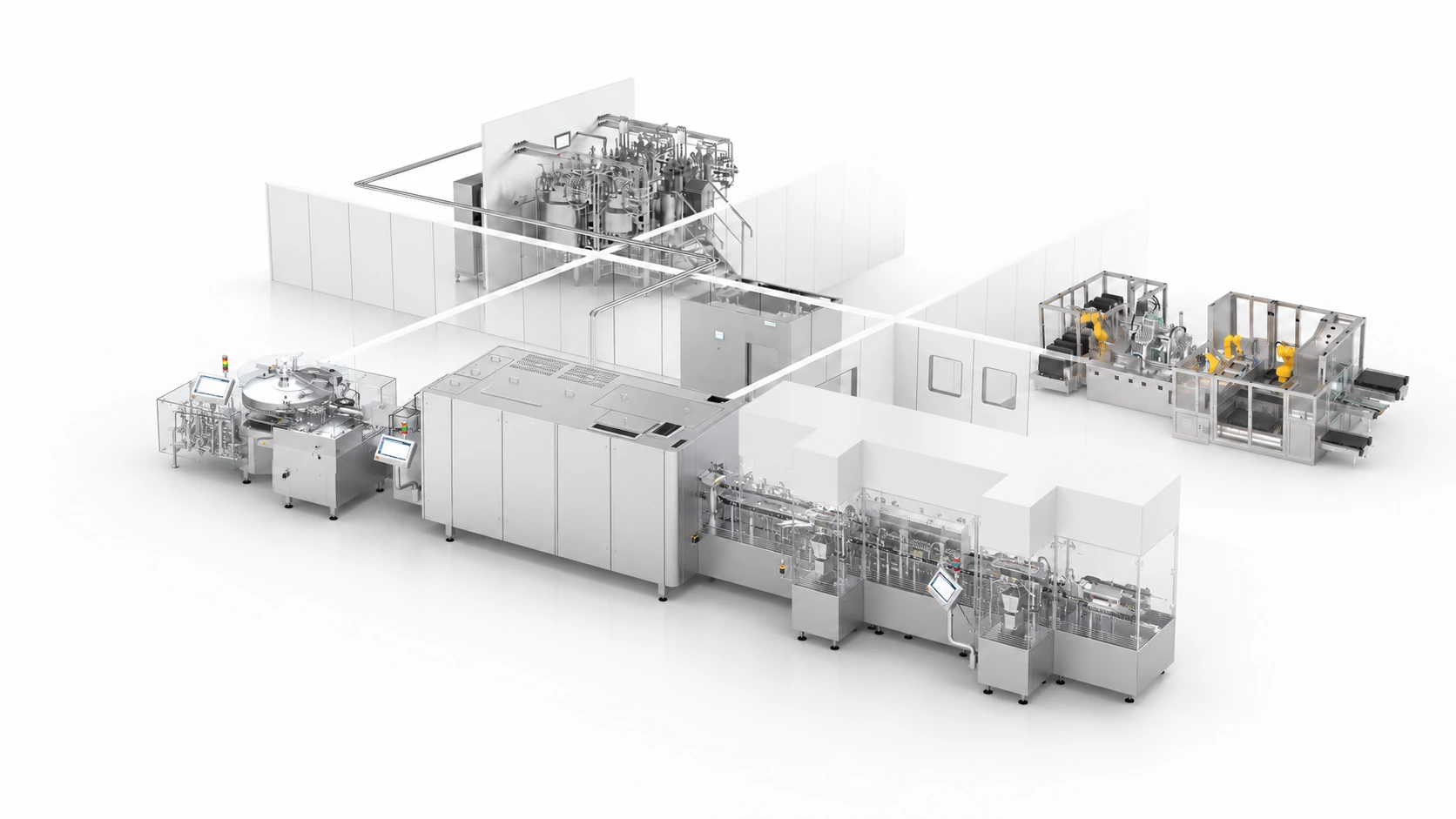
Pen and autoinjector production layout. This drawing shows primary-container preparation and downstream pack handling. It does not depict the pen or autoinjector assembly stations.

Production line · Equipment context

Pen and autoinjector production layout

Explore the process areas on the production line associated with this equipment.

Skip tour
Production layout 6 equipment areas · Scroll to explore

Line integration

Line Integration Pack level: print the specified code, verify it and confirm the accepted or rejected pack state

Grouping level: capture the actual children in the parent pack

Case loading provides the physical grouping event. Code-reading coverage and case-completion logic must account for the chosen carton arrangement, including items hidden after a layer is placed.

Pallet level: associate the loaded cases with the pallet identifier

Site-system exchange and recovery

Test interface interruption, duplicate events and recovery with the responsible IT teams. Maintenance of printers, illumination and readers affects identification quality; after adjustment, verify both code results and rejection timing before returning the station to service.

Support throughout your project and production

Define the equipment scope

Agree the required code hierarchy, verification points and rules for rework before laying out stations.

Learn more

Agree the acceptance test

Exercise rejected and reintroduced packs so physical stock and recorded aggregation remain reconciled.

Learn more

Prepare for operation

Identify the contact parts and format tooling for Track & Trace System. Agree access for cleaning, the spares to hold and the operating records the site will need.

Learn more

Knowledge hub

2 resources

Frequently asked questions

Is printing a DataMatrix code the same as serialization?

No. Printing creates the physical mark. Serialization also requires controlled assignment and management of the individual identity and its state. The required carrier and data are determined by the applicable specification.

Does aggregation prove the contents of a case?

It records the intended parent-child relationship. Its reliability depends on the physical loading, code capture, completion checks and rework process remaining aligned.

What happens if a case is opened after aggregation?

The approved workflow must reconcile removed or replaced children and update the parent association. Simply resealing the case does not correct its data record.

Does installation automatically meet every market rule?

No. Code content, reporting and system responsibilities depend on the market and supply-chain role. Define the applicable requirements and validate the selected implementation with the responsible teams.

Contact

Share the intended markets, packaging levels, line layout and site-system interfaces for a track-and-trace review.

Discuss your project →
Shipping cases stacked in layers on a pallet