Skip to content

Process expertise. Chinese manufacturing. Global perspective.

PREASYS

Equipment & technology

Multi-Lane Pharmaceutical Sachet & Stick Pack Packaging Machine

A sachet filler divides a continuous web into sealed doses through forming, product addition, sealing and cutting.

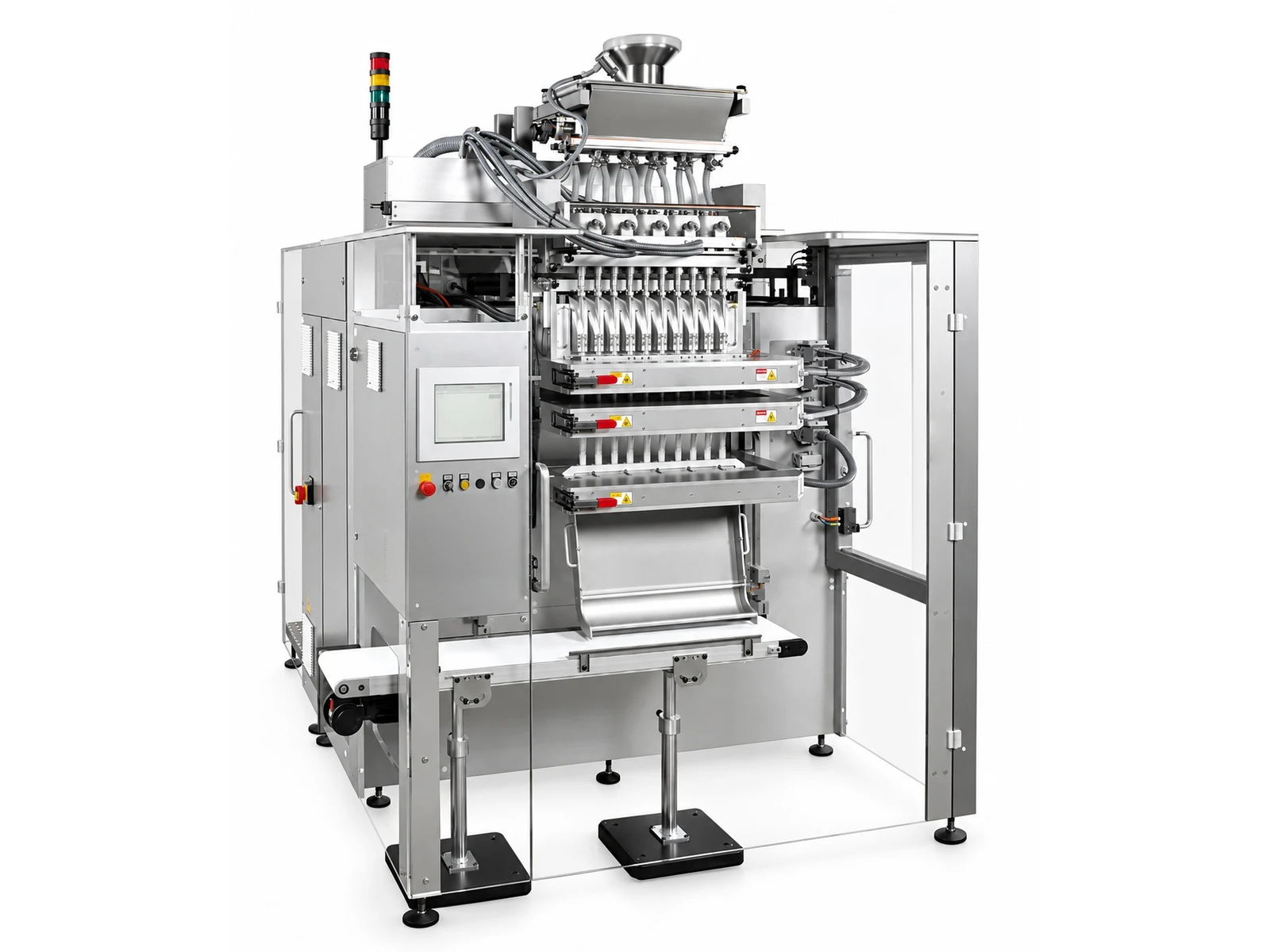
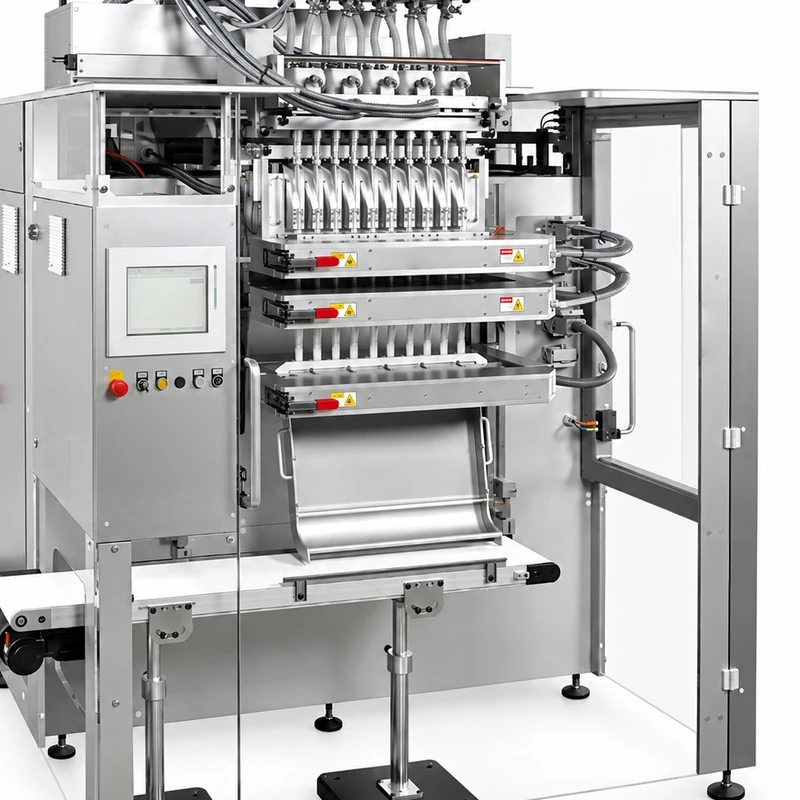
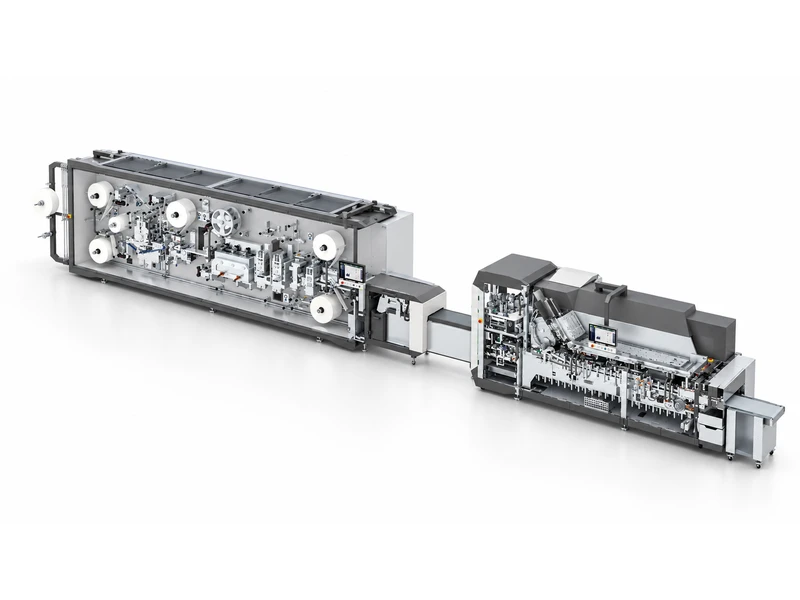
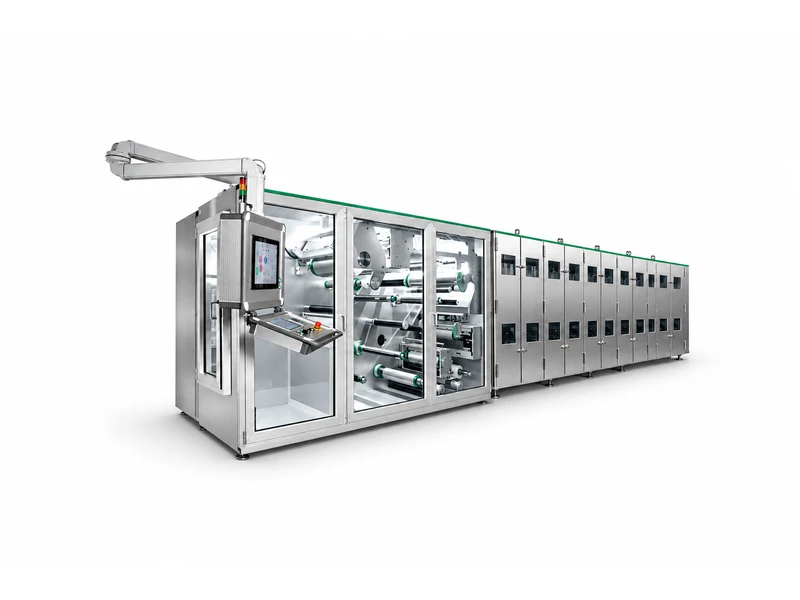
Vertical forming and sealing machine with multiple dosing lanes

Sachet Filling

Sachet Filler — Preasys PSF Series

The PSF sachet platform can use pump, auger, microsphere or tablet dosing according to the product. Specify lane count, web width, seal design and the accepted pack rate at the cartoner infeed.

The form of the product determines the dosing mechanism. Trial the intended liquid, paste, powder or discrete item with the selected web and sachet format.

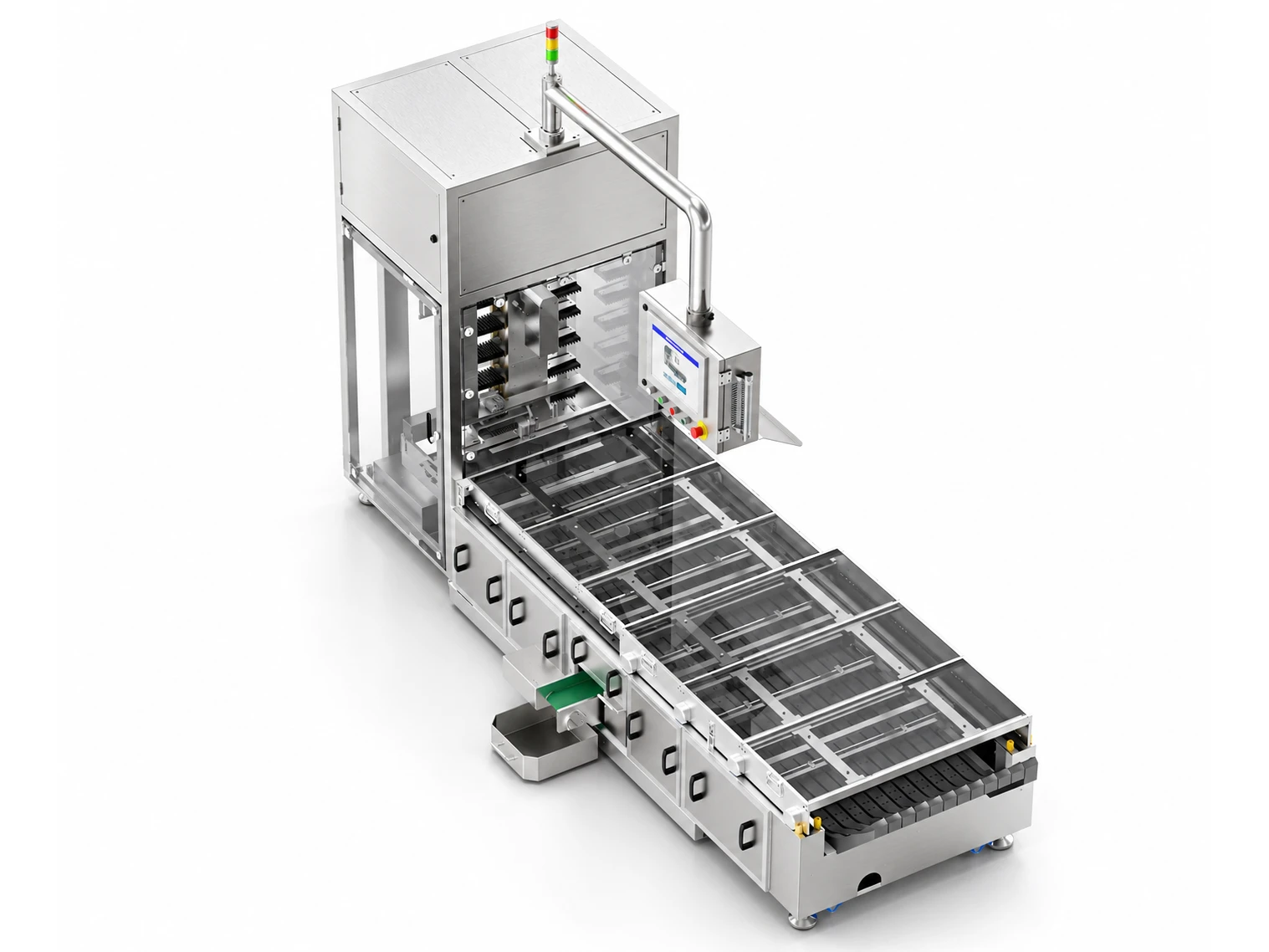
Formed packs on the discharge conveyor of a vertical packing machine

Configuration data

Up to ten lanes for the configuration quoted. Output depends on the sachet format and product behaviour.

Up to 600 sachets/min

Configuration output

Up to 10

Lanes for this output configuration

Filling technologies

Filling technology

Powder filling

Powder is metered using an auger or a vacuum-based dosing system, depending on the selected configuration. Flow behaviour, bulk density, dose size and containment requirements guide the equipment discussion. The powder and container should be evaluated together during process development.

Explore technology
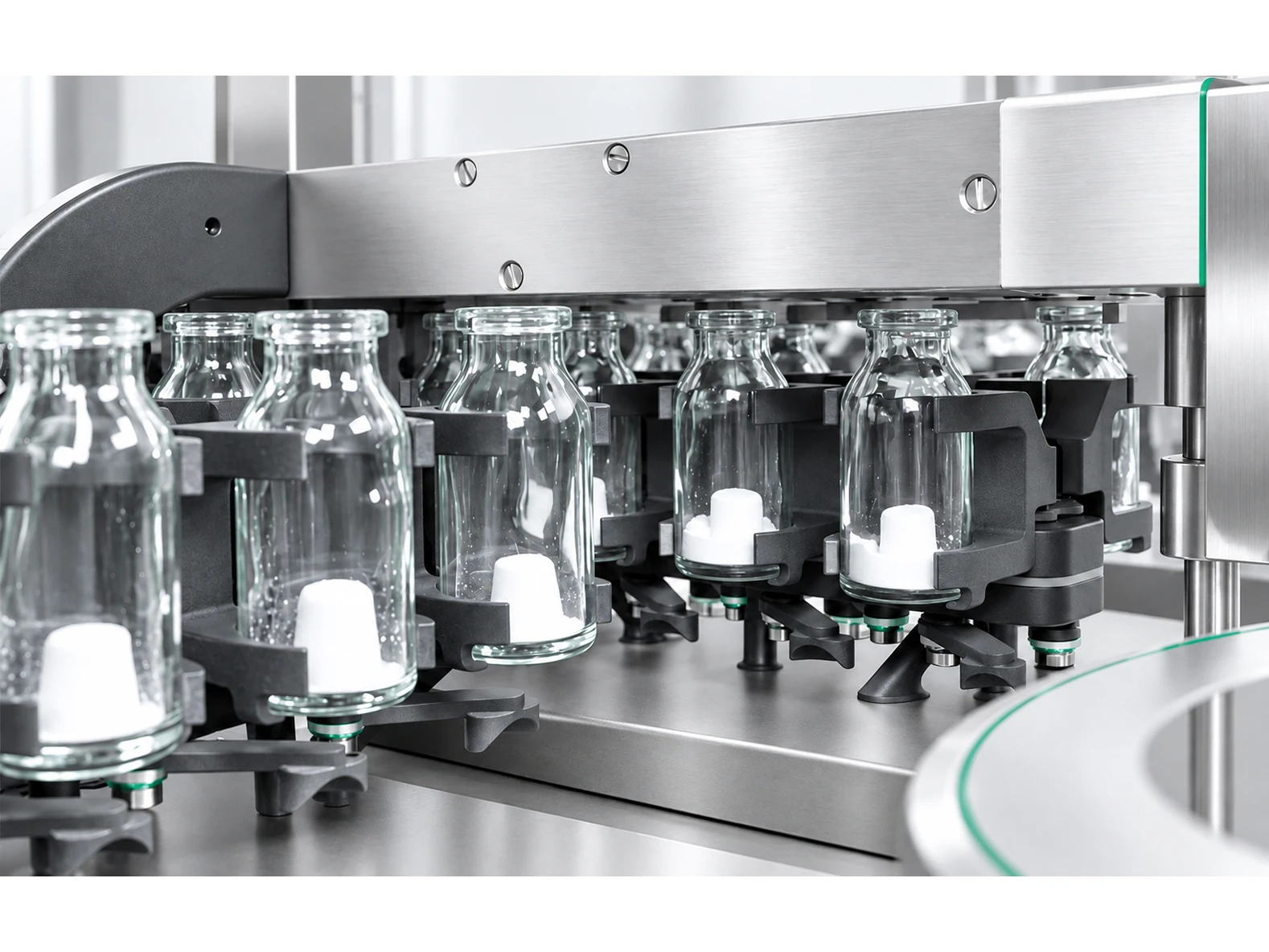
Glass vials presented below the powder dispensing heads
Dosing principle illustration · configuration depends on the application.
Technology 1 of 1

Process challenges

One product, one dosing principle — powders, liquids, pastes, tablets and wipes each need a different dosing method; rigid machines force compromises on accuracy.

Read details

One product, one dosing principle — powders, liquids, pastes, tablets and wipes each need a different dosing method; rigid machines force compromises on accuracy.

Dose accuracy at speed — filling volume must stay precise across all lanes at high output, especially for clinical trials and high-value APIs.

Cleaning downtime — disassembling dosing systems for cleaning kills availability on every product change.

Granule and powder handling — non-free-flowing products bridge, block and dose inconsistently.

Space in cleanrooms — bulky machines waste valuable GMP floor space.

Vibration and noise — mechanical shaking disturbs dosing accuracy and the working environment.

Line transfer to cartoning — sachets must reach the cartoner without jams, misalignment or product loss.

Industry problem How the PSF series solves it
Multiple product types need multiple machines Pump, auger, microsphere and tablet dosing systems interchange on the same platform — liquids, pastes, powders, granules, wipes and tablets on one machine
Dose drift at high speed Individually adjustable, easy-to-clean dosing systems with variable fill volume keep accuracy across every lane at up to 600 sachets/min
Cleaning kills availability Dosing systems are designed for quick cleaning; filling volume adjusts even during production, so changeover and cleaning no longer dominate downtime
Non-free-flowing powders bridge and block Dedicated auger dosing handles cohesive products reliably; free-flowing products use microsphere dosing for highest precision
Vibration spoils dosing Vibration-free, servo-driven operation preserves dosing accuracy and reduces noise
Construction and cleaning documentation to review Balcony design with full process visibility and control meets the highest GMP standards
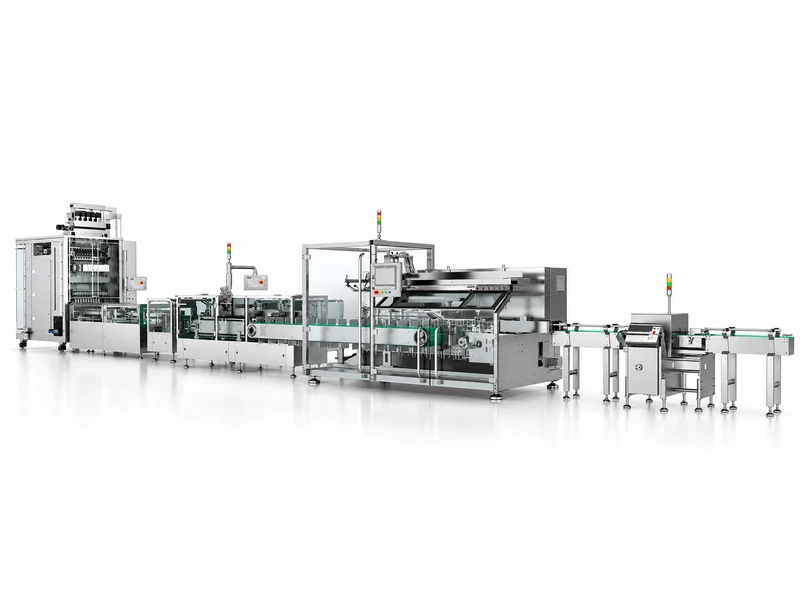
Cartoner feed problems Purpose-built transfer solutions link the sachet machine flawlessly to a side-load cartoner; two machines can share one cartoner for extreme outputs

Technical data & features

Free-flowing powders, granules and liquids require different dosing tools and protection of the seal area.

Formed packs on the discharge conveyor of a vertical packing machine

Output up to 600 sachets/min on up to 10 lanes (format- and product-dependent), vibration-free and low-noise

Four interchangeable dosing systems: pump-based (liquid/pasty), auger (non-free-flowing), microsphere (free-flowing), tablet dosing — quickly exchanged on one machine

Dosing systems easy to clean; filling volume variably adjustable even during production

Balcony design meets high GMP standards; 2 to 16 lanes possible

Servo-driven roll draw-offs for guided, stable foil unwinding; sealing tools easily changed

Vertical design with reduced overall height — good accessibility and full process control

PSF-160 entry platform: just ~1 m² footprint, quick-clamp tooling for fast format changes — ideal for validation runs, product launches and small batches

Two PSF-600 machines can be connected to one cartoner for extremely high outputs

Agree the sachet orientation, grouping and pitch at the transfer to the side-loading cartoner.

How it works

How are film, dose and seal timing coordinated?

A sachet filler divides a continuous web into sealed doses through forming, product addition, sealing and cutting.

What should be checked at the filled sachet seal?

Compare pack weight, seal integrity and print registration before cartoning.

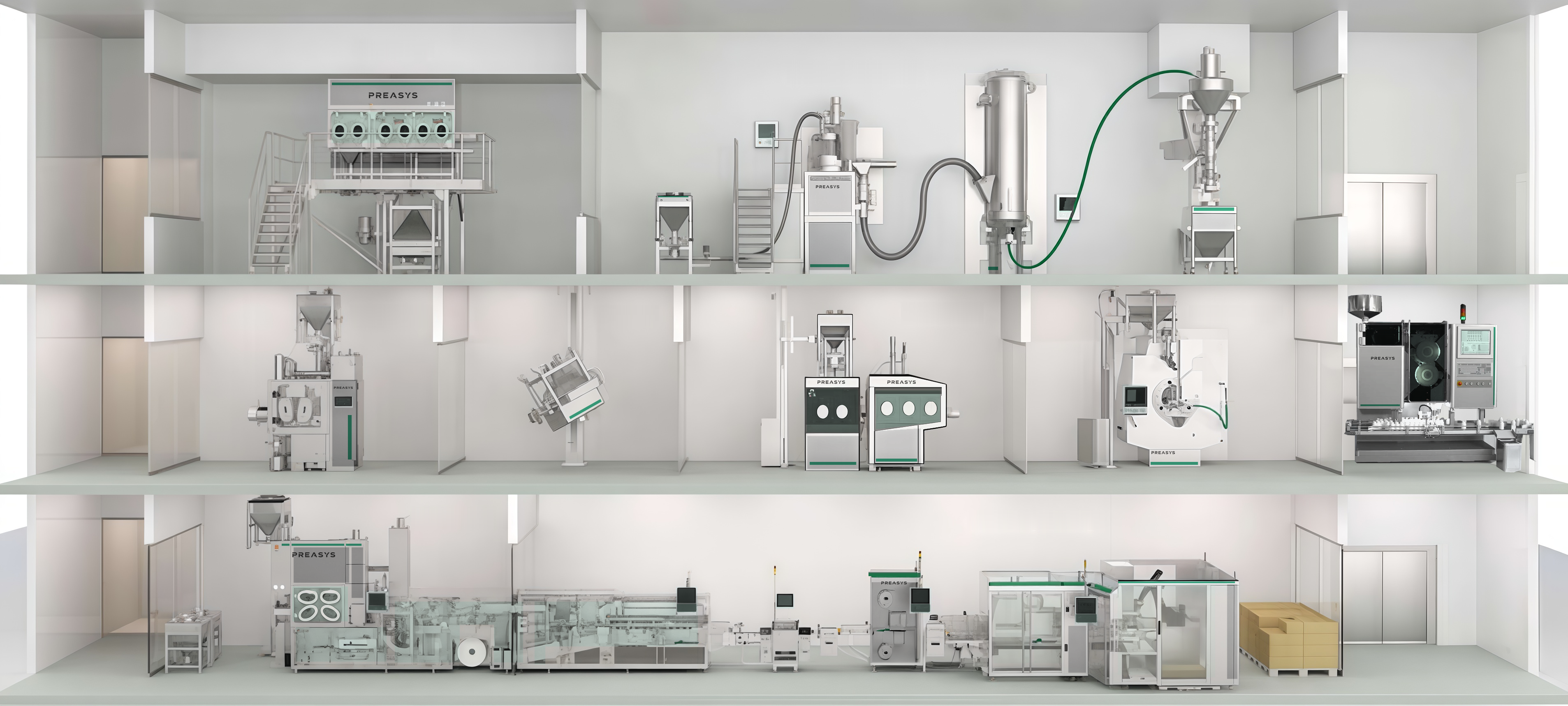
PREASYS three-level solid dosage process concept: preparation above; tablet pressing, encapsulation, coating, inspection and bottle filling in the middle; primary and secondary packaging below

Oral solid dosage · Integrated production

From powder to
packaged product

Discover the equipment behind your solid dosage process.

Skip tour
Production concept 17 equipment areas · Scroll to explore

Route selection. Wet and dry granulation are alternatives. Select tablet compression or capsule filling for the dosage form; include coating when required.

Illustrated equipment and packaging options show process relationships. The facility layout and equipment configuration are defined for each project.

Line integration

Line Integration

Upstream: product (powder/granule/liquid/paste/tablet/wipe) → dosing unit (pump/auger/microsphere/tablet)

Forming-Filling-Sealing: servo-driven foil unwinding → vertical forming → dosing → platen sealing → cutting

Downstream: sachets/stickpacks → transfer solution → PC-series side-load cartoner (up to 3,200 products/min class)

Scaling: twin PSF-600 machines feeding a single cartoner for maximum output

Define the sachet batch record and the data handoff from the packer to the site system.

Support throughout your project and production

Define the equipment scope

Free-flowing powders, granules and liquids require different dosing tools and protection of the seal area.

Learn more

Agree the acceptance test

Compare pack weight, seal integrity and print registration before cartoning.

Learn more

Prepare for operation

Identify the contact parts and format tooling for Sachet Filling. Agree access for cleaning, the spares to hold and the operating records the site will need.

Learn more

Knowledge hub

2 resources

Frequently asked questions

Q1: Which products can be filled?

Liquids, pastes, powders, granules, wipes, tablets and special dosage forms.

Q2: What is the maximum output?

Up to 600 sachets/min across 10 lanes; two machines can feed one cartoner for extreme outputs.

Q3: How many lanes are possible?

From 2 to 16 lanes on the balcony-style platform.

Q4: How is dosing accuracy maintained?

Four interchangeable dosing systems (pump, auger, microsphere, tablet) deliver the highest accuracy; filling volume is adjustable even during production.

Q5: Is cleaning time a problem?

No — dosing systems are easy to clean and set-up time no longer significantly impacts availability.

Q6: Can it connect to a cartoner?

Yes — a dedicated transfer solution ensures flawless linking to a side-load cartoner.

Q7: Is there a small-batch option?

Yes — the PSF-160 entry platform (≈1 m² footprint, quick-clamp format change) suits validation, launches and small batches.

Contact

Share your product types, dosing needs and line layout for a PSF configuration.

Discuss your project →
Formed packs on the discharge conveyor of a vertical packing machine