Skip to content

Process expertise. Chinese manufacturing. Global perspective.

PREASYS

Equipment & technology

Liquid Blister Line

Liquid-filled containers can be placed in formed trays or blisters before secondary cartoning.

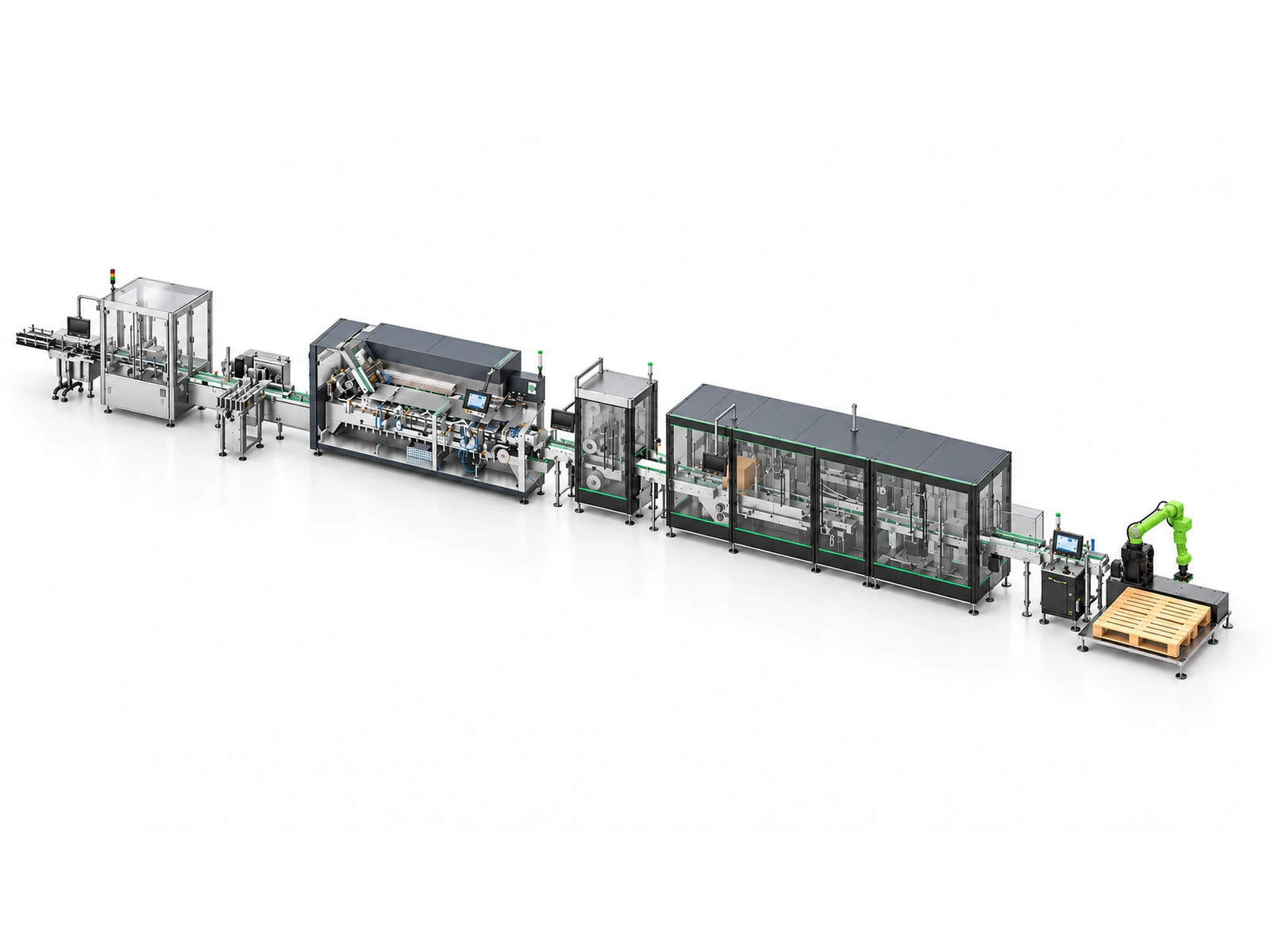
Packaging machines linked in sequence through to a pallet position

Liquid Blister Line

Liquida Series

Preasys Liquida Blister Lines — Gentle, Robotic Secondary Packaging for Syringes, Ampoules, Vials, Cartridges, Bottles, Pens and Autoinjectors.

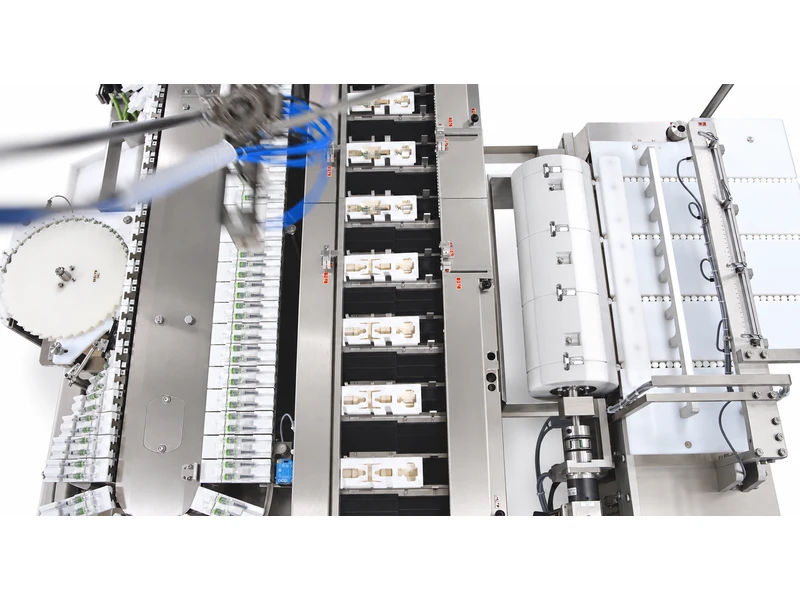
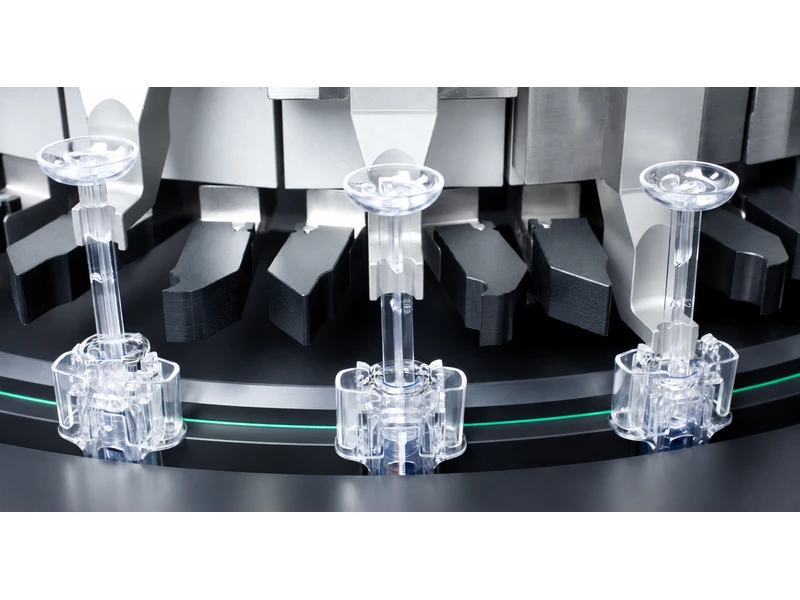
The Liquida series packages parenteral and liquid products in single-dose blister packs: PLB-200 compact blister line for small and medium batches of syringes, ampoules, vials, cartridges, bottles and pens; PLB-400 high-output line (up to 400 blisters/min, 195 × 284 mm format) for high-volume parenteral blistering. Products are handled by PL-F robotic feeders (SCARA-class, hygienic four-axis robots) that place fragile parenteral devices cycle-time-critically with maximum flexibility — multi-component sets (e.g. injection device kits with four parts) are assembled and positioned without damage. Thermoforming supports tropical, plastic and full-aluminum blisters with forming depths up to 40 mm.

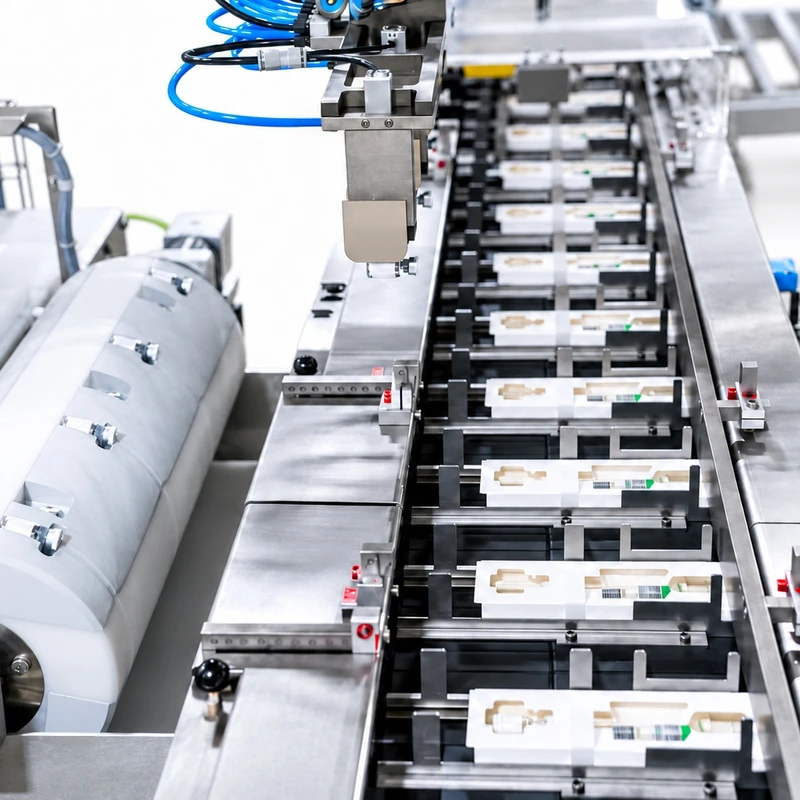
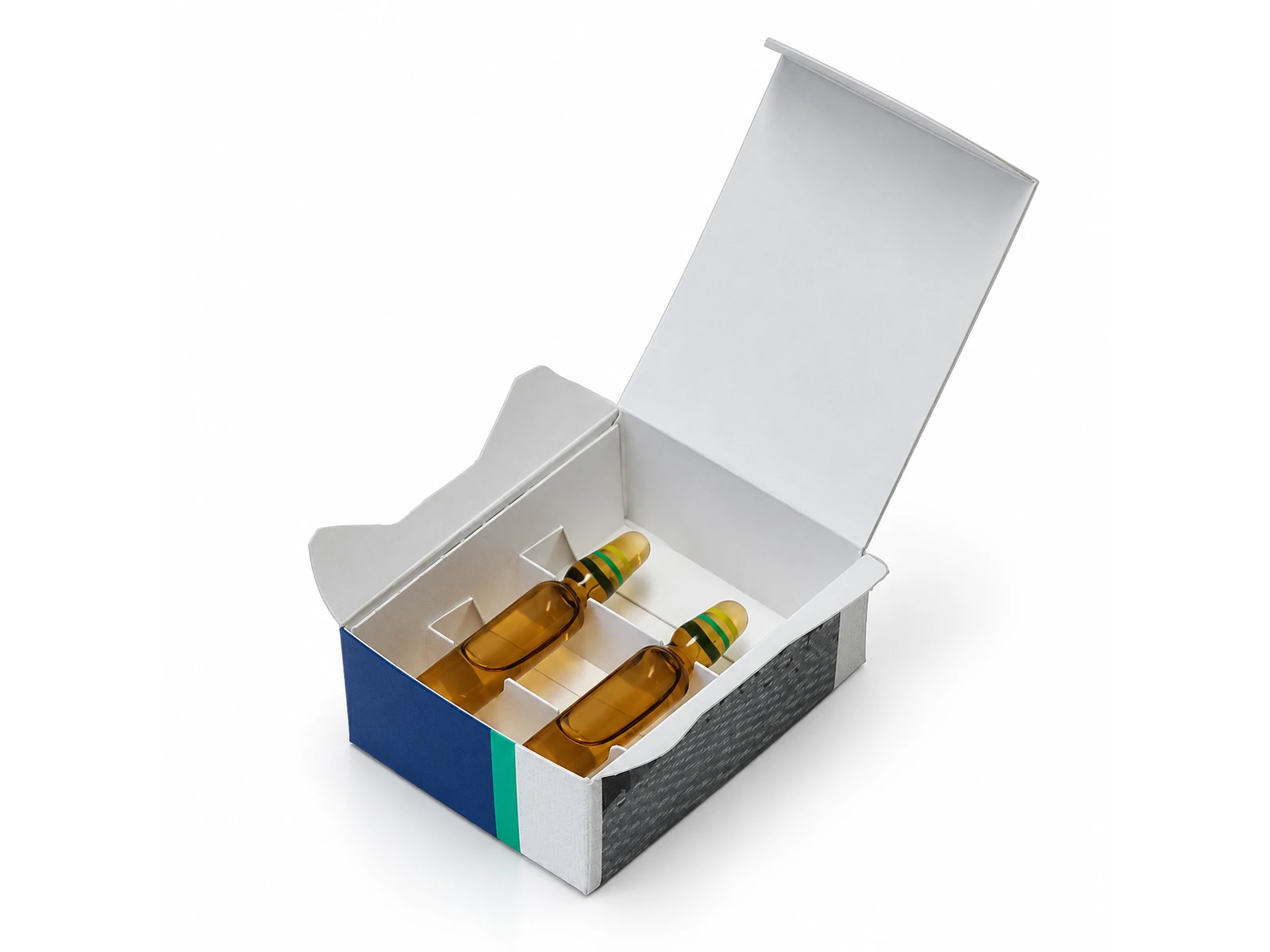
Open carton with glass containers held in a protective insert
Process context · Open carton with glass containers held in a protective insert

Configuration data

Parenteral blister configurations. Confirm pack size, sealing method and feeder arrangement for the selected model.

Up to 200 blisters/min

PLB-200 maximum output

Up to 400 blisters/min

PLB-400 maximum output

Process challenges

Fragile device handling — syringes, pens and autoinjectors are damaged by conventional drop-feeding.

Read details

Fragile device handling — syringes, pens and autoinjectors are damaged by conventional drop-feeding.

Multi-component kits — injection device sets with several parts must be assembled in exact orientation within the blister.

Parenteral blister formats — tropical, plastic and full-aluminum blisters need deep forming and gentle handling.

Contamination risk — open parenteral product must be protected throughout secondary packaging.

Small-medium batch economics — dedicated lines are overkill for low-volume products.

Orientation errors — misplaced components compromise patient use and create rejects.

Speed vs gentleness tradeoff — handling robots must keep cycle time without damaging devices.

Industry problem How the Liquida series solves it
Fragile device damage PL-F robotic feeders place devices gently with controlled motion — no drop-feeding impact
Multi-component kit assembly SCARA-class robots assemble and orient each part precisely within the blister (e.g. 4-part sets)
Deep parenteral formats Forming depth up to 40 mm (PVC) / 12 mm (Al); tropical and full-aluminum blisters supported
Contamination risk Specify protected handling from the container infeed through pocket loading. Verify contact points on the proposed pack.
Small-medium batch economics PLB-200 compact modular line adapts to batch size with fast changeover
Orientation errors Robotic vision-guided placement ensures exact component orientation
Speed vs gentleness Cycle-time-critical robot handling keeps high output without device damage

Technical data & features

Glass dimensions, closure protection and the need for inserts determine the pocket layout and loading method.

Open carton with glass containers held in a protective insert

PLB-200: max 200 blisters/min; 175 × 206 mm format; modular compact design; maximum packaging flexibility; efficient use of full web width; ideal for small/medium batches

PLB-400: max 400 blisters/min; 195 × 284 mm format; platen sealing; parenteral products

PL-F robotic feeders: hygienic SCARA-class four-axis robots for cycle-time-critical handling; scalable modular architecture; multi-component placement (e.g. 4-part injection device sets)

Forming depth up to 40 mm (PVC) / 12 mm (Al); tropical, plastic, full-aluminum blisters Various feeding systems configurable; manual feeding station option Camera inspection of film, codes and contents

Review user access, audit history and export of batch and format-change records.

How it works

How are liquid-filled units presented for blister packing?

Liquid-filled containers can be placed in formed trays or blisters before secondary cartoning.

What should be checked at the pack discharge?

Test container retention and protection through cartoning and case handling.

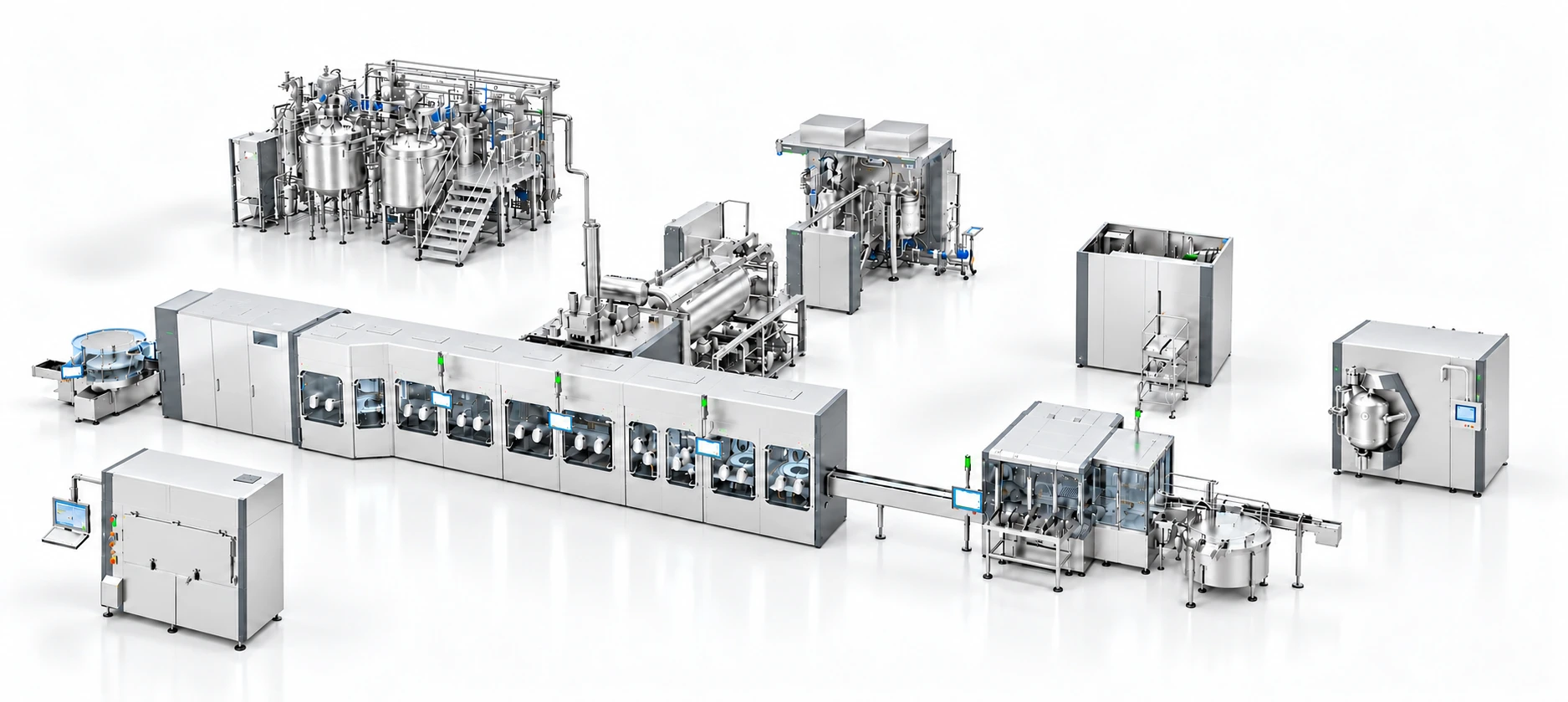
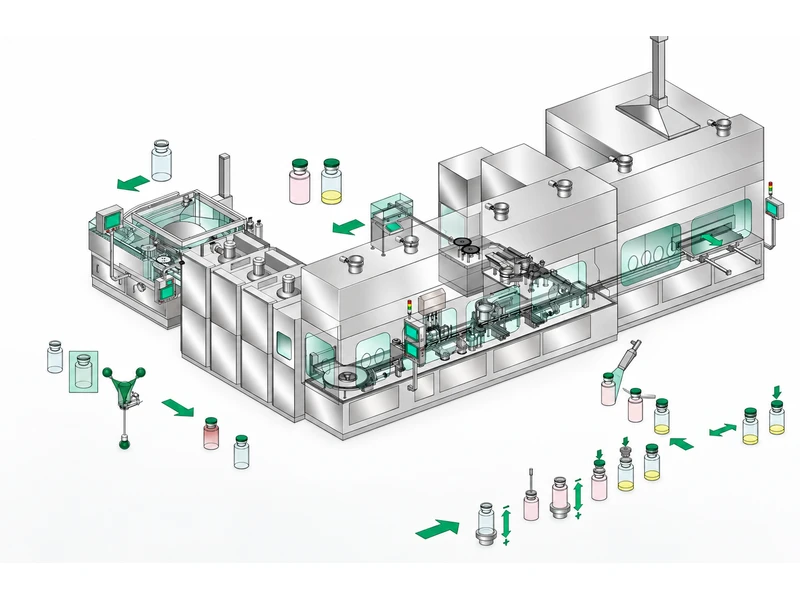
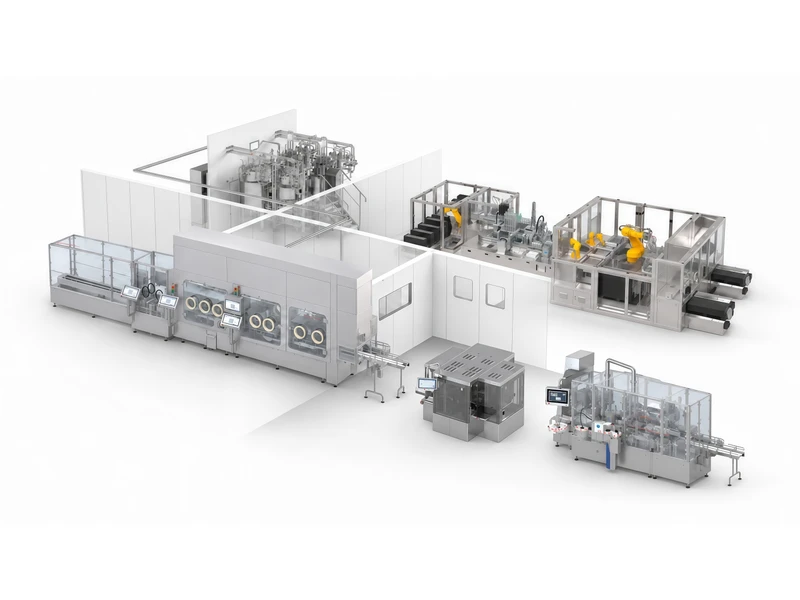
Liquid vial preparation and filling. Follow the preparation, washing, tunnel and vial filling stations. The separate drying equipment serves lyophilized presentations. The line provides process context; the individual product is not identified as a separate station in this view.

Production line · Equipment context

Liquid vial preparation and filling

Explore the process areas on the production line associated with this equipment.

Skip tour
Selected process route 8 equipment areas · Scroll to explore

Follow the preparation, washing, tunnel and vial filling stations. The separate drying equipment serves lyophilized presentations. The line provides process context; the individual product is not identified as a separate station in this view.

Related production lines: Liquid Vial Filling & Packaging Lines · Pharmaceutical Ampoule Production Line Planning · Prefilled Syringe Filling & Packaging Lines · Pharmaceutical Cartridge Filling Lines

Line integration

Line Integration

Upstream: parenteral product (syringe/ampoule/vial/cartridge/bottle/pen) → PL-F robotic feeding

Feeding: SyPro/LiPro-class robotic feeders present products to each station

Forming & sealing: thermoforming (deep-draw up to 40 mm) → sealing (platen) → perforation/embossing

Inspection: camera systems verify films, codes and contents

Downstream: blister → PC-200 cartoner (up to 200 cartons/min, direct-in-carton option) → serialization

Optional: manual feeding station for low-volume products; extended filling section for multiple feeders

Support throughout your project and production

Define the equipment scope

Glass dimensions, closure protection and the need for inserts determine the pocket layout and loading method.

Learn more

Agree the acceptance test

Test container retention and protection through cartoning and case handling.

Learn more

Prepare for operation

Identify the contact parts and format tooling for Liquid Blister Line. Agree access for cleaning, the spares to hold and the operating records the site will need.

Learn more

Knowledge hub

2 resources

Frequently asked questions

Q1: Which products can be packaged?

Syringes, ampoules, vials, cartridges, bottles, pens and autoinjectors — including multi-component injection device kits.

Q2: How are fragile devices handled?

SCARA-class robotic feeders place them gently, cycle-time-critically, with vision-guided orientation.

Q3: What output can I expect?

Up to 400 blisters/min on PLB-400; 200 blisters/min on PLB-200.

Q4: Can it process aluminum blisters?

Yes — forming depth up to 12 mm aluminum, 40 mm PVC; tropical blisters supported.

Q5: Is manual operation possible?

A manual feeding station option covers low-volume or special products.

Q6: How is quality controlled?

Integrated camera inspection of film, code and content with automatic rejection.

Q7: Does it integrate with cartoners?

Yes — direct-in-carton packaging via the PC-200 cartoner, up to 200 cartons/min.

Contact

For a configuration review, include product and pack drawings, packaging material, unit count, artwork, handoff orientation.

Discuss your project
Open carton with glass containers held in a protective insert