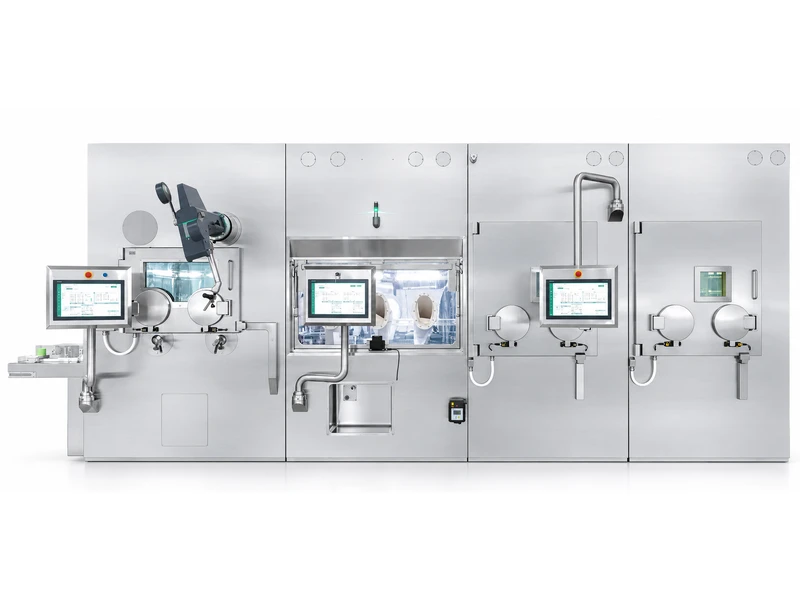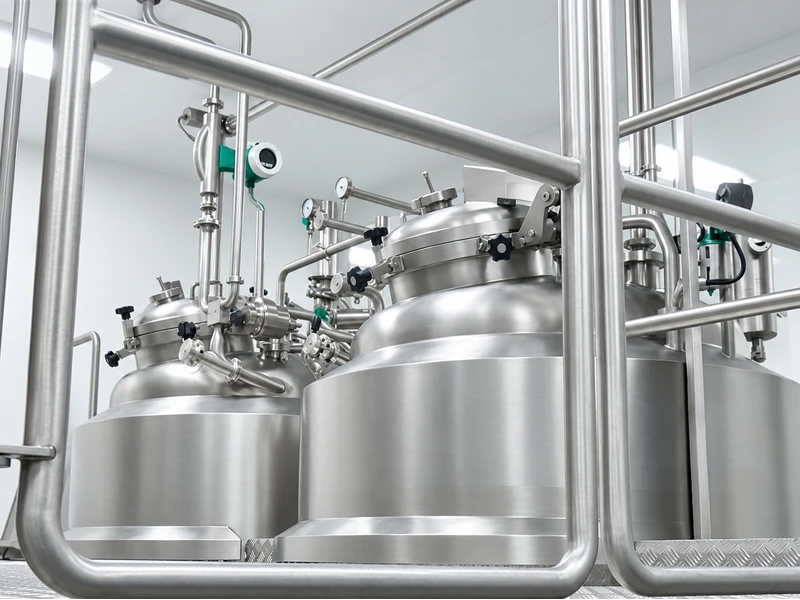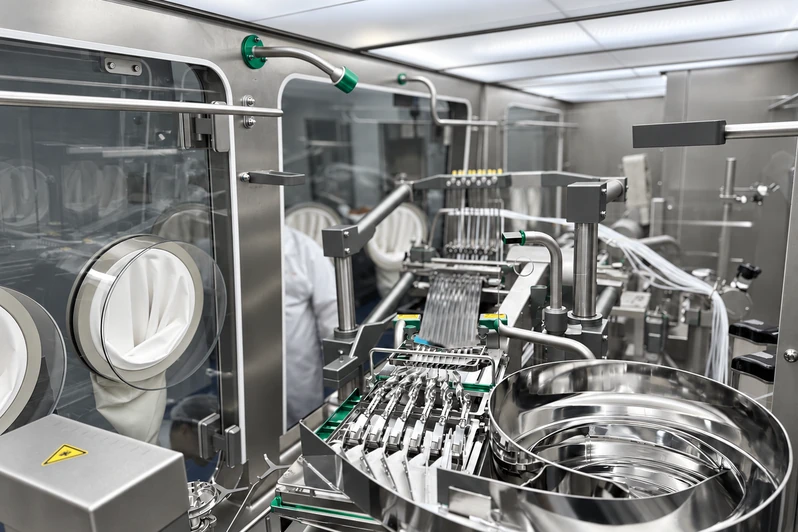
ADC
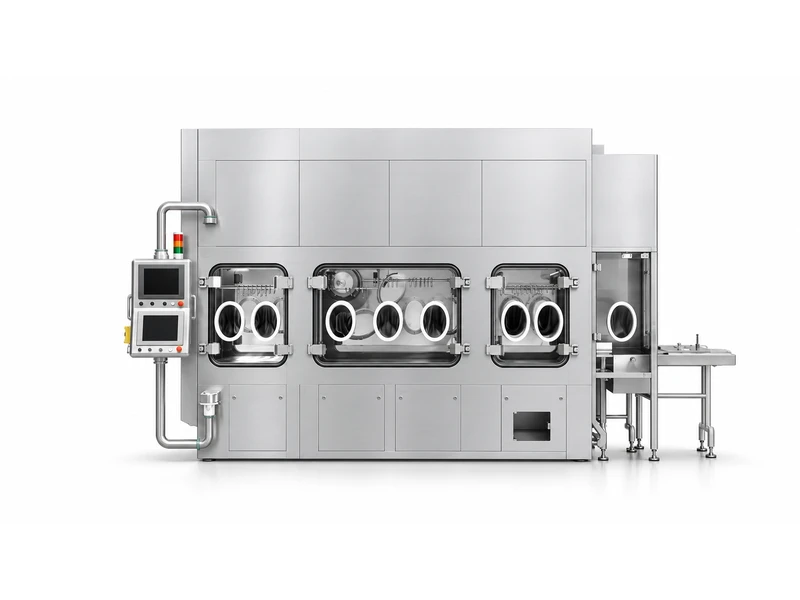
Product protection and potent-material containment shape ADC preparation and fill-finish; upstream synthesis and conjugation remain separately defined scopes.
Explore applicationProcess expertise. Chinese manufacturing. Global perspective.

Explore our solutions
Pharmaceutical applications place different demands on the same unit operations. Explore how product sensitivity, containment, batch identity, timing and delivery format affect preparation, filling, inspection and packaging, then follow the relevant production route or equipment family.
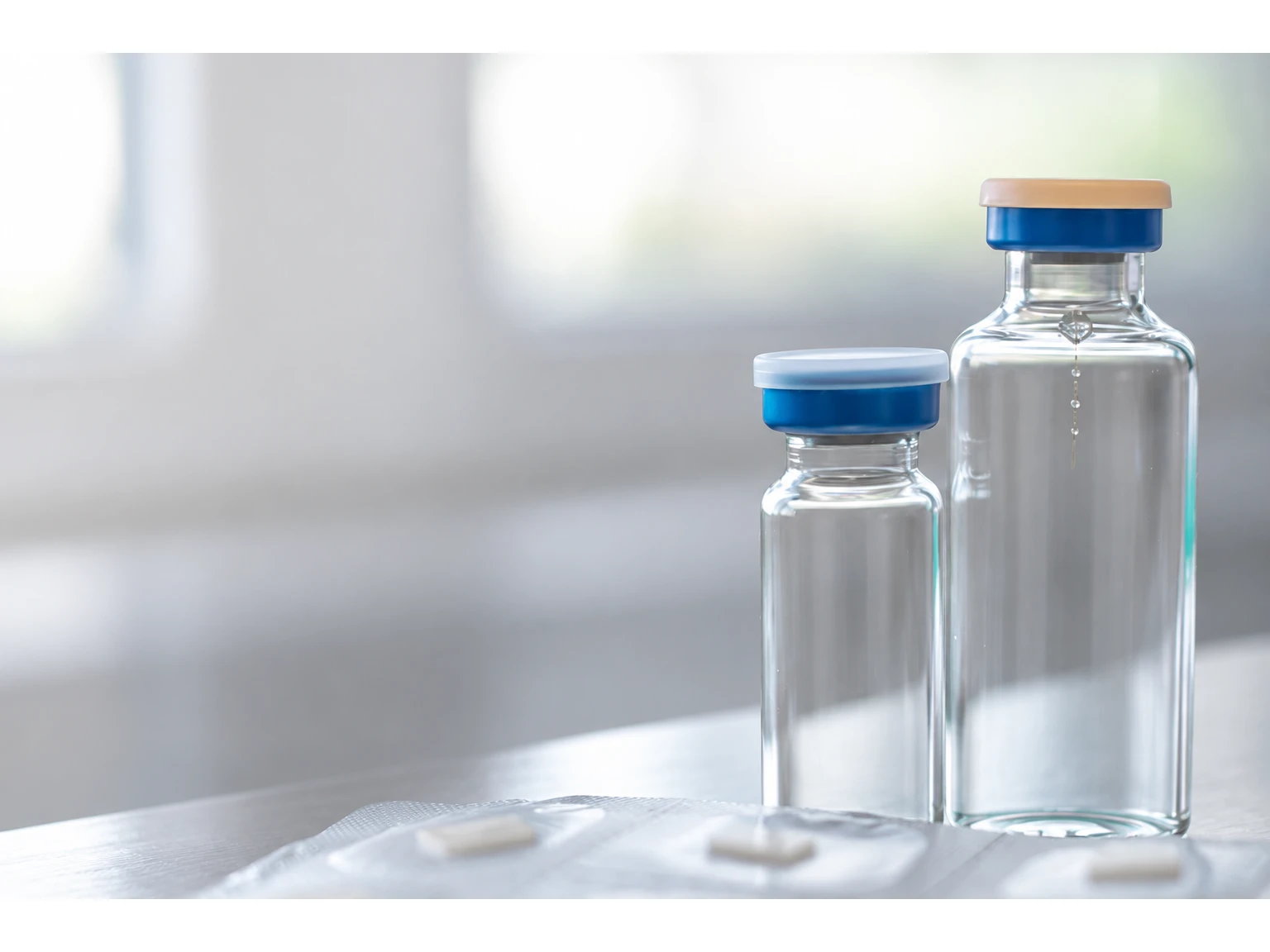
A product field adds constraints to the process route: sensitivity, containment, timing, batch identity or device presentation can change how otherwise familiar equipment is configured. The application pages explain those differences and connect them to the relevant dosage-form and equipment pages.
Explore the product fields
Choose the product or application first, then follow its material-handling and finished-container decisions into equipment selection.
3
Biological and advanced-therapy applications
3
Drug and device applications
—
Process options
Start with your product field, then define the processing, filling and support requirements.
Product protection and potent-material containment shape ADC preparation and fill-finish; upstream synthesis and conjugation remain separately defined scopes.
Explore application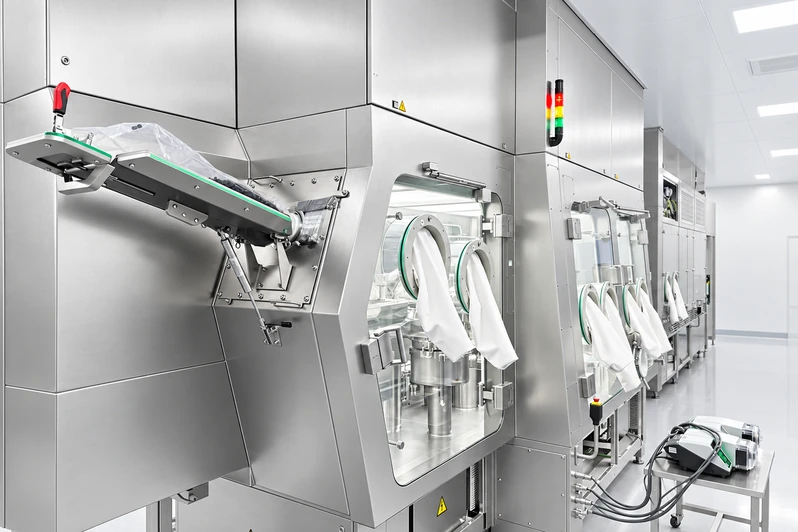
Therapy-specific handling, available batch volume and identity records guide small-batch preparation and fill-finish for cell and gene therapy projects.
Explore application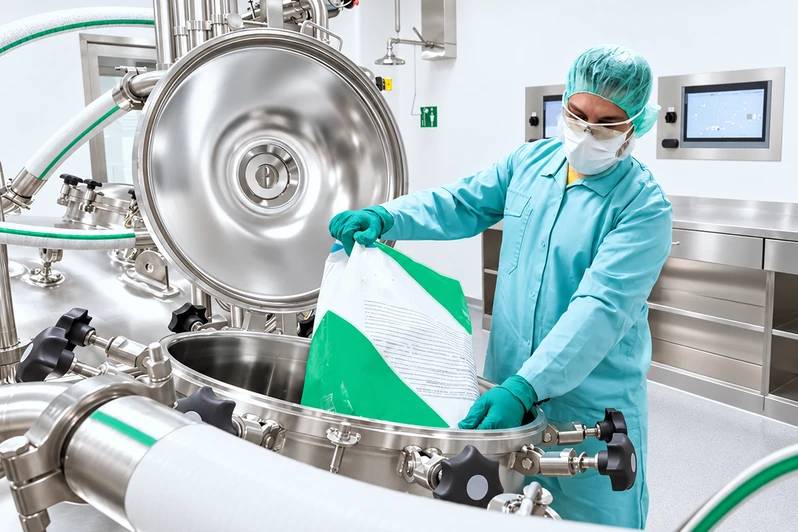
Upstream plasma processing hands a defined material to formulation and fill-finish. Liquid and lyophilized presentations have different downstream boundaries.
Explore application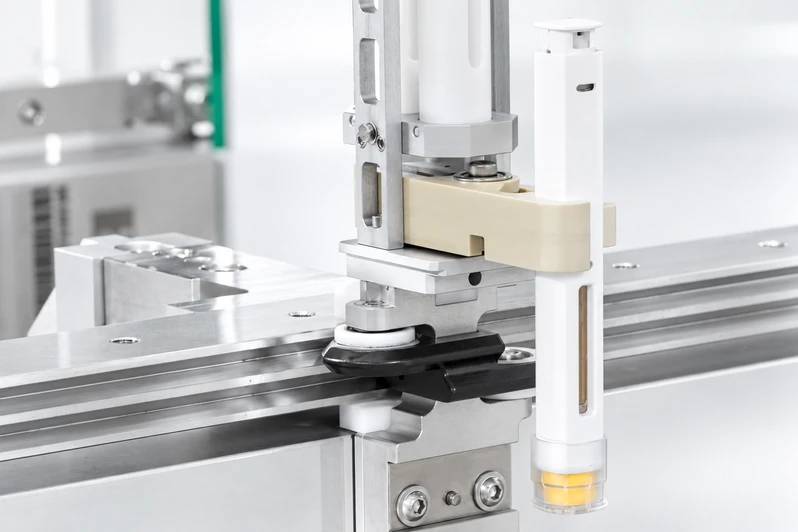
Injectable formulation connects to cartridge or syringe filling, inspection and the selected pen or autoinjector; peptide manufacture is an upstream scope.
Explore application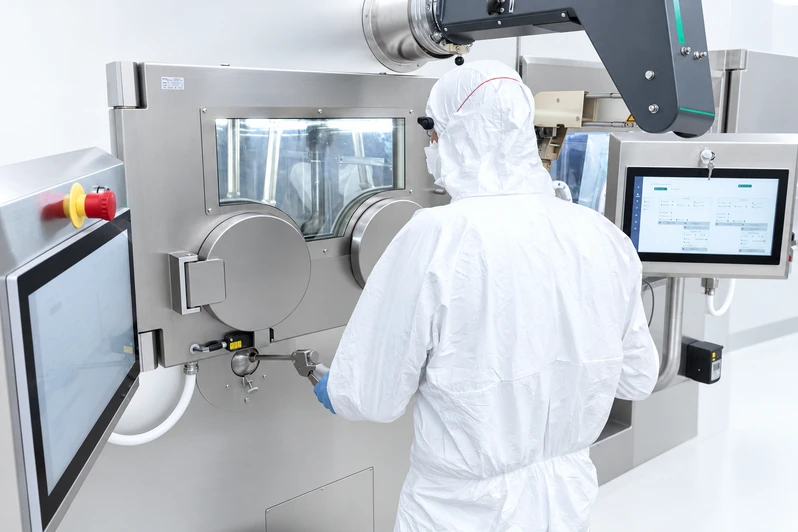
Synthesis, shielded transfers, filling and optical inspection connect within the defined radiopharmaceutical workflow, with activity and other QC separately specified.
Explore application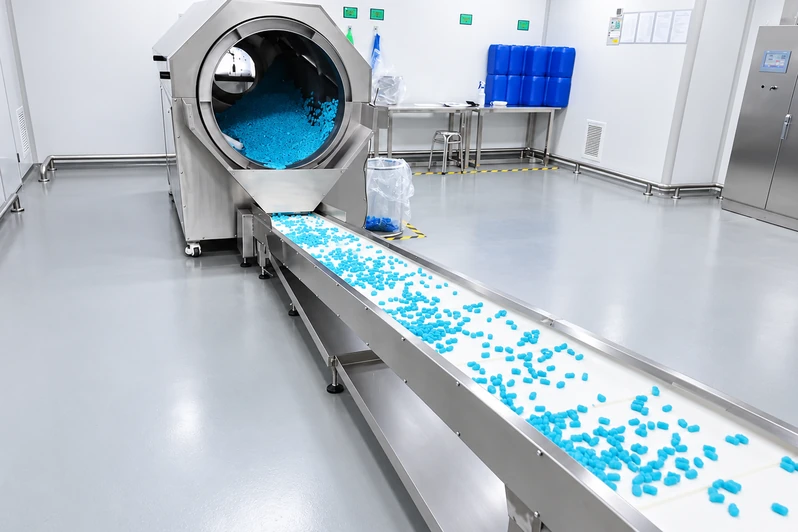
Tablets, capsules, softgels, gummies and powders follow distinct processing branches before their selected bottle, blister or sachet pack.
Explore application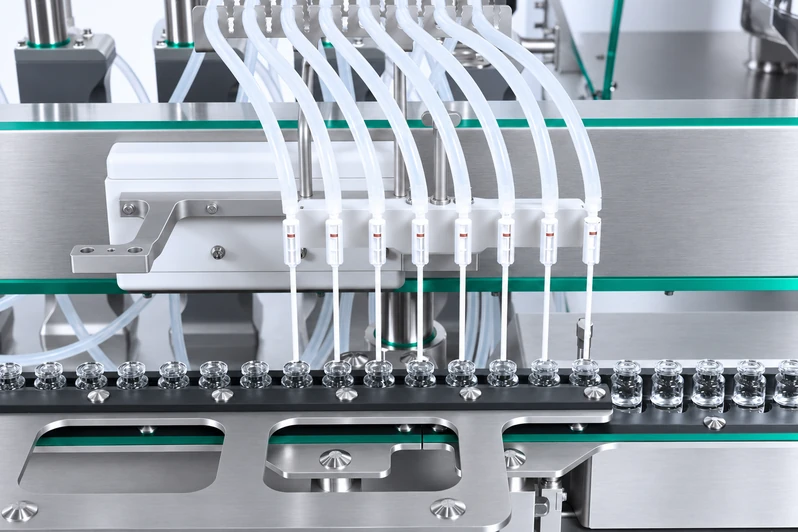
Product-specific formulation and hold conditions connect to vial or syringe filling. Lyophilization is one selected presentation, not a universal vaccine step.
Explore applicationApplication requirements explain why a particular transfer, enclosure or dosing arrangement matters. The dosage-form route then shows where that operation sits, and the equipment page explains its configuration.
Use the product, final presentation and handling limits to narrow the route. Define any upstream manufacturing package separately from the listed preparation, filling, inspection and support equipment.
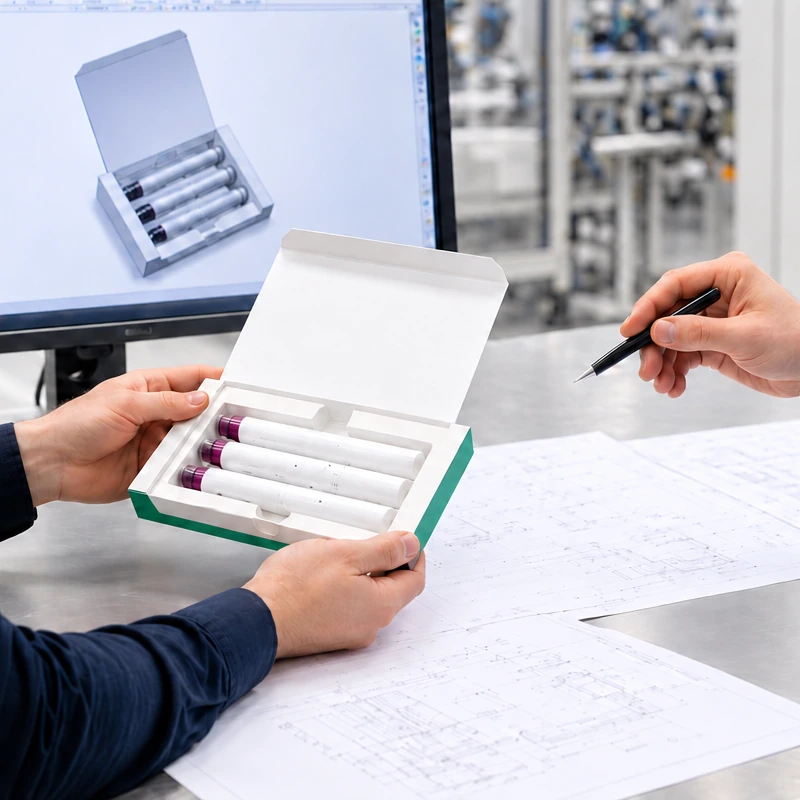

List the product's sensitivity, containment needs, available batch quantity and intended package. Mark which constraints change the route rather than only the machine settings.
Switch to the matching dosage-form route once the presentation and essential handling requirements are known. Then examine the equipment pages for the remaining open operations.
Start with the product's sensitivity and intended presentation, then select equipment for the relevant unit operations.
Learn moreIdentify the process steps where trial results or samples are needed before equipment is specified.
Learn moreIdentify the contact parts and format tooling for Pharmaceutical applications. Agree access for cleaning, the spares to hold and the operating records the site will need.
Learn moreShare product characteristics, primary container and handling requirements.
Request product information
Brochure
Pharmaceutical applications
Available by enquiry
Request product information2 resources
The product can change contact materials, hold conditions, handling limits and exposure controls. The final container or device also changes tooling and downstream checks. A shared machine name does not establish a shared configuration.
No. Each application distinguishes its technical context from the preparation, fill-finish and other equipment actually being considered. Upstream synthesis, biological production or fractionation requires separately confirmed equipment and responsibilities.
Applications explain the product-field constraints. Solutions follow the dosage form through its process and packaging route. Products describe individual equipment and their interfaces. The three entry points lead to connected information with clear choices between product requirements, process routes and individual equipment.
Select the intended container, dose presentation or finished form, then follow the matching production route. Use its equipment links for the operations that need further selection or integration detail.