Read details

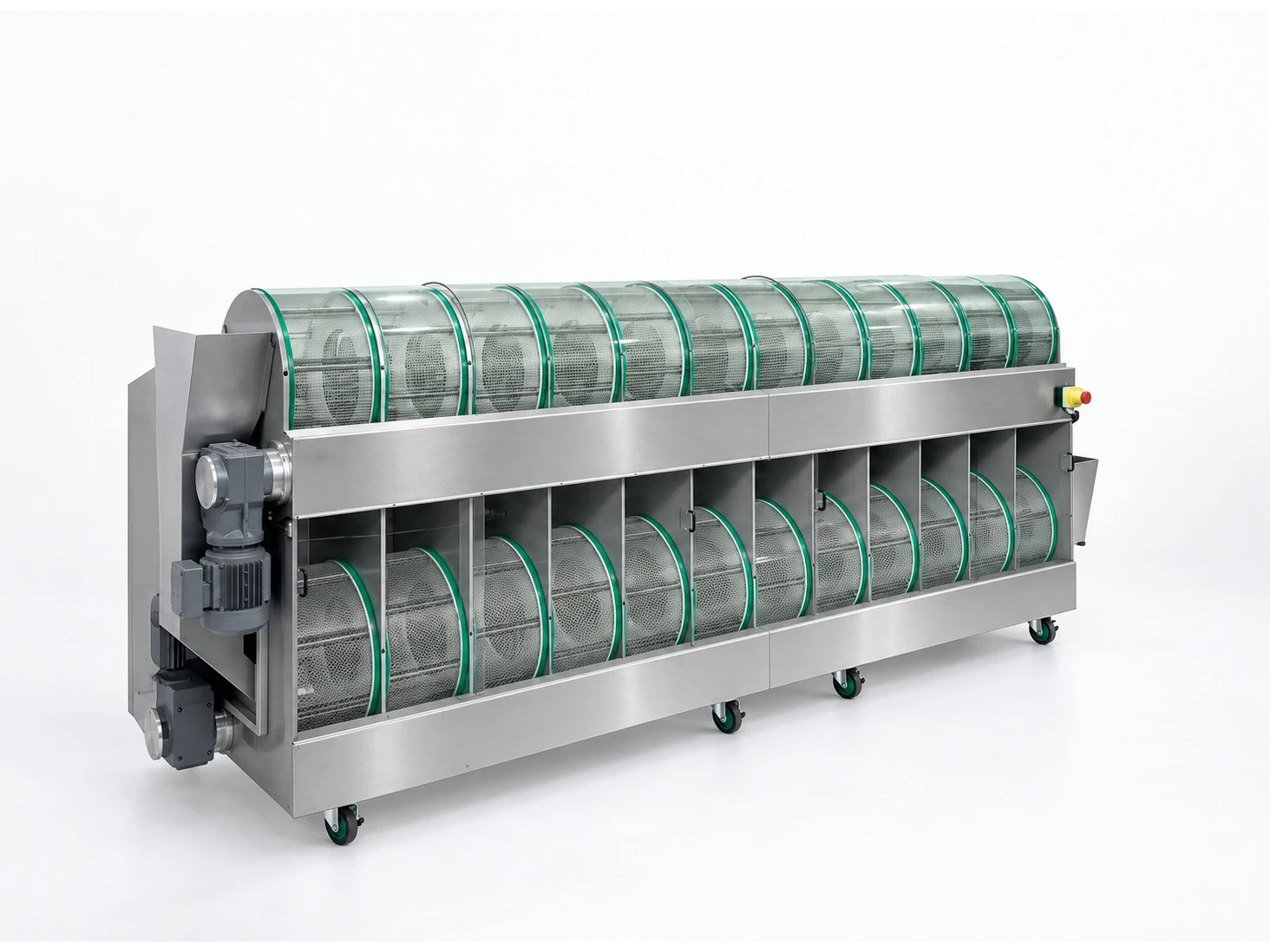
Rapid moisture removal at the surface can produce a different condition from the interior. Air exposure is developed around the shell response rather than assumed to prevent skinning.
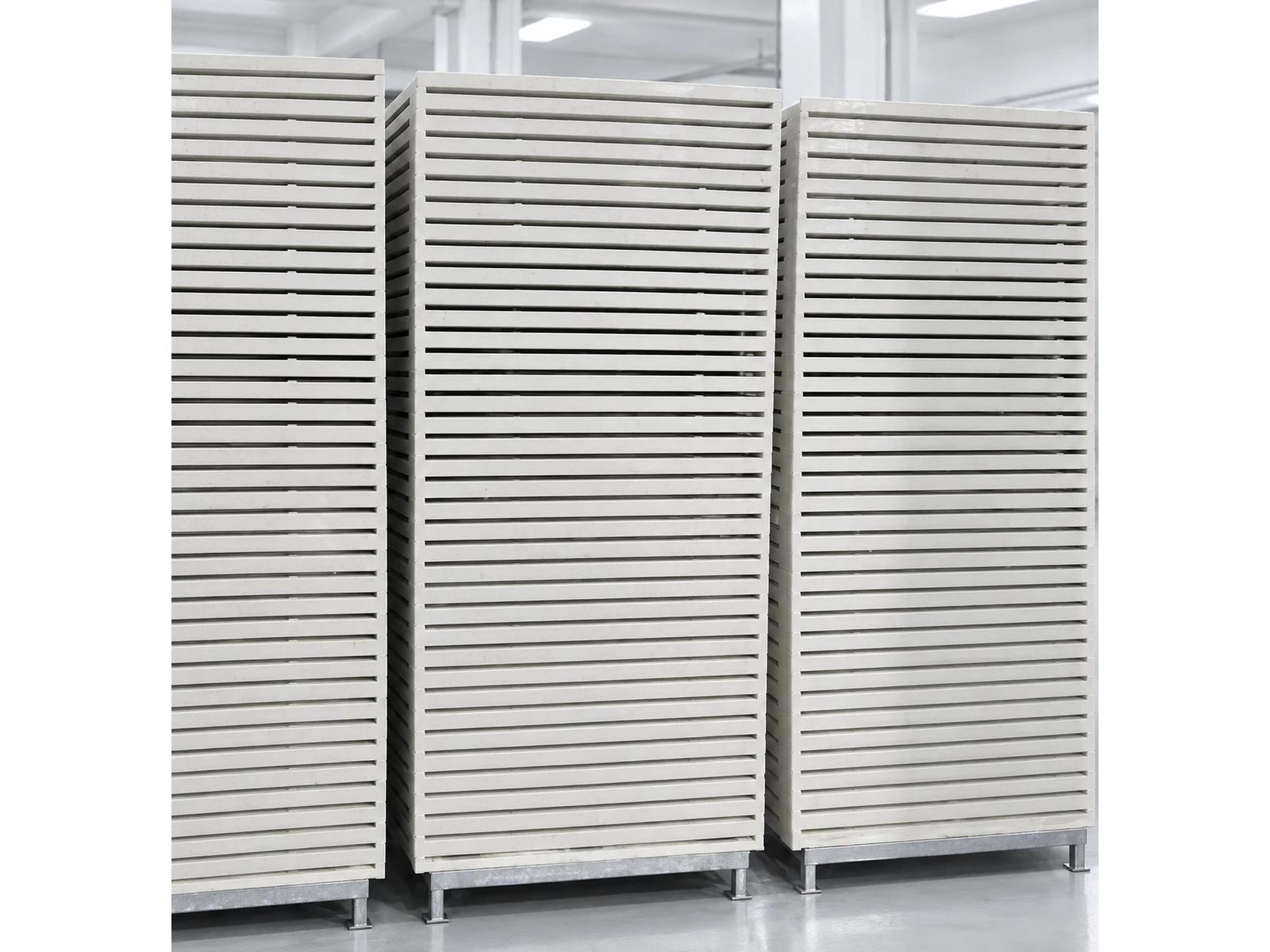
Load pattern and incoming air affect the drying curve. Representative positions reveal differences that one chamber sensor may miss.
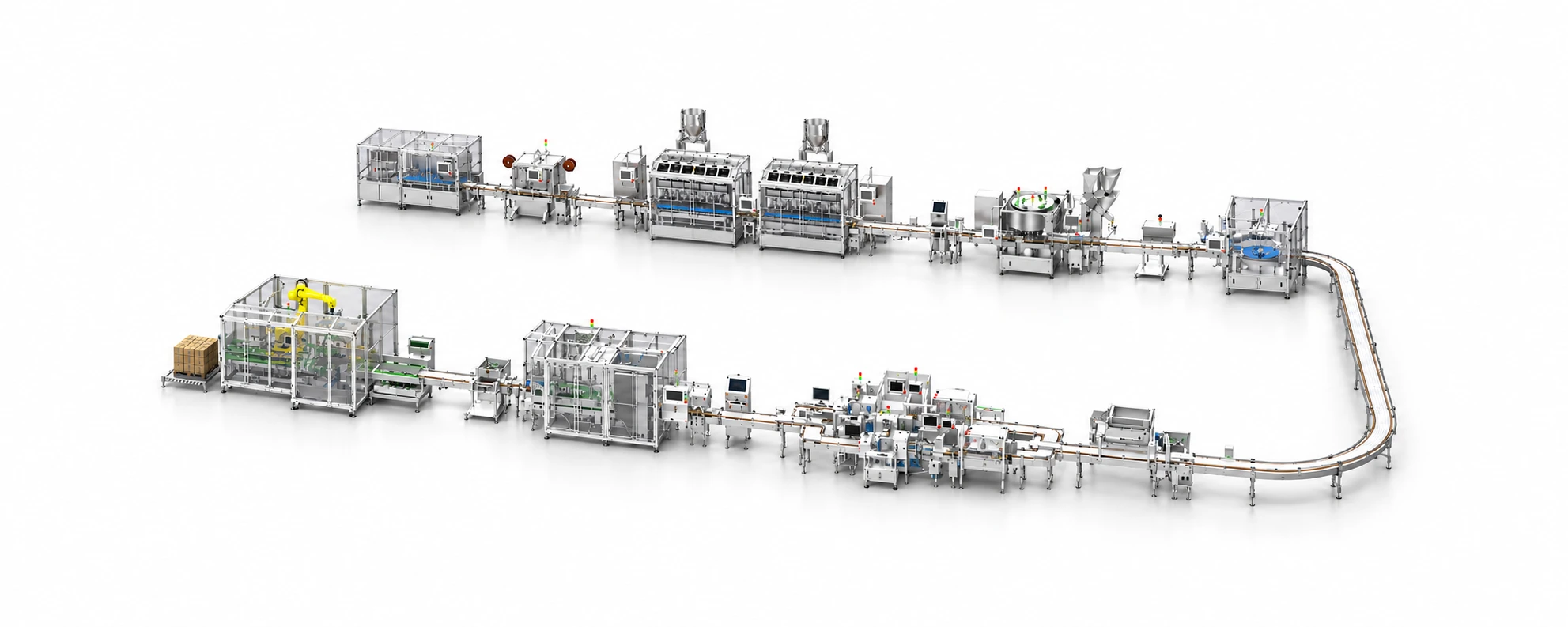
The dryer must accommodate wet-capsule arrival and the necessary residence time. Increasing feed can change load depth and drying uniformity.
Tray handling and continuous transport impose different movement and residence patterns. Their suitability follows capsule sensitivity and the production sequence.
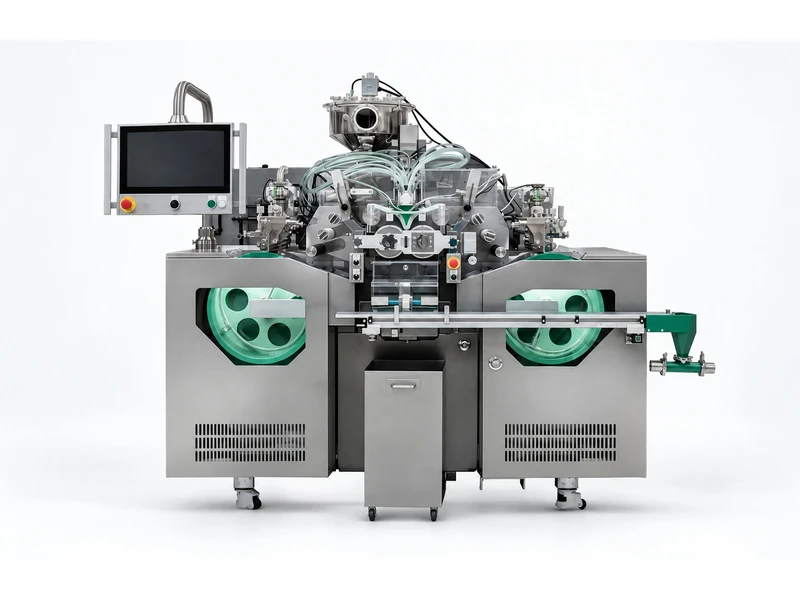
Fresh shells can stick or deform before enough moisture is removed. Initial handling is assessed with the actual wet capsule.
Room dimensions and service access shape the airflow and loading arrangement. Construction details must support the intended cleaning tasks.
Building and fire requirements apply to the selected installation. Drying-process performance does not establish those approvals.