Define the equipment scope
Choose the label position against the moulded seams, opening feature, required print area and available surface.
Learn moreProcess expertise. Chinese manufacturing. Global perspective.

Equipment & technology
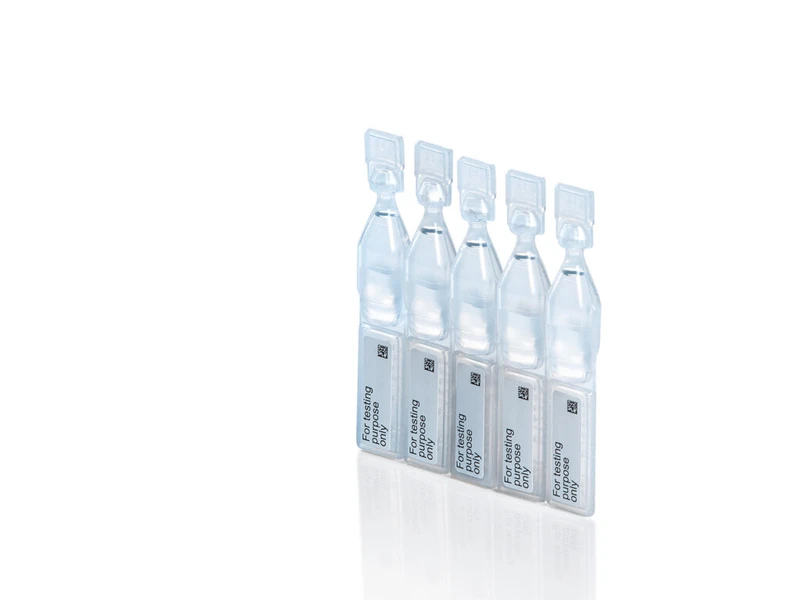
BFS container labeling applies identification to a linked strip or a separated unit while respecting its molded seams, opening feature and available surface.
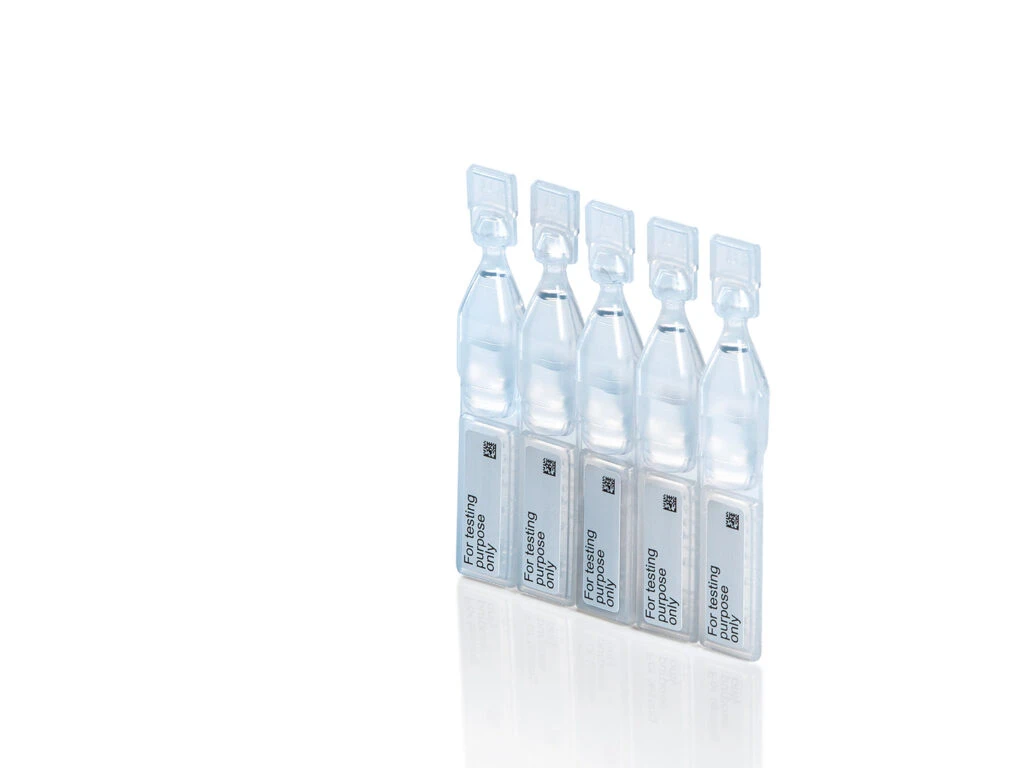
A BFS pack may arrive as a linked strip or as individual containers. Its flexible walls and molded features determine how it can be supported and where a label or code can be applied without obstructing separation or opening.

Process at a glance
The identity assigned to a strip is different from an identity assigned to every container within it.
Locate
Support the strip or individual molded container
Identify
Apply data within the available pack surface
Track
Keep each result associated through separation
—
Process options
Identification must survive the intended separation and use of the pack. Label position and code ownership are therefore decided at the strip and individual-container level.
A fixture or guided transport establishes the pack position at printing or application. A flexible wall can deflect under pressure, so support, contact force and surface condition affect label placement and adhesion. Direct marking and adhesive labeling require different process assessment.
A reader or camera evaluates the specified data at its defined point. If the strip is separated later, the control system must preserve the relationship between cavity, code and reject decision. Missing labels, interrupted strips and restart are distinct challenge conditions.
The strip geometry, artwork and separation sequence define the labeling interface. These inputs establish the configuration; they are not interchangeable with a generic cylindrical-bottle format.
| Interface | Why it matters |
|---|---|
| Strip geometry | Pitch, seams and cavity layout establish support and application position. |
| Label or marking area | Artwork must fit the usable surface and remain readable in the intended condition. |
| Separation sequence | Cut or break lines must remain functional and leave the required identification on each unit. |
| Verification and sorting | Results must stay associated with the correct strip, cavity or separated container. |

Overlay the artwork on the molded drawing and inspect actual packs at their intended handling condition. Check seams, opening features and separation lines before testing adhesion and readability.
Follow identified cavities through the separating operation and compare their remaining marks with the required data. Include incomplete strips and rejected cavities in the reconciliation.
Introduce a controlled interruption with known pack and label states. Confirm the next accepted pack receives the correct identification and that uncertain units follow the defined hold or reject route.
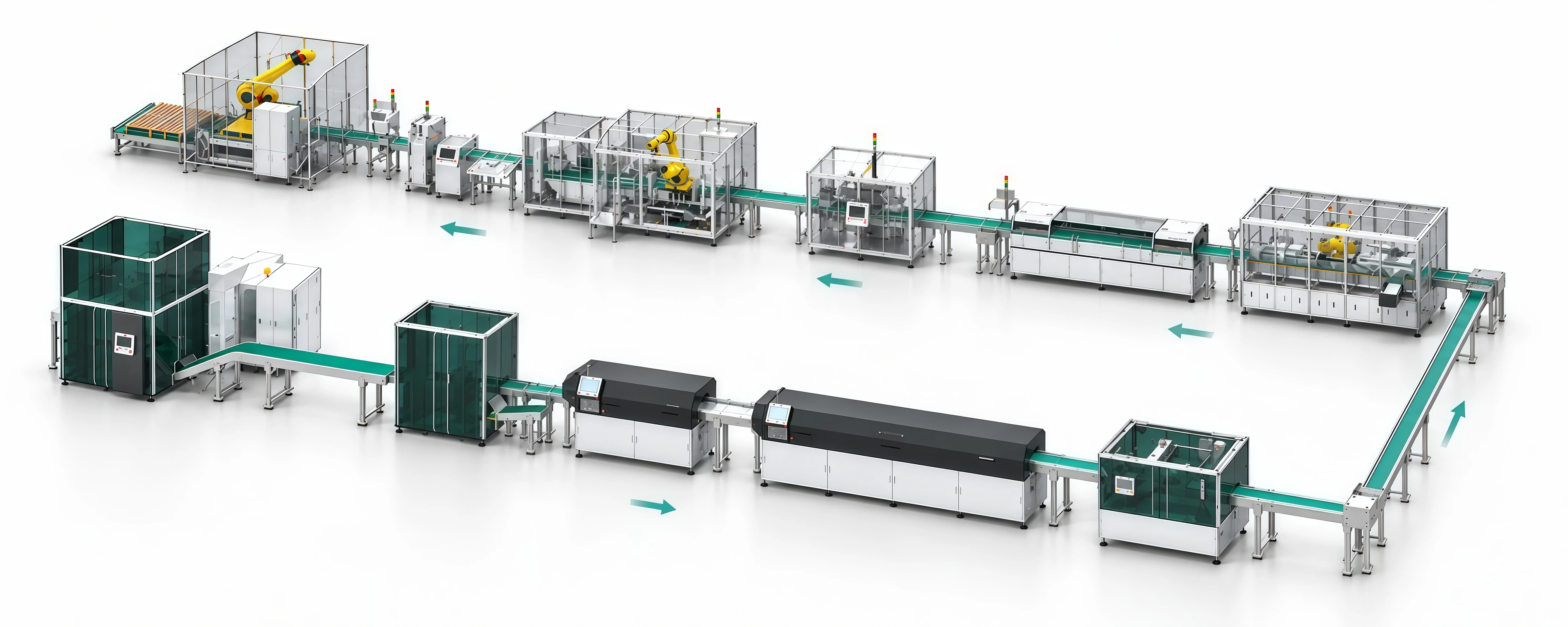
Production line · Equipment context
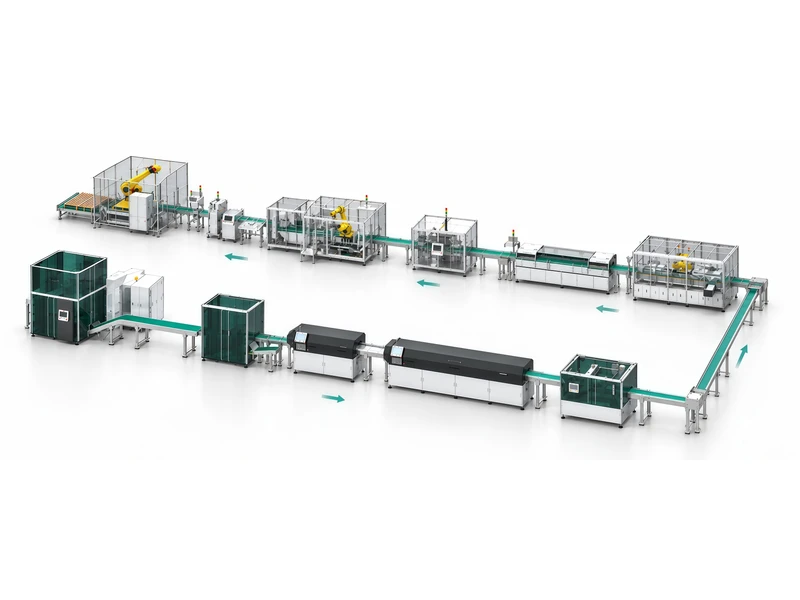
Explore the process areas on the production line associated with this equipment.
Follow the U-shaped route from the forming and filling enclosure to the pallet position. The line provides process context; the individual product is not identified as a separate station in this view.
Related production lines: Blow-Fill-Seal Pharmaceutical Production Lines · Pharmaceutical Eye Drop Filling Lines
BFS production and the selected inspection route supply a closed pack in its agreed strip or individual state. Labeling hands that pack to separation or secondary packing with its identification and reject status preserved.

Choose the label position against the moulded seams, opening feature, required print area and available surface.
Learn moreCheck label adhesion, code legibility and reject handling on conditioned samples of the actual pack.
Learn moreIdentify the contact parts and format tooling for BFS Container Labeling. Agree access for cleaning, the spares to hold and the operating records the site will need.
Learn moreShare strip drawing, label artwork and separation method.
Request product information
2 resources
Only if the approved pack design permits it and separation leaves the required identification and opening function. A strip-level label is not automatically a label for each unit.
No. Direct marking interacts with the molded surface, while a label also has adhesive, carrier and application requirements. Readability and durability are assessed for the selected method.
No. Code assignment, verification, data exchange, reconciliation and the applicable market requirements are separate parts of the system specification.
For a configuration review, include strip drawing, label artwork, separation method, print verification point.
Discuss your project