
Read details

An agreed defect catalogue gives the vision process a consistent basis for comparison. Good samples should include normal variation so the system is not trained only on ideal-looking shells.
Surface coverage follows the product presentation and available views. Defects near the seam, ends or contact points may need different lighting or orientation from those on the capsule body.
Stable positioning limits image variation caused by motion and rotation. The selected transport must also avoid introducing dents, scuffing or cap-body movement.
Sorting performance depends on tracking the inspected capsule to the correct outlet. Reject confirmation and reconciliation must be tested with representative challenge units; no inspection system guarantees that every possible defect is detected.
Counting may be integrated with inspection for a bottle-packing route. Its supplied scope and reconciliation logic must be defined separately from the image decision.
A new shell colour or print design changes the image presented to the recipe. Controlled product setup and challenge checks are needed before a revised recipe is used.
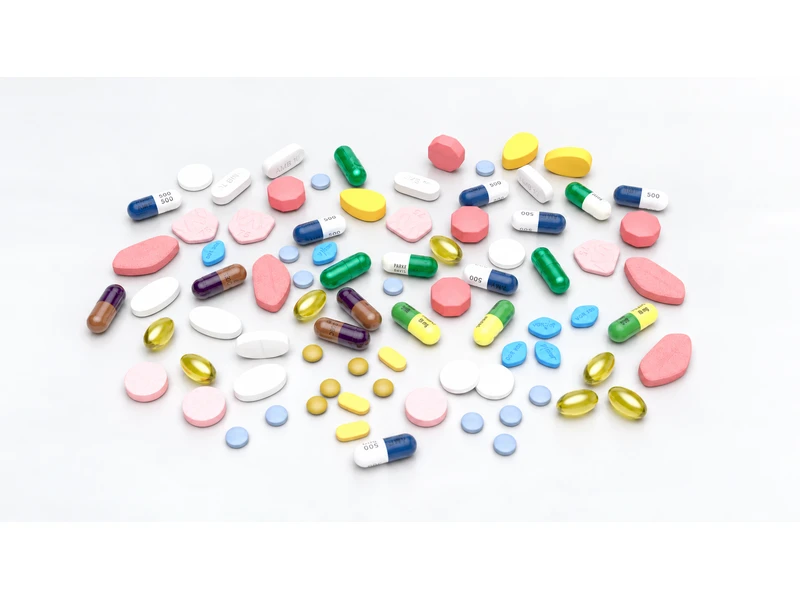
Hard capsules and softgels have different handling and viewing requirements. The relevant format range is that demonstrated on the selected configuration, not the combined range of an equipment family.
Link the inspection recipe, defect class and reject result to the batch so a product can be traced through sorting.