
Skip to content

Process expertise. Chinese manufacturing. Global perspective.

PREASYS

Equipment & technology

Tabletop Blister

Prepare small blister runs to evaluate cavity geometry, forming material and lidding seals. A tabletop blister machine supports pack-development studies; sealing a pack and demonstrating its integrity are separate tasks that need their own methods and equipment scope.

Blister strips and tablets beside an open folding carton
Process context · Blister strips and tablets beside an open folding carton

Tabletop Blister

Tabletop blister development and sample packs

Define the product, cavity drawing, forming material and lidding combination before selecting the tools. Confirm whether the proposed unit forms cavities, seals preformed pockets or performs both operations. Package-integrity testing must be specified separately; a sealer does not imply an integrated leak detector.

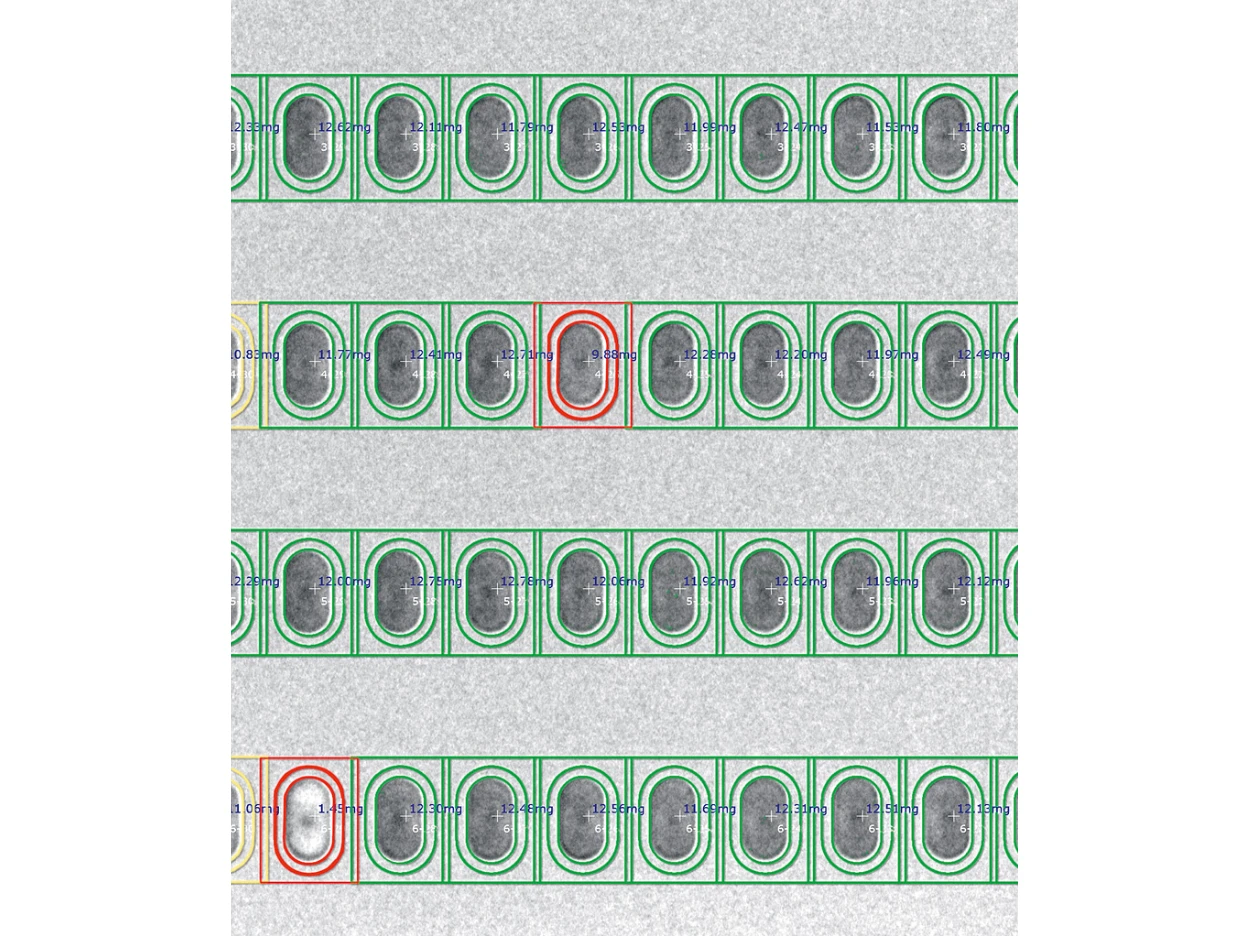
Blister cavities inspected in successive rows beneath an imaging station
Process context · Blister cavities inspected in successive rows beneath an imaging station

Example project input

Use the proposed cavity layout to count samples for the sealing trial. Add empty setup cards and separate packs for any destructive tests.

12

Trial cards to seal

10

Cavities per card

120

Filled cavities required

Process challenges

Leakage undetected — micro channels and pinholes compromise stability.

Read details

Leakage undetected — micro channels and pinholes compromise stability.

Large machines for small batches — production blister lines waste time/materials for stability and clinical runs.

Damaged products during sealing — heat and pressure harm sensitive tablets/capsules.

Slow tool changes — format switching blocks small-batch work.

Unverified seals — seal strength and integrity not quantified.

Industry problem Development requirement
Micro-leaks in packs Agree a suitable integrity-test method and representative challenge samples.
Small-batch waste on big lines Confirm usable sample quantity and setup material for the selected tools.
Product damage while sealing Check the product response to the chosen loading and sealing conditions.
Slow format changes Review tool removal, alignment checks and cleaning between formats.
Unquantified seal integrity Specify seal-strength and integrity checks separately from pack manufacture.

Technical data & features

Set the pocket dimensions and lidding combination from the intended tablet, capsule or device sample.

Blister cavities inspected in successive rows beneath an imaging station

Forming and sealing scope: confirm the materials and tooling for each intended pack. Thermoforming and cold forming are different operations, and neither is implied for every tabletop unit.

Support the product within its cavity

Select pocket depth, clearance and placement method to avoid damage during loading and sealing. Check access for tool removal, cleaning and inspection between formats.

Define the sealing process window

Record the sealing conditions available on the selected model and test the resulting packs with the agreed method. Integrity-test capability and sensitivity depend on the pack, fixture and validated method; no universal leak-size limit is assumed.

Confirm the exact pack format and test fixture

Retain traceable packs for the planned development study

How it works

How should a tabletop sealing trial be prepared?

Use identified forming and lidding material lots with the intended cavity drawing. Set the supported sealing conditions, load representative product and retain sample packs against each recorded setup.

What should be checked before transferring the pack design?

Inspect seal appearance and opening behaviour, then perform the defined seal-strength or integrity test. Check tooling alignment and material handling before comparing the result with production tooling.

Line integration

Line Integration

Upstream: prepare the product, forming or preformed pockets and the specified lidding material.

Core: form cavities if included in the selected scope, load product and apply the specified seal.

Verification: specify separate seal-strength and package-integrity methods and equipment for the actual pack.

Downstream: sealed blisters → cartoning / packaging

Digital: test records for stability and batch documentation

Support throughout your project and production

Define the equipment scope

Set the pocket dimensions and lidding combination from the intended tablet, capsule or device sample.

Learn more

Agree the acceptance test

Check opening behaviour and seal appearance before transferring the design to production tooling.

Learn more

Prepare for operation

Identify the contact parts and format tooling for Tabletop Blister. Agree access for cleaning, the spares to hold and the operating records the site will need.

Learn more

Knowledge hub

2 resources

Frequently asked questions

Can a tabletop unit form both plastic and cold-form aluminium cavities?

Only if the selected unit and tooling are designed for those operations. Confirm each material and forming method in the equipment scope.

Is leak testing part of the blister sealer?

Not unless explicitly supplied. A separate tester, fixture and method may be required; its sensitivity must be established for the actual pack.

Can development packs be used in stability or clinical work?

Their use depends on the approved study and the site controls for materials, sealing and release. The machine size or name does not establish that suitability.

Contact

Send the pack drawing, materials, product and test requirements for a tabletop blister review.

Discuss your project →
Blister cavities inspected in successive rows beneath an imaging station