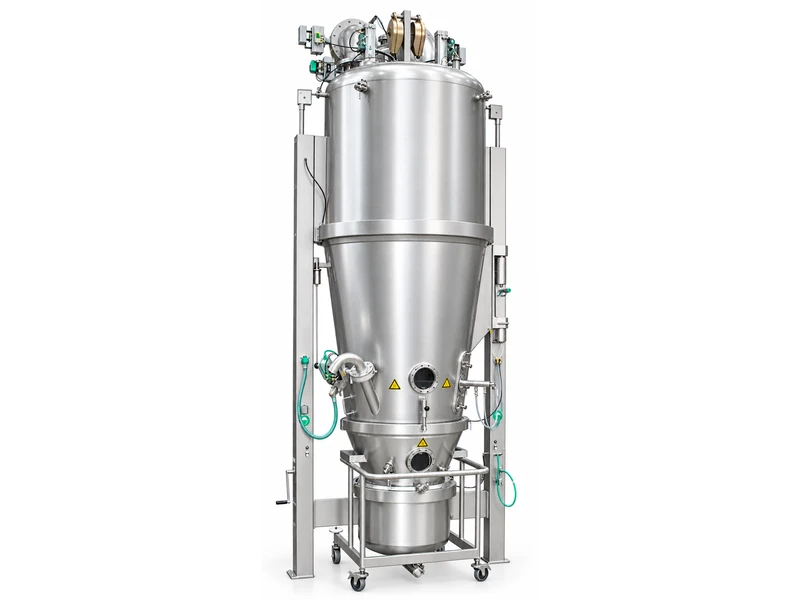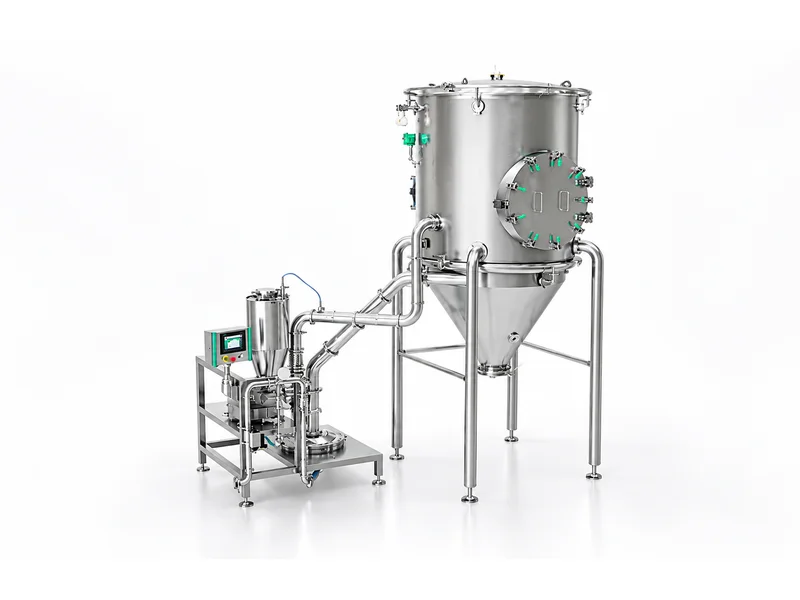
Jet Mill (Spiral Jet Micronization)
Explore jet milling for particle-size reduction, including feed properties, containment, collection and links to the downstream dosage-form process.
Process expertise. Chinese manufacturing. Global perspective.

Explore our solutions
Oral solid dosage production connects powder preparation with tablet compression or capsule filling and the selected finishing and packing route. The equipment sequence follows the formulation: direct processing, wet granulation and roller compaction are alternative ways to prepare material for the next operation.
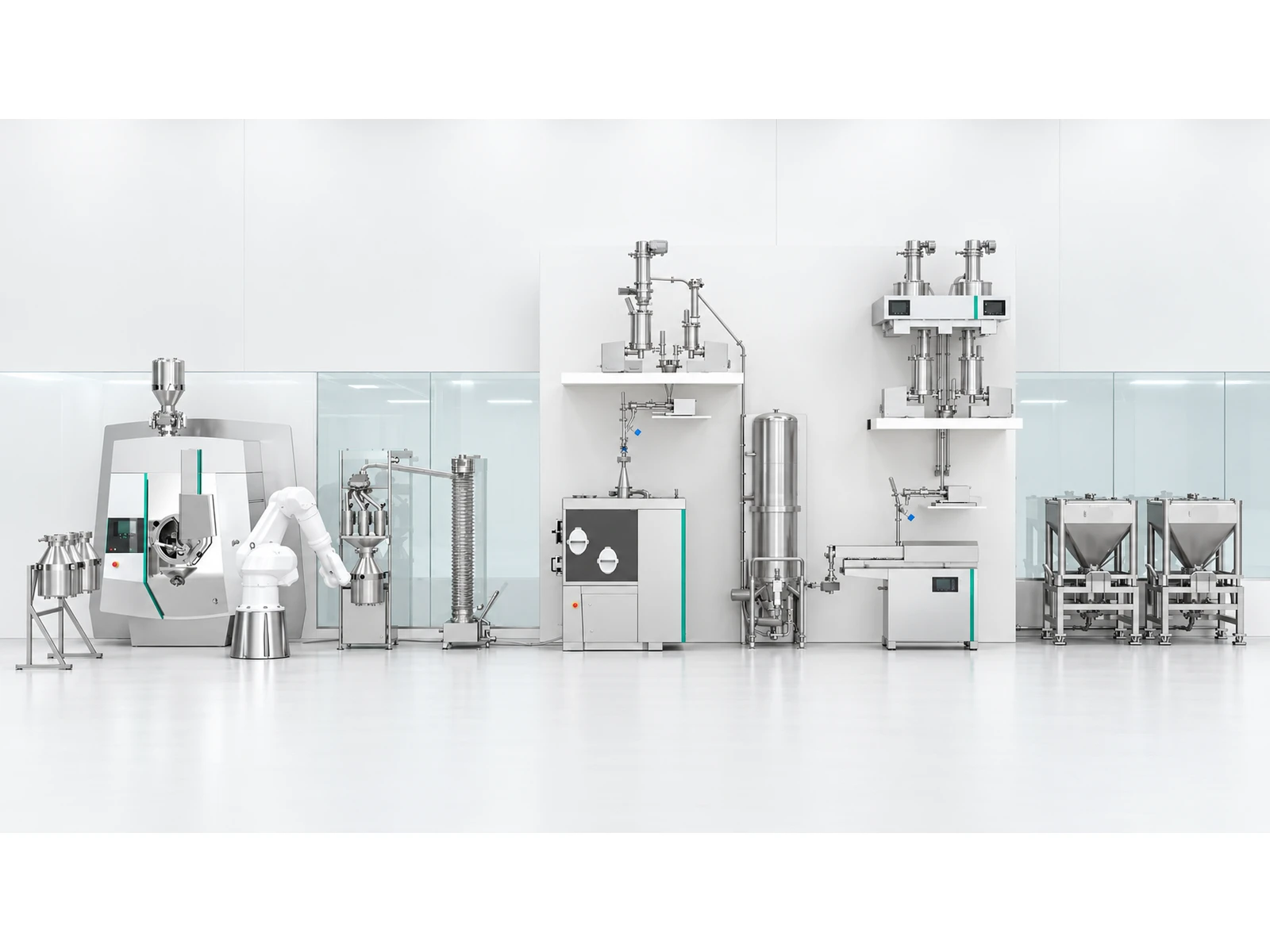
Find a solid-dose operation
Follow the material state from powder preparation to the finished unit. Select one preparation path for the actual formulation.
4
Powder conditioning routes
3
Tablet and capsule forming options
4
Surface finishing and inspection examples
—
Process options
Particle size, flow and compaction behaviour influence both equipment choice and the quality of the finished unit. Wet processing adds liquid and a drying duty; dry compaction changes powder density through mechanical work. Neither granulation route is mandatory when the blend already suits direct processing.
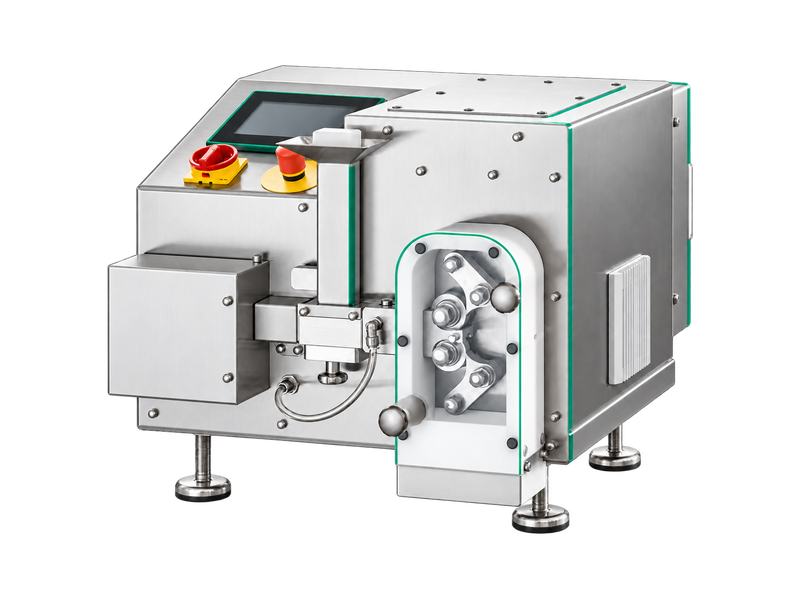
Explore jet milling for particle-size reduction, including feed properties, containment, collection and links to the downstream dosage-form process.
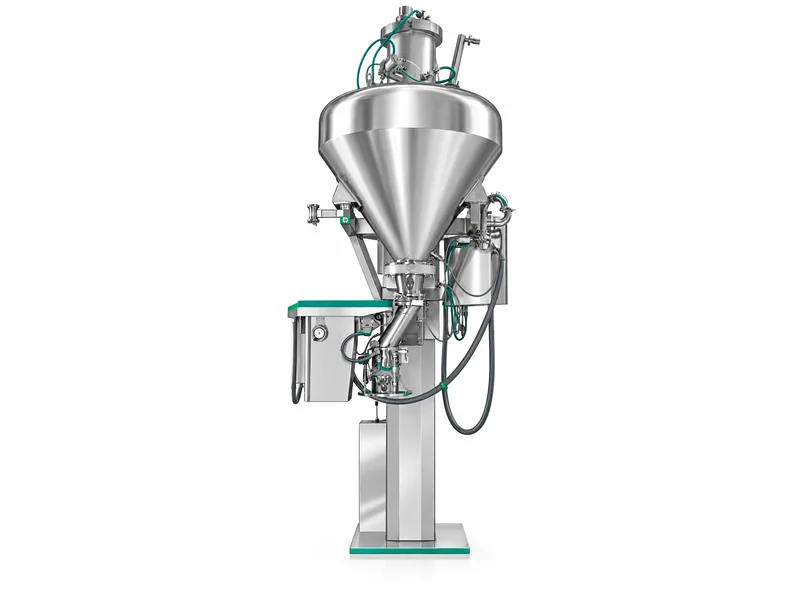
Plan contained powder transfer between process steps, considering powder behavior, cleaning, connection details and operator exposure needs.
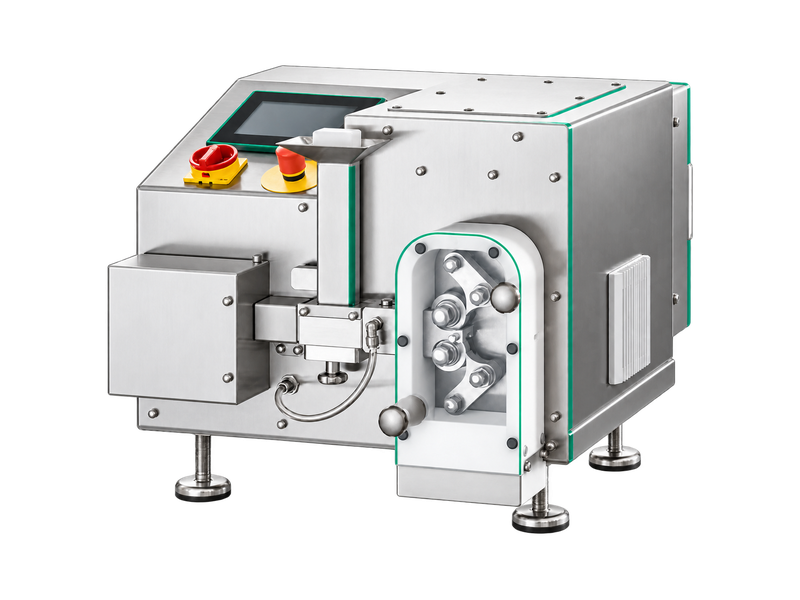
Explore roller compaction for dry granulation, including feed behavior, ribbon formation, milling and connections to tableting or capsule filling.
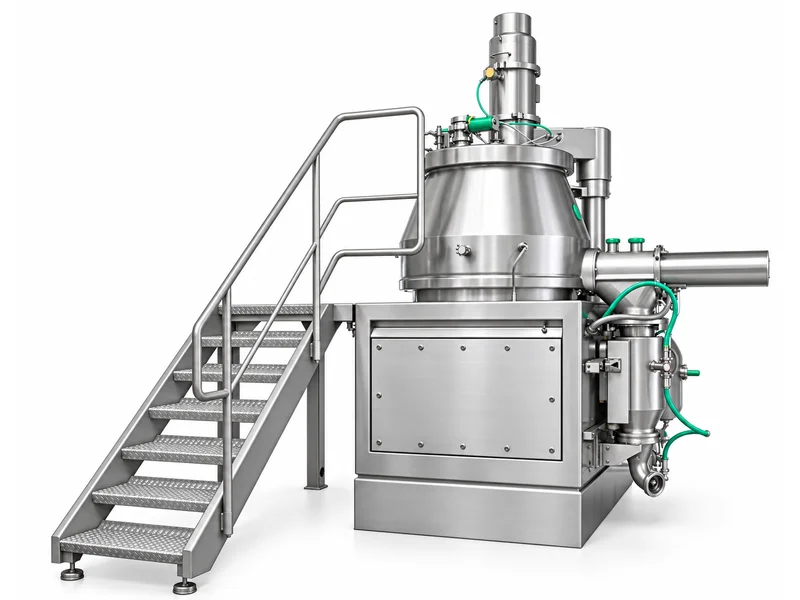
Explore high-shear granulation with attention to formulation, binder addition, wet-mass handling, drying and scale-up requirements.
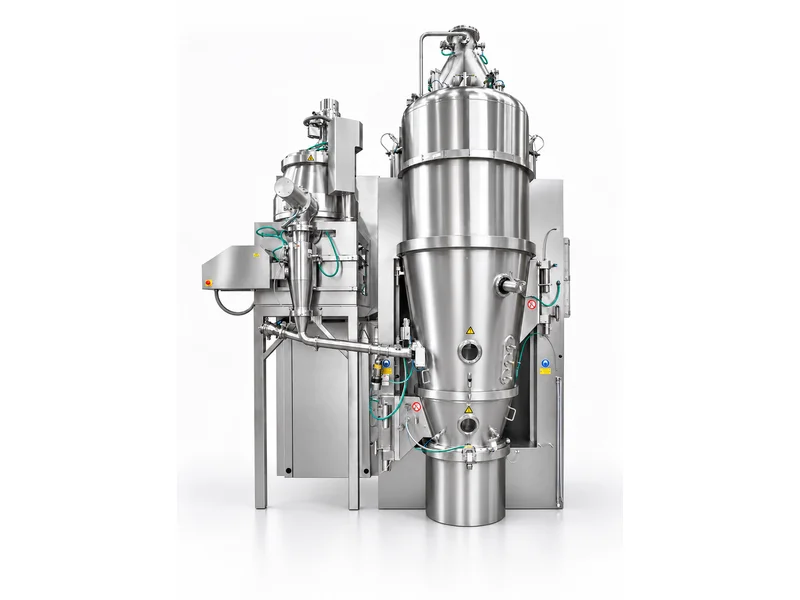
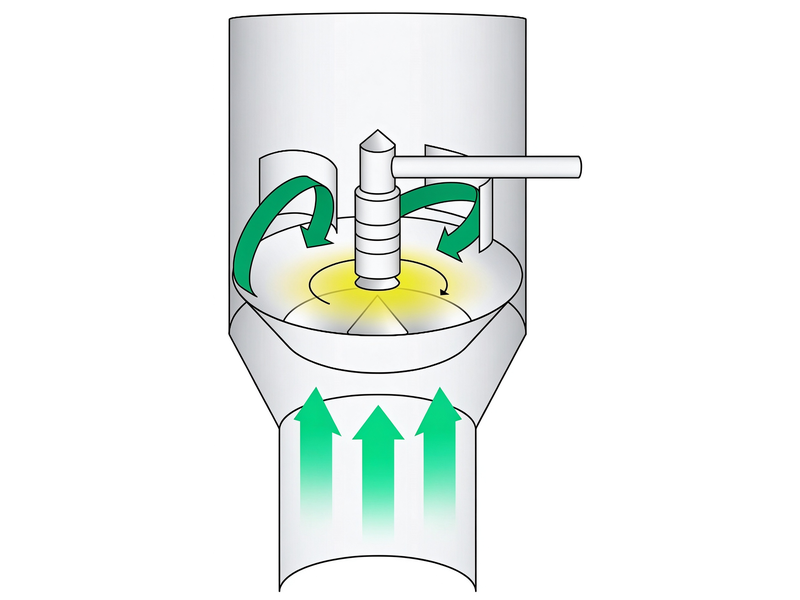
Top-spray binder addition agglomerates a fluidized powder while drying continues. Any coating duty requires a separately established insert and process configuration.
Scope pellet production through extrusion and spheronization, including wet-mass preparation, drying and subsequent coating requirements.
Define drying requirements using product properties, moisture targets and batch scope, with granulation and downstream handling interfaces.
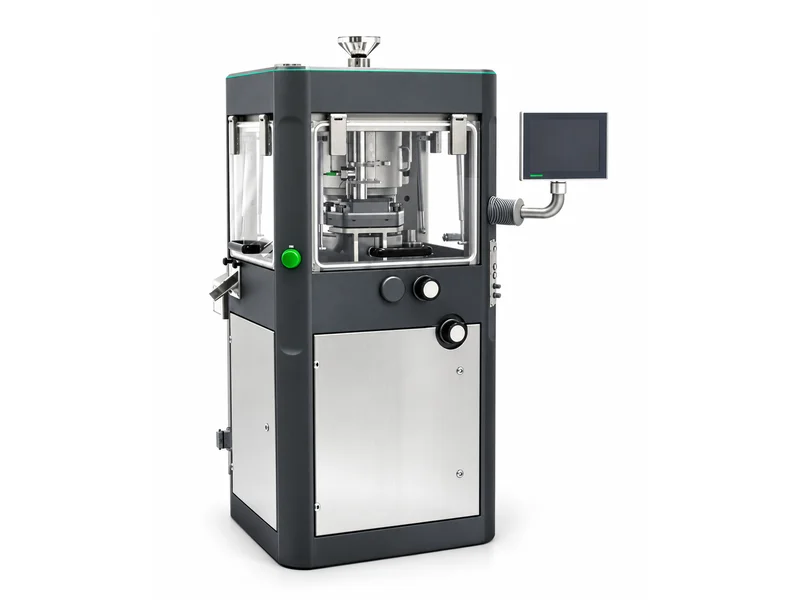
Use compaction studies to examine formulation behavior and process transfer, with links to tablet press selection and product testing.
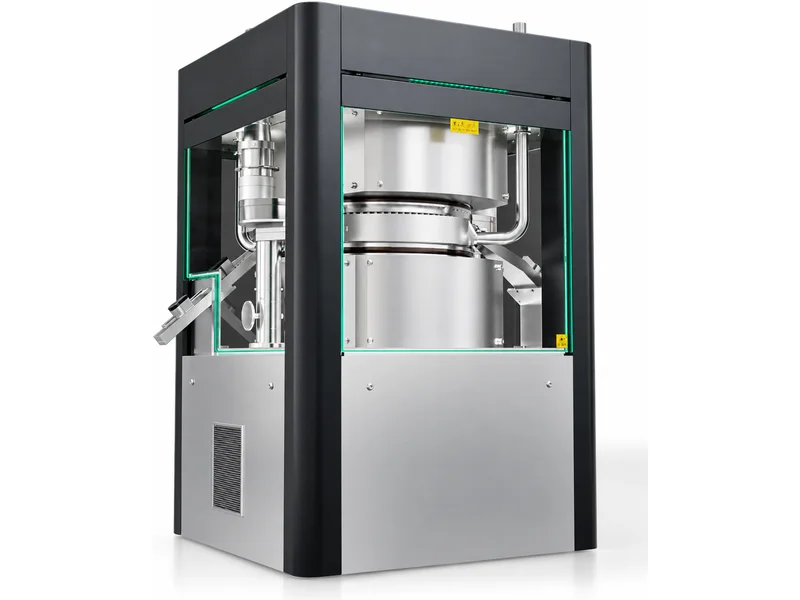
Define tablet compression requirements around formulation, tooling and batch scope, with feed preparation, inspection and packaging interfaces.
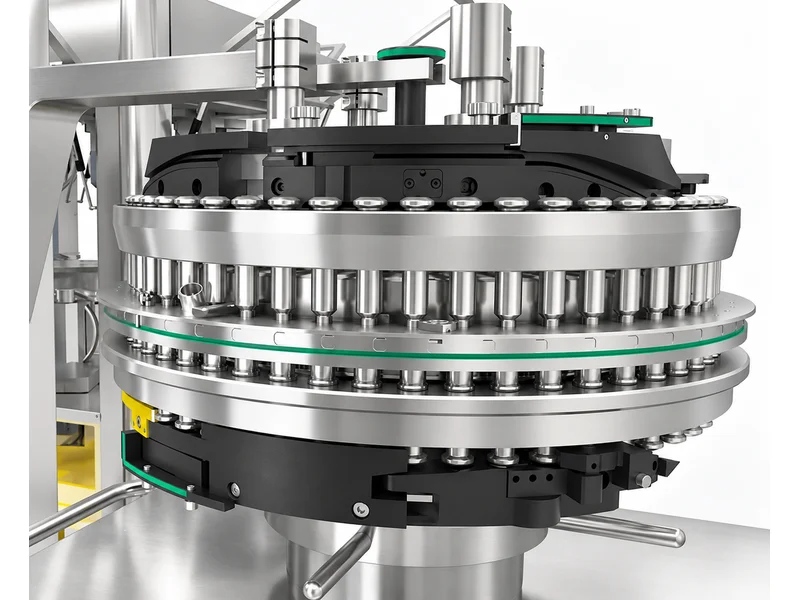
Plan multilayer tableting around layer feed, compression, sampling and handling requirements, with upstream granulation and downstream coating.
Explore capsule filling requirements around formulation and fill material, including feeding, capsule handling, inspection and packaging interfaces.
Scope tablet coating around formulation, batch size and coating objectives, with spray, drying, cleaning and downstream inspection considerations.
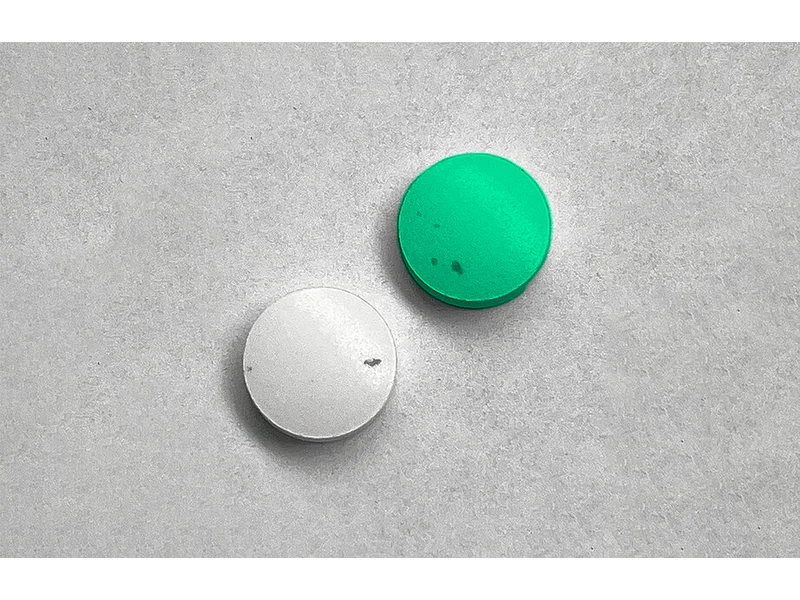
Review laser drilling requirements for coated tablets, including product orientation, hole specifications, inspection and material handling.
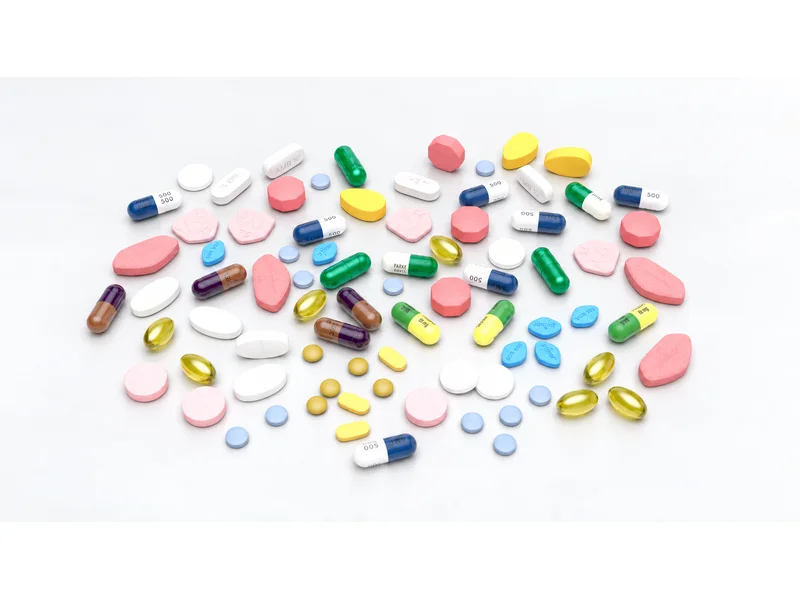
Define ink-based tablet and capsule printing requirements, including substrate, identification, product handling and print inspection.
Scope non-contact marking of tablets or capsules around substrate, legibility and product handling, with verification requirements confirmed by trials.
Compare CO₂ and UV options against the actual coating or shell, intended mark and handling conditions.
Review UV laser marking for pharmaceutical tablets and capsules, including substrate compatibility, legibility, handling and mark verification.
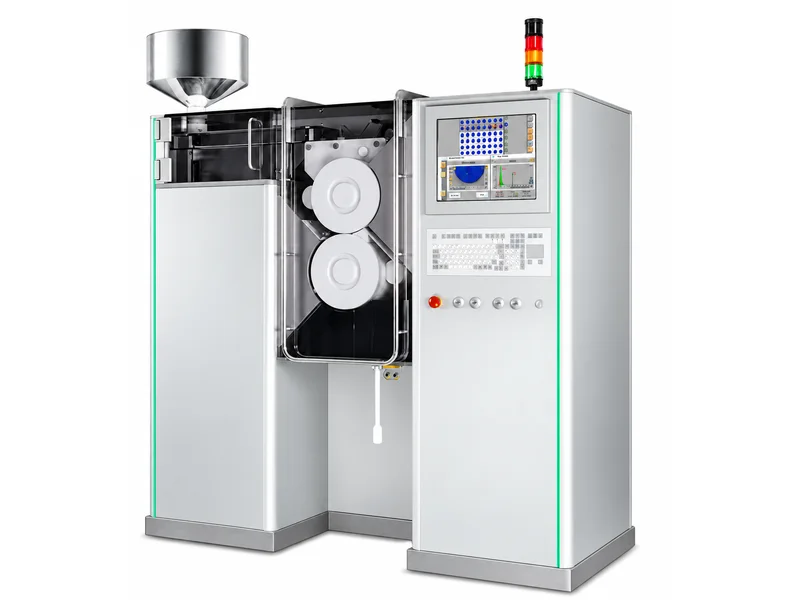
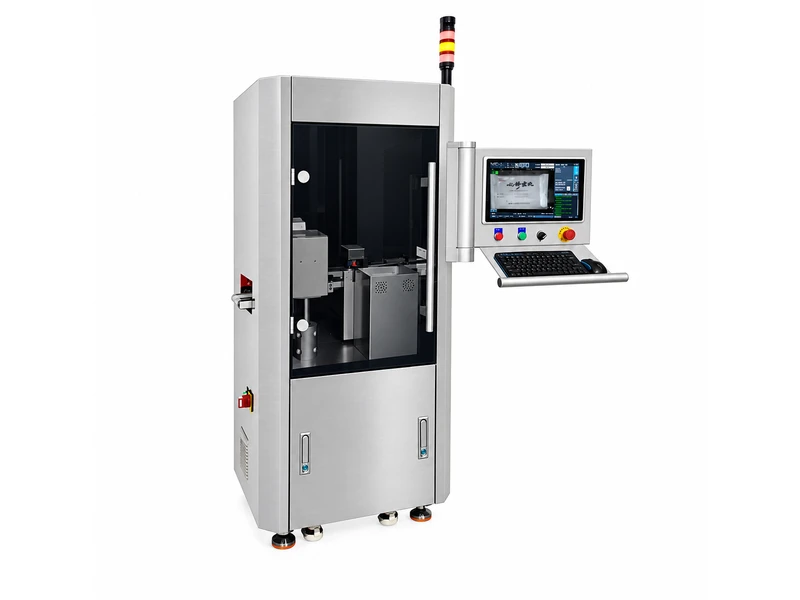
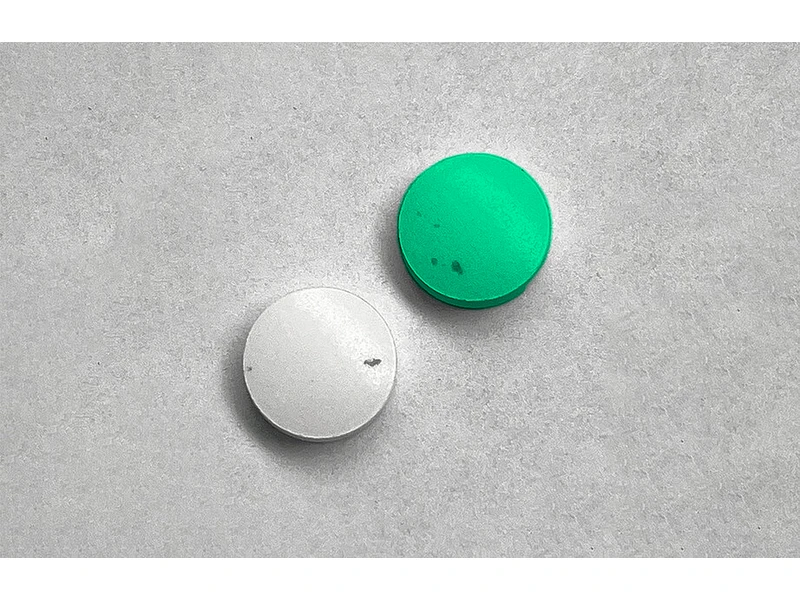
Define visual inspection for tablets, including surface defects, coating appearance, product presentation, rejection and packaging interfaces.
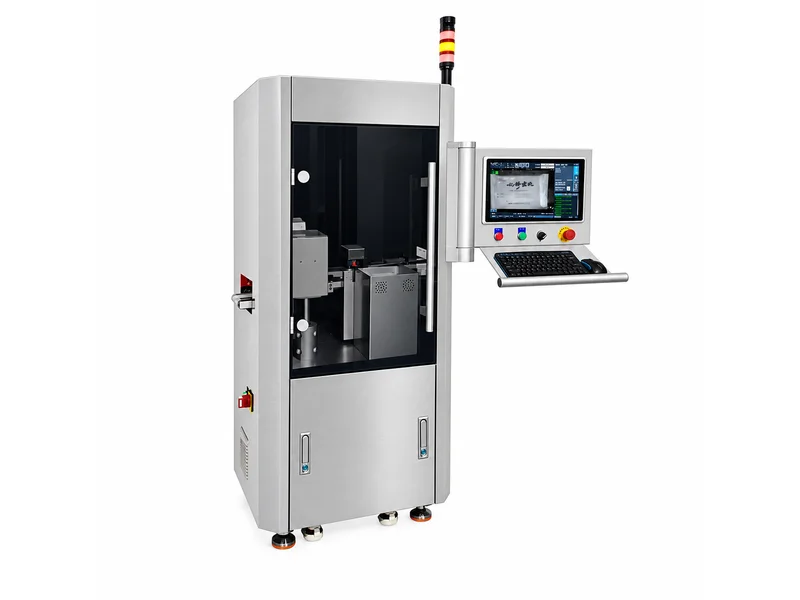
Define visual inspection for filled capsules, including shell defects, cap-body alignment, print checks, rejection and packaging interfaces.
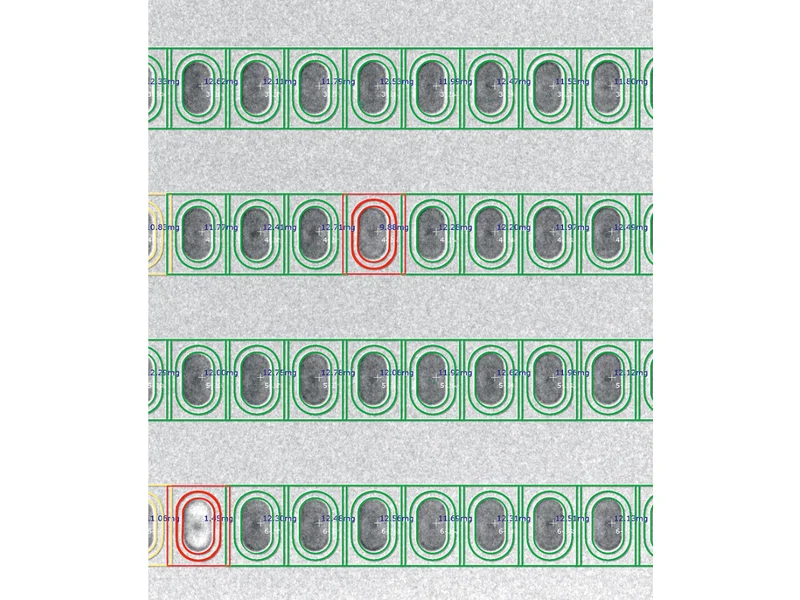
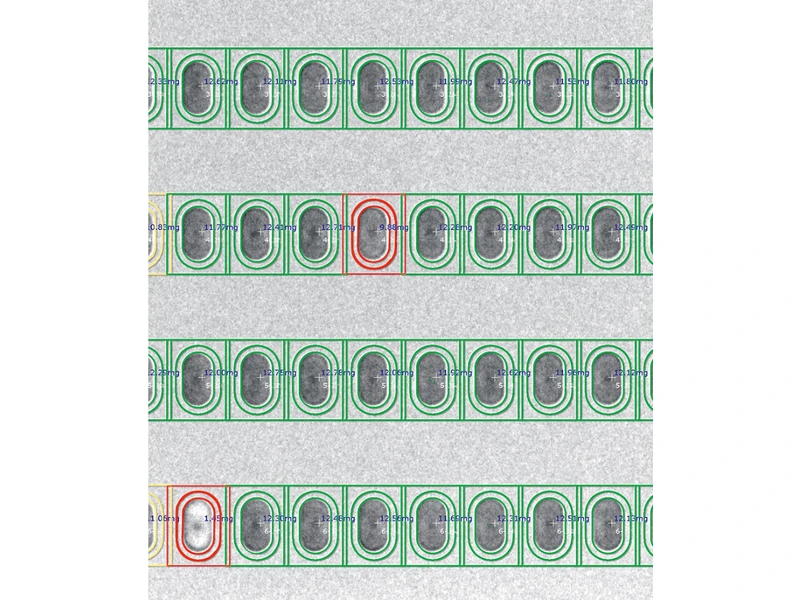
Review inspection of solid-dose blister packs, including cavity contents, pack presentation and integration with the packaging line.
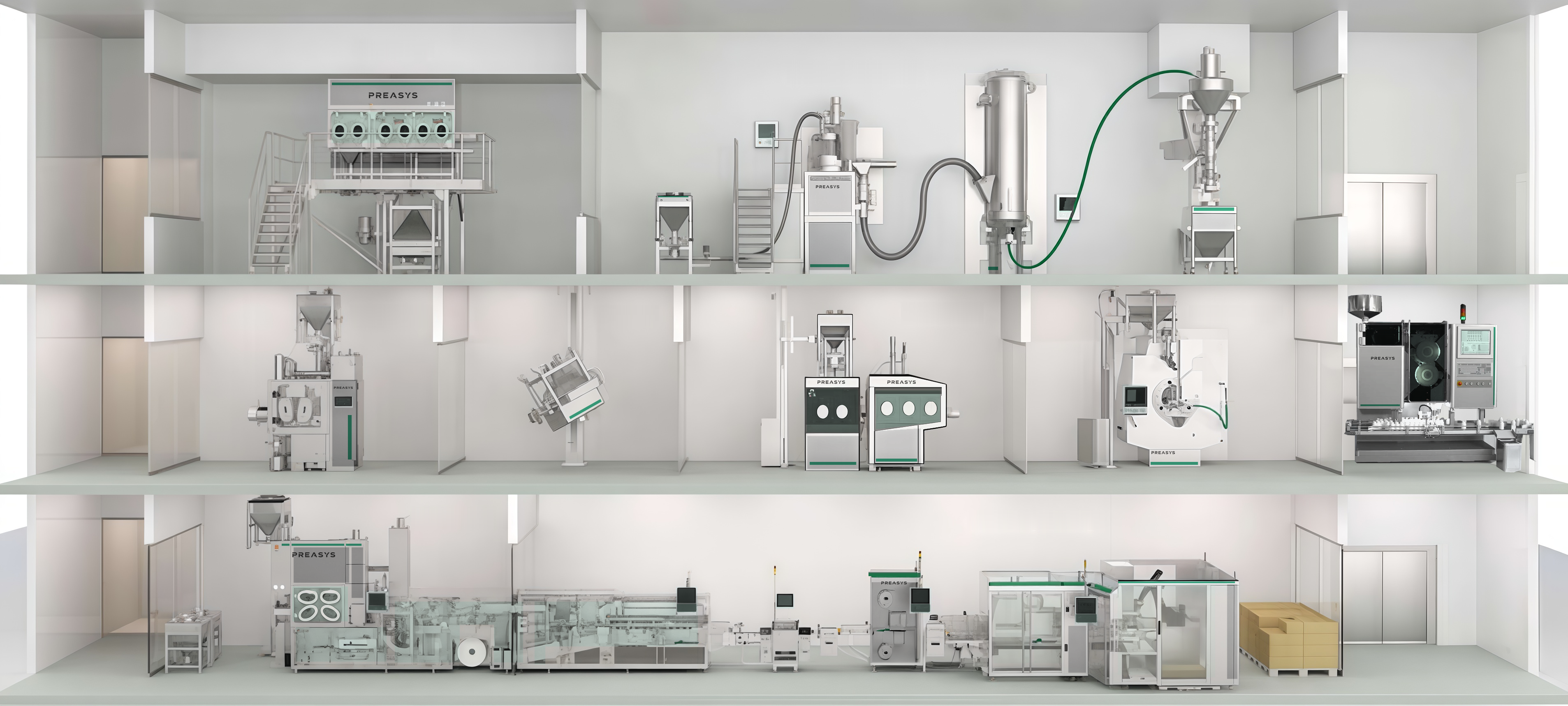
Oral solid dosage · Integrated production
Discover the equipment behind your solid dosage process.
Route selection. Wet and dry granulation are alternatives. Select tablet compression or capsule filling for the dosage form; include coating when required.
Illustrated equipment and packaging options show process relationships. The facility layout and equipment configuration are defined for each project.
Treat the process as linked material handoffs. A prepared blend feeds the chosen press or capsule filler; a finished unit may then need coating, marking or inspection. Bottle and blister packing are alternative primary-pack branches. Transfer, sampling and exposure controls connect the selected operations without turning every illustrated machine into a compulsory step.
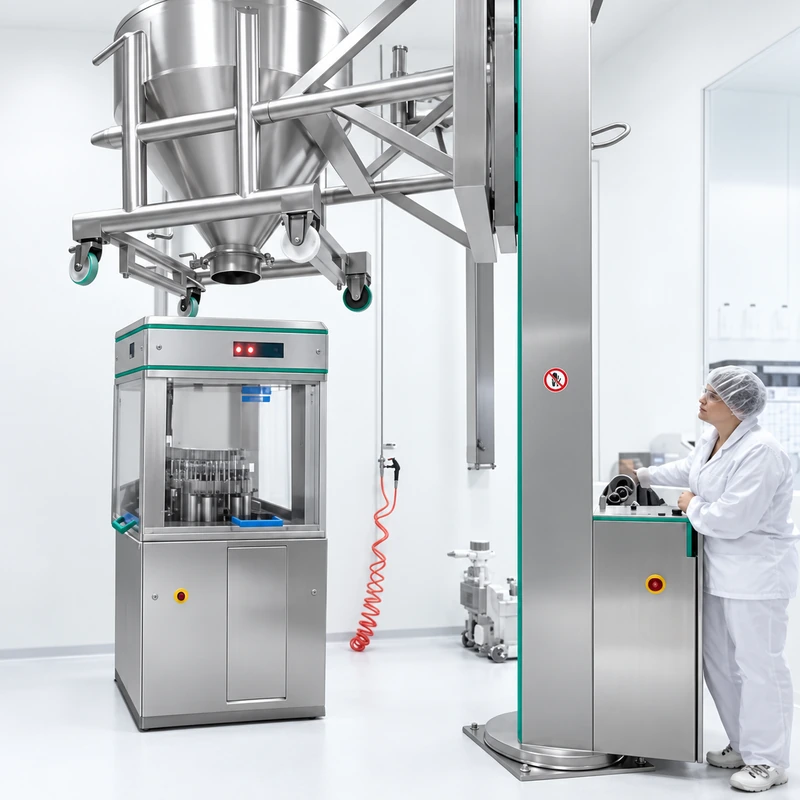

Compare representative material in the candidate process. Relate feed consistency and particle properties to the intended tablet or capsule result, including the effect of transfer and lubrication. Add a granulation stage only where the formulation requires it.
Release the dosage form against the relevant quality checks before it reaches the chosen bottle or blister path. Coating, laser marking, ink printing and drilling have different purposes; include only the operations required by the product.
Direct processing, wet granulation and dry granulation have different requirements for moisture, particle size and material transfer.
Learn moreIdentify how each batch is sampled and transferred between preparation, blending and the selected downstream equipment.
Learn moreIdentify the contact parts and format tooling for Oral Solid Dosage. Agree access for cleaning, the spares to hold and the operating records the site will need.
Learn moreShare incoming material, particle characteristics and working batch.
Request product information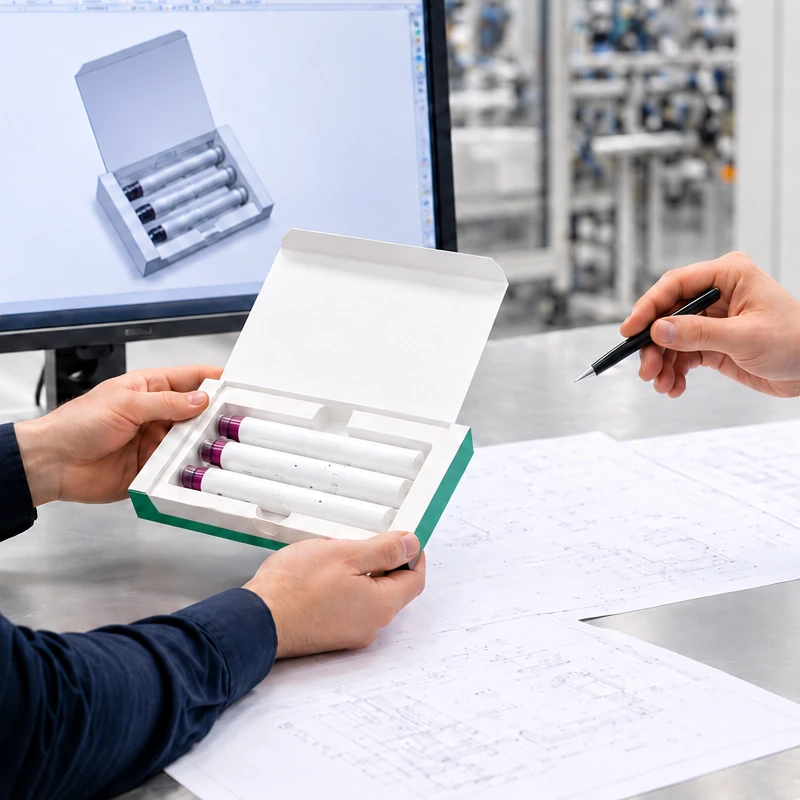
2 resources
No. A suitable blend may be processed directly. Granulation is considered when the formulation needs changes in particle properties before compression or filling.
They are alternative dosage-form branches. Prepared material is routed to the forming or filling operation specified for the product.
It illustrates process relationships and equipment positions. The selected operations, interfaces, room arrangement and packaging branch are established for the actual project.