Skip to content

Process expertise. Chinese manufacturing. Global perspective.

PREASYS

Equipment & technology

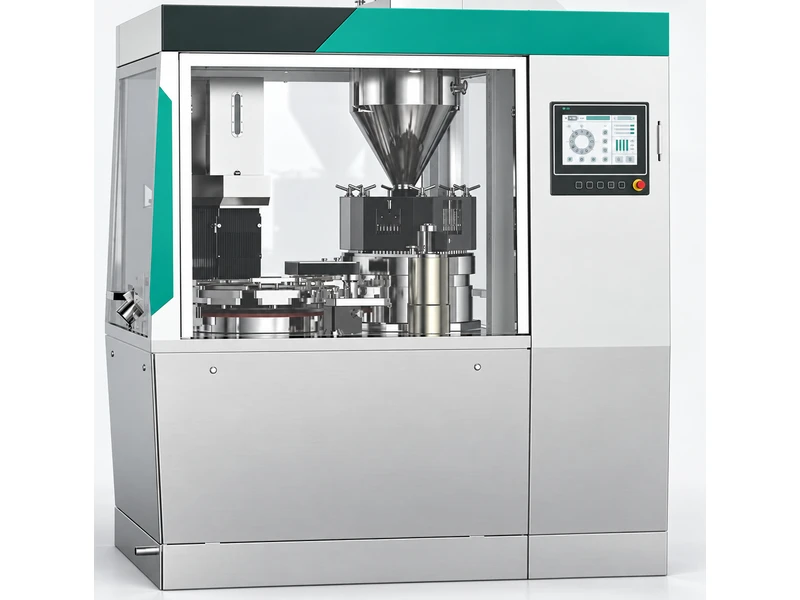
R&D Lab Bench Top Capsule Filling Machine

Develop a hard-capsule dose with limited trial material. A laboratory capsule filler lets you examine shell separation, powder dosing and closure before deciding how the formulation should run on a production machine.

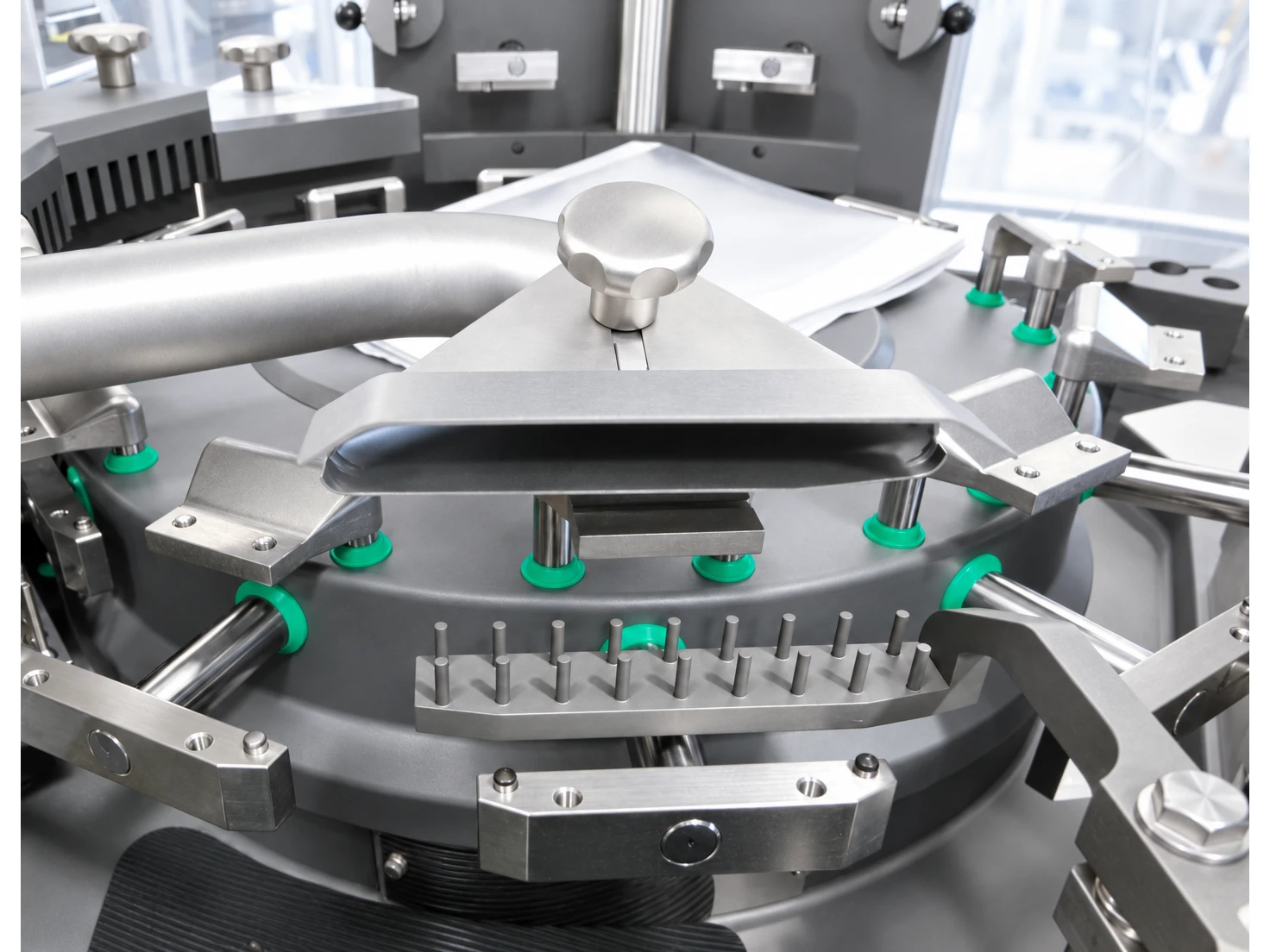
Circular capsule tooling inside the filling station
Process context · Circular capsule tooling inside the filling station

Capsule Filler

Laboratory hard-capsule filling

The trial begins with the formulation and capsule shell. Establish the target fill mass, loose and tapped bulk density, flow behaviour and available sample quantity, then select a dosing arrangement for evaluation. A production-family throughput is not the working rate of a benchtop unit.

Evaluate capsule opening, body retention, dose formation and cap closure together. Powders, pellets, mini-tablets and liquids need different handling arrangements; confirm each proposed fill type, shell size and contact-part set in the quotation rather than assuming that one laboratory configuration covers them all.

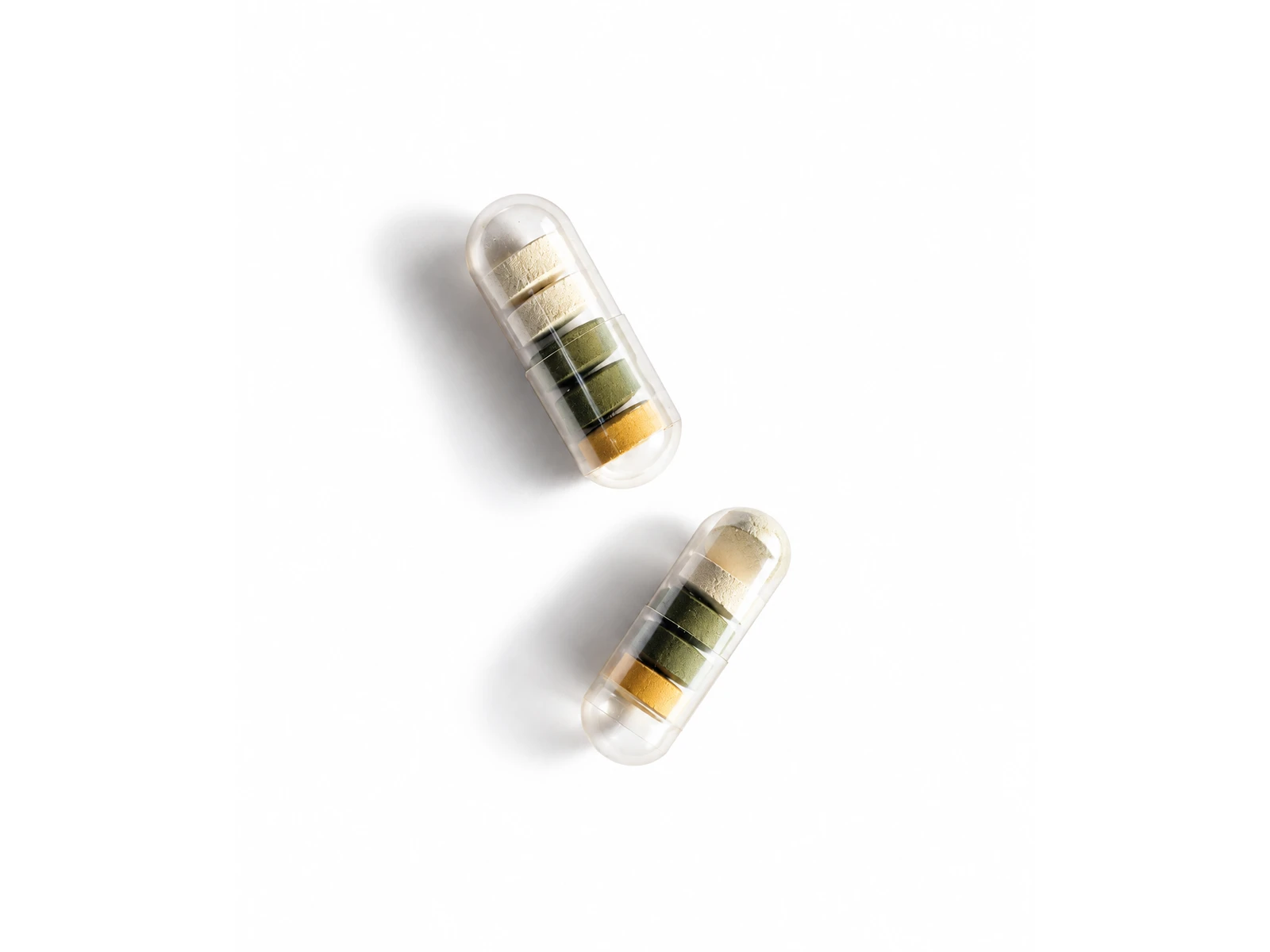
Opened capsule showing the material held inside its shell
Process context · Opened capsule showing the material held inside its shell

Capsule development

Shell separation, dose formation and closure should be evaluated together with the trial formulation.

Shell & dose

Match the capsule format to the selected dosing principle

Filling technologies

Filling technology

Powder filling

Select the hard-capsule dosing method with the trial powder and shell. Confirm whether the proposed unit uses a dosator, tamping system or another documented principle, and evaluate dose consistency and material hold-up.

Explore technology
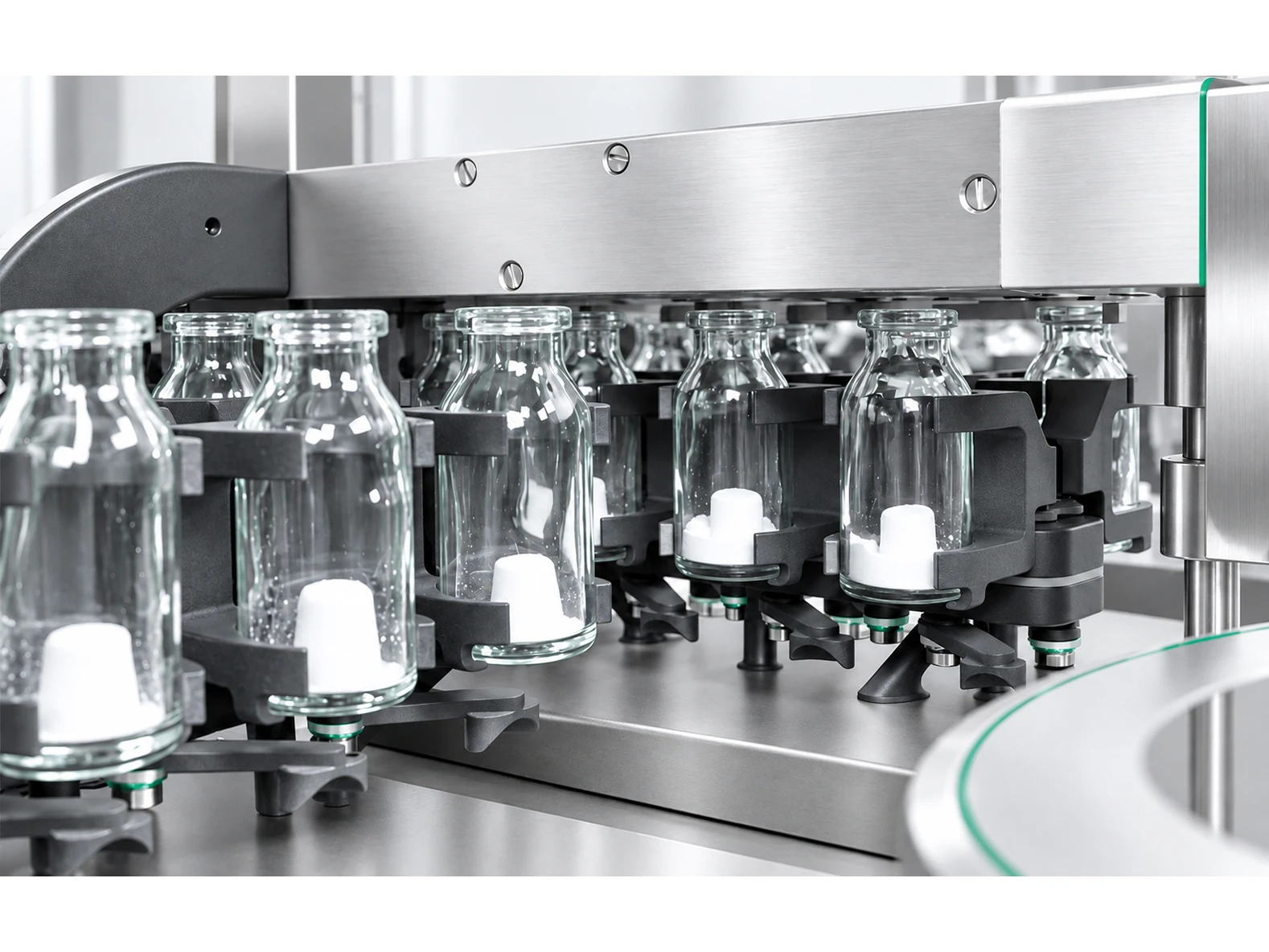
Glass vials presented below the powder dispensing heads
Dosing principle illustration · configuration depends on the application.
Technology 1 of 1

Process challenges

Sticky/fine powder dosing — inaccurate fill weights and segregation.

Read details

Sticky/fine powder dosing — inaccurate fill weights and segregation.

Segregation of blends — powder mixtures separate during dosing.

Liquid and combo fills — powders only machines limit product innovation.

Inspection gaps — defective capsules (weight, content) pass through.

Scale-up mismatch — R&D fillers don't match production speeds.

High-potency exposure — operator protection needed for potent APIs.

Industry problem What to evaluate in the laboratory
Sticky/fine powder inaccuracy Trial the dosing principle with the actual powder and target mass.
Blend segregation Compare samples across the run and check for segregation.
Liquid & combo products Confirm a dedicated dosing configuration for each proposed fill type.
Defect leakage Agree sampling and rejection checks; do not infer full-rate inspection.
Scale-up path Compare dosing mechanics and material history with the proposed production machine.
Potent API exposure Define enclosure, transfer and cleaning requirements against the exposure target.

Technical data & features

Select a dosing technique that represents the intended larger-scale feed behaviour.

Opened capsule showing the material held inside its shell

Trial configuration: define capsule material and size, target fill mass, sample charge and the dosing principle to be evaluated. Include startup loss and retained material when deciding how much formulation to supply.

Format scope: confirm the shells, powder characteristics and any multiparticulate or liquid fill with representative samples. A change of shell size or fill type may require different tooling and a separate trial.

Dosing and shell handling

Agree which checks are manual and which are integrated. Fill-mass sampling, empty-capsule detection and closure inspection answer different questions; record the method and sampling frequency used.

For potent or dusty formulations, specify the exposure-control target and cleaning method before selecting an enclosure. The trial setup and containment performance need their own assessment.

Optional closure and downstream handling

Confirm banding, dedusting and capsule inspection separately

How it works

How should a capsule-filling trial be set up?

Load a documented shell lot and a representative blend. Establish a repeatable setup, then collect fill-mass and closure samples at defined intervals. Record adjustments and interruptions so a change in the powder is not confused with a change in the machine.

What should be checked before scaling the trial?

Compare the dosing principle, powder residence time and shell handling with the intended production process. Review weight variation, damaged shells and material recovery together. Clean and inspect the dosing and shell-contact parts between formulations.

Line integration

Line Integration

Inputs: qualified shells and a characterized trial blend

Follow the batch from shell loading through separation, dosing and closure. Reconcile good capsules, rejects, residual powder and samples so the trial yield can be interpreted.

Outputs: closed capsules for weight, appearance and subsequent formulation testing

Records: dosing settings, shell lot and sampling results

Support throughout your project and production

Define the equipment scope

Select a dosing technique that represents the intended larger-scale feed behaviour.

Learn more

Agree the acceptance test

Track fill weight variation, yield and closure quality with a small representative batch.

Learn more

Prepare for operation

Identify the contact parts and format tooling for Capsule Filler. Agree access for cleaning, the spares to hold and the operating records the site will need.

Learn more

Knowledge hub

2 resources

Frequently asked questions

How much powder is needed for a laboratory trial?

The useful charge must cover hopper and dosing-system hold-up, setup samples and the capsules required for testing. Provide the target fill mass and number of test capsules so the trial quantity can be agreed.

Can the same filler test powder and liquid formulations?

Only with a suitable dosing and closure configuration. Confirm product-contact materials, dose range and capsule compatibility separately; a powder trial does not demonstrate liquid-filling capability.

Does a laboratory result establish production performance?

No. It provides evidence about the formulation and selected dosing method. Production transfer also needs a review of feed behaviour, run length, operating speed and the acceptance criteria for the larger machine.

Contact

Share your product type, capsule size and target output for a PCF configuration.

Discuss your project →
Opened capsule showing the material held inside its shell