Feed and duty review
Assess representative feed analysis, required PW quality and demand over the operating cycle. Establish the boundaries of pretreatment and the receiving system.
Learn moreProcess expertise. Chinese manufacturing. Global perspective.

Equipment & technology
A purified-water system combines feedwater treatment with selected purification stages to supply the specified pharmaceutical water quality. Feed analysis, demand and sanitization requirements determine the route before the generated water passes into storage and distribution.
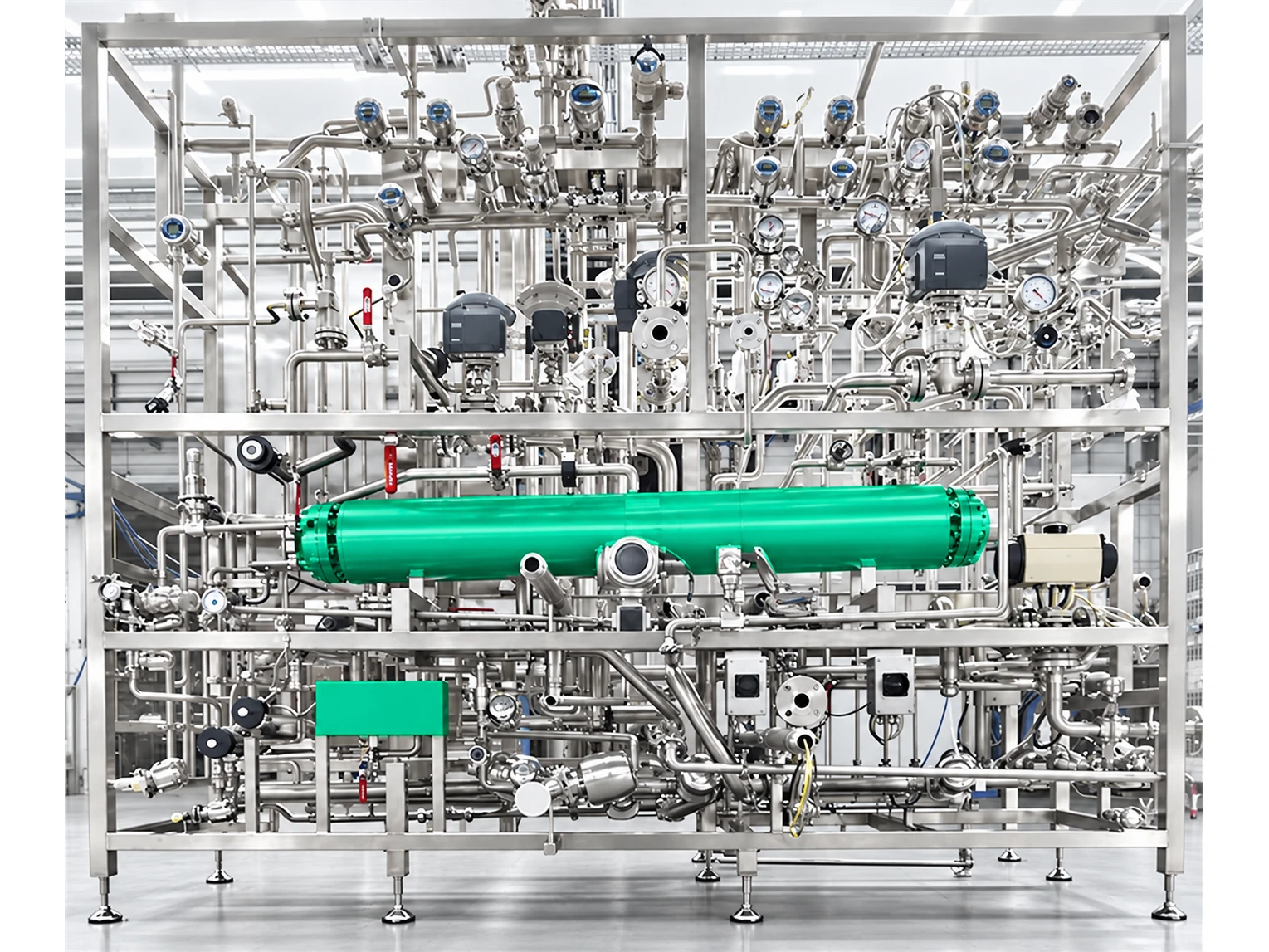
Incoming water carries a changing combination of ions, organic material and microorganisms. Pretreatment prepares that supply for the selected purification process; reverse osmosis and electrodeionization are possible stages where appropriate. Their arrangement must reflect the feed and quality objective rather than treating a standard skid as suitable for every water source.
Example project input
Total volume does not establish generation or distribution rate. Provide the draw schedule and usable storage to check peak demand.
4
Process draws in a shift
250 L
Purified water per draw
1,000 L
Total draw volume in the shift
—
Process options
Stable generation depends on managing variation at the inlet and recognizing a change in operating condition. The treatment sequence, monitoring and diversion or hold strategy work together before water is accepted into the receiving system. Storage recovery and the draw profile determine how generation supports the plant over time.
Pretreatment protects the downstream process against the constituents that matter for the selected technology. Membrane stages separate streams, and deionization may further reduce ionic content. Each stage adds its own feed limits, discharge stream and maintenance or sanitization needs.
Conductivity, organic-content measurements and microbial trending answer different quality questions. The selected monitoring and sampling strategy must relate to the intended water specification, while sanitization covers the connected generation path and its return to service. Storage and distribution need their own maintained operating condition.
Use feed analysis across its expected variation and the plant draw profile to define the generation duty. The receiving storage and distribution conditions must be specified alongside the treatment package.
| Project input | What to record and why |
|---|---|
| Feedwater analysis | Provide representative chemistry, organic and microbial information with location and seasonal variation. Use these data to establish pretreatment, selected purification and monitoring requirements. |
| Demand profile | Record the timing, rate and duration of process draws, including credible simultaneous use. Compare the profile with generation recovery, sanitization downtime and usable stored volume. |
| Storage volume | Use the operating level range and refill strategy, not nameplate capacity alone. Coordinate the tank interface with generation acceptance and distribution demand. |
| Required return quality | Specify quality and operating conditions at the generator handoff and the separate return or use-point boundaries. Assign the sampling and review responsibility at each location. |

Compare the representative feed analysis with the required output and the limits of the proposed treatment stages. Establish what pretreatment must remove or control, how streams are separated and how each stage is sanitized and monitored.
Include the anticipated range rather than one favorable sample. Assess the treatment load, membrane or deionization operating conditions and the response when monitored results move outside the accepted range.
The site supplies feedwater under defined conditions. The generator treats that water and delivers it to the agreed receiving tank or system, with separate concentrate and waste streams. Storage and distribution must then maintain the required condition for the process users; a passing generation sample does not replace their monitoring.
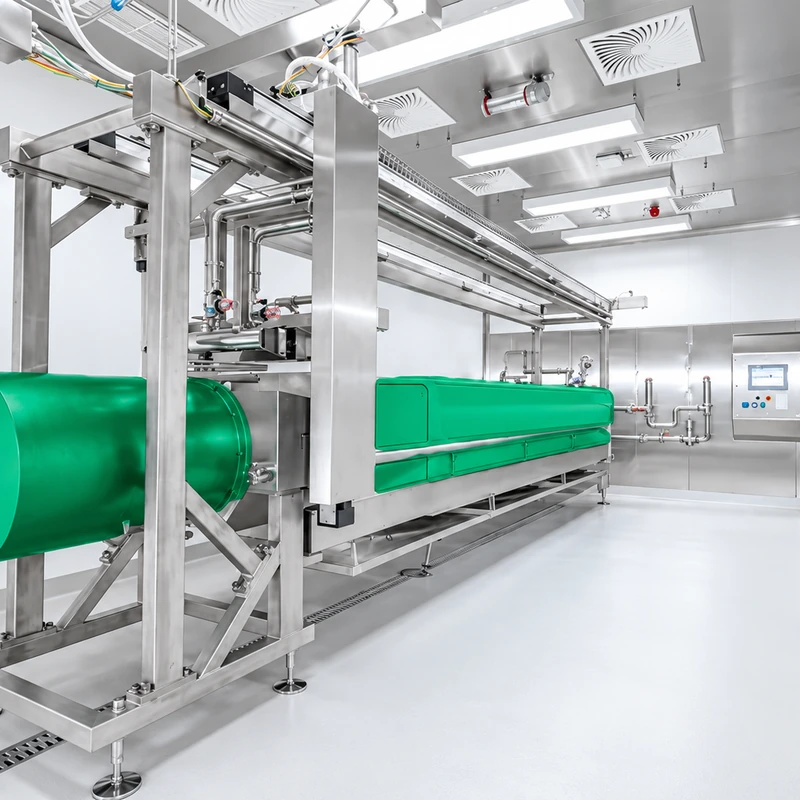
Assess representative feed analysis, required PW quality and demand over the operating cycle. Establish the boundaries of pretreatment and the receiving system.
Learn moreAgree the monitoring, sampling and sanitization cases for the selected stages. Include startup, feed variation and the criteria for accepting generated water.
Learn moreDocument sanitization, instrument checks and maintenance triggers. Keep the response to feed changes and abnormal quality results tied to the operating records.
Learn moreShare feedwater analysis, demand profile and storage volume.
Request product information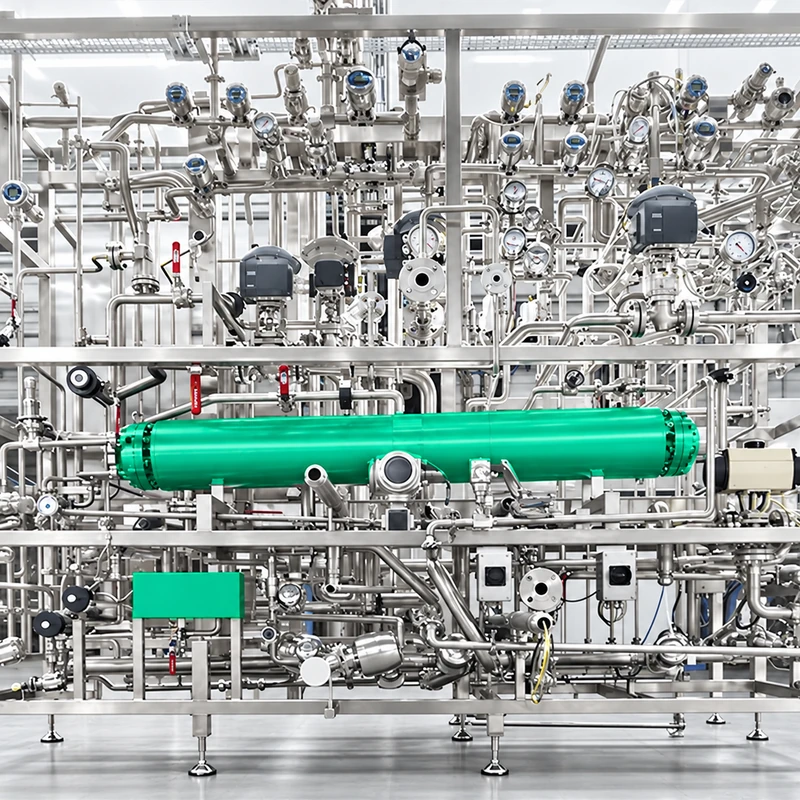
Brochure
Purified Water System (PW)
Available by enquiry
Request product information2 resources
No. Output depends on the feed, complete treatment sequence, sanitization and control of the installed system. The specified quality must be demonstrated at the relevant boundary.
No. They are distinct water specifications with different intended uses. Select the grade required by the process and treat WFI generation as a separate duty where it is needed.
It may not represent seasonal or operational variation. The treatment and monitoring strategy must address the expected feed range and the response to changes.
Usable storage can buffer intermittent draws, while the generator must replenish it within the operating schedule. Compare peak draws, recovery and sanitization downtime rather than selecting on total daily volume alone.
Provide feedwater analyses with expected variation, the required PW quality and the draw schedule. Include site utilities, storage and distribution interfaces, and the operating periods available for sanitization or maintenance.
Discuss your project