Skip to content

Process expertise. Chinese manufacturing. Global perspective.

PREASYS

Equipment & technology

Pharmaceutical cGMP Parts Washing Machine

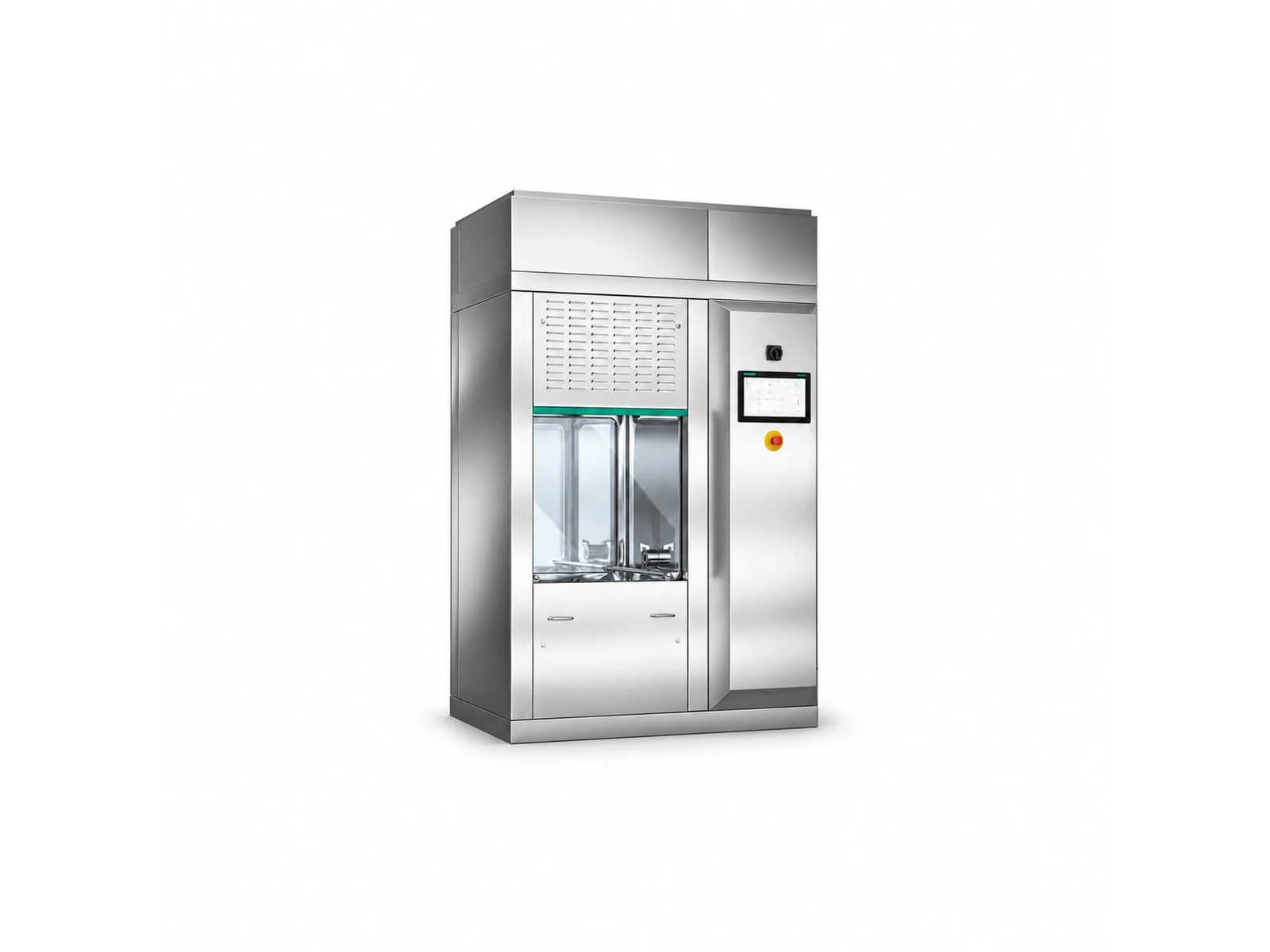
A pharmaceutical parts washer directs cleaning solution and rinses onto reusable components. The rack and its internal connections determine whether cavities and product-contact passages receive flow, while drainage and the selected drying stage establish the condition at unloading.

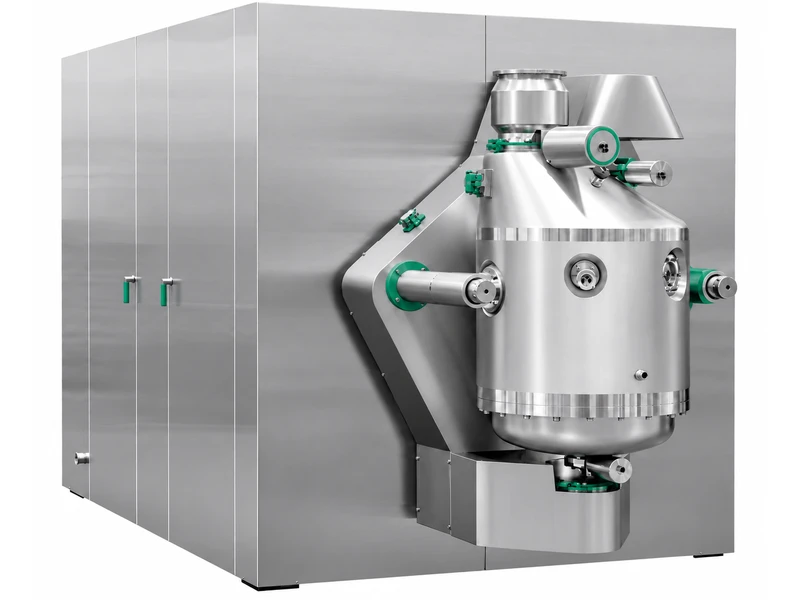
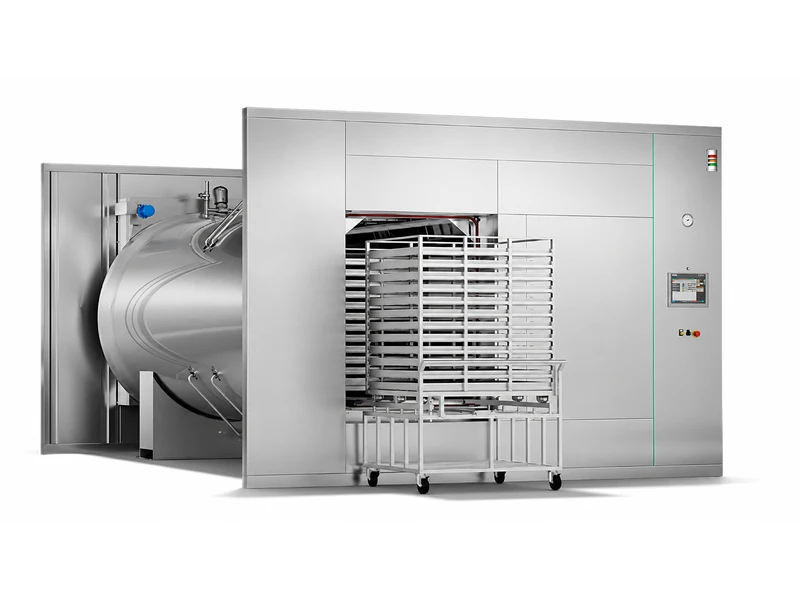
Recessed washing chamber with a front loading door

Parts Washing Machine

Cleaning follows the part geometry

Internal channels, exposed surfaces and drainage each need a defined path.

Dismantled filling components, change parts and vessels carry different soils and can hold liquid in different places. A wash cycle combines cleaning chemistry, temperature, mechanical action and time with a repeatable load arrangement. Internal bores may require direct connections; exposed faces need access to the spray; cups and cavities need a route to drain. Rinsing removes loosened soil and cleaning media before the parts move to drying, protected storage, reassembly or a separate sterilization process.

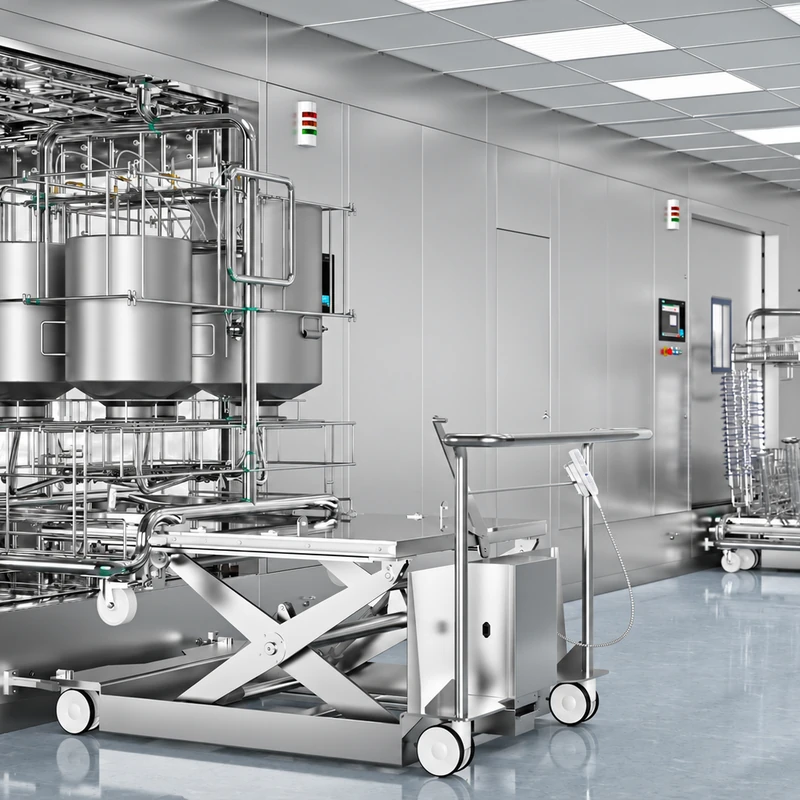
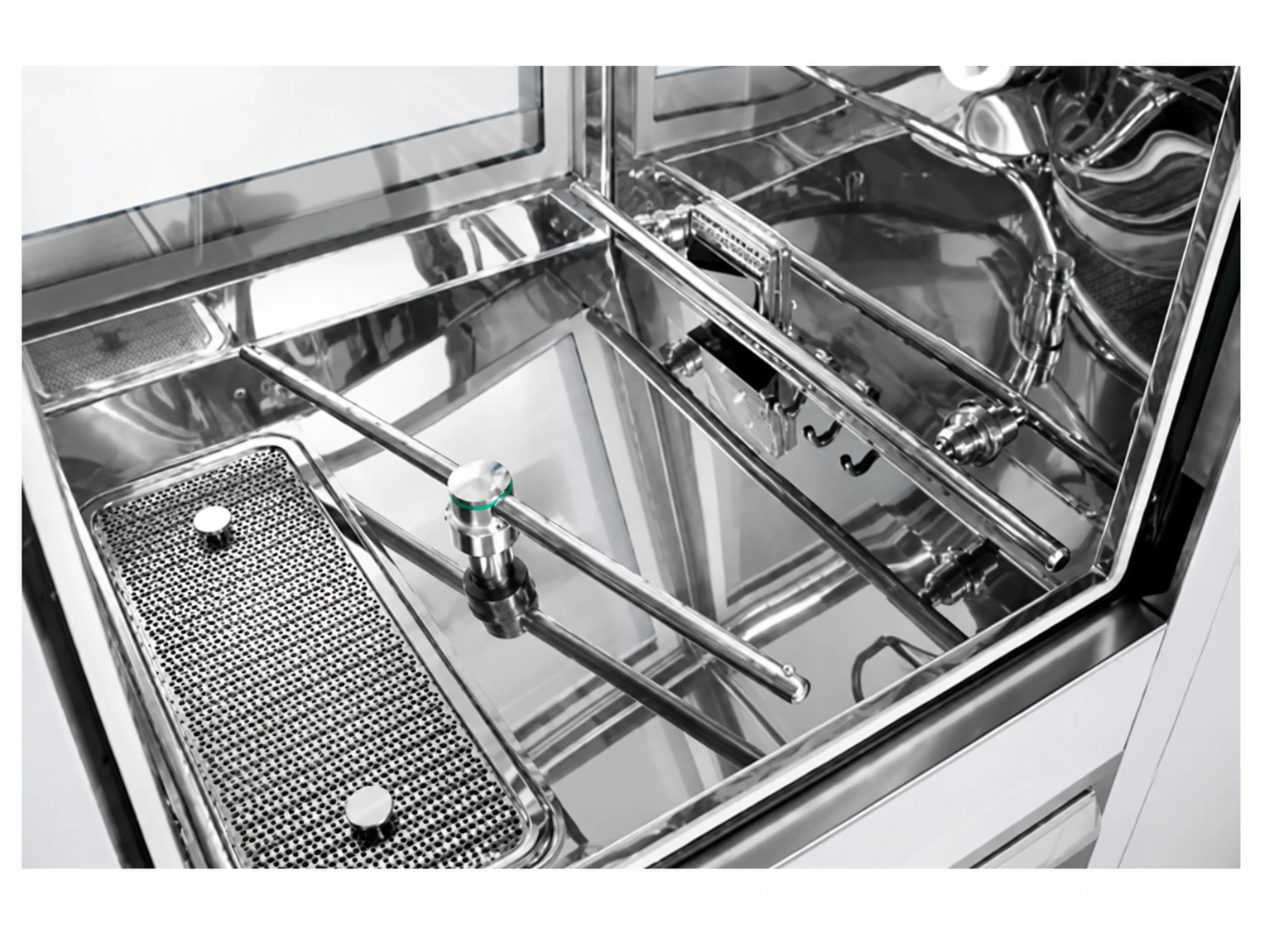
Spray arms and loading frame inside a parts washer

Coverage begins with the loaded rack

Connected passages, spray access and drainage establish the cleaning task; handling capacity needs selected-equipment evidence.

Flow

Reach internal channels and exposed surfaces

Process challenges

The rack determines which surfaces receive cleaning flow

Read details

A cavity can remain unwashed even when the outside is wet. Direct internal connections and a repeatable loading position help expose the required passage; coverage and residue testing must confirm the result for the actual part.

The rinse must remove both released soil and cleaning chemistry. Circuit separation, water quality and drainability determine what reaches the part during that stage; their suitability is assessed with the loaded rack.

One part can shield another from spray. Loading positions and clearances should expose the critical surfaces, while any proposed rack movement is assessed for coverage and mechanical stability.

A single-pass final rinse and a recirculated stage have different water-use and carryover characteristics. Selection depends on the soil, cleaning media and acceptance endpoint; neither route is justified by its name alone.

Conductivity can help monitor ionic carryover where it is relevant to the residue. It is not a universal assay for all product soils, so the sampling and analytical method must cover the substances of concern.

Residue properties and part materials determine whether spray washing is sufficient. Ultrasonic treatment or an alternative chemistry may require a separate technology assessment; solvent use needs compatible equipment and a defined safety basis.

A through-wall arrangement can separate dirty loading from clean unloading. Door sequencing, seals and unloading practice must fit the facility; a second door does not by itself protect every cleaned surface.

The load identity, rack arrangement, recipe and cycle result make the cleaning history reviewable. Interrupted cycles and changes to connections or loading patterns need a defined disposition before parts return to use.

Technical data & features

Spray connections, shadowed areas and drainage dictate the rack arrangement for each family of components.

Spray arms and loading frame inside a parts washer
Coverage, rinsing and discharge Internal flow: connect channels that cannot be reached reliably by external spray. Rinse path: control the incoming water quality, carryover and drainage for the selected load. Rack arrangement: avoid shielding and retain each part securely throughout the cycle.

A rinse signal must relate to the residue

Chamber, rack and connection materials must suit the detergent, temperature and part-contact conditions. Finish and drainability requirements should be specified and evidenced for the selected equipment.

Single-access and through-wall arrangements answer different handling needs. Evaluate loading access, door control and protection of cleaned parts at the actual installation boundary.

Ultrasonic or solvent-based treatment is a separate configuration question. Do not assume these technologies are fitted to a spray washer or that every chemistry is permissible.

Load handling: evaluate the rack mass, centre of gravity, operator access and any proposed assisted transfer.

Document the load and its cleaning result

Load characteristic Internal passages Exposed components Vessels and cavities
Access to soil Direct flow connection to the relevant bore Spray access without shielding Access to internal faces and corners
Loading requirement Repeatable connection and restraint Defined position and spacing Support and orientation for drainage
Rinse assessment Flow through the connected path Carryover at exposed surfaces Removal from recesses and low points
Drying assessment Retained liquid in the passage Remaining surface moisture Pooling and moisture at low points
Technology or control Selection boundary
Spray cleaning Match jet access and internal connections to the loaded part geometry.
Rinsing Choose water quality and circuit arrangement against residue and detergent carryover.
Load movement Assess any rotation or vibration for coverage and secure retention; it is not a universal requirement.
Ultrasonic treatment Assess soil removal and material compatibility as a distinct cleaning option.
Alternative chemistry Confirm equipment compatibility, exposure, waste handling and the required safety measures.
Monitoring Use a measurement and residue assay relevant to the substance being removed.

How it works

Checking part coverage and the rinse endpoint

How are internal passages checked for cleaning coverage?

Identify the complete product-contact path and its connection to the rack. Challenge difficult bores and dead ends with representative soil and examine the chosen sampling locations after washing; wetting alone does not prove removal.

How is the final-rinse endpoint established?

Use the soil and cleaning chemistry to select a relevant measurement and acceptance limit. Check the incoming water and the load discharge, including trapped liquid or recirculation carryover that could affect the result.

How are shadowed surfaces identified?

Review the fully loaded rack rather than isolated parts. Test locations behind adjacent components and beneath supports, then adjust loading or connections where spray access is insufficient.

When is conductivity useful?

It can indicate ionic material in rinse water when that signal relates to the residue of interest. Other soils may need different analytical methods; correlate the measurement with the required residue limit.

How are difficult residues approached?

Assess the soil age, chemistry and adhesion together with the material limits of the part. Trial the cleaning conditions and, if needed, assess a different method such as ultrasonic treatment in suitable equipment rather than assuming stronger spray solves every case.

How are cleaned parts protected at unloading?

Keep handling and storage from reintroducing residue onto cleaned surfaces. If a through-wall machine is selected, test door sequence and transfer practice with the facility boundary as well as the wash cycle.

How is a repeated cycle made comparable?

Use an identified rack arrangement, part orientation and recipe revision. Record deviations and interruptions so the site can determine whether the result remains within the accepted cleaning process.

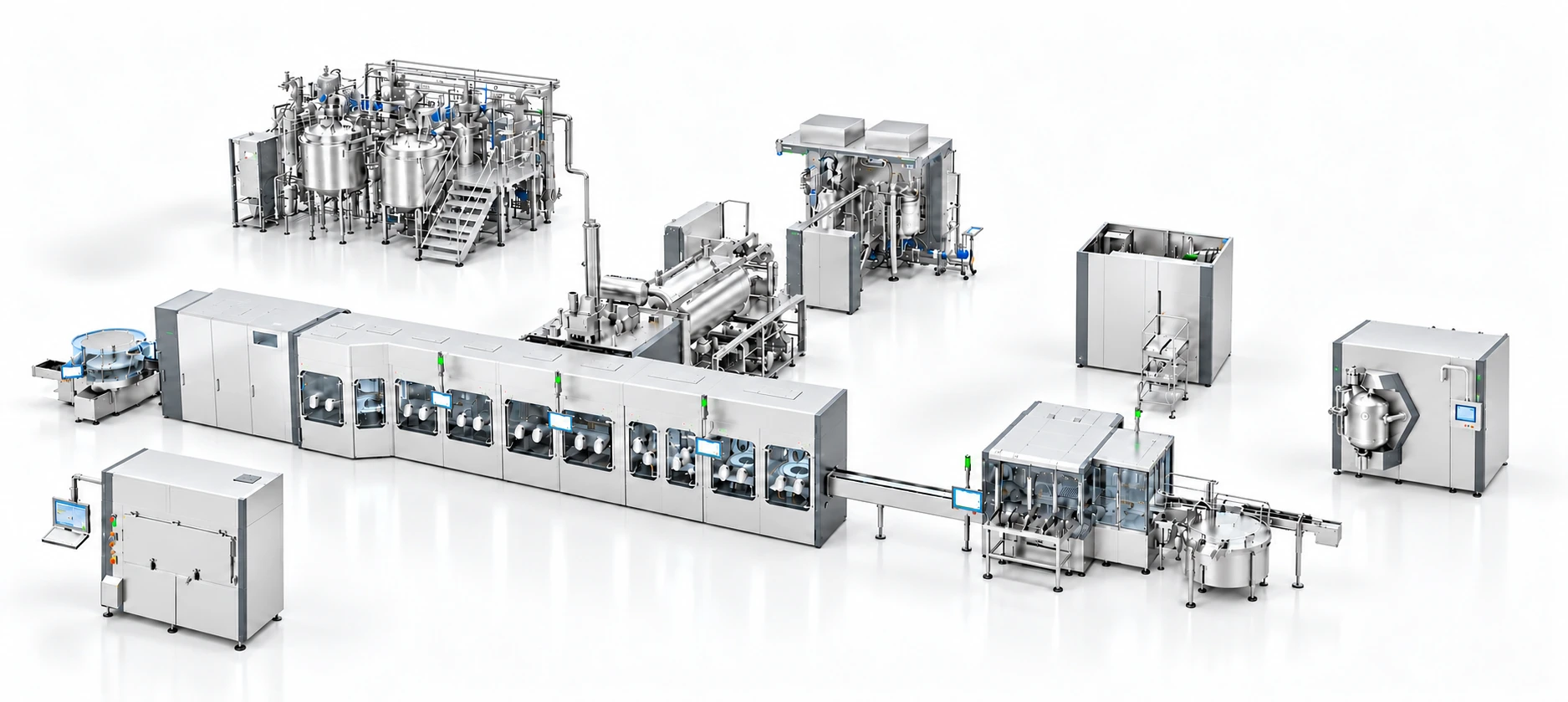
ADC · vial fill–finish operations. Explore vial preparation, filling, dryer transfer and freeze drying, with closing and parallel support equipment.

Production line · Equipment context

ADC · vial fill–finish operations

Explore the process areas on the production line associated with this equipment.

Skip tour
Production layout 10 equipment areas · Scroll to explore

Explore vial preparation, filling, dryer transfer and freeze drying, with closing and parallel support equipment.

Related production lines: Antibody-Drug Conjugate Manufacturing & Fill-Finish · Plasma-Derived Product Preparation & Fill-Finish · Prefilled Syringe Filling & Packaging Lines · Pharmaceutical Cartridge Filling Lines

Line integration

Upstream: dismantled product-contact parts with identified soil and hold condition

↓

Part-specific wash sequence:

Loading and connection checks → Selected cleaning stage

→ Rinsing to the agreed endpoint; alternative treatment assessed separately → Drainage and the drying method selected for the part geometry → Cycle review and protected unloading ↓ Accepted cleaned parts → Storage, reassembly or a separately qualified sterilization step

Upstream: disassembly and controlled collection of used parts

Downstream: protect cleaned surfaces during transfer and storage. Where sterile parts are required, the subsequent sterilization cycle and its load arrangement remain a separate process.

Coordinate water grade, detergent dosing, drying media and waste collection with the facility. Associate the load and cleaning record so an interrupted or rejected cycle cannot be mistaken for accepted parts.

Qualification scope: rack coverage, residue limits and repeatable cycle conditions

Support throughout your project and production

Part and soil review

Use drawings and representative used parts to identify channels, recesses, contact materials and the condition of the soil before washing.

Learn more

Coverage and residue trials

Agree the worst-case loading pattern, sampling recovery and acceptance method. Assess drainage and drying as part of the intended discharge condition.

Learn more

Operating handover

Document rack positions, connection checks and recipe control. Include machine cleaning, detergent handling and the disposition of interrupted cycles.

Learn more

Knowledge hub

2 resources

Frequently asked questions

Does a parts washer make components sterile?

Washing removes the specified soil and cleaning-media residues. If sterile components are required, a separate, justified sterilization process and protected transfer must be established.

Can one rack handle every component?

Only if its supports, connections and loading arrangement are suitable for each part and the combined load. Narrow channels, shielding and drainage can require distinct racks or load patterns.

Does low rinse conductivity prove that all product residue is removed?

No. Conductivity responds to ionic substances and is not a universal test for every product soil. Select an assay and sampling method appropriate to the residue and its acceptance limit.

Are ultrasonic or solvent technologies standard features?

They are configuration questions requiring separate assessment. The selected technology, part materials, cleaning chemistry and safety provisions must be confirmed; their mention does not establish that they are fitted.

Contact

Provide part drawings, materials, soil properties and the time between use and washing. Include internal passages, rack dimensions and the required discharge state so cleaning methods, trials and supporting records can be discussed for the actual load.

Discuss your project →
Spray arms and loading frame inside a parts washer