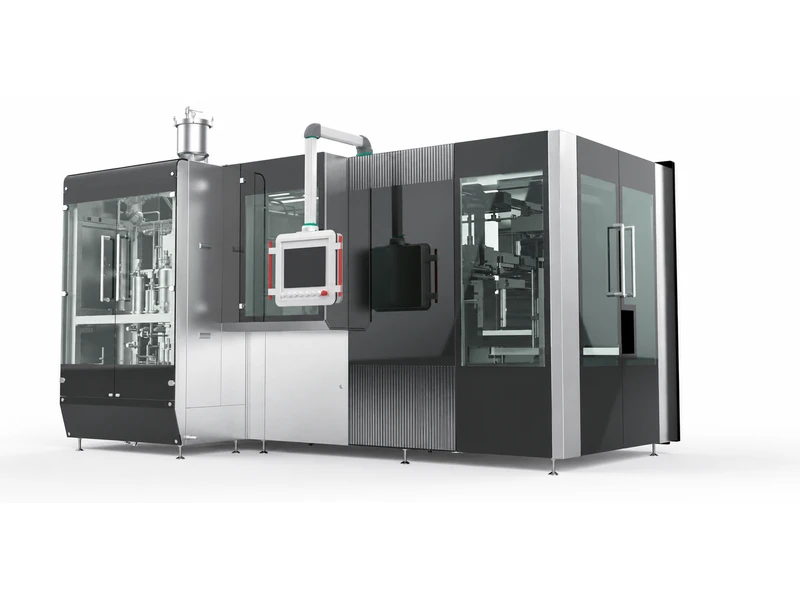
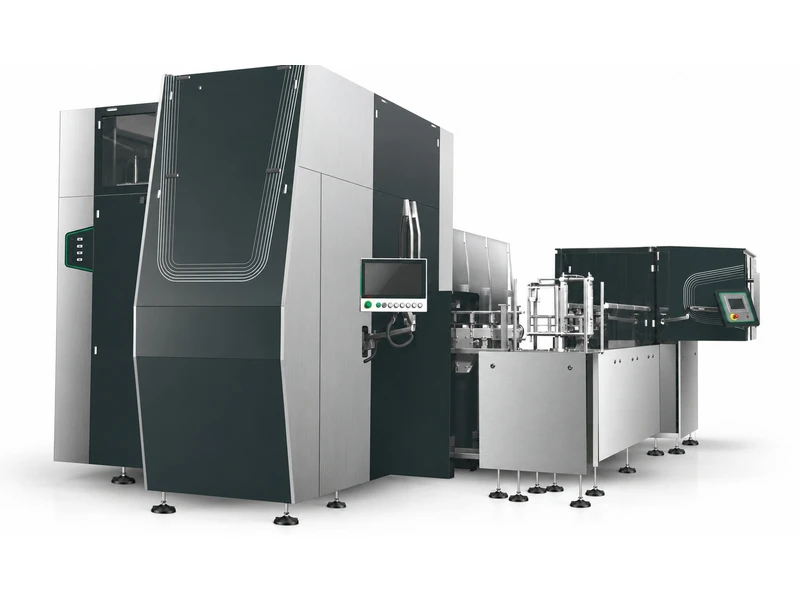
Oral Film Production
Coat the formulation, dry it into a handled film and cut individual dose areas before protective packing. Layer distribution and finished-film tests connect formulation with presentation.
Process expertise. Chinese manufacturing. Global perspective.

Explore our solutions
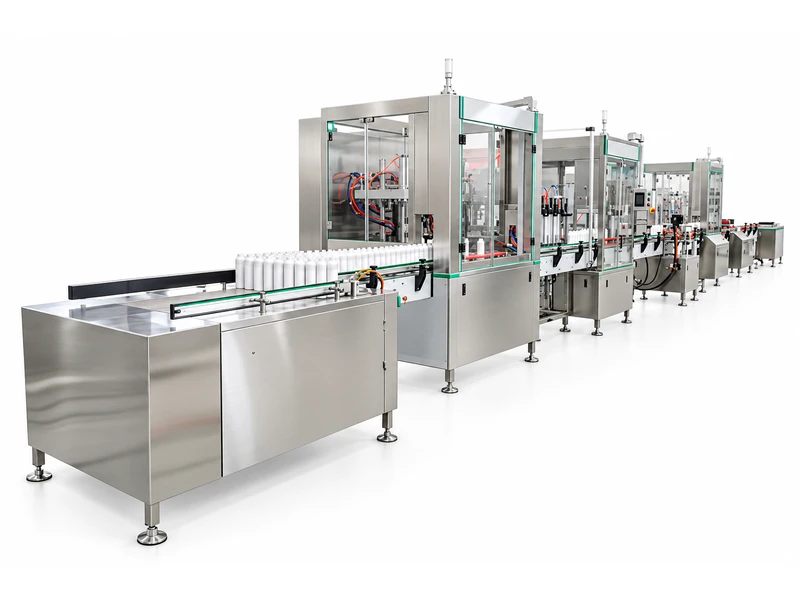
Match the manufacturing route to the way the medicine is stored and delivered. Pre-metered powders, multidose reservoirs, liquid sprays, injection devices, oral films and transdermal patches require different filling, converting and assembly operations even when their finished packs look similar.
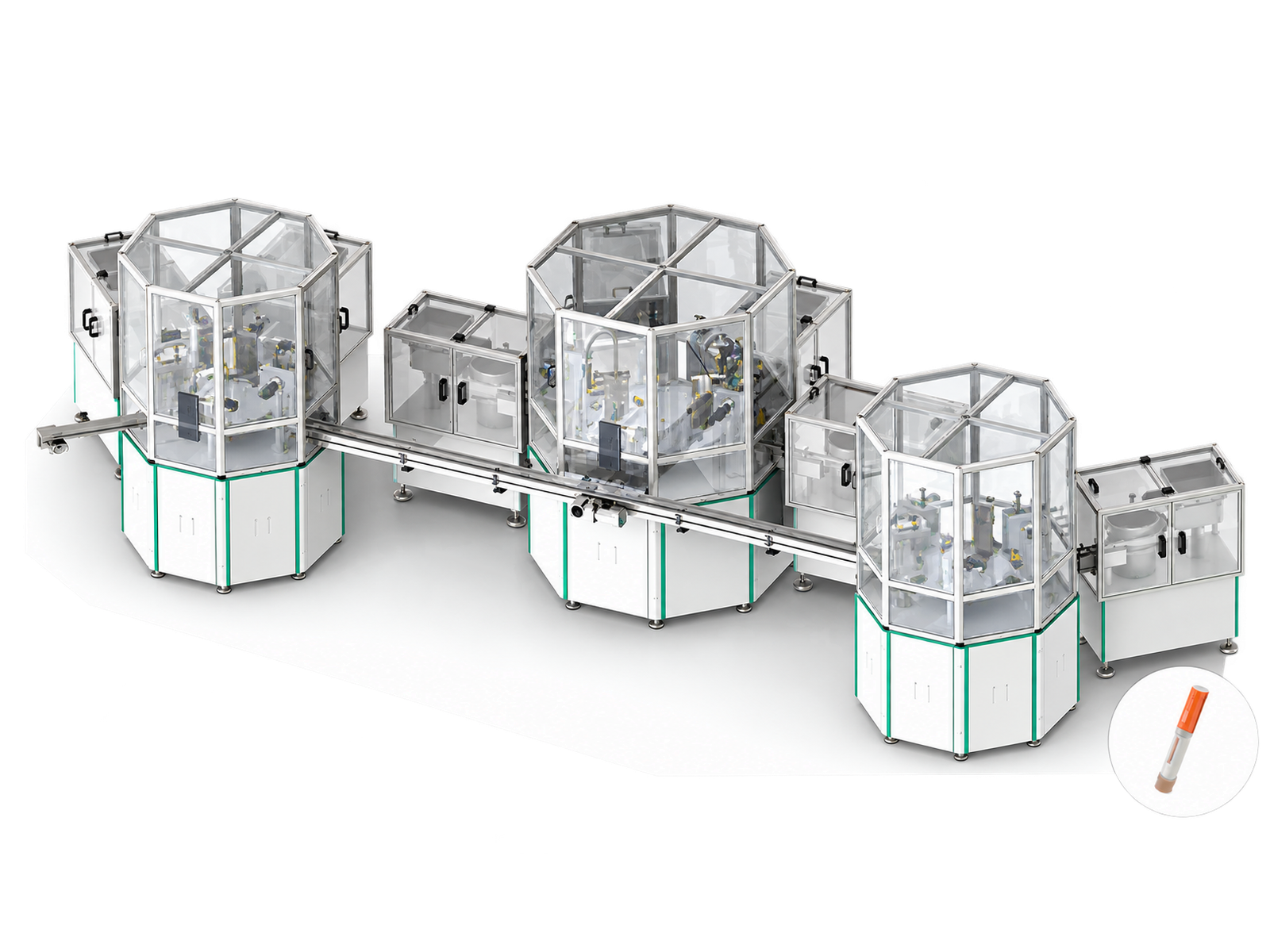
The dose may be defined during manufacturing, as in a filled capsule or blister, or metered later by the delivery device, as in a multidose reservoir or pump. That distinction changes the filling evidence and device tests. Primary-container closure, device assembly and secondary packing remain separate boundaries in either route.
Choose the delivery format
Use the intended device and the state of the incoming primary container to select the equipment scope.
7
Inhalation and spray systems
2
Injection-device assembly systems
3
Film, patch and eye-drop equipment
—
Process options
Coat the formulation, dry it into a handled film and cut individual dose areas before protective packing. Layer distribution and finished-film tests connect formulation with presentation.
Combine the selected drug layer, adhesive, backing and liner through coating and converting. The laminate and patch geometry have distinct roles from the product release-performance tests.
Fill the bottle and assemble its metering pump and closure. Bottle fill, delivered spray dose and spray characteristics are separate quantities.
Fill prepared ophthalmic bottles and assemble the specified dropper and cap. This bottle-and-dropper route is distinct from forming a container by blow–fill–seal.
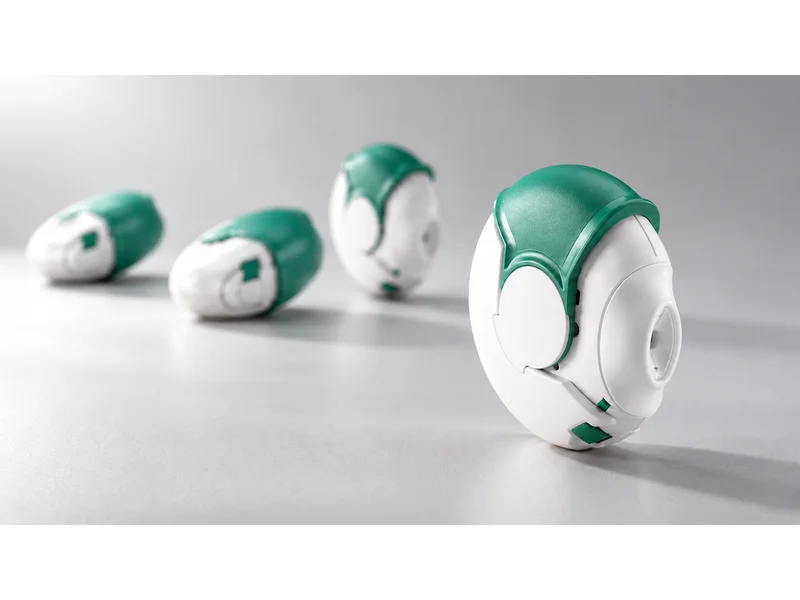
Meter powder into individual cavities, seal the strip and prepare it for the inhaler mechanism. Powder release, seal quality and strip indexing connect filling with device use.
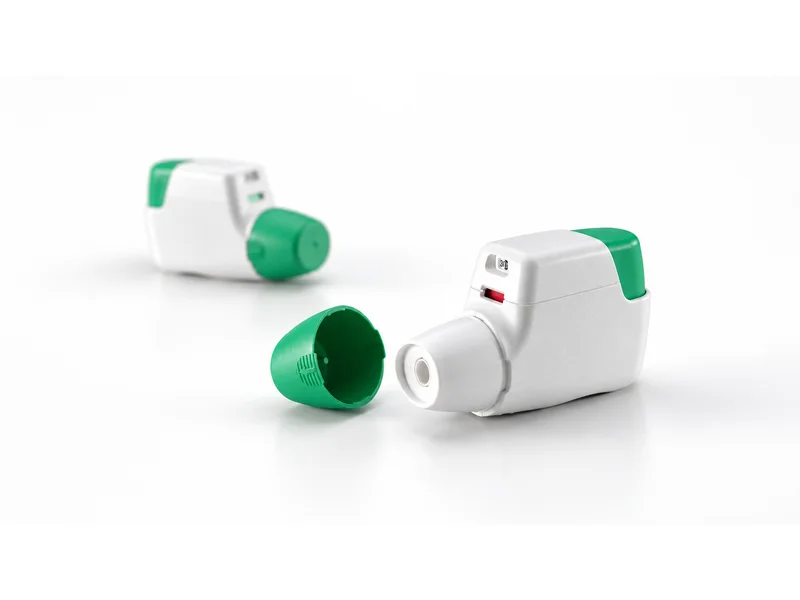
Fill powder into a capsule selected for its compatible inhaler. Shell handling and net fill are manufacturing tasks; emitted-dose performance is assessed with the device.
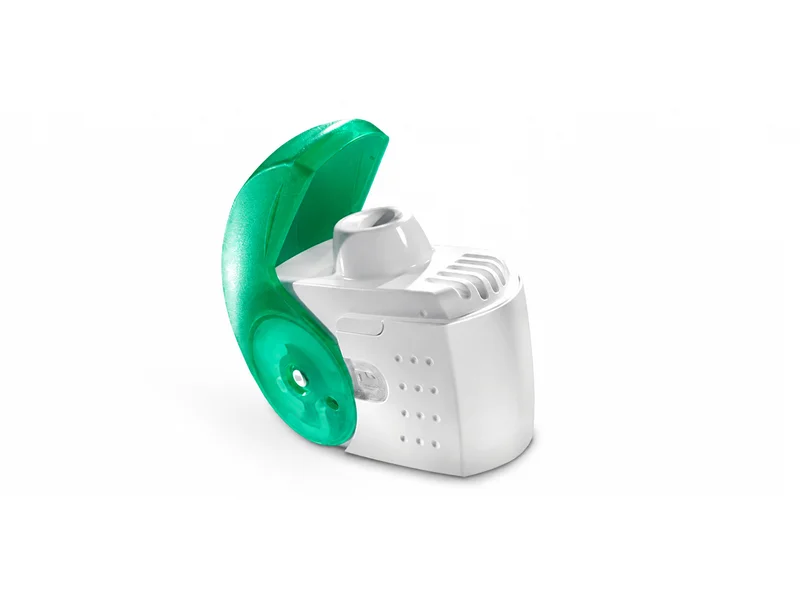
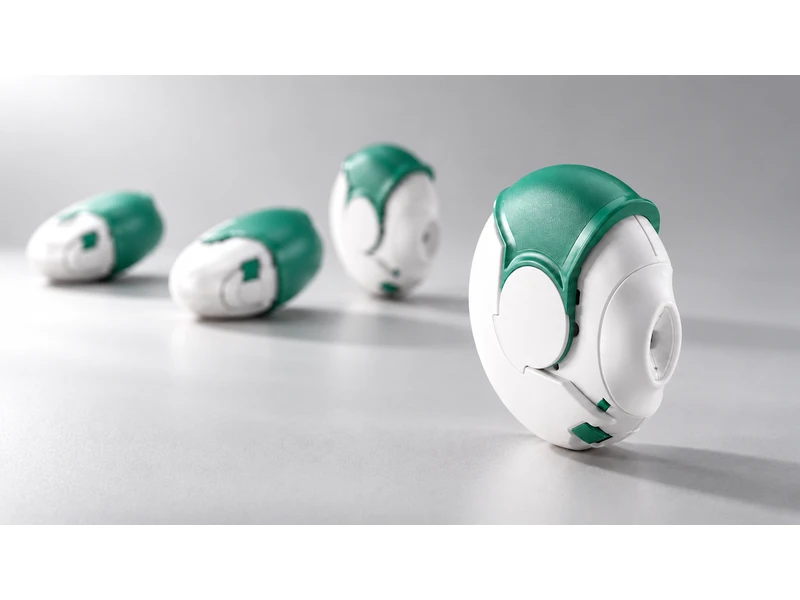
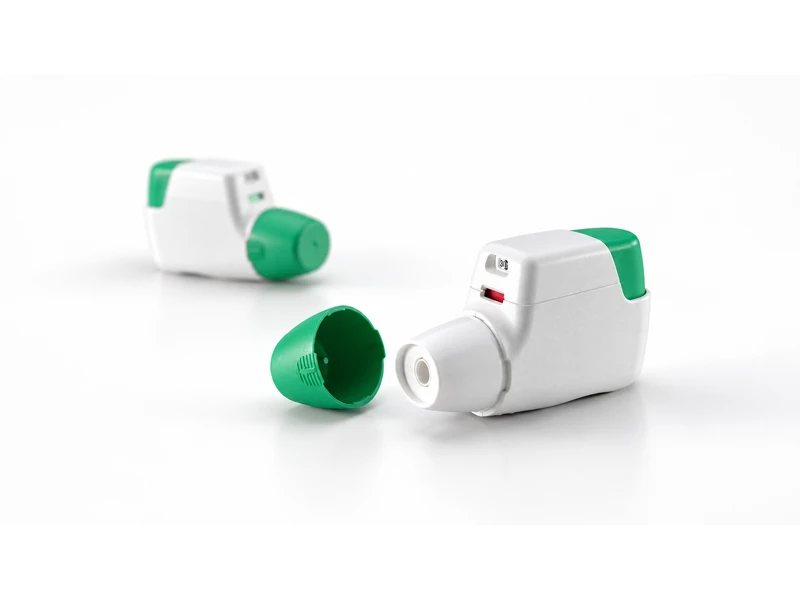
Fill the multidose powder supply and assemble the specified reservoir and mechanism. The reservoir charge differs from each dose later metered by the inhaler.
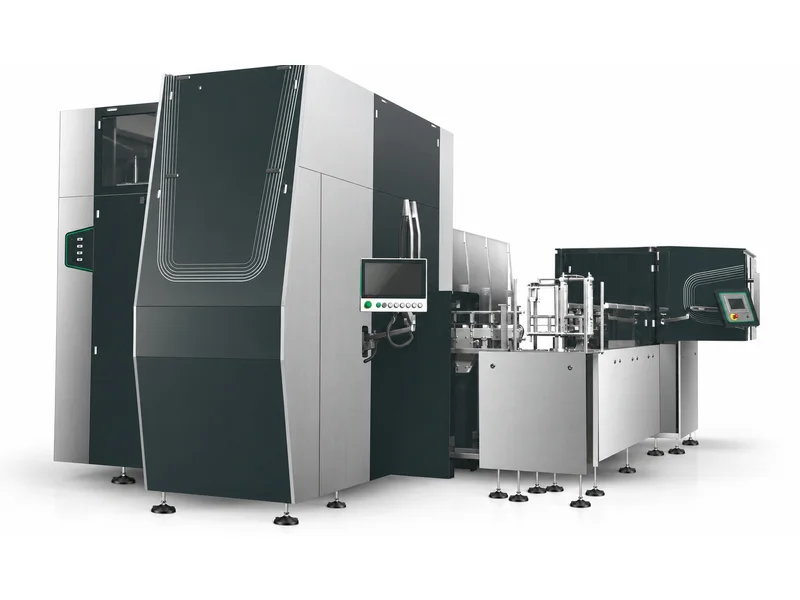
Form, fill and seal the selected liquid-inhalation container through the BFS process. The formulation, resin and unit presentation determine the equipment configuration.
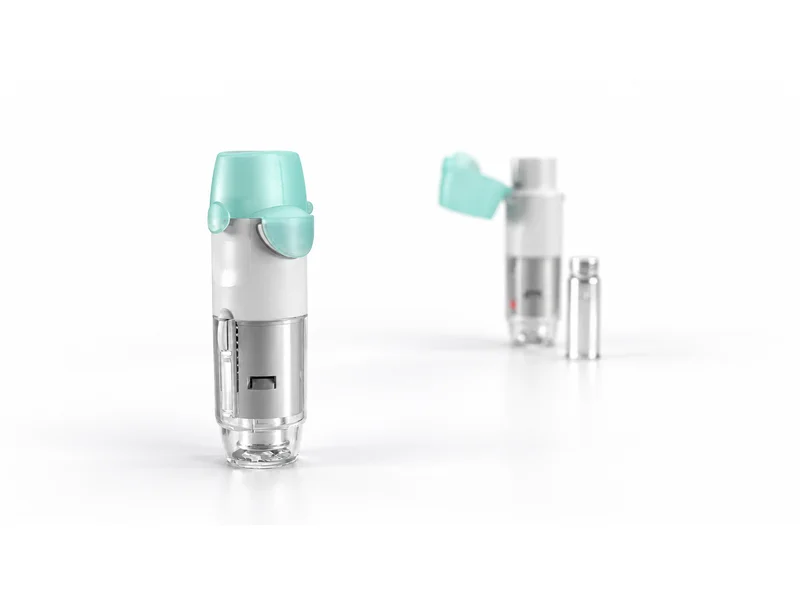
Fill and close the liquid reservoir, then join it to the specified soft mist device. This liquid route is separate from powder DPI dosing and propellant charging.
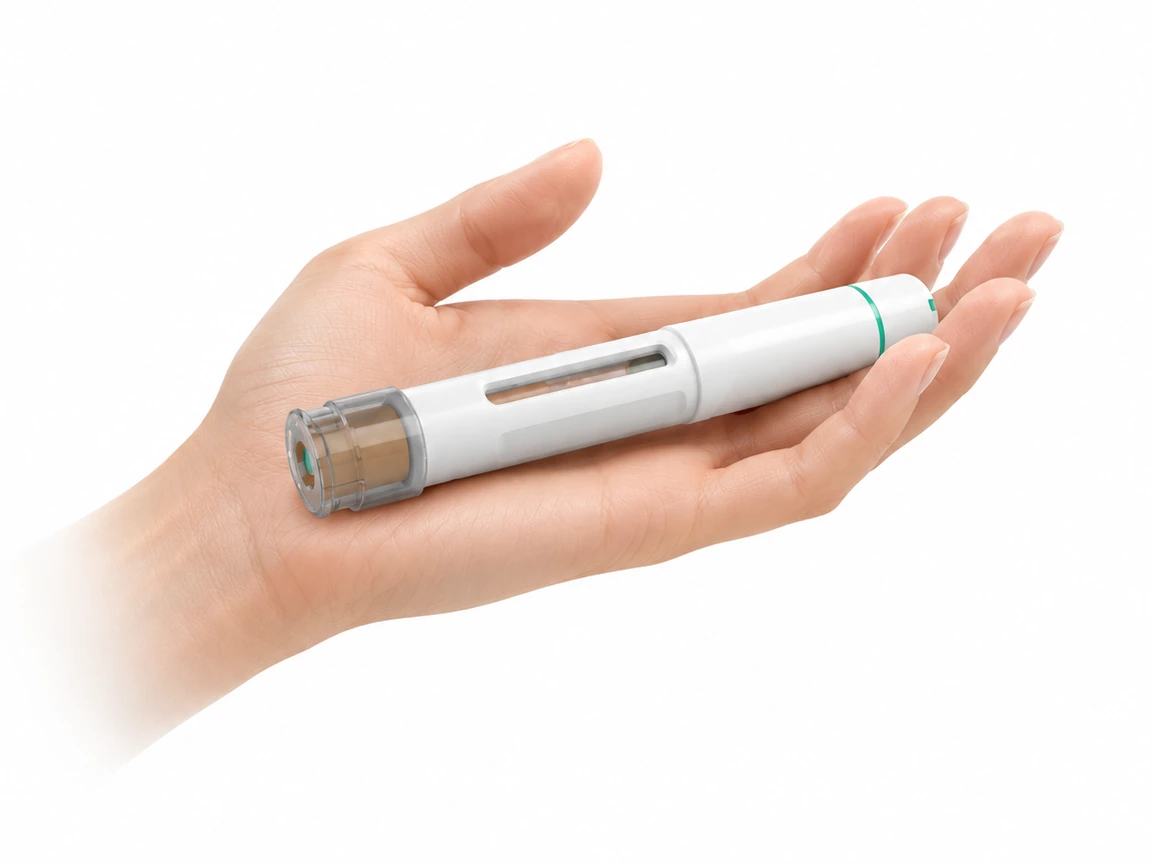
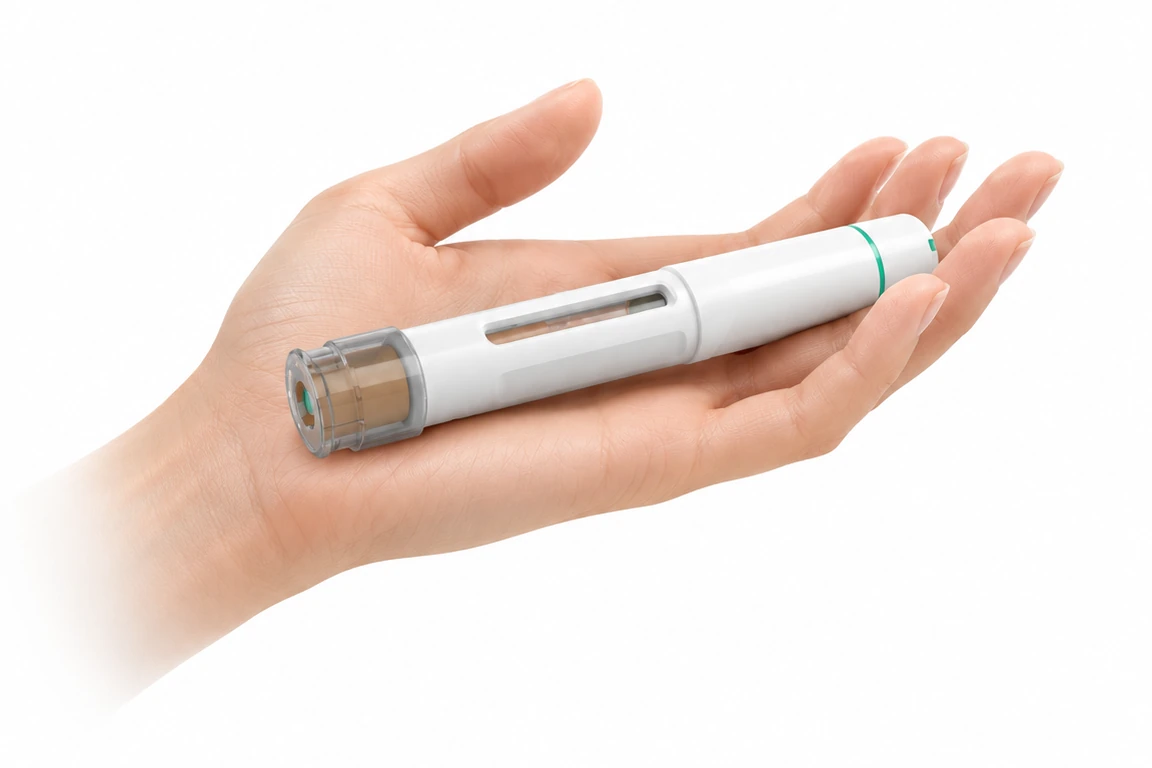
Position and join the cartridge, drive and dose-setting components according to the pen design. Joining checks and delivered-dose functional tests serve different purposes.
Join the accepted primary container and delivery mechanism with device-specific tooling and checks. The process accounts for component orientation and mechanism state.
Coordinate product dosing, valve crimping and the selected pressure-charging route. Conventional and bag-on-valve packs require their own sequence and closure assessment.
The incoming primary container or reservoir has a defined fill and closure state. Assembly adds component relationships that may become hidden once the housing closes, so checks belong at the stage where each feature is accessible. Final device tests evaluate delivery, while secondary packing protects and identifies the accepted presentation.
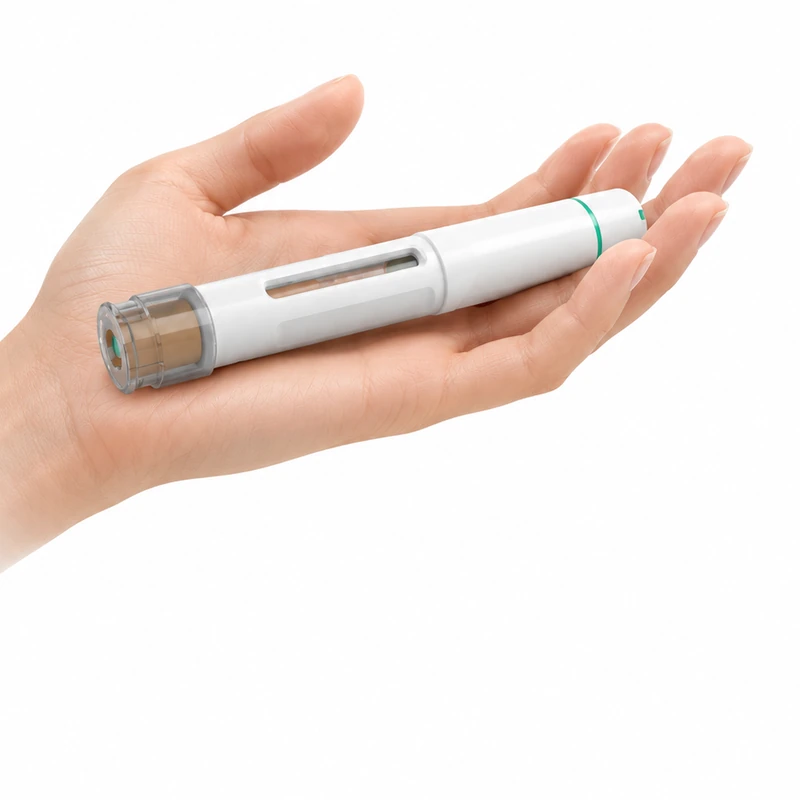

Follow the formulation from its storage location to the delivery point. A pre-metered cavity already contains an individual charge; a multidose reservoir supplies a later metering operation. Identify those separate functions before assigning filling and device tests.
Observe the container state, component orientation and accessible features before joining. A result for a hidden feature must remain associated with the device after the next assembly step. Rejection and rework therefore belong to the interface, not only to final inspection.
Select the dose format and the way the user accesses it before choosing filling, converting or assembly steps.
Learn moreFollow the product from its primary pack into the finished device and agree the tests at that boundary.
Learn moreIdentify the contact parts and format tooling for Special Delivery Systems. Agree access for cleaning, the spares to hold and the operating records the site will need.
Learn moreShare device drawings, component supply state and dose format.
Request product information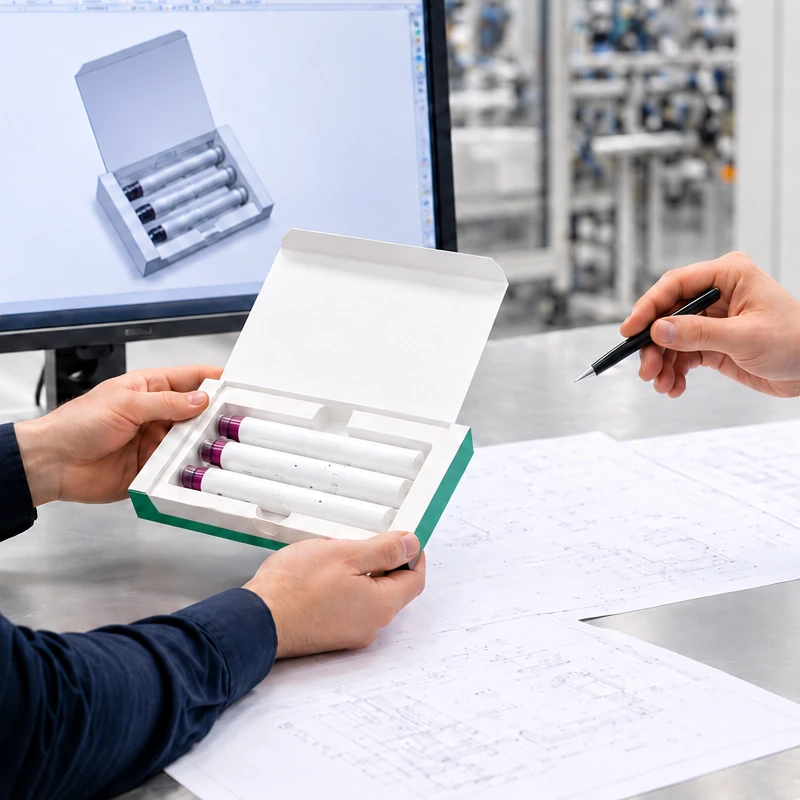
2 resources
The product architecture: where the formulation is stored, when a dose is metered and how it reaches the user. A powder blister, capsule, reservoir, liquid container and filled syringe lead to different manufacturing operations.
No. DPI capsules and blisters are pre-metered powder presentations; reservoir DPIs hold a multidose powder supply; SMI uses a liquid reservoir; pressurized aerosols add a pressure-charging process. These distinctions must remain in equipment selection.
It establishes a specified manufacturing quantity. Device operation, delivered dose and relevant aerosol or drug-release performance require product-specific tests.
They can form separate project boundaries. Define the accepted incoming container, preparation state, handling presentation and records so the two equipment scopes connect correctly.