Skip to content

Process expertise. Chinese manufacturing. Global perspective.

PREASYS

Equipment & technology

Tablet Friability Tester

Friability testing examines how a tablet sample withstands a defined tumbling and abrasion cycle. Initial and final sample masses quantify loss, while observations of broken or cracked tablets provide information that a percentage alone can miss.

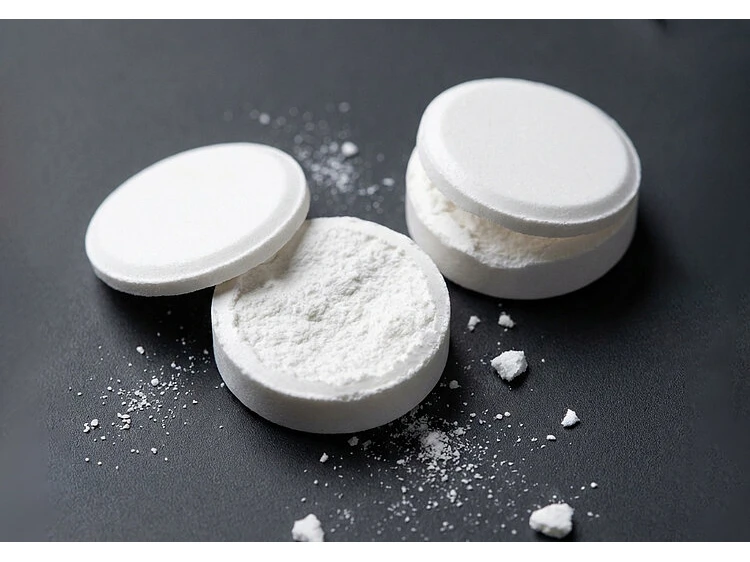
Broken tablet showing its interior and loose fragments
Process context · Broken tablet showing its interior and loose fragments

Tablet Friability Tester

Tablet resistance to tumbling and abrasion

Connect the rotation cycle with mass loss and visible damage

The drum repeatedly lifts and drops the sample, imposing mechanical contacts under a specified test procedure. Tablet shape, strength and surface condition influence the response. Dedusting and weighing must be consistent before and after the run so the reported loss reflects the same sample and handling basis. Drum type and acceptance criteria belong to the product method, rather than a universal rule for every solid dosage form.

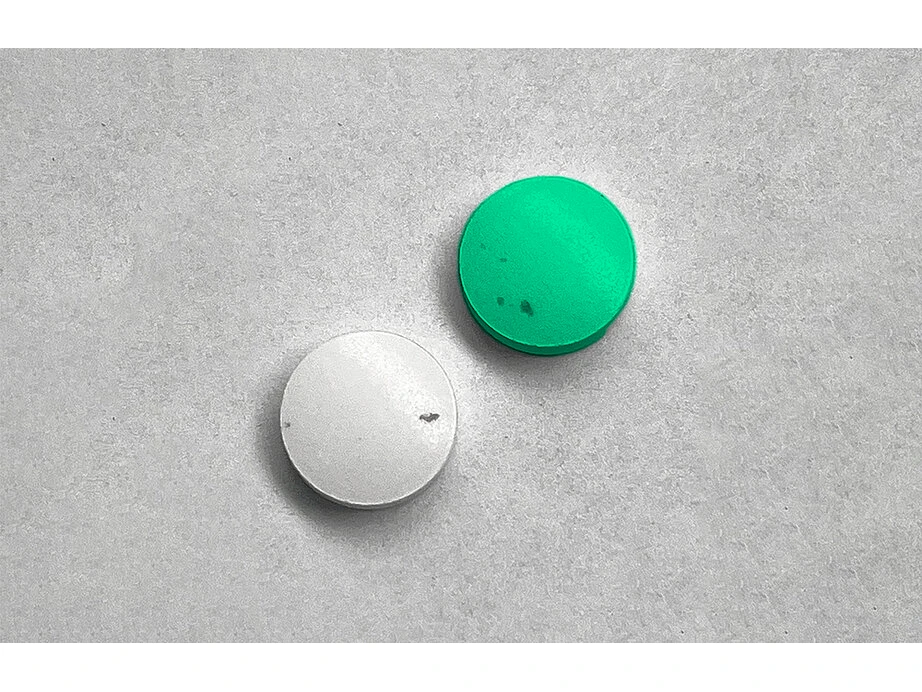
Two round tablets with different surface finishes
Process context · Two round tablets with different surface finishes

Interpret both loss and damage

A complete friability record connects the mechanical cycle with sample condition and both weighings.

Cycle

Verified drum movement and test duration

Mass loss

Initial and final mass on the same handling basis

Damage

Recorded cracks, breaks and other physical observations

Process challenges

Verify the actual rotation and test cycle, use consistent sample handling, and retain attributable records for the selected method.

Read details

Mechanical exposure: verify the rotation speed and completed cycle, since changing either changes the applied test.

Mass comparison: use the defined dedusting procedure and retain both weighings. Residual dust or lost fragments can change the calculated result.

Parallel samples: keep drum, sample and weighing-container identities separate throughout the run.

Test record: preserve method revision, cycle conditions, masses and observations so a result can be reconstructed.

Configuration: select the required drum and workload capability from the outset; do not assume that a later station upgrade is available.

Technical data & features

Sample preparation, weighing technique and the treatment of loose dust must be consistent.

Two round tablets with different surface finishes

Drum, measurement and record configuration

Method scope: assess the supplied drum and operating procedure against the intended tablet test.

Station arrangement: a second drum, where offered, needs a clear sample identity and understood drive relationship.

Rotation control: verify actual speed and revolution count using the required method and acceptance procedure.

Cycle control: choose time or revolution-count operation according to the test procedure and record the completed cycle.

Run display: distinguish the programmed cycle from the actual status and any interruption.

Weighing interface: an integrated balance is an optional data path, not a substitute for balance verification or the prescribed handling procedure.

Guided execution can support consistent steps, but the laboratory remains responsible for the approved method.

Drum orientation and accessories affect tablet motion. Use only the arrangement permitted by the intended method.

Result transfer should retain the two masses, calculated loss, cycle information and observations.

Installation should allow safe drum removal, sample recovery and cleaning without mixing samples.

How it works

Prepare, run and interpret the friability test

How should the two weighings be compared?

Use the prescribed dedusting and handling procedure for the same sample before and after the cycle. Calculate lost mass relative to the initial mass and preserve both readings, not just the percentage.

Why inspect the tablets after the cycle?

A cracked or broken tablet can be important even when the aggregate mass loss appears small. Record the physical condition using the product method rather than treating the percentage as the only result.

What should be checked after changing a drum?

Inspect cleanliness, correct assembly and free rotation. Verify the intended geometry, orientation and cycle before testing the next identified sample.

Line integration

Link the test to formulation and handling evidence

Upstream: take identified tablets from the specified compression or coating stage, preserving the sampling and conditioning history.

Downstream: review friability alongside breaking force, disintegration or dissolution where relevant. The result informs the quality assessment but does not replace the other tests.

Support throughout your project and production

Define the equipment scope

Sample preparation, weighing technique and the treatment of loose dust must be consistent.

Learn more

Agree the acceptance test

Compare the results with tablet hardness and the handling involved before packaging.

Learn more

Prepare for operation

Identify the contact parts and format tooling for Tablet Friability Tester. Agree access for cleaning, the spares to hold and the operating records the site will need.

Learn more

Knowledge hub

2 resources

Frequently asked questions

Is a one-percent limit correct for every product?

No universal limit should be applied. Use the applicable product specification and method, including any rules for broken or cracked units.

Does a tablet drum also establish pellet or granule friability?

Not automatically. Different materials may require a different apparatus and procedure. Confirm what mechanical exposure and endpoint the intended method specifies.

Is an integrated balance required?

A suitable verified balance is needed for the mass comparison, but it may be separate. If connected electronically, verify sample identity, units and calculation transfer.

Does higher breaking force guarantee lower friability?

No. Formulation, tablet shape, surface condition and mechanical history also matter. Breaking force and friability examine different loading conditions.

Contact

Share the tablet geometry, sampling procedure, required drum method and laboratory workload to define the friability-testing configuration.

Discuss your project →
Two round tablets with different surface finishes