Skip to content

Process expertise. Chinese manufacturing. Global perspective.

PREASYS

Equipment & technology

Top-Load Cartoner (PCT)

Place containers, devices and accompanying components into an open carton from above. Top-load cartoning is selected around the pack layout: each component needs a defined position, a supported loading path and a check before the carton is closed.

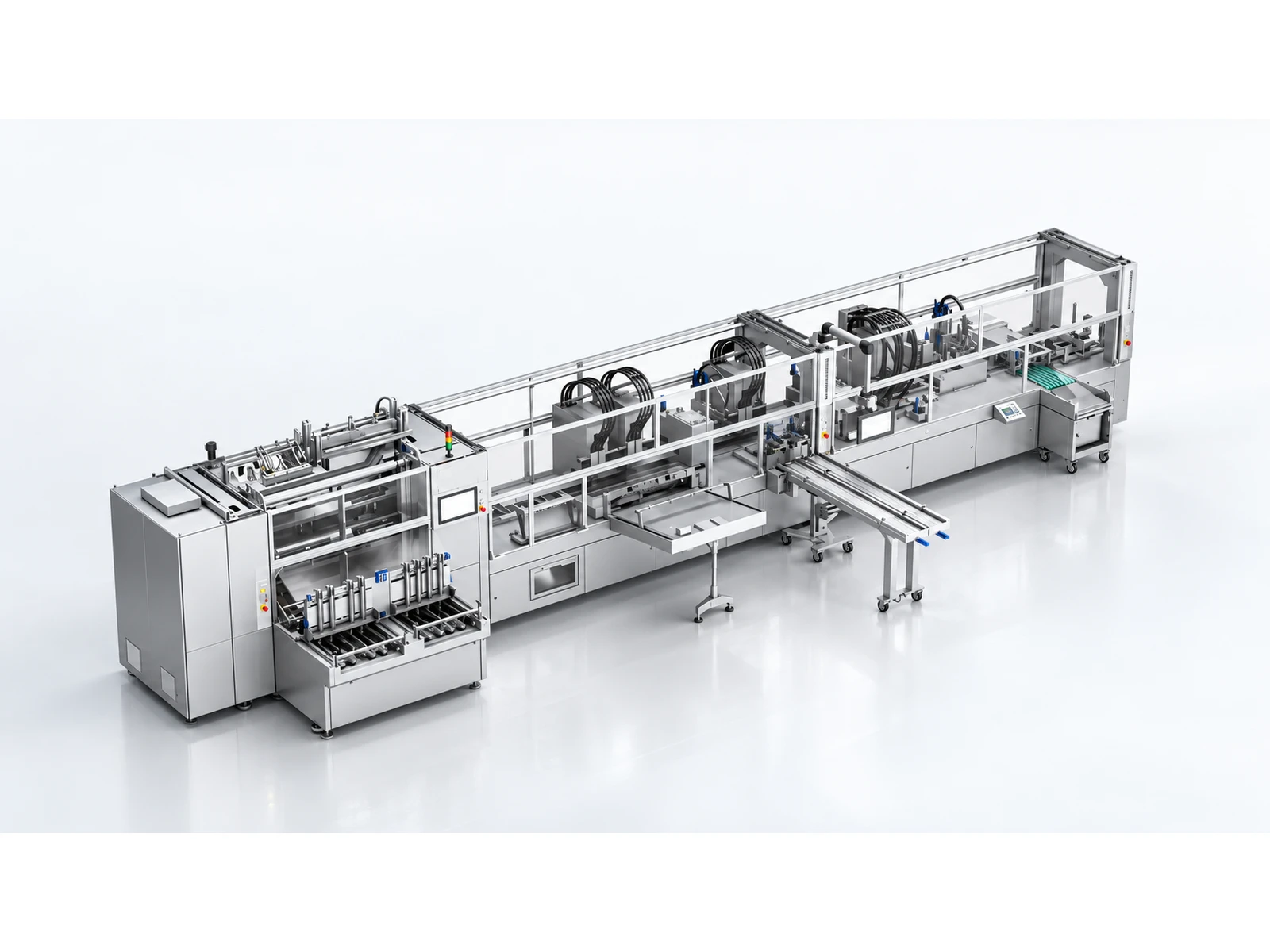
Top-loading cartoning equipment with a connected product conveyor

Top-Load Cartoning Machine

Build the kit in its open carton

Products enter an open carton from above and locate against its insert, tray or partitions. The loading sequence follows the kit arrangement, including the surfaces available for gripping and support.

Carton erection, insert placement, component loading and closure form a coordinated sequence. Multi-component kits can require several placements; a missing or misoriented component must remain linked to the carton before closing.

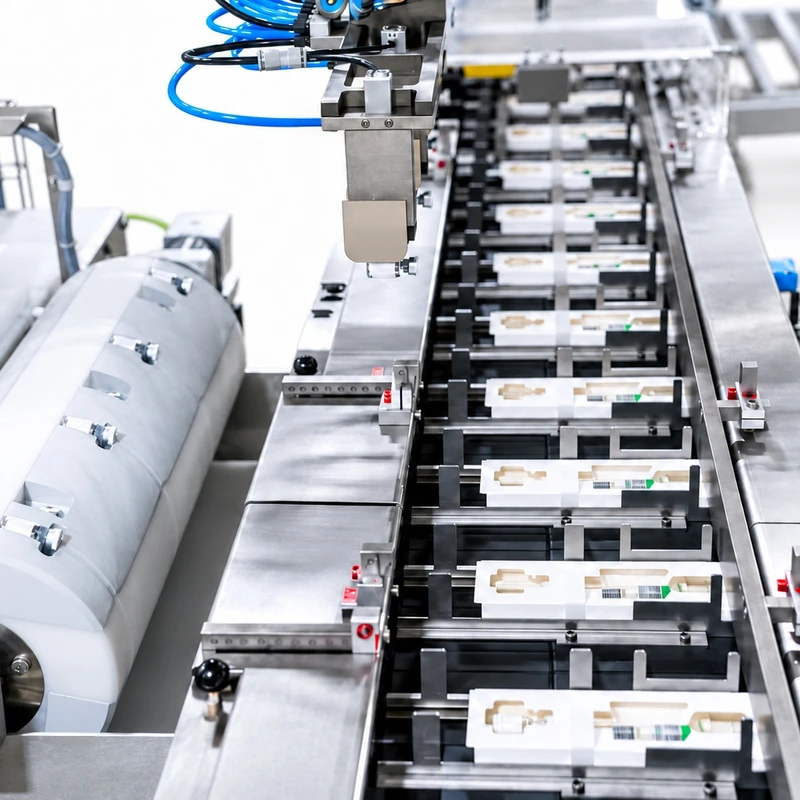
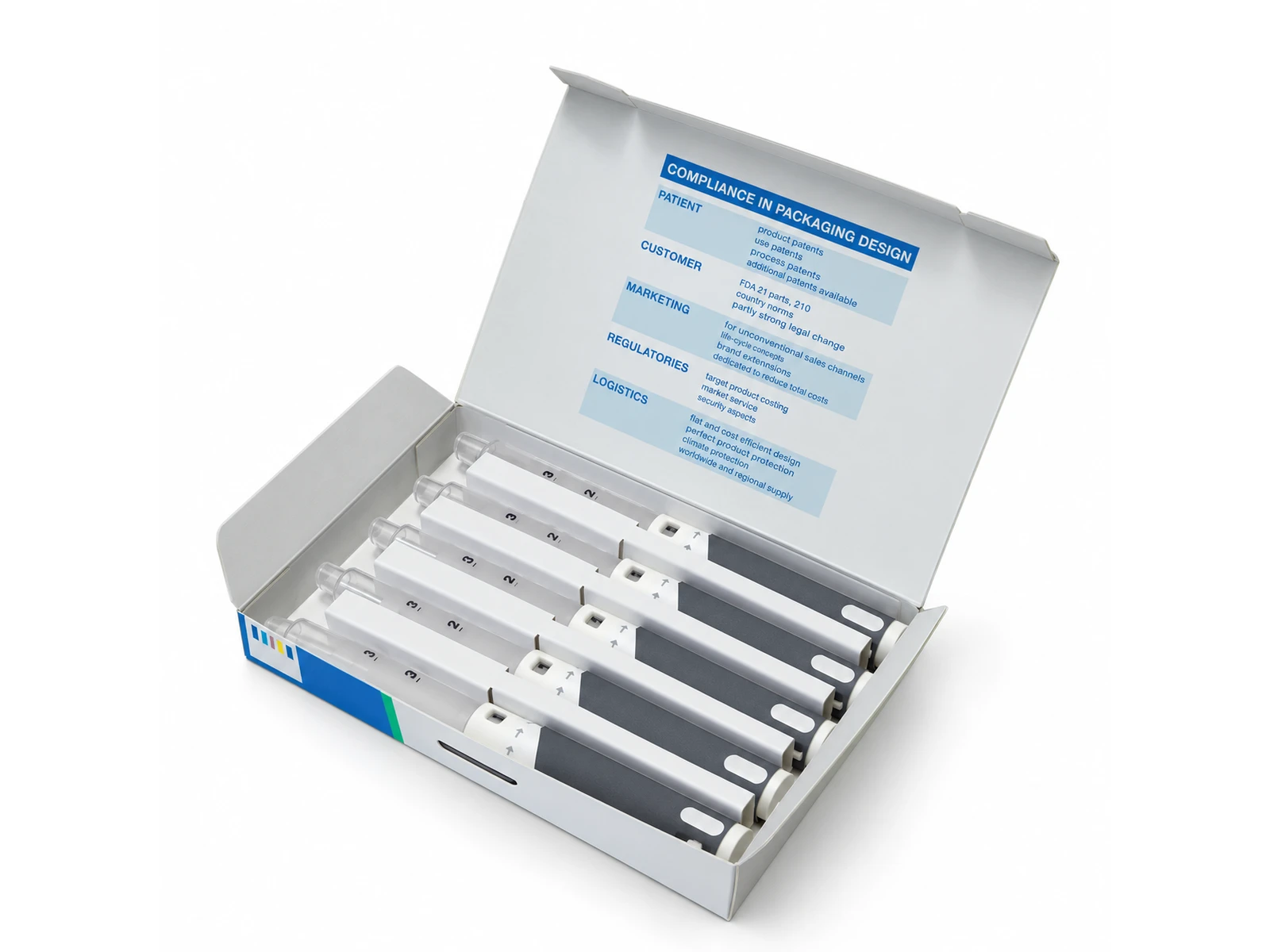
Open carton with individual syringe compartments

Process at a glance

Top loading follows the component arrangement in the pack drawing. Gripping surfaces and release height influence placement.

Place

Load the specified components from above

Retain

Use the selected insert or partition to locate the kit

Process challenges

Top loading needs controlled support and release of the component. Its direction alone does not prevent glass or device damage.

Read details

Top loading needs controlled support and release of the component. Its direction alone does not prevent glass or device damage.

A kit combines several component paths with different availability and orientation requirements. Completion checks follow the actual assembly of the pack.

Partitions keep components in defined locations, but the material and geometry must meet the complete pack protection requirements.

Contents verification and closure checks establish different features. A valid result at one stage cannot substitute for an unresolved result at another.

Cardboard and plastic inserts offer different forming and handling behaviour. Material and cost comparisons concern the complete qualified package.

Each kit variant can change tooling, sequence and inspection coverage. The changeover scope follows those differences rather than the carton dimensions alone.

The finished pack must be evaluated for its intended opening and access requirements. Machine loading does not itself establish user performance.

Industry problem Top-loading design considerations
Glass breakage during cartoning Test the contact points, loading path and placement into the actual partitioned pack; agree breakage and cosmetic acceptance criteria.
Complex multi-component kits Define the sequence and tooling for each component, with specific count, orientation and identity checks where required.
Product-to-product contact Validate the insert or partition design against spacing and handling needs; material choice does not alone prove protection.
Tamper & compliance risk Agree the closure design, tamper feature and verification scope for the approved pack; machine selection alone is not a regulatory conclusion.
High packaging cost & waste Compare complete package performance and material use for the candidate insert designs; no universal cost or sustainability saving is assumed.
Slow changeover / small batches List the tooling and settings for every kit and demonstrate the changeover with the selected component presentations.
Poor patient experience Assess opening and access with the actual finished pack and intended users through the appropriate packaging evaluation.

Technical data & features

Fragile containers, device shape and the number of components determine the loading pattern and gripper design.

Open carton with individual syringe compartments

The number of picks and checks per kit determines the loading workload. Component supply and replenishment can limit accepted-pack output independently of the carton transport.

The gripper approach and release establish the final component position. Glass flanges, shields and device features require tooling contact that respects the approved package drawing.

Partitions separate components and locate them through handling. Their dimensions and board behaviour affect retention, while transport protection is evaluated on the complete packed kit.

Presence, count, orientation and identity describe different pack attributes. The selected views or sensors assess them before the carton closes.

Placement tooling and monitoring

Position or force monitoring can identify an abnormal placement when it is related to the selected component and joint. The closure and tamper feature are specified as part of the package.

Trays, conveyors and denesters present components differently at the pickup point. Carrier return and replenishment access are part of the loading interface.

Changing the kit and preparing for operation

List grippers, nests, guides and recipes for each kit. Verify tooling identification, cleaning access and safe recovery after a failed pick. Inspect wear at gripping and support surfaces and repeat placement checks following adjustment.

How it works

How is the pack presented for top loading?

Erect and support the carton, then place any insert in the defined orientation. Observe each component arriving at its pickup position and being placed in its assigned location. Check that the tool clears the carton and neighbouring contents before moving to the next pick.

Which loading pattern should be tested with the real pack?

Run the full kit, including leaflets and accessories, through loading and closure. Challenge a missing component, an incorrect orientation and an interrupted pick where relevant. Confirm that the specified checks identify the affected carton and that recovery does not mix components from different kits.

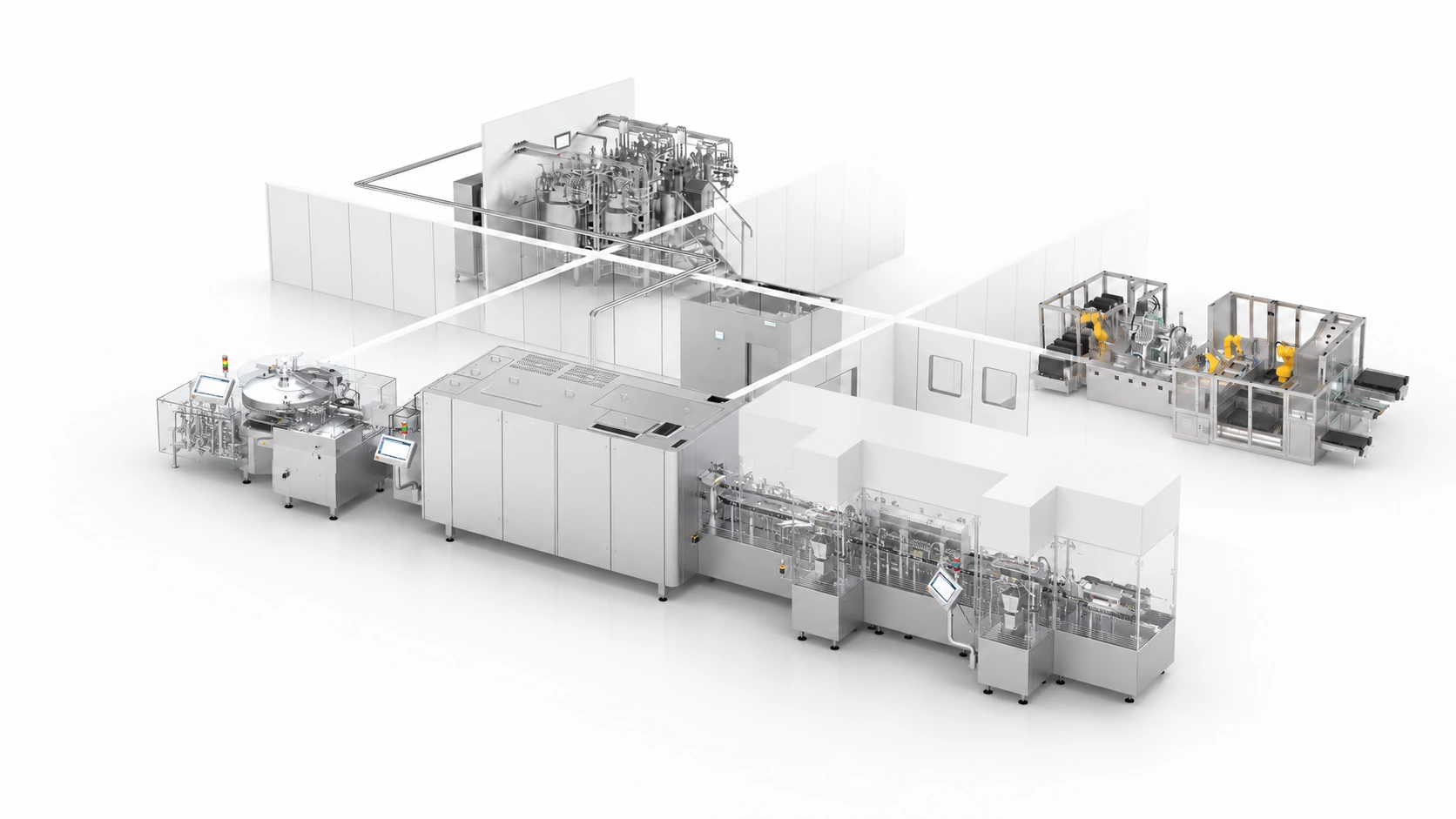
Injectable device production layout. This drawing shows primary-container preparation and downstream pack handling. It does not depict the pen or autoinjector assembly stations.

Production line · Equipment context

Injectable device production layout

Explore the process areas on the production line associated with this equipment.

Skip tour
Production layout 6 equipment areas · Scroll to explore

This drawing shows primary-container preparation and downstream pack handling. It does not depict the pen or autoinjector assembly stations.

Related production lines: Pens & Autoinjectors: Product-to-Packaging Lines

Line integration

Coordinate the components at the loading boundary

Provide the accepted primary containers and other kit components in their agreed presentation. Confirm availability signals and buffering so a shortage of one component does not release incomplete kits.

Agree carton erection, partition or insert placement, product and accessory loading, verification and closure. Define ownership of the partly built carton at each stop or rejection point.

Downstream: discharge → serialization / track & trace → case packing / palletizing

Completed-kit release and downstream records

Pass only released cartons to the agreed labelling, code or case-packing station. If aggregation is required, define how carton identity follows the verified contents and how rework changes those records.

Support throughout your project and production

Define the equipment scope

Fragile containers, device shape and the number of components determine the loading pattern and gripper design.

Learn more

Agree the acceptance test

Check position and completeness before the lid or flap closes.

Learn more

Prepare for operation

Identify the contact parts and format tooling for Top-loading cartoning machine. Agree access for cleaning, the spares to hold and the operating records the site will need.

Learn more

Knowledge hub

2 resources

Frequently asked questions

Can a carton use a cardboard insert instead of a plastic tray?

Review the product-retention and protection requirements with the proposed insert drawing. Cardboard may be suitable for some packs, but material suitability, tooling and transport performance need to be assessed for the complete package.

Does one camera prove that the kit is complete?

The check must cover the actual component locations and failure cases. Some items may be hidden after placement. Define count, identity and orientation checks at the stages where those features can be observed.

Can fragile glass be loaded without damage?

The goal must be demonstrated with the intended containers, tooling and pack. Agree allowed contact surfaces and damage criteria, then test placement and downstream handling at the selected operating condition.

What changes when the kit gains an additional accessory?

Review feeder capacity, pickup tooling, carton or insert geometry, loading sequence and verification. An added accessory may require more than a recipe change, even if the outer carton remains the same size.

Contact

Share the component arrangement, carton or tray drawing and required closure for a top-loading cartoning review.

Discuss your project →
Open carton with individual syringe compartments