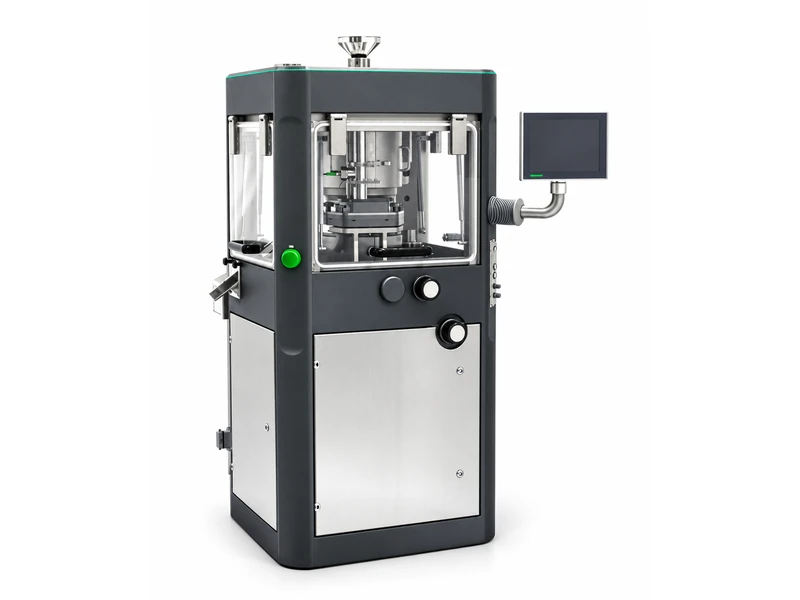
Define the equipment scope
Layer weights, the properties of each blend and interlayer adhesion govern feeder and compression settings.
Learn moreProcess expertise. Chinese manufacturing. Global perspective.

Equipment & technology
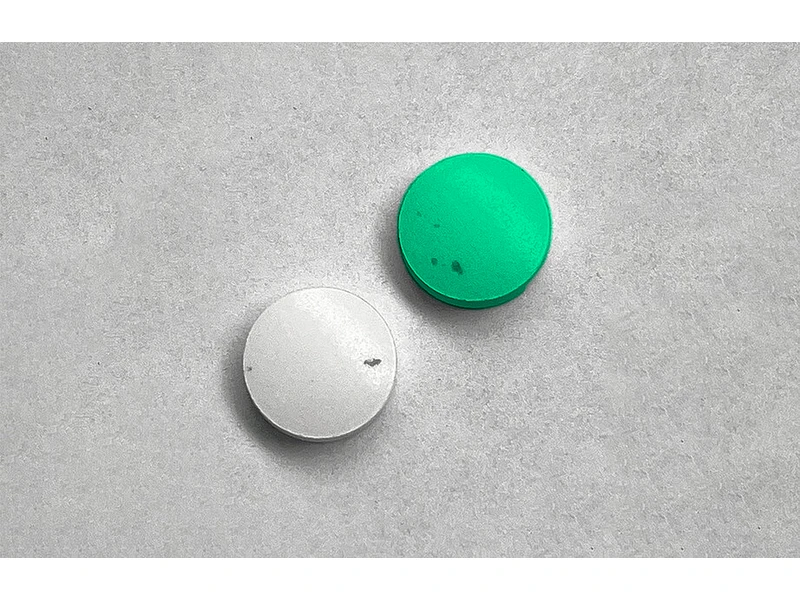
A multilayer tablet press places separate formulations into successive layers of one tablet. Each feed and compression step influences layer mass and the interface formed before final compression, making layer control different from simply achieving the correct total tablet weight.
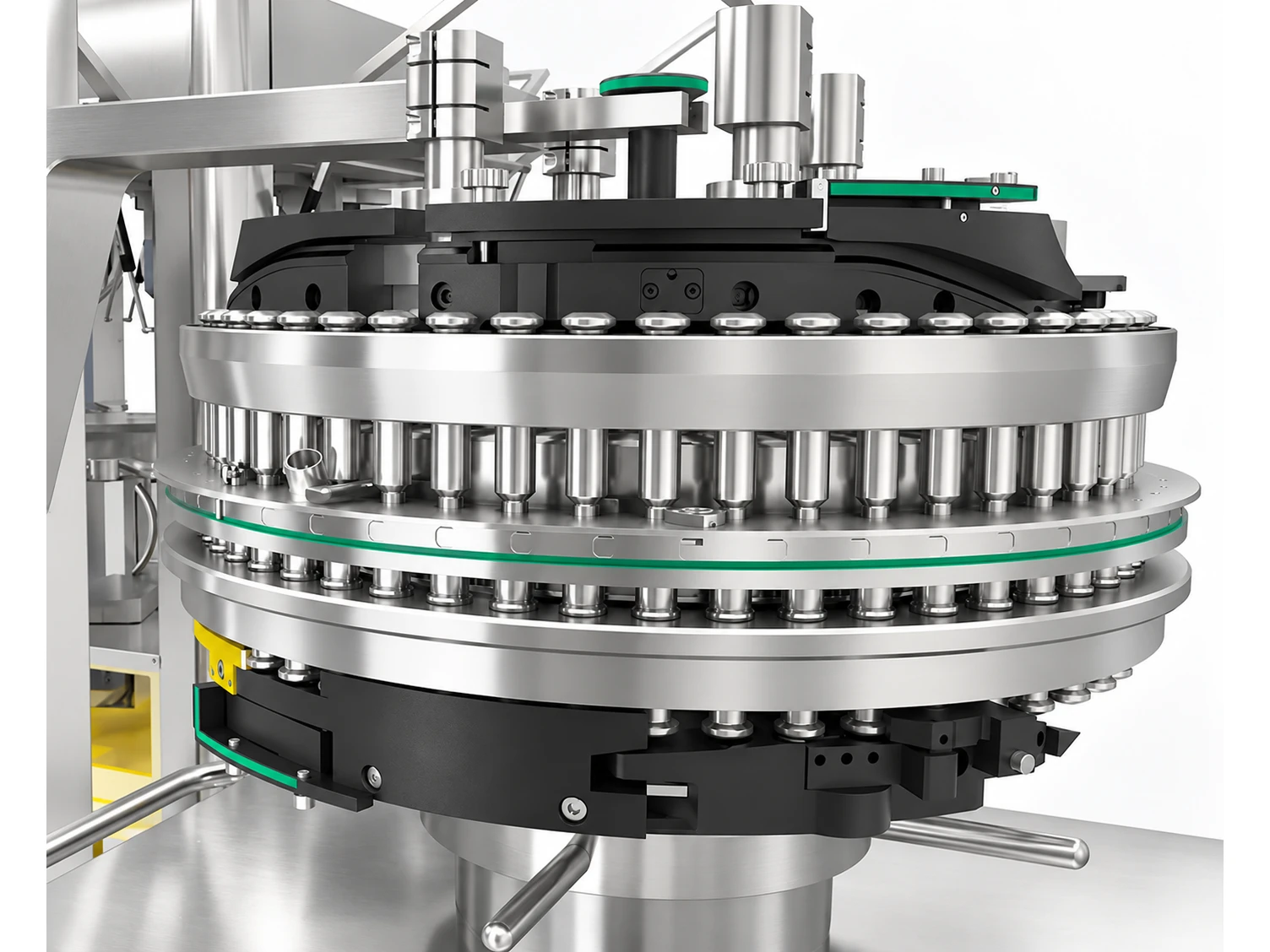
After the first blend fills the die, an initial compression step establishes the surface that will receive the next layer. Too much or too little consolidation can change the subsequent fill and the way layers bond. Final compression, ejection and handling must preserve the intended layer structure without separation.
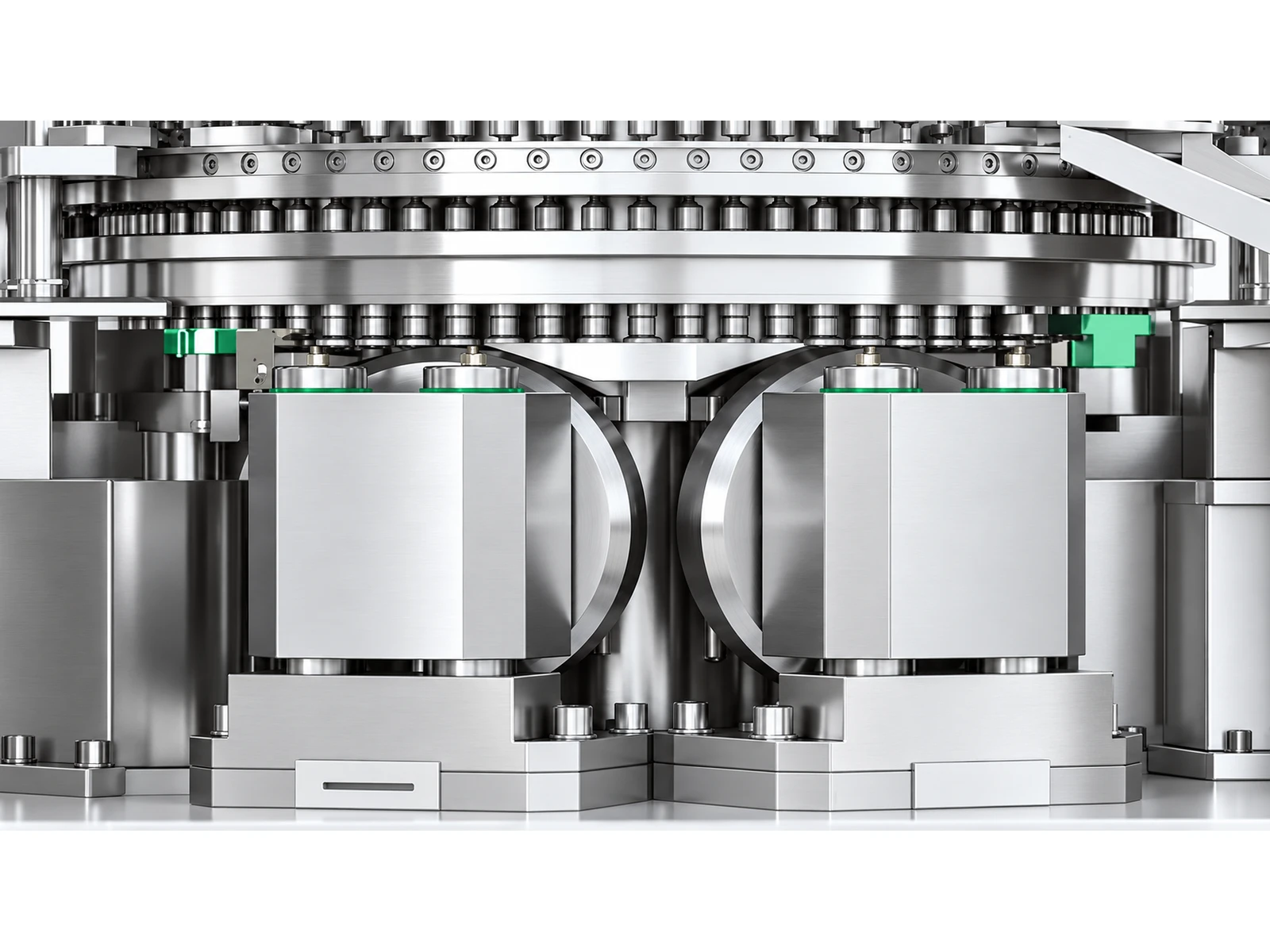
Evaluate layers separately
A final tablet weight can conceal an error in one layer that is offset by another.
Layer mass
Evaluate each filling stage against its own target
Bond
Assess interlayer adhesion after compression and handling
—
Product formats
—
Process options
Two tablets can have the same total mass and different layer proportions. Separate blend flow, feeder behaviour and layer-weight assessment are therefore central to the process. Interface quality adds another requirement: acceptable dosing does not automatically produce adequate bonding between layers.
Dedicated layer feeds deliver each formulation in sequence. Tooling, fill depth and the intermediate compression arrangement determine the space and surface available for the following layer. The achievable combination depends on the selected press configuration and the behaviour of each blend.
Ejection subjects the tablet to another mechanical step after compression. Layer separation, edge damage and cross-contamination between feeds should be considered alongside layer mass. Cleaning access around feed stations and change parts helps restore the defined separation between formulations.
Use these inputs to define the proposed configuration. Confirm operating values against the selected model and trial conditions.
| Project input | What to record and why |
|---|---|
| Number of layers | Identify the blend and feed station for each layer. The layer sequence determines the filling and compression arrangement. |
| Target layer weights | Give individual layer masses and acceptance limits, not just the final tablet weight. Define how each layer will be checked during trials. |
| Blend properties | Record flow, bulk density and behaviour under compression for each blend. Differences can affect layer dosing and separation. |
| Interlayer strength test | Agree how to assess bonding between layers after compression and handling. Record the test condition and the observed failure mode. |

Evaluate the layer fill and mass separately before judging the interface after final compression and ejection. A correct final mass can conceal a layer imbalance, while a correctly metered tablet can still delaminate.
Keep blend identities and feeder assignments traceable. Clean and inspect the feed paths and tooling, then re-establish the layer sequence and sampling checks before accepting tablets from the new setup.
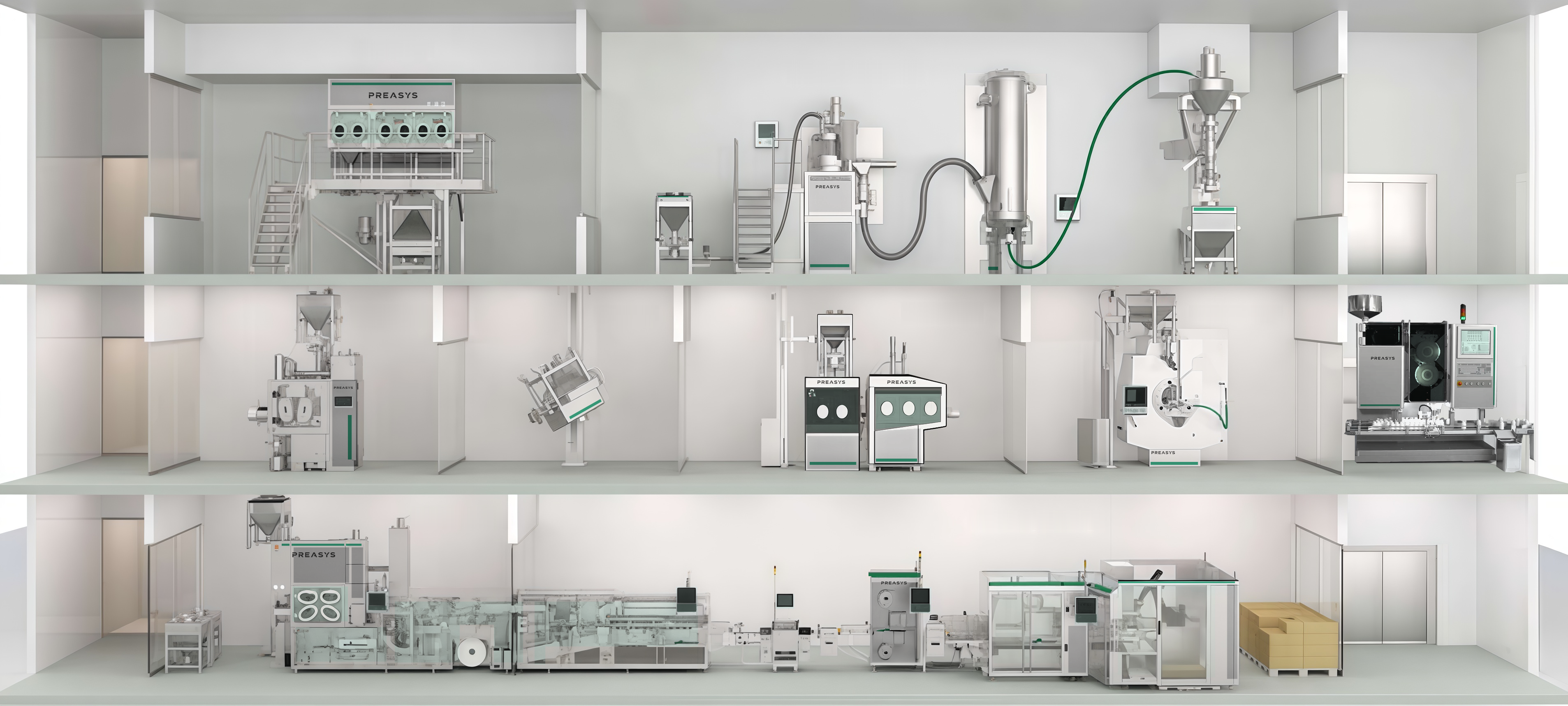
Oral solid dosage · Integrated production
Discover the equipment behind your solid dosage process.
Route selection. Wet and dry granulation are alternatives. Select tablet compression or capsule filling for the dosage form; include coating when required.
Illustrated equipment and packaging options show process relationships. The facility layout and equipment configuration are defined for each project.
Prepared blends arrive as separate, identified streams. The press combines them in the specified sequence, after which the tablets pass to layer-integrity checks and the selected finishing or packing route. Coating is included only when the product requires it.
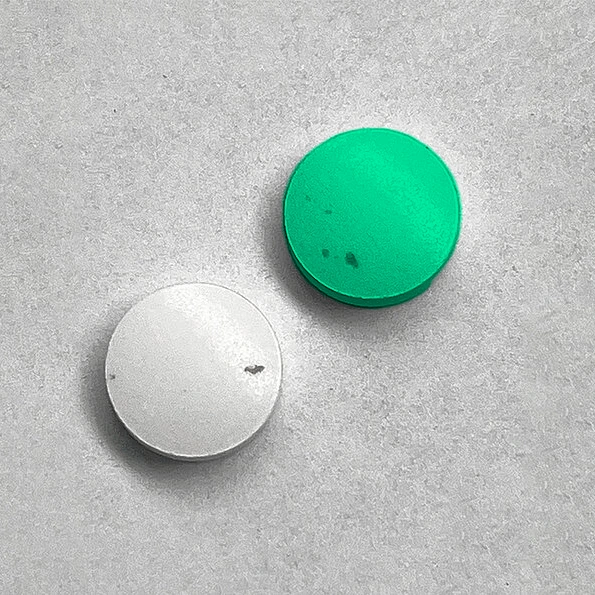
Layer weights, the properties of each blend and interlayer adhesion govern feeder and compression settings.
Learn moreTrial the tablet through ejection and handling and examine layer boundaries, separation and weight variation.
Learn moreIdentify the contact parts and format tooling for Multi Layer Tablet Press. Agree access for cleaning, the spares to hold and the operating records the site will need.
Learn moreShare number of layers, target layer weights and blend properties.
Request product information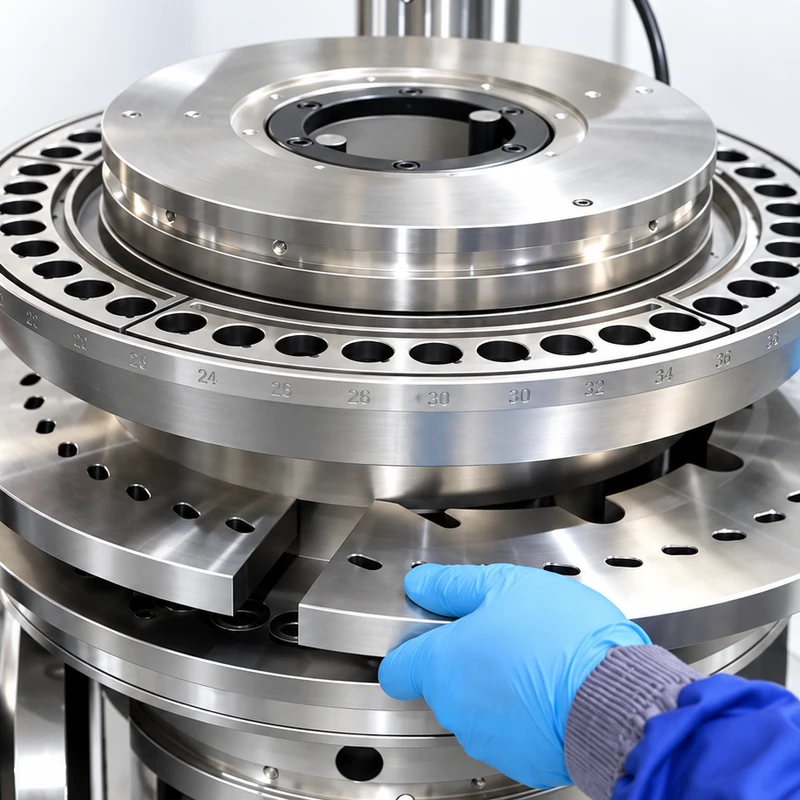
2 resources
No. Opposing layer errors can produce an acceptable total mass. The control strategy must address the intended layer proportions.
No. The feed stations and compression arrangement determine the configured scope. Specify the required layers and formulation sequence for model selection.
They can compare the response of each blend and the combined interface under defined loading conditions. The production press still needs its own feeding, ejection and run-length evaluation.
For a configuration review, include number of layers, target layer weights, blend properties, interlayer strength test.
Discuss your project