
Skip to content

Process expertise. Chinese manufacturing. Global perspective.

PREASYS

Equipment & technology

Horizontal Cartoner (PCH)

Load a product or collated group through the open end of a folding carton. Horizontal cartoning coordinates carton erection, product insertion and the specified leaflet and closure operations; the usable carton opening and the way the product is supported determine the loading concept.

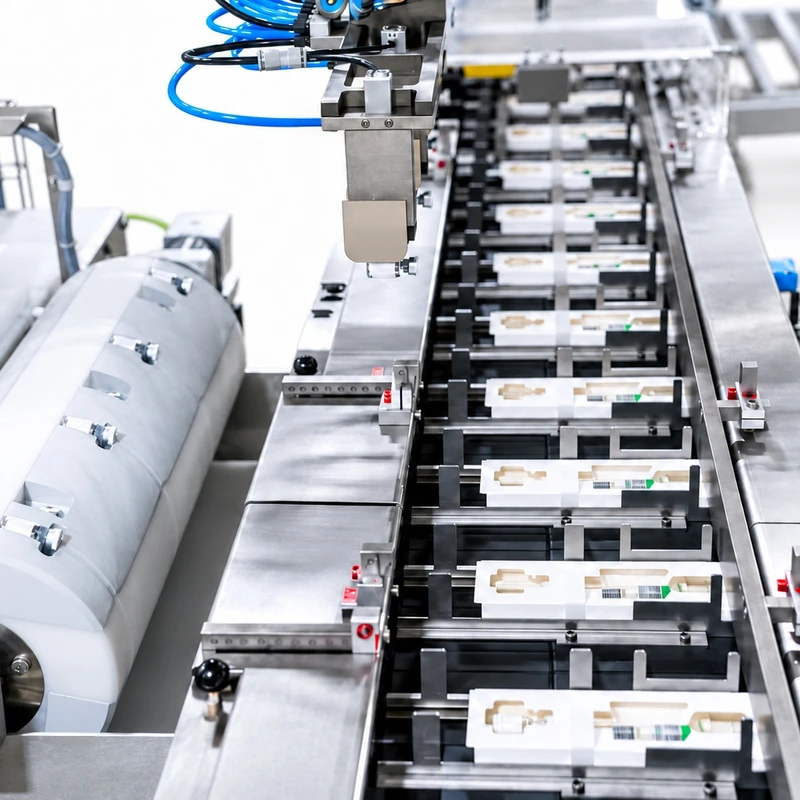
Carton and product transfer guides at a side-loading station

Horizontal Cartoning Machine

Side insertion into a folding carton

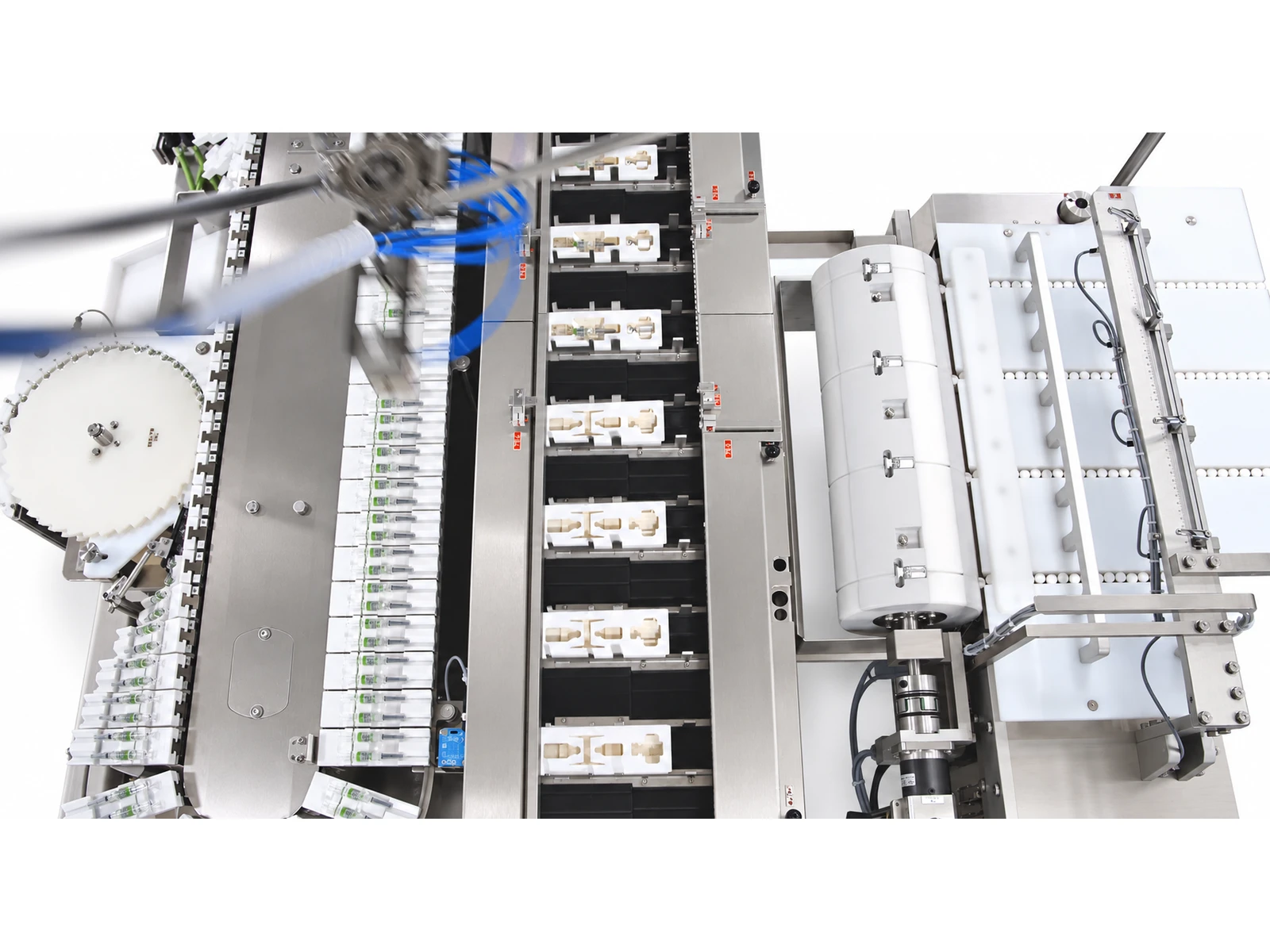
The erected carton presents an open end to the insertion station. A controlled product group and leaflet enter through that opening, so the available clearance includes carton variation, product envelope and leaflet thickness.

Transport pockets hold the carton through insertion and closing. Incomplete contents or incorrect identification must remain associated with that carton until the selected reject point.

Blister strips and tablets beside an open folding carton

Process at a glance

The insertion envelope includes the product, leaflet and dimensional variation of the carton blank.

Erect

Open the folding carton at the loading station

Insert

Guide product and specified leaflet through the end

Close

Complete the selected flap or adhesive closure

Process challenges

The product needs support as it enters the carton mouth. Fragile containers and loose groups can require different contact points and insertion profiles.

Read details

The product needs support as it enters the carton mouth. Fragile containers and loose groups can require different contact points and insertion profiles.

Repeatable setup depends on identified tooling, setting references and first-pack checks. A recipe alone does not establish mechanical alignment.

The upstream product must arrive at the cartoner with the required orientation and grouping. An otherwise suitable pack can be difficult to insert when the transfer is poorly matched.

Leaflet presence and leaflet identity are separate checks. Their position in the sequence determines whether a missing or wrong insert can be identified before closure.

The closure and code strategy comes from the approved pack and target-market requirements. It is not established by adding a generic tamper-evident label to the machine description.

Carton dust and access around moving pockets, pushers and closing tools influence cleaning and maintenance tasks.

Continuous and intermittent motion distribute the operating time differently. Actual product feeding, insertion and checks determine the accepted-carton rate.

Industry problem Horizontal cartoning design considerations
Container damage at speed Trial the supported insertion path with the actual container and carton; assess damage at the agreed operating condition.
Slow, non-reproducible changeover Document format parts, setting references and clearance checks, then demonstrate repeatable setup rather than assume every adjustment is tool-free.
Upstream infeed mismatch Specify product orientation, collation and ready/stop signals at the upstream transfer.
Wrong or missing leaflet Define leaflet feeding, identity and presence checks and the disposition of a carton after a failed check.
Weak tamper protection Confirm the required carton closure and tamper-evidence design with the package specification and target market requirements.
Ergonomics & cleaning Review access to carton dust, pushers, magazines and closing components, with isolation for moving equipment.
Throughput bottlenecks Establish accepted output using the complete product, carton and leaflet configuration, including upstream and downstream availability.

Technical data & features

The carton opening, product rigidity and accompanying leaflet determine the insertion and closure sequence.

Blister strips and tablets beside an open folding carton

Continuous motion coordinates insertion with a moving carton; intermittent motion provides a dwell at the loading station. The product presentation and additional operations determine the useful cycle.

In a continuous sequence, the loading motion follows the carton during insertion. Matching the motion prevents the product group from catching the carton edge or shifting before closure.

An intermittent sequence advances the carton between operations and holds it during the selected tasks. Feed delays and restarts affect its achieved output as well as the nominal cycle.

Blister stacks, bottles and devices need different collation and support. This end-loading arrangement follows the actual pack envelope rather than a universal infeed.

Fit the carton to the complete contents

The smallest allowed carton opening must accept the largest product-and-leaflet envelope. Wear at pushers, chain pockets and closing guides can change this clearance over time.

Leaflet presence, code readability and flap closure are distinct checks. Each selected check has its own detection point and a defined reject response.

Glass containers and sensitive devices need support at their permitted contact surfaces. Insertion force and guide condition influence scuffing, breakage and carton damage.

How it works

How are product and leaflet loaded sideways into the carton?

Observe the carton being erected and supported, then follow the product and leaflet to the insertion point. Check clearance at the carton mouth and the final position of the contents. Challenge a distorted blank and a missing product to confirm how the machine stops or rejects before closure.

What indicates that the filled carton is ready for closure?

Check the specified product and leaflet presence or identity signals before closing. Then inspect the tuck, glue joint or selected tamper feature. Reconcile rejected cartons and test restart after an insertion interruption, including the handling of any carton already carrying a printed code.

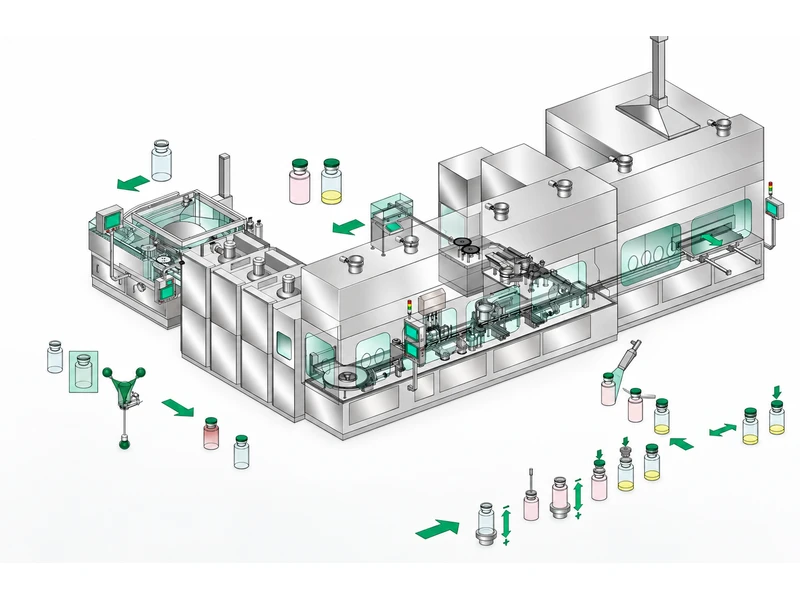
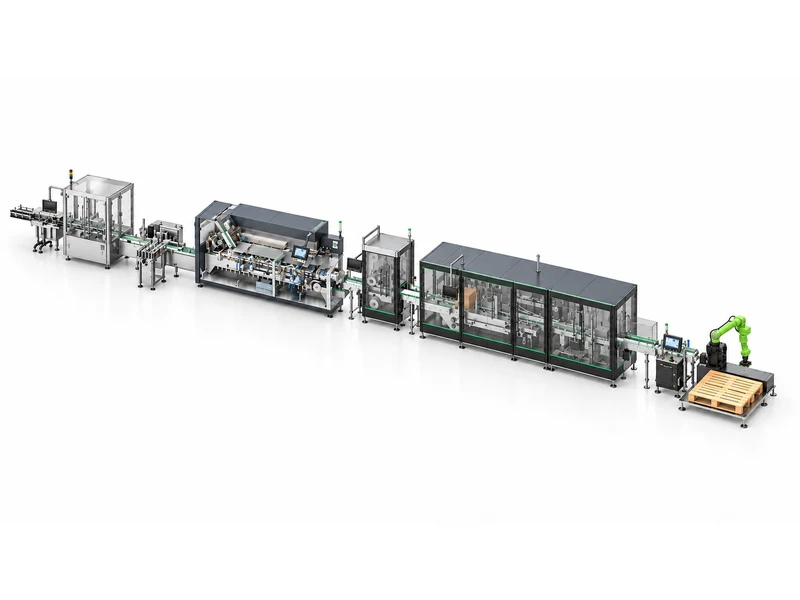
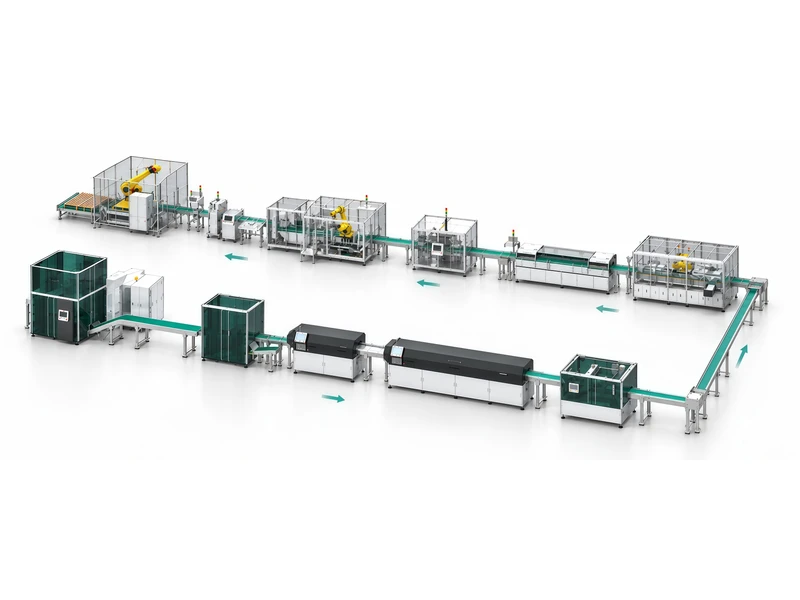
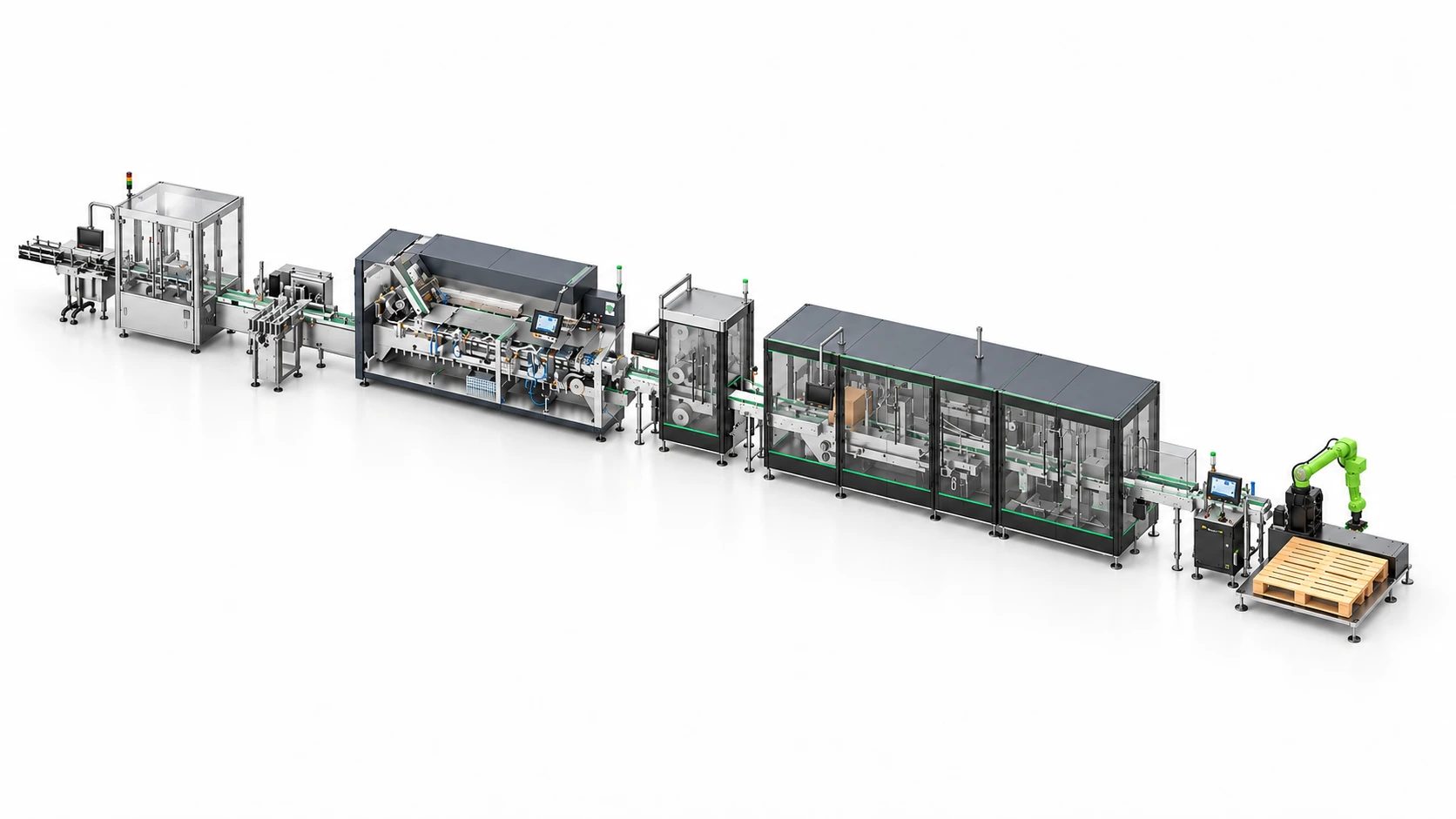
Nasal spray · secondary packaging. Follow closed spray packs through transfer, cartoning, case packing and palletizing after the pump and cap have been fitted.

Production line · Equipment context

Nasal spray · secondary packaging

Explore the process areas on the production line associated with this equipment.

Skip tour
Production layout 5 equipment areas · Scroll to explore

Line integration

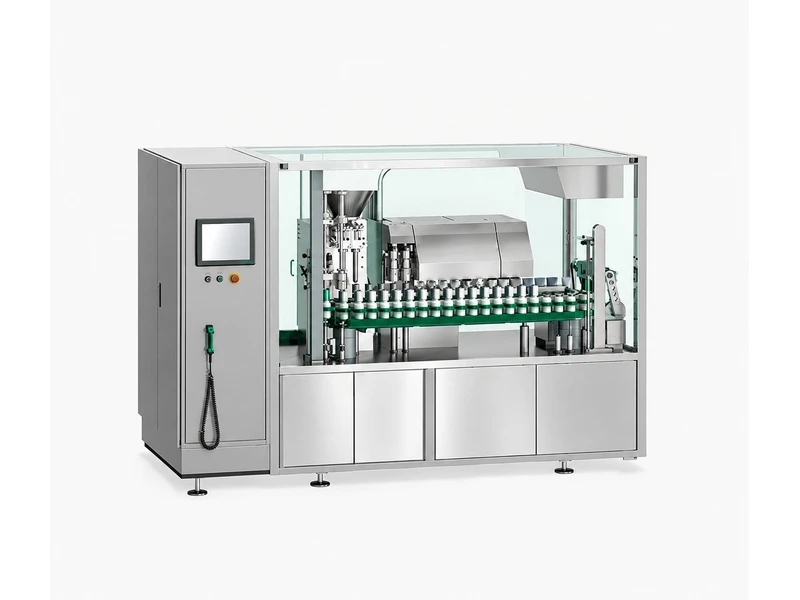
Match primary-pack output to carton infeed

Receive the primary pack with its required orientation and accepted status. Specify conveyor height, pitch, buffering and the response to missing or irregularly spaced products.

Agree carton erection, leaflet insertion, product insertion, printing and closure in the selected order. Define checks before the carton is closed so a known incomplete pack cannot be released as complete.

Separate product presence, leaflet identity and code readability checks. Challenge each specified fault and confirm the reject path and batch reconciliation at the agreed acceptance trial.

Downstream: carton discharge → bundling / case packing / palletizing

Discharge and packaging data interface

Pass accepted cartons to bundling or case packing with defined stop and accumulation signals. If serialization is required, agree when code status becomes valid and what happens when a coded carton is rejected or reworked.

Support throughout your project and production

Define the equipment scope

The carton opening, product rigidity and accompanying leaflet determine the insertion and closure sequence.

Learn more

Agree the acceptance test

Verify that a complete pack is present before closing and that rejected cartons are accounted for.

Learn more

Prepare for operation

Identify the contact parts and format tooling for Horizontal cartoning machine. Agree access for cleaning, the spares to hold and the operating records the site will need.

Learn more

Knowledge hub

2 resources

Frequently asked questions

When should we consider top loading instead?

Consider the complete kit and the available loading path. Partitions, several differently shaped components or items that cannot tolerate side insertion may favour top loading. Compare representative pack trials rather than choosing solely by nominal speed.

Can one infeed handle bottles and blister stacks?

They present different geometry and support needs. Specify both formats and review the feeder, collation and insertion tooling for each; do not assume a shared carton size makes the infeed interchangeable.

What leaflet details are needed for selection?

Provide the unfolded and folded dimensions, paper specification, folds, thickness range and required identity marking. Trial leaflet feeding and the combined product-and-leaflet fit in the actual carton.

How should changeover be accepted?

Use agreed old and new formats and include clearance, tooling, settings and the first acceptable carton. Verify pack completeness and closure after setup and after any relevant maintenance.

Contact

Share the product or collated group, carton opening and dimensions, leaflet requirement and intended accepted-pack output for a horizontal cartoning review.

Discuss your project →
Blister strips and tablets beside an open folding carton