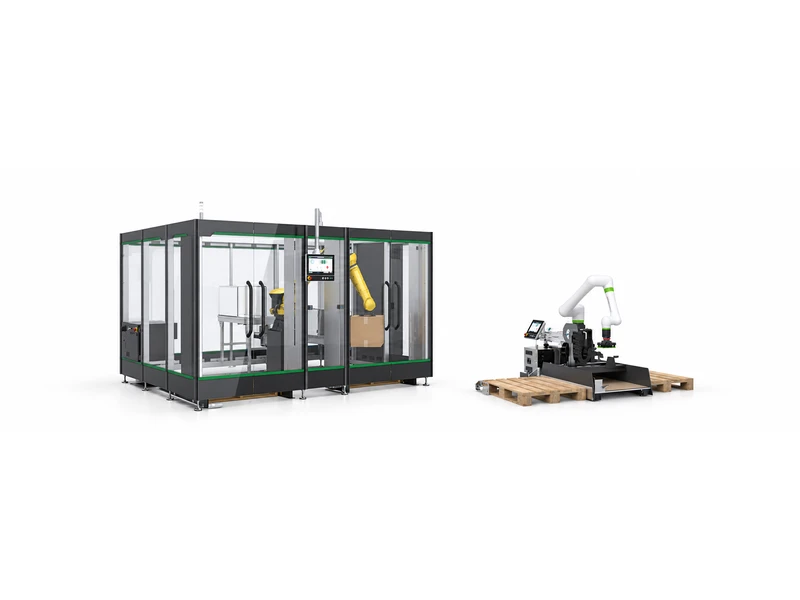
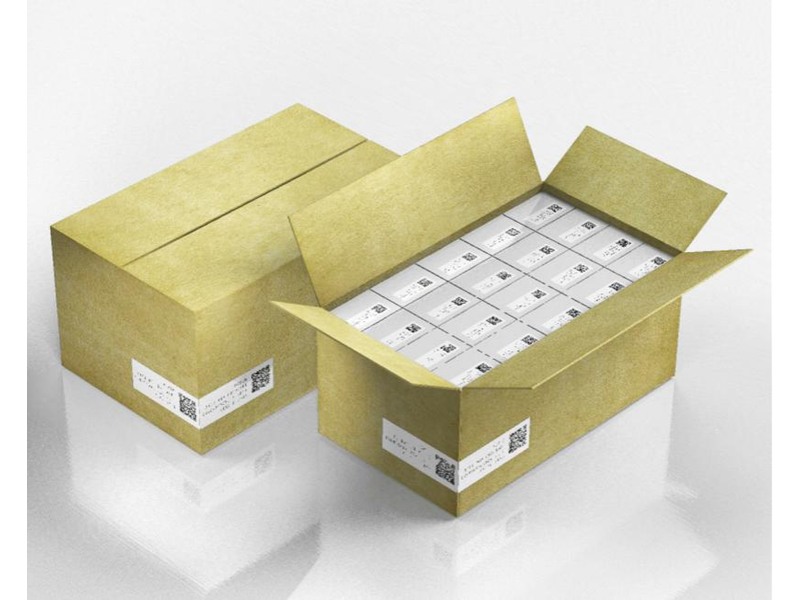
Load and layout study
Use representative carriers and the movement profile to assess aisles, lane depths, transfer stations, maintenance access and building interfaces.
Learn moreProcess expertise. Chinese manufacturing. Global perspective.

Equipment & technology
An automated storage and retrieval system moves defined loads between warehouse locations and transfer stations. Pallet, carton or tote dimensions and condition determine how the load is supported, located and handed over; warehouse control coordinates the movement with the inventory request.
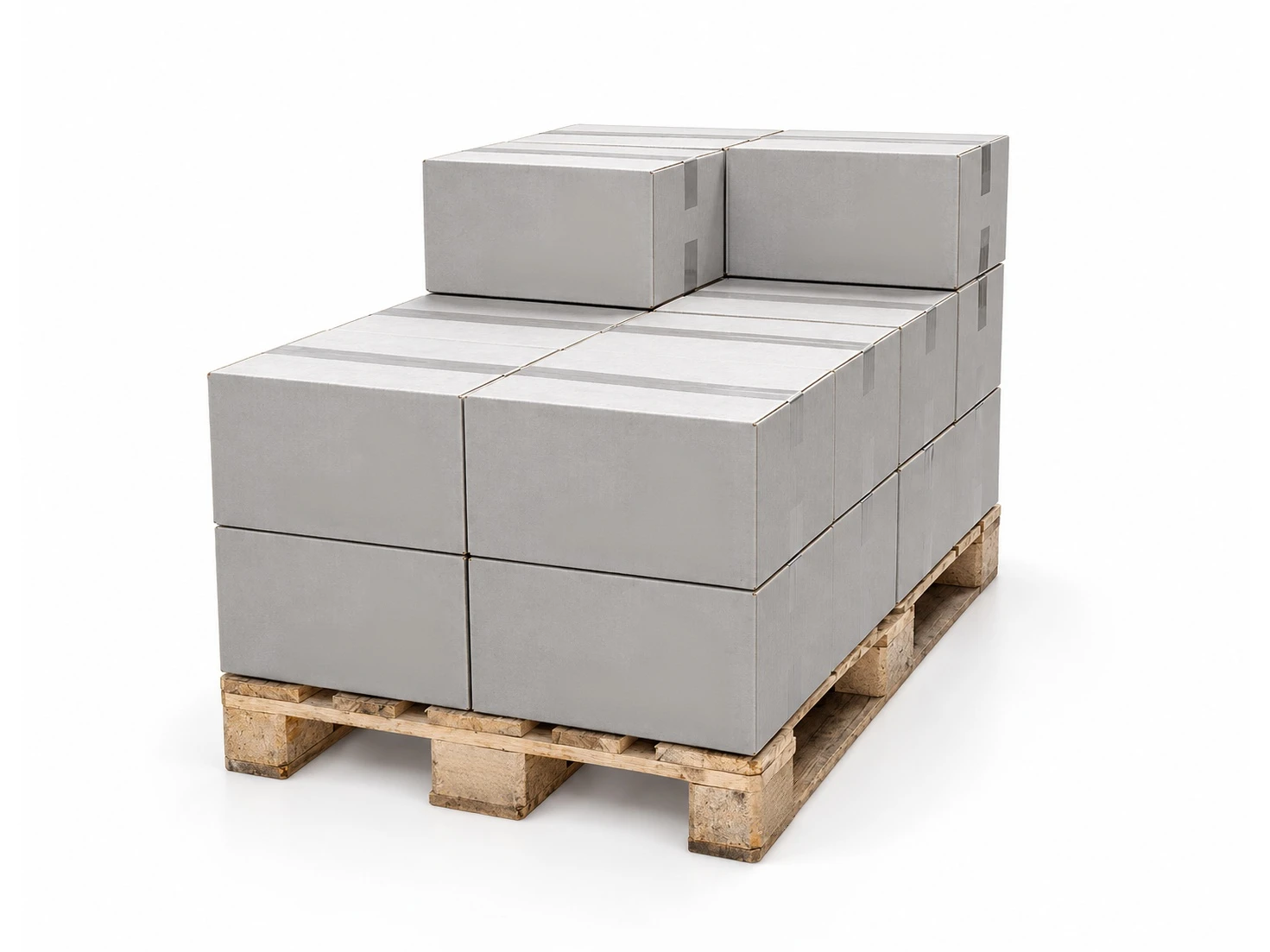
A store or retrieve task becomes a sequence of physical moves. The system accepts an identified handling unit, verifies the conditions required for transfer, moves it to the destination and returns a completion or exception state. Load overhang, damage or an unsuitable centre of gravity can disrupt this sequence even when the inventory record is correct.
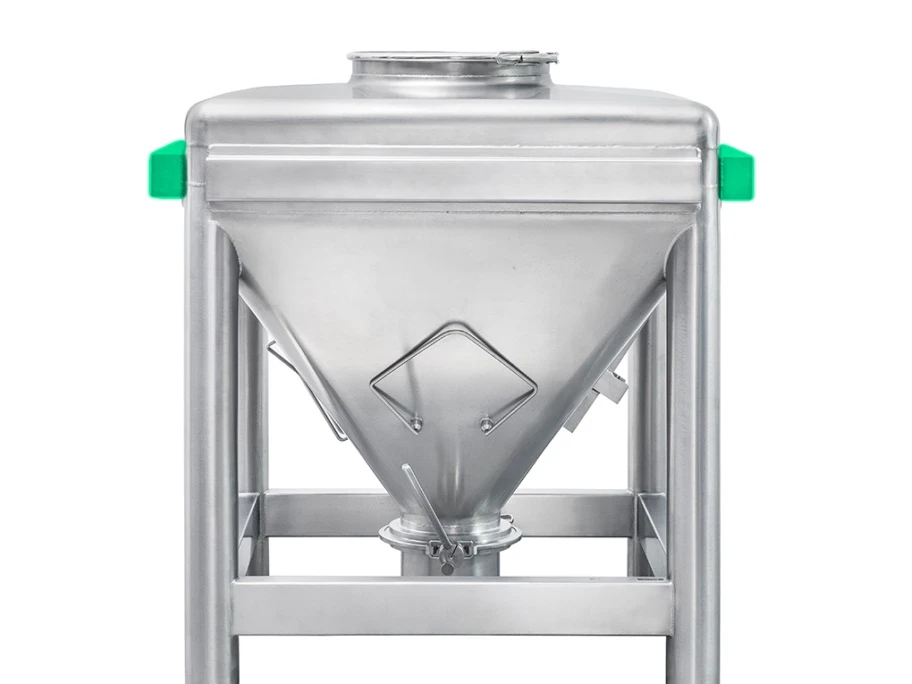
Match the handling system to the load
Geometry and the transfer boundary define selection; this page does not state an unverified system height or payload.
Carrier
Dimensions, condition and centre of gravity
Handoff
Identity, location and task confirmation
—
Product formats
—
Process options
Automated retrieval connects storage positions with the station where production or picking needs the load. The useful configuration depends on the order mix, travel distances and handoff capacity as well as storage density. Buffering and exception access help prevent a blocked station from turning into an untraceable load.
Stacker cranes, pallet shuttles and carton or tote shuttles serve different load and layout requirements. Rack geometry, lifting and travel paths, transfer supports and maintenance access must match the selected handling unit and building.
The WMS requests inventory work; material-flow or equipment controls execute the motion and report its state. Scan points and presence or position checks establish the handoff. An interrupted movement requires a controlled recovery that reconciles the physical load with the outstanding task.
Select the handling technology from the load envelope and movement profile. The table explains configuration differences; rated height, load and throughput require evidence for the selected system.
| Handling approach | Configuration considerations |
|---|---|
| Stacker crane | Rack and aisle geometry, load engagement, travel distance, access and fire-safety interfaces. |
| Pallet shuttle | Pallet dimensions and condition, lane depth, lifting or transfer interfaces and retrieval strategy. |
| Carton or tote shuttle | Carrier geometry, level transfers, sequencing and congestion at lift and output stations. |
| Conveyor or mobile transfer | Physical handoff, load identity, station availability and safe interaction with adjacent operations. |

The inventory system identifies eligible stock and requests the movement. The control layer checks the destination and executes the physical transfer. Identity and completion are reconciled at the receiving station before the task is closed.
Establish the actual load position and equipment state before issuing further motion. Reconcile that state with the outstanding task and use the agreed recovery procedure; resending a command without checking can create a duplicate or conflicting movement.
Inbound pallets or totes need a defined acceptance check before automated storage. At retrieval, coordinate destination readiness, scan confirmation and load support with production or picking equipment. Stock release remains a WMS and quality-process responsibility, while the ASRS reports the movement and any exception.

Use representative carriers and the movement profile to assess aisles, lane depths, transfer stations, maintenance access and building interfaces.
Learn moreChallenge load limits and carrier condition within the selected specification. Test identification errors, blocked stations and interrupted tasks as well as successful storage and retrieval.
Learn moreDefine safe access, fault recovery and inventory reconciliation. Include the responsibilities of warehouse staff, maintenance and the software support team.
Learn moreShare handling unit, load envelope and quarantine rules.
Request product information
Brochure
Automated Storage & Retrieval System
Available by enquiry
Request product informationCase
Automated Storage & Retrieval System
Available by enquiry
Discuss project references2 resources
Storage positions and movement performance are different measures. They depend on the selected carrier, load, rack arrangement, travel pattern and transfer-station demand. Confirm ratings for that configuration rather than importing figures from another technology.
The equipment executes permitted movements and reports location and task states. Quarantine or release logic belongs to the designated inventory and quality systems; those rules must be respected at each handoff.
Damage, overhang, inconsistent dimensions or an unsuitable weight distribution can prevent reliable engagement or transfer. The acceptance limits need to match the selected handling equipment.
Suitability depends on structure, clearances, fire-safety arrangements, environmental conditions and access as well as storage demand. A layout assessment is needed; adaptability is not a guarantee that any system fits any building.
Provide carrier drawings, load weights and centres of gravity, storage conditions and the receipt/retrieval profile. Include building constraints and the interfaces to WMS, production and dispatch so the physical scope can be assessed.
Discuss your project