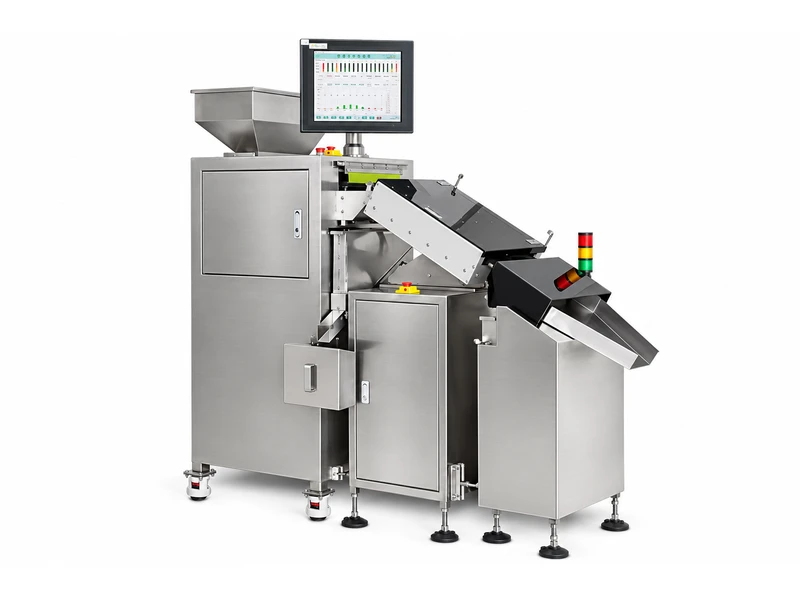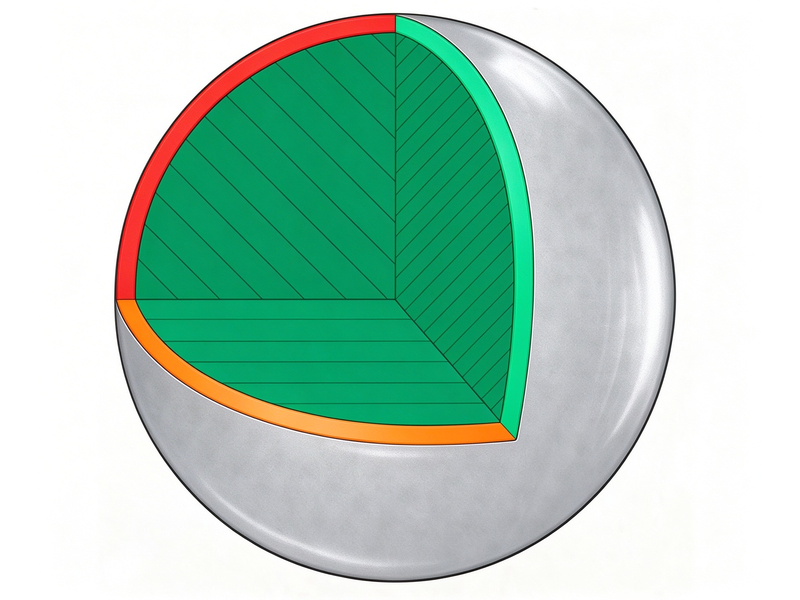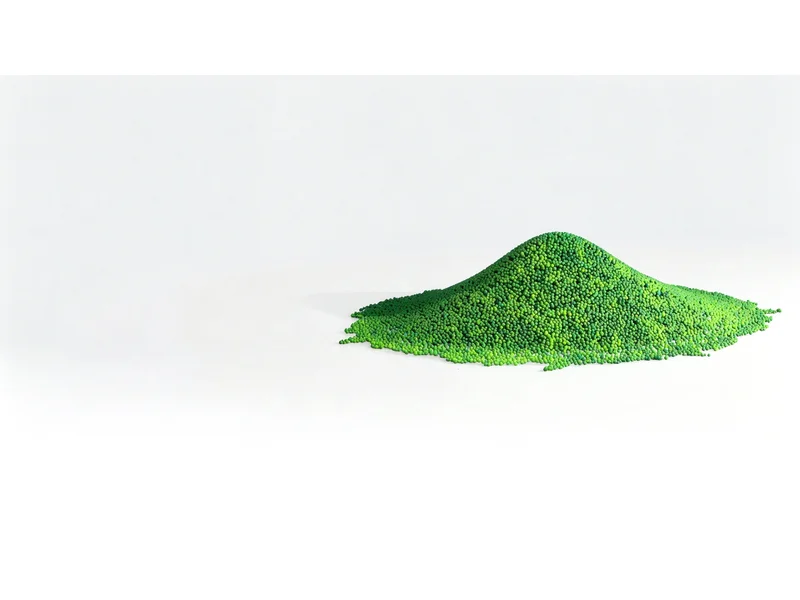
Flowability Tester
Characterize discharge or pile formation under a specified method, then relate the result to the actual hopper or feeder problem.
Process expertise. Chinese manufacturing. Global perspective.

Explore our solutions
Choose a quality-control method by the attribute you need to understand: powder packing and flow, tablet strength and release, individual-unit mass, or visible defects. Laboratory measurements and production inspection provide different evidence and should be connected to a defined sample, unit or batch.
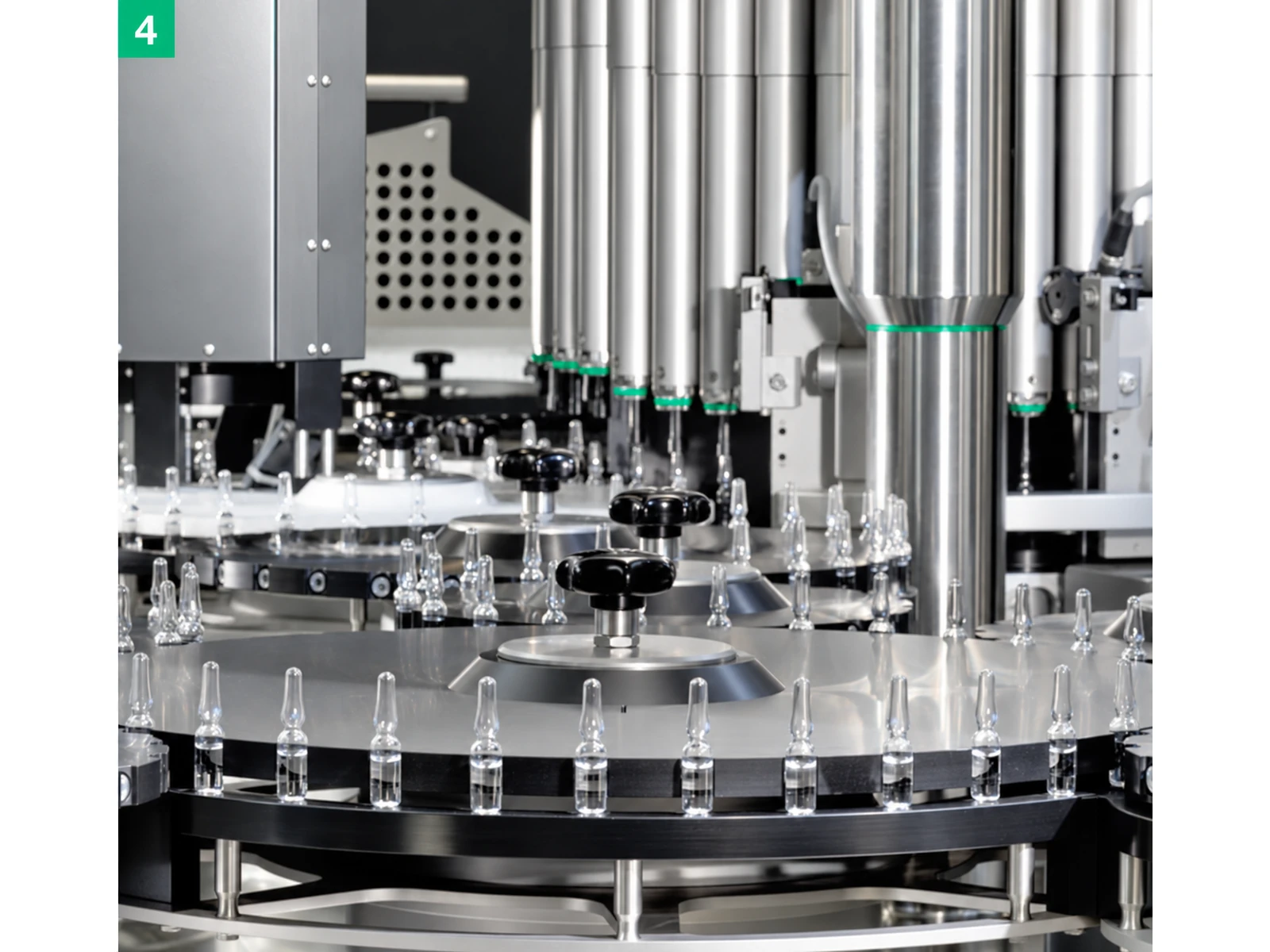
Start with the observed problem and the decision the result must support. The test condition, sample preparation and acceptance method determine what a measurement can establish; an inspection image does not replace a physical or analytical test.
Choose the object being inspected
Begin with the feature or defect, then check presentation, measurement and the reject path.
4
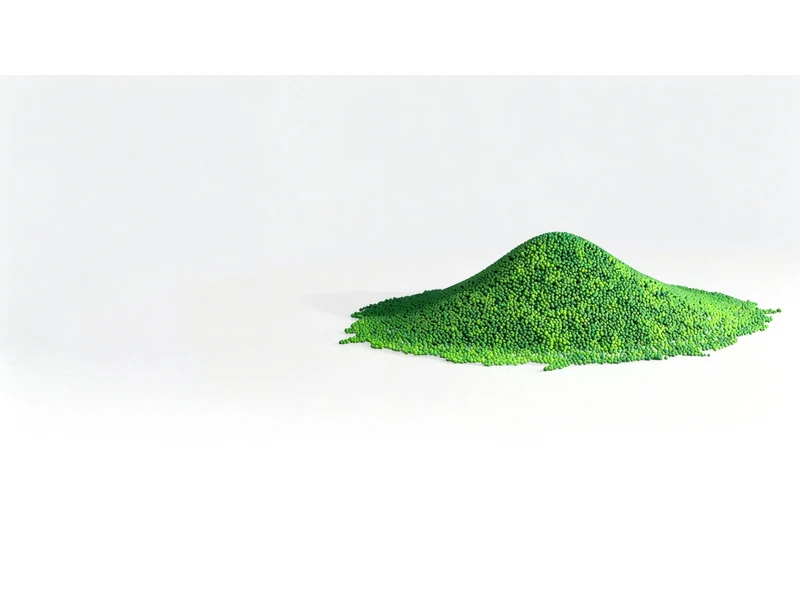
Powder characterization methods
4
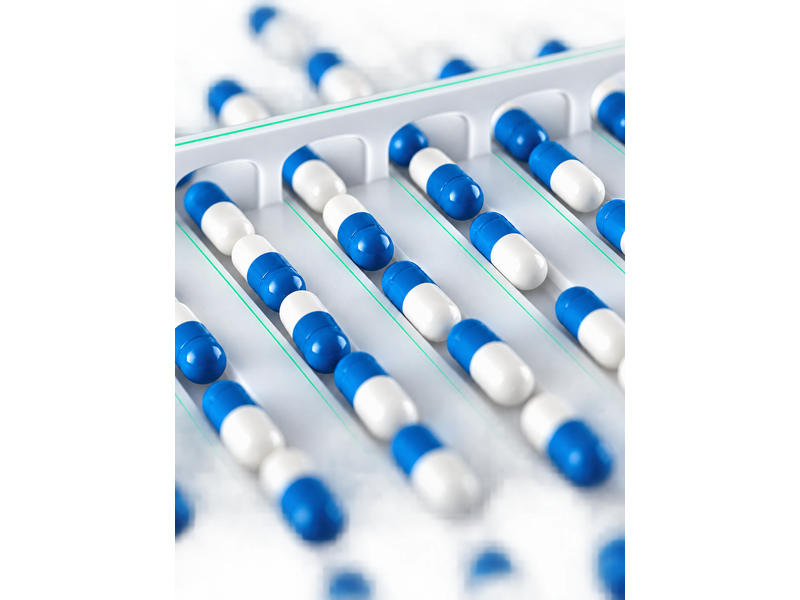
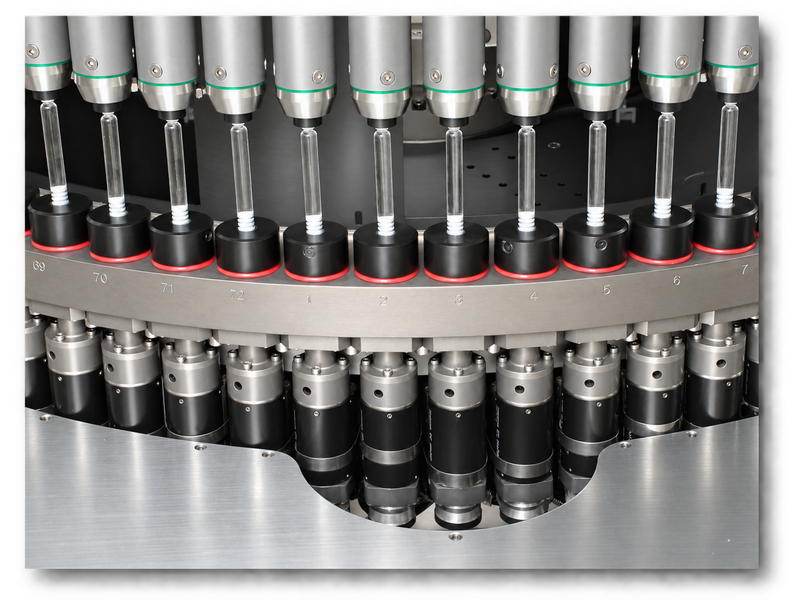
Tablet performance tests
4
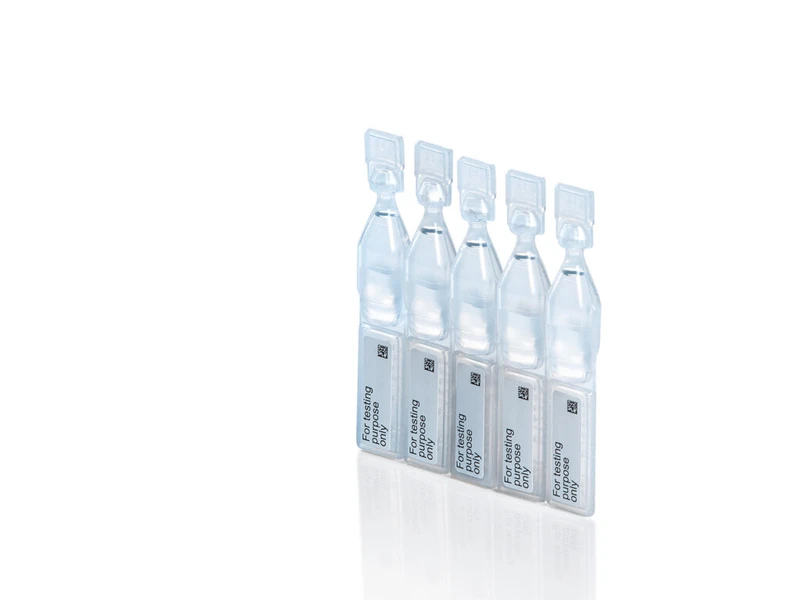
Container inspection formats
—
Process options
Characterize discharge or pile formation under a specified method, then relate the result to the actual hopper or feeder problem.
Relate powder mass to its loosely filled volume before deliberate settling. Keep the loading and reading procedure consistent.
Measure the settled volume after defined tapping and compare packing states on a compatible method basis.
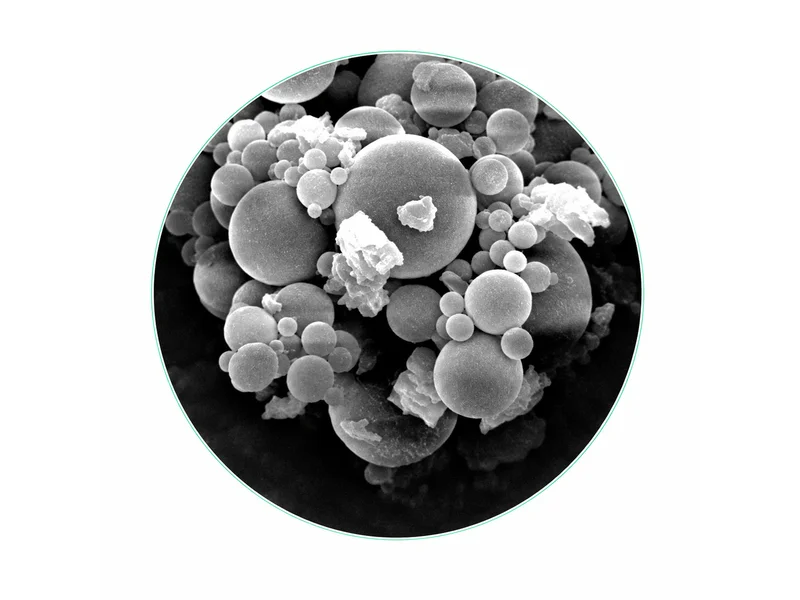
Use gas displacement to investigate sample volume, with pore access, conditioning and gas interaction included in the interpretation.
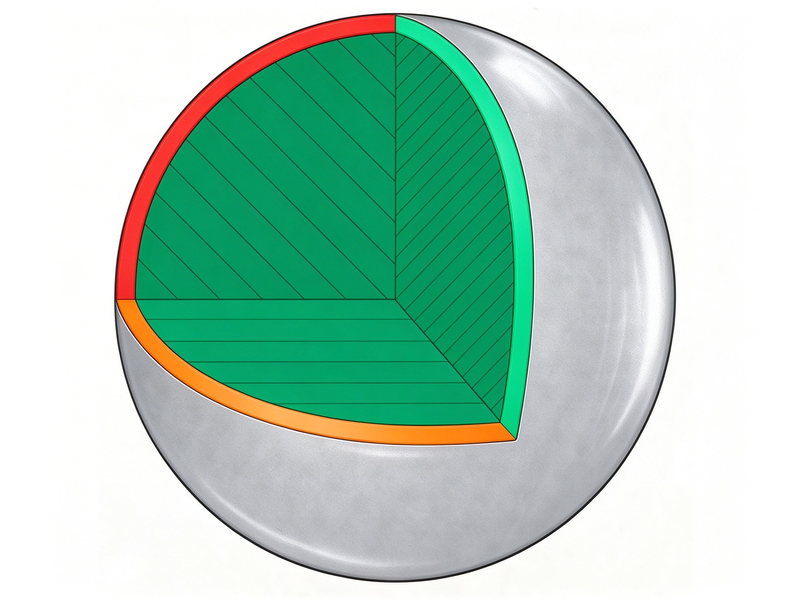
Investigate the applied coating layer using a suitable measurement method; distinguish layer thickness from overall tablet dimensions.
Detect a specified metallic challenge under the selected product and aperture conditions, with tracked rejection and routine verification.
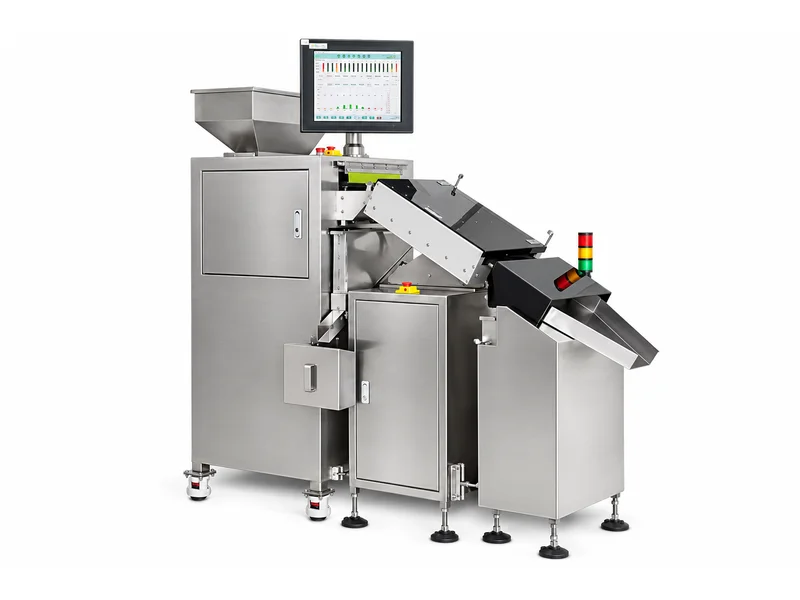
Measure individual capsule or tablet mass and link each result to its accepted or rejected destination. Gross weight is not a drug-content assay.
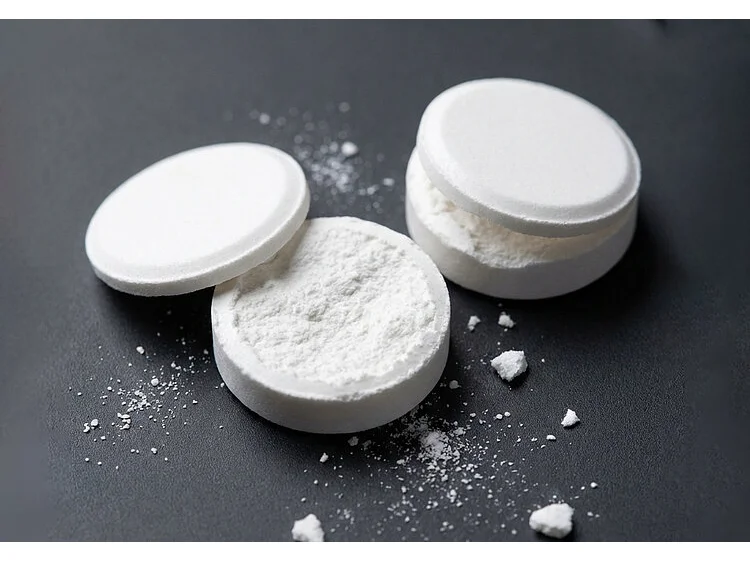
Record force at fracture with a defined tablet orientation and loading procedure. Interpret the result with geometry and sample condition.
Assess mass loss and physical damage after a defined tumbling cycle, using the same sample-handling basis for both weighings.
Inspect the filled vial and its closure appearance using defined views and representative defects; evaluate closure integrity by a suitable separate method.
Assess the barrel, flange, stopper and visible needle-shield features of the assembled syringe, with tracked rejection.
Inspect the narrow barrel, cap end and movable plunger with container-specific views. Integrity testing remains a separate measurement.
Inspect visible attributes of moulded BFS containers and connect the result to the production tracking and reject route. Select and verify any integrity-test channel separately.
Assess defined surface and shape defects using the selected tablet presentation; physical strength and release tests provide different evidence.
Assess defined capsule appearance defects with the selected product presentation and sorting arrangement. Separate visual acceptance from mass or content testing.
Assess visible shell, seam and shape attributes with suitable softgel presentation and defect challenges.
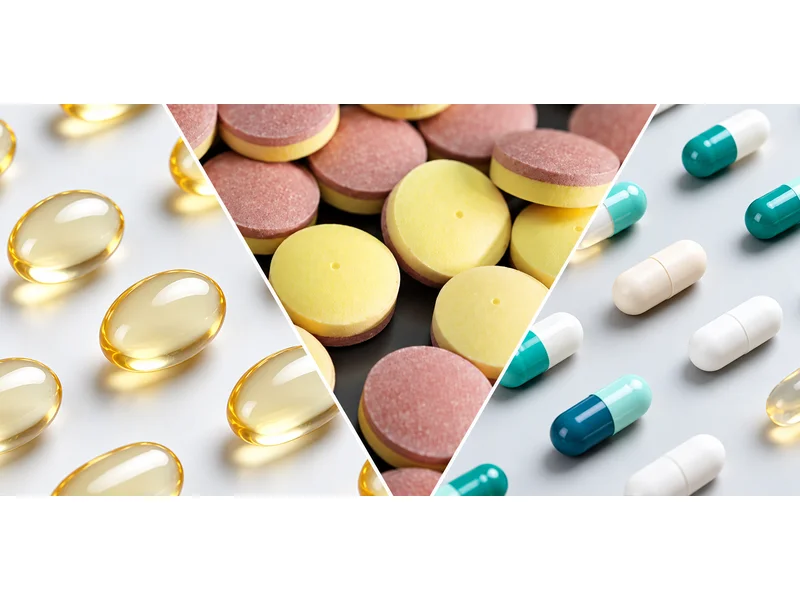
Observe physical dosage-unit breakdown in a defined medium and apparatus; this is separate from quantifying drug release.
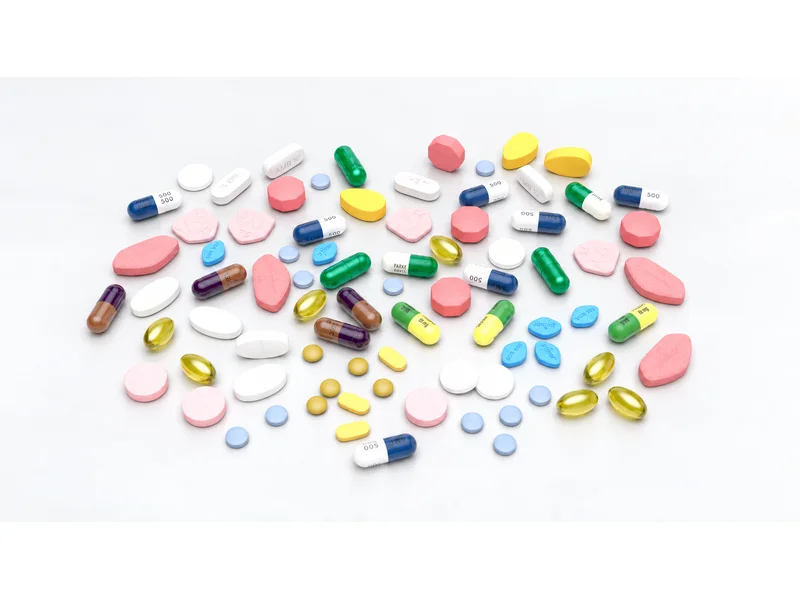
Measure drug release into a defined medium over time, linking apparatus conditions, sample handling and analytical results.
Laboratory records must identify the sample and its source batch. Production inspection must preserve unit tracking and physical separation. An atypical result needs an investigation path appropriate to the method, rather than an assumed automatic release or rejection decision.
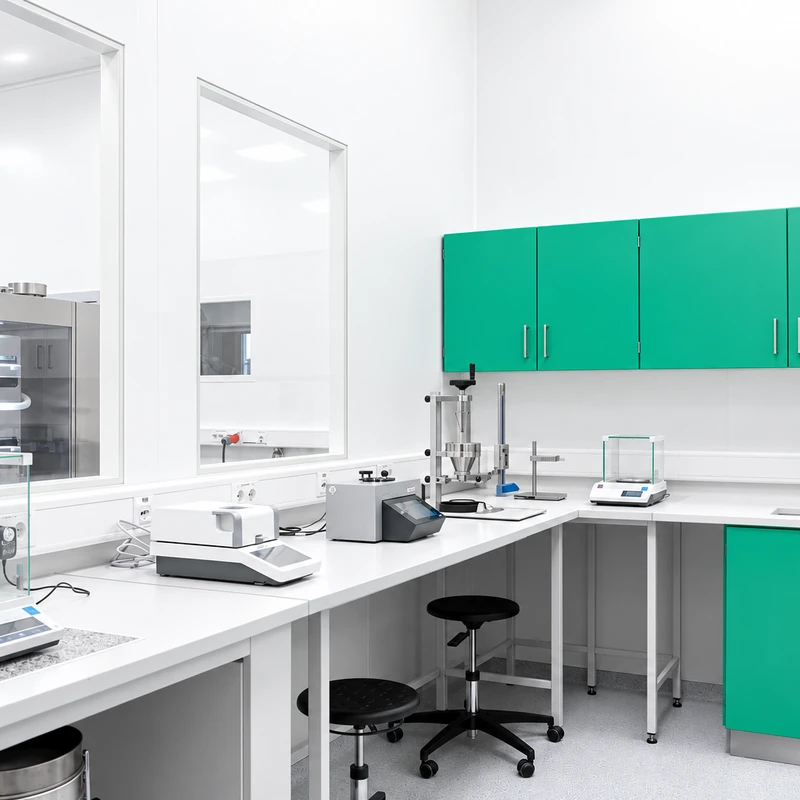

Start with the handling problem: hopper discharge, feeder consistency or consolidation during storage. Select a test that represents that condition, record sample preparation and compare materials using the same method and conditioning.
Name the quality attribute before selecting the instrument. Breaking force, friability, disintegration and dissolution answer different questions. Specify the sample, preparation, method and acceptance criteria, then check that the instrument measures the required attribute.
Use representative products and containers with documented acceptable and defective examples. Establish the views and lighting, challenge detection at the intended presentation conditions and follow rejected units to their collection point.
Keep sample or unit identity, test conditions and method records together. Investigate differences in sampling, presentation and measurement before comparing results; use each result only for the quality attribute its method evaluates.
Select the method using the product, expected variation, defect type and reference samples.
Learn moreDefine how a failed or atypical result is recorded and how material is physically segregated.
Learn moreIdentify the contact parts and format tooling for QC & Visual Inspection. Agree access for cleaning, the spares to hold and the operating records the site will need.
Learn moreShare sample format, reference material and measured attribute.
Request product information
2 resources
No. An image can reveal visible defects within its viewing capability; integrity testing addresses a different failure mechanism. Select each method against the relevant requirement.
Laboratory methods examine selected samples under defined conditions. Production inspection follows individual units through presentation, measurement and sorting. The quality attribute determines which evidence is needed; some inspection equipment can be accessed from both equipment and quality-control categories.
No. Discharge, settling and consolidation impose different conditions. Choose methods that relate to the actual transfer, feeder or hopper problem.
A single test provides evidence for the attributes it measures. Batch disposition follows the complete approved specification and quality process.