Skip to content

Process expertise. Chinese manufacturing. Global perspective.

PREASYS

Equipment & technology

Bundler / Stretchbander

Group finished packs into a stable collation for downstream handling. A bundler or stretchbander brings packs into the specified pattern and applies a film band or wrap; choose the arrangement around pack stiffness, bundle orientation and the way the next machine picks up the group.

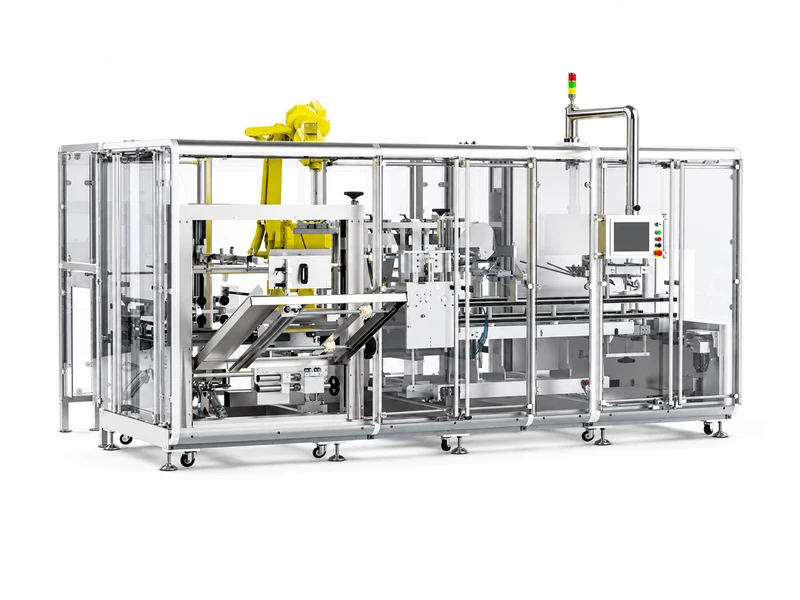
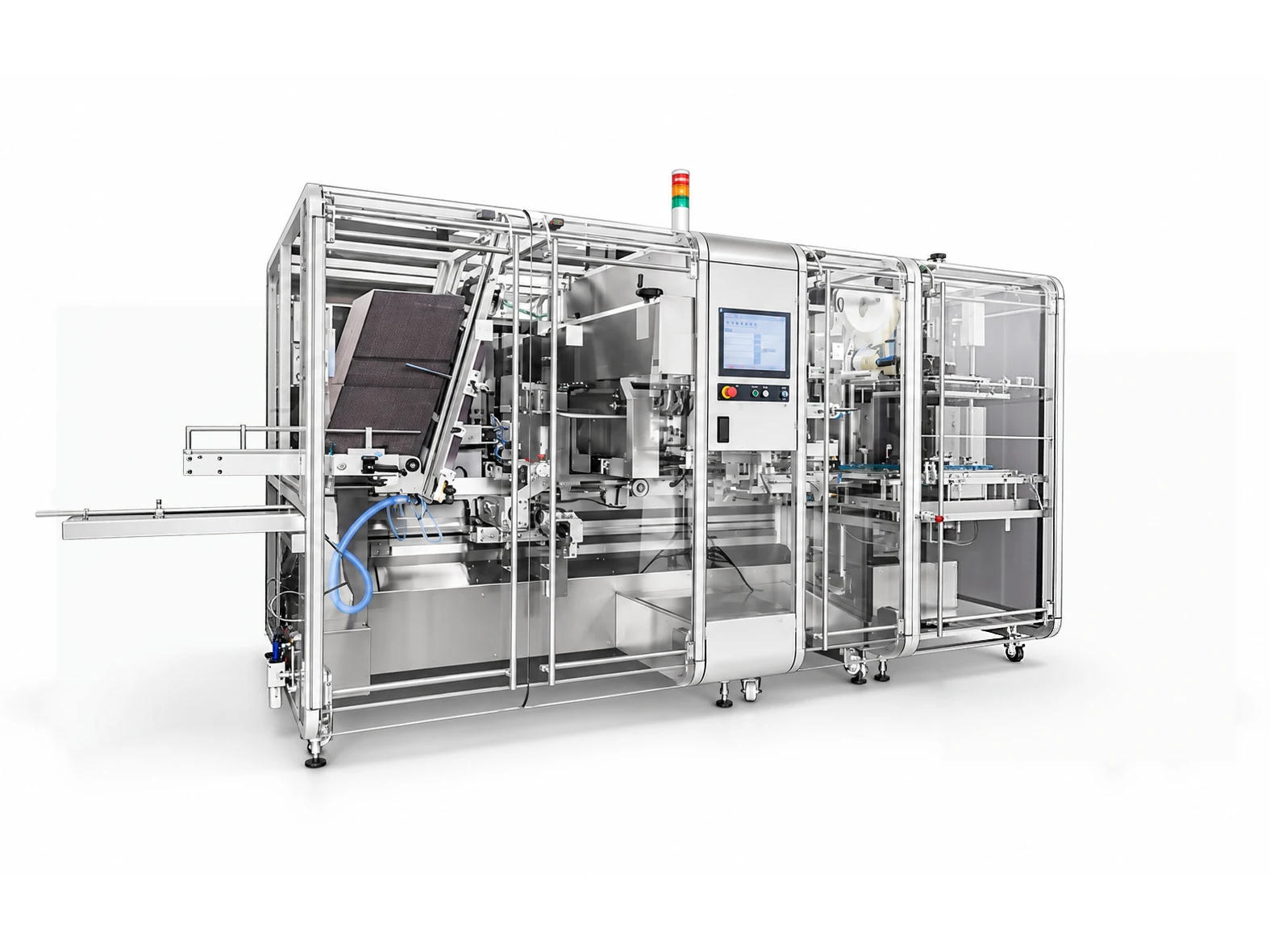
Guarded end-of-line packaging machine with a transfer conveyor

Bundler / Stretchbander

Film bundling around the finished pack

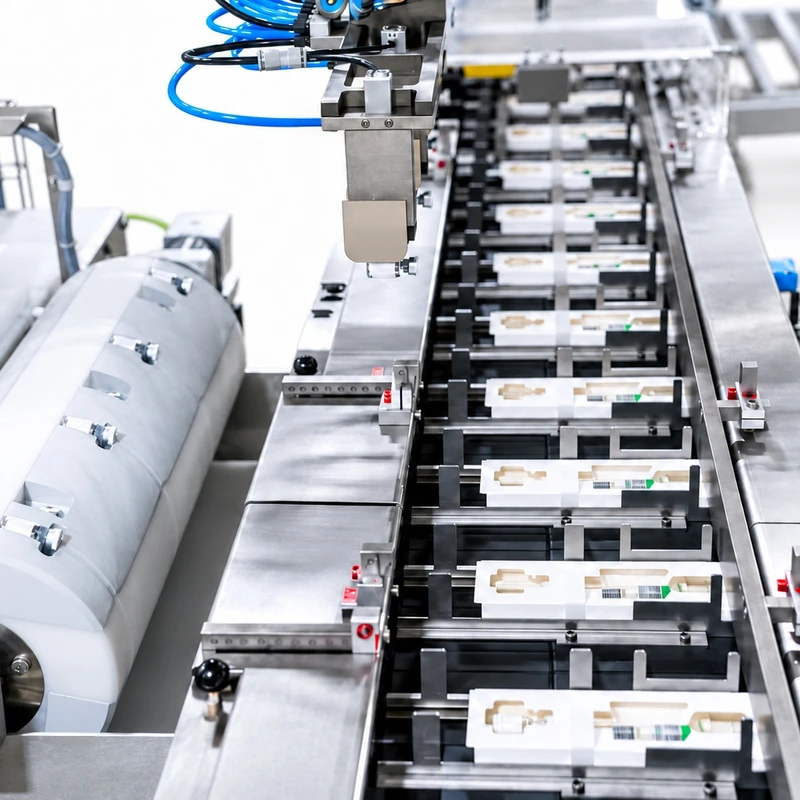
The infeed collates finished packs into rows or layers before film is applied around the group. Guide spacing and pack stiffness determine whether the collation stays square during banding and discharge.

A film band retains the grouped packs by its width, tension and joint. Shrinking or overwrapping is a separate process choice where required by the package. The bundle still relies on each primary pack for its own closure and barrier.

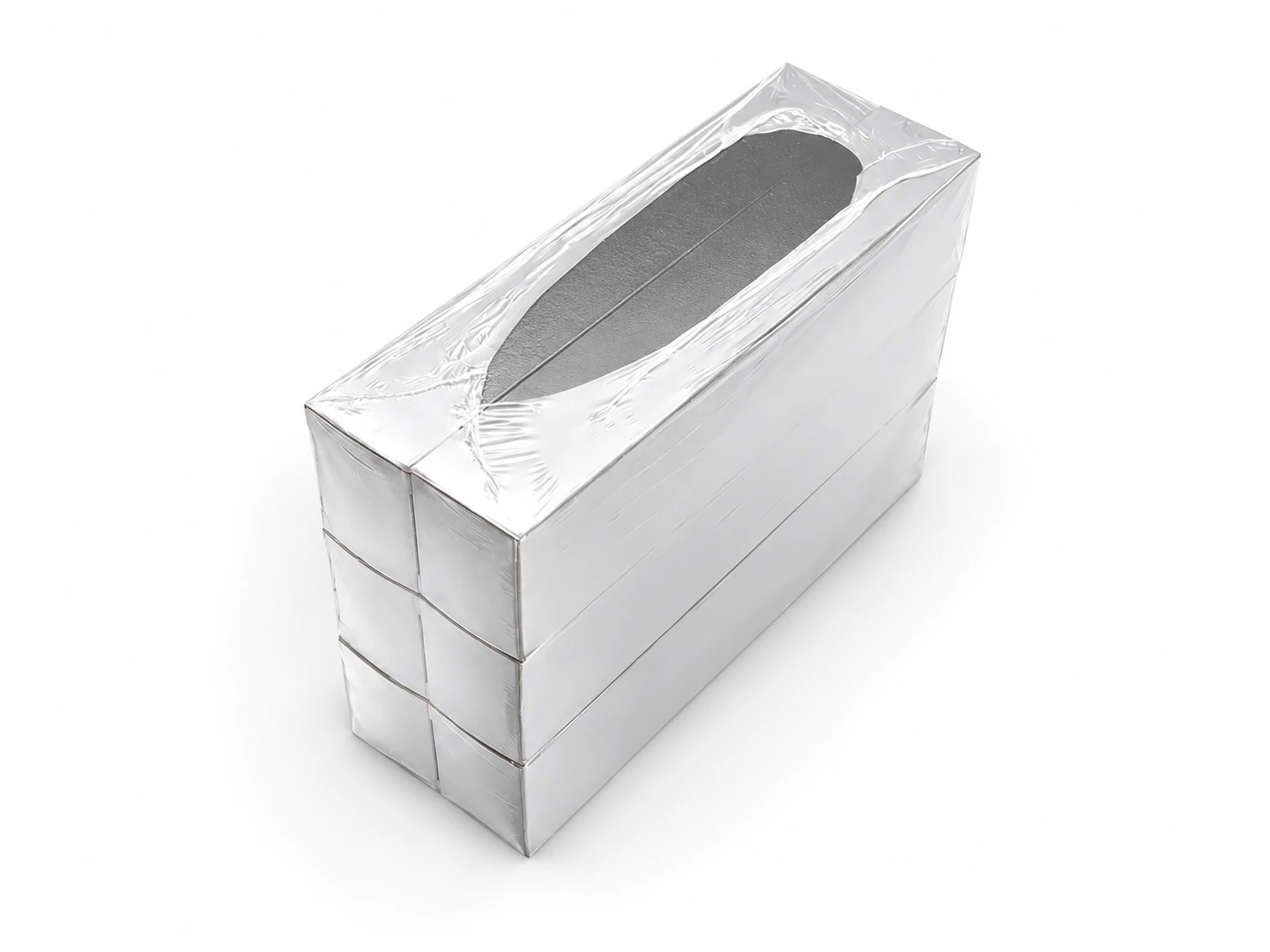
Cartons grouped together inside a transparent overwrap

Process at a glance

Bundle geometry and film retention are assessed together with the filled pack; the band does not replace its primary closure.

Group

Arrange finished packs into the selected bundle

Band

Apply and join film around the collation

Transfer

Maintain the group through the next handoff

Process challenges

A new bundle pattern changes guide positions, film width and the supported group envelope. Setup covers the complete pattern rather than only a count setting.

Read details

A new bundle pattern changes guide positions, film width and the supported group envelope. Setup covers the complete pattern rather than only a count setting.

Film trimmings and residue can collect around joining and cutting components. Access and clearance procedures form part of the proposed layout.

The group must stay stable between collation, wrapping and case loading. Pack stiffness and transfer direction influence the required retention.

Film use depends on width, overlap and bundle geometry. The selected film and joint must retain the group without deforming its packs.

A stopped downstream case packer can interrupt bundle discharge. The line needs a defined response for complete and partly formed groups.

Industry problem Bundling design considerations
Long changeovers List guides, film settings and format parts for each pattern. Measure changeover with line clearance and the first accepted bundle included.
GMP cleaning burden Check accessible surfaces and trapped-film locations in the proposed layout. Establish inspection and cleaning steps for sealing jaws, guides and cut-film collection.
Unstable collations Trial the completed bundle through its actual transfer, turn and case-loading operation. Assess pack movement, film joint position and bundle dimensions.
Film waste Select film width and application settings from the bundle geometry and retention trial. Record the usable film specification rather than assuming one material suits every pack.
Integration gaps Agree infeed accumulation, stop signals and the discharge handoff so a stopped case packer does not destabilize completed or partially formed bundles.

Technical data & features

The group pattern and pack stiffness govern the collation guides and holding method.

Cartons grouped together inside a transparent overwrap

Film width places the retaining force on the selected area of the pack. Joint position and tension affect bundle stability and the risk of distorting the outer cartons.

The film path and collation guides collect trim, dust and adhesive or sealing residues depending on the process. Access to these areas supports clearance between formats and inspection of wear points.

Format parts and settings follow the selected bundle pattern Film and feeding arrangement selected for the pack geometry

Format setup and safe access

Changeover establishes the new guide positions, film path and sealing conditions. A first bundle verifies pack orientation, retention and the handoff to case packing.

How it works

How are retail packs collected into a bundle?

Packs arrive in a defined orientation and are accumulated into the selected row or stack. The collation is held while film is applied and joined by the selected method. Observe a complete cycle with the actual packs: no unit should tilt or shift into the film or sealing path.

What should remain stable through downstream handling?

Move trial bundles through the real downstream pickup and case-loading motion. Check the group at both discharge and final placement, including when the line stops with a bundle in transfer. Confirm the required rigidity without crushing the pack or obscuring a code needed by the next station.

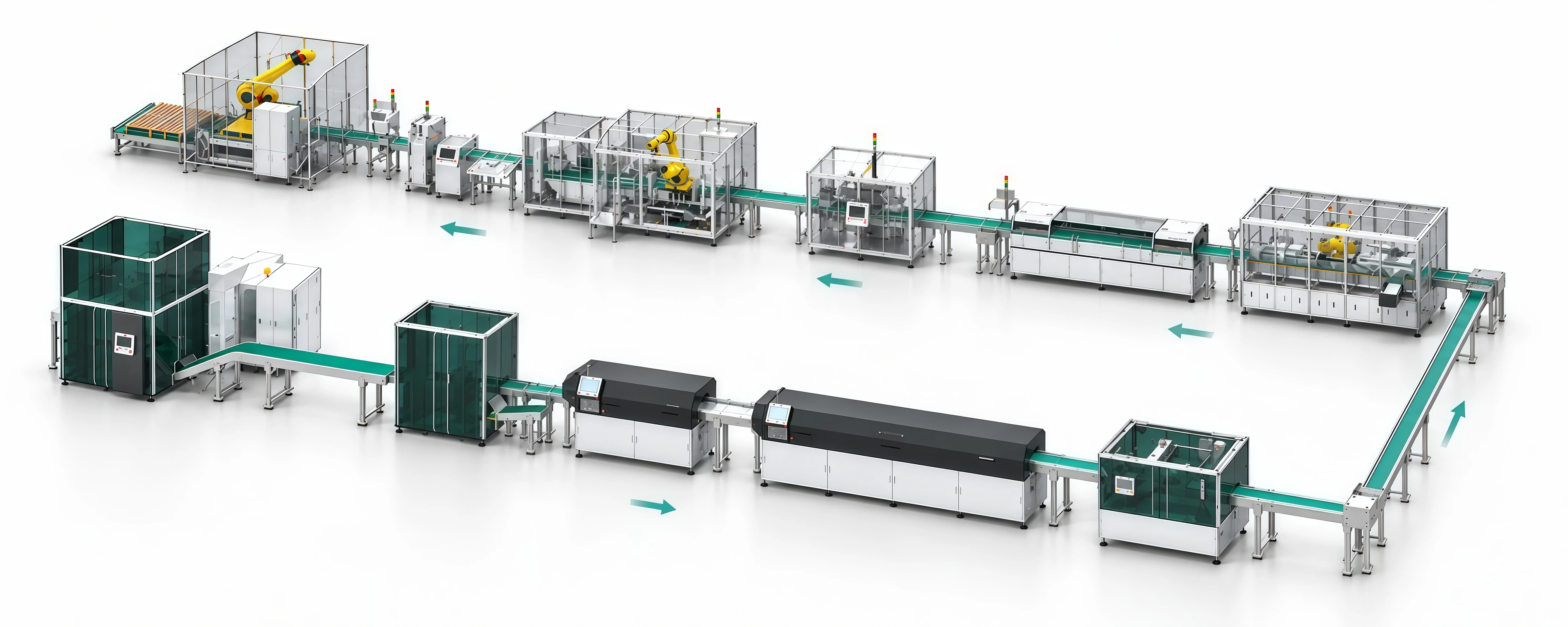
Unit-dose inhalation line. This is the BFS route for unit-dose liquid inhalation products. Soft-mist devices use a different filling and assembly route. The line provides process context; the individual product is not identified as a separate station in this view.

Production line · Equipment context

BFS product route: bundling context

Explore the process areas on the production line associated with this equipment.

Skip tour
Production layout 6 equipment areas · Scroll to explore

This illustration provides a BFS product-route context. It does not identify this bundler as a separate pictured station. The actual bundle is formed from the selected closed packs or cartons after their primary process.

Related production lines: Liquid Inhalation Production Lines · Blow-Fill-Seal Pharmaceutical Production Lines · Pharmaceutical Aerosol Production Lines · Prefilled Syringe Filling & Packaging Lines · Pharmaceutical Cartridge Filling Lines · Oral Film Manufacturing Lines · Dry Powder Inhalation Manufacturing Lines

Line integration

From single packs to a handled bundle

At infeed, specify pack pitch, orientation and allowable accumulation from the cartoner or bottle line. At the collation station, define how the machine detects an incomplete or misaligned group before film is applied.

Downstream: bundled collations → case packer → palletizer

Bundle identification where aggregation is required

If codes are associated with a bundle, define when the parent code is applied and how child packs are reconciled. Reworking a bundle must not leave an obsolete association in the packaging records.

Support throughout your project and production

Define the equipment scope

The group pattern and pack stiffness govern the collation guides and holding method.

Learn more

Agree the acceptance test

Pass a sample group into the next case or tray to check orientation, stability and available clearance.

Learn more

Prepare for operation

Identify the contact parts and format tooling for Bundler / Stretchbander. Agree access for cleaning, the spares to hold and the operating records the site will need.

Learn more

Knowledge hub

2 resources

Frequently asked questions

How do we choose banding rather than a full overwrap?

Start with the required group retention, exposed surfaces and downstream handling. A band retains selected faces; an overwrap covers more of the group. Trial the chosen format and film, and confirm the selected machine supports that wrapping mode.

Can different bundle counts share the same format parts?

Compare row and layer patterns, overall dimensions and support points. Some settings may be adjustable, while other patterns need guides or tooling. Review each pattern before assigning common format parts.

Does a shrink step suit every pharmaceutical pack?

Assess the pack and product against the proposed temperature exposure and residence time. Confirm whether the selected process uses heat and whether that exposure is acceptable; a stretch-banded group and a heat-shrunk group have different process requirements.

What maintenance points affect the bundle quality?

Inspect film guidance, cutting and joining components, collation guides and transfer surfaces. Check joint formation and group stability after maintenance, and use safe isolation procedures for heated or moving components.

Contact

Provide filled-pack samples, the bundle pattern, film specification and case-packer transfer drawing. State the required bundles per minute separately from the individual pack rate.

Discuss your project →
Cartons grouped together inside a transparent overwrap