Read details

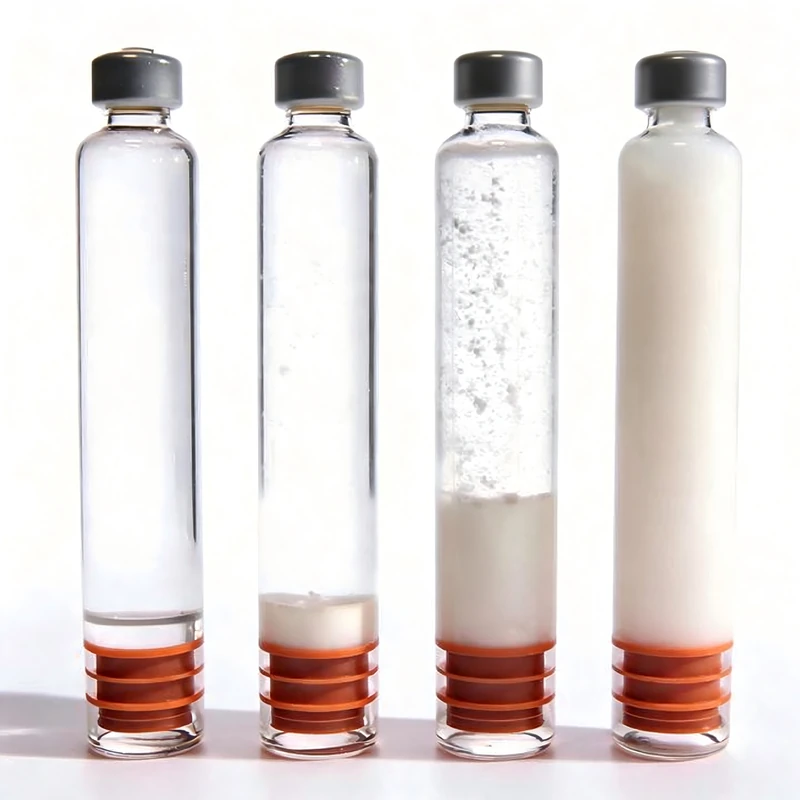
End-specific views: the cap assembly and movable plunger need different reference features and illumination. Holder geometry can hide part of either end.
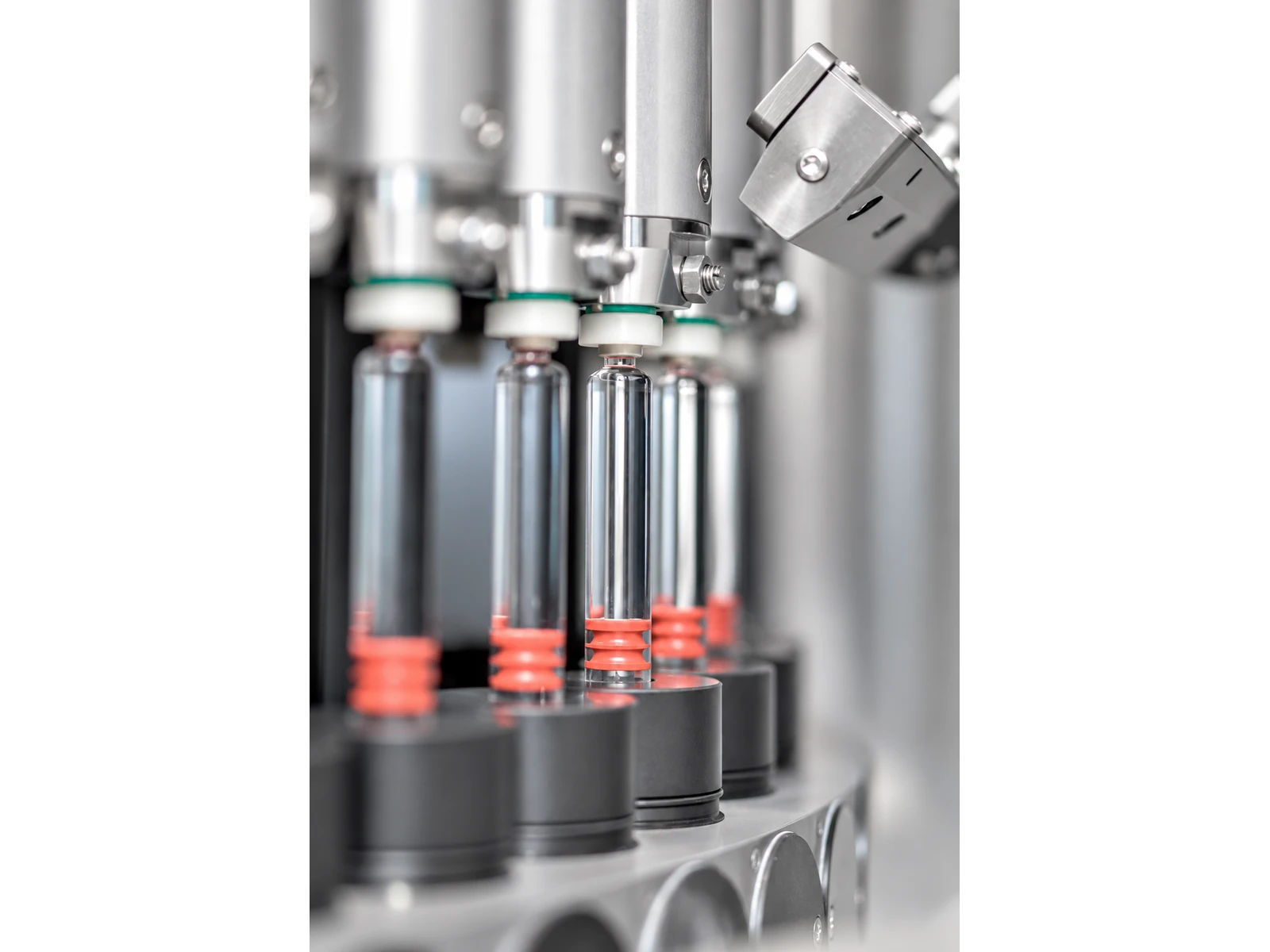
Plunger position: pressure, temperature and handling can change its position. Compare the measured location with an approved geometric reference without equating movement directly with a change in liquid mass.
Closure appearance: visible cap or crimp defects may be actionable, but appearance alone does not demonstrate a leak-tight seal. Cap construction and forming method are format-specific.
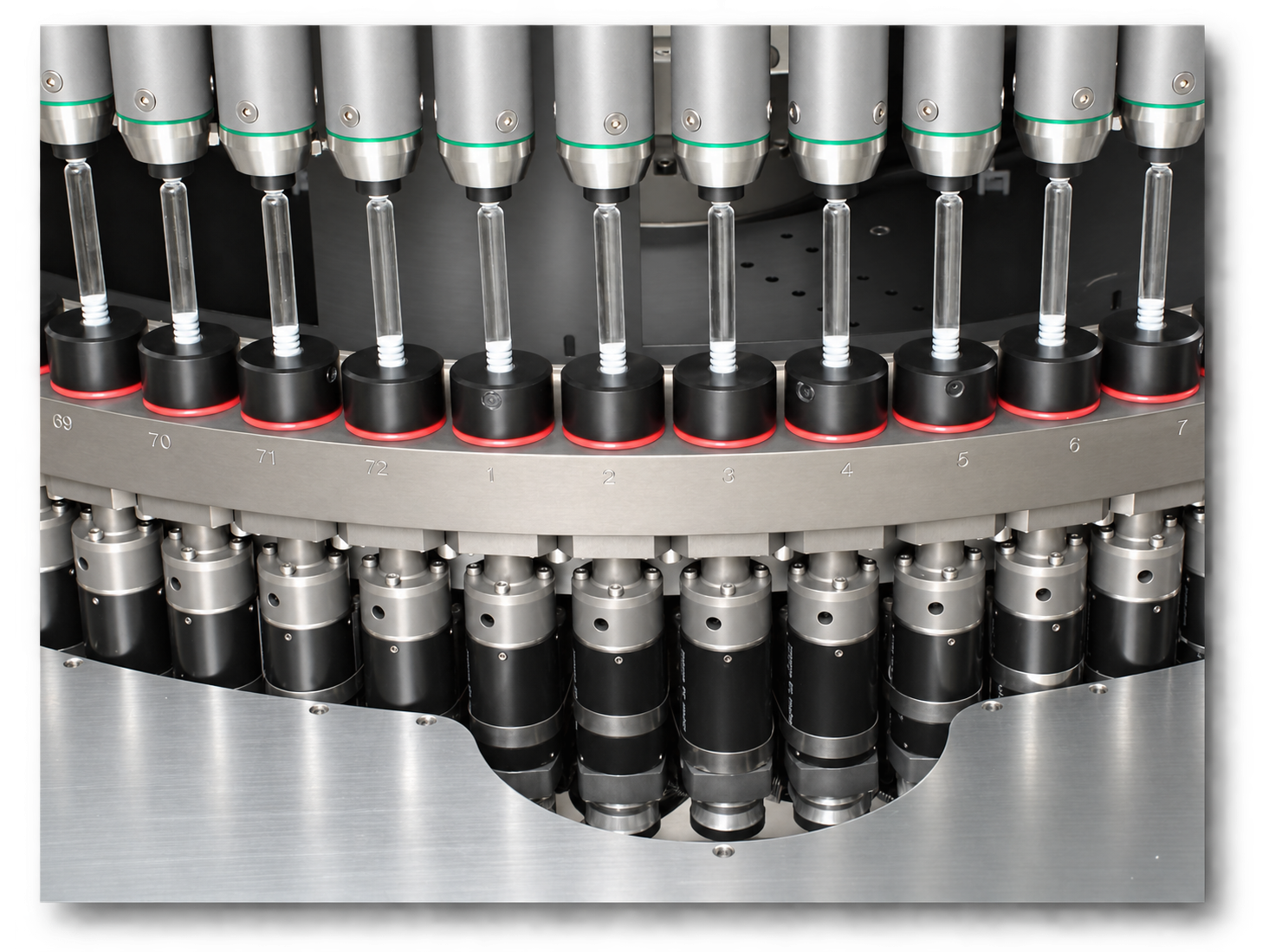
Particle motion: settling depends on the product and particle properties. The rotation and observation sequence must mobilize relevant particles without disturbing the container or plunger.
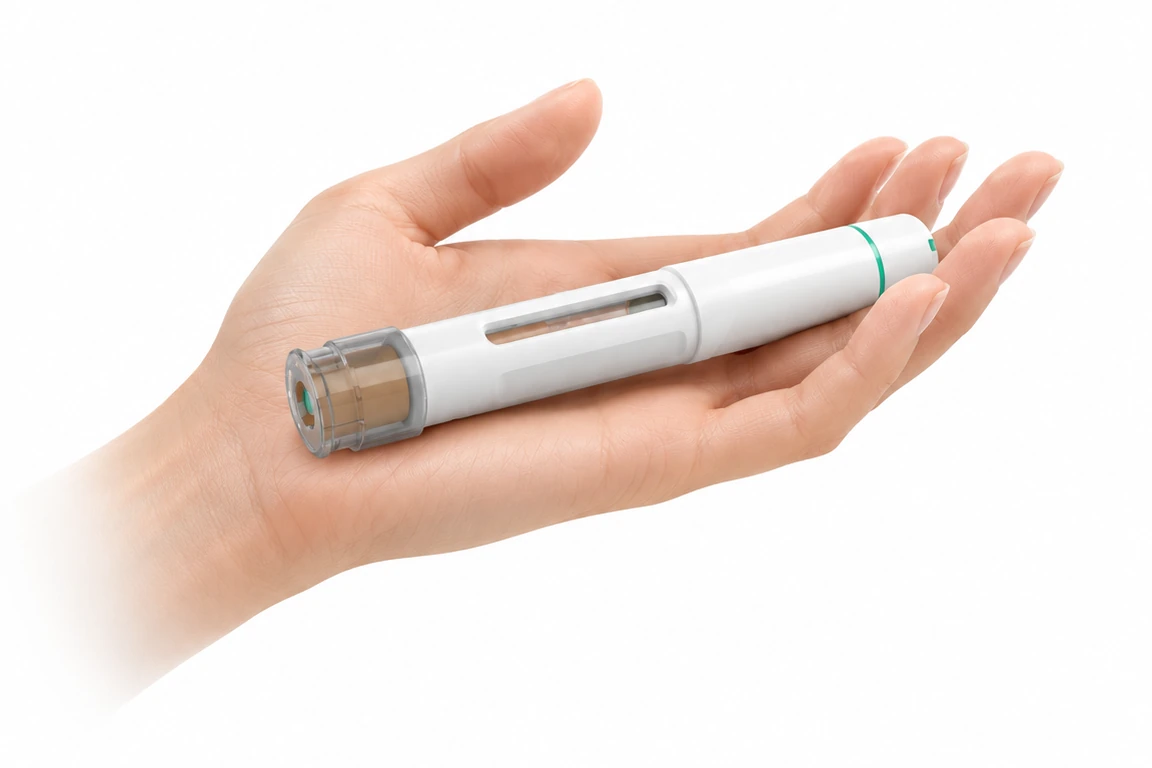
Downstream assembly: barrel and end geometry must remain compatible with the intended pen or other delivery device. Acceptance of an image is only one part of the product control strategy.
Nested or bulk handling: the incoming state determines denesting, orientation and transfer needs. An inspection transfer must not be described as preserving a sterile barrier without a defined, supported boundary.