Define the equipment scope
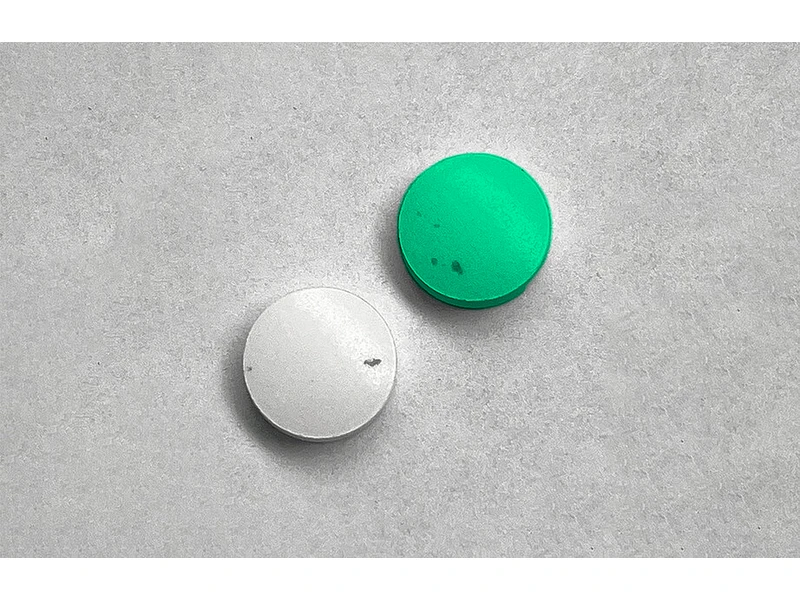
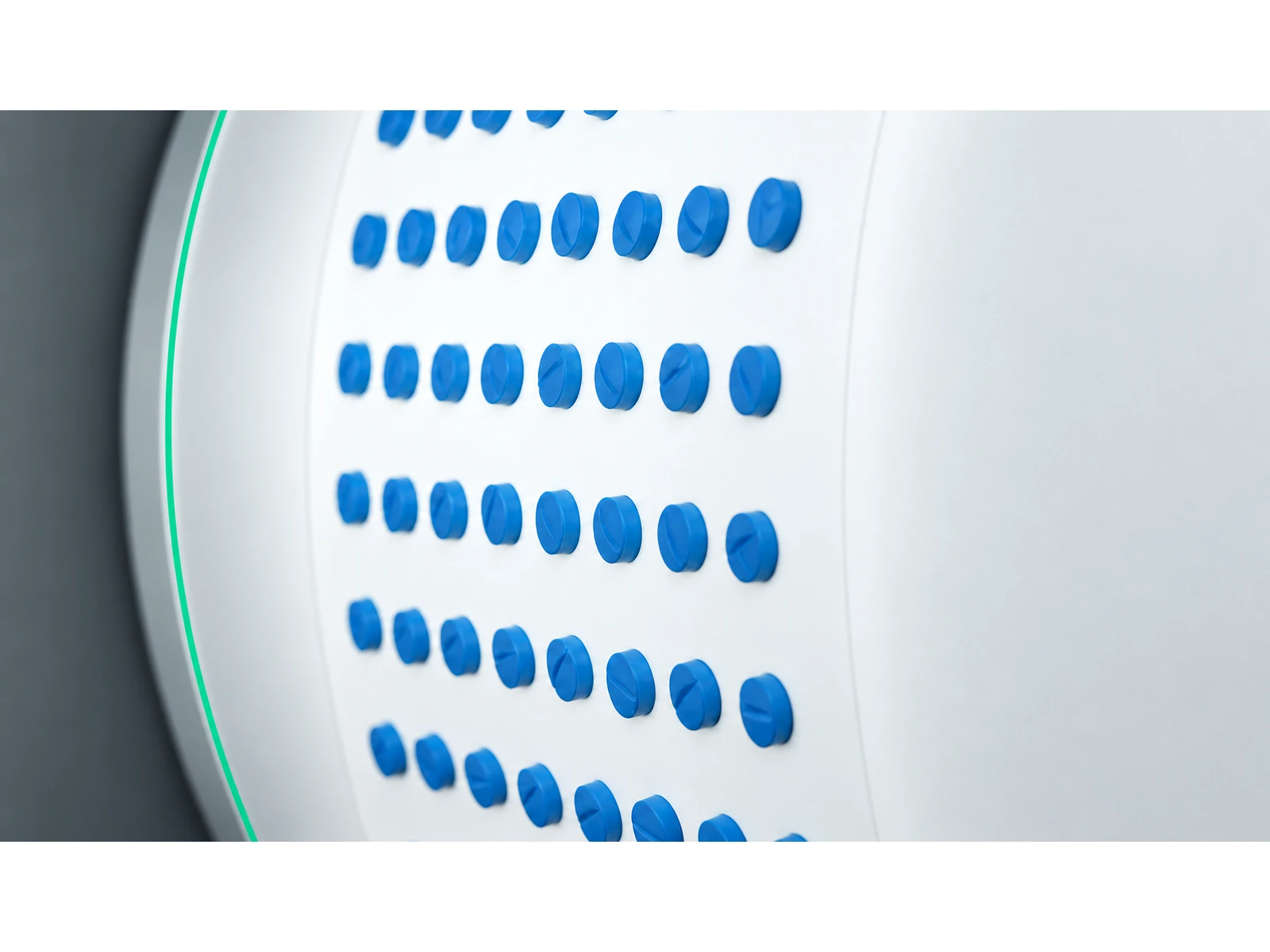
Shape, embossing, coating gloss and intentional score lines determine how a good tablet appears to the camera.
Learn moreProcess expertise. Chinese manufacturing. Global perspective.

Equipment & technology
Production tablet inspection presents dosage units to optical views and sorts them against a defined appearance standard. Tablet shape, embossing, score lines and coating finish influence what a good unit looks like and which defects are visible to the selected arrangement.
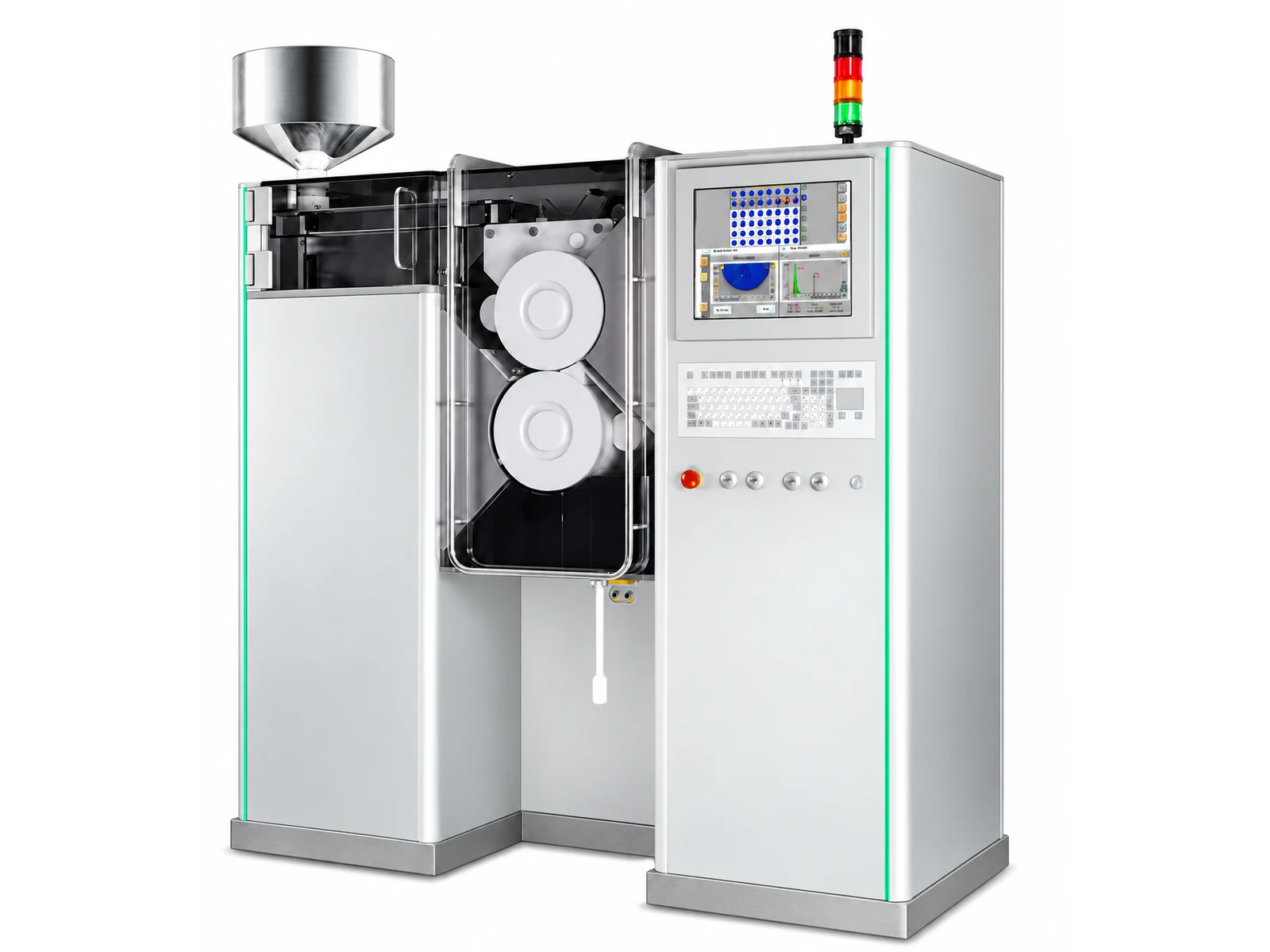
Lighting turns a physical surface into an image, so gloss, shadows and normal shade variation matter. An intended score line should not be confused with a crack, and an embossed character can obscure or resemble a defect. The product drawing and real good and defective samples establish the inspection task.
Tablet inspection sequence
Useful optical inspection requires repeatable views and reliable separation of the identified defect.
Present
Separate and orient tablets for the required views
Image
Distinguish the agreed defects from normal variation
Reject
Track the identified unit to its physical destination
—
Process options
Coverage comes from presentation as well as cameras. Viewing both faces does not automatically reveal the complete edge or a surface in contact with the transport. The required defect locations must be related to demonstrable views before an inspection claim is made.
Handling separates and presents tablets for the defined image checks. Recognition produces a decision, while tracking and the reject mechanism remove the corresponding unit. These are connected functions: a correct image decision still needs correct physical sorting.
An approved challenge set should include normal appearance variation and the defects to be detected. Reconciliation through the accept and reject outlets tests the complete process. Optical cleanliness, tooling condition and controlled recipe revisions support repeatability after changeover.
Use these inputs to define the proposed configuration. Confirm operating values against the selected model and trial conditions.
| Project input | What to record and why |
|---|---|
| Tablet shape and size | Give the dimensional range and the faces or edges that must be seen. Confirm presentation and coverage with physical samples. |
| Embossed features | Mark intended characters and grooves on the drawing so their shadows are not mistaken for chips or missing material. |
| Defect zones | Identify the surfaces where defects can appear and the acceptance rule for each. Specify which views are needed to inspect those locations. |
| Reject sample set | Provide traceable defective and acceptable examples. Count them into the trial and reconcile them at the correct outlet. |

Mark the required defect zones on representative tablets and run them through the proposed presentation. Establish which image sees each region, including the edge and any area affected by tooling contact.
Restore the approved tooling, lighting and recipe, then feed identified good and defective samples. Count and reconcile their destination, including a controlled stop/restart before accepting the setup.
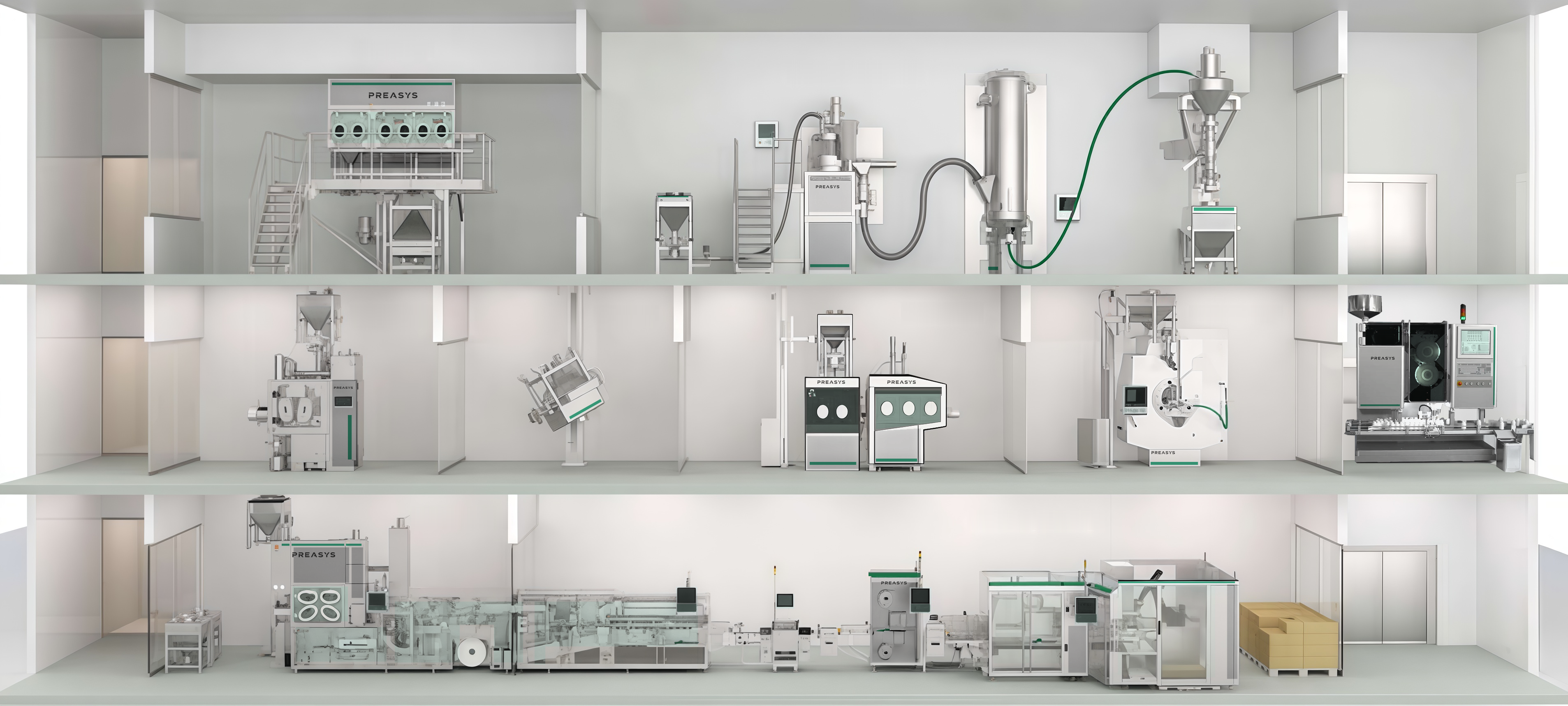
Oral solid dosage · Integrated production
Discover the equipment behind your solid dosage process.
Route selection. Wet and dry granulation are alternatives. Select tablet compression or capsule filling for the dosage form; include coating when required.
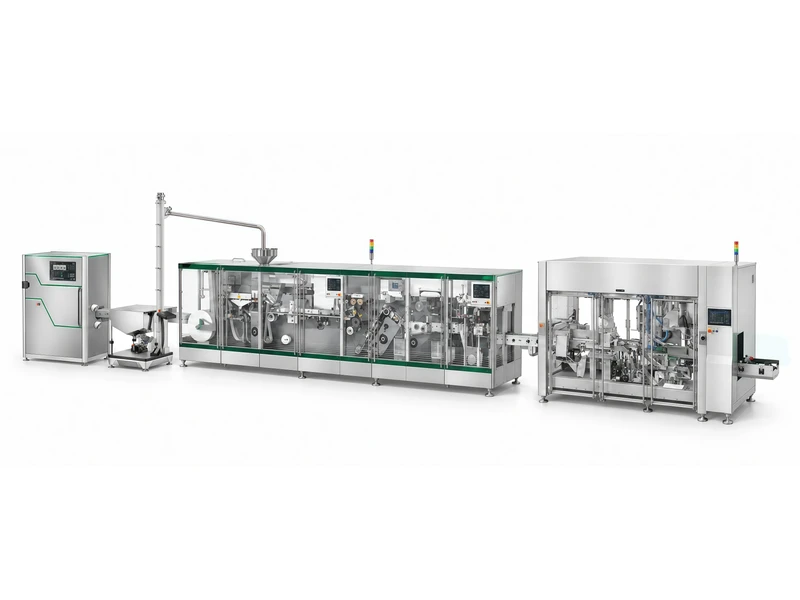
Illustrated equipment and packaging options show process relationships. The facility layout and equipment configuration are defined for each project.
Inspection receives tablets in the specified state after compression, coating or marking and releases accepted units toward packing. Defect criteria should match that incoming state; the downstream transfer must preserve the tablet and prevent rejected material returning to the accepted stream.
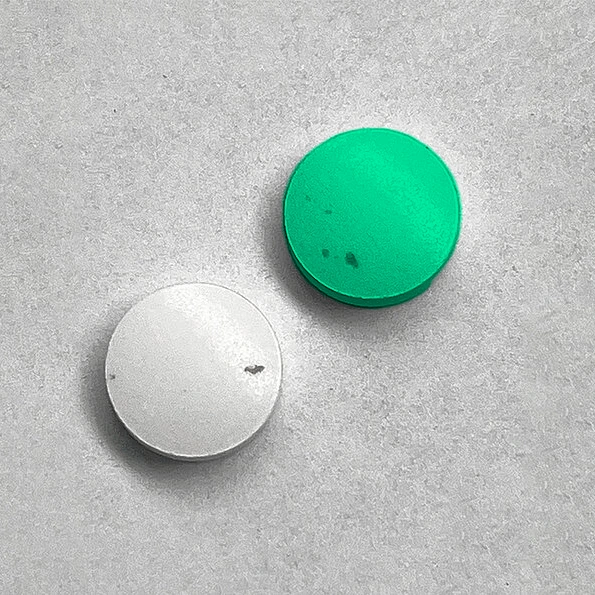
Shape, embossing, coating gloss and intentional score lines determine how a good tablet appears to the camera.
Learn moreReview chipped edges, coating flaws and acceptable shade variation against an agreed sample set.
Learn moreIdentify the contact parts and format tooling for Tablet Inspection. Agree access for cleaning, the spares to hold and the operating records the site will need.
Learn moreShare tablet shape and size, embossed features and defect zones.
Request product information
2 resources
No. It evaluates the specified visible features. Chemical and performance attributes require their own analytical or laboratory methods.
No. Production appearance inspection evaluates the defined visible attributes and follows units through sorting. Laboratory tests provide different evidence about properties such as mass, mechanical response, composition or release, according to the selected method.
The visible coverage, defect definition, product variation and demonstrated results on the configured machine. No universal defect-detection rate is inferred from the equipment name.
For a configuration review, include tablet shape and size, embossed features, defect zones, reject sample set.
Discuss your project