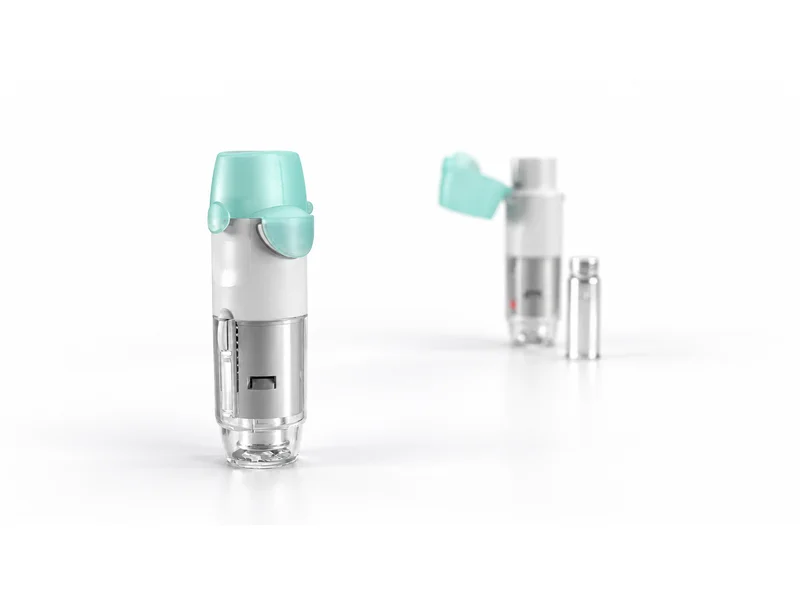
01
Fill the liquid reservoir
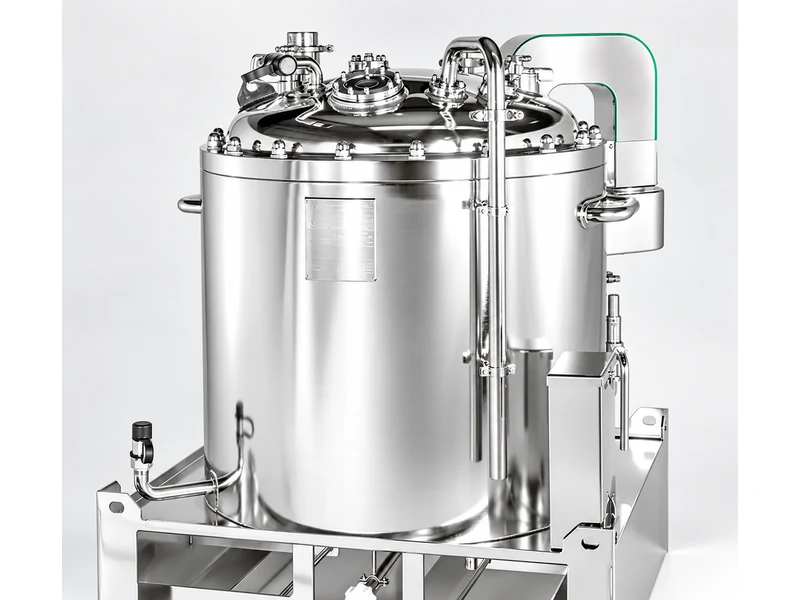
Confirm reservoir material, closure and fluid-path compatibility. Define whether the project supplies the filled reservoir or receives it from another line.
Process expertise. Chinese manufacturing. Global perspective.

Production line
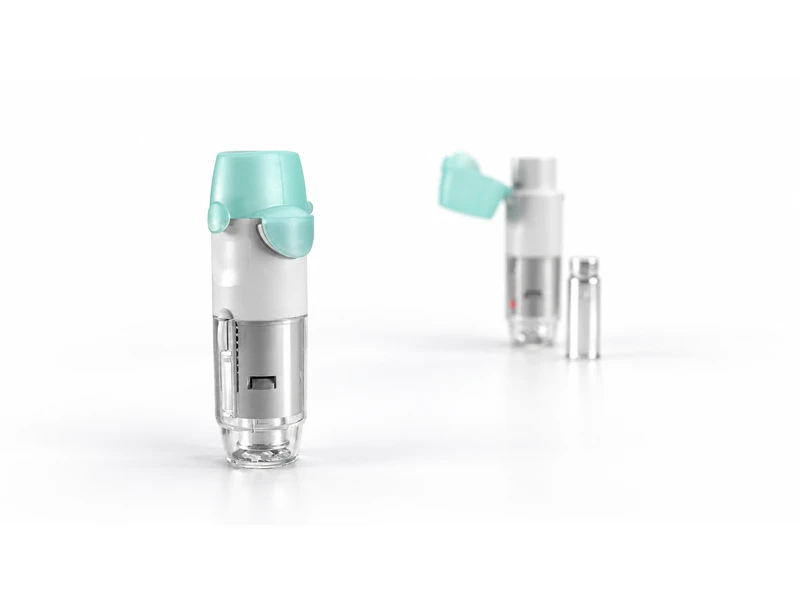
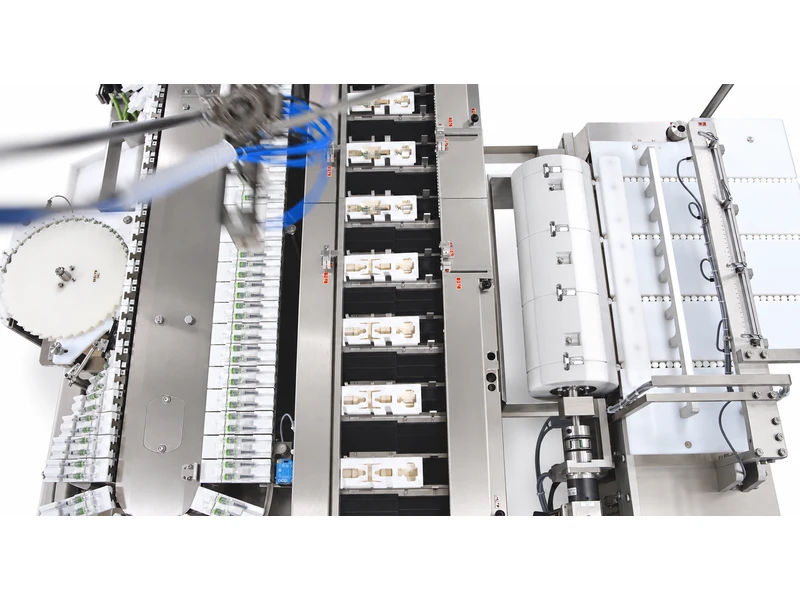
A soft mist inhaler line connects liquid-reservoir filling and closing with assembly of the specified spray mechanism. Reservoir position, closure and the device’s fluid-path connection determine the handoff. Finished-device testing and identification then link accepted inhalers to their protective packs.
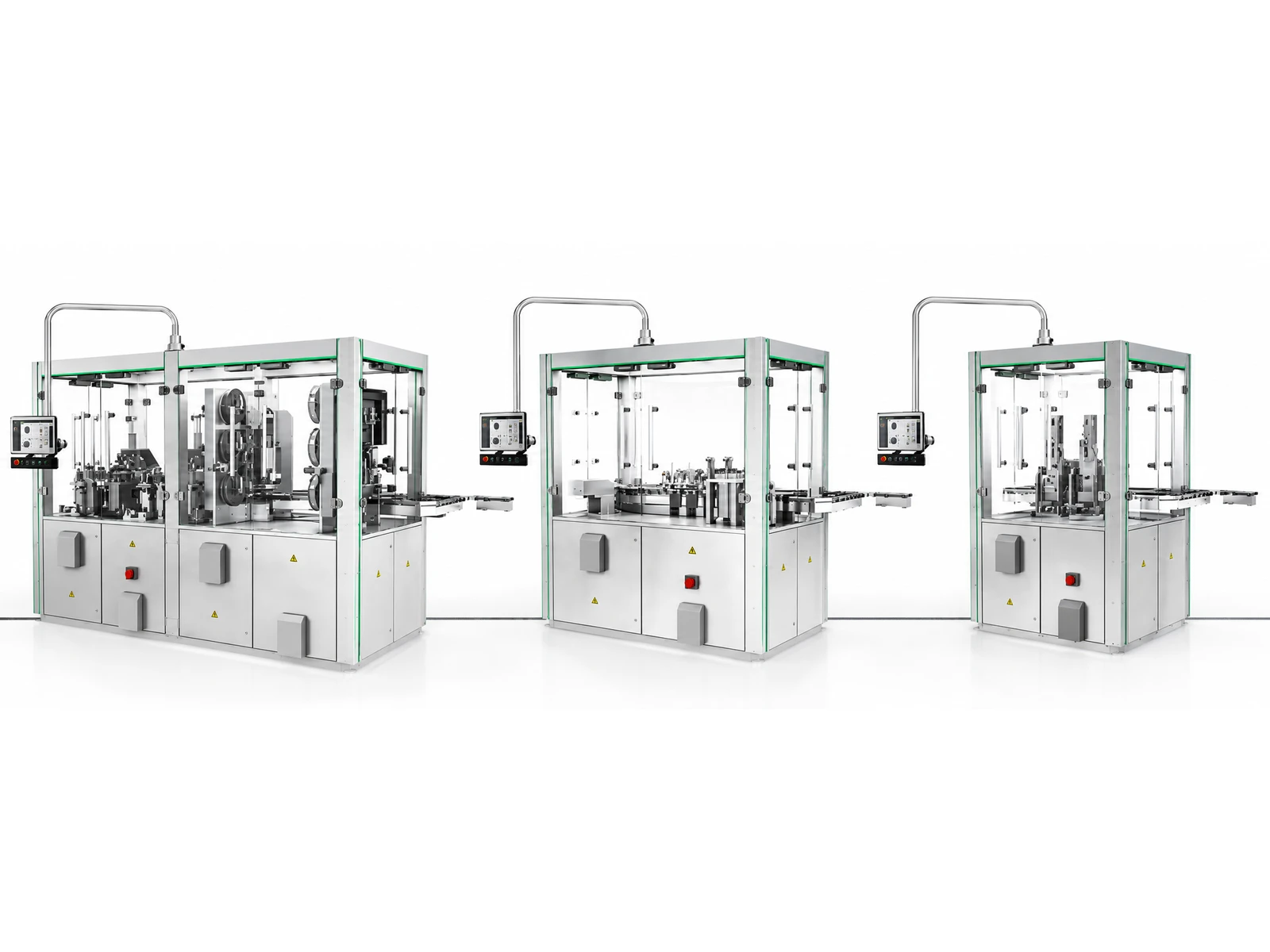
The liquid reservoir supplies the device mechanism, so its fill and closure are established before the final assembly is accepted. Orientation and seating govern how the mechanism receives that reservoir and opens or connects the fluid path. The project can include reservoir filling or receive filled containers from another line; these are different incoming scope boundaries.
Example project input
Planning quantity for this reservoir format. Add fill-path priming and function-test samples separately. Metered spray volume must be established on the assembled device.
75
Filled reservoirs in the assembly trial
3 mL
Illustrative liquid volume per reservoir
225 mL
Liquid contained in the trial reservoirs
—
Process options
Define whether the filled container is supplied to assembly or filled within the project scope.
Confirm reservoir material, closure and fluid-path compatibility. Define whether the project supplies the filled reservoir or receives it from another line.
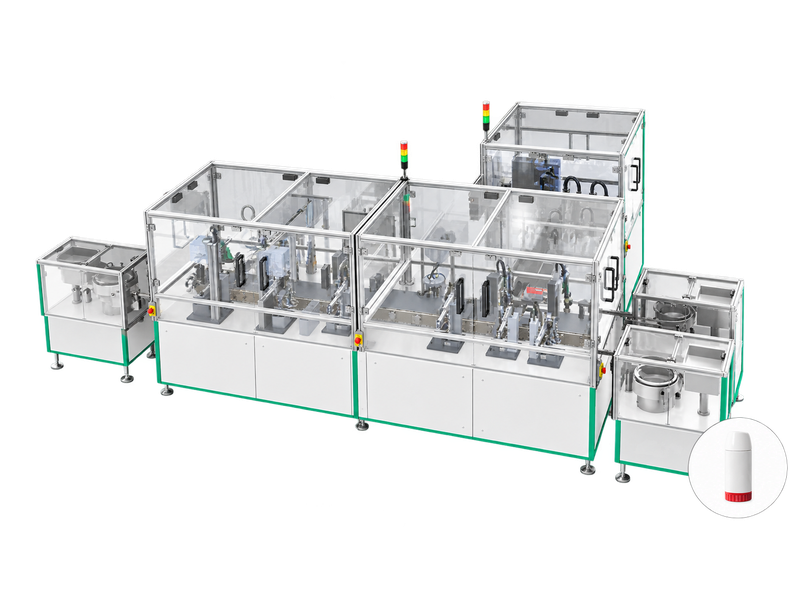
Orient the filled reservoir in its fixture and record the seating or joining check before final enclosure.
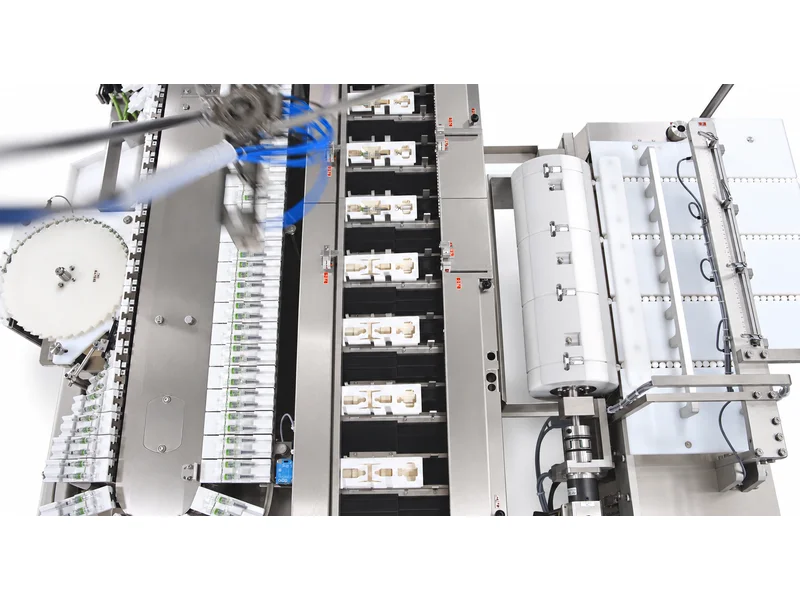
Define the priming and spray checks for the finished device. Identify the unit, protective cap and pack that the cartoner receives.
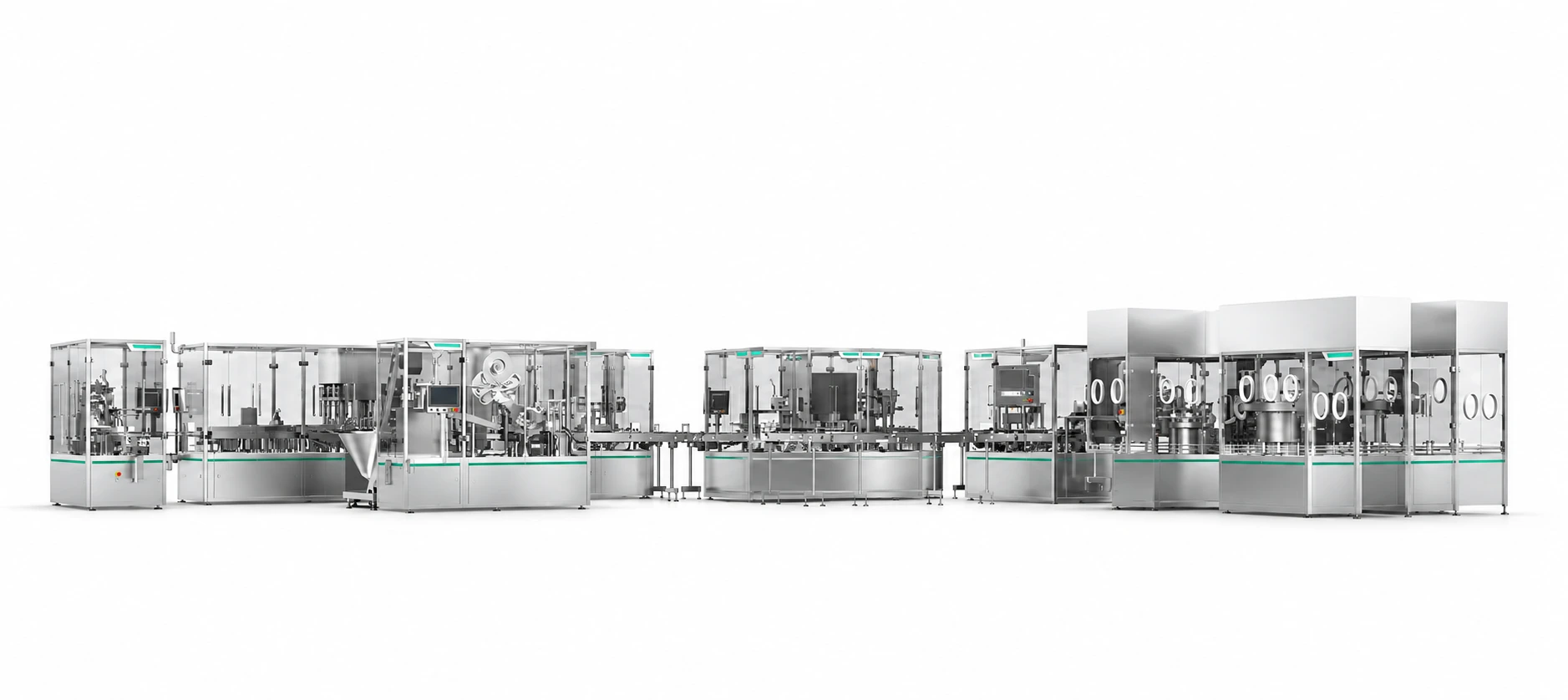
Integrated production · Process route
Explore the numbered process areas on this line.
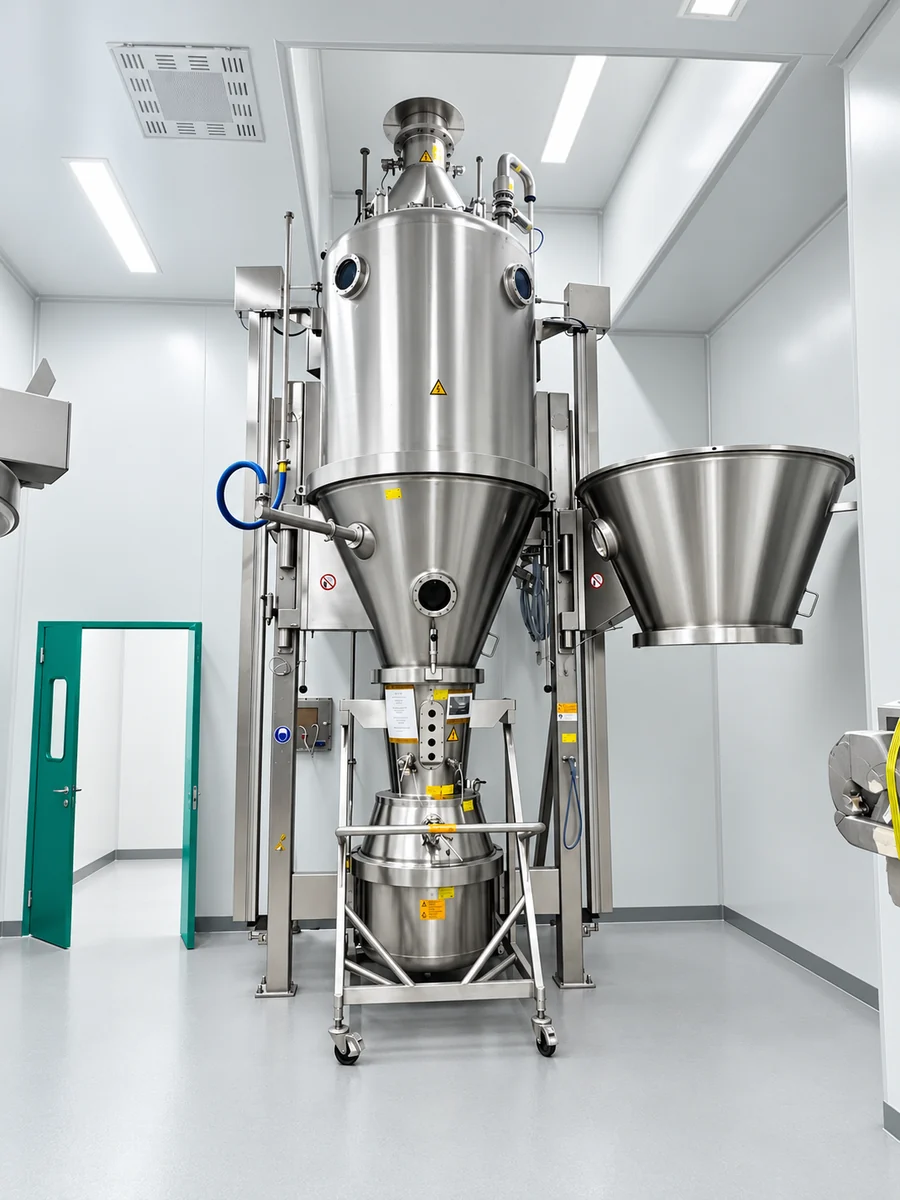
Explore container handling, identification, device assembly and the protected processing area.
Select a numbered area to see the operation and related equipment.
Filling technology
A flexible tube carries the liquid while rotating rollers control dosing. The product contacts the tube rather than the pump mechanism. This principle is used when a disposable product path and gentle handling are priorities. Tubing selection, product compatibility and the changeover procedure should be reviewed for each application.
Explore technology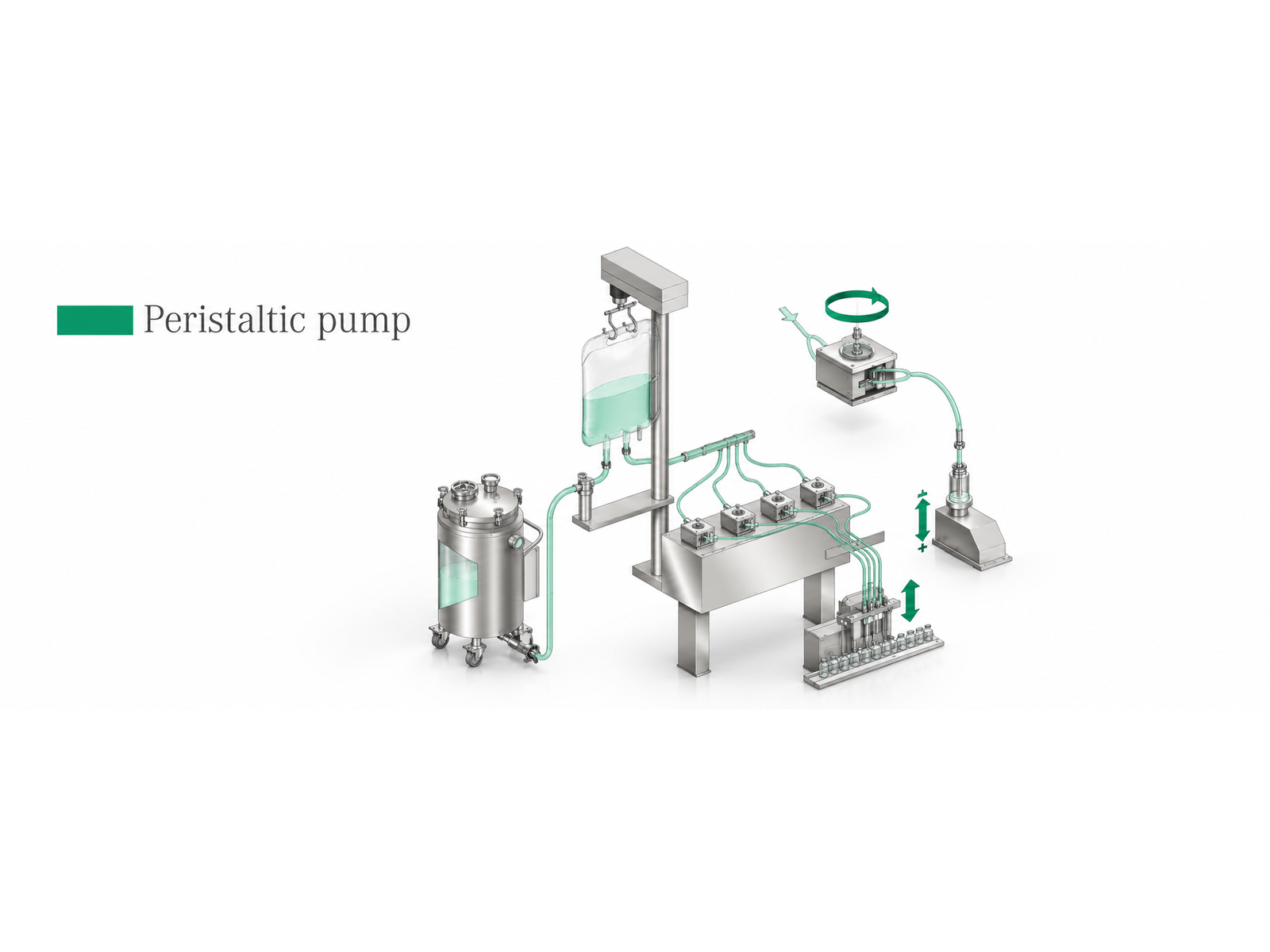
Filling technology
A piston draws liquid into a cylinder and then dispenses a measured volume through the outlet. The selected piston, valve and product-contact materials determine the application range. Review viscosity, cleaning requirements and the required filling volume together with the product and container format.
Explore technology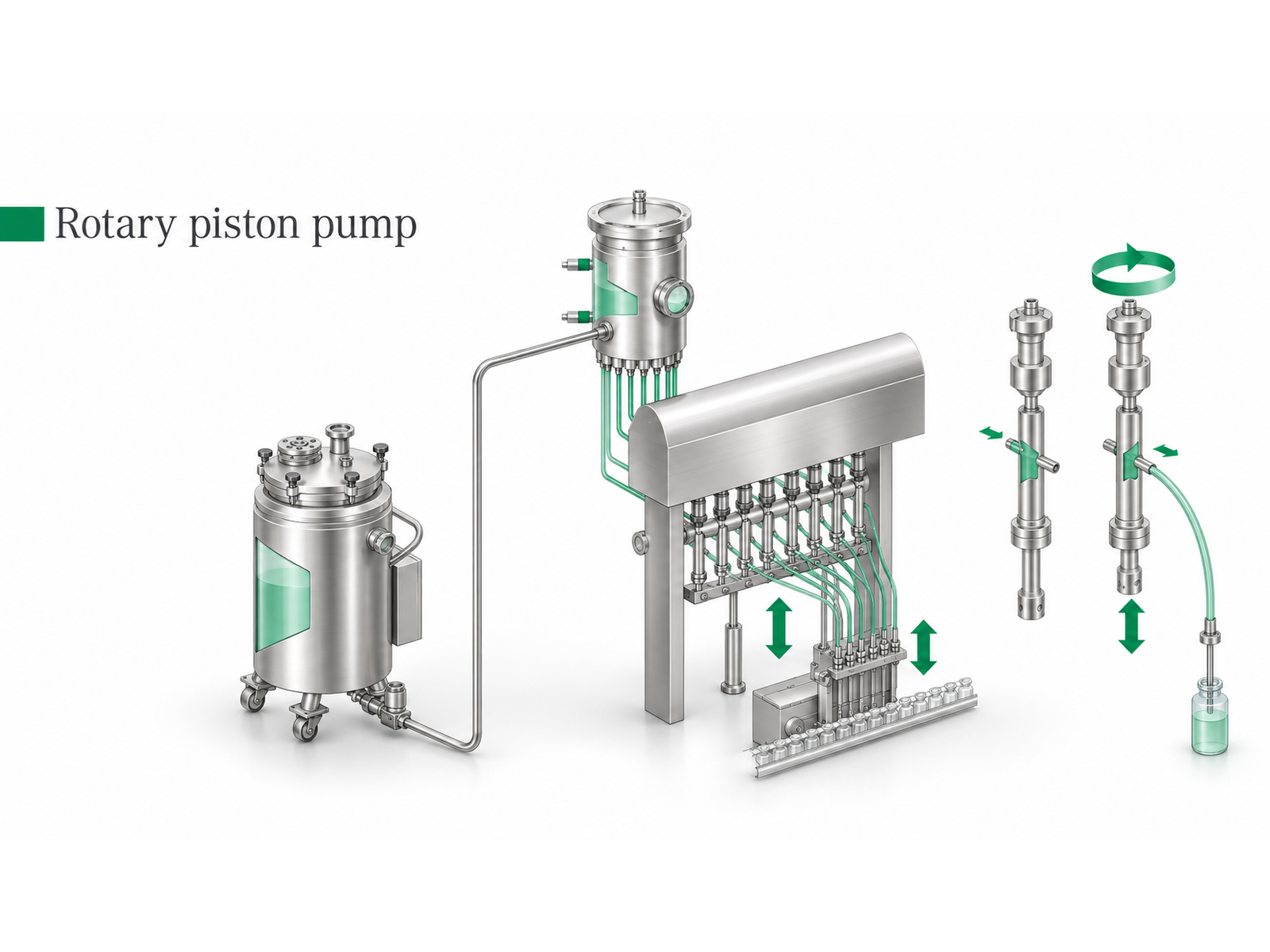
Filling technology
Controlled pressure moves liquid through a filling valve. The opening time and supply conditions determine the dispensed quantity. Product properties, pressure stability and the valve configuration are evaluated together when setting up the filling process.
Explore technology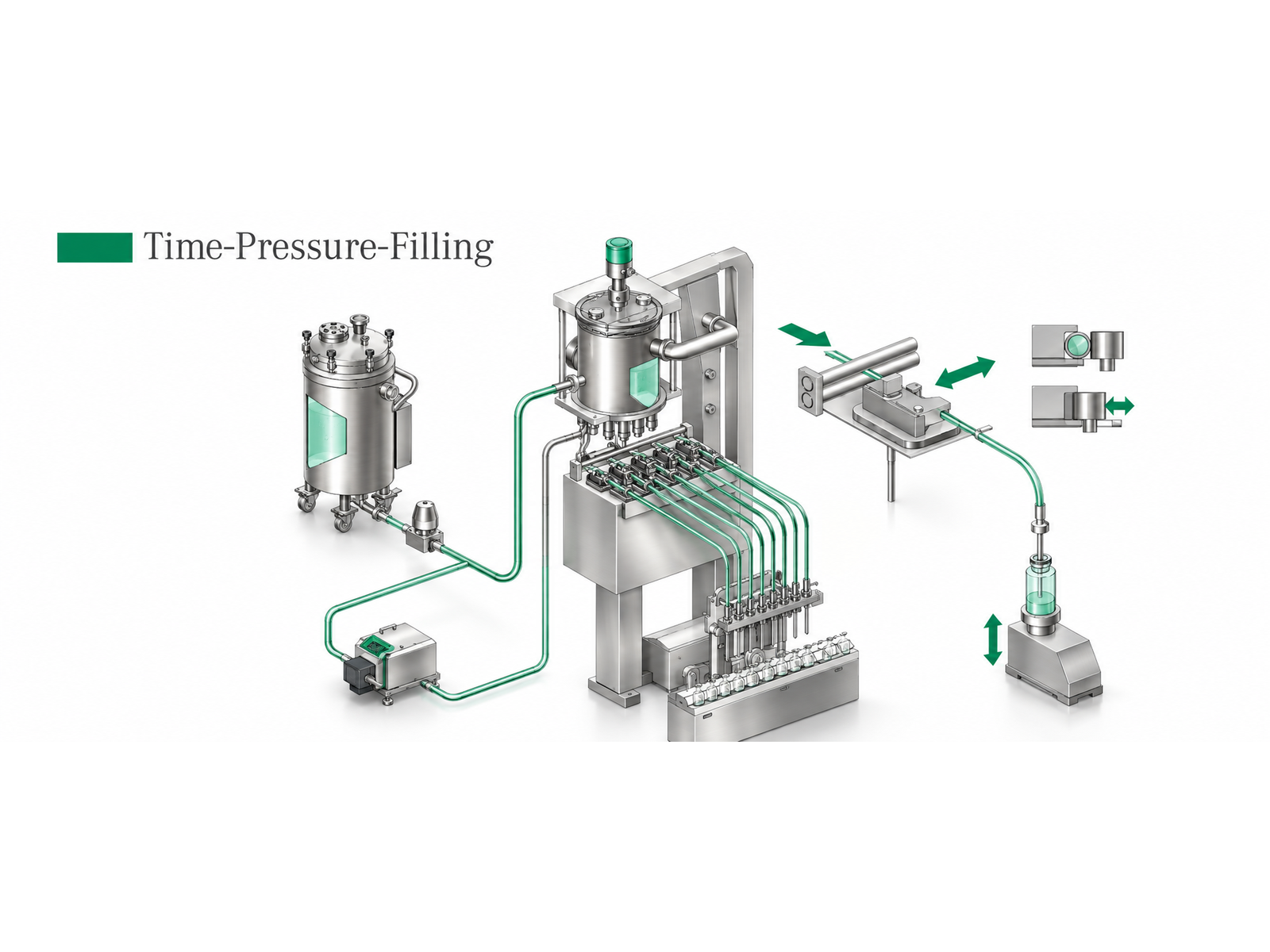
Filling technology
A flow sensor measures the product passing through the filling path and provides feedback to the dosing valve. The process is evaluated around the required fill mass, product behaviour and cleaning strategy. Sensor selection and the control sequence depend on the application.
Explore technology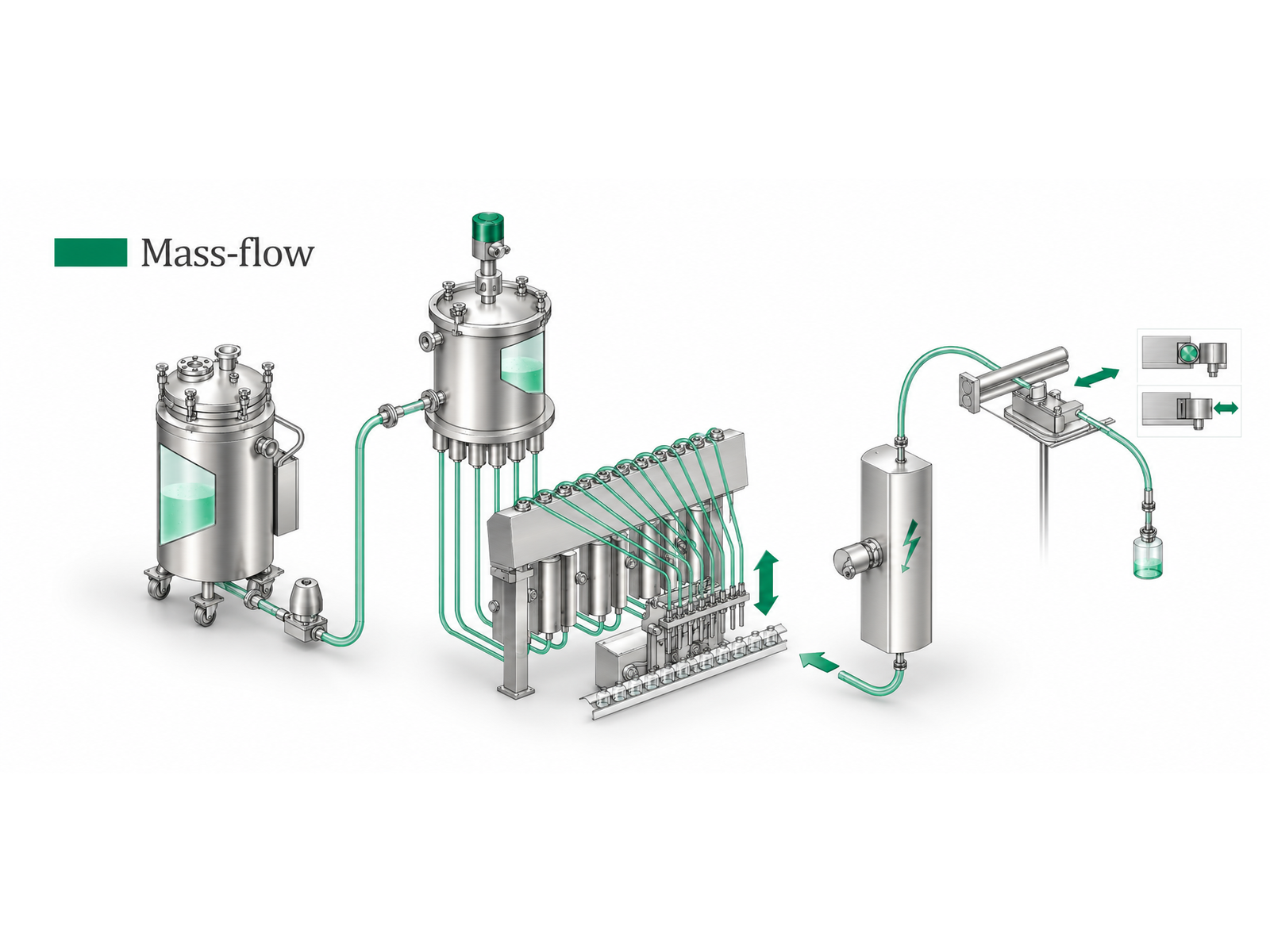
Reservoir identity connects the filling record with the functional result of the assembled device. A problem found during a spray test can then be examined against fill, closure and joining observations. Units used for priming or destructive tests remain separate from the accepted packing count.

Record the fill and closure position using the intended container. Examine the seating surfaces and orientation before bringing the reservoir to the device fixture.
Identify the device revision and reserve units for priming and the agreed spray tests. Keep destructive test samples separate from saleable pack counts.
Specify the incoming reservoir state, component revisions and joining sequence for the chosen soft-mist device. Keep dosing and closure checks distinct from assembly and spray-function tests. Agree the finished-device condition, protective cap, orientation and identity handed to labeling and cartoning.
Define the liquid formulation and reservoir or cartridge supplied to the device. Confirm the orientation used in filling.
Agree dosing, closure and reservoir placement. Check critical component position before final enclosure.
Confirm which functional checks apply to the assembled soft-mist inhaler and how accepted devices enter the pack.
Define whether the filled container is supplied to assembly or filled within the project scope.
Learn moreUse the assembled device to assess actuation and spray performance after pack handling.
Learn moreIdentify the contact parts and format tooling for Soft Mist Inhaler Filling & Assembly Lines. Agree access for cleaning, the spares to hold and the operating records the site will need.
Learn moreShare dosage form, starting material and finished presentation.
Request product information
Brochure
Soft Mist Inhaler Filling & Assembly Lines
Available by enquiry
Request product informationCase
Soft Mist Inhaler Filling & Assembly Lines
Available by enquiry
Discuss project references2 resources
No. The soft-mist route combines a liquid container with a device-specific spray mechanism. DPI systems handle powder, while pressurized aerosol systems have their own valve and propellant-charging operations. The routes should be selected by the actual device presentation.
Not necessarily. The project can include liquid filling and closing or start with an accepted filled reservoir. State the incoming condition and responsibilities before defining the assembly stations and their checks.
No. Fill quantity is one manufacturing check. The assembled device requires its agreed functional evaluation, including the defined priming or test state. The mechanism and its connection to the reservoir must be considered separately from dosing.
The station scope determines which operations are automatic and which remain manual, such as component replenishment, sampling or fault recovery. Review the proposed feed, handling, joining and testing sequence for the selected device instead of assuming every operation is automated.