Skip to content

Process expertise. Chinese manufacturing. Global perspective.

PREASYS

Equipment & technology

Reservoir Dry Powder Inhaler (DPI) Filling Machine

Fill the powder reservoir used by a multidose dry-powder inhaler, then close and assemble the specified device. The reservoir holds the formulation supply; the inhaler mechanism subsequently meters individual doses, so manufacturing charge and delivered dose have distinct acceptance requirements.

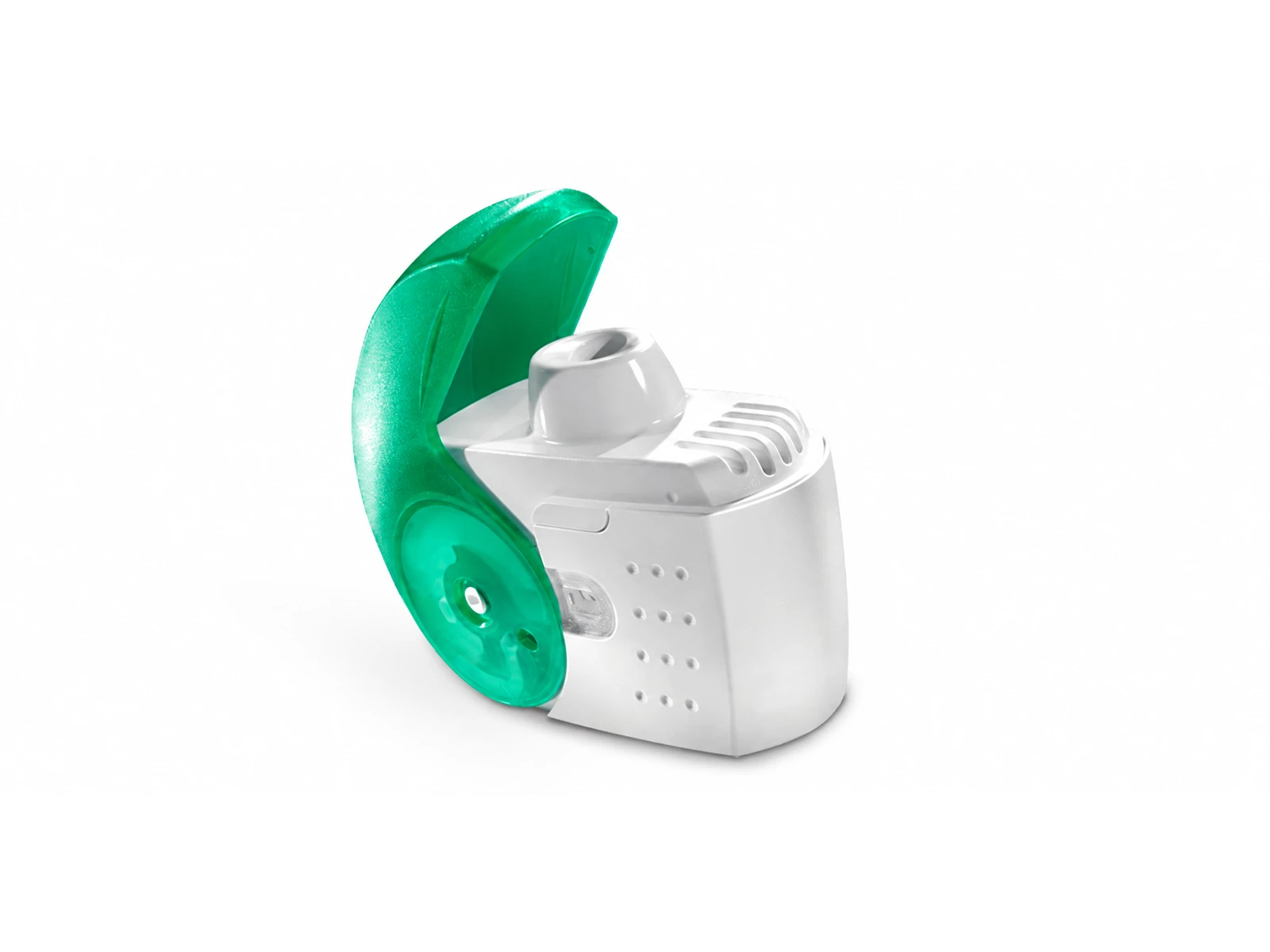
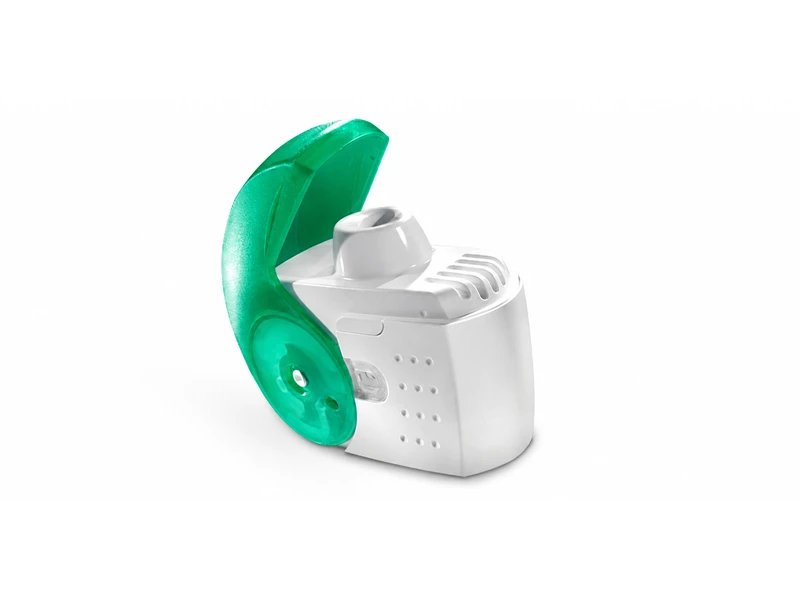
Opened reservoir inhaler showing the mouthpiece and cover

Reservoir Inhalation Filling System

Reservoir powder filling and device assembly

Build the powder supply for a multidose inhaler

The filling station introduces a charge into a reservoir whose geometry and opening constrain the powder path. Powder retained around the rim can interfere with closing or move into the mechanism. After the reservoir is closed and assembled, the device meters doses from that supply. Reservoir mass provides useful manufacturing evidence, but it does not independently establish dose uniformity through the life of the inhaler or aerosol performance.

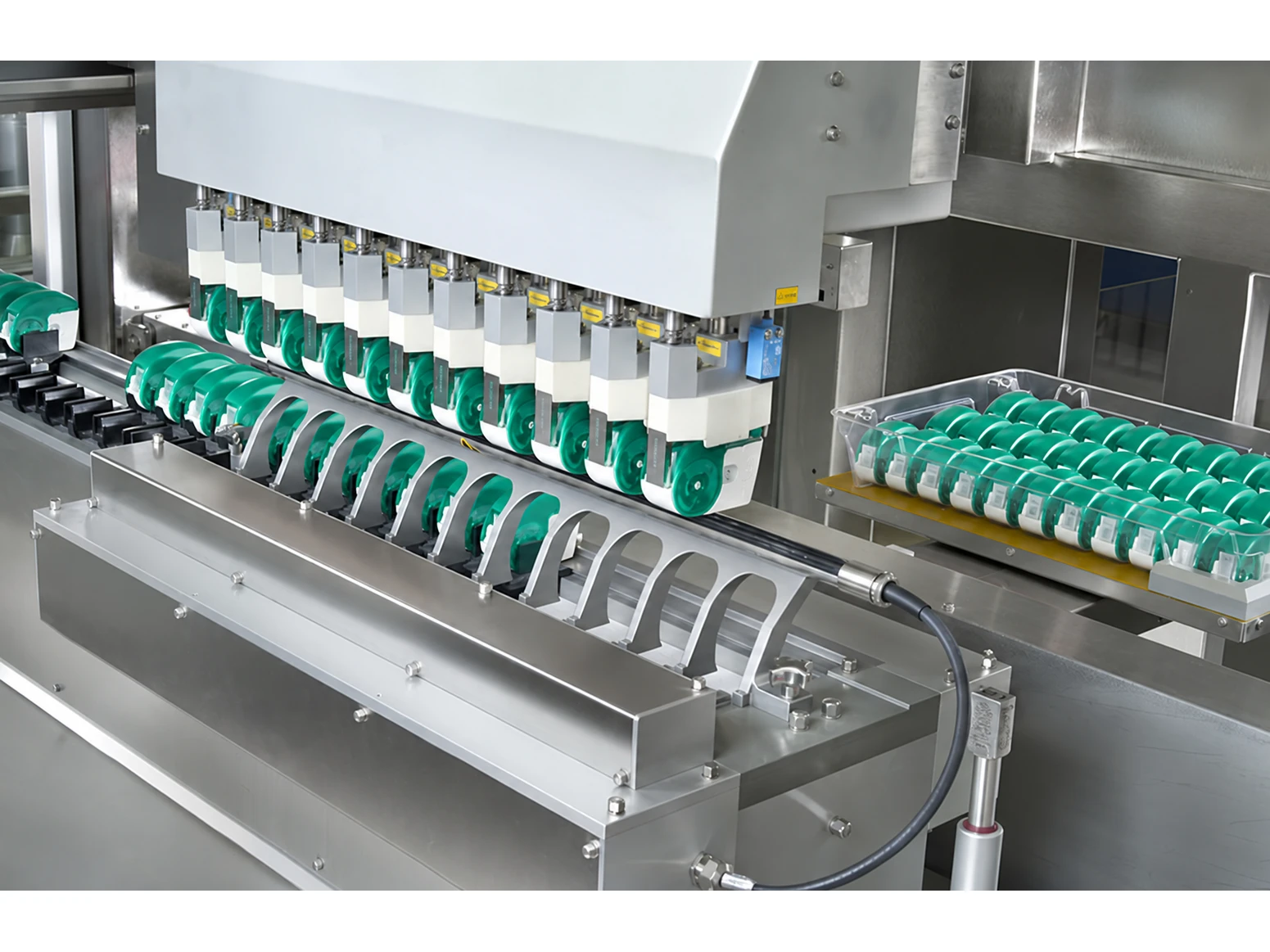
Row of inhaler bodies indexed below dispensing heads

Process at a glance

Reservoir charge, device metering and emitted dose are distinct quantities with different acceptance methods.

Charge

Fill the reservoir that supplies multiple device doses

Filling technologies

Filling technology

Powder filling

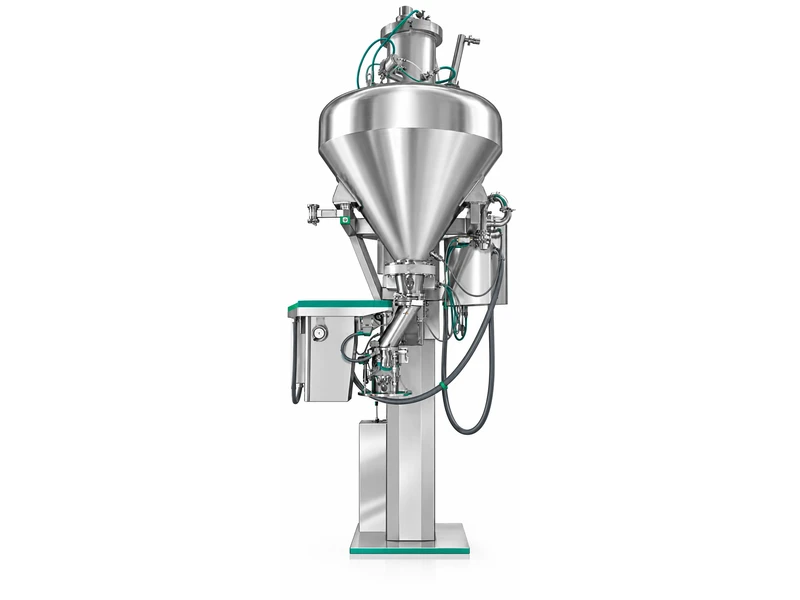
Powder is metered using an auger or a vacuum-based dosing system, depending on the selected configuration. Flow behaviour, bulk density, dose size and containment requirements guide the equipment discussion. The powder and container should be evaluated together during process development.

Explore technology
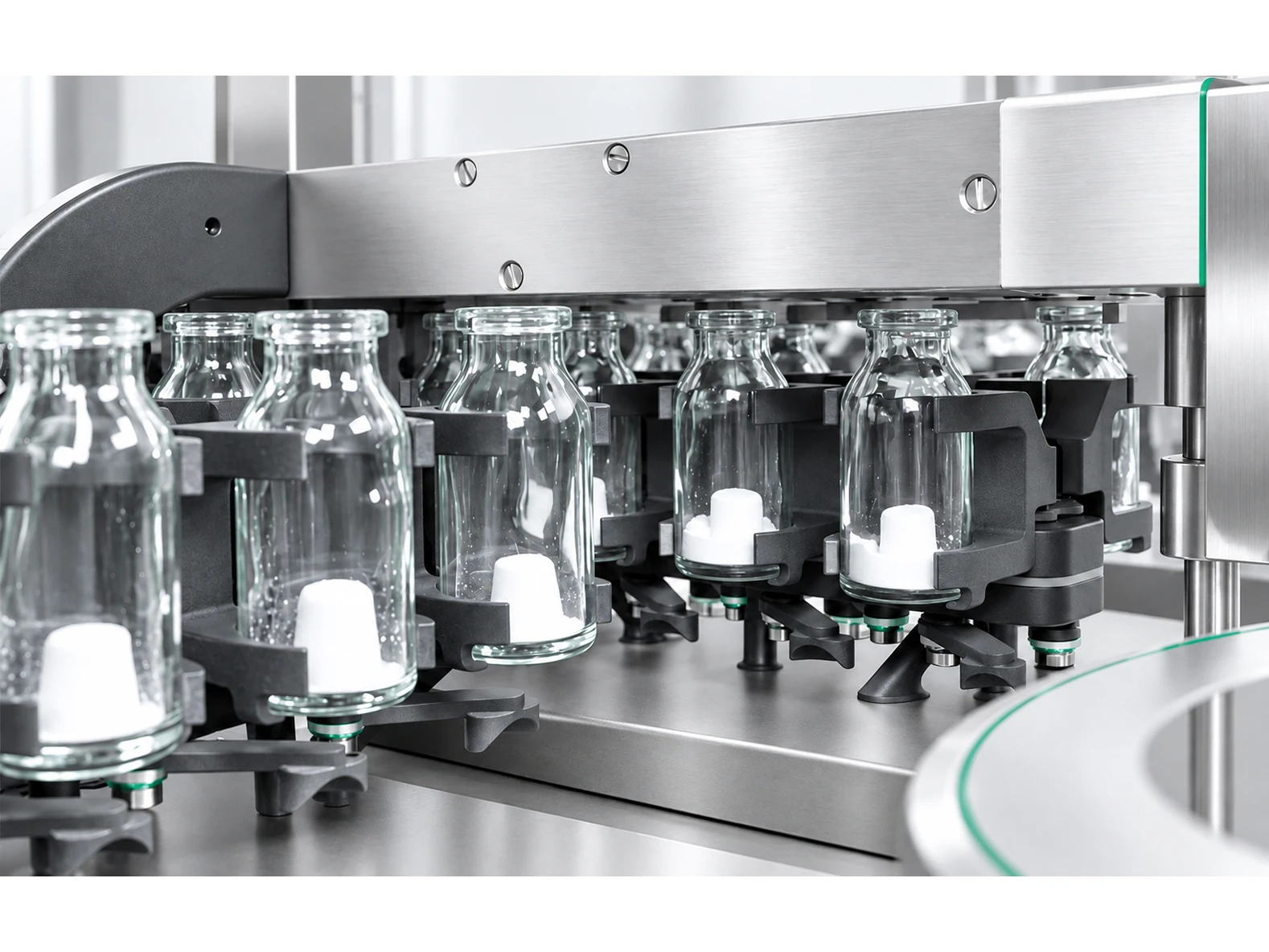
Glass vials presented below the powder dispensing heads
Dosing principle illustration · configuration depends on the application.
Technology 1 of 1

Process challenges

Reservoir charge supplies multiple doses; it is not itself the dose emitted during use. The device and formulation require separate performance tests.

Read details

Reservoir charge supplies multiple doses; it is not itself the dose emitted during use. The device and formulation require separate performance tests.

Powder handling during dosing can affect release and material condition. Suitability is established using the actual formulation.

Cohesion influences feed consistency and retained material at the tool. Supply and restart conditions are evaluated with the target reservoir.

Powder around the reservoir rim can affect lid seating or reach the mechanism. Outlet and closing interfaces are assessed together.

The approved device design determines the location and joining of reservoir and metering components.

Colour and code checks address specified version features. Hidden component differences may need other verification.

Containment includes powder transfer, operation and recovery, with performance related to the actual material and tasks.

Related development principles do not remove the need to assess production supply, cycle and measurement conditions.

Fill and assembly results stay with the relevant reservoir or device through rejection and secondary packing.

Technical data & features

Powder properties, reservoir geometry and the metering component determine filling and assembly requirements.

Row of inhaler bodies indexed below dispensing heads

An auger conveys powder through screw movement, while a drum-based method meters and releases powder through its cavities. Flow, cohesion and reservoir opening affect which arrangement can fill the required charge without unacceptable residue.

With a matched tare and gross measurement, the difference represents the added charge. The same reservoir must remain identified at both points, and measurement resolution, settling time and external residue affect the result.

Where feedback adjustment is included, measured fill results can guide a bounded change to the dosing setting. The correction strategy must distinguish a sustained shift from a single abnormal reservoir and retain the specified reject limits.

Close the reservoir without trapping powder

Device assembly locates the closed reservoir and the metering and housing components. Joining and positioning checks follow the device drawing, while functional tests evaluate the mechanism with the formulation.

Colour or code checks can identify the specified visible version or mark. Their purpose and coverage are defined separately from powder-fill and device-function checks.

Containment includes powder supply, dosing, rejected units and cleaning. Ventilation contributes to that arrangement, but exposure control depends on the complete design and operating tasks.

Development dosing establishes formulation and tool behaviour at the selected charge. Production feeding, replenishment, cycle timing and environment still need their own assessment.

Powder-path access and measurement care

Residue and wear at the dosing outlet, reservoir rim and closing tools can affect both charge and assembly. Cleaning and maintenance are followed by checks of powder release, measurement references, rim cleanliness and the specified closing result.

Configuration consideration Development configuration Production configuration
Dosing Development trials with the actual powder and reservoir. Selected filling method with sustained production supply.
Charge control Defined measurement and tare strategy. Installed measurement, rejection and any bounded feedback.
Assembly Device components assembled at the agreed development boundary. Required feeders, joints and functional-check interface.
Purpose Establish charge and handling behaviour. Manufacture the selected reservoir/device with maintained controls.
Module Function
Reservoir filling Delivers the powder charge with the selected metering method.
Fill measurement Relates the measured charge to its actual reservoir.
Lid closing Closes the defined reservoir interface.
Device assembly Positions and joins the metering and housing components.
Inspection Evaluates the specified visible and version features.
Marking Applies and verifies the required identifier.

How it works

Operating sequence and process decisions

How is the reservoir charge calculated?

Where tare and gross weighing are used, subtract the matched empty-reservoir mass from its filled mass. Keep identity, settling conditions and external residue controlled so the difference describes the intended charge.

How does filling affect the formulation?

The dosing tool applies a particular powder-handling history. Evaluate filling, release and relevant formulation performance with the actual material rather than assume that any screw or vacuum process leaves it unchanged.

How is cohesive powder behaviour observed?

Follow supply into the dosing tool and release into the reservoir. Compare steady filling, replenishment and restart, examining retained material and powder near the closing interface.

How does reservoir closing affect assembly?

Powder on the rim can change the lid seating or enter adjacent parts. Observe the closed reservoir and the subsequent placement and joining sequence against the device specification.

How is the correct device version identified?

Use the approved distinguishing features and identifiers. Colour sensing can address a visible feature, while other version differences may require different checks; no one signal establishes all component identity.

How are powder-handling tasks contained?

Assess supply, operation, reject removal and cleaning as connected tasks. The proposed enclosure and extraction are evaluated for the actual product hazard and interventions.

How is feedback separated from rejection?

Adjustment changes future dosing within defined limits; it does not make an already failed fill acceptable. Retain the specified unit disposition and record the adjustment separately.

How are development findings used in production?

Carry the useful powder and tool relationships forward, then assess the actual production supply, motion, measurement and recovery conditions. Device performance remains an assessment of the completed product.

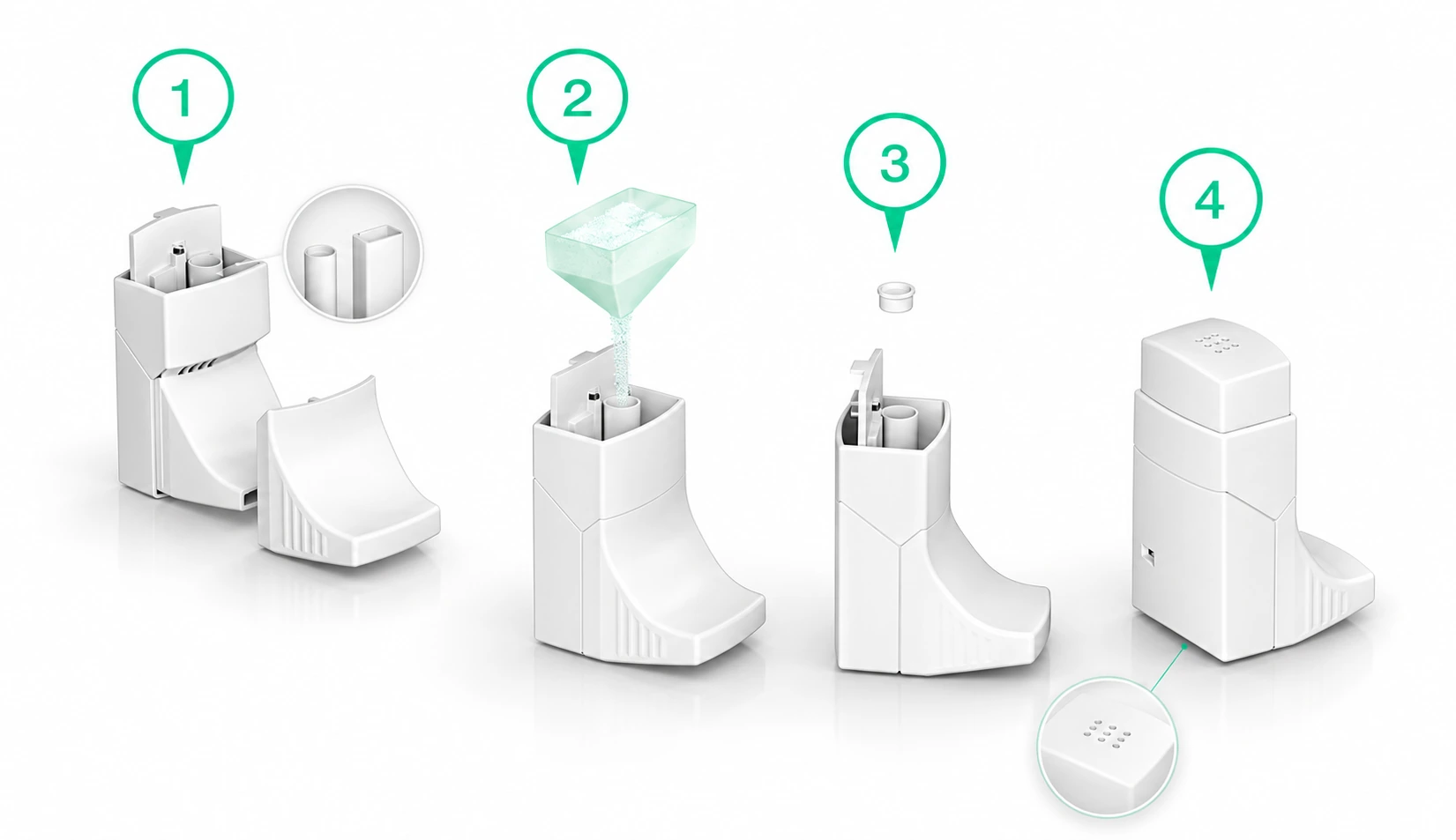
Reservoir inhaler assembly sequence. The four positions in the assembly drawing identify housing preparation, reservoir charging, insertion and closure.

Production line · Equipment context

Reservoir inhaler assembly sequence

Explore the process areas on the production line associated with this equipment.

Skip tour
Assembly sequence 4 equipment areas · Scroll to explore

The four positions in the assembly drawing identify housing preparation, reservoir charging, insertion and closure.

Related production lines: Reservoir Inhaler Filling & Assembly Lines · Dry Powder Inhalation Manufacturing Lines

Line integration

Inhaler parts + Inhalation powder formulation

↓

Keep the charge and reservoir identity together

Component presentation → specified tare measurement → reservoir filling Specified gross or fill check → reservoir closing Device assembly according to the approved component sequence Required version, visible-feature and marking checks ↓

Finished reservoir inhalers → Final packaging / cartoning

Identified reservoir parts and formulation arrive in their specified state. Powder storage and transfer conditions continue through dosing; they are not reset when the powder enters the hopper.

Downstream: assembled inhalers to final packaging and cartoning

Containment and recovery for the actual powder-handling tasks

Keep fill results and assembly status with the corresponding reservoir or device. Record disposition after a failed fill or interrupted closing step so an unresolved unit cannot become an accepted finished device.

Support throughout your project and production

Define the equipment scope

Powder properties, reservoir geometry and the metering component determine filling and assembly requirements.

Learn more

Agree the acceptance test

Check powder handling and dose presentation with the assembled device under the intended test conditions.

Learn more

Prepare for operation

Identify the contact parts and format tooling for Reservoir Inhalation Filling System. Agree access for cleaning, the spares to hold and the operating records the site will need.

Learn more

Knowledge hub

2 resources

Frequently asked questions

Is reservoir fill mass the dose inhaled by the patient?

No. It is the formulation supply placed in the reservoir. The device meters individual doses, whose delivery and aerosol performance need their own testing over the intended device use.

Why does tare-to-gross identity matter?

Empty reservoirs can vary in mass. Pairing a filled measurement with the wrong tare can produce a misleading net charge even when both scale readings are individually valid.

Does feedback correction eliminate rejected fills?

No. Feedback can adjust subsequent dosing under a defined strategy. A unit outside its acceptance criteria still follows the specified rejection or investigation process.

Can the same process fill a blister DPI?

A blister line meters individual cavities before sealing, whereas reservoir filling creates a multidose supply for the device to meter later. These are distinct filling and assembly architectures.

Contact

Share the reservoir and device design, powder formulation and reservoir charge. The review separates filling and closing from the device metering and inhalation-performance tests.

Discuss your project →
Row of inhaler bodies indexed below dispensing heads