Skip to content

Process expertise. Chinese manufacturing. Global perspective.

PREASYS

Equipment & technology

Oral Dissolving Film (ODF / OTF) Manufacturing Equipment

Produce oral dissolving film through formulation coating, controlled drying and conversion into individual strips. The web carries the dose through these stages: wet-layer distribution, drying behaviour and final strip area together shape the manufactured presentation before protective packaging.

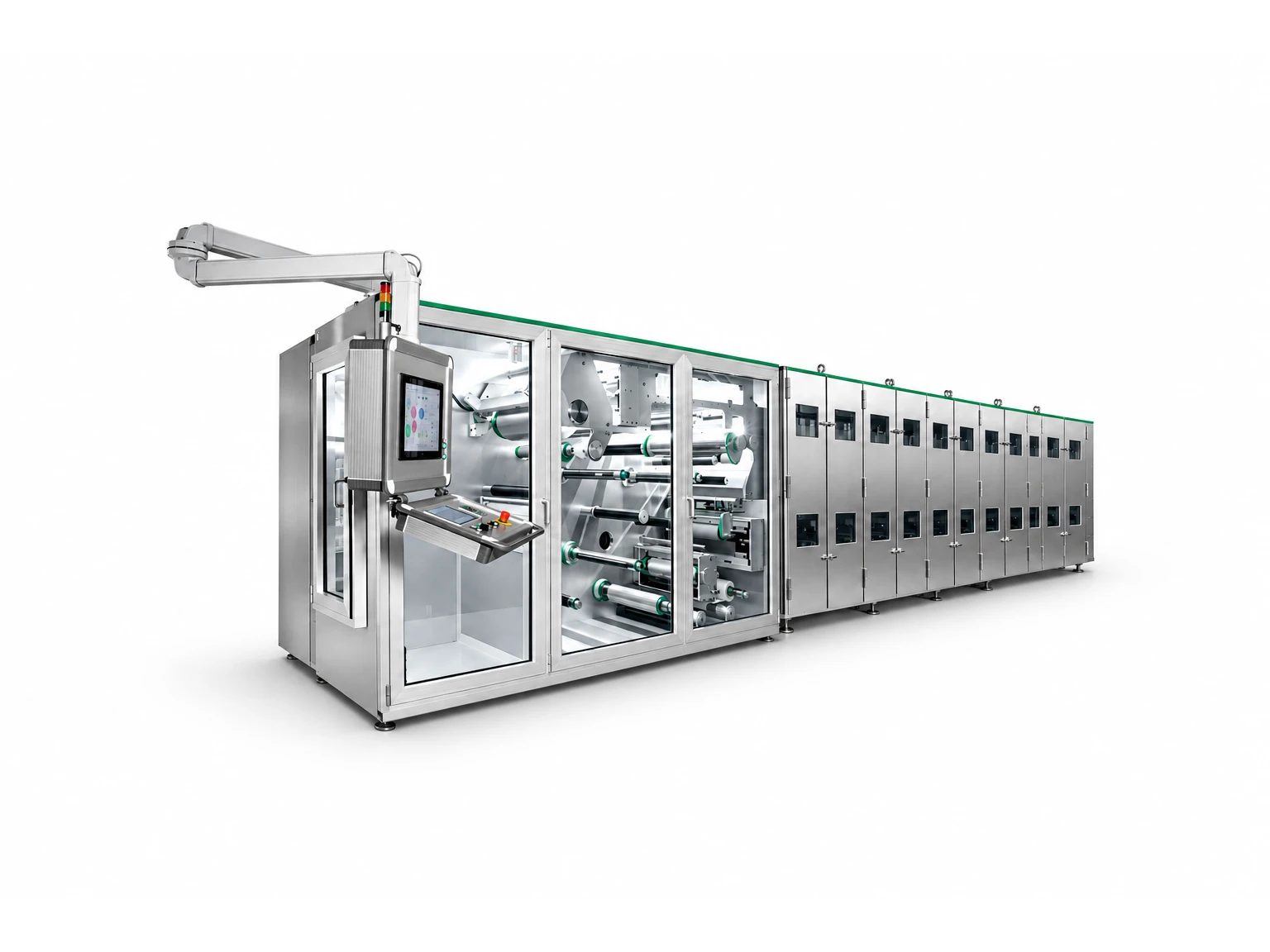
Enclosed film processing and drying equipment

Oral Film Production

Oral-film coating, drying and converting

Turn a prepared formulation into a handled dose strip

The coating process spreads a formulation on a carrier. Solvent removal changes the layer from a wet coating into a film that must release, travel and cut without unacceptable distortion. Thickness contributes to the mass per area, but active-content uniformity also depends on formulation distribution. Cutting defines the dose area, and the package then protects the film from the exposure relevant to its stability. Each transition affects the next operation rather than functioning as an isolated machine task.

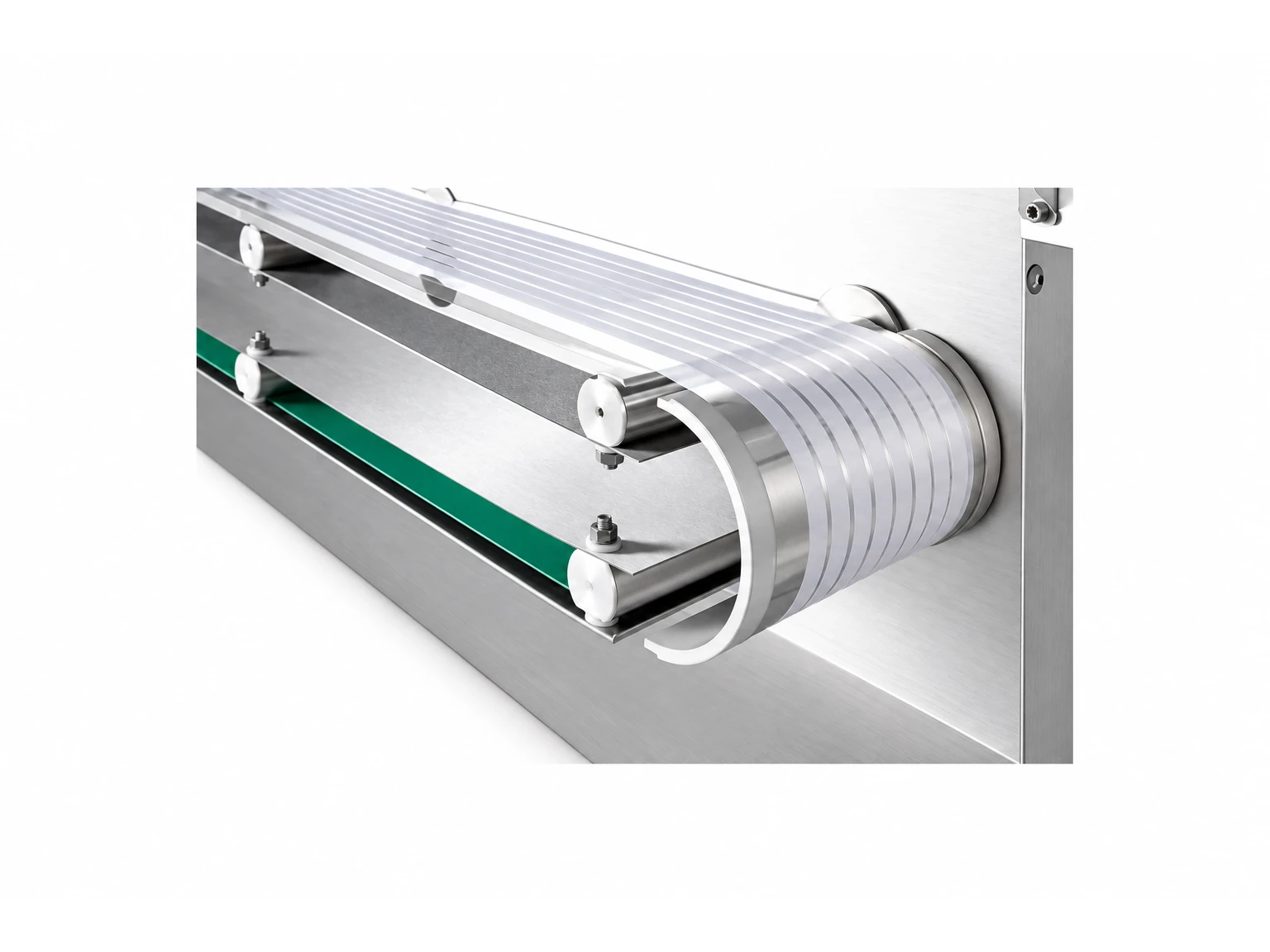
Continuous film passing between web handling rollers

Process at a glance

Film area relates to dose only with established coating mass and content uniformity; dimensions alone do not establish drug content.

Coat

Distribute formulation over the supporting web

Dry

Develop a handleable film under controlled conditions

Convert

Cut and package the specified strip geometry

Process challenges

Thickness contributes to layer mass, while drug distribution also depends on the prepared formulation. Both affect finished-strip evaluation.

Read details

Thickness contributes to layer mass, while drug distribution also depends on the prepared formulation. Both affect finished-strip evaluation.

Edge trim, startup and rejected web reduce usable material. Yield is assessed from the complete coating and converting sequence.

Cut width and length define the strip area; web tension and cutting-tool condition affect the finished geometry.

Tack, moisture and carrier release affect strip separation. Handling conditions are developed with the actual dried film.

The sachet barrier and seal protect the film according to the package specification. Closure appearance alone does not establish integrity.

Changing dose area can affect coating utilization, cutting, transfer and sachet tooling as well as the product presentation.

Visible-feature checks do not replace content, dissolution or residual tests. Each method addresses its specified attribute.

Web width, residence time and operating duration can change on scale-up, requiring finished-film evidence from the proposed process.

Technical data & features

Coating weight, substrate release and the product's sensitivity to heat and humidity influence the web path.

Continuous film passing between web handling rollers

Coating and drying as a connected process

Wet coating amount, formulation solids and drying determine the final film layer. An online thickness or coating measurement describes its selected property; it is not automatically a direct measurement of active content.

Slot-die, comma-bar and knife coating create the wet layer by different metering geometries. Viscosity, wetting and the carrier surface affect the coating bead and lateral distribution, making method selection formulation-specific.

Drying removes the intended volatile fraction while the film develops its mechanical properties. Air conditions, residence time and layer thickness influence this change; a film that appears dry may still need residual-solvent or moisture assessment.

Slitting and cutting define the individual strip area

Handle the dried film without unwanted deformation

Release behaviour, tack and sensitivity to humidity affect transfer and separation of the strips. The selected primary package protects the finished film according to its barrier and sealing specification; seal integrity is evaluated rather than assumed.

Defined dimensional, visible-defect and package checks

Changing strip dimensions and packaging format

Changing web width or output changes the coating and drying conditions as well as the number of strips. Development findings support scale-up, but residence time, transfer and finished-product tests need assessment on the production arrangement.

Converting function Selection boundary
Slitting Divides the dried web into the required width.
Strip handling Separates and presents the film without unacceptable folding or sticking.
Primary packaging Encloses the strip in its approved barrier pack.
Inspection Evaluates the specified visible, dimensional and packaging features.
Cartoning Groups accepted primary packs with their required leaflet or accessories.
Changeover Coordinates cutting, handling and package tooling with the new strip format.
Module Function
Coating Forms the wet layer using the selected metering geometry.
Layer measurement Measures the specified coating or thickness property.
Drying Removes the intended volatile fraction under developed conditions.
Converting Cuts the handled film into the defined dose area.
Strip transfer Maintains orientation and separation into packing.
Packaging Protects the finished film with the selected barrier and seal.
Secondary packing Presents the primary packs in the required carton.

How it works

Operating sequence and process decisions

How does wet coating become a consistent dry layer?

The wet amount and solids distribution pass through the drying step together. Compare the measured layer across and along the web and connect those results with the finished-film tests; thickness alone does not prove uniform active content.

How does cutting influence the dose strip?

The width and length define its area. Web tension, alignment and blade condition influence dimensions and edges, so the accepted strip is assessed after release and cutting rather than from a tool setting alone.

Why can dried strips stick during handling?

Film tack, humidity and release from the carrier affect separation. Evaluate the actual dried formulation through the selected transfer and packaging motion to establish acceptable handling conditions.

How is the protective sachet assessed?

Use the specified film, pack material and seal process. Evaluate seal quality and barrier suitability with the product requirements; an apparently closed sachet is not sufficient evidence of long-term protection.

Which defects can inline inspection address?

The installed views can evaluate defined visible features, dimensions or markings. Active content, dissolution and residual solvent require the appropriate product tests rather than being inferred from a camera image.

What changes with a different strip area?

Cutting positions, web utilization, handling and sachet format may change. Dose area also changes the presentation, so the revised dimensions belong to an approved product specification.

What must be reassessed at production scale?

Coating distribution, drying residence conditions, web tension and transfer can change with width and output. Compare the finished film and pack using the agreed product and process tests.

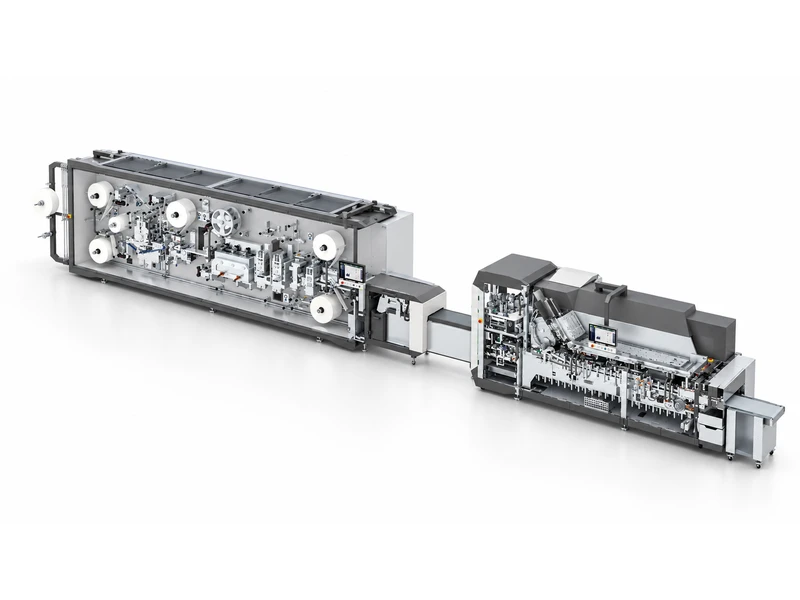
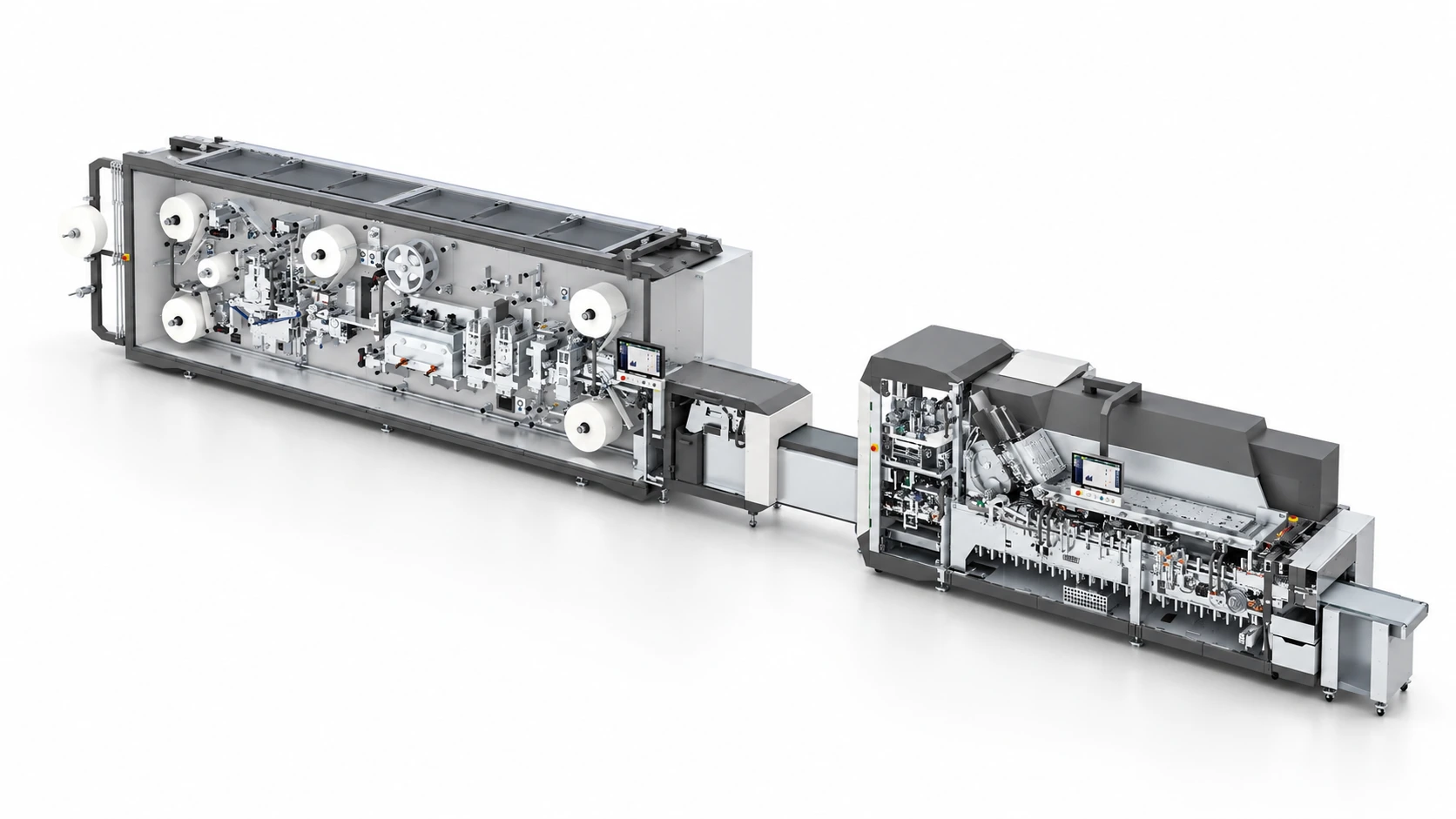
Oral film converting line. This layout starts with an existing film web and ends with cartons. Film preparation, casting and drying are upstream.

Production line · Equipment context

Oral film converting line

Explore the process areas on the production line associated with this equipment.

Skip tour
Production layout 6 equipment areas · Scroll to explore

This layout starts with an existing film web and ends with cartons. Film preparation, casting and drying are upstream.

Related production lines: Oral Film Manufacturing Lines

Line integration

Polymer matrix + Active ingredient + Solvents

↓

A web route matched to the formulation

Prepared formulation → selected coating method on a carrier Specified coating measurement → drying under the developed conditions Any required additional layer or print operation → slitting and cutting Protective primary packaging → cartoning where specified ↓

Finished oral film sachets → Case packing

Upstream preparation supplies the formulation at its defined concentration, viscosity and condition. Mixing and hold time affect the material presented to the coater.

Finished strips enter their approved primary pack before secondary cartoning. A mucoadhesive or multilayer film may use a different formulation and process sequence from a rapidly dissolving film.

Roll-position records connect coating, drying and inspection data to the material later cut into strips. Splices, edge trim and rejected lengths remain accounted for through converting.

Web-path maintenance and process verification

Coating surfaces, carrier guidance, drying airflow paths and cutting edges affect the web. After cleaning or adjustment, verify coating distribution, dried-film behaviour and strip dimensions with the agreed material. Product tests establish content, dissolution and residuals separately from machine setup.

Support throughout your project and production

Define the equipment scope

Coating weight, substrate release and the product's sensitivity to heat and humidity influence the web path.

Learn more

Agree the acceptance test

Check thickness and dose distribution across the web before slitting, cutting and individual packing.

Learn more

Prepare for operation

Identify the contact parts and format tooling for Oral Film Production. Agree access for cleaning, the spares to hold and the operating records the site will need.

Learn more

Knowledge hub

2 resources

Frequently asked questions

Does uniform thickness prove uniform drug content?

No. Thickness or coating mass describes the layer, while active distribution also depends on formulation and processing. Use the appropriate content and uniformity tests for the finished strips.

Can oral dissolving and mucoadhesive films use an identical process?

They can have different formulations, residence requirements and mechanical behaviour. Assess the coating, drying, release and converting conditions for the intended film rather than assume interchangeability.

What determines the drying length or residence time?

The formulation, wet-layer amount, volatile fraction and allowed product conditions determine the drying task. The selected web speed and dryer conditions must deliver the specified film properties and residual limits.

Can multilayer films be produced?

A multilayer product needs a defined additional coating or lamination sequence and evidence that the layers remain suitable through drying and converting. Confirm the required equipment configuration for that specific structure.

Contact

Share the film formulation, dose geometry, supporting web and finished-pack specification. The process review connects coating and drying with cutting, handling and product tests.

Discuss your project →
Continuous film passing between web handling rollers