Skip to content

Process expertise. Chinese manufacturing. Global perspective.

PREASYS

Equipment & technology

Case Packer

Build the shipping case around a defined count and orientation of finished packs. A pharmaceutical case packer coordinates case erection, product collation, loading and closure; the case strength, opening direction and downstream pallet pattern set the practical requirements.

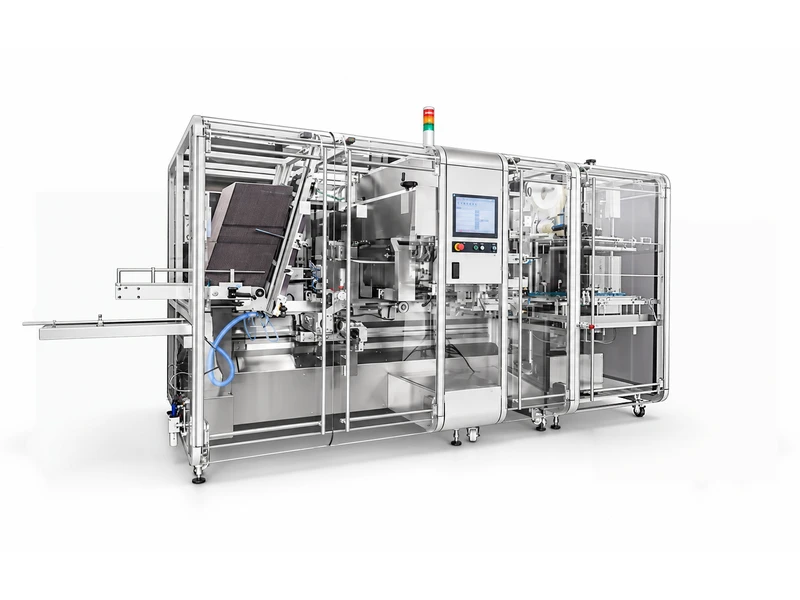
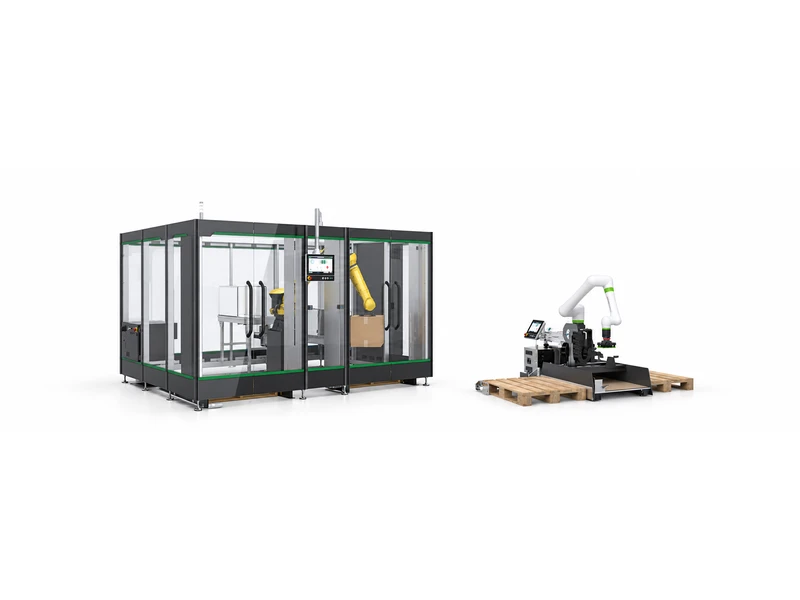
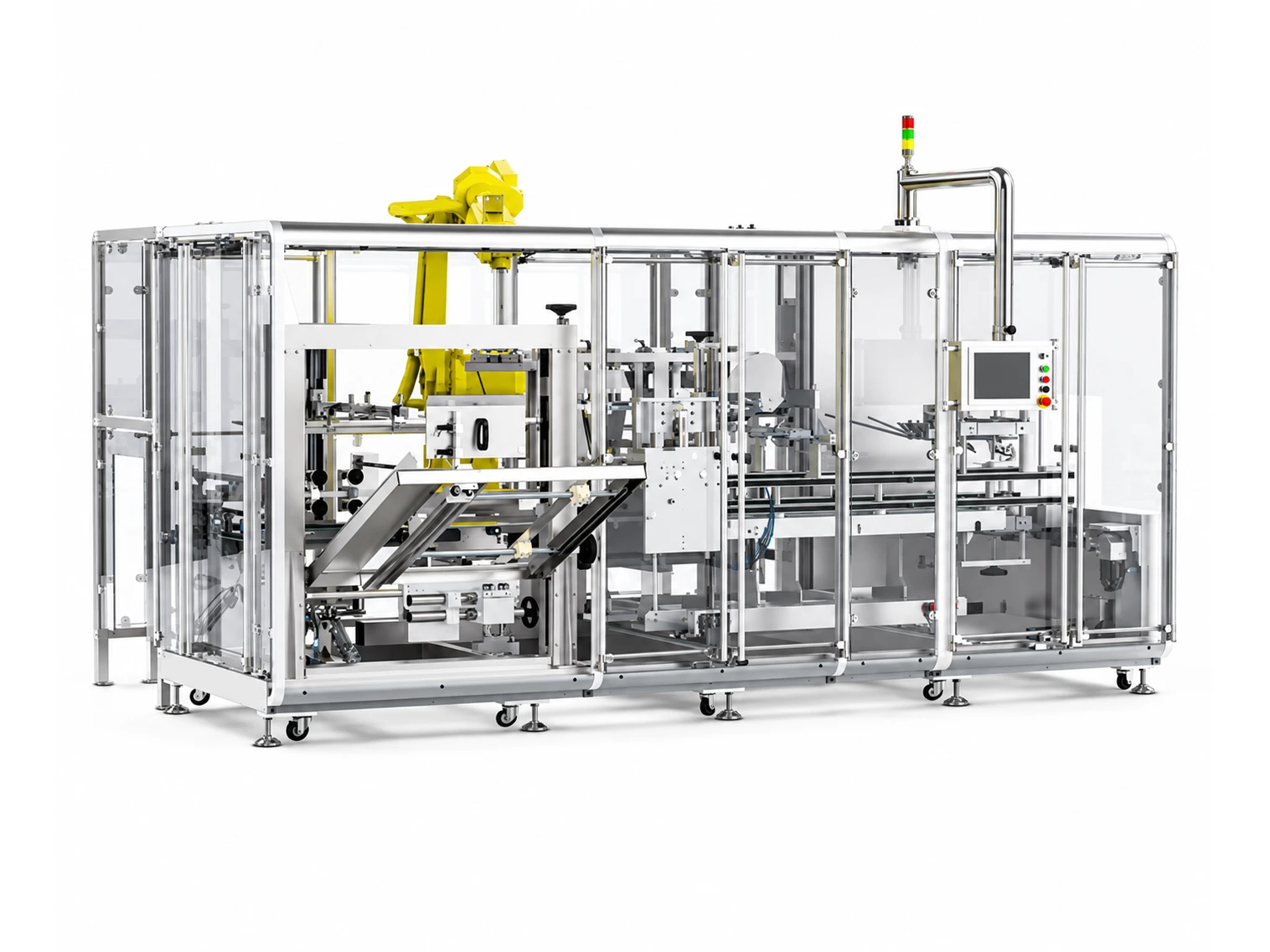
Case packing station with a guarded working enclosure

Case Packer

From finished packs to a closed shipping case

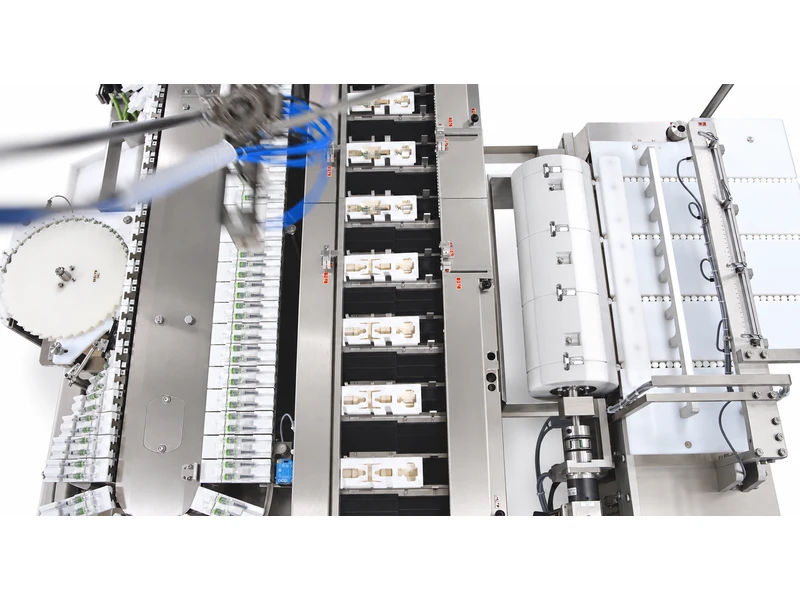
Finished packs are collated into the pattern that fits the shipping case. Side loading transfers a supported group through an open end; top loading places packs through the upper opening.

Case erection gives the loading station its receiving geometry. During loading, supports and guides prevent the blank from collapsing or catching the product; closure follows the accepted contents.

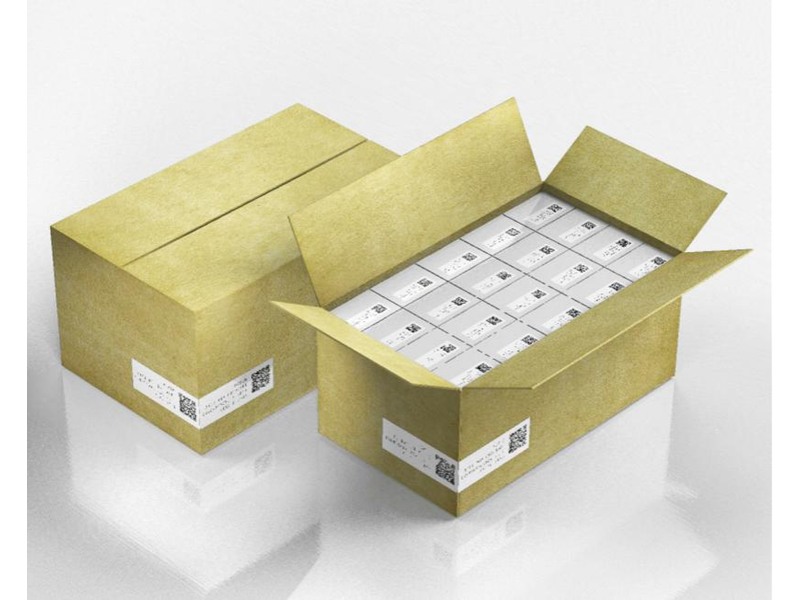
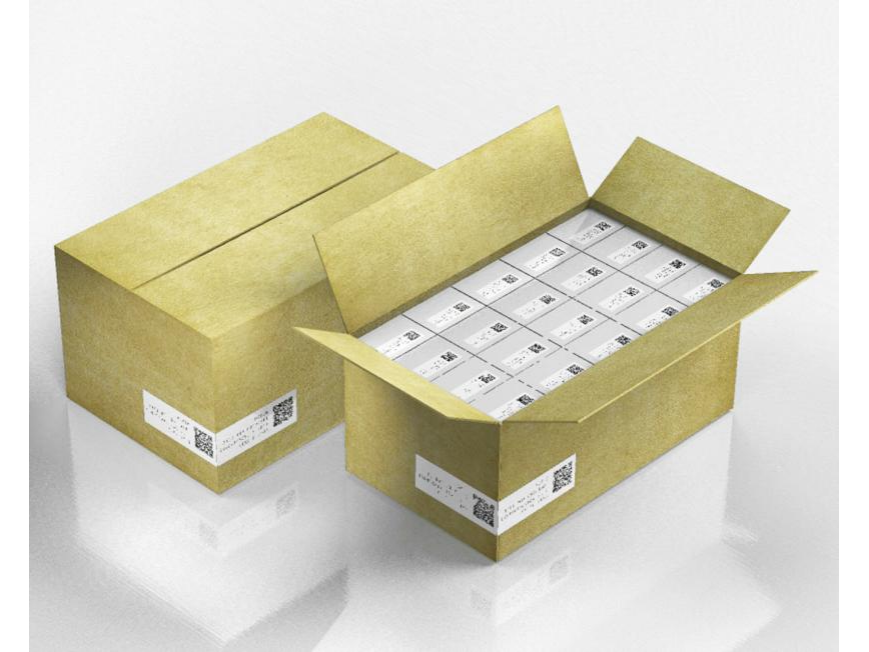
Opened shipping case showing the arrangement of individual cartons

Process at a glance

Case geometry, loading direction and pack orientation define the transfer path.

Collate

Arrange packs into the case pattern

Load

Transfer the supported group into the case

Close

Complete the specified shipping-case closure

Process challenges

Installed space includes blank loading, rejects, maintenance and finished-case removal as well as the machine frame.

Read details

Installed space includes blank loading, rejects, maintenance and finished-case removal as well as the machine frame.

The collation and case opening must remain aligned during loading. Dimensional tolerances influence guides and support.

Contents become less accessible as layers are loaded and the case closes. Required checks belong where the relevant features remain observable.

Pickup, loading and closing components have different wear and access needs. Their maintenance requirements are evaluated in the proposed arrangement.

Case size and layer pattern can change both tooling and sequence. The first verified new-format case completes the setup assessment.

Industry problem Case-packing design considerations
Space constraints in the line Review the installed layout, including blank loading, reject handling, maintenance access and downstream transfer; do not select from the machine footprint alone.
Case packing inaccuracy Trial the specified side- or top-loading pattern with filled packs and cases across their dimensional tolerances.
Unchecked packing errors Specify the count, presence or layer checks required before closure, then challenge the faults those checks are intended to detect.
High maintenance cost Review access and replacement requirements for pickup, guiding, loading and closing components against the maintenance plan.
Long changeovers Demonstrate the new case size and packing pattern with clearance, tooling and first-accepted-case checks included.

Technical data & features

The carton dimensions, loading pattern, case strength and opening direction set the tooling and collation scheme.

Opened shipping case showing the arrangement of individual cartons

For side loading, collation squareness and case opening must align through the transfer stroke. Guide friction and protruding flaps affect this handoff.

An integrated erect-pack-close sequence connects blank pickup, case opening, loading and closure. A failure in one stage must not release an incomplete case as accepted.

Completed cases per minute depend on packs per case, layer count, loading motion and closure time. Pack throughput alone does not describe the case-packing requirement.

Board stiffness and dimensional variation influence opening and loading. Filled-case mass and geometry also determine the discharge conveyor and subsequent palletizing interface.

Format setup for the case and collation

Controls, access and maintenance boundaries

Specify the control interfaces and site standards without assuming a particular control brand. Plan cleaning and wear checks for the blank pickup, guides, belts and closure equipment, and safe access to clear a partly loaded case.

How it works

How are packs grouped for the shipping case?

Follow accepted packs into the collation station and check the required count, rows and layers. Observe the group entering the supported case without catching the flaps or shifting its pattern. Repeat with representative cases and an interrupted feed to check incomplete-group handling.

How is the completed case checked before transfer?

Before closure, confirm the specified content and layer checks. After closure, inspect the joint, external condition and label where applicable. Transfer the case to the actual conveyor or palletizing pickup and test the stop/restart and reject cases defined in the acceptance plan.

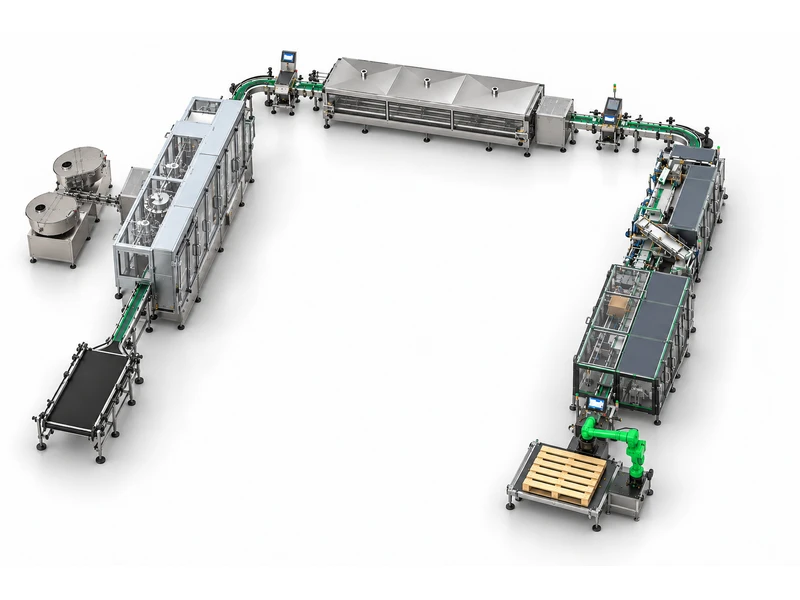
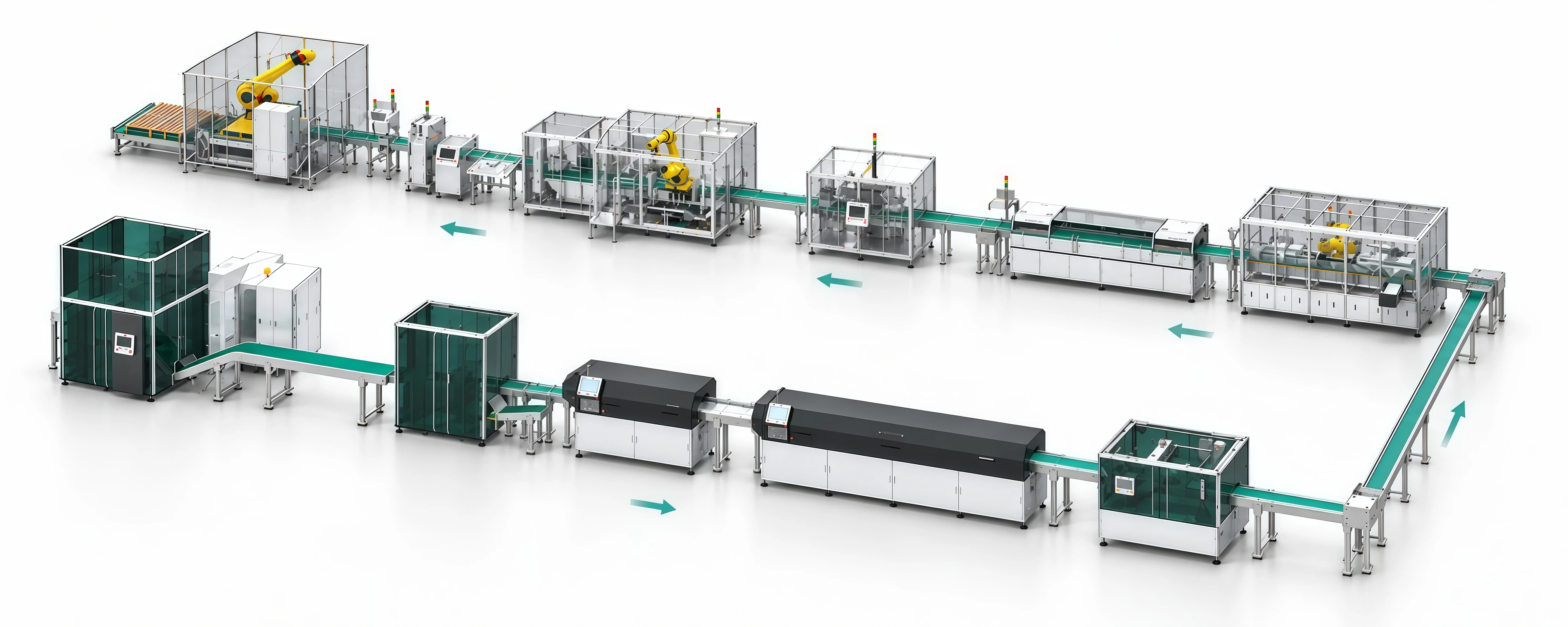
Blow–fill–seal line. Follow the U-shaped route from the forming and filling enclosure to the pallet position.

Production line · Equipment context

BFS product route: case-packing context

Explore the process areas on the production line associated with this equipment.

Skip tour
Production layout 6 equipment areas · Scroll to explore

The illustrated BFS route shows one possible downstream packaging context. The case packer receives selected finished packs or cartons; it does not form, fill or seal the primary BFS container.

Related production lines: Blow-Fill-Seal Pharmaceutical Production Lines · Pharmaceutical Aerosol Production Lines · Pen & Autoinjector Line Integration · Antibody-Drug Conjugate Manufacturing & Fill-Finish · GLP-1 Filling & Drug-Delivery Equipment · Plasma-Derived Product Preparation & Fill-Finish · Vaccine Formulation & Fill-Finish Equipment · Nutrition Product Processing & Packaging · Prefilled Syringe Filling & Packaging Lines · Pharmaceutical Cartridge Filling Lines · Oral Film Manufacturing Lines · Dry Powder Inhalation Manufacturing Lines · Liquid Inhalation Production Lines

Line integration

Agree the pack-to-case interface

Receive accepted cartons or bundles at the required orientation and pitch. Build the agreed collation, erect and support the case, load the contents and perform the specified checks before closure.

Closed-case transfer to identification, weighing or palletizing

Case identity and rework handling

Agree case-label location and any relationship between the case and its child cartons. Define how an opened or rejected case is reconciled so downstream pallet handling does not receive an incorrect content record.

Support throughout your project and production

Define the equipment scope

The carton dimensions, loading pattern, case strength and opening direction set the tooling and collation scheme.

Learn more

Agree the acceptance test

Test the loaded case at transfer to weighing, identification and pallet handling.

Learn more

Prepare for operation

Identify the contact parts and format tooling for Case Packer. Agree access for cleaning, the spares to hold and the operating records the site will need.

Learn more

Knowledge hub

2 resources

Frequently asked questions

Should we choose side loading or top loading?

Compare case style, pack rigidity, layer pattern and the available transfer direction. Trial the intended collation and case to establish support and loading clearances; neither direction is universally suitable.

Does camera inspection verify every item inside a closed case?

A camera can only evaluate the features presented to its defined views. Check contents or layers before they become hidden, and specify the faults and acceptance criteria rather than assuming inspection of all enclosed items.

Which case samples are needed for a trial?

Provide filled packs or bundles, the approved case blank and its board and dimensional specifications, plus the complete loading pattern. Include the expected case mass and closure method.

Is a successfully packed case ready for distribution?

Machine acceptance checks loading and closure against the agreed criteria. The finished shipping package still needs the transport and handling assessment appropriate to the product and distribution route.

Contact

Share finished-pack dimensions, case layout, loading orientation and required accepted-case output for the case-packing configuration.

Discuss your project →
Opened shipping case showing the arrangement of individual cartons