01
Powder and shell
Define the powder condition at the filler and the capsule shell used with the inhaler. Add micronization only if it belongs to the project.
Process expertise. Chinese manufacturing. Global perspective.

Production line
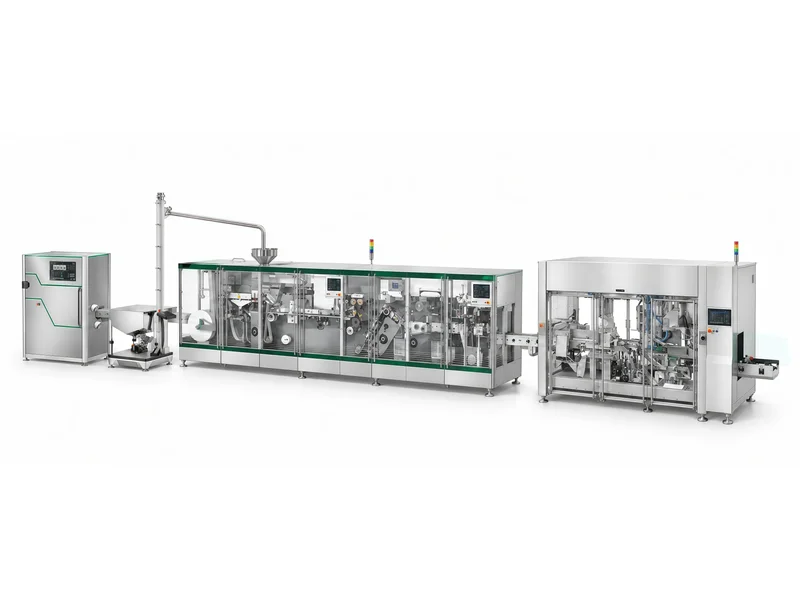
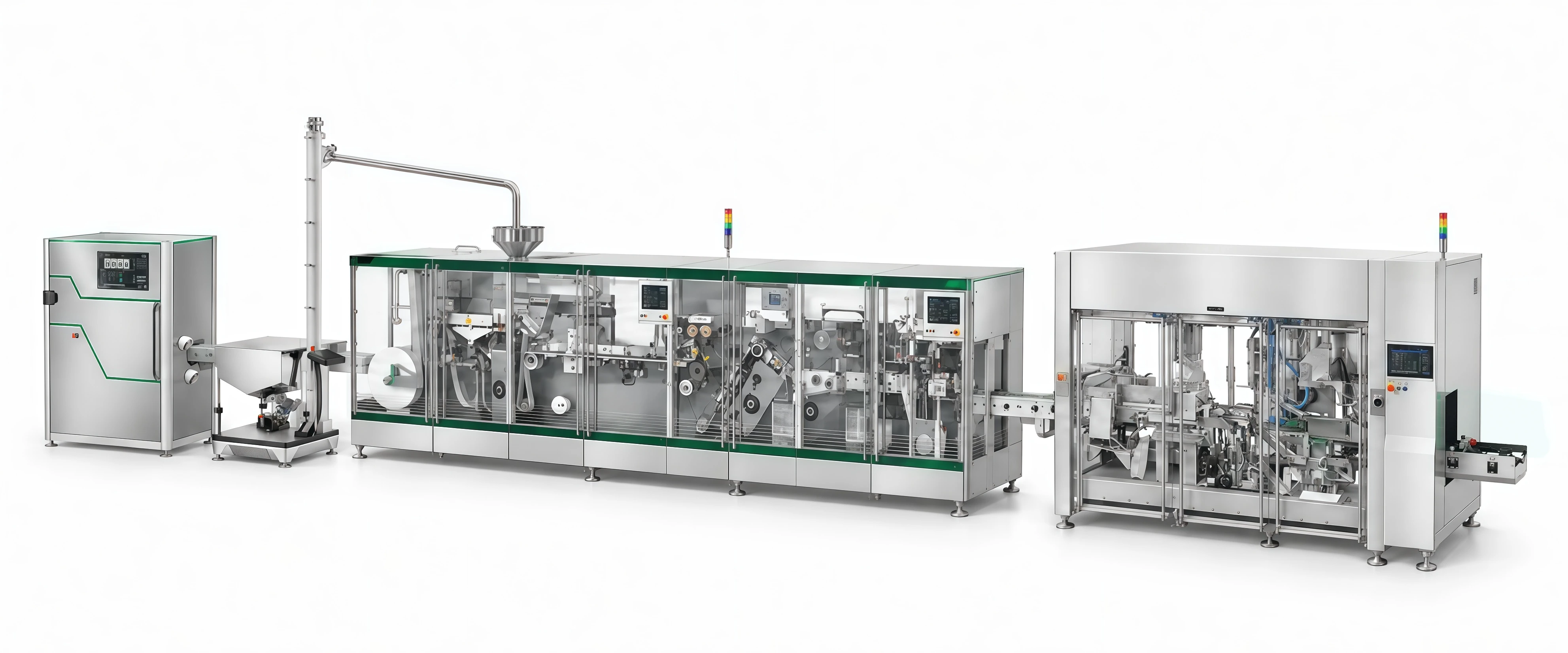
An inhalation capsule line fills the selected shell with a dry powder dose, closes and checks the capsule, and protects it for use with the intended inhaler. Shell handling and protective packaging must be assessed alongside powder dosing; the finished capsule is part of a device-specific inhalation presentation.
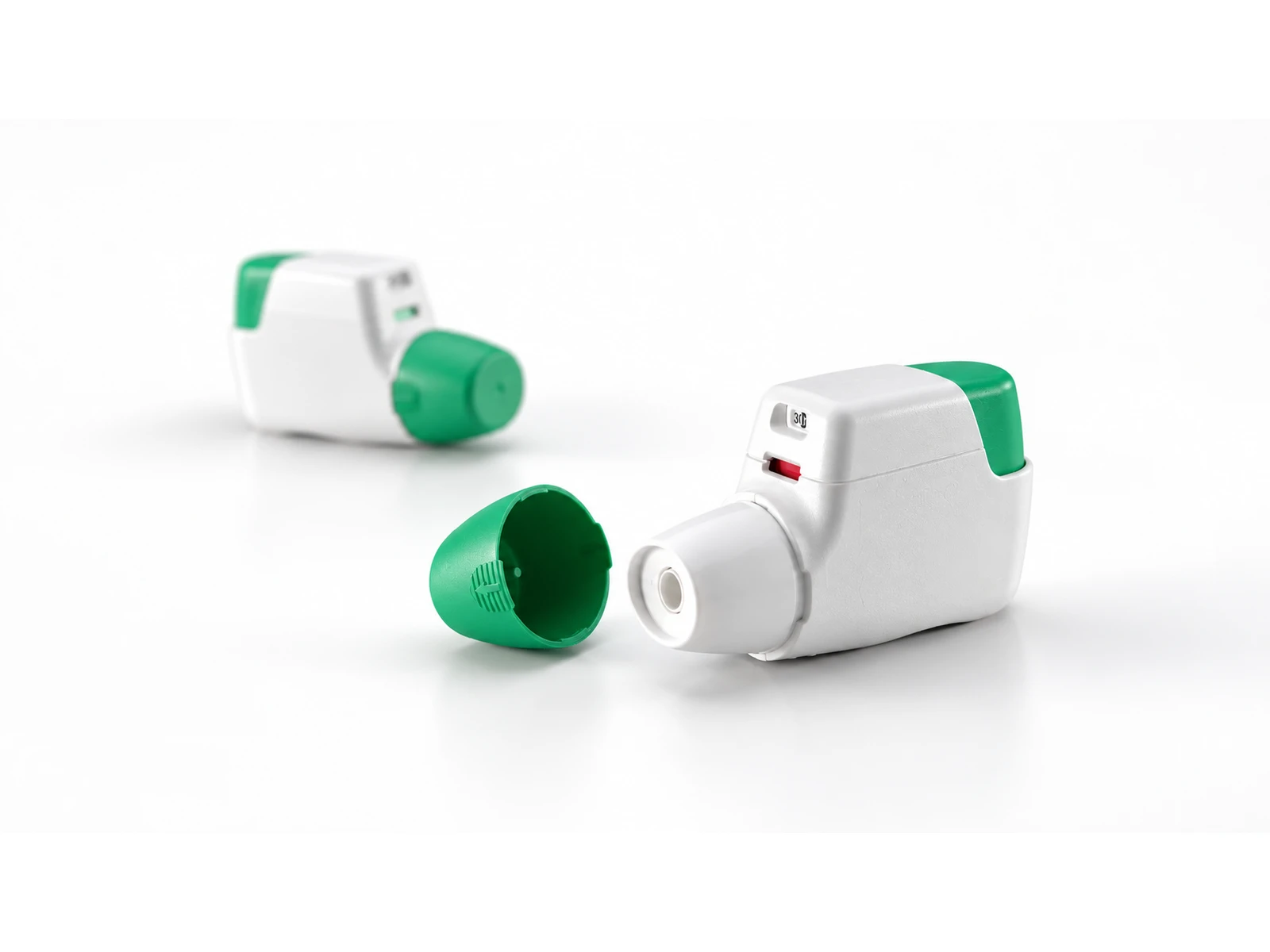
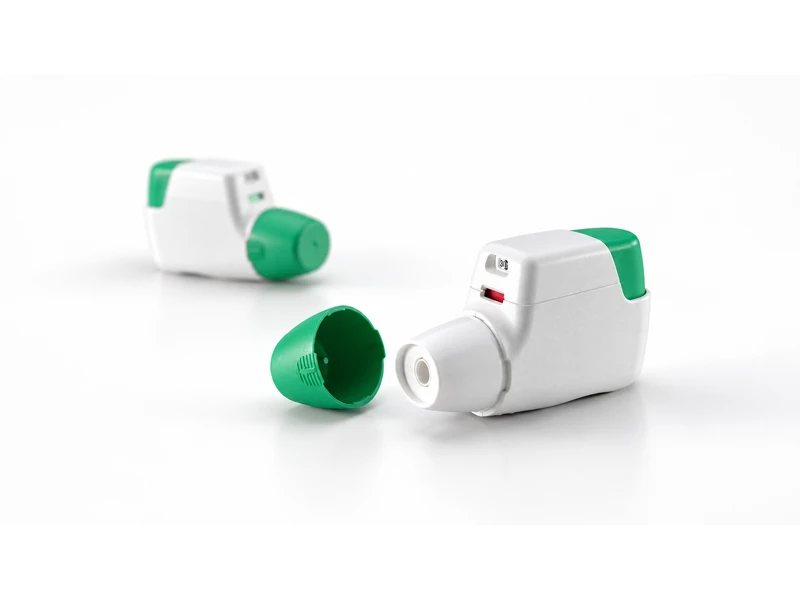
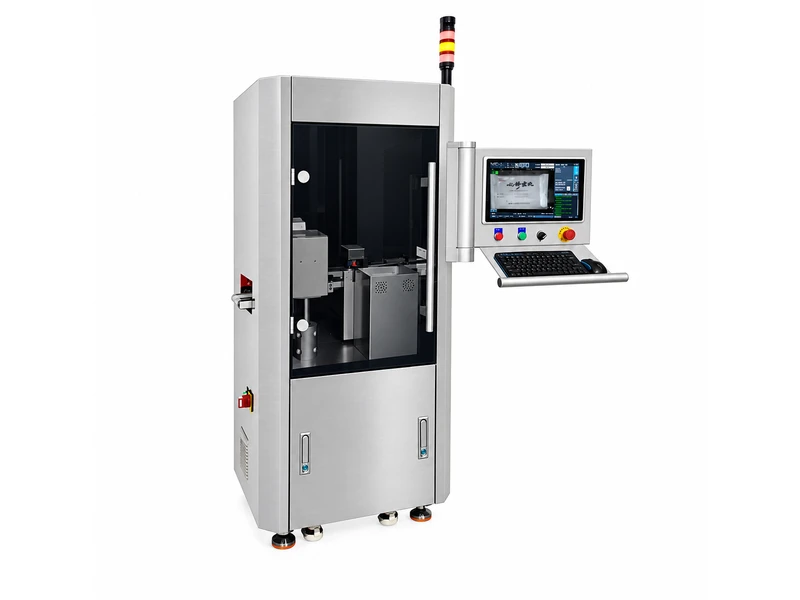
The capsule shell carries the powder dose into the inhaler, where the device opens it for use. Shell condition therefore matters beyond filling: transfer, packing and storage must preserve the specified presentation. This route combines inhalation-powder dosing with protective capsule packing. The line image illustrates the latter, starting with already-filled capsules rather than showing powder preparation or shell filling.
Example project input
The kit count comes from this example pack. Plan powder-dose trials, shell checks and destructive device tests as additional samples.
24
Inhaler kits in the example
10
Filled capsules per kit
240
Accepted capsules needed
—
Process options
Powder conditioning and dose uniformity have to be examined alongside shell handling and device compatibility.
Define the powder condition at the filler and the capsule shell used with the inhaler. Add micronization only if it belongs to the project.
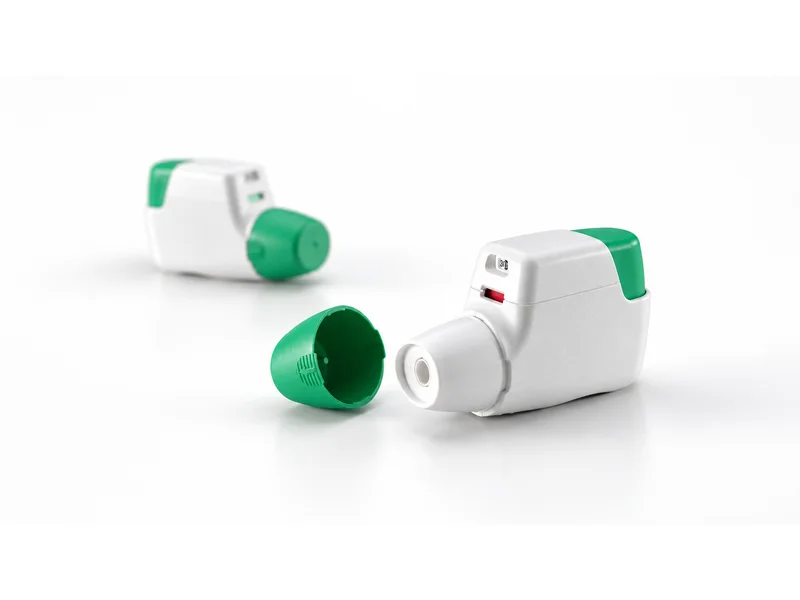
Trial the dosing mechanism with the actual powder. Check the assembled shell for closure and damage before protective packing.
Specify the barrier pack, capsule count and device supplied with the pack. Keep the filled capsule identifiable through assembly of the final kit.
Integrated production · Process route
Shown here: blister packing of already-filled inhalation capsules. Micronized powder dosing into the capsule and device assembly are outside this image.
Shown here: blister packing of already-filled inhalation capsules. Micronized powder dosing into the capsule and device assembly are outside this image.
Select a numbered area to see the operation and related equipment.
Technology
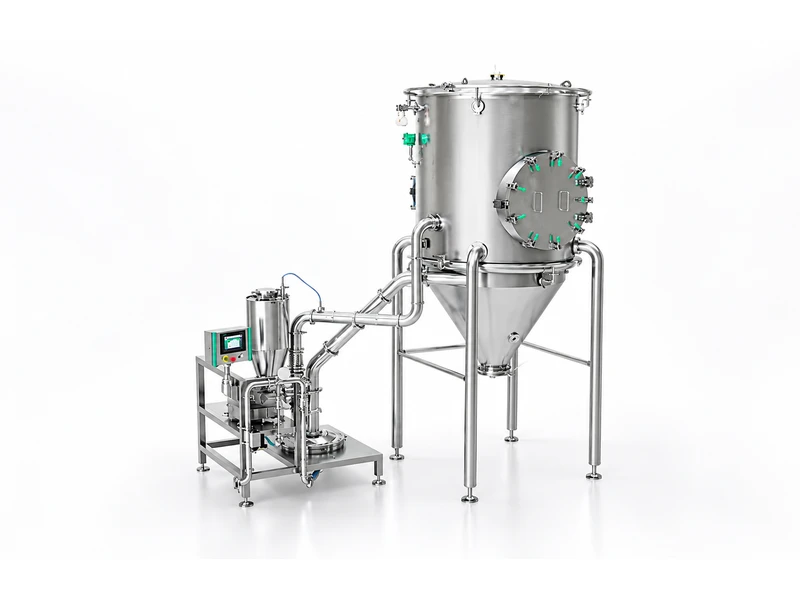
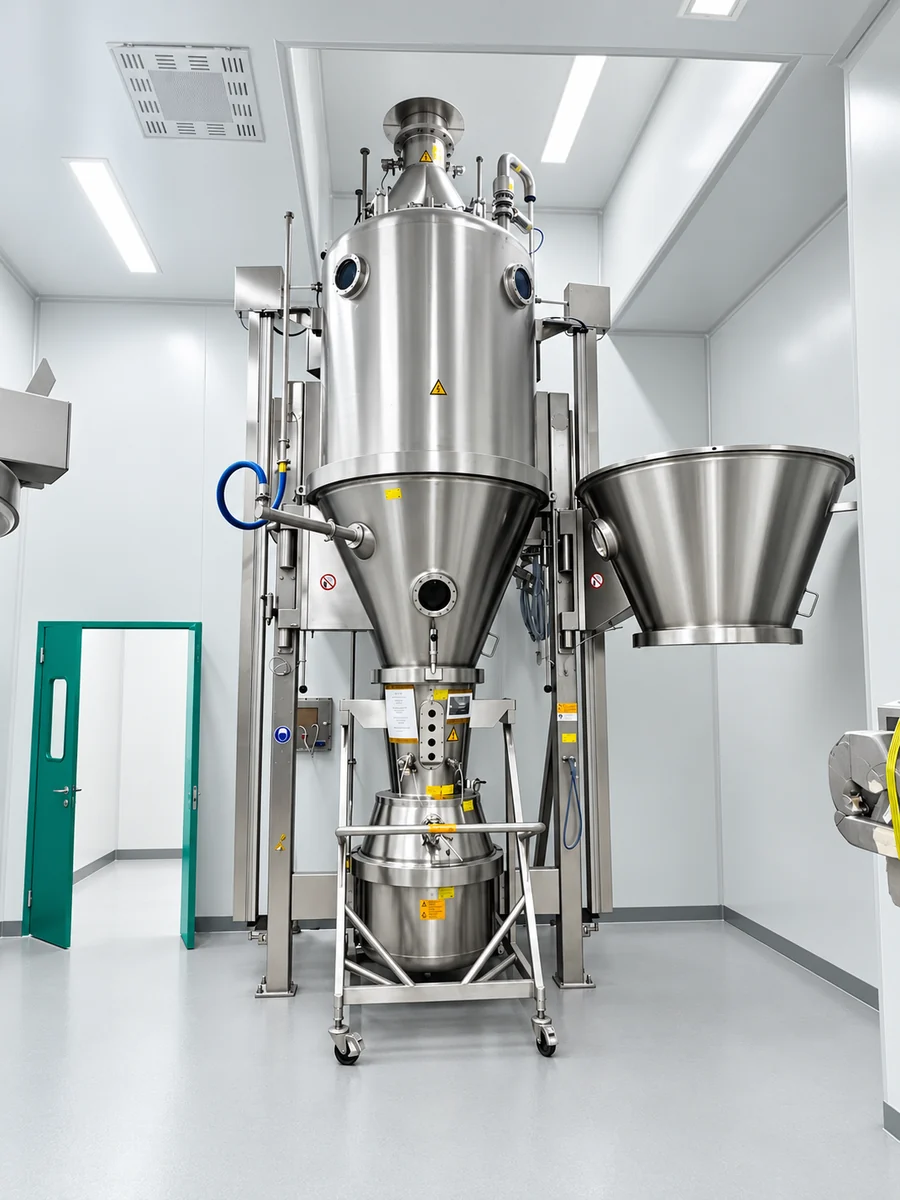
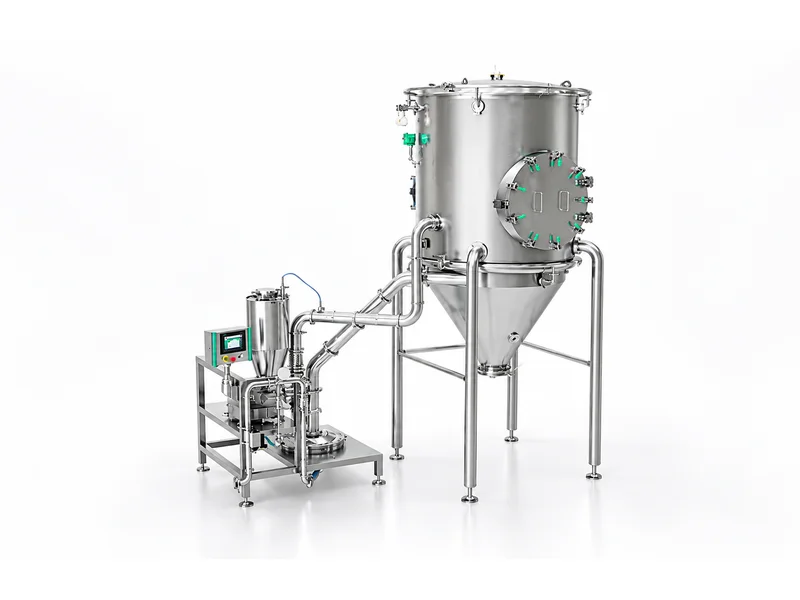
Confirm the receiving hopper connection, cleaning access and how powder is released. Inspect retained material at the end of a run.
Explore equipment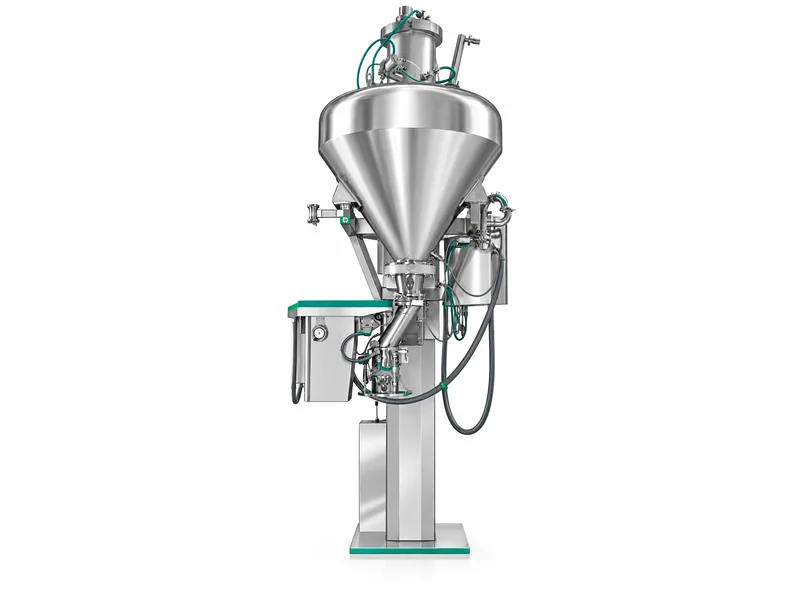
Technology
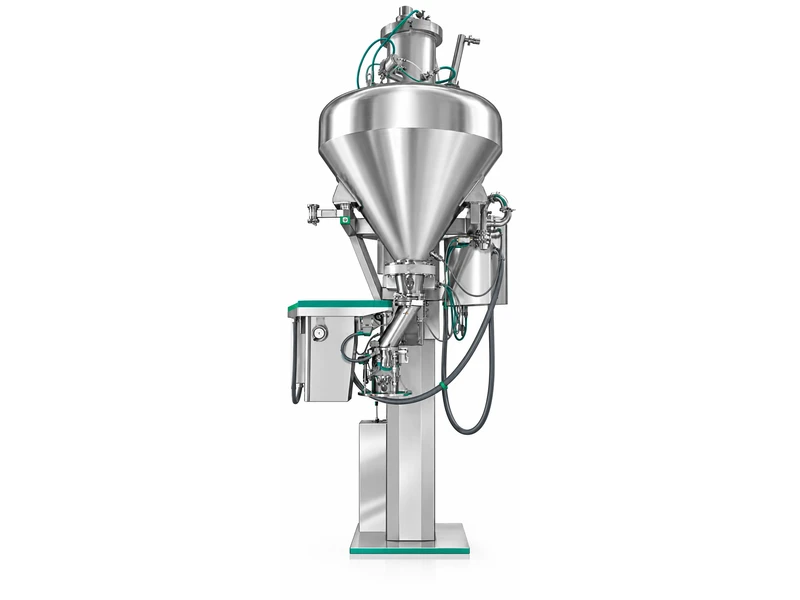
Present the correct shell size, meter the powder and close the shell. Evaluate deposited fill and shell condition alongside the device compatibility trial.
Explore equipment Linking shell lot, fill samples and inhaler-test samples helps distinguish dosing variation from damage introduced during handling. Comparing capsules at filler discharge and after packaging identifies changes in closure, cracks or deformation. An intact capsule and an acceptable fill mass are manufacturing checks; they do not replace evaluation with the intended inhaler.

Inspect representative filled shells at the filler discharge and after the pack transfer. Compare cracks, closure and deformation at each location.
Identify the device and capsule variants in each trial. Agree which measurements are made on the filled shell and which require the assembled device before setting sample quantities.
Feed a defined inhalation blend to the capsule filler, then pass accepted closed capsules into the specified moisture-protective pack. Device supply or kitting is a separate downstream operation. Do not substitute the oral-capsule route or add granulation merely because it appears in a solid-dose catalogue.
Agree capsule material, powder condition and fill method for the dose intended for the inhaler.
Check fill, shell closure and integrity without treating the capsule as an ordinary oral presentation.
Set the interface from protected capsule packaging to the intended inhaler kit. Define which finished combination the customer assesses.
Powder conditioning and dose uniformity have to be examined alongside shell handling and device compatibility.
Learn moreTrace the filled capsule from inspection to its protected pack and verify performance with the intended inhaler.
Learn moreIdentify the contact parts and format tooling for Dry Powder Inhalation Capsule Lines. Agree access for cleaning, the spares to hold and the operating records the site will need.
Learn moreShare dosage form, starting material and finished presentation.
Request product information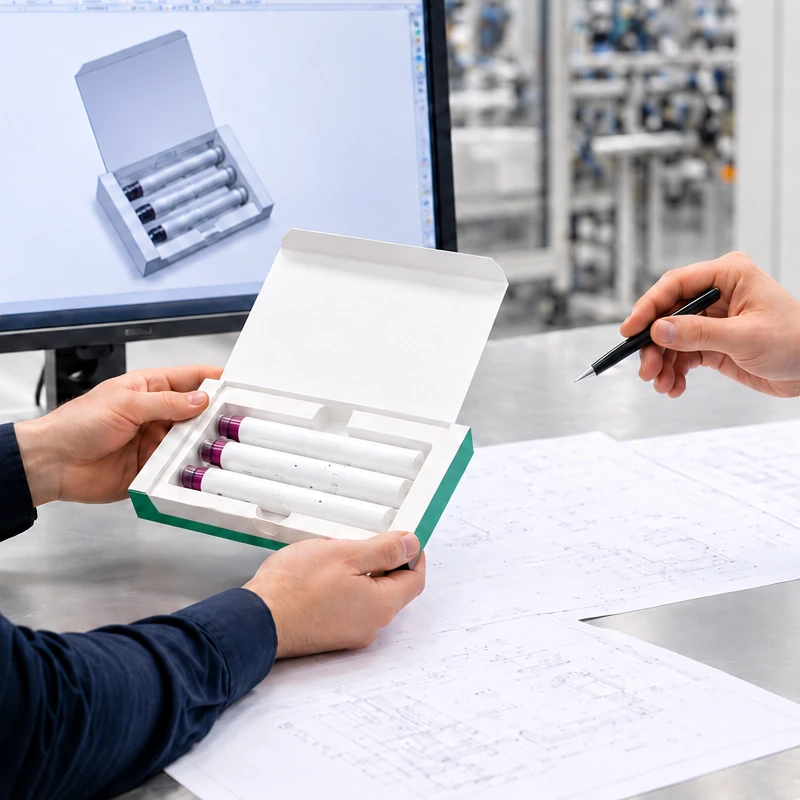
Brochure
Dry Powder Inhalation Capsule Lines
Available by enquiry
Request product informationCase
Dry Powder Inhalation Capsule Lines
Available by enquiry
Discuss project references2 resources
No. Review the powder dose, shell material, closure, handling conditions and how the device opens the capsule. A machine that fills oral capsules may need different dosing and handling provisions; suitability must be demonstrated with the intended inhalation product.
It establishes the agreed mass measurement only. The filled capsule and inhaler must also be assessed together under the product-development test plan. Device operation and dose-delivery behaviour cannot be inferred from capsule weight alone.
The displayed route starts with already-filled capsules and shows blister feeding, forming, sealing, cutting and cartoning. It does not show micronized-powder dosing into shells or device assembly. Those operations should be listed separately in the project scope.
Assess the formulation and shell requirements, intended storage, pack opening and capsule count. Agree the barrier material, sealing arrangement and pack tests with the product team, then trial the filled shell through the selected blister and carton transfers.