01
Empty glass
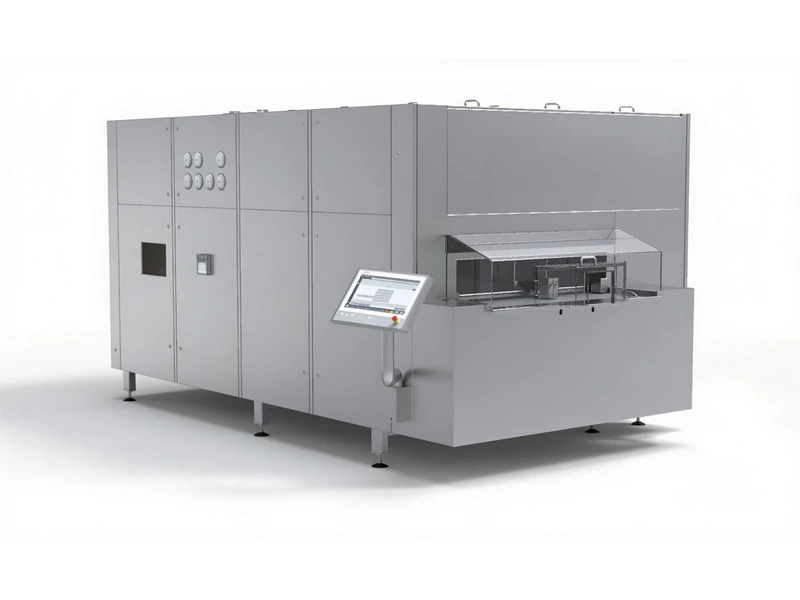
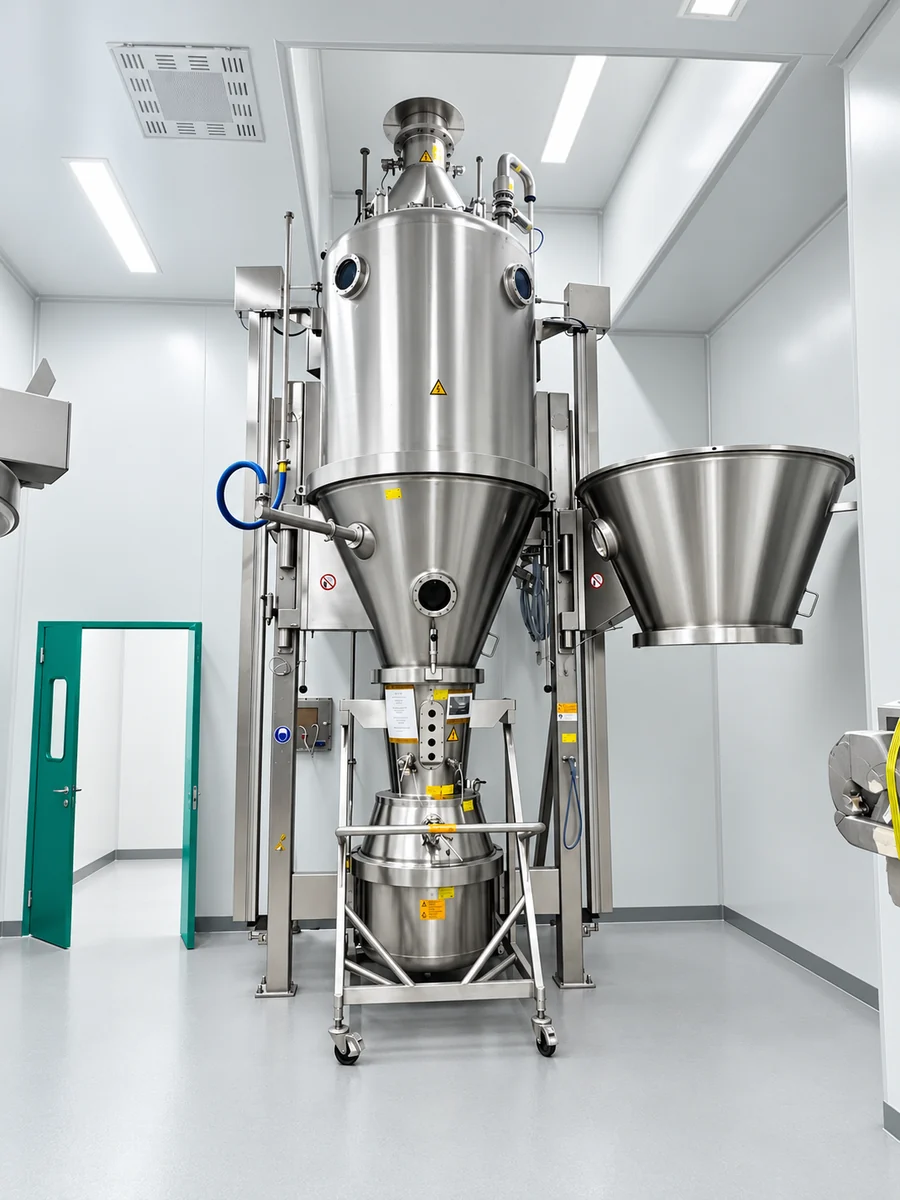
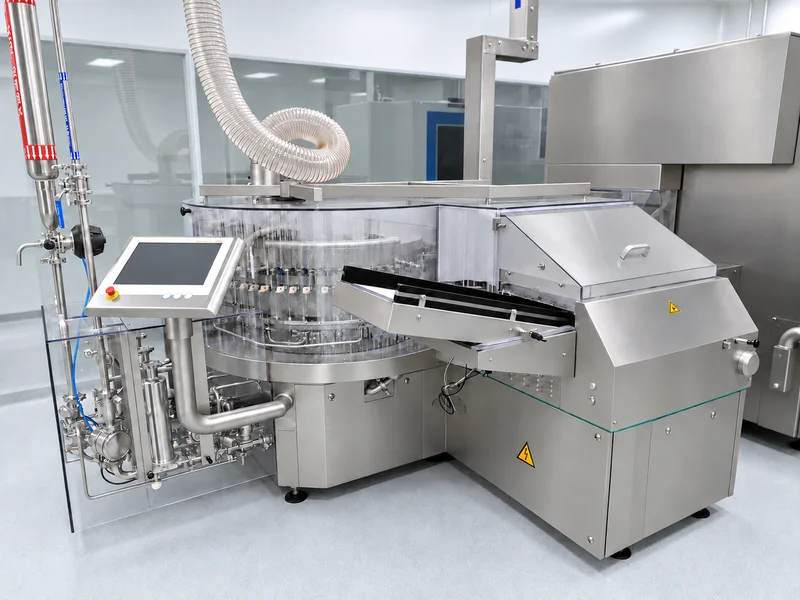
For loose ampoules, confirm the wash tooling and thermal treatment against the neck and body drawings. Define the clean transfer into the filler.
Container washer Sterilization Tunnel
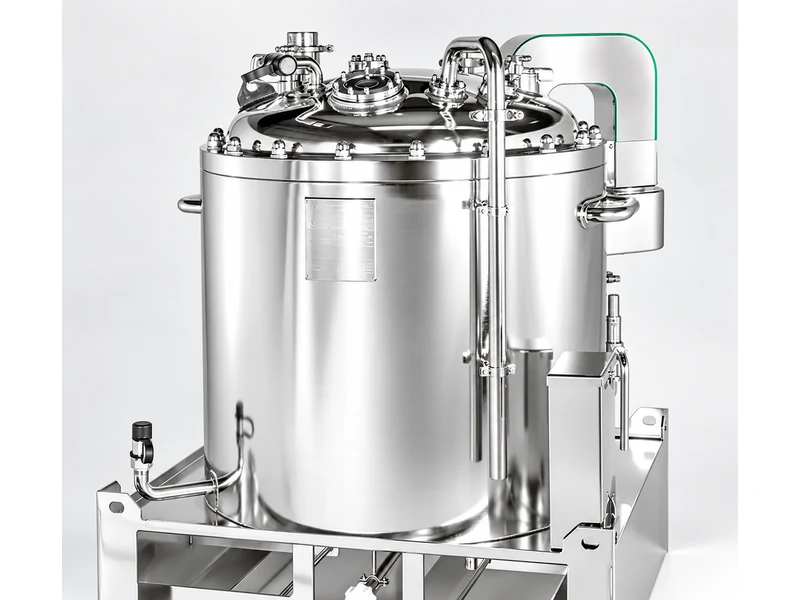
Process expertise. Chinese manufacturing. Global perspective.

Production line
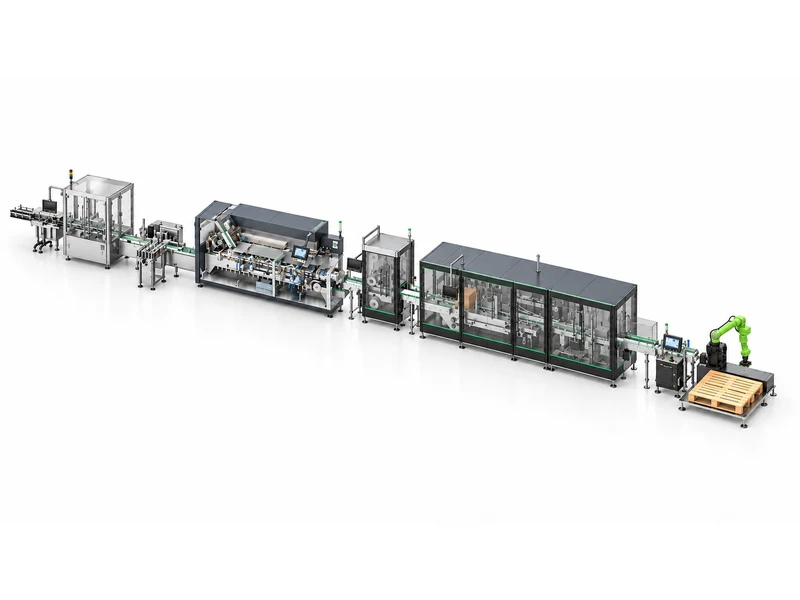
An ampoule filling line connects empty-glass preparation, liquid dosing and flame sealing with inspection and protective packing. The narrow glass neck is both the filling access and the closing point, so filling height, needle withdrawal and tip-sealing conditions affect the same critical area.
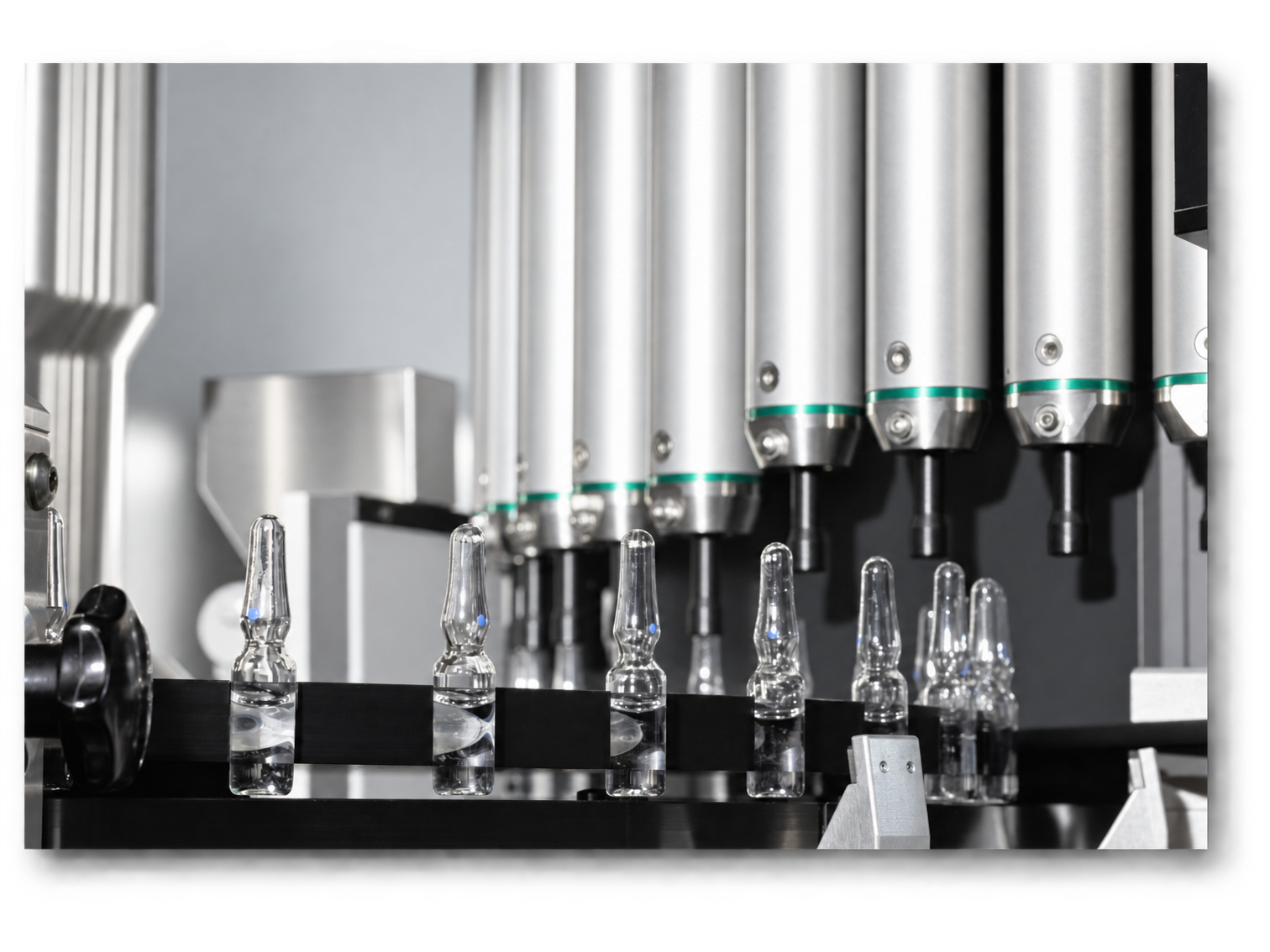
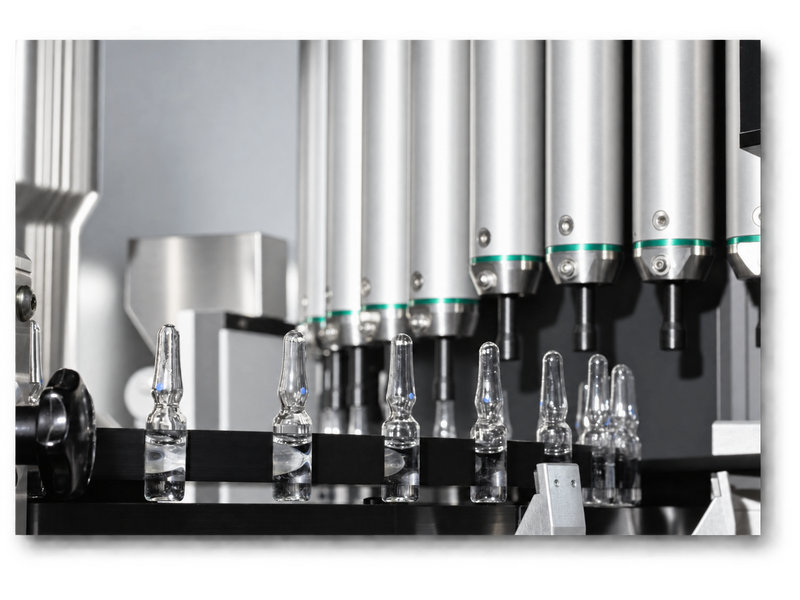
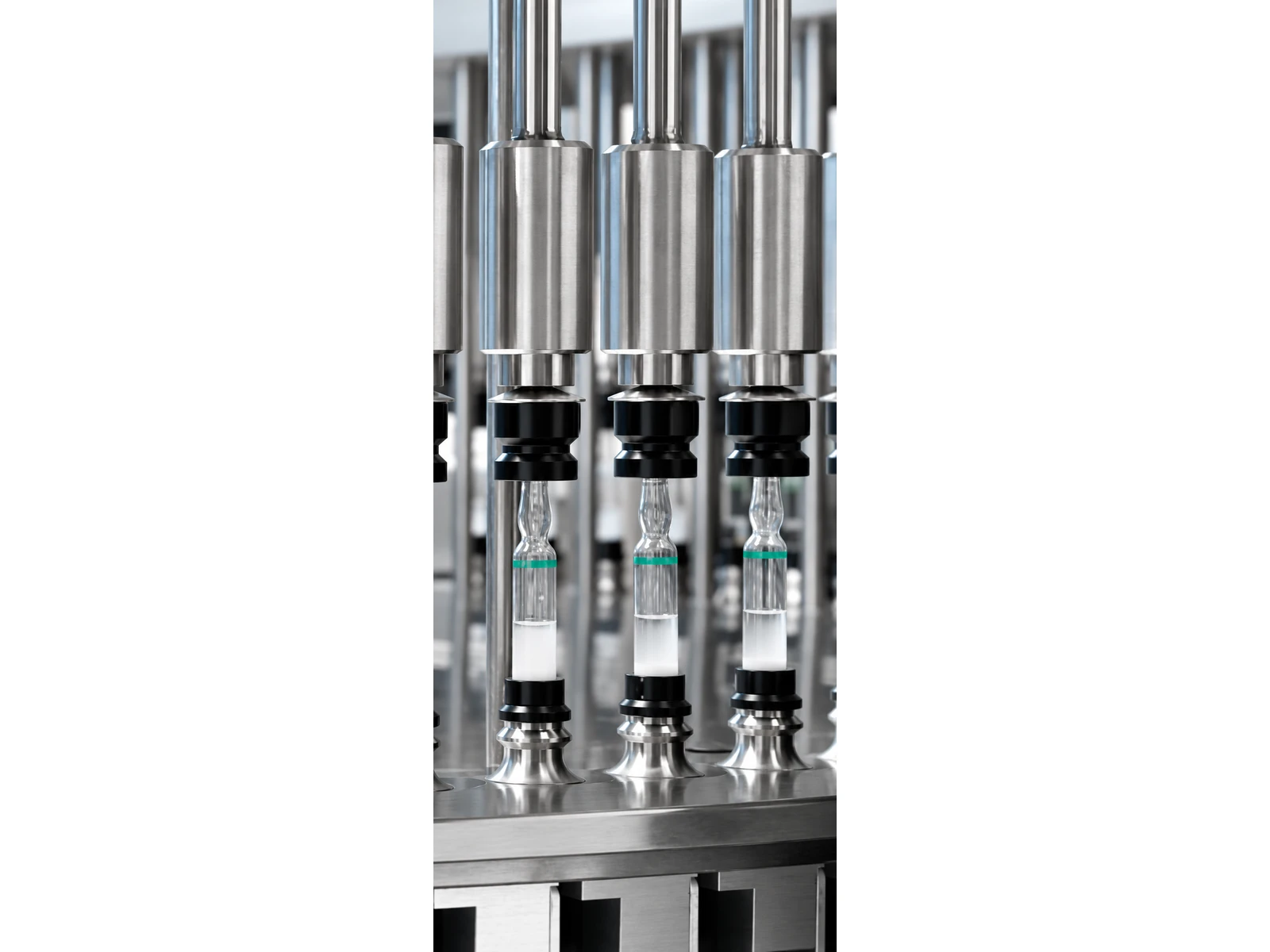
The preparation route brings empty ampoules to the filler in the required condition. Liquid enters through the open neck, after which heat closes the glass tip. Splashing or liquid left near that neck can complicate the seal process; stable support and controlled needle withdrawal help keep dosing and sealing separate in time. Ampoules follow this glass-sealing route rather than vial stoppering and crimp capping.
Example project input
Use the selected tray layout. Reserve extra glass for setup, breakage and seal samples when planning the order.
12
Ampoule trays in a trial
50
Glass ampoules per tray
600
Ampoules presented for filling
—
Process options
The neck finish and the heat sensitivity of the formulation guide filling height and sealing trials.
For loose ampoules, confirm the wash tooling and thermal treatment against the neck and body drawings. Define the clean transfer into the filler.
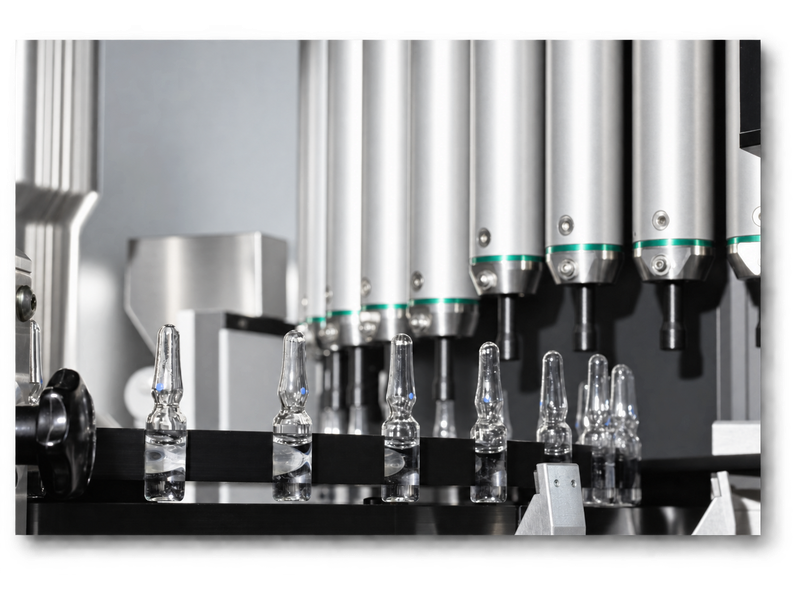
Keep liquid clear of the neck during needle withdrawal. Set the sealing conditions using the intended ampoule and inspect the resulting tip.
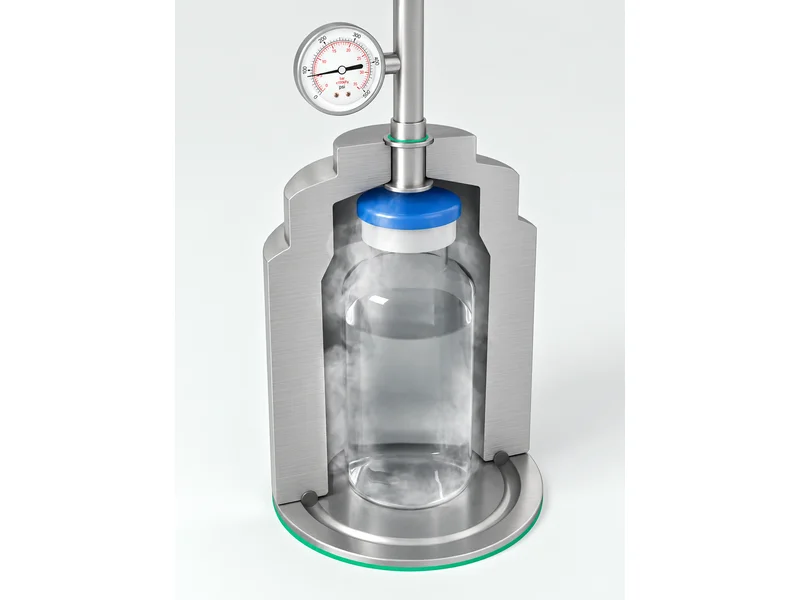
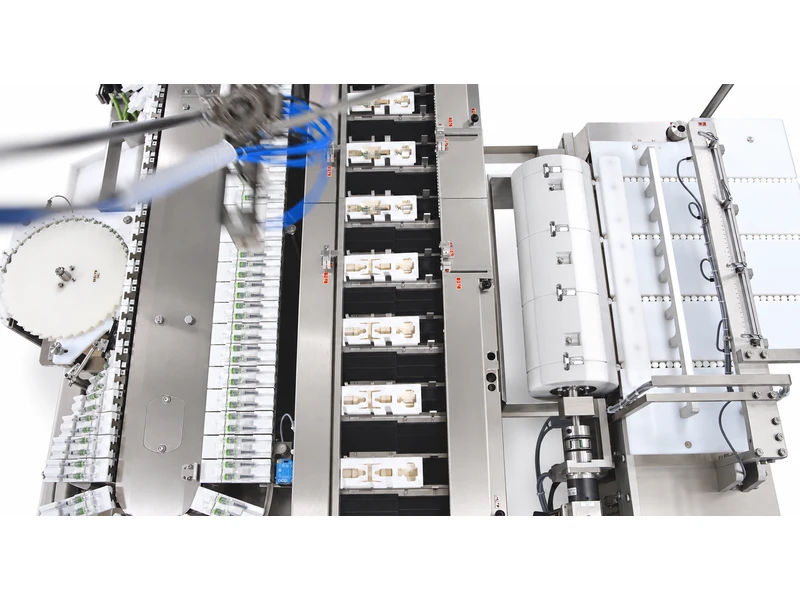
Define visual and integrity checks on sealed glass. Trial the tray or blister infeed with the intended orientation before selecting cartoning.
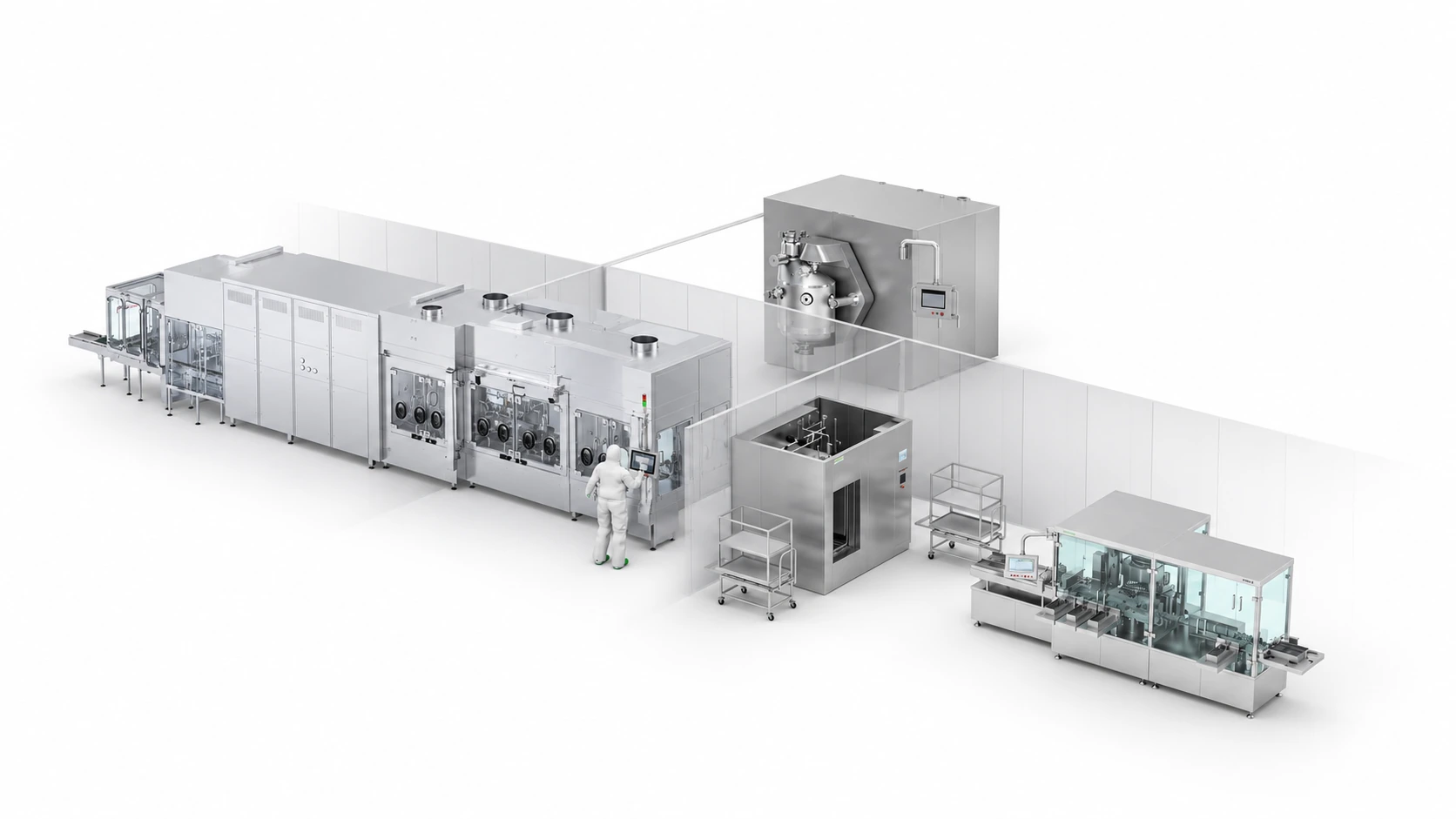
Integrated production · Process route
Explore the numbered process areas on this line.
Follow glass ampoules from preparation to inspection after flame sealing.
Select a numbered area to see the operation and related equipment.
Filling technology
A flexible tube carries the liquid while rotating rollers control dosing. The product contacts the tube rather than the pump mechanism. This principle is used when a disposable product path and gentle handling are priorities. Tubing selection, product compatibility and the changeover procedure should be reviewed for each application.
Explore technology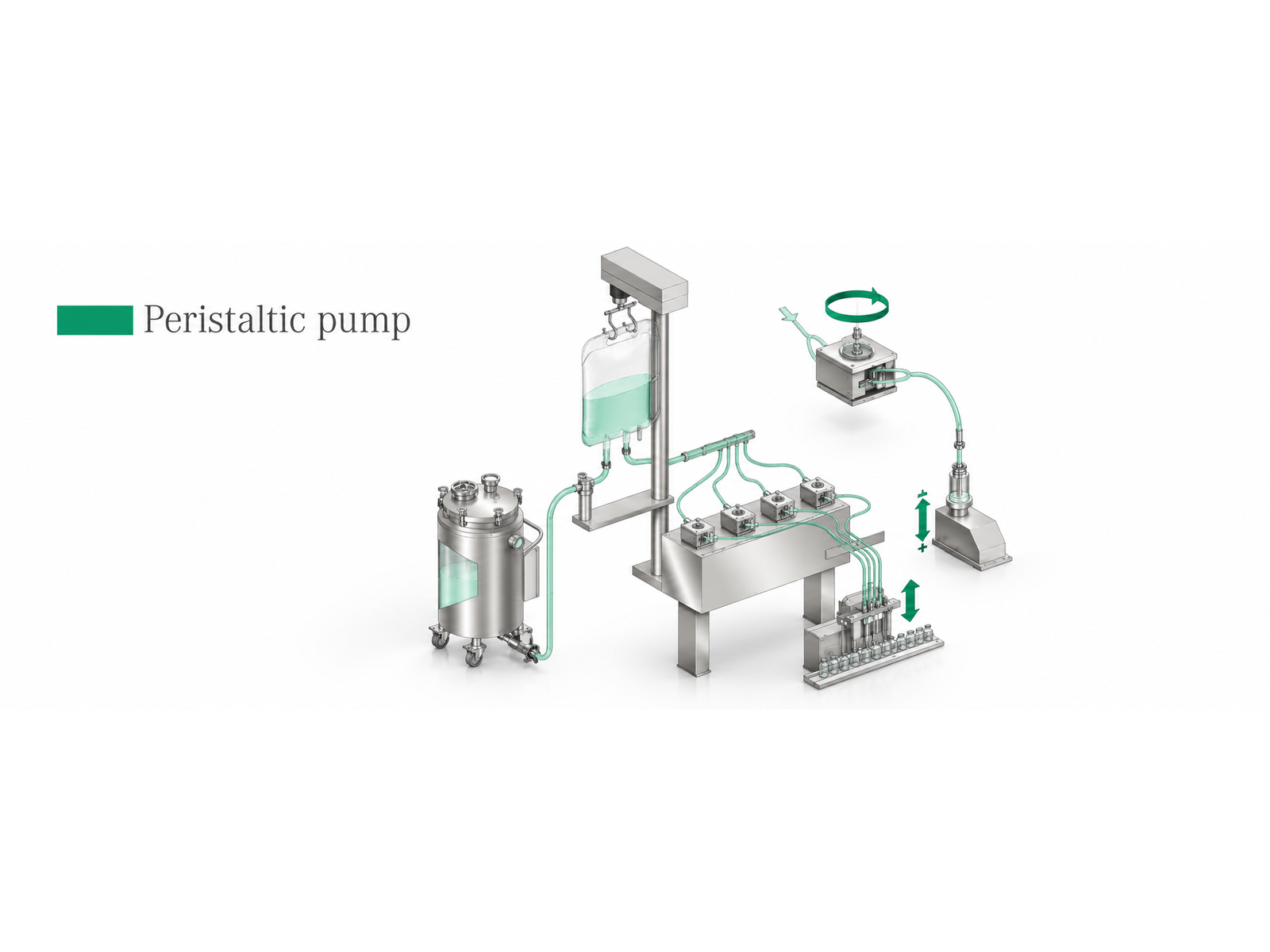
Filling technology
A piston draws liquid into a cylinder and then dispenses a measured volume through the outlet. The selected piston, valve and product-contact materials determine the application range. Review viscosity, cleaning requirements and the required filling volume together with the product and container format.
Explore technology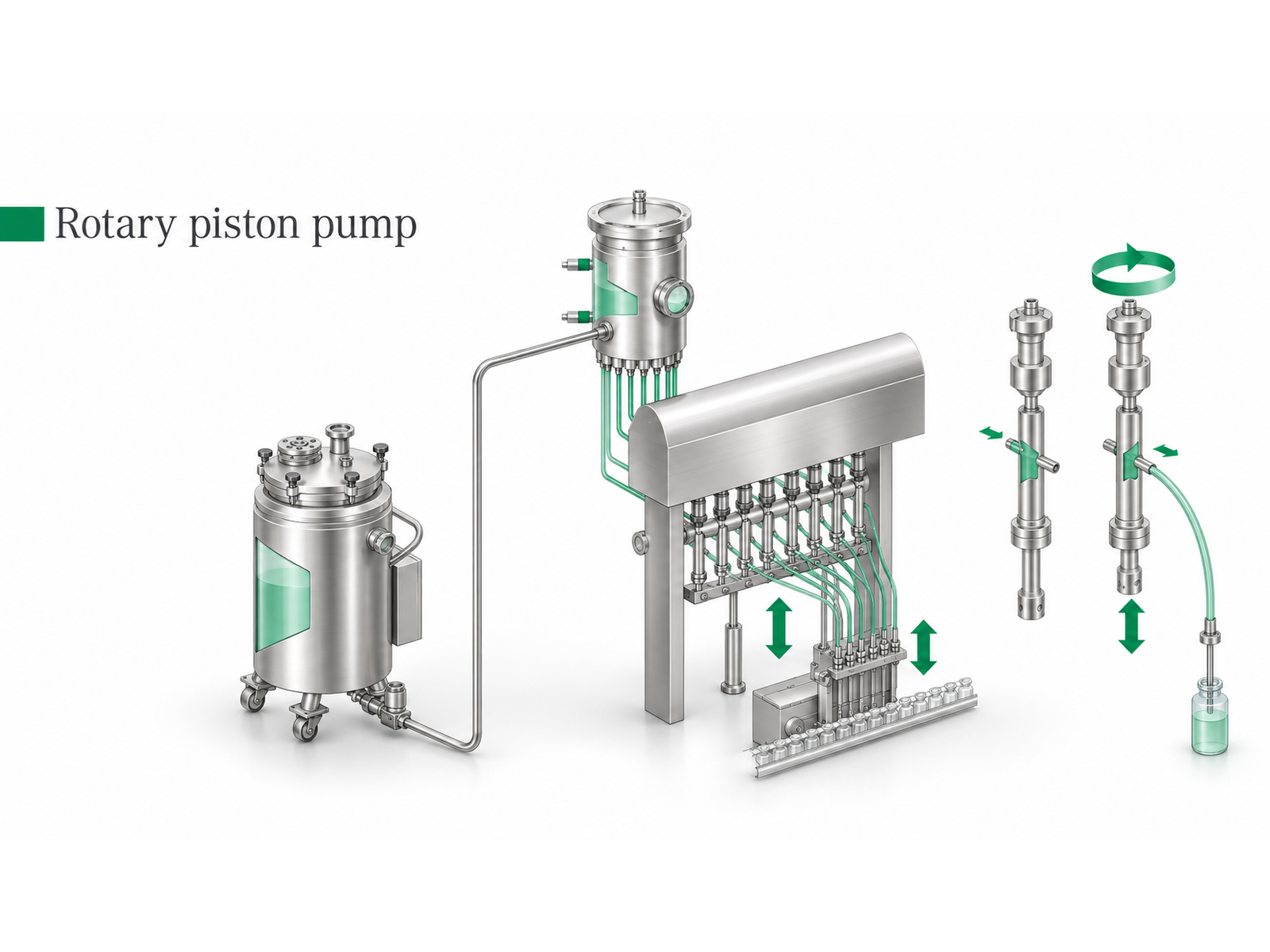
Filling technology
Controlled pressure moves liquid through a filling valve. The opening time and supply conditions determine the dispensed quantity. Product properties, pressure stability and the valve configuration are evaluated together when setting up the filling process.
Explore technology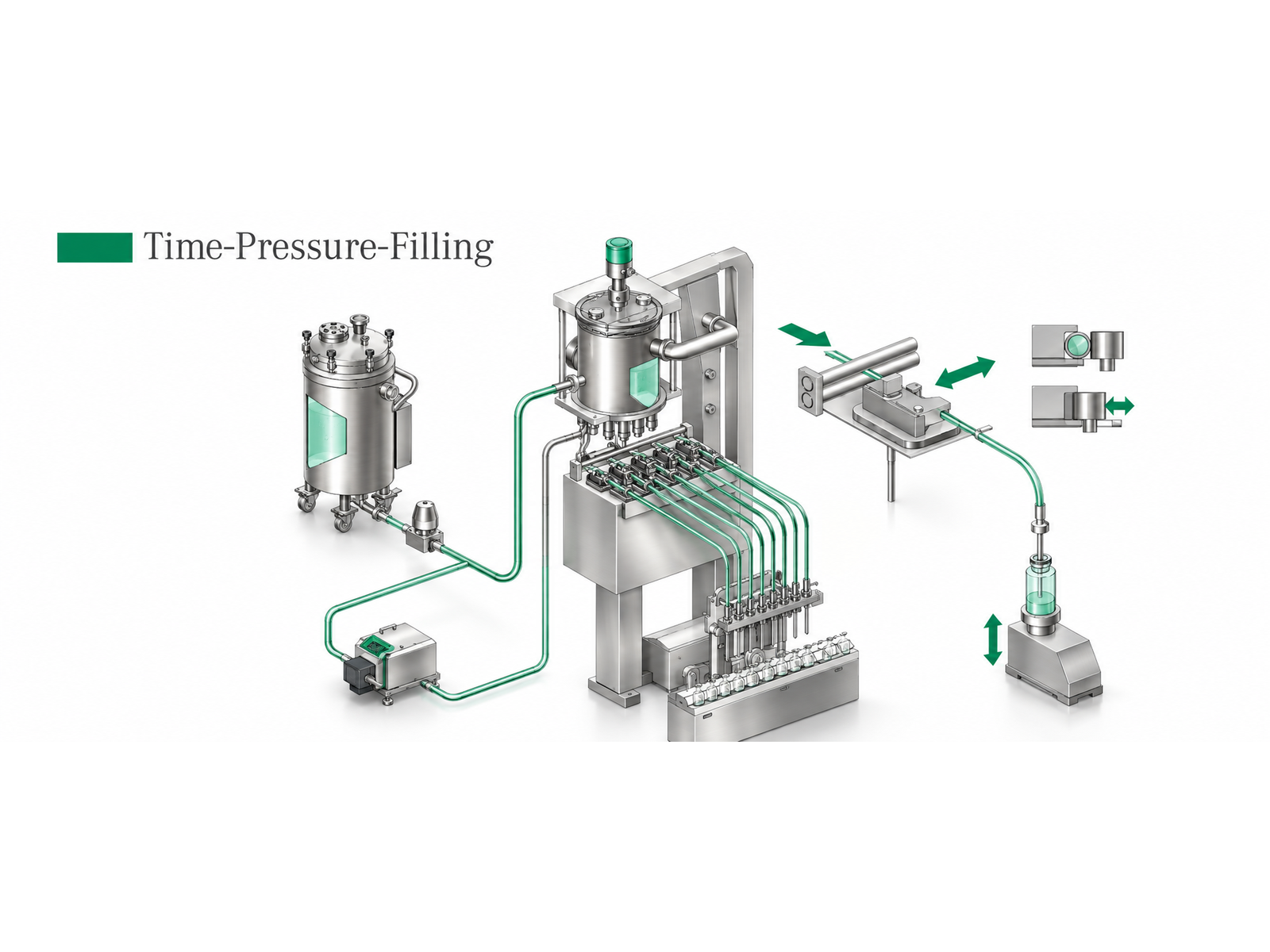
Filling technology
A flow sensor measures the product passing through the filling path and provides feedback to the dosing valve. The process is evaluated around the required fill mass, product behaviour and cleaning strategy. Sensor selection and the control sequence depend on the application.
Explore technology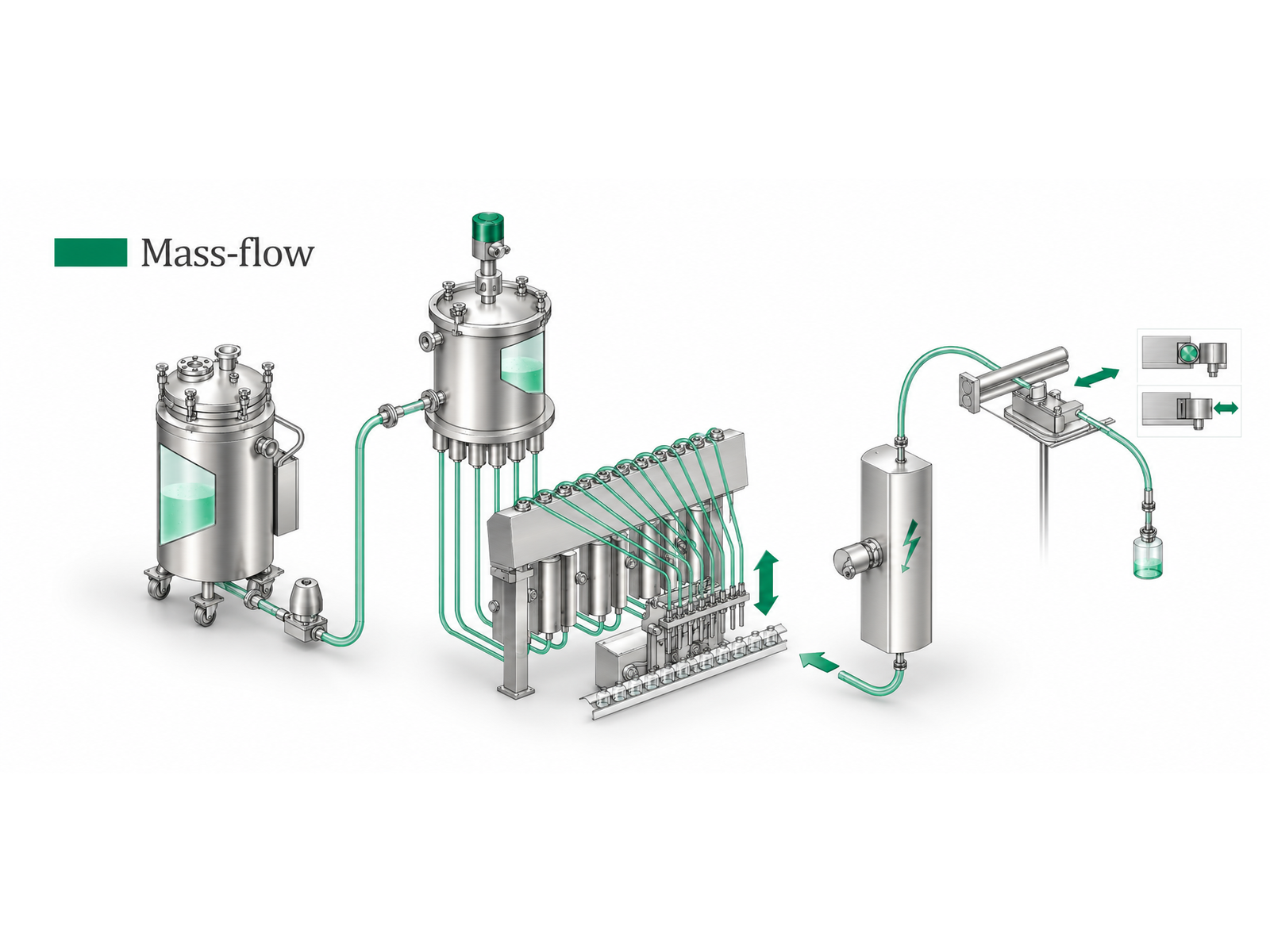
The fragile closed tip remains a handling concern after sealing. Samples taken after sealing, inspection transfer and pack loading reveal where chips or cracks first appear. That distinction matters: changing a sealing setting will not correct damage introduced by a downstream guide, and changing packing tooling will not correct an inadequate seal.

Run the intended glass with a representative liquid and observe needle withdrawal. Inspect the neck for splashes before sealing, then compare tips at the same settings.
Take identified samples after the seal, after inspection transfer and at tray loading. Compare chips and cracks by location to identify the handling step involved.
Connect the ampoule washer, selected thermal treatment and filler through a defined clean transfer. Keep parts washing and other reusable-component preparation as parallel support operations. After flame sealing, specify the inspection route and the protective tray, blister or carton interface.
Confirm ampoule neck geometry, glass supply and the route from washing and heat treatment into filling.
Coordinate needle withdrawal, liquid level and tip sealing. Use the intended glass for the seal study.
Inspect the sealed ampoule before grouping for a tray, blister or carton. Agree the fragile-glass transfer and reject path.
The neck finish and the heat sensitivity of the formulation guide filling height and sealing trials.
Learn moreFollow the sealed unit through inspection and packing to check that handling protects the neck.
Learn moreIdentify the contact parts and format tooling for Pharmaceutical Ampoule Production Line Planning. Agree access for cleaning, the spares to hold and the operating records the site will need.
Learn moreShare dosage form, starting material and finished presentation.
Request product information
Brochure
Pharmaceutical Ampoule Production Line Planning
Available by enquiry
Request product informationCase
Pharmaceutical Ampoule Production Line Planning
Available by enquiry
Discuss project references2 resources
An ampoule is closed by sealing its glass neck. The line needs a filling and flame-sealing arrangement matched to the ampoule geometry. Stopper insertion and crimp capping belong to different container presentations and should not be added to the ampoule route by default.
Use the intended glass and a representative liquid. Examine fill level, splashing during needle withdrawal, the condition of the neck entering sealing and the resulting tip. Agree the seal and integrity test methods separately, including the samples and acceptance criteria.
No. Define the glass geometry, fill volume, product appearance, expected defects and required presentation to the inspection station. Confirm ampoule handling and the reject route with representative samples; a vial inspection reference does not establish ampoule compatibility.
After the closed ampoules have passed the specified checks, the line presents them in the orientation and grouping needed by the protective pack. Confirm whether the scope includes tray or blister loading, carton loading, coding and case packing, and identify who supplies each transfer.