01
Select the powder route
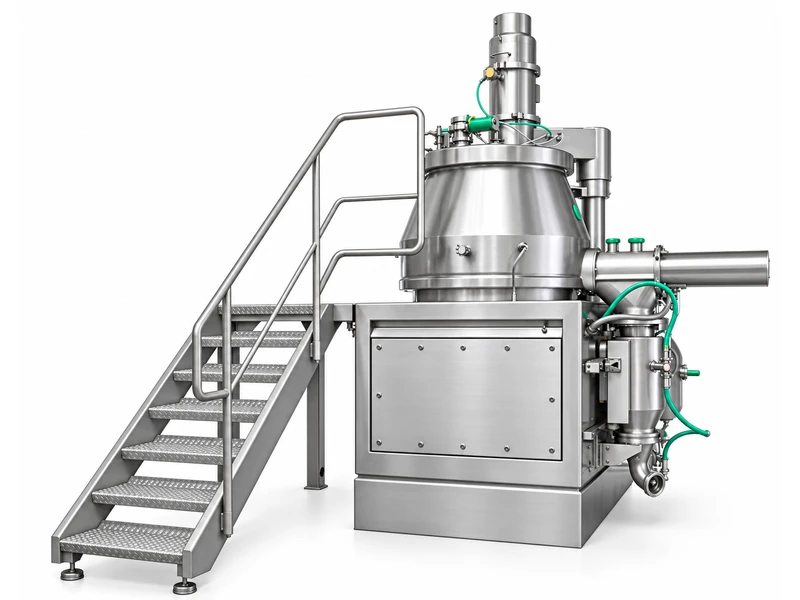
Direct compression starts with a blend that already feeds and compacts satisfactorily. Otherwise select dry granulation or wet granulation with drying and sizing.
Process expertise. Chinese manufacturing. Global perspective.

Production line
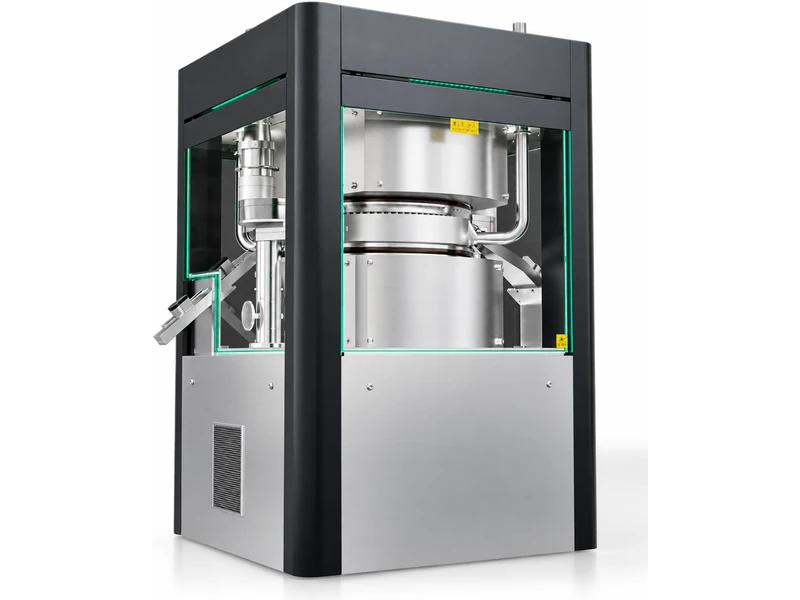
A tablet production line connects a formulation-specific powder route with compression, the required finishing and inspection, and a selected primary pack. Direct compression, dry granulation and wet granulation are alternative ways to prepare the press feed. Coating is product-dependent; bottles and blisters are alternative packaging branches.
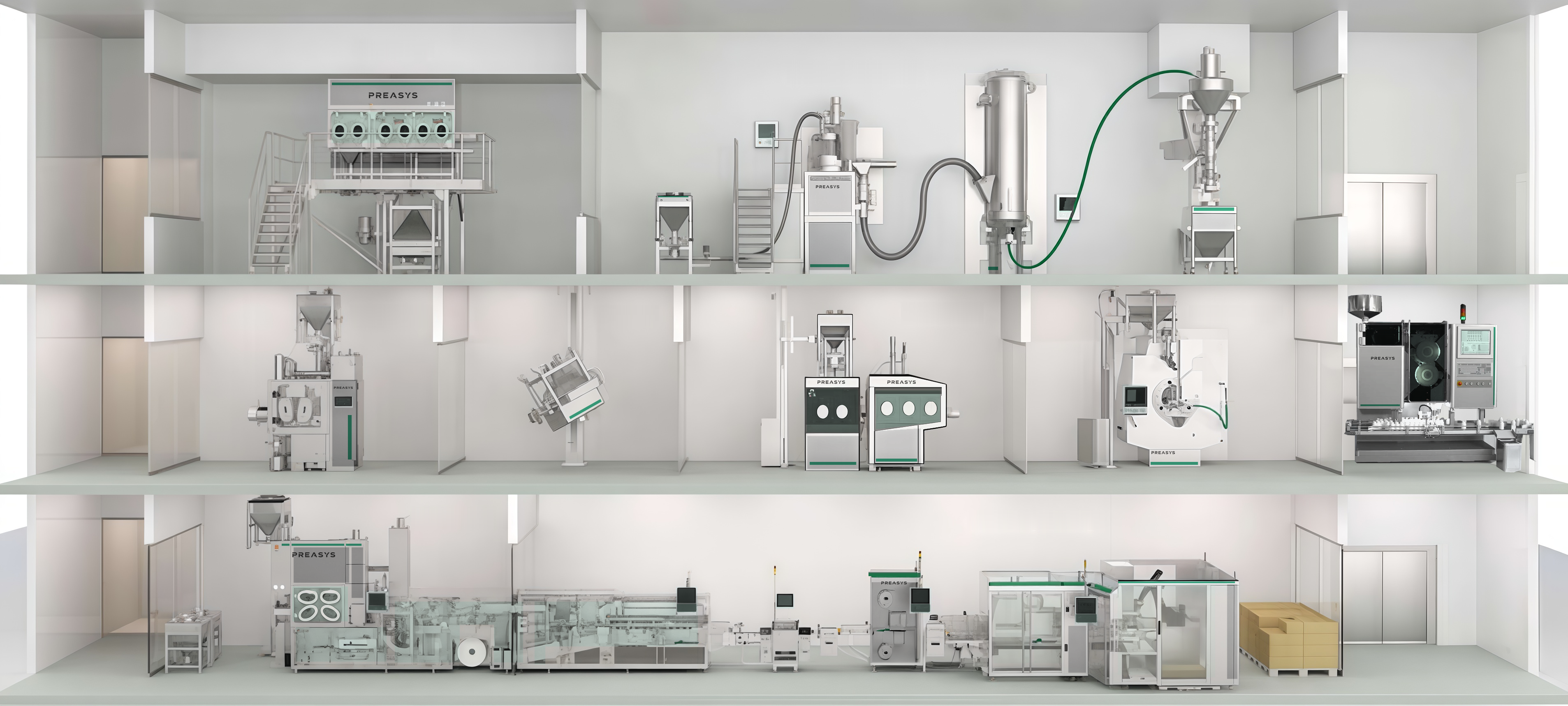
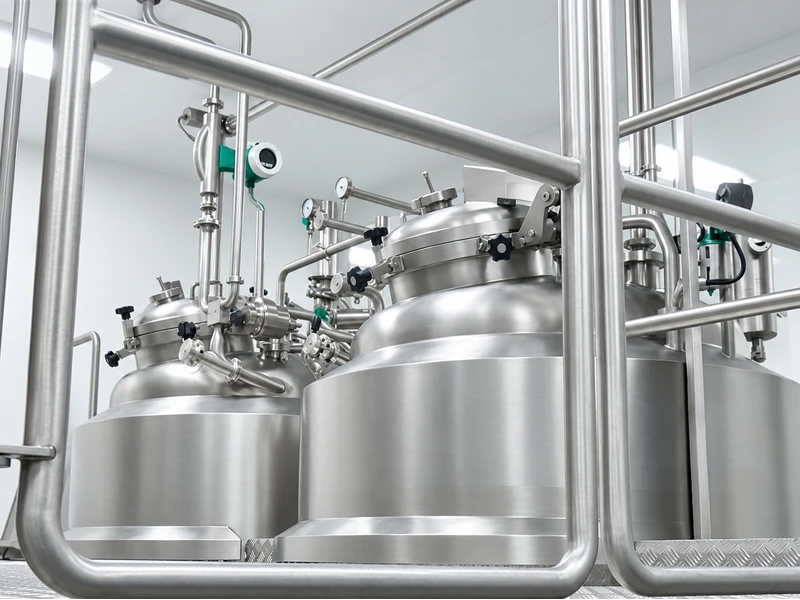
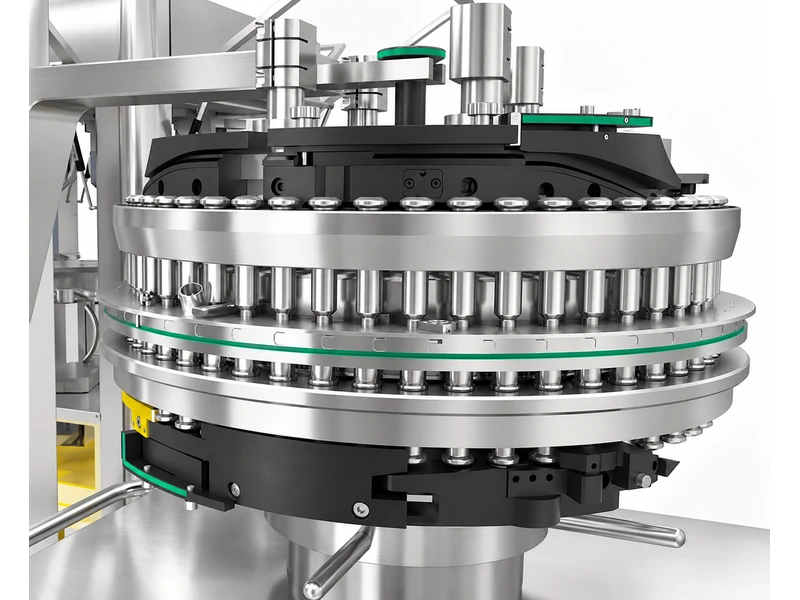
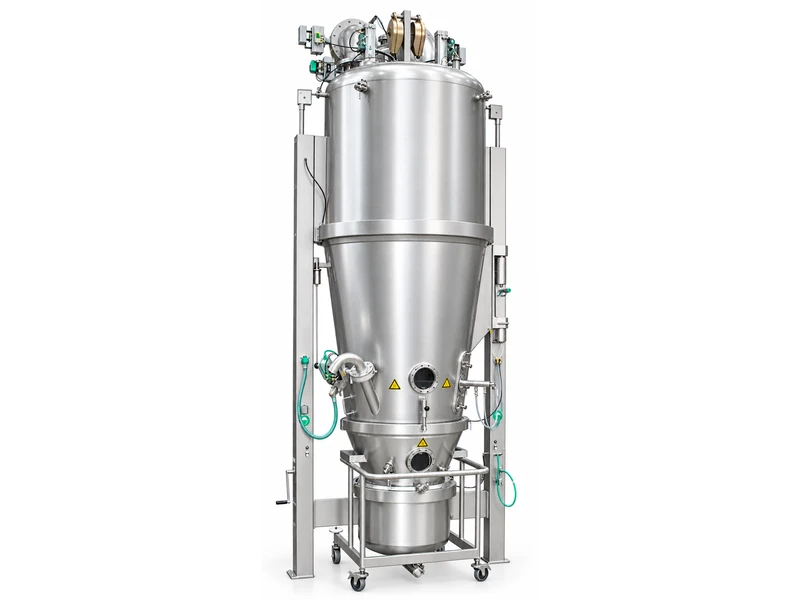
The press needs material that feeds and compacts as required by the tablet design. A suitable blend can follow direct compression; dry granulation changes the material without a wetting/drying stage, while the wet route includes granulation and the corresponding drying and sizing operations. Compression produces the core. Any coating and final-surface inspection then precede the selected primary pack.
Example project input
This order uses blister cards. For a bottle format, calculate from the approved tablet count per bottle. Add inspection samples and rejects to the press plan.
250
Blister cards in the example order
10
Tablets per card
2,500
Accepted tablets needed
—
Process options
Film coating is product-dependent. Blister packing and bottle filling are alternative primary formats, with inspection and secondary packing selected for the chosen route.
Direct compression starts with a blend that already feeds and compacts satisfactorily. Otherwise select dry granulation or wet granulation with drying and sizing.
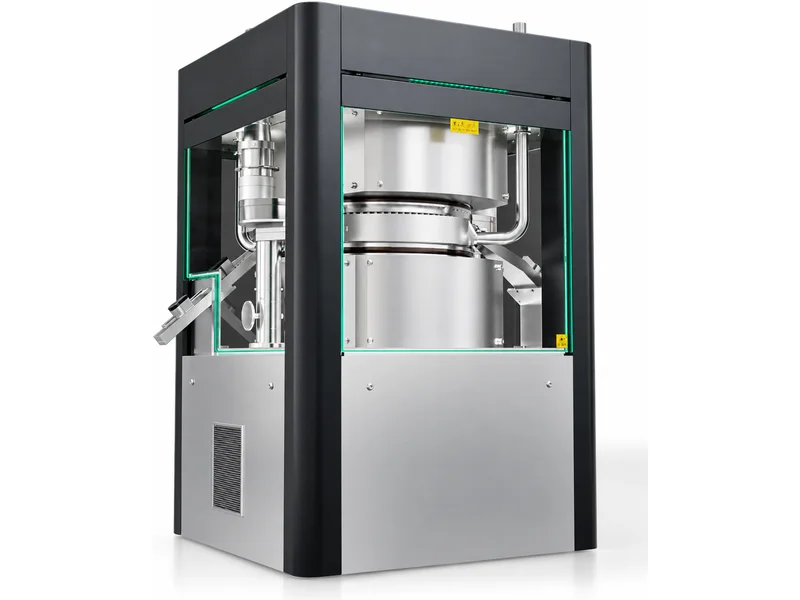
Choose tooling and feed for the intended tablet. Add coating when the product calls for it, then inspect the surfaces in their finished condition.
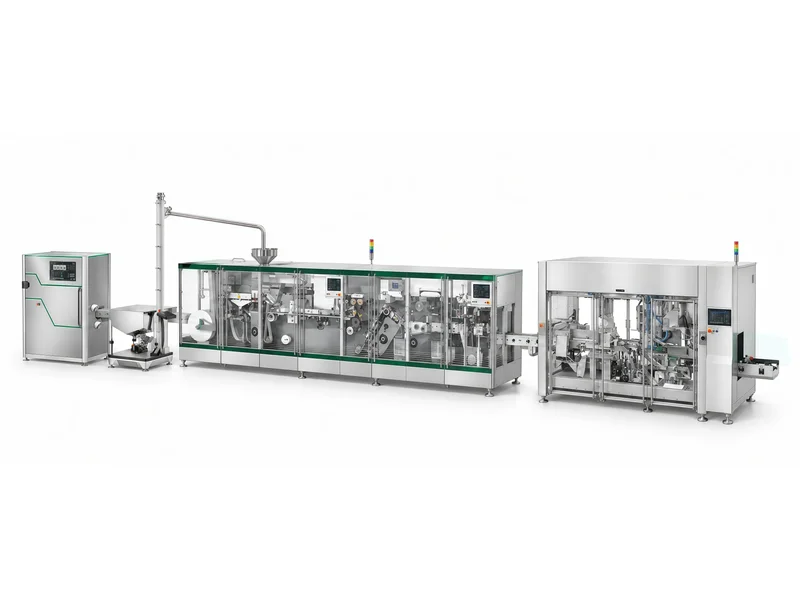
Feed tablets into blister pockets or count accepted tablets into bottles. Send the chosen pack to secondary packing. Encapsulation on the shared drawing belongs to the capsule route.
Oral solid dosage · Integrated production
Discover the equipment behind your solid dosage process.
Route selection. Wet and dry granulation are alternatives. Select tablet compression or capsule filling for the dosage form; include coating when required.
Illustrated equipment and packaging options show process relationships. The facility layout and equipment configuration are defined for each project.
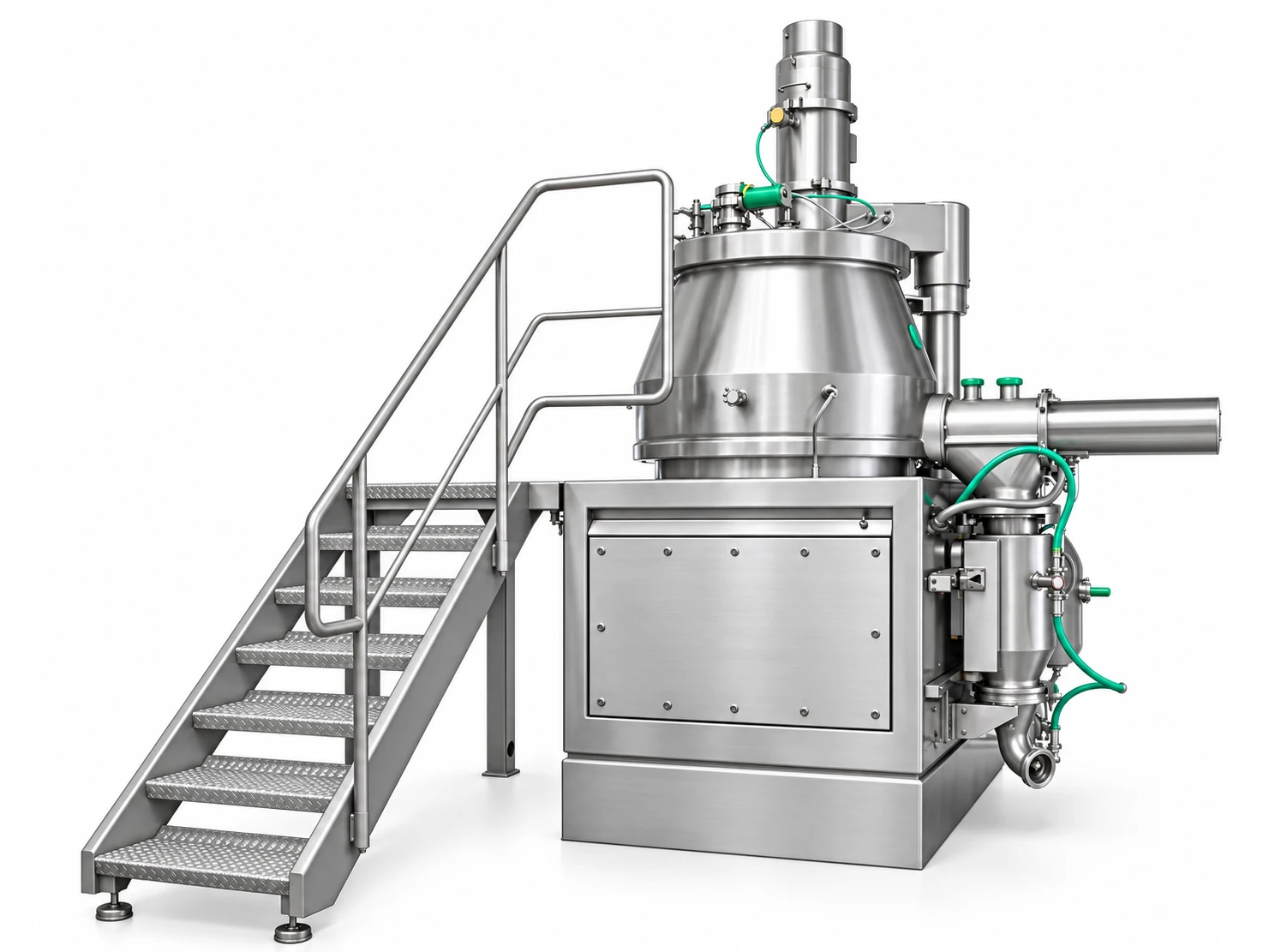
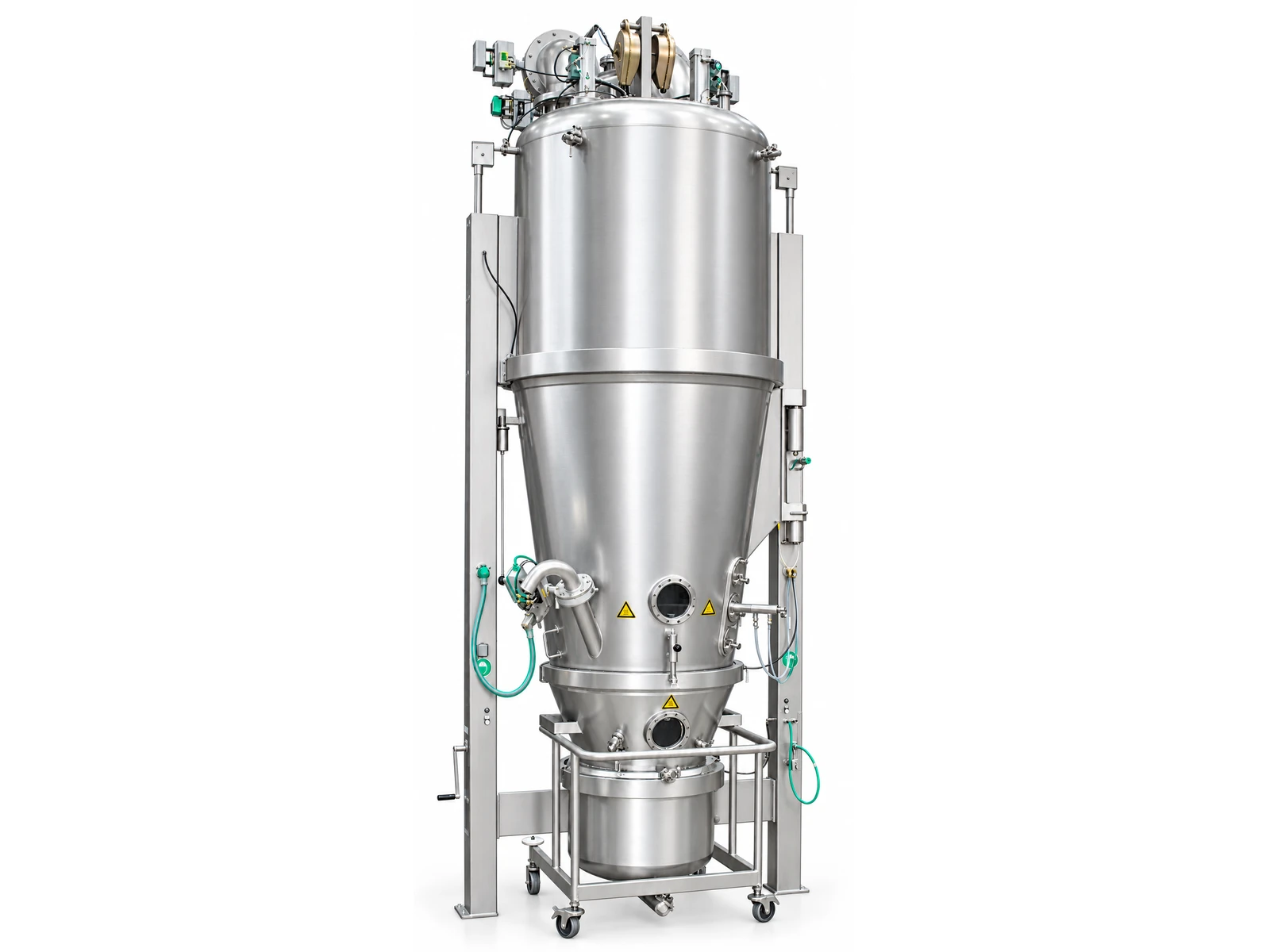
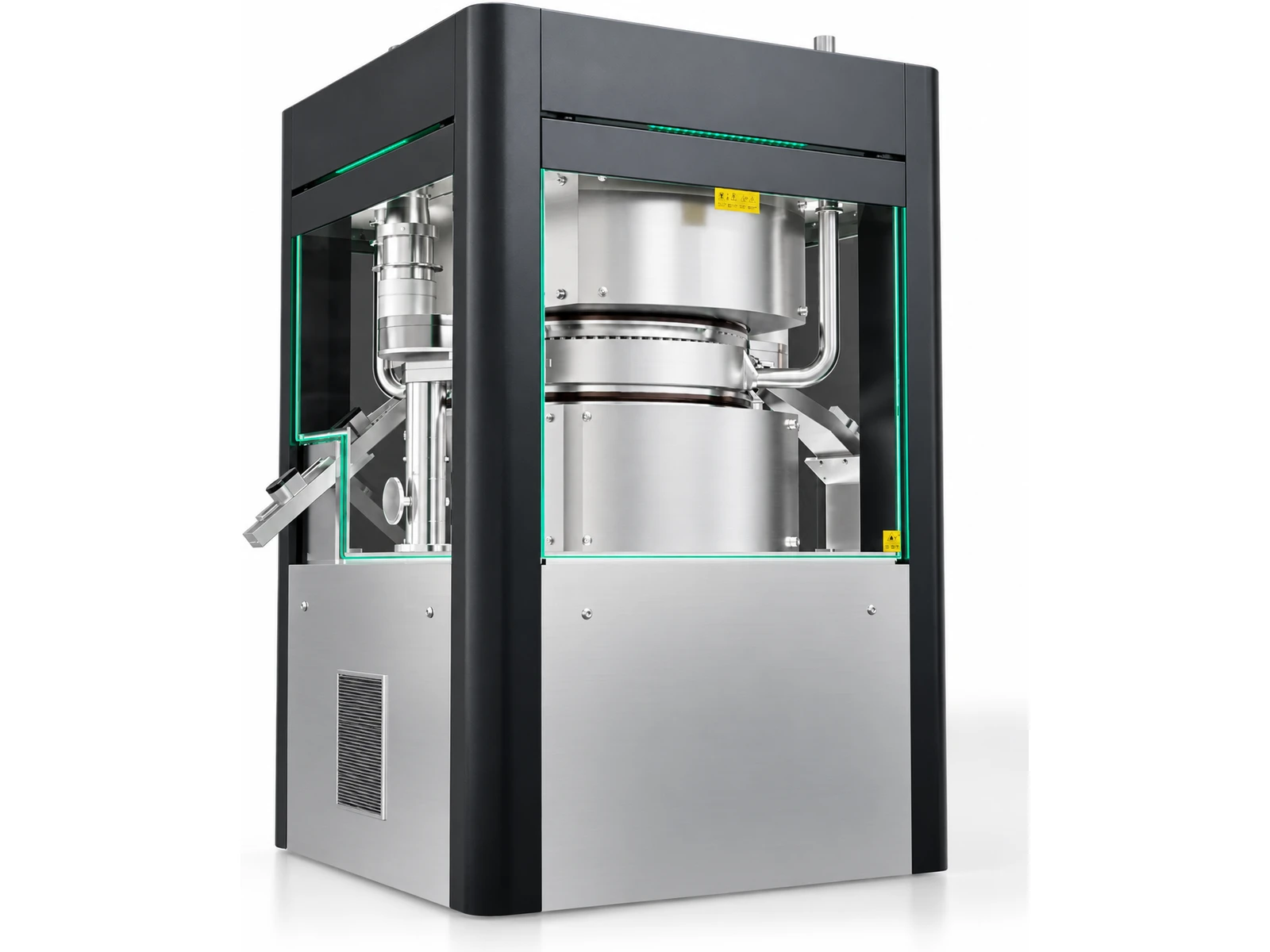
The condition of the press feed connects upstream preparation to tablet formation. Comparing that material with tablets sampled before and after optional coating helps locate a preparation, compression or finishing issue. The accepted tablet then enters either a counted bottle flow or individual blister pockets, each with its own occupancy and transfer checks.

Use the same tablet objective and tooling. Record the material condition at the press feed, then compare tablet mass, strength and visible defects from each trial.
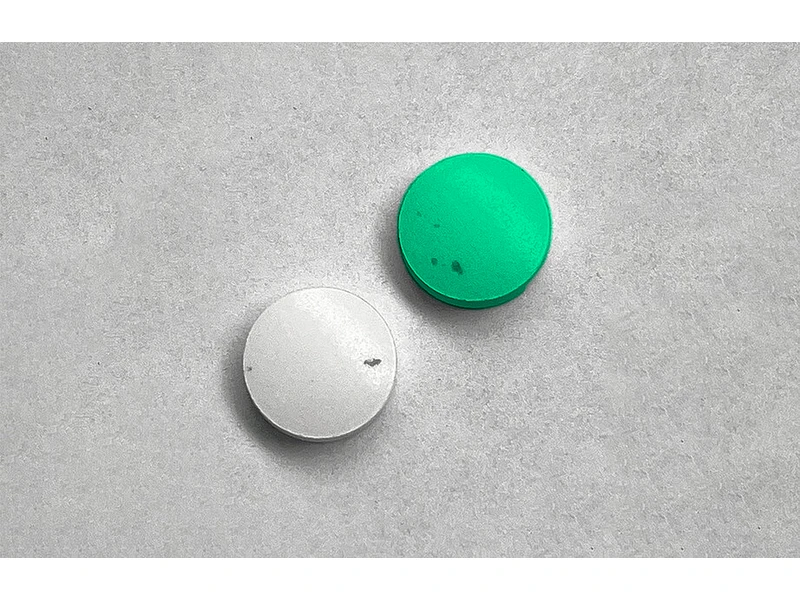
Check the core before coating when diagnosing compression defects. For release to packing, inspect the final surface after coating with samples representing the intended colour and embossing.
Select the powder-preparation branch and compression tooling for the formulation, then define the required inspection and any coating. Keep the shared drawing’s encapsulation branch separate from tablets. For packing, choose bottle counting/filling or blister forming/loading before setting cartoning, coding and case-handling interfaces.
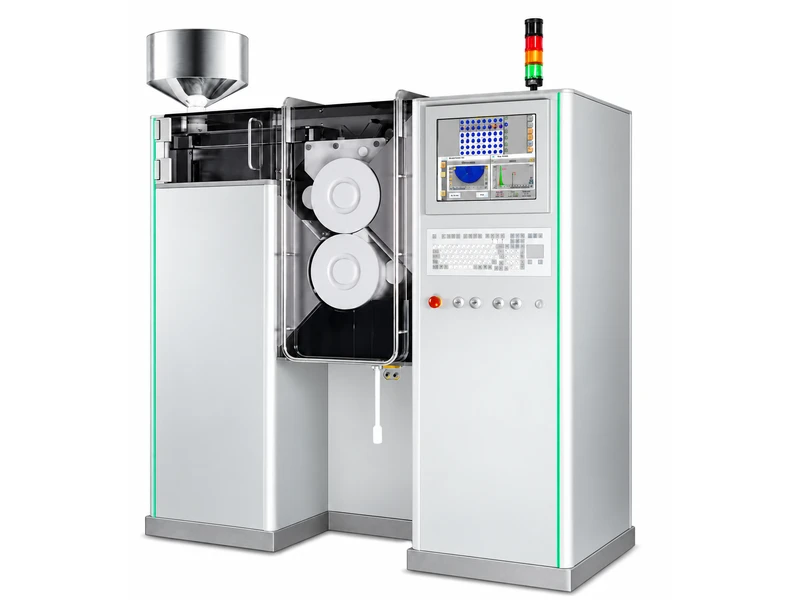
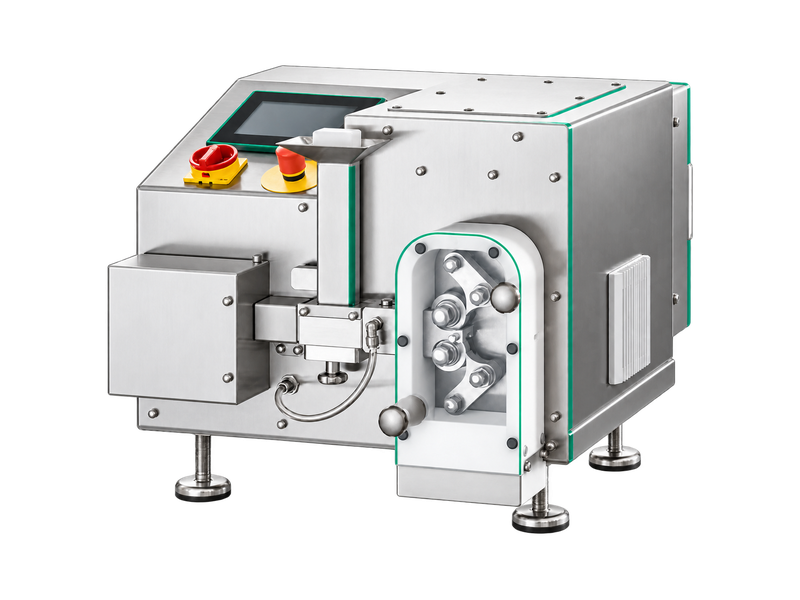
Choose direct compression, dry granulation or wet granulation from the powder properties. A wet route also needs an agreed drying and sizing step.
Match granule condition and press feed to the intended tablet. Inspect the finished faces and edges; add coating only when the product requires it.
Blister and bottle are alternative primary packs. Agree the counting or cavity-filling interface, then the handoff from accepted primary packs to secondary packaging.
Film coating is product-dependent. Blister packing and bottle filling are alternative primary formats, with inspection and secondary packing selected for the chosen route.
Learn moreFor a wet route, agree the dried granule condition at press feed. For the packing interface, agree how accepted tablets leave inspection and enter the pack.
Learn moreIdentify the contact parts and format tooling for Pharmaceutical Tablet Production Lines. Agree access for cleaning, the spares to hold and the operating records the site will need.
Learn moreShare dosage form, starting material and finished presentation.
Request product information
Brochure
Pharmaceutical Tablet Production Lines
Available by enquiry
Request product informationCase
Pharmaceutical Tablet Production Lines
Available by enquiry
Discuss project references2 resources
They are alternative preparation routes. A formulation may instead support direct compression. Select the route from material and tablet-development results, then define the output properties required at the press; do not add both methods as compulsory steps.
No. Coating is included when the product design calls for it. It changes the process, handling and final inspection surface, so the scope and acceptance checks must follow the intended tablet rather than a generic line diagram.
The three-level illustration contains equipment for related solid-dose routes. Encapsulation is a capsule branch, not a stage after tablet compression. The visual inspection and bottle-filling positions, primary blister packing and secondary packaging remain separate areas in that shared layout.
They are alternative primary-pack choices. A site can provide separate branches, but the accepted tablet is directed to one chosen presentation. Bottle counting and blister-pocket loading need different feeding, inspection and count-reconciliation arrangements.