Skip to content

Process expertise. Chinese manufacturing. Global perspective.

PREASYS

Equipment & technology

Softgel Inspection & Sorting Machine

Softgel inspection presents the conditioned capsule to defined lighting and views, evaluates specified visual attributes and separates the resulting accepted and rejected streams.

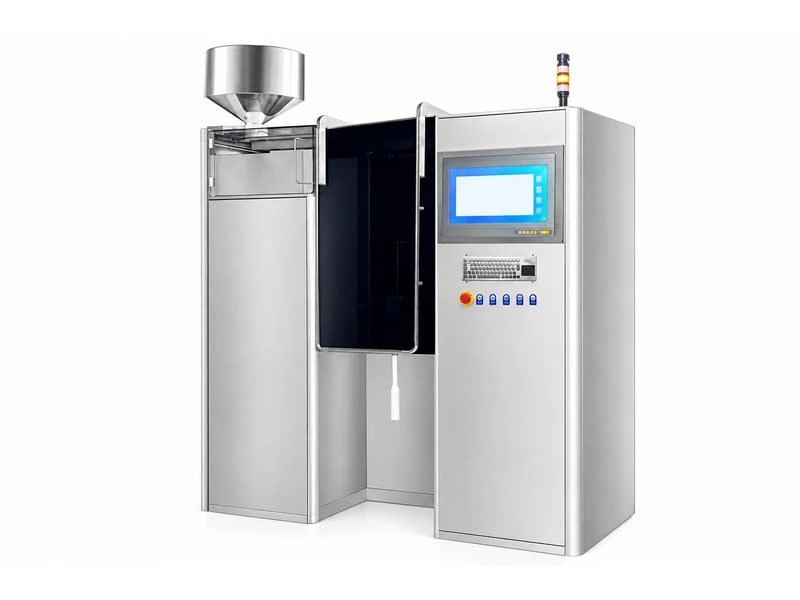
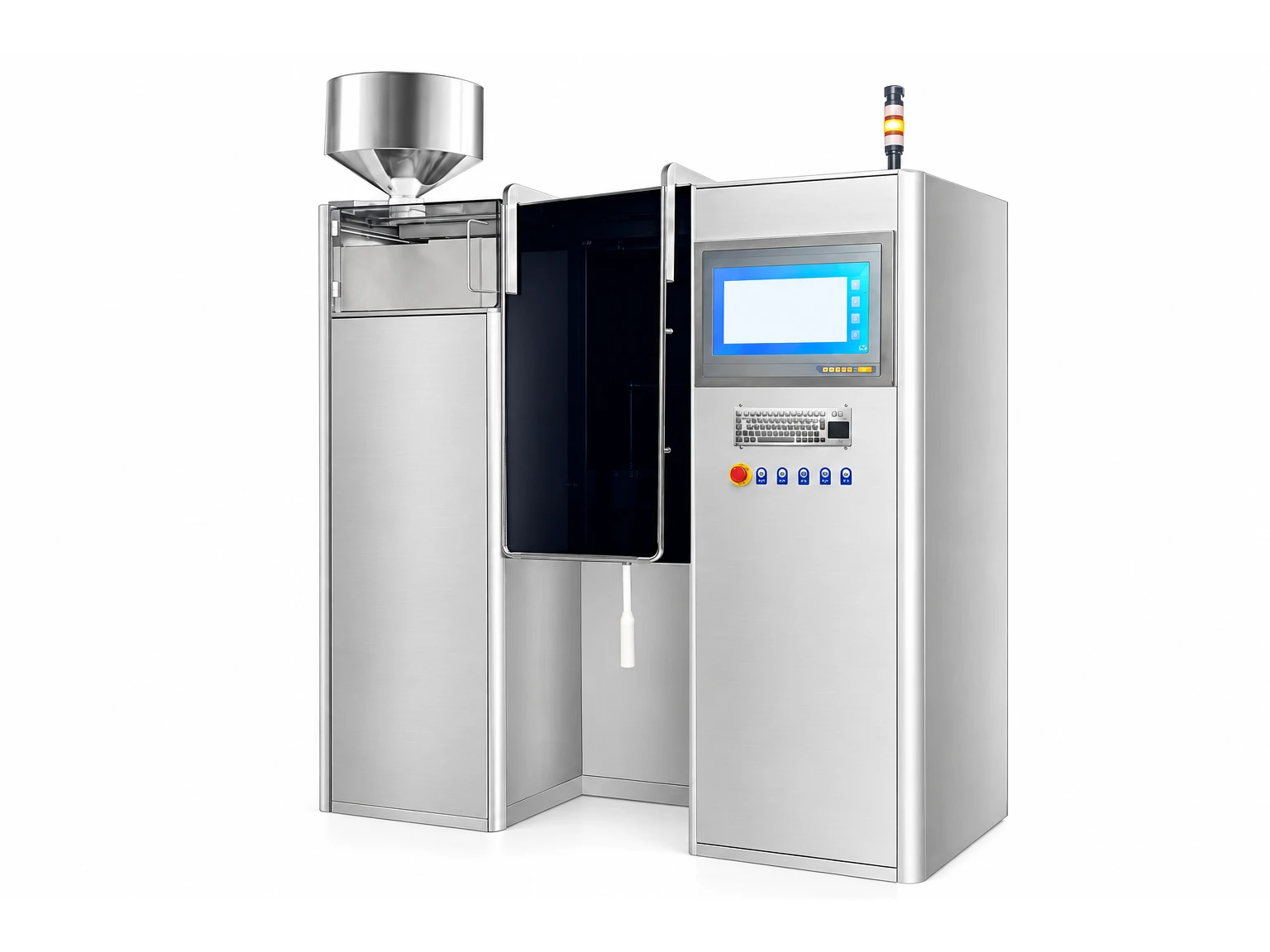
Enclosed optical sorter with an input hopper and a control display on the front
An enclosed optical sorter is an example of the equipment family. Trial the actual softgel colour and transparency to choose the required illumination.

Softgel Inspection & Sorting Machine

Visual inspection of conditioned softgels

The shell can be transparent, coloured, glossy or slightly tacky, and those properties influence both imaging and transport. The inspection recipe relates defined views to a product-specific defect set. Its result must stay associated with the capsule until the selected sorting outlet.

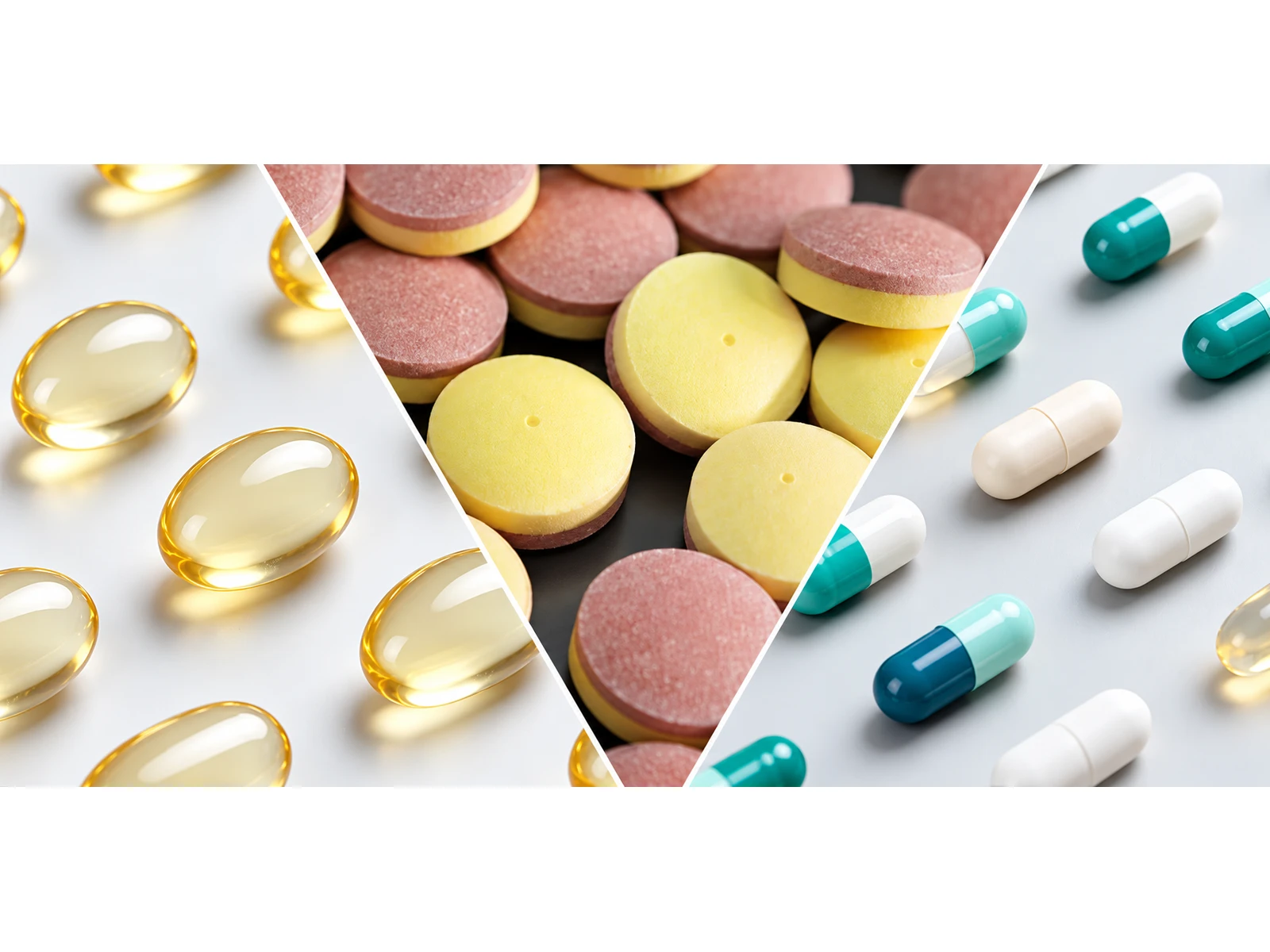
Tablets, hard capsules and softgels shown in several shapes and sizes
The glossy softgel shells reflect light differently from the opaque tablets shown beside them. Include both acceptable shells and identified defects in the trial set.

Process at a glance

A visual decision and a physical rejection are separate events; both belong to the acceptance assessment.

Present

Give the selected views a repeatable capsule position

Inspect

Evaluate the agreed visible attributes

Sort

Track the capsule to its correct outlet

Process challenges

Appearance inspection addresses the defined visible attributes. It cannot assume that every leak, empty capsule or internal defect will be detectable in all products.

Read details

Appearance inspection addresses the defined visible attributes. It cannot assume that every leak, empty capsule or internal defect will be detectable in all products.

Stable image criteria require controlled presentation and lighting as well as a recipe. Changes in shell appearance can shift both detection and false-reject behaviour.

Transparent shells can create reflections and overlapping internal features. The selected views are evaluated with physical reference samples.

The handling and imaging cycle must provide usable views before the capsule reaches its sorting point. Nominal packaging demand does not establish inspection capability.

A correct image decision is useful only if the capsule reaches the correct outlet. Reject tracking and physical separation are assessed together.

A new product changes more than a name in the recipe. Colour, shape, transparency and tack may require new handling or imaging conditions.

Technical data & features

Set lighting and handling using representative colours, transparency and residual surface moisture.

Tablets, hard capsules and softgels shown in several shapes and sizes

Presentation, imaging and sorting

Capsule rotation or other presentation methods expose the surfaces addressed by the selected views. Shape, seam visibility and obscured regions determine the inspection coverage.

Illumination can make a reflection, inclusion or shell feature appear very different. Representative acceptable variation is needed alongside known defects when evaluating the image criteria.

Sorting associates each decision with its physical capsule and destination

Product-specific image criteria

Imaging time, capsule separation and sorter response determine the useful operating condition. The downstream packer receives the accepted stream at that assessed rate.

Link the decision to the batch

The upstream process supplies capsules with a defined surface and handling condition. Accepted and rejected outlets remain separate through the handoff to packing.

Aspect What the inspection establishes
Product presentation A repeatable view of the selected capsule surfaces.
Optical coverage The defined visible regions under the selected lighting.
Defect criteria Responses to the agreed known samples and acceptable variation.
Sorting Association of the decision with the physical outlet.
Operating condition Useful separation, exposure and reject response at the assessed rate.
Records Batch, recipe, decision and rejection information within the agreed scope.

How it works

Evaluate optical response and physical sorting

How is a reflection distinguished from a defect?

Re-image the identified capsule in the selected views and compare it with the physical sample. Relate the feature to lighting and surface position before changing the reject rule.

How are detection and false rejection assessed together?

Run identified defects and representative acceptable capsules under the same condition. Record the class response and accepted-sample rejection separately.

How is the sorting path challenged?

Introduce tracked challenge pieces at defined spacing and observe their destination. Include stops and interrupted transport so the physical outlet can be compared with the recorded decision.

How is handling damage checked?

Compare the capsule before and after repeated passage through the intended transport. Record new marks, sticking or deformation independently of the optical rejection result.

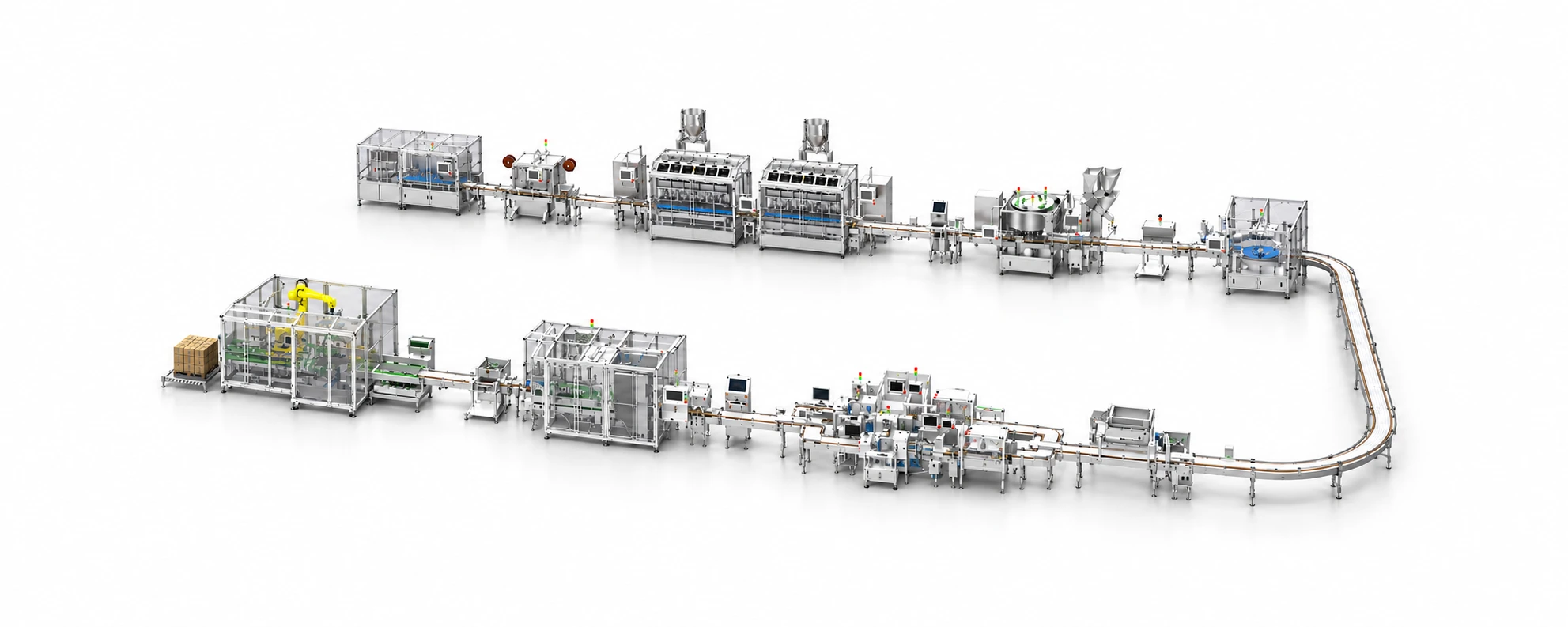
Nutrition · counting and bottle packing. Follow a bottled nutritional tablet or capsule presentation through counting, filling, closing and end-of-line packing. The line provides process context; the individual product is not identified as a separate station in this view.

Production line · Equipment context

Nutrition · counting and bottle packing

Explore the process areas on the production line associated with this equipment.

Skip tour
Production layout 5 equipment areas · Scroll to explore

Follow a bottled nutritional tablet or capsule presentation through counting, filling, closing and end-of-line packing. The line provides process context; the individual product is not identified as a separate station in this view.

Related production lines: Nutrition Product Processing & Packaging

Line integration

Conditioned softgels → Product-compatible surface finishing, if required

↓

Softgel presentation, inspection and sorting:

Infeed and presentation → Selected optical views and evaluation → Tracked sorting → Batch-linked result records ↓ Inspected softgels → Bottling / blister packaging

Conditioned capsules at infeed

Accepted capsules transfer to the specified packing route. Rejected capsules enter a controlled outlet whose handling prevents unintended return to the accepted stream.

Recipes, decision classes and reject events form the inspection record. Site data integration and electronic-record requirements are separately defined.

Support throughout your project and production

Define the equipment scope

Set lighting and handling using representative colours, transparency and residual surface moisture.

Learn more

Agree the acceptance test

Use agreed examples to distinguish acceptable natural variation from seam and shell defects.

Learn more

Prepare for operation

Identify the contact parts and format tooling for Softgel Inspection & Sorting Machine. Agree access for cleaning, the spares to hold and the operating records the site will need.

Learn more

Knowledge hub

2 resources

Frequently asked questions

Does seam imaging prove that a capsule is leak-tight?

No. It assesses specified visible seam features. A closure-integrity or leak assessment needs its own appropriate method and acceptance criteria.

Can transparent and opaque softgels use one optical recipe?

Their contrast and visible features differ. A common mechanical platform may be possible, but lighting and decision criteria are assessed for each product.

Is fill content measured by a camera?

Only the defined visible appearance can be assessed optically. Chemical content, dose and other non-visible attributes require their appropriate tests.

Contact

Share identified acceptable and defective softgels, the shell colours and surface condition, and the required handoff to packing. Include the defect definitions and intended rejection disposition.

Discuss your project →

Softgel inspection in the production line

Inspection starts after the capsule has been formed and conditioned for handling. Define the accepted shell surfaces and the reject route before tying the sorter to the packing line.

What can change the inspection result?

The trial record identifies each reference capsule, its physical attribute and the corresponding images and decision. Keeping this evidence with the recipe version separates product variation from changes in handling or optics.

Information for the inspection trial

Record shell colour and transparency, capsule dimensions, seam position, print and acceptable surface moisture. Identify both acceptable variations and the defects that require rejection.

How the team checks the handoff

How are accepted and rejected samples reconciled?

Keep sample identity through the outlets and compare physical counts with the recorded decisions. Investigate an unidentified or missing unit before treating the run as reconciled.

What accompanies a recipe transferred to production?

Retain the product and format definition, optical settings, reference-sample evidence and permitted operating conditions. A recipe name alone does not reproduce the trial.

How are changes after maintenance assessed?

Record the serviced component, restore its setup references and repeat the relevant handling, optical and reject checks with the approved samples.

From drying to packing

The dryer supplies capsules in the agreed handling condition. The sorter needs a controlled infeed and separate good and reject outlets. Agree who counts the accepted product at its transfer to the packer.

Review softgel drying

Questions about project boundaries

Is fill dosing part of the inspection station?

The encapsulator meters the fill and forms the shell upstream. Specify any fill-related appearance check at the inspection station against an agreed reference sample.

Which samples should the customer send?

Include accepted and defective units in the proposed colours, sizes and surface conditions. Identify each sample by defect type and mark where on the shell it should be visible.

Discuss the inspection interface

Share representative softgels, the defect list, upstream drying condition and the required outfeed to packing. Include the intended disposition of rejected material.

Discuss inspection samples
Tablets, hard capsules and softgels shown in several shapes and sizes