Parts Washing Machine
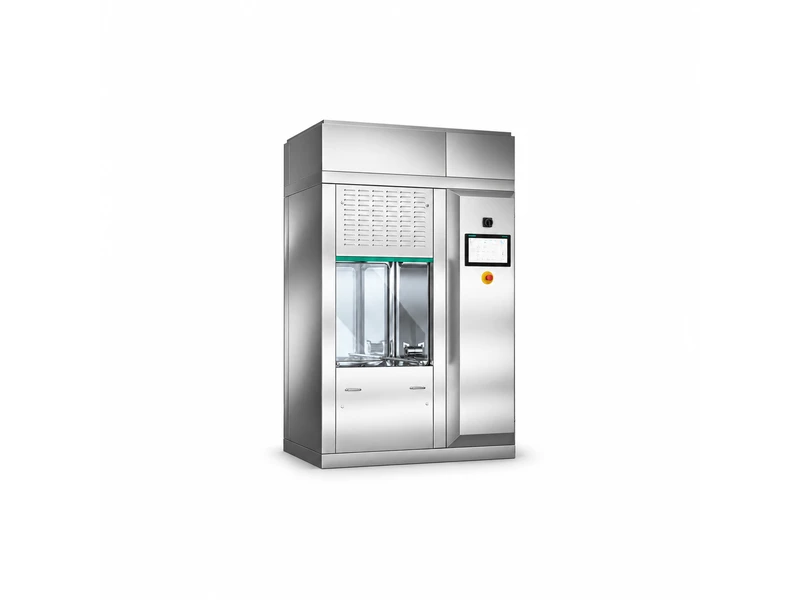
Directed wash solution and rinses remove residue from dismantled product-contact parts. Rack position, internal connections and drainage determine which surfaces are reached and how parts can be dried.
Process expertise. Chinese manufacturing. Global perspective.

Explore our solutions
Parts washers remove process residues from reusable components. External vial washers clean closed-container surfaces, while autoclaves apply a defined steam cycle to a suitable load. The surface, soil and required condition at discharge determine the equipment route.
A filling nozzle with a narrow bore needs a connected wash path; a closed vial needs access to its exterior without liquid ingress; a sterilizer load needs heat to reach the intended surfaces. Treating these as separate duties makes the rack, media supply and downstream handoff easier to specify.
Match the cleaning duty to the load
Removable parts, closed containers and sterilizer loads present different surfaces and loading patterns.
2
Washing equipment
1
Load sterilization equipment
3
Related utility systems
—
Process options
Directed wash solution and rinses remove residue from dismantled product-contact parts. Rack position, internal connections and drainage determine which surfaces are reached and how parts can be dried.
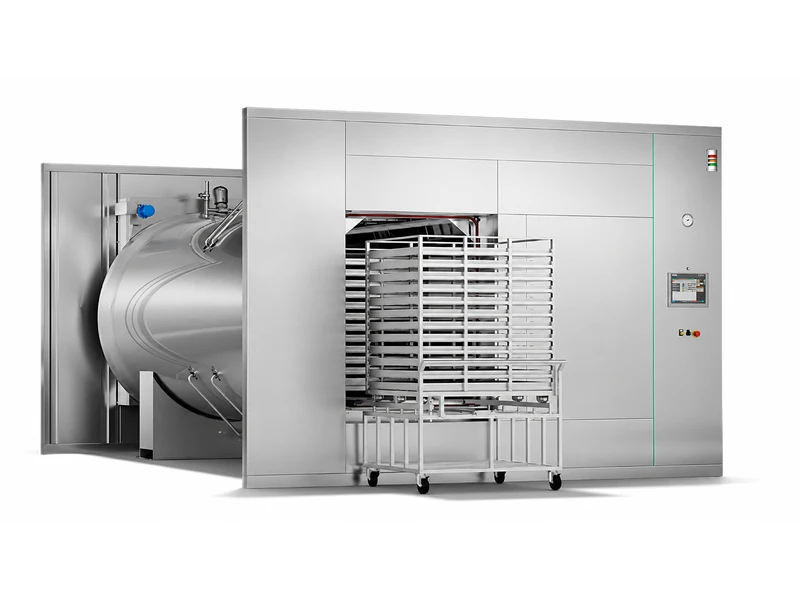
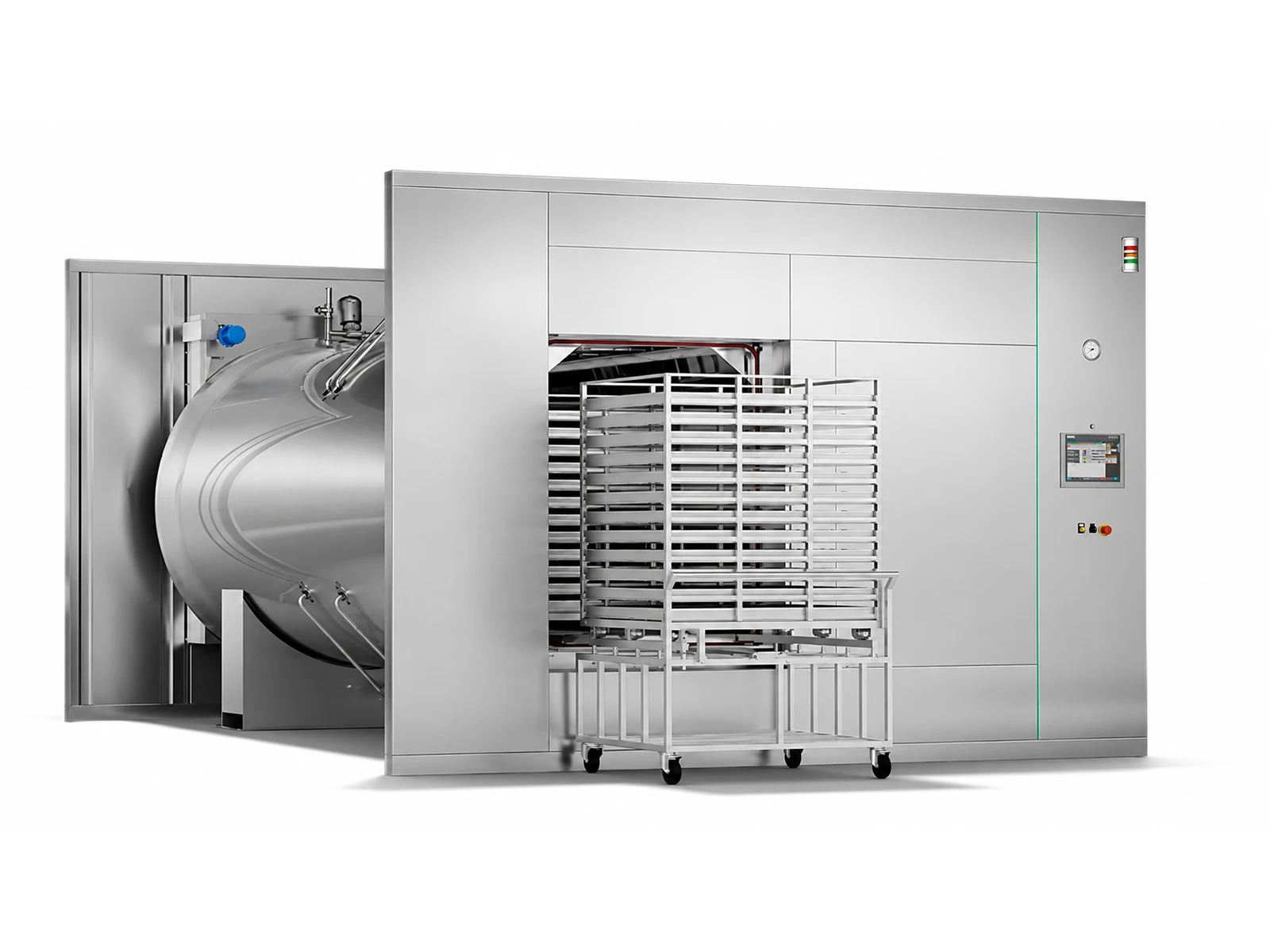
Steam transfers heat to parts or other suitable loads in a pressure vessel. Load arrangement, air removal, exposure and cooling are developed together; washing remains a separate preparation step.
The outside of a filled, closed vial or bottle is washed to reduce surface residue. Closure shielding, media chemistry, surface drying and waste handling depend on the product and the container.
Used components move from disassembly into a defined wash load, then to protected storage, reassembly or a separate sterilization step. Closed-vial exterior washing belongs after closure and before the agreed inspection or packaging handoff. It does not replace internal container preparation or sterilize the filled product.
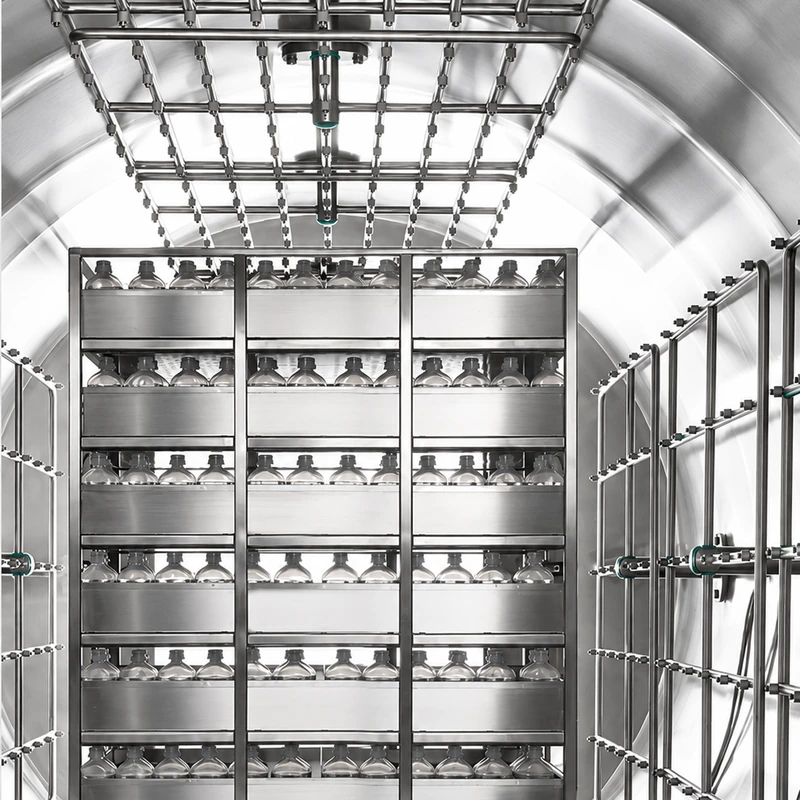

After washing, examine the specified residue and rinse limits on the chosen surfaces. A subsequent sterilization cycle has its own load pattern, time–temperature evidence and release criteria. A satisfactory wash result alone does not establish sterility.
Include the hardest-to-reach surfaces, narrow passages and items that can trap water. Record their positions and soil condition so that repeated trials challenge the same cleaning, drainage and drying conditions.
Identify the parts or closed containers, their materials and residues. Use this information to distinguish the cleaning objective from any subsequent sterilization duty.
Learn moreAgree sampling locations and residue recovery for washing, and the separate load-cycle evidence for sterilization. Capture the conditions at discharge and at the next operation.
Learn moreDocument rack loading, connection checks, detergent handling and changeover. Include access for cleaning the machine itself and a controlled response to an interrupted cycle.
Learn moreShare load list, materials and internal passages.
Request product information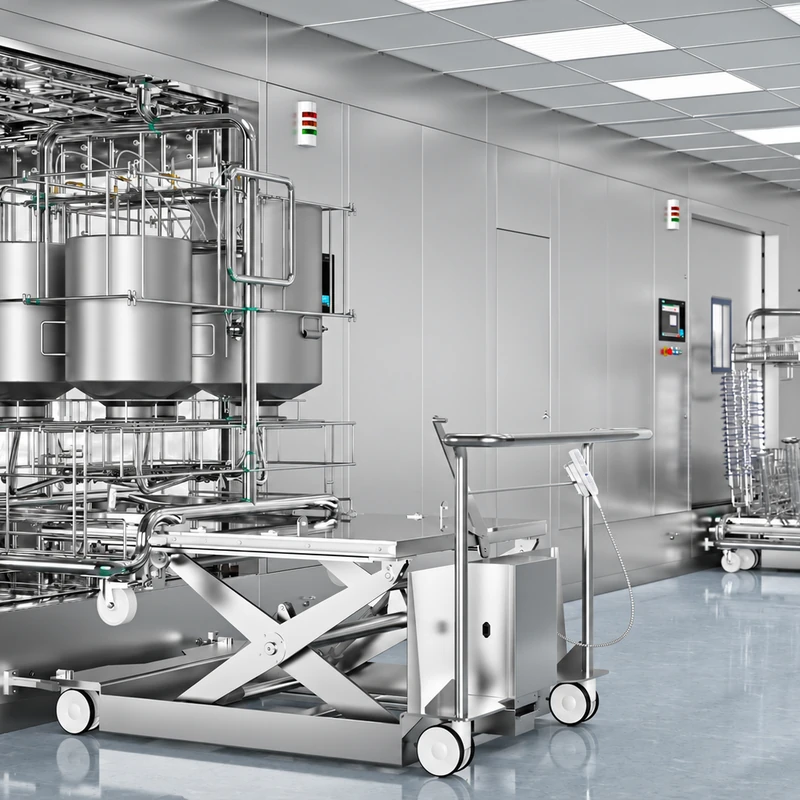
2 resources
A washer and an autoclave perform different operations. Any combined process would need evidence for both residue removal and sterilization; do not assume that a hot wash or drying stage provides both endpoints.
External vial washing addresses the outside of the closed container. Parts washing addresses dismantled reusable components. Empty-vial internal washing is another operation and must be selected separately.
When the intended next use requires a sterile load and the parts, packaging and load pattern are suitable for the cycle. The required clean state and protected transfer are part of that decision.
Water grade, detergent supply, drying media, steam quality and drainage depend on the duty. Match the utility quality and peak demand to the selected washer or sterilizer rather than using one utility specification for every operation.