Skip to content

Process expertise. Chinese manufacturing. Global perspective.

PREASYS

Equipment & technology

Eye Drops filler

Blow-fill-seal creates an ophthalmic container, doses the liquid and seals the pack during one production sequence.

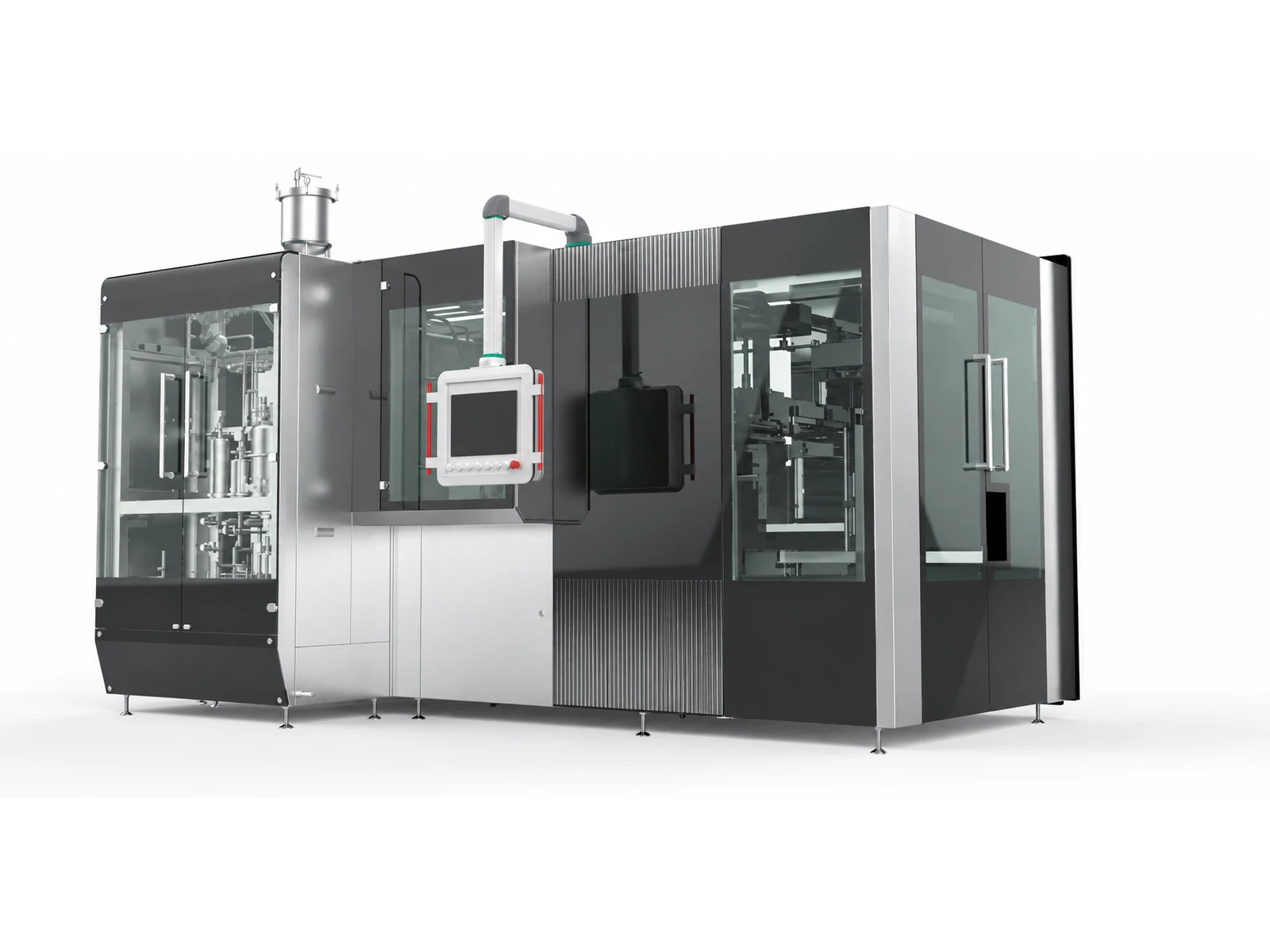
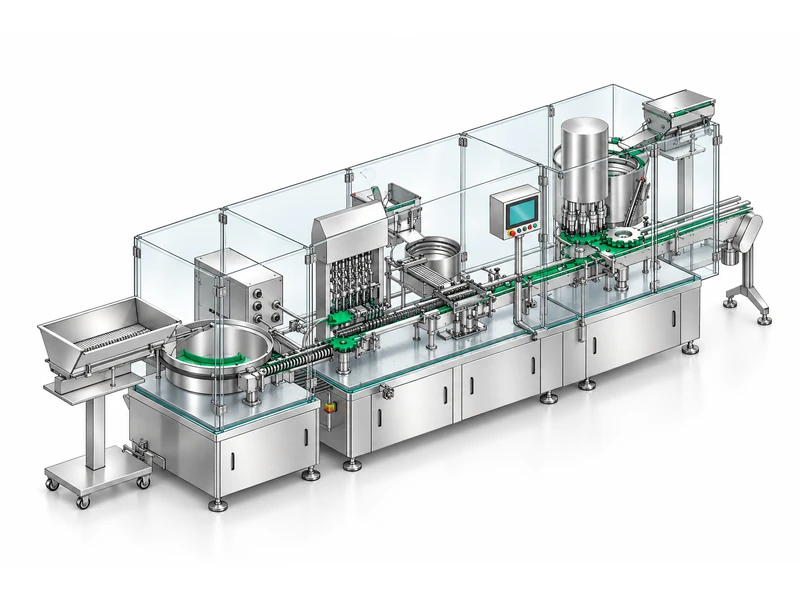
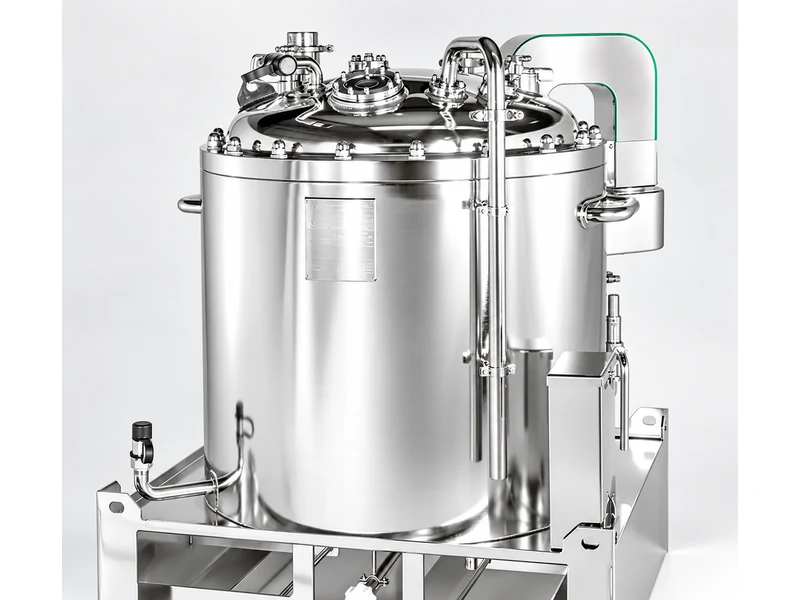
Enclosed blow-fill-seal machine with a side-mounted process unit

Eye Drops

BFS

Bottle Filler

Preasys ED Series — Eye Drop Filling, Dropper Assembly and Closing

Preasys ED Series — Complete Ophthalmic Line: Filling, Dropper Tip Assembly and Capping, from 7,200 to 24,000 Containers per Hour

Eye drops must be sterile, particle-free, exactly dosed and sealed for years of shelf life — in a simple package that patients squeeze into their eyes every day: an LDPE squeeze bottle, a controlled dropper tip and a protective cap. The Preasys ED covers the ophthalmic line in three integrated modules — filling, dropper tip assembly and capping — engineered for preservative-free unit-dose and multi-dose eye drops: precise low-volume dosing via time-pressure, rotary piston and peristaltic metering; nitrogen purging for minimal residual oxygen; 100% in-process control; and full CIP/SIP with isolator/RABS integration. The platform runs from 7,200/h (120/min) to 24,000/h (400/min) sterile bulk filling — glass or plastic bottles, one integrated line.

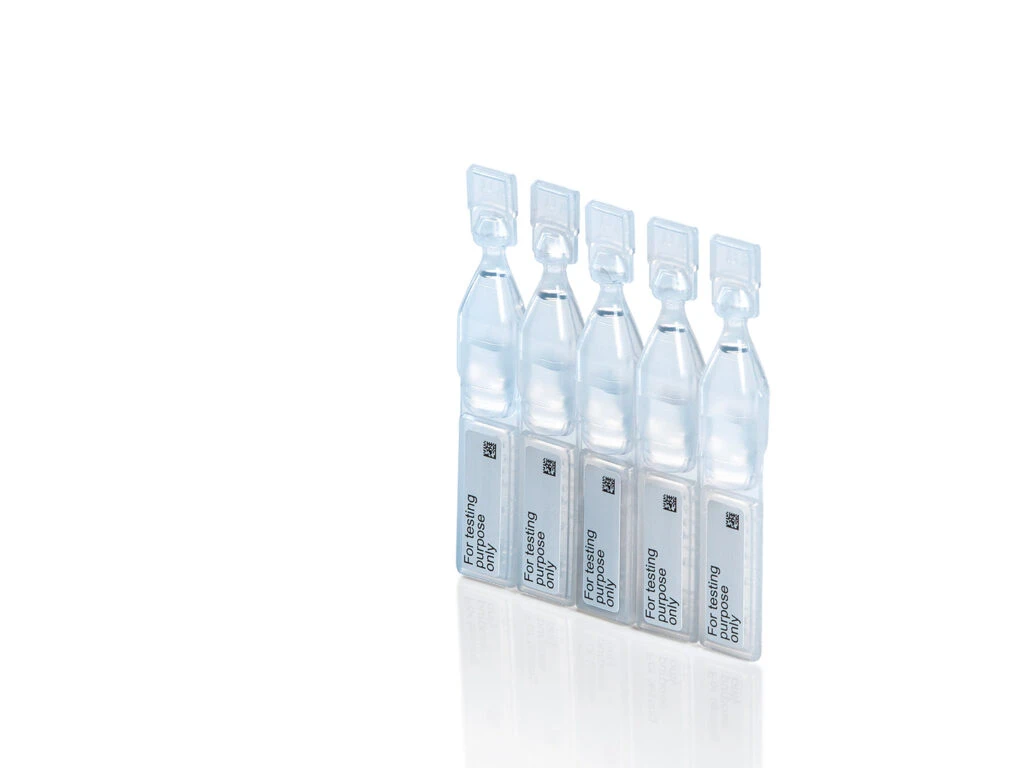
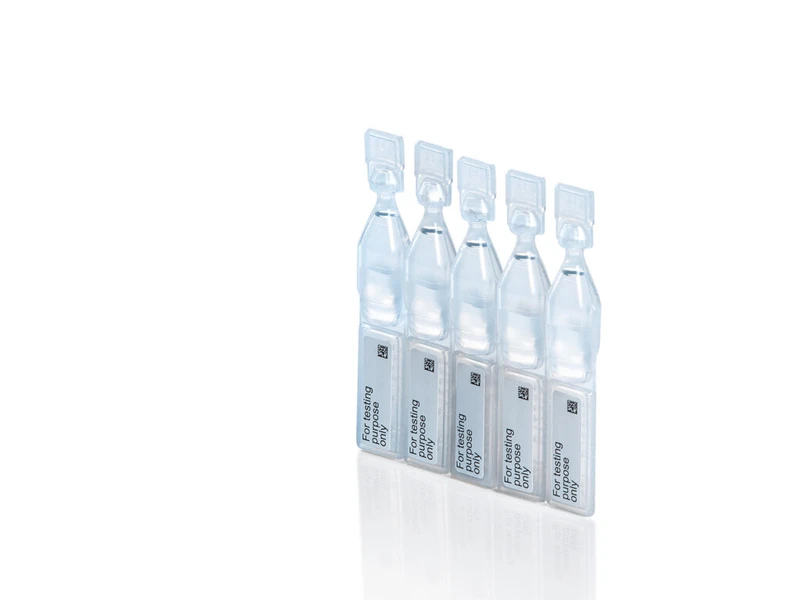
Strip of joined unit-dose plastic ampoules with formed twist-off closures

Configuration data

The ED comparison below covers ophthalmic filling and closing configurations. Unit-dose forming and filling requires a separate format review.

7,200 units/h

ED-120 multi-dose configuration

12,000 units/h

ED-200 bulk-container configuration

24,000 units/h

ED-400 isolator-integrated configuration

Filling technologies

Filling technology

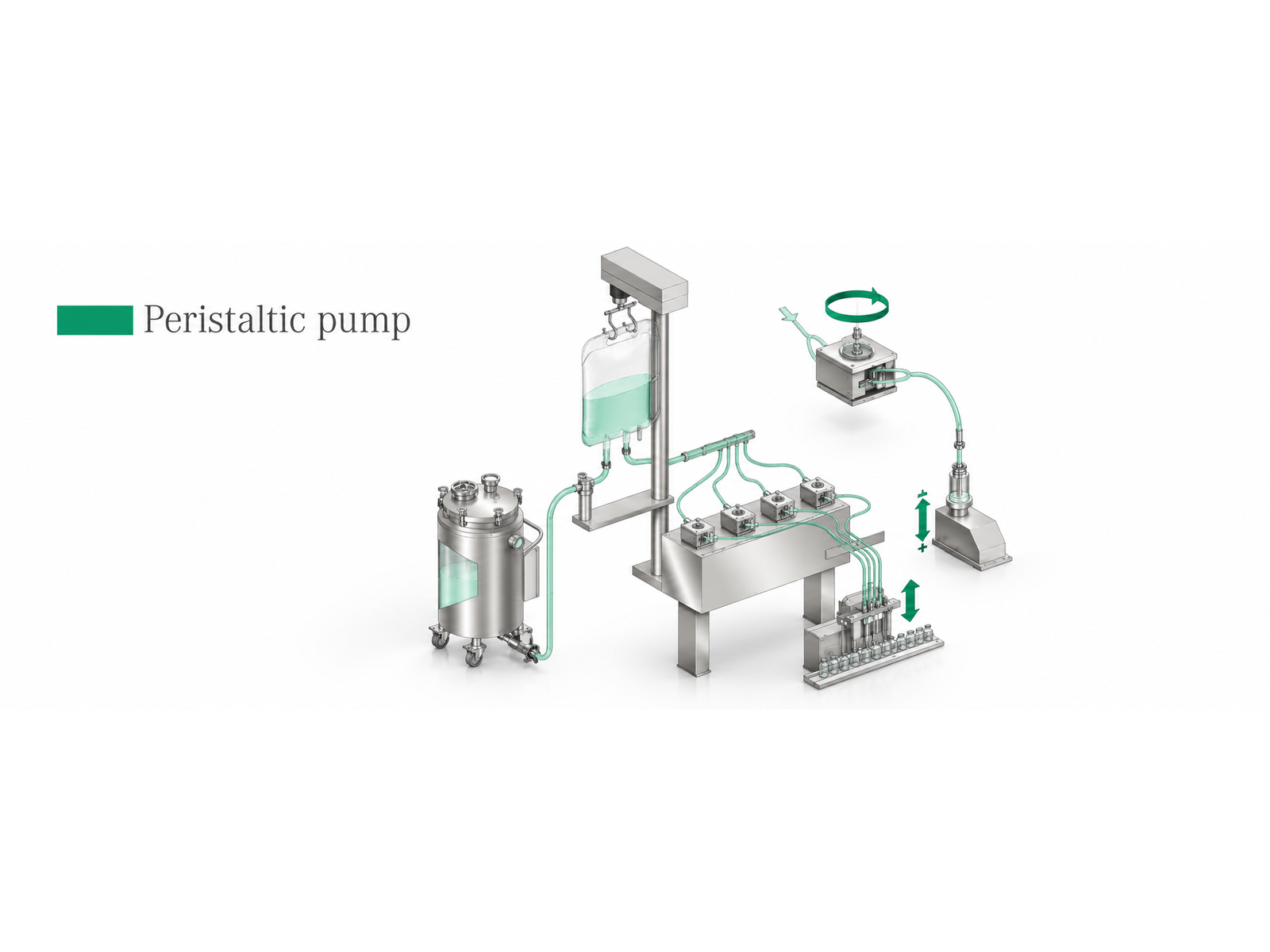
Peristaltic pump

A flexible tube carries the liquid while rotating rollers control dosing. The product contacts the tube rather than the pump mechanism. This principle is used when a disposable product path and gentle handling are priorities. Tubing selection, product compatibility and the changeover procedure should be reviewed for each application.

Explore technology
Diagram connecting a peristaltic pump to the product filling path

Filling technology

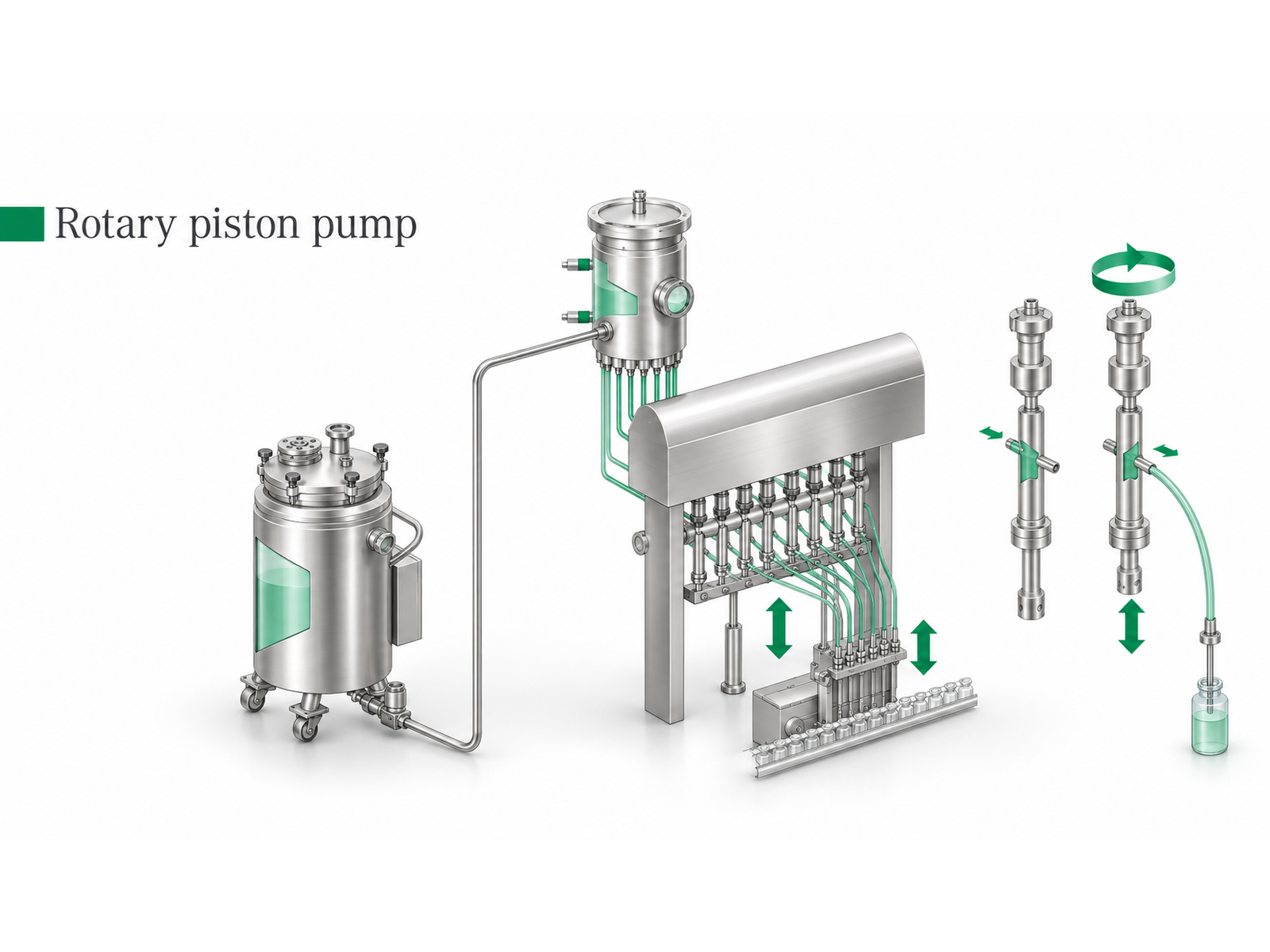
Piston pump

A piston draws liquid into a cylinder and then dispenses a measured volume through the outlet. The selected piston, valve and product-contact materials determine the application range. Review viscosity, cleaning requirements and the required filling volume together with the product and container format.

Explore technology
Rotary piston metering equipment connected to a set of filling heads

Filling technology

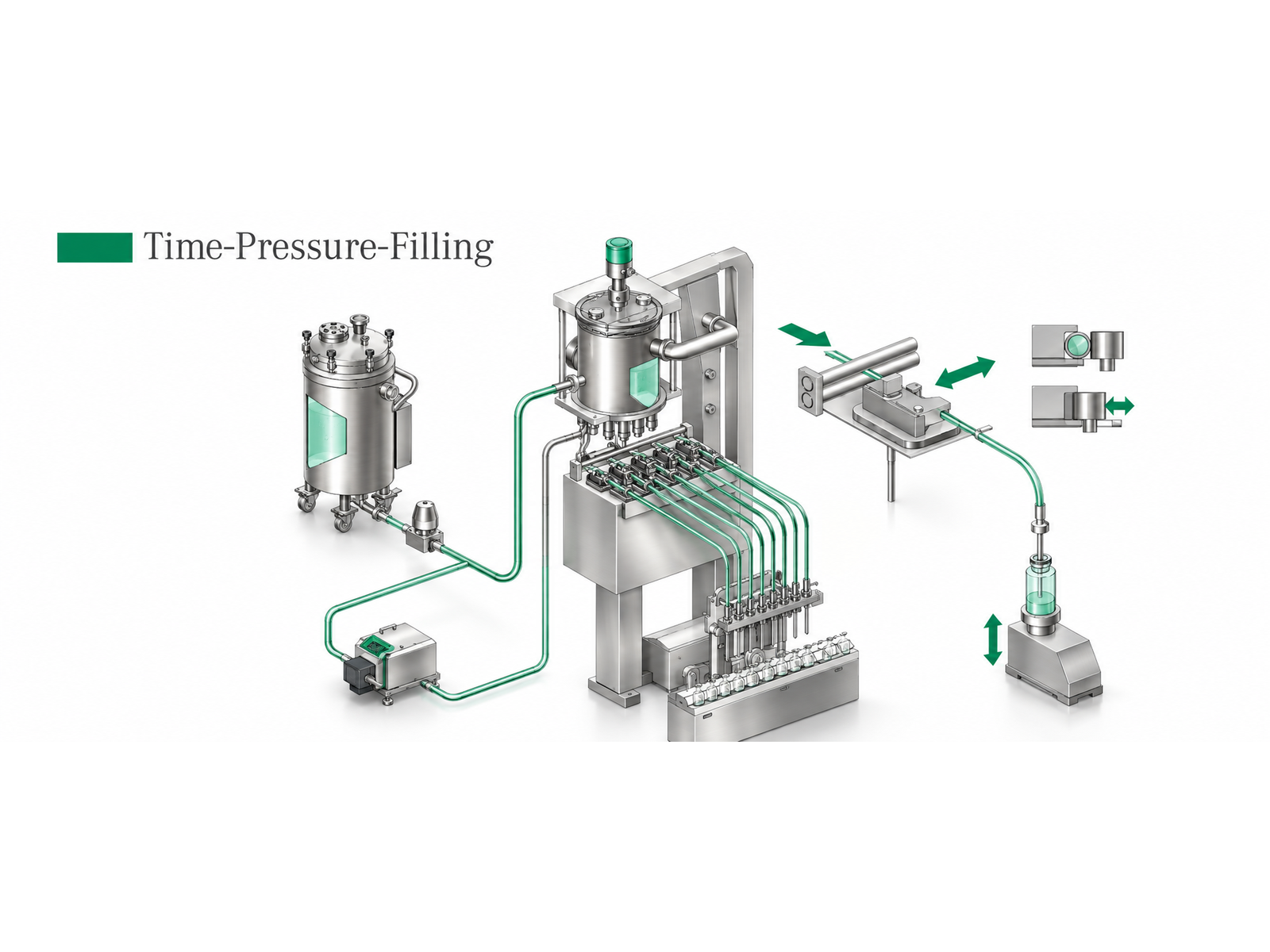
Time pressure

Controlled pressure moves liquid through a filling valve. The opening time and supply conditions determine the dispensed quantity. Product properties, pressure stability and the valve configuration are evaluated together when setting up the filling process.

Explore technology
Diagram of a time-pressure dosing vessel and filling heads

Filling technology

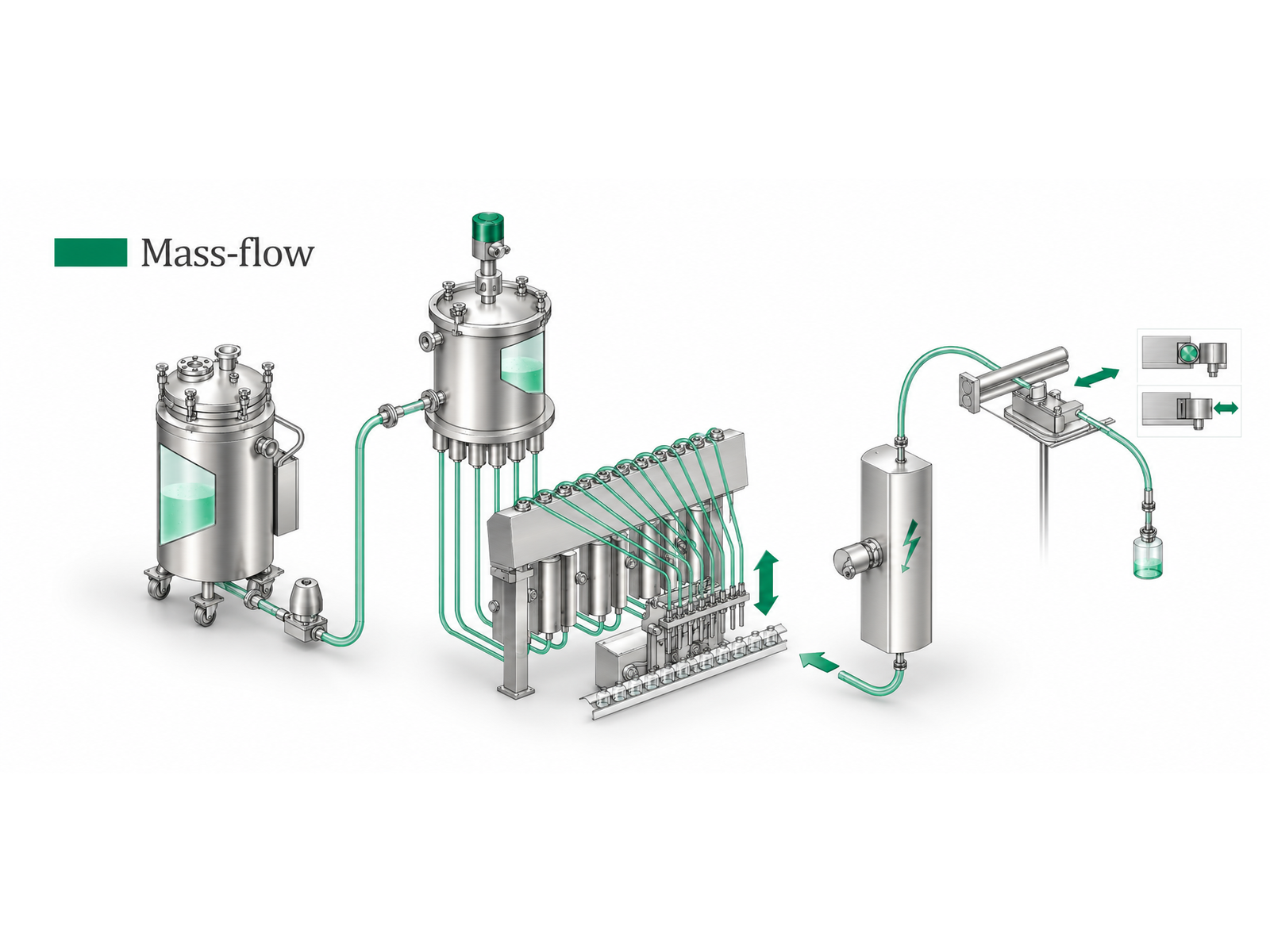
Mass flow

A flow sensor measures the product passing through the filling path and provides feedback to the dosing valve. The process is evaluated around the required fill mass, product behaviour and cleaning strategy. Sensor selection and the control sequence depend on the application.

Explore technology
Product flow path with a mass flow meter and dispensing points
Technology 1 of 4

Process challenges

Small doses must be exact — eye drops are low-volume and dose-critical.

Read details

Small doses must be exact — eye drops are low-volume and dose-critical. Time-pressure, rotary piston and peristaltic metering deliver precise fills; 100% IPC with self-optimization corrects drift at full speed

For a preservative-free ophthalmic presentation, map the product-contact path, enclosure openings and transfer to closure. Agree the cleaning, sterilization and environmental evidence with the site.

Dropper tips must be seated exactly — a mis-seated tip leaks or dispenses wrong. Precision dropper tip assembly places and seats the tip reliably; seal checks verify integrity

Drop size is decided by the tip — the controlled dropper tip defines drop volume and dispensing. Tip assembly handles controlled-tip designs without damage — drop volume delivered as designed

Caps must seal and stay tamper-evident — loose or damaged caps fail. Precision capping with torque control and tamper-evident options keeps the closure secure

Oxygen degrades sensitive actives — many ophthalmic actives oxidize. Nitrogen purging with all standard gassing functions keeps residual oxygen ≤0.5%

Particles and fibers ruin the dose — ophthalmic cleanliness is parenteral-grade. Particle-controlled clean-room and isolator design keep the product clean

Line start-up wastes product — start-up rejects cost money. Loss-free start-up and minimal-loss running empty minimize product loss

Changeover between bottle sizes and caps is slow — multi-product lines idle. Quick format changeover with minimal parts keeps production flexible

Technical data & features

Resin, dropper geometry, dose and opening behaviour guide mould selection and trials.

Strip of joined unit-dose plastic ampoules with formed twist-off closures

Core Features

Multiple metering systems — time-pressure, rotary piston and peristaltic metering cover every ophthalmic formulation, from simple solutions to sensitive biologics

Dropper tip assembly — precise placement and seating of dropper tips, including controlled-tip designs; seal verification

Precision capping — screw capping with torque control; tamper-evident closure options

100% in-process control without loss of performance — inline weight checking and self-optimization at full production speed

Loss-free start-up and minimal-loss running empty — product saved from the first container to the last

All standard gassing functions — nitrogen purging for residual oxygen ≤0.5% CIP/SIP — full clean-in-place and sterilize-in-place, isolator and RABS compatible Define the product and container exposure points from dosing through dropper placement and closing.

Fast format changeover — bottle, tip and cap formats changed quickly with minimal parts

Model Output Positioning
ED-120 7,200/h (120/min) flexible line: multi-dose eye drops, oRABS
ED-200 12,000/h (200/min) sterile bulk eye drops, oRABS
ED-400 24,000/h (400/min) isolator-integrated line, 100% IPC at full speed
ED-U up to 200 units/min unit-dose (preservative-free) droppers
Module Function
ED-F Filling low-volume dosing: time-pressure, rotary piston, peristaltic; nitrogen purging
ED-T Dropper Assembly precision dropper tip placement and seating; controlled-tip handling
ED-C Capping screw capping with torque control; tamper-evident options

How it works

How-To — Solving the Industry's Hardest Eye Drop Problems

How to fill small, dose-critical ophthalmic volumes precisely?

Low-volume fills drift easily. Time-pressure, rotary piston and peristaltic metering are selected for the formulation — with 100% IPC and self-optimization correcting drift at full speed

How to keep preservative-free eye drops sterile?

Review the dosing path and enclosure interfaces for the selected bottle. Identify interventions and the evidence needed for the proposed aseptic process.

How to seat the dropper tip exactly without damage?

A mis-seated tip leaks or dispenses wrong. Precision dropper assembly places and seats the tip reliably, preserving controlled-tip drop delivery

How to cap with consistent torque and tamper evidence?

Loose or damaged caps fail. Precision capping with torque control and tamper-evident options keeps closures secure

How to protect oxygen-sensitive actives?

Oxygen degrades ophthalmic actives. Nitrogen purging keeps residual oxygen ≤0.5%

How to scale output without losing control?

Higher speed usually means less control. The ED platform keeps 100% IPC at full speed — up to 24,000 containers/h with self-optimization

How to avoid drips and product loss on small fills?

Drooling wastes product. Loss-free start-up, minimal-loss running empty and suck-back keep the line clean and losses minimal

How to change bottle, tip and cap formats quickly?

Multi-product lines idle. Fast, minimal-parts changeover keeps production flexible

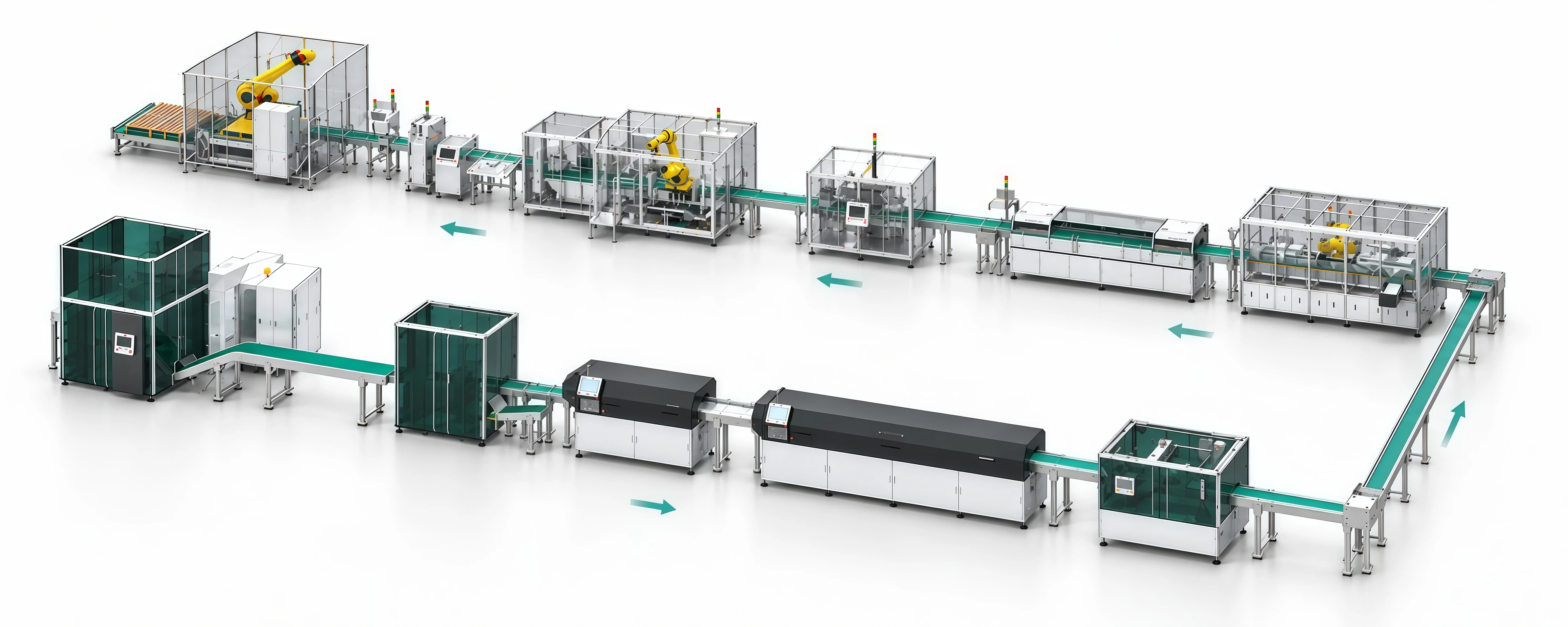
Eye drops · single-dose BFS line. Follow the single-dose ophthalmic route through container forming, filling and sealing, then secondary packing and palletizing.

Production line · Equipment context

Eye drops · single-dose BFS line

Explore the process areas on the production line associated with this equipment.

Skip tour
Production layout 6 equipment areas · Scroll to explore

Follow the single-dose ophthalmic route through container forming, filling and sealing, then secondary packing and palletizing.

Related production lines: Pharmaceutical Eye Drop Filling Lines

Line integration

Bottle in-feed (LDPE/plastic squeeze bottles, glass) + Dropper tips + Caps

↓

Preasys ED Series:

ED-F Filling: Nitrogen purging → Low-volume filling (time-pressure / rotary piston / peristaltic)

→ 100% IPC (inline check-weighing, self-optimization) → ED-T Dropper Assembly: tip placement & seating → seal verification → ED-C Capping: torque-controlled screw capping → [tamper-evident seal optional] → [Leak test optional] → Discharge to inspection / packaging ↓

Filled eye drops → Visual inspection → Labeling → Cartoning

Upstream: bottles, dropper tips and caps from washing/sterilization or RTU supply; isolator/RABS integration for aseptic filling

Downstream: filled, tipped and capped containers to visual inspection, labeling and cartoning

Cleaning: CIP/SIP between batches and products

Retain the fill recipe and in-process measurements for the bottle format. Define how the site receives and reviews exceptions.

Support throughout your project and production

Define the equipment scope

Resin, dropper geometry, dose and opening behaviour guide mould selection and trials.

Learn more

Agree the acceptance test

Check the finished unit for dispensing behaviour and compatibility with inspection and packing.

Learn more

Prepare for operation

Identify the contact parts and format tooling for Eye Drops. Agree access for cleaning, the spares to hold and the operating records the site will need.

Learn more

Knowledge hub

2 resources

Frequently asked questions

What is included in the eye drop three-piece line?

Three integrated modules: filling (ED-F), dropper tip assembly (ED-T) and capping (ED-C) — one line from empty bottle to sealed eye drop.

How fast is the Preasys ED?

From 7,200/h (120/min) on the flexible line to 24,000/h (400/min) on the isolator-integrated platform; unit-dose droppers up to 200 units/min.

Which dosing systems are available?

Time-pressure, rotary piston and peristaltic metering — selected for the formulation: precise volume dosing, high speed, or gentle handling of sensitive products.

How is dropper tip quality ensured?

Precision dropper assembly places and seats the tip reliably, including controlled-tip designs; seal verification checks integrity before capping.

How is the cap applied?

Screw capping with torque control, with tamper-evident closure options — the closure stays secure through transport and use.

Can preservative-free eye drops be filled aseptically?

Specify the enclosure, product-contact surfaces and cleaning or sterilization connections. Demonstrate the installed filling and closing sequence with the agreed qualification activities.

Which containers are supported?

LDPE and plastic squeeze bottles and glass bottles, with dropper tips and caps assembled on the same line.

Which construction details and control records should we review?

Request contact-material declarations, the equipment and enclosure drawings, and a sample record with its change history. Agree the tests for the supplied system.

Contact

Tell us your product (eye drop type — solution, suspension, emulsion; preservative-free or multi-dose; fill volume and bottle format; dropper tip and cap design; output target — 7,200 to 24,000/h; isolator or RABS environment). Preasys returns the ED configuration — metering system, dropper assembly, capping, gassing, IPC and CIP/SIP design — with validation support (DQ/IQ/OQ/PQ).

Discuss your project →
Strip of joined unit-dose plastic ampoules with formed twist-off closures