Skip to content

Process expertise. Chinese manufacturing. Global perspective.

PREASYS

Equipment & technology

Capsule Inhalation Filling Machine

Fill inhalation powder into the capsule selected for the intended dry-powder inhaler. The filling process opens and supports the shell, meters the formulation and closes the capsule; powder handling and shell condition must remain compatible with the device that opens the capsule and releases its contents.

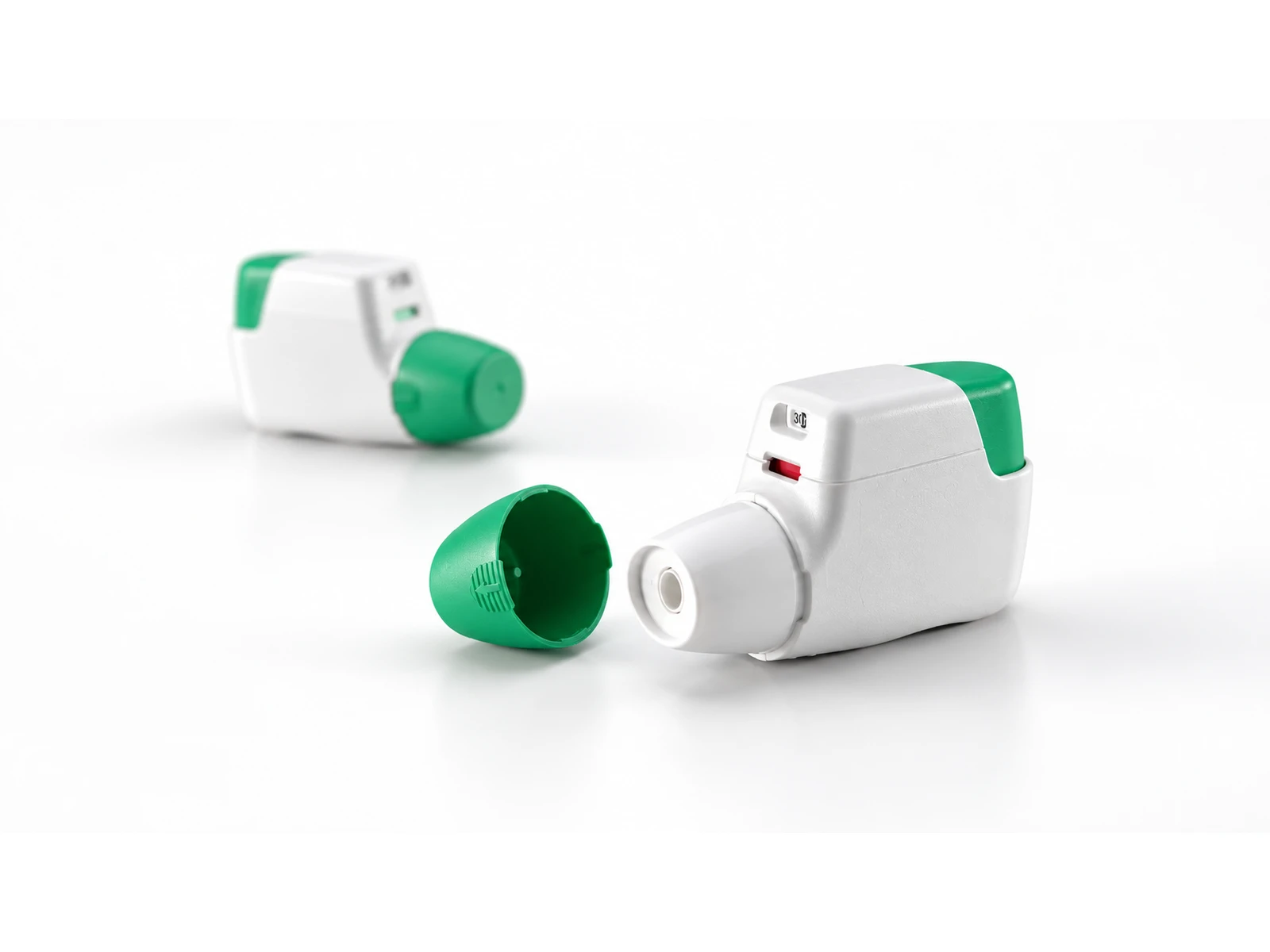
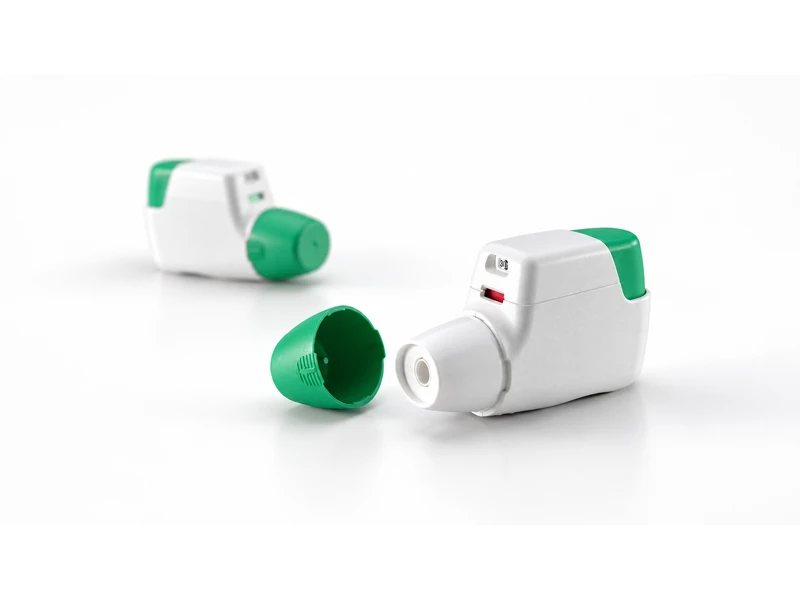
Capsule inhaler with removable cap and separate mouthpiece

Capsule Inhalation Filling Machine

Powder metering into an inhalation capsule

Connect formulation handling with the capsule and device

An inhalation capsule is a dose carrier used with its specified inhaler. During filling, the powder must enter the open body and remain clear of the closing joint. Flow, cohesion and interaction with the dosing tool affect the amount delivered; shell geometry and condition affect separation, closing and later opening in the device. The mass filled into the capsule is not, by itself, evidence of the dose emitted or its aerodynamic performance.

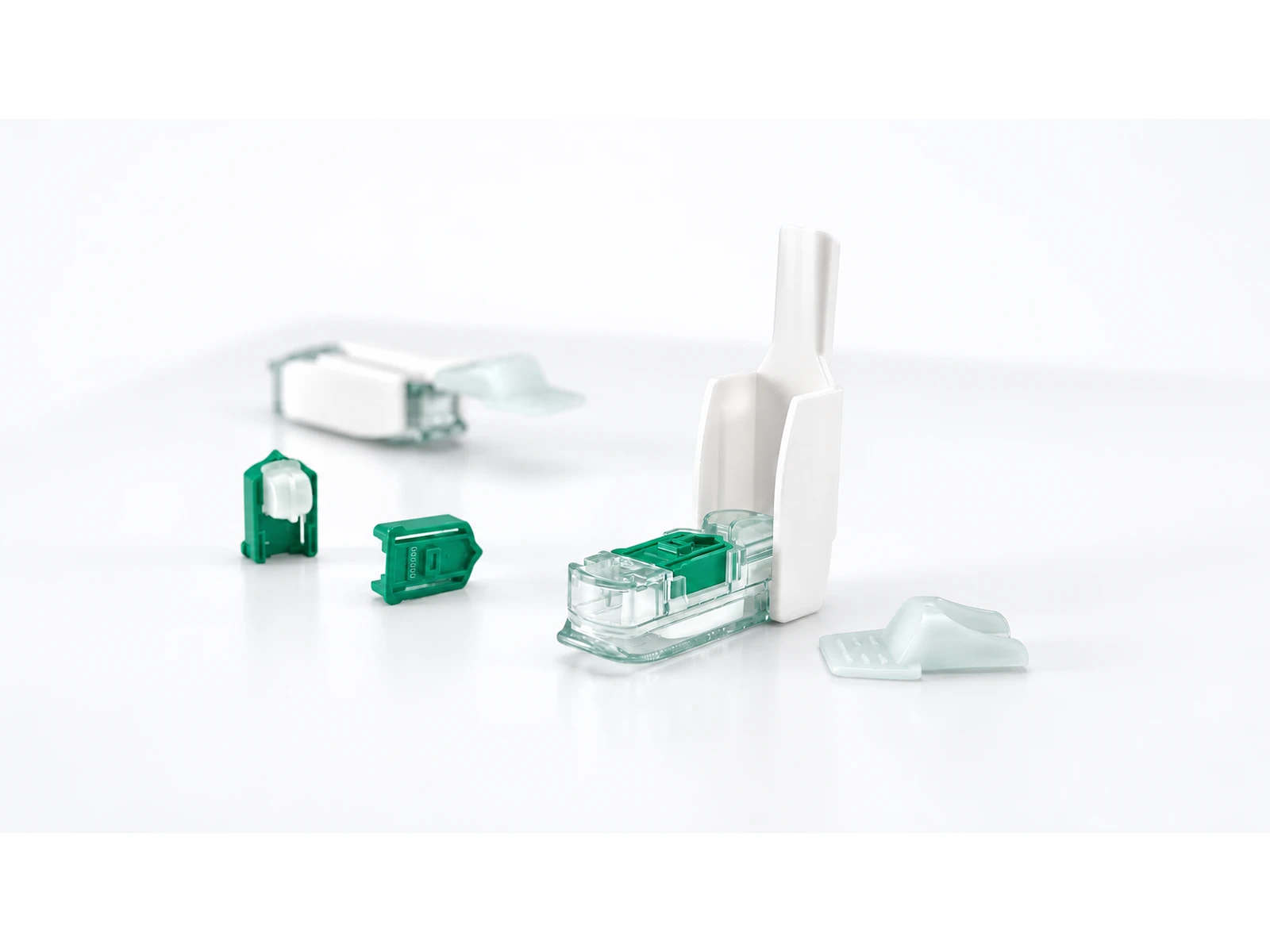
Disassembled inhaler shell, cartridge and mouthpiece components

Process at a glance

Capsule fill mass is a manufacturing attribute. Emitted dose and aerosol performance require their own device-and-formulation tests.

Separate

Present capsule bodies for powder filling

Dose

Transfer the specified inhalation formulation

Close

Rejoin the capsule before the selected checks

Filling technologies

Filling technology

Powder filling

Powder is metered using an auger or a vacuum-based dosing system, depending on the selected configuration. Flow behaviour, bulk density, dose size and containment requirements guide the equipment discussion. The powder and container should be evaluated together during process development.

Explore technology
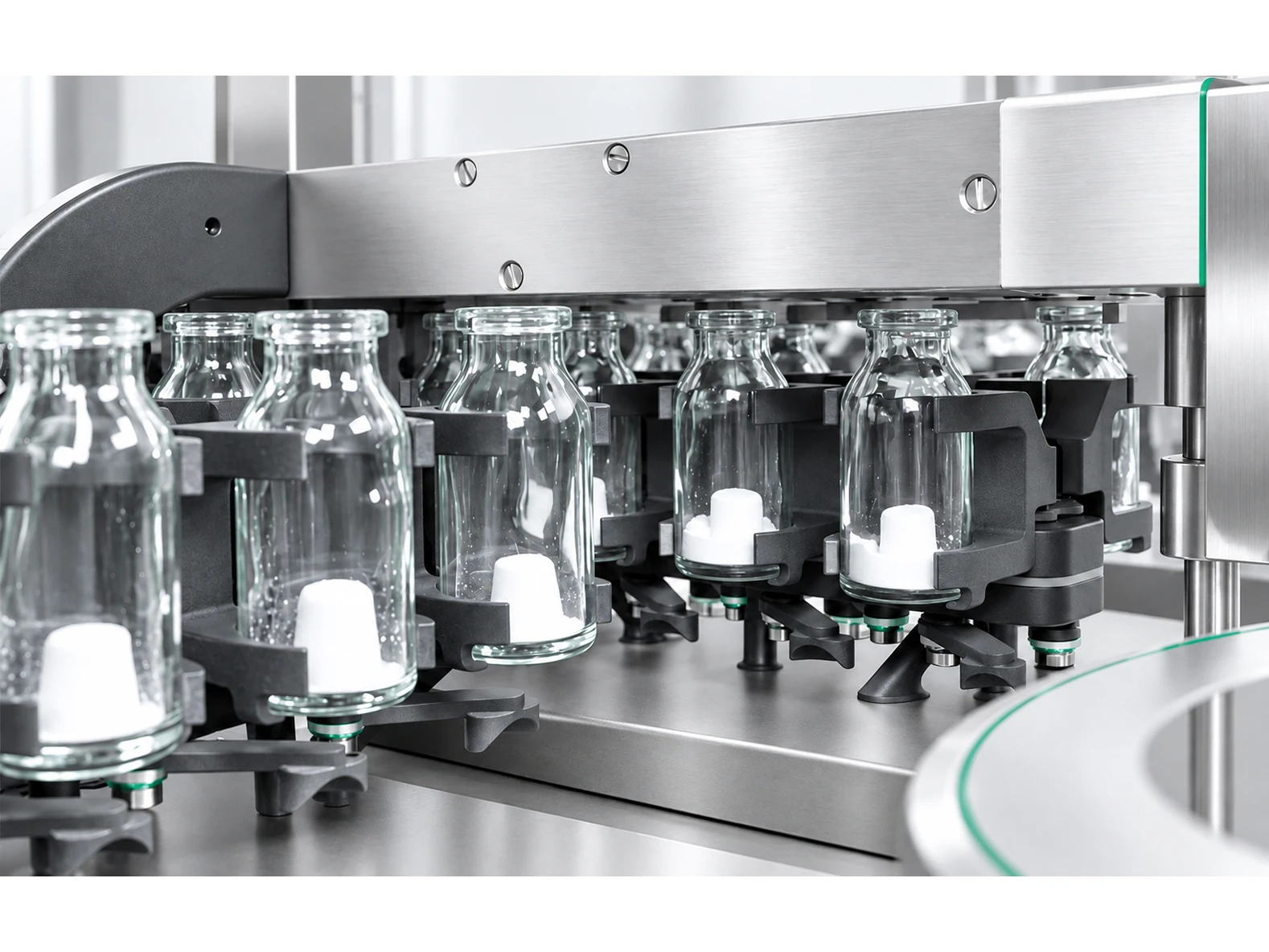
Glass vials presented below the powder dispensing heads
Dosing principle illustration · configuration depends on the application.
Technology 1 of 1

Process challenges

Dosing changes the powder handling history. Relevant formulation and inhaler tests establish the effect rather than assuming particles are never altered.

Read details

Dosing changes the powder handling history. Relevant formulation and inhaler tests establish the effect rather than assuming particles are never altered.

At small fills, shell variation and measurement resolution influence interpretation. Net fill and gross capsule mass are not interchangeable.

Cohesion affects powder supply, tool filling and residue. The operating window is established with the actual formulation.

Outlet behaviour between fills can leave powder at the capsule joint or station. Interrupted operation is assessed alongside steady dosing.

Absent, damaged or incorrectly separated shells need a defined response before powder enters their positions.

Containment covers supply, running, rejection and cleaning tasks. Negative pressure alone does not establish exposure control for all interventions.

Multiple powder additions require component-specific evidence; a final combined mass may conceal an incorrect proportion.

Production operation changes supply, timing and recovery compared with a laboratory study. The evidence must describe the intended arrangement.

Fill results and sampling positions remain linked to the appropriate capsule, batch and disposition.

Technical data & features

Dose mass, powder dispersion and shell behaviour in the device must be assessed together.

Disassembled inhaler shell, cartridge and mouthpiece components

A vacuum-based drum meters powder in cavities and releases it into the capsule using the selected transfer arrangement. This differs from mechanically forming a powder plug, but absence of a tamping step does not prove unchanged particle properties or aerosol performance.

Auger, dosator, drum and dosing-disc methods interact differently with powder. Their suitability depends on the formulation, dose and available shell volume; the method is selected from product trials rather than a universal ranking.

Capsule weighing can evaluate gross mass or, with an appropriate tare strategy, estimate net fill. Shell-mass variation and measurement resolution matter at small doses. The installed control and sampling arrangement determines the meaning of each result.

Shell orientation and separation place the open body under the dosing point. An absent, damaged or incorrectly separated shell needs the defined response before powder is released into that position.

Residual powder on the shell or closing joint can affect handling and subsequent packaging. The selected dust-removal operation addresses external residue; it does not replace cleaning of the machine or establish zero carryover.

Powder containment depends on the complete enclosure, transfers, extraction, filtration and recovery procedures. Pressure direction is one part of that design, with performance assessed against the actual product hazard and handling tasks.

Multiple powder additions need separate dosing and verification logic, available shell volume and a defined sequence. A final capsule mass cannot distinguish the amount of each component without additional evidence.

Development trials inform tool and powder selection. Production changes in supply, motion, exposure and stoppages still require assessment with the intended capsule and dose.

Cleaning, shell handling and dosing-tool care

Dosing cavities, outlets and capsule-handling parts are inspected for wear and residue. Cleaning and reassembly affect both powder release and shell closing, so the restart checks include delivered fill, shell condition and the agreed powder-performance observations.

Configuration consideration Development configuration Production configuration
Dosing Development-scale powder and shell studies. Selected method with sustained powder supply and production handling.
Output Defined by the intended trial and evidence needs. Accepted capsules per hour established for the actual dose and shell.
Dose range Demonstrated with the formulation and selected metering tool. Confirmed within the production operating envelope.
Fill control Measurement and tare strategy suited to the development study. Installed sampling or individual-check arrangement with defined rejection.
Purpose Establish the process relationship between powder, tool and shell. Produce the specified capsule with maintained process controls.
Principle Application
Vacuum drum Powder fills metering cavities and is released by the selected transfer sequence.
Auger Screw movement meters powder; supply and outlet behaviour affect delivery.
Dosator A dosing tube collects and transfers powder under its defined operating conditions.
Dosing disc Powder fills disc cavities with the specified filling or compaction arrangement.

How it works

Operating sequence and process decisions

How is powder handling related to inhaler performance?

Evaluate the formulation before and after the selected handling and dosing process using the relevant product tests. A non-tamping method changes the mechanical interaction but does not automatically establish unchanged dispersion.

How is a small fill assessed?

Distinguish shell tare, net fill and gross capsule mass. Use a measurement method with appropriate resolution and an agreed sampling strategy; compare startup and replenishment with steady operation.

How does cohesion affect the powder supply?

Cohesion can alter tool filling, release and residue. Observe the supply bed and outlet with the real formulation and establish the operating conditions that produce an acceptable dose.

How is powder escape between fills examined?

Observe the dosing outlet at a stop, then inspect the next shells and their joints after restart. The selected outlet and closing arrangement must be evaluated with the powder rather than assumed to stop all discharge.

How is containment assessed?

Assess the complete powder path, including supply, running, reject removal and cleaning. Enclosure pressure alone does not describe exposure during every task; the relevant containment performance is demonstrated for the proposed arrangement.

How are two additions distinguished?

Each dosing step needs its own control strategy. The combined capsule mass may be acceptable even when the proportions are wrong, so component-specific evidence is required where multiple additions are proposed.

What happens to an unsuitable shell?

Define how an absent, damaged or incorrectly separated shell is detected and whether dosing is inhibited or the affected capsule is rejected. Acceptance trials follow that position through closing and discharge.

How does the process transfer to production?

Retain the useful powder and tool findings, then evaluate the production feed, cycle, environment and interruptions. Confirm the evidence still applies to the intended shell and formulation.

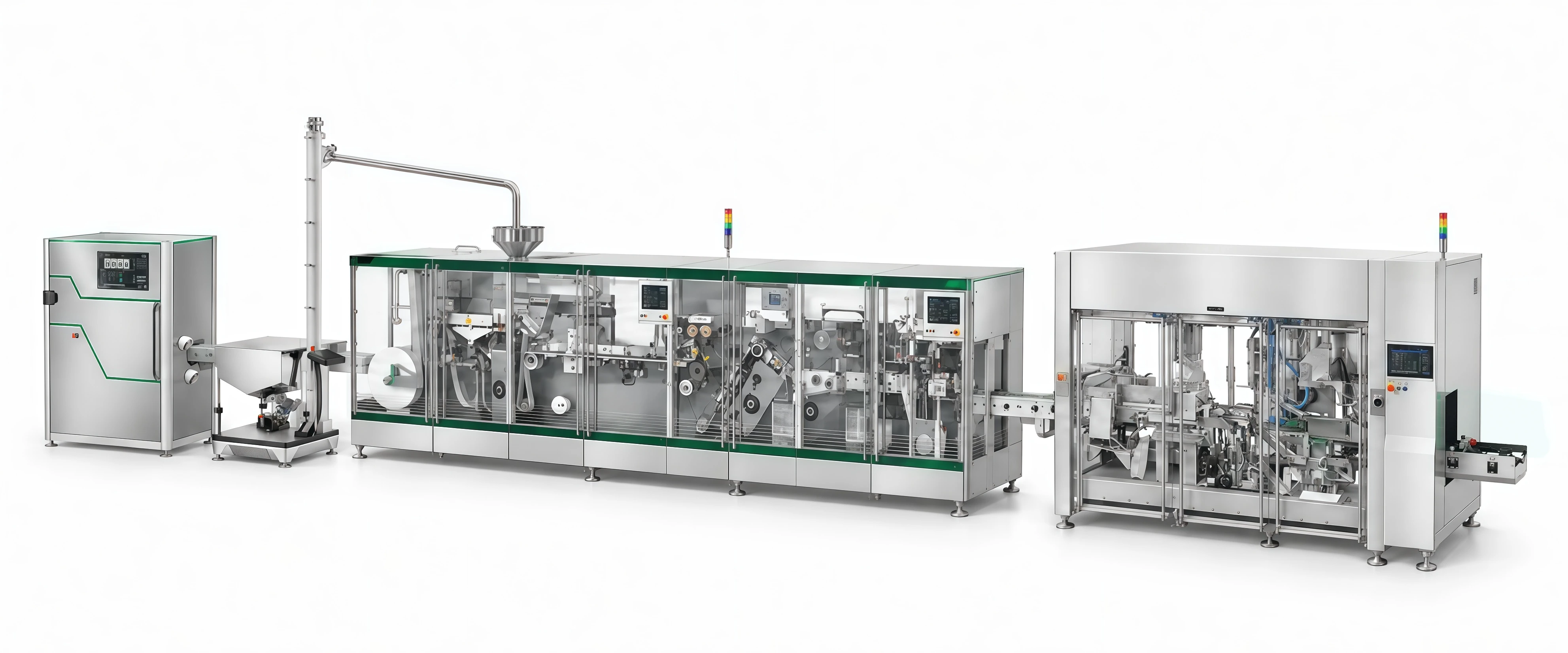
Inhalation capsule packing line. Shown here: blister packing of already-filled inhalation capsules. Micronized powder dosing into the capsule and device assembly are outside this image. The line provides process context; the individual product is not identified as a separate station in this view.

Production line · Equipment context

Inhalation capsule packing line

Explore the process areas on the production line associated with this equipment.

Skip tour
Selected process route 6 equipment areas · Scroll to explore

Shown here: blister packing of already-filled inhalation capsules. Micronized powder dosing into the capsule and device assembly are outside this image. The line provides process context; the individual product is not identified as a separate station in this view.

Related production lines: Dry Powder Inhalation Capsule Lines · Dry Powder Inhalation Manufacturing Lines

Line integration

Empty capsules + Inhalation powder formulation

↓

A capsule process matched to the inhalation formulation

Orient and open the shell → perform the specified shell and presence checks

Deliver the formulation with the selected dosing method

Close the capsule → perform the specified fill checks → remove external residue and segregate rejects ↓

Accepted inhalation capsules to their specified protective packaging

The powder arrives under its defined storage and transfer conditions, and empty capsules arrive with the specified material, dimensions and handling requirements.

Filled capsules pass to the approved blister, bottle or other protective presentation. Whether a capsule is supplied separately or loaded into a device is a product-design decision, not an automatic downstream step.

Containment designed around powder transfer, operation and recovery

Keep fill and rejection results tied to their capsule or sampling position

Support throughout your project and production

Define the equipment scope

Dose mass, powder dispersion and shell behaviour in the device must be assessed together.

Learn more

Agree the acceptance test

Use filled capsules and the intended device for performance testing after the proposed storage and packing conditions.

Learn more

Prepare for operation

Identify the contact parts and format tooling for Capsule Inhalation Filling Machine. Agree access for cleaning, the spares to hold and the operating records the site will need.

Learn more

Knowledge hub

2 resources

Frequently asked questions

Is a DPI capsule the same application as an oral capsule?

The filled capsule is intended for the specified inhaler rather than ordinary oral administration. Shell opening and powder release in that device are part of the product assessment, alongside manufacturing fill and closure.

Does weighing the capsule measure the active ingredient?

Gross weight includes the shell; a net-fill estimate also depends on the tare strategy. Neither establishes active-content uniformity or the delivered aerosol dose without the appropriate product tests.

Is vacuum dosing always better for inhalation powder?

It has a different interaction from mechanically compacting powder, but suitability depends on the formulation and dose. Product trials establish filling, release and relevant performance rather than a universal preference.

Must filled capsules be inserted into inhalers on this line?

The finished presentation determines the boundary. Capsules may be supplied in protective packaging for later use with a device, or a specified assembly operation may be included. Define that scope from the approved product design.

Contact

Share the capsule specification, inhalation formulation and target fill mass, together with the proposed checking and containment tasks. The filling trial can then evaluate dosing and handling separately from aerosol performance.

Discuss your project →
Disassembled inhaler shell, cartridge and mouthpiece components