Skip to content

Process expertise. Chinese manufacturing. Global perspective.

PREASYS

Equipment & technology

Bulk Density Tester

Measure how much space a powder occupies before deliberate settling. A bulk density tester relates sample mass to its loosely filled volume, helping formulation and process teams compare material lots and understand the volume presented to a feeder or container.

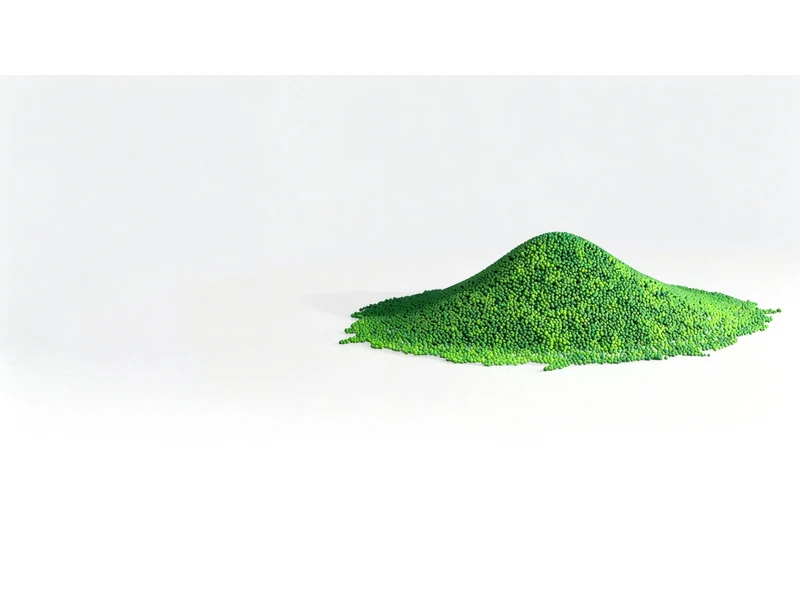
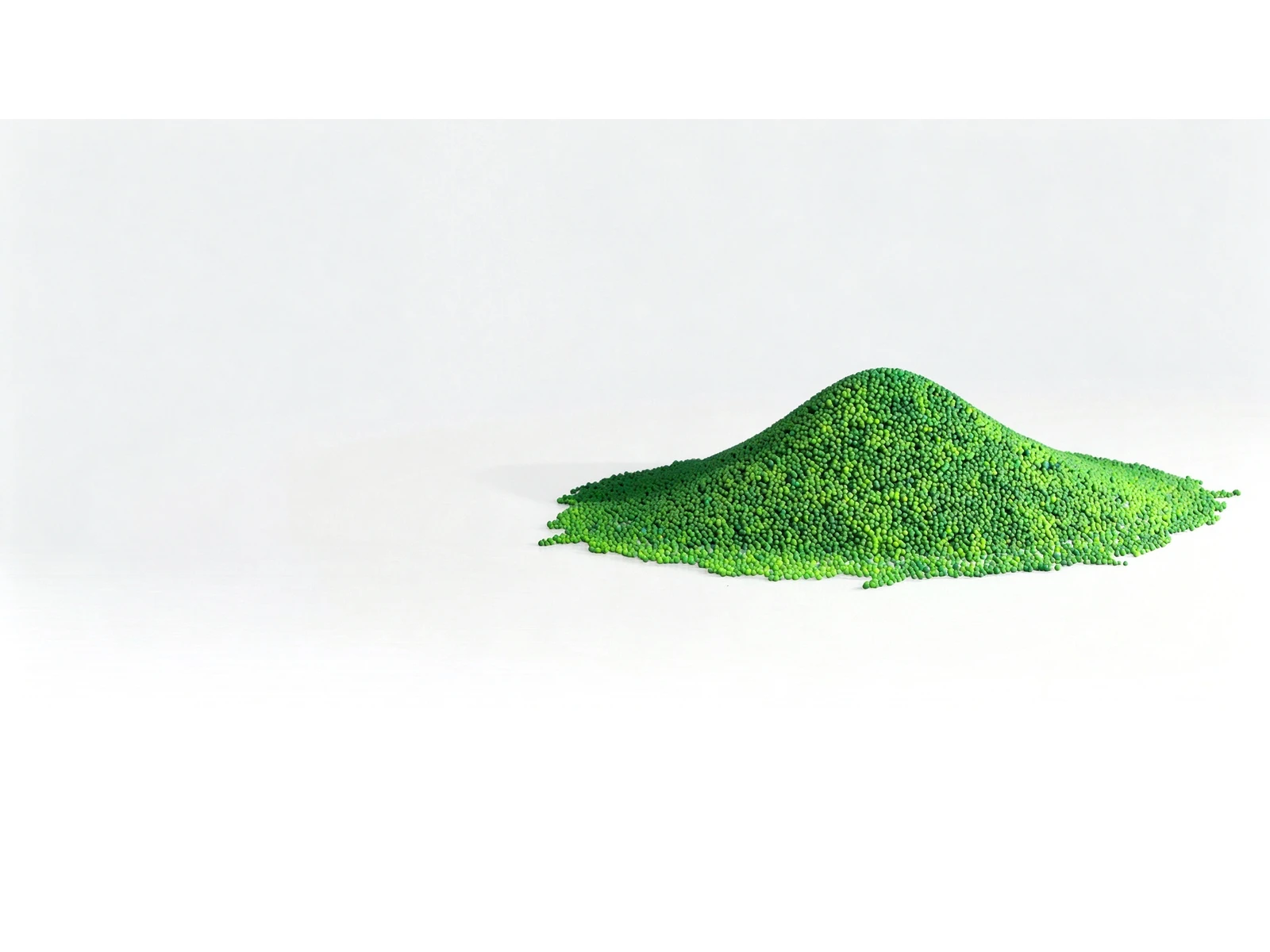
Fine green powder shown in a loose pile
Process context · Fine green powder shown in a loose pile

Bulk Density Tester

Loose bulk density and powder packing

Mass divided by the volume of a loosely filled sample

Bulk density includes the spaces between particles. The same material can give different readings if pouring, sieving, handling or the vessel changes its packing. Keeping the filling procedure consistent makes lot comparisons meaningful; bulk density alone does not predict how a dynamic feeder will behave.

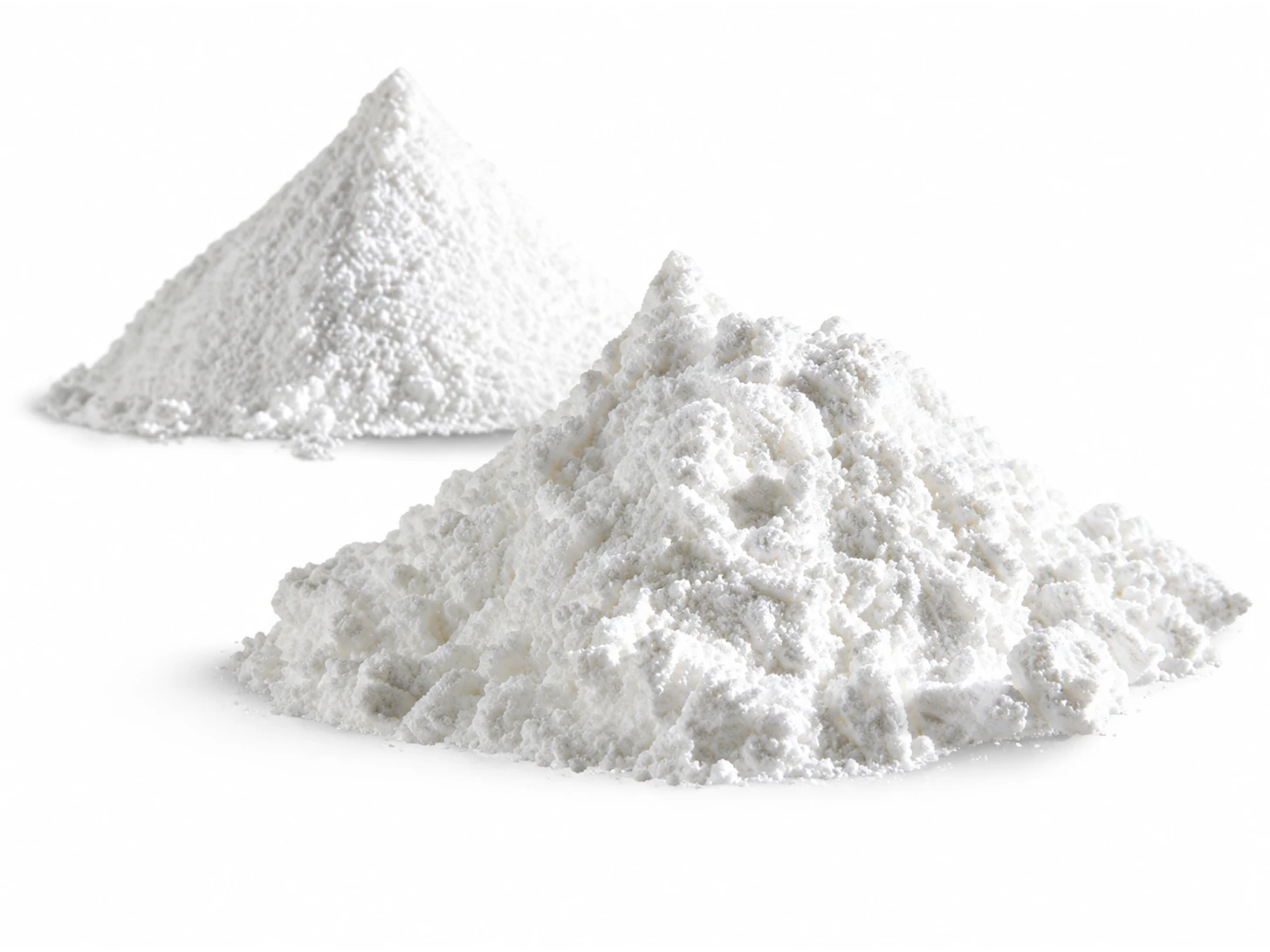
Loose inhalation powder shown as a fine white mound
Process context · Loose inhalation powder shown as a fine white mound

Example project input

Read the freely poured volume without tapping the cylinder. Use the same loading method when comparing lots.

60 g

Powder mass

100 mL

Unsettled volume

0.60 g/mL

Loose bulk density

Process challenges

Powder packing affects the mass presented to a fixed-volume filling step; interpret bulk density alongside flow and feeder conditions.

Read details

Filling behaviour: bulk density connects a powder mass to an occupied volume. It helps interpret die or capsule filling, but flow and feeder conditions still affect the delivered dose.

Method consistency: uncontrolled shaking or pressing settles the sample. Standardized loading and reading reduce this source of variation.

Container planning: a loose-volume measurement is a useful starting point, with allowance for settling and handling during the actual filling route.

Density comparisons: bulk and tapped values can be combined into packing indices only when both measurements follow compatible, documented procedures.

Method selection: match the apparatus and sample preparation to the laboratory method; the instrument name alone does not establish compendial conformity.

Technical data & features

Use a consistent filling procedure to avoid packing the powder before the initial volume is read.

Loose inhalation powder shown as a fine white mound

Measurement configuration

A graduated cylinder measures occupied volume, while a suitable volumeter collects powder into a known volume. The selected method determines the apparatus and loading sequence.

Mass, vessel reading and the sample-loading procedure are the primary measurement inputs.

Bulk density is distinct from tapped density and gas-displacement density; each includes a different part of the void space.

Balance verification, vessel condition and repeatable reading of the powder surface support the measurement record.

Measurement element Role in the result
Sample mass Determine on a suitable verified balance; retain the weighing record.
Occupied volume Read the loosely filled sample using the selected vessel and filling procedure.
Reported quantity Bulk density is mass divided by bulk volume, with units stated.
Method identity Record the method edition and apparatus actually used.
Measurement record Keep sample identity, preparation, mass, volume and repeat readings together.

How it works

How-To

How can a loose sample be loaded consistently?

Use the specified introduction method and avoid tapping, vibration or pressing after filling. Record any preparation such as sieving because it can change the packing state.

How should an uneven powder surface be read?

Follow the reading rule in the selected method, at the same viewing position and without compacting the powder to flatten it. Repeat the preparation if the surface cannot be read reliably.

How should the result inform a filling trial?

Compare density with flow observations and actual delivered mass. A change in bulk density may explain a volume-based fill shift, but the feeder and transfer history must also be considered.

Line integration

Representative powder sample → Method-specific preparation → Controlled filling of the selected vessel

→ Mass and occupied-volume readings → Bulk-density calculation and recorded method ↓

Density result → Comparison with formulation, handling and packaging observations

Support throughout your project and production

Define the equipment scope

Use a consistent filling procedure to avoid packing the powder before the initial volume is read.

Learn more

Agree the acceptance test

Report the preparation method alongside the result when sizing a receiver, hopper or process charge.

Learn more

Prepare for operation

Identify the contact parts and format tooling for Bulk Density Tester. Agree access for cleaning, the spares to hold and the operating records the site will need.

Learn more

Knowledge hub

2 resources

Frequently asked questions

Is bulk density the same as true density?

No. Bulk density includes voids between particles. Gas-displacement measurements address a different volume and need their own sample preparation and interpretation.

Can bulk density predict tablet weight?

It helps relate die-fill volume to mass, but segregation, aeration and powder flow through the feed system also matter. Confirm the relationship in the intended filling process.

Should powder be tapped before the bulk reading?

Not for the loose bulk reading. Deliberate tapping is a separate test condition. Record the method so loose and settled values are not mixed.

Does the instrument guarantee conformity with a standard?

Conformity depends on the supplied apparatus, current test method, laboratory procedure and verification records. Review these together for the intended application.

Contact

For a configuration review, include sample format, reference material, measured attribute, acceptance method, data output.

Discuss your project
Loose inhalation powder shown as a fine white mound