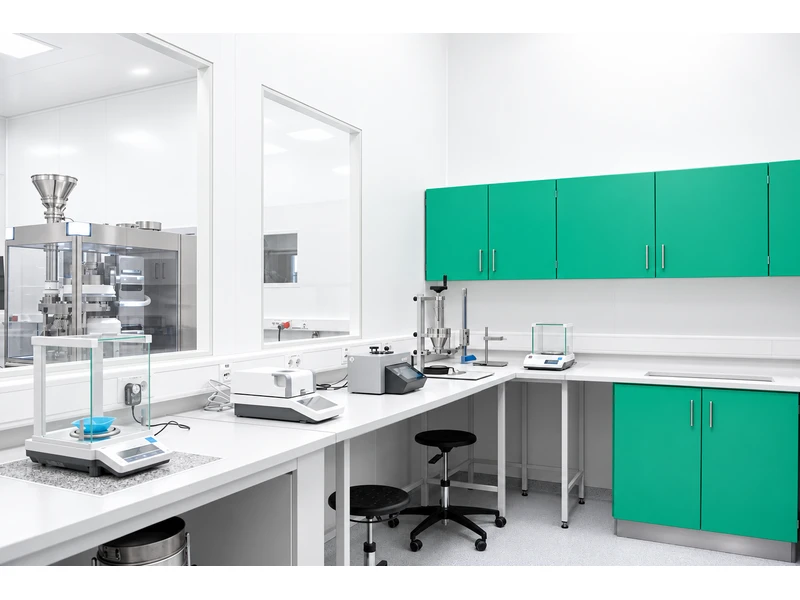
Define the equipment scope
Minimum working load and spray access matter when material is scarce. Use the intended coating suspension and tablet geometry.
Learn moreProcess expertise. Chinese manufacturing. Global perspective.

Equipment & technology
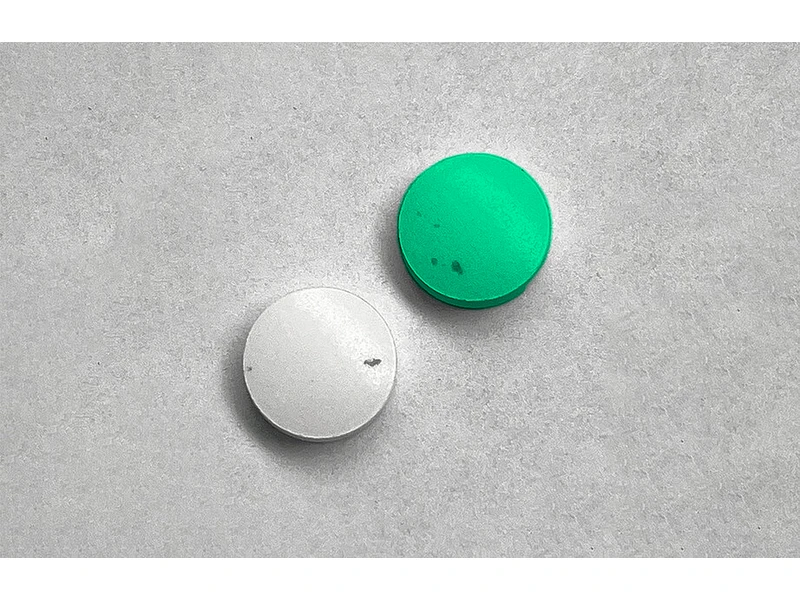
Develop a tablet coating process with a small, defined charge. A laboratory drum coater lets the team compare bed movement, spray coverage and drying while preserving enough material to measure coating gain and product appearance.
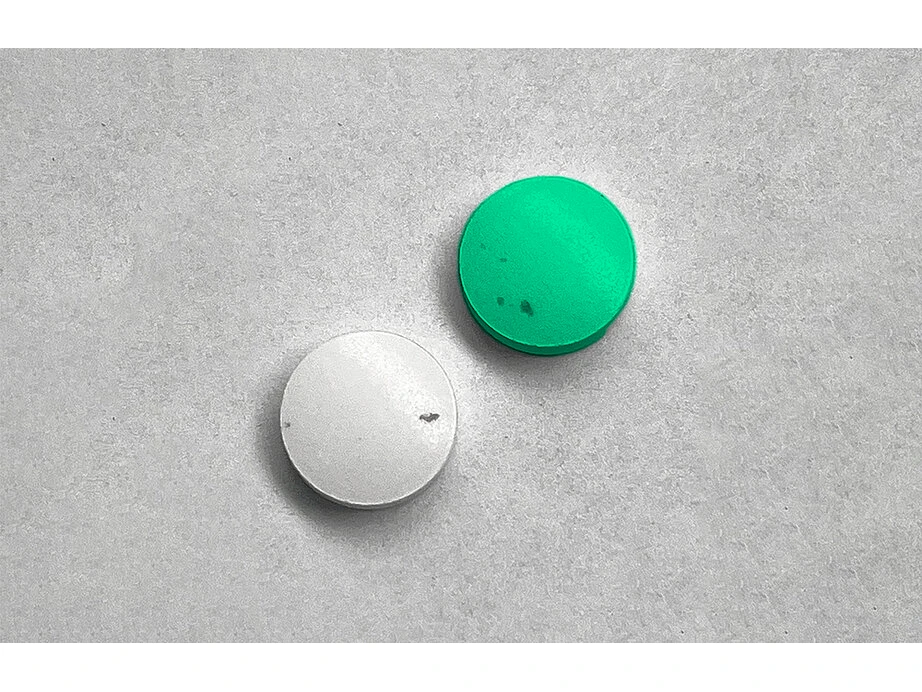
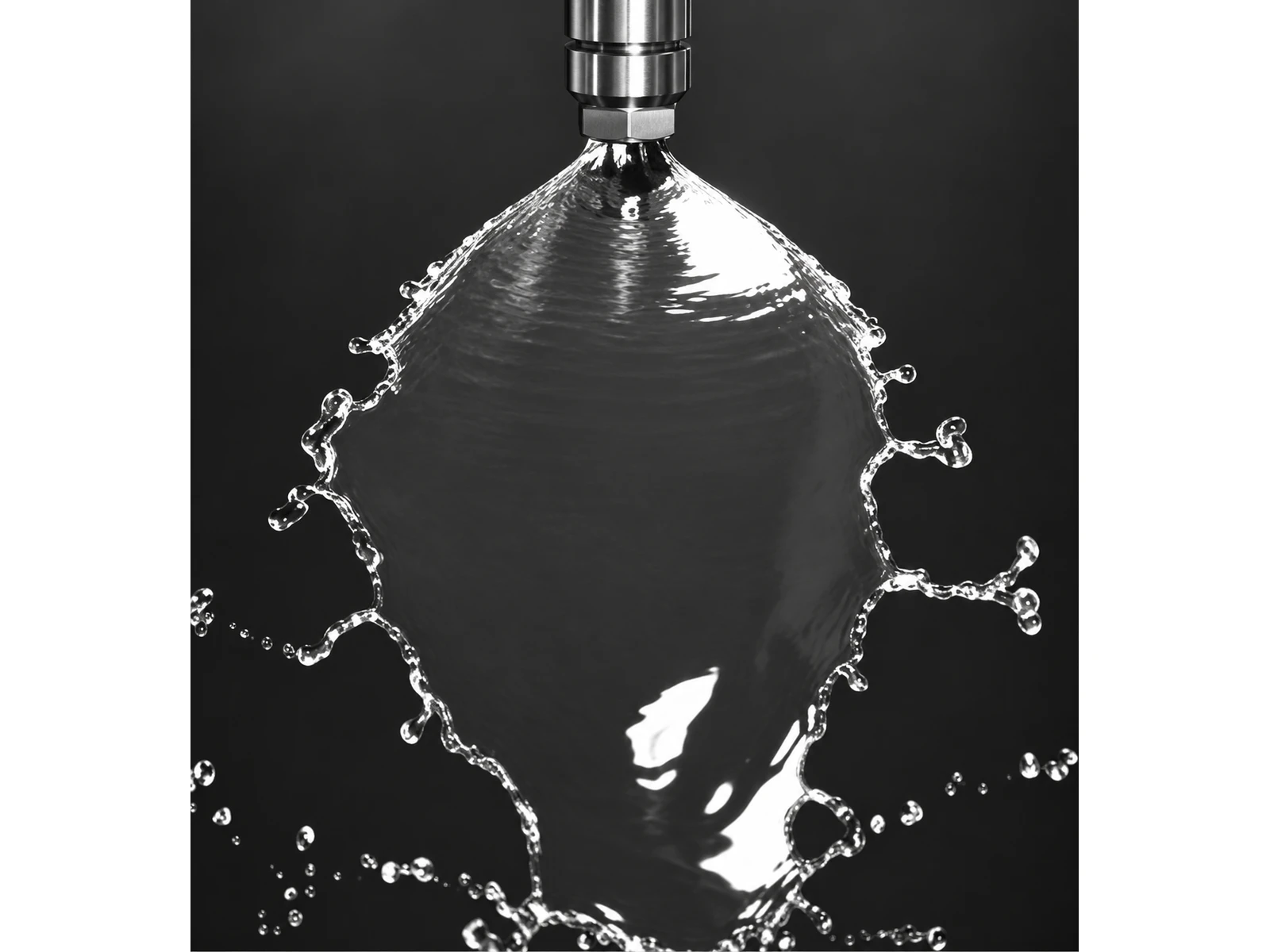
A small charge must still circulate through the spray zone. Select the drum and baffles around the tablet geometry and available mass, then agree nozzle access, suspension preparation and the air conditions needed for the planned experiment.
Example project input
This trial balance excludes spray losses. Divide the required dry solids by the suspension's solids fraction to plan the liquid charge.
500 g
Uncoated tablet charge
3%
Target dry weight gain
15 g
Dry coating solids needed
—
Process options
An uneven coat can arise from poor tablet movement, unstable suspension delivery or an imbalance between spraying and drying. Examine sticking, picking, edge damage and coating distribution separately instead of judging the trial by average weight gain alone.
Use these inputs to define the proposed configuration. Confirm operating values against the selected model and trial conditions.
| Project input | What to record and why |
|---|---|
| Minimum trial load | Weigh the smallest batch intended for a trial. Check bed movement and exposure to spray at that load before comparing larger batches. |
| Tablet shape | Provide the profile, dimensions and markings. Observe how tablets tumble and whether edges or debossed areas receive an even coat. |
| Suspension | Record solids content and mixing or recirculation requirements. Check whether the suspension remains uniform long enough for the proposed application. |
| Target weight gain | State the intended increase relative to the starting dry weight. Set out the sampling and weighing method before comparing runs. |

Establish tablet circulation and the initial air conditions before spraying. Observe surface wetting and record product temperature while adjusting the agreed spray settings. Keep interruptions and manual changes in the batch record.
Use the same core lot and sampling method, then compare weight gain, coating distribution and tablet damage. Inspect and clean the nozzle, drum and exhaust path between runs so a partially blocked spray path does not distort the comparison.
Start with tablets of a documented core condition and a prepared coating suspension. Record charge mass, core appearance and suspension solids before the batch enters the coater.
Collect coated samples for the tests relevant to the formulation, alongside weight gain and appearance. The trial record should connect each result with spray delivery, air conditions and product temperature before a production coater is selected.
Minimum working load and spray access matter when material is scarce. Use the intended coating suspension and tablet geometry.
Learn moreRetain the trial settings and compare weight gain, appearance and the drying profile before scale-up.
Learn moreIdentify the contact parts and format tooling for Coater. Agree access for cleaning, the spares to hold and the operating records the site will need.
Learn moreShare minimum trial load, tablet shape and suspension.
Request product information
2 resources
The selected drum and baffles must move the tablets through the spray zone repeatably. Confirm the operating load with the actual tablet shape; an empty drum volume is not a useful batch-size specification.
Only after reviewing the coating system, air handling, materials and safety requirements for the actual liquid. Do not infer solvent suitability from an aqueous trial.
No. It measures deposited solids but does not establish uniformity or product performance. Include the formulation-specific tests and sampling plan agreed by the development team.
For a configuration review, include minimum trial load, tablet shape, suspension, target weight gain.
Discuss your project