Skip to content

Process expertise. Chinese manufacturing. Global perspective.

PREASYS

Equipment & technology

High-Speed Pharmaceutical Capsule & Tablet Checkweigher

An individual-unit checkweigher separates capsules or tablets, measures their mass and tracks each result to an acceptance or reject path. The useful operating point combines stable product presentation, repeatable weighing and reliable separation at the required production rate.

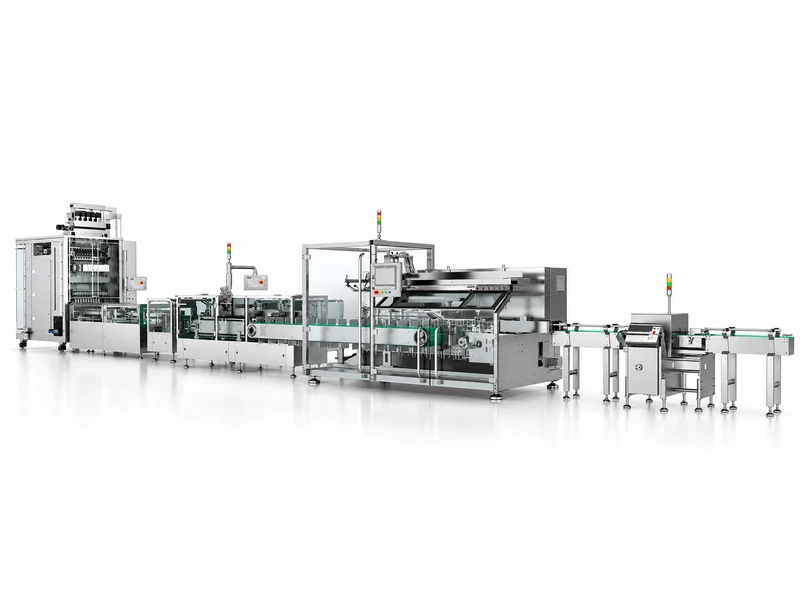
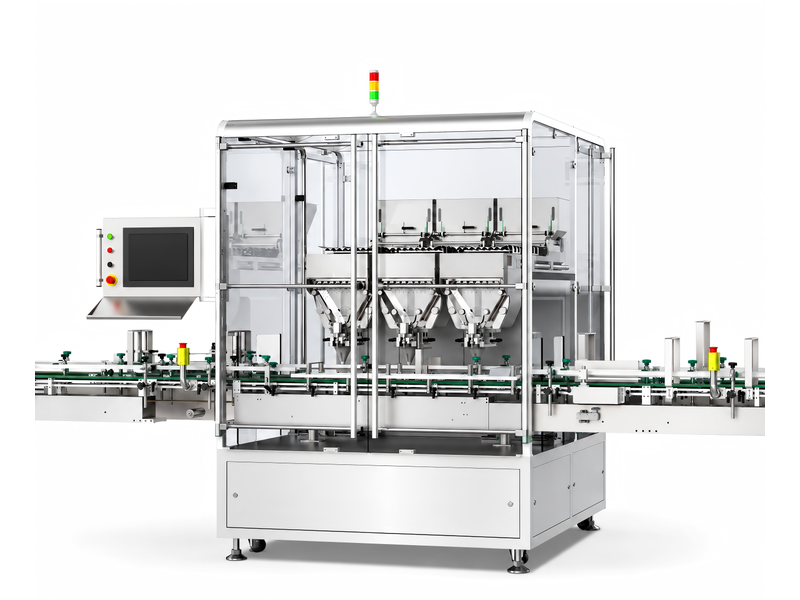
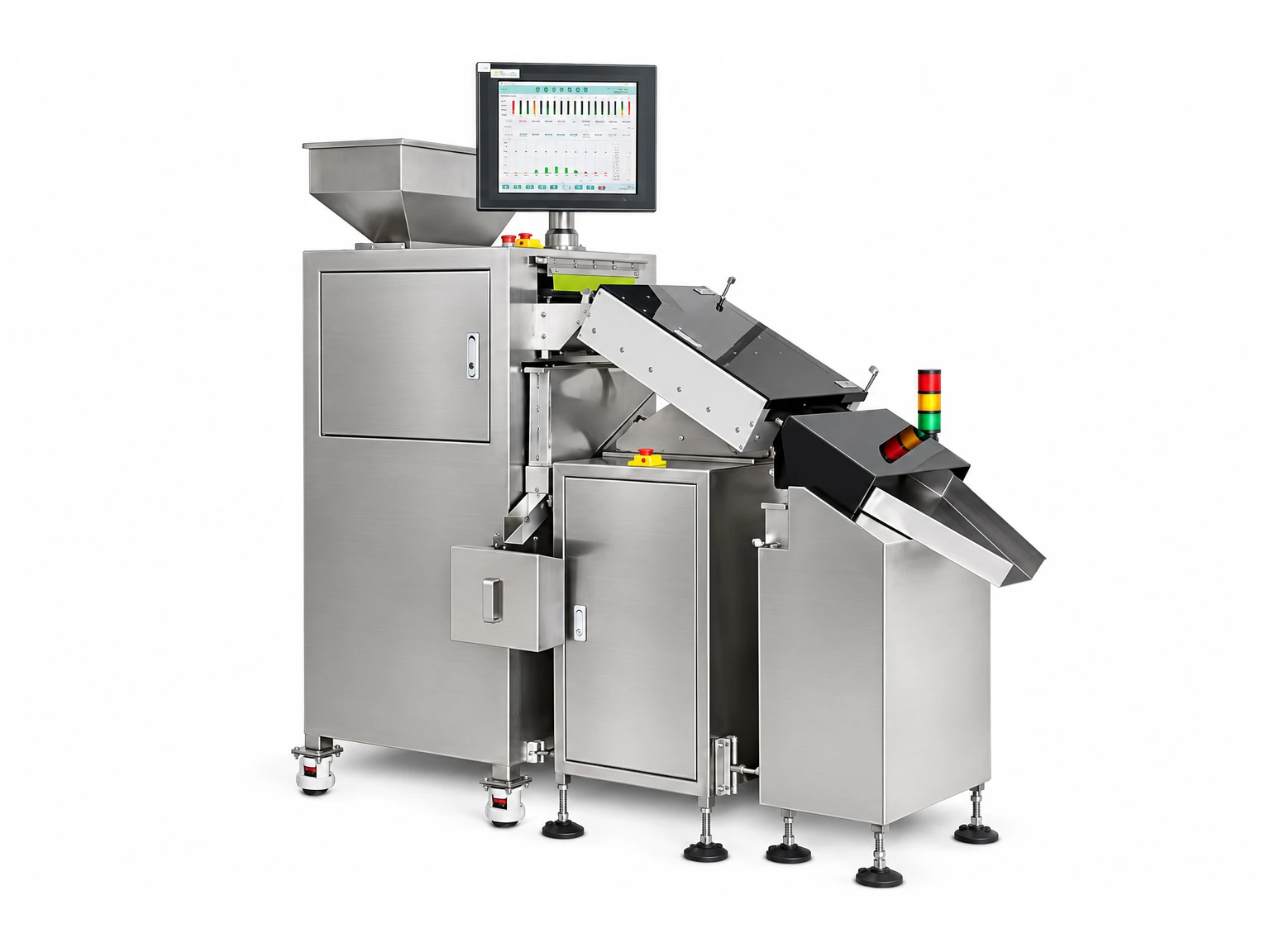
Checkweighing equipment with an infeed conveyor and discharge section

Tablet/Capsule Checkweigher

Individual capsule and tablet mass control

Connect each measured unit with its physical destination

A weighing cell needs a stable measurement interval after the product reaches it. Product motion, vibration, air currents and the weighing sequence can all disturb that interval. The machine must maintain identity from measurement to rejection; a weight result by itself neither measures active-ingredient content nor proves a correct capsule fill without considering shell mass.

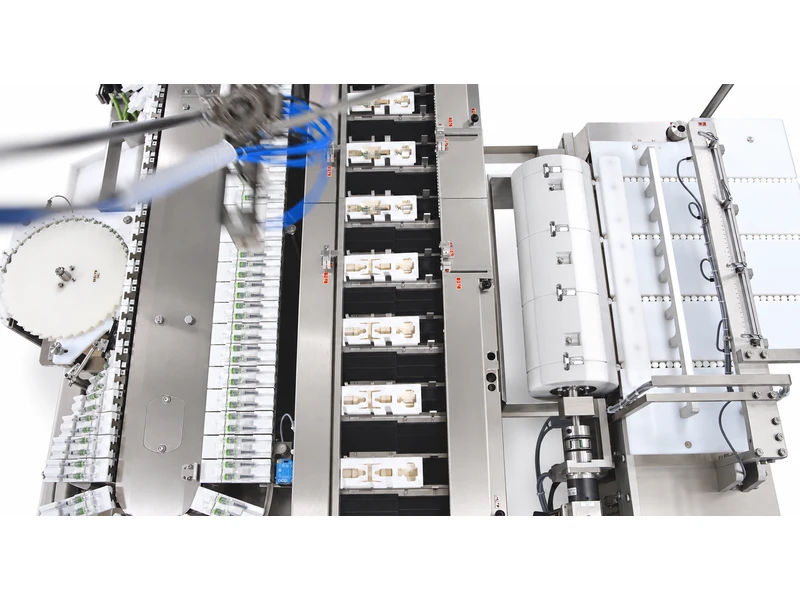
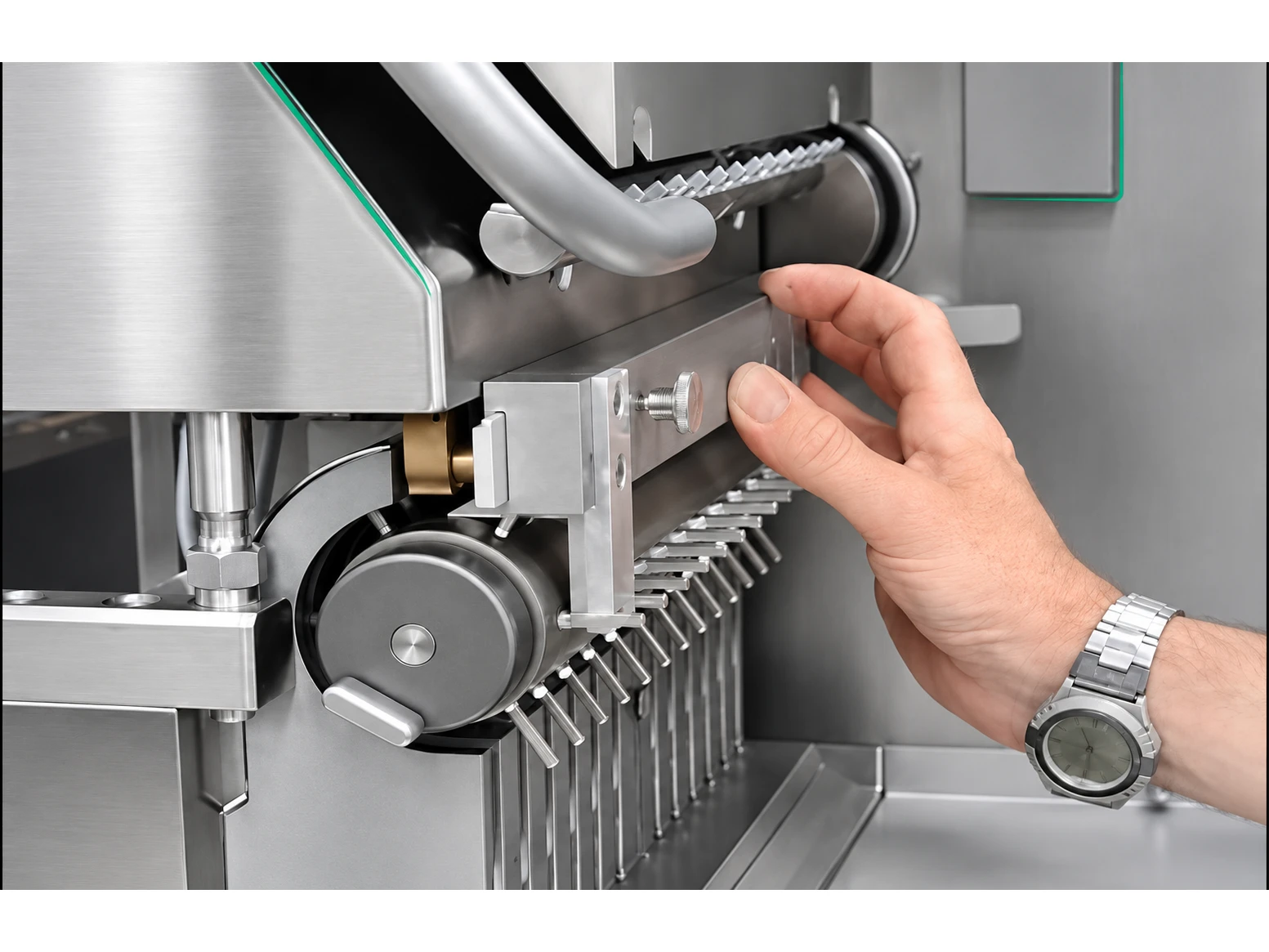
Tooling change at the product weighing channels

Weigh, track and separate

Measurement and reject handling must be qualified together.

Mass

Individual unit measurement

Tracking

Connect the result to the same unit

Separation

Verify the accepted and rejected destinations

Process challenges

A unit-mass check identifies weight variation; active-ingredient content requires its own evidence.

Read details

A mass deviation can indicate a filling or forming problem. Detection depends on the measurement uncertainty and acceptance limits, not simply on whether every unit passes a sensor.

Air currents and vibration can shift the measured signal. The installation and shielding must be assessed under actual running conditions.

Individual weighing provides a distribution instead of only a batch average. Its usefulness depends on correct unit tracking and the handling of missing or overlapping products.

For low fills, shell-mass variation may be significant relative to the desired fill tolerance. Distinguish gross weighing from a supported net-mass strategy.

Higher feed rate reduces the time available for settling and weighing. Establish the working rate together with repeatability and reject performance.

Trend data can reveal a drifting mean or increasing variation. Preserve the product identity, limits and recipe revision needed to interpret the trend.

Technical data & features

Define the capsule or tablet, its support and the measurement interval. Verify the individual-unit mass result and reject path; completed-pack weighing belongs to a separately selected downstream operation.

Tooling change at the product weighing channels

Weighing and rejection configuration

Unit separation: present a single capsule or tablet to each measurement position.

Measurement performance: evaluate repeatability and bias with suitable reference units across the intended operating range.

Net-fill assessment: identify how shell tare or pre-fill weight is obtained before claiming a net result.

Environmental control: isolate or shield the measurement where the actual installation requires it.

Rate and lane configuration: qualify feeding, settling, measurement and rejection together.

Records: retain limits, counts, statistics and challenge results according to the site workflow.

Contact paths should allow cleaning without changing the weighing support or leaving product trapped near the reject mechanism.

Measurement choice Measured object Handling requirement Interpretation
Gross capsule mass Closed shell and its contents. Stable single-unit presentation and tracked rejection. Shell variation contributes to the result; this is not an API assay.
Tablet mass An individual formed tablet. Support and transfer suited to tablet geometry and strength. Relate variation to the approved mass criterion, separately from content uniformity.
Net-fill strategy Fill mass only when a justified tare or paired measurement is available. Preserve the relationship between relevant measurements. Verify how tare is obtained and its uncertainty; nominal shell subtraction is not individual shell measurement.
Weighing element What determines the result
Weighing principle Individual mass measurement after controlled presentation to the cell.
Working range Choose the cell and handling format for the product mass and acceptance limits.
Performance study Evaluate bias, repeatability and rejection under actual running conditions.
Lane arrangement Coordinate singulation, cell loading and tracking for each lane.
Installation Review vibration, air movement, support and cleaning access.
Gross or net result State what was weighed and how any tare value was obtained.
Recorded output Individual or statistical mass results, limits, counts and challenge records as configured.

How it works

Evaluate weighing, tracking and rejection

How is a reliable working rate established?

Increase the feed rate while monitoring repeatability, handling faults and the physical reject outcome. A nominal cycle rate is not evidence of useful measurement performance.

How should the reject path be challenged?

Introduce identified reference units spanning the acceptance boundaries and reconcile where each unit is collected. Repeat after stops, feed gaps and format changes.

How can capsule-shell variation affect interpretation?

Gross mass contains both shell and fill. Compare shell variation with the target fill tolerance and determine whether a paired tare or other justified net-mass strategy is required.

Line integration

Capsules / tablets / coated pills (after capsule filler, tablet press, coater)

↓

Capsule or tablet checkweighing sequence:

Singulation → Individual weighing → Comparison with approved limits → Tracked sorting → Batch counts and weight distribution → Investigation of trends or faults ↓ Accepted units → Selected packaging route; rejected units → Segregated collection Upstream: capsules from fillers, tablets from presses, coated pills from coaters Downstream transfer must preserve accepted/rejected separation. Weight acceptance is one inspection result, not a batch-release decision. Data export is a defined interface: agree the fields, units, timestamps and failure handling for any connection to a site system.

Challenge the actual product at the proposed rate, including restart, feed gaps and known out-of-limit units.

Support throughout your project and production

Define the equipment scope

Define the capsule or tablet, its support and the measurement interval. Verify the individual-unit mass result and reject path; completed-pack weighing belongs to a separately selected downstream operation.

Learn more

Agree the acceptance test

Verify handoff and rejection with test units at both sides of the acceptable range.

Learn more

Prepare for operation

Identify the contact parts and format tooling for Tablet/Capsule Checkweigher. Agree access for cleaning, the spares to hold and the operating records the site will need.

Learn more

Knowledge hub

2 resources

Frequently asked questions

Does checkweighing measure the drug content of a capsule?

No. It measures mass. Active-ingredient content also depends on formulation uniformity and the relevant analytical test.

Is gross capsule mass the same as fill mass?

No. The shell contributes mass. Net fill mass requires a justified tare strategy; subtracting a nominal shell average does not measure each individual shell.

Can one configuration handle tablets and capsules?

The weighing principle may be shared, but singulation, support and transfer tooling must suit each shape. Evaluate each proposed format with representative product.

What should an acceptance trial include?

Include representative units, boundary challenges, repeatability, throughput, start/stop behaviour and reject reconciliation. Agree the test method and limits before the trial.

Contact

For a configuration review, include sample format, reference material, measured attribute, acceptance method, data output.

Discuss your project
Tooling change at the product weighing channels