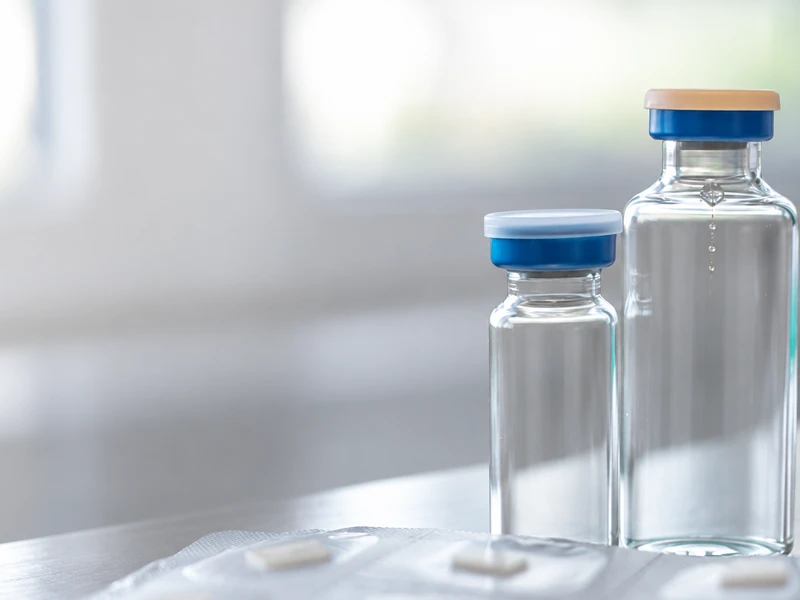
Liquid products
What are the viscosity, temperature limits and handling sensitivities? Which container and closure are used, and what must be controlled during preparation, dosing and transfer?
Process expertise. Chinese manufacturing. Global perspective.

Process expertise
Turn material behavior and production requirements into a clearer equipment decision.
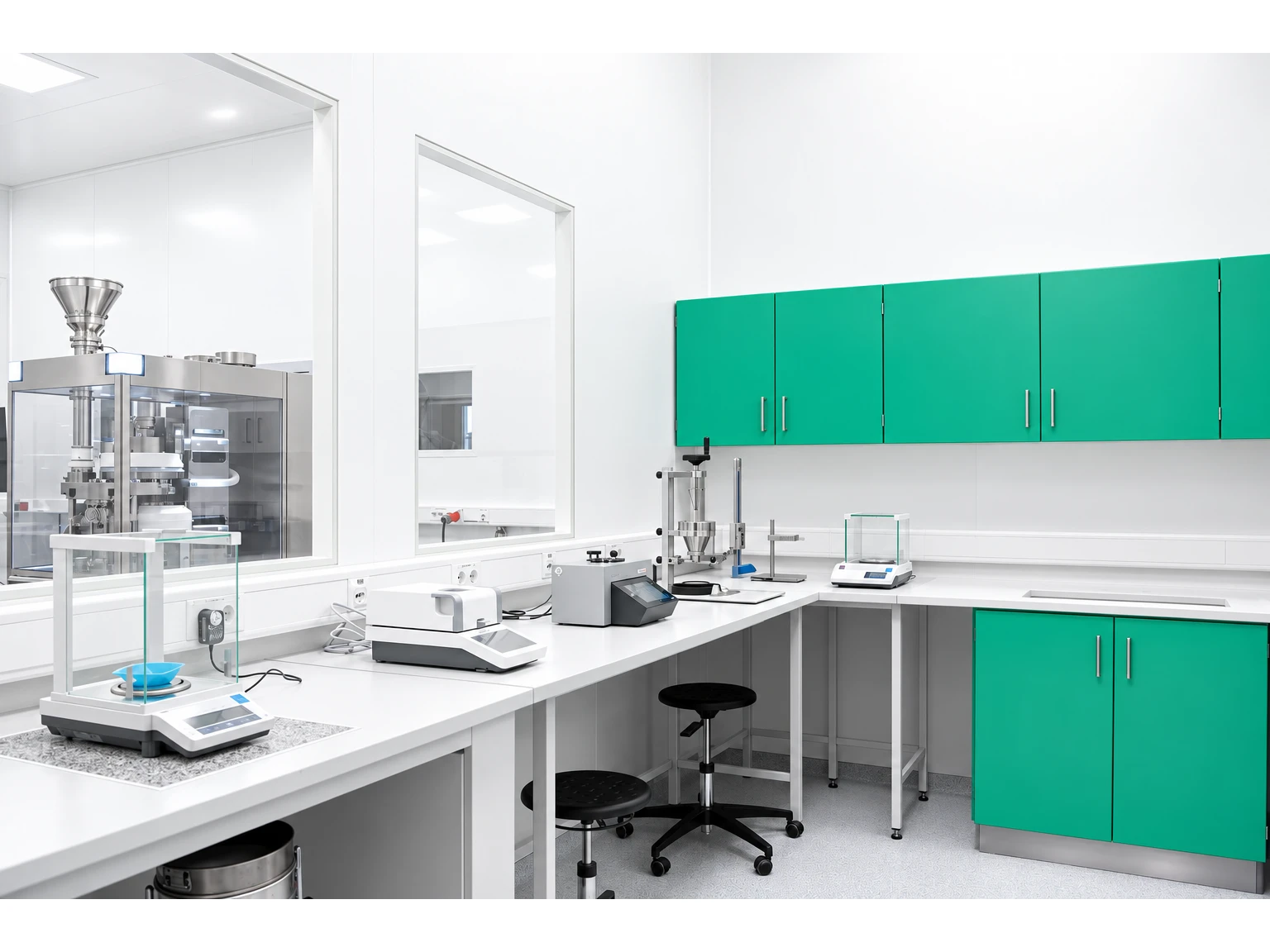
An equipment name rarely describes the whole production problem. Two products may need the same unit operation but different transfer methods, product-contact components, cleaning arrangements or operating windows.
We begin with the product and its required condition at the next step. The review separates what is already known from the assumptions that need testing.
What are the viscosity, temperature limits and handling sensitivities? Which container and closure are used, and what must be controlled during preparation, dosing and transfer?
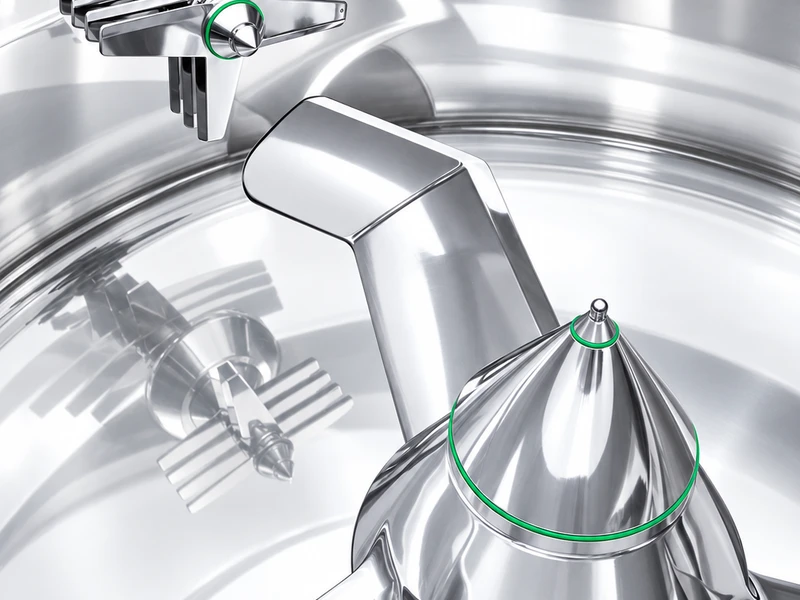
How does the material flow, blend and discharge? What changes during binder addition, drying or compaction, and which properties matter to the next operation?
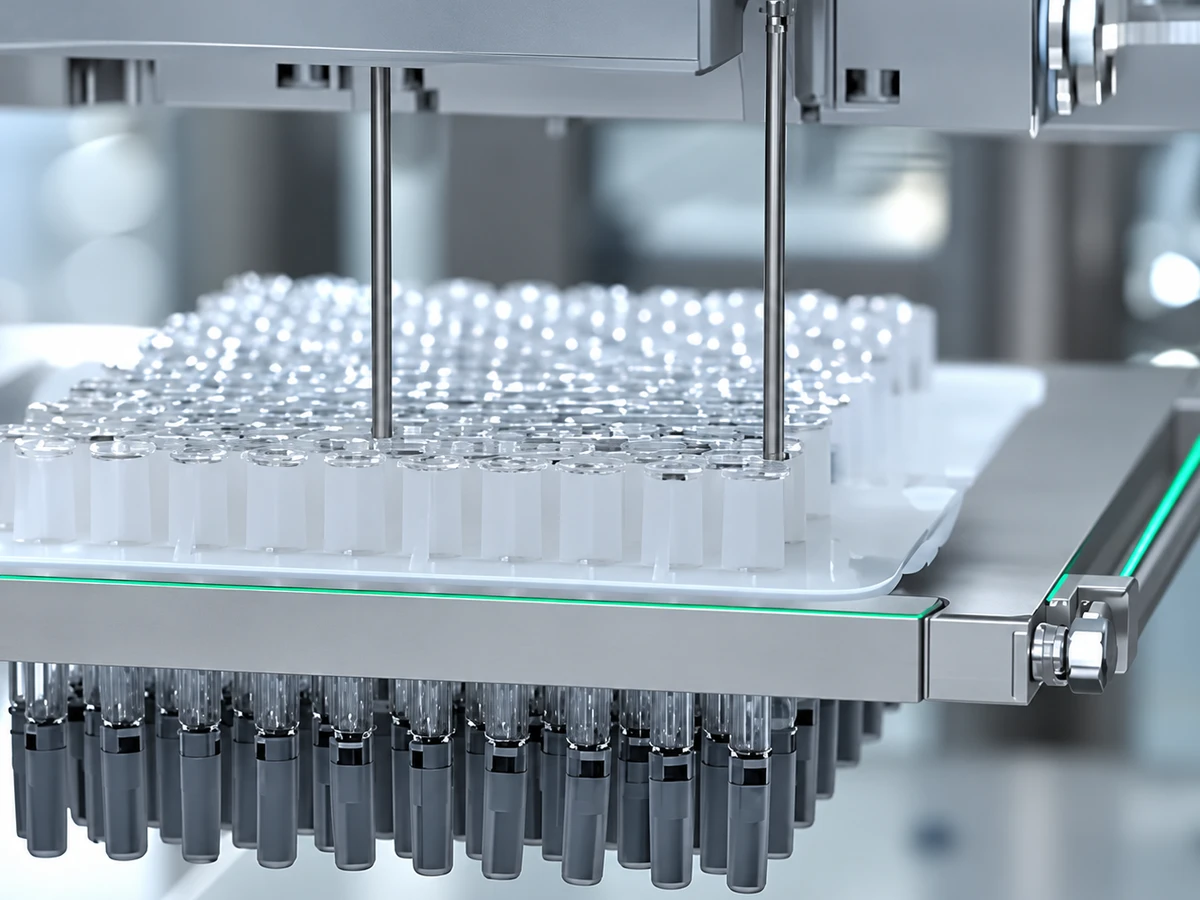
Which dimensions, tolerances and presentation formats must be handled? Where are the inspection and rejection points, and what happens to accepted and rejected units?
Identify the material: Record the sample or batch reference, available quantity, storage needs and handling precautions. Explain how it represents the intended production material.
Describe the observation: State where the issue occurs, under which conditions and how it is recognized. Photographs, existing records or a short process description can help.
Name the decision: Explain what the work should help you choose: an equipment principle, a product-contact configuration, a transfer method or the need for a further trial.
The starting package can include material data, representative samples, container drawings, batch sizes and the intended product range. Existing production observations are useful: sticking, segregation, foaming, difficult cleaning or unstable feeding can reveal what the new equipment must address.
We also consider the operating day. Batch frequency, format changes, cleaning, operator tasks and available utilities influence the equipment choice alongside nominal output. The aim is a process description that an engineer, operator and quality reviewer can all use.

A useful trial has a question, representative conditions and a record of what happened.
Trial planning and feasibility work can be coordinated through our process support scope. Availability, materials, methods and deliverables are agreed for the individual enquiry.

Identify the decision the trial must support, such as feeding method, product-contact configuration, mixing behavior or transfer into the next process.
Review the sample, available quantity, handling precautions, proposed equipment and observations to capture. Agree which operating conditions can be represented.
Keep the conditions, settings, observations and sample identity together. Record unsuccessful runs and limitations as well as the preferred configuration.
Identify what changes with equipment size, batch quantity, residence time or line arrangement. Set out any additional work needed before production selection.
A process review is useful when the information supplied leads to a specific decision or a clearly defined next test.
Product data, sample identity and known handling issues: The review considers: Which material characteristics could change feeding, transfer or processingA useful output: A list of equipment requirements and unresolved material questions
Required batch or output range and operating pattern: The review considers: How the duty changes across products, formats and cleaning cyclesA useful output: An operating basis for comparing equipment configurations
Trial observations and representative conditions: The review considers: What was demonstrated and what the trial did not representA useful output: Recorded findings, limitations and the next scale-up questions
The output of a process review should change the specification: a different transfer route, an agreed dosing approach, a handling restriction, an inspection location or a requirement for further testing.
We carry those decisions into the equipment scope and identify the upstream and downstream dependencies. Optional operations remain optional until the product and process requirements justify them.
Review container handling, product delivery and the filling step.
Explore this topicConnect mixing and binder addition with the condition required for drying.
Explore this topicReview the sequence and alternative branches across a solid-dosage line.
Explore this topic