Skip to content

Process expertise. Chinese manufacturing. Global perspective.

PREASYS

Equipment & technology

QC isolator

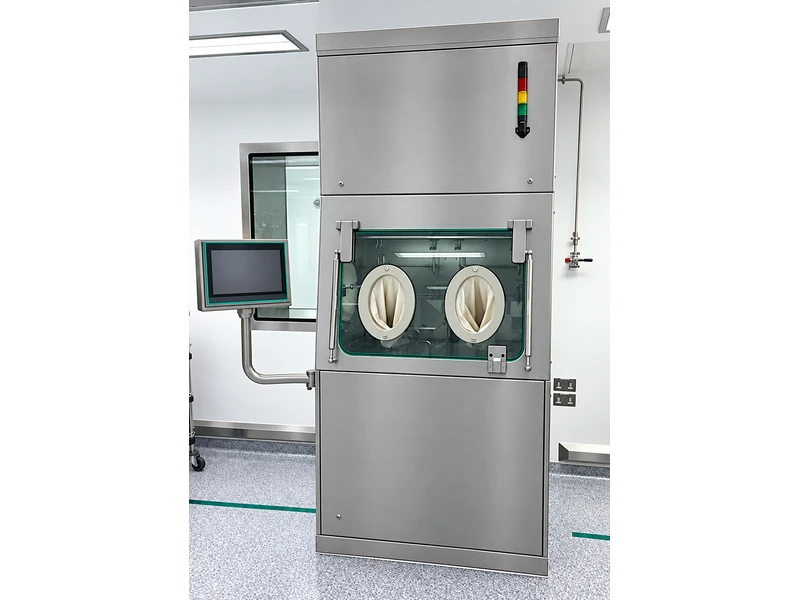
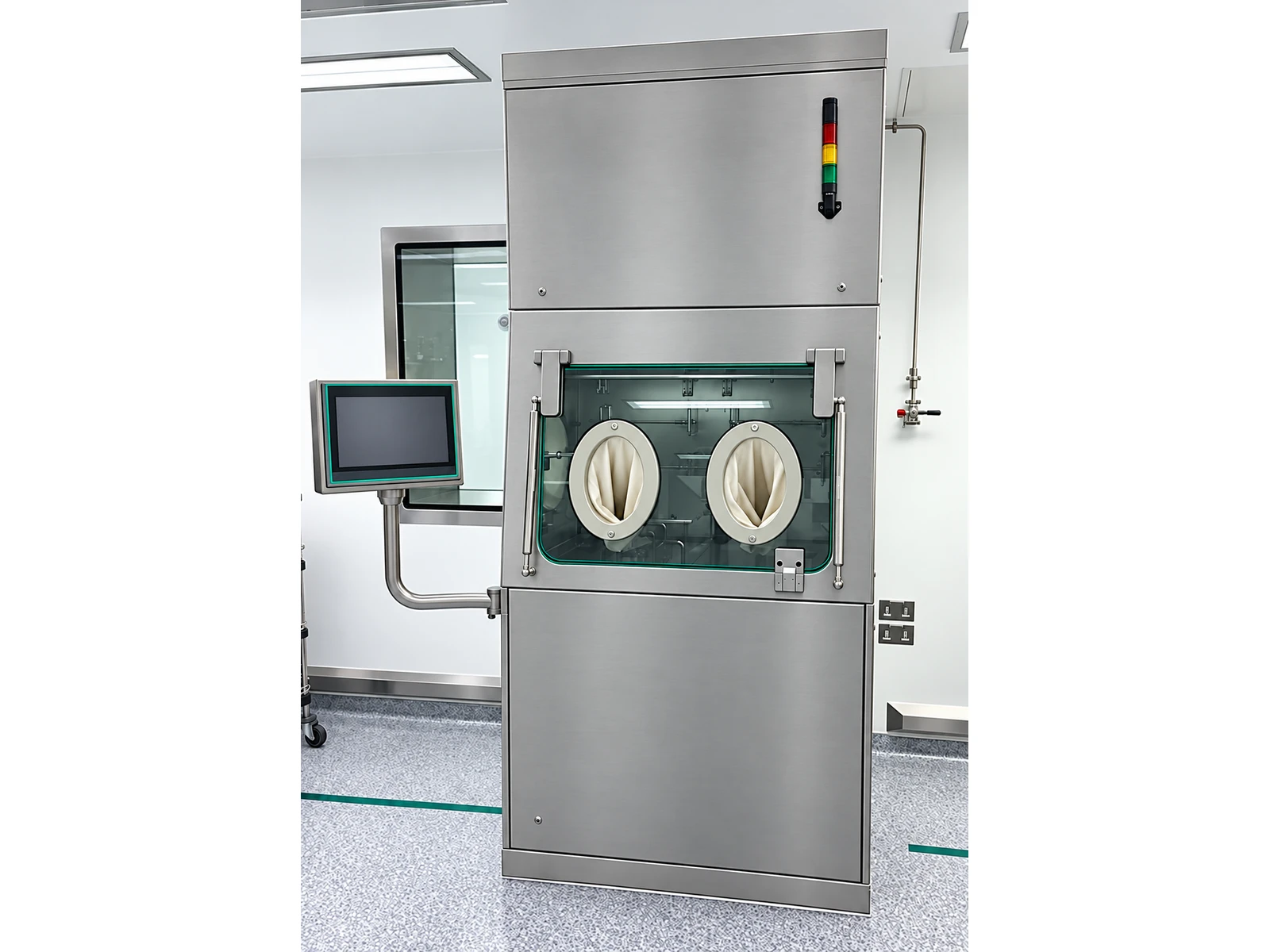
A laboratory isolator provides an enclosed working area for sample handling and testing.

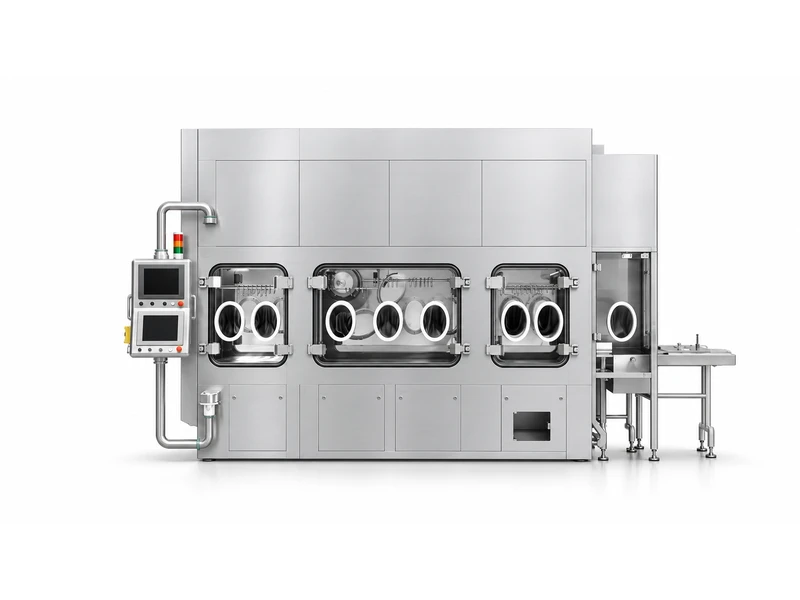
Glove-port cabinet with an operator panel and transfer chamber

QC isolator

Preasys QC & ATMP Isolators — Flexible Barrier Solutions for Laboratory and Advanced Therapy Manufacturing

Beyond production filling, Preasys supplies compact isolators for QC sterility testing, microbial monitoring, and ATMP (Advanced Therapy Medicinal Products) manufacturing — including cell therapy, gene therapy, and tissue engineering. These isolators are smaller, more flexible, and designed for low-volume, high-complexity operations where manual intervention is frequent but contamination risk must remain minimal.

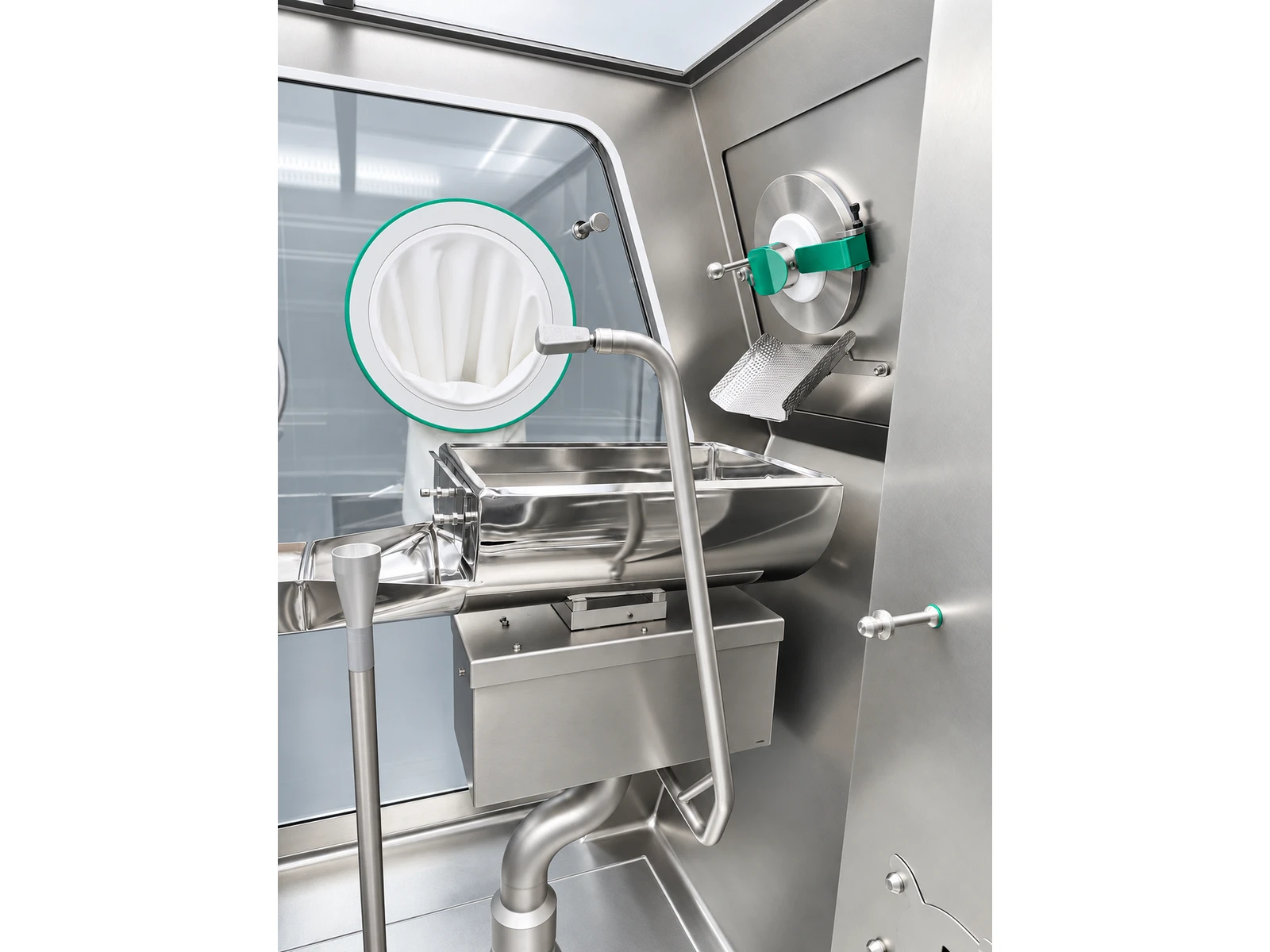
Circular transfer port in the interior wall of an isolator

Configuration data

Values below refer to the indicated configurations in the technical comparison on this page.

VHP H2O2, 1–2 hour cycle

Decontamination · QC Sterility Isolator

2–8 °C or 37 °C optional

Temperature control · ATMP Manufacturing Isolator

Process challenges

- Sterility testing contamination — manual sterility tests in open cleanrooms have false-positive rates up to 2–3 %; isolator-based testing reduces this to < 0.5 %

Read details

- Sterility testing contamination — manual sterility tests in open cleanrooms have false-positive rates up to 2–3 %; isolator-based testing reduces this to < 0.5 %

- ATMP product sensitivity — cell therapies are live, fragile products that cannot tolerate VHP residues; gentle decontamination and low-residual cycles are required

- Small batch sizes — ATMP batches are often 10–100 units, not 10,000; a full production isolator is overkill

- Multi-product flexibility — QC labs test many different products per day; quick changeover and small footprint matter

Technical data & features

Sample types, instrument dimensions and the transfer frequency determine the chamber layout.

Circular transfer port in the interior wall of an isolator
Technical data & features · Parameter comparison
Parameter QC Sterility Isolator ATMP Manufacturing Isolator
Typical footprint 2–4 m² 4–8 m²
Interior class Grade A (ISO 5) Grade A (ISO 5)
Background room Grade C/D Grade C/D
Decontamination VHP H2O2, 1–2 hour cycle VHP H₂O₂ with low-residual profile
Glove ports 2–4 4–8
Temperature control Ambient 2–8 °C or 37 °C optional
Applications Sterility testing, membrane filtration, direct inoculation Cell processing, gene therapy filling, tissue handling
Transfer RTP or H₂O₂ airlock RTP, rapid transfer, media transfer
Monitoring Particle count, temperature, RH, pressure + CO₂, O₂, viability monitoring

How it works

How is the process set up and operated?

1. For QC sterility testing: Select a compact 2-glove isolator with VHP cycle; USP 〈1208〉 recommends isolator-based sterility testing over open bench work

2. For ATMP: Specify temperature-controlled isolator (2–8 °C for cell products, 37 °C for expansion); use low-residual VHP cycles to protect live cells

3. Plan the workflow — QC isolators need frequent sample exchange; choose RTP for rapid transfer. ATMP isolators need integration with biosafety cabinets and incubators

4. Validate for the specific application — QC uses standard G. stearothermophilus BIs; ATMP requires additional bioburden and viability studies

5. Operate — QC: daily VHP cycle between batches. ATMP: continuous process with short decontamination between media changes

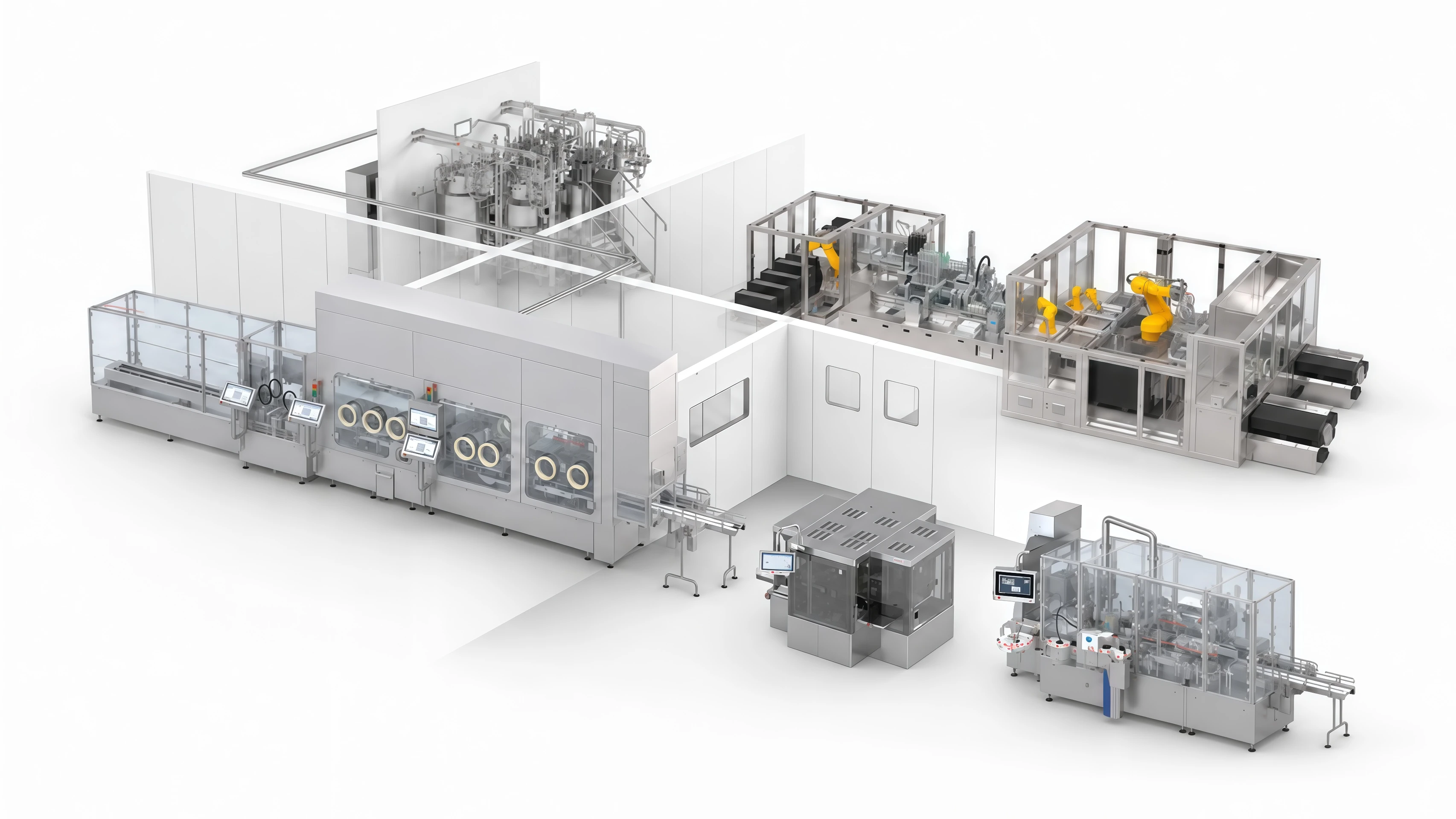
Advanced therapies · RTU fill–finish. This example covers the ready-to-use primary-container route for an applicable therapy. Cell processing, expansion and cold-chain operations are not shown. The line provides process context; the individual product is not identified as a separate station in this view.

Production line · Equipment context

Advanced therapies · RTU fill–finish

Explore the process areas on the production line associated with this equipment.

Skip tour
Production layout 7 equipment areas · Scroll to explore

This example covers the ready-to-use primary-container route for an applicable therapy. Cell processing, expansion and cold-chain operations are not shown. The line provides process context; the individual product is not identified as a separate station in this view.

Related production lines: Advanced Therapy Manufacturing Equipment

Line integration

Line Integration

- QC isolator: Standalone unit in the QC lab; connected to incubator via transfer port; sample entry through RTP

- ATMP isolator: Integrated with Class II biosafety cabinet, centrifuge, and filling head; material in-feed from media prep through airlock; product out-feed to cryopreservation via sealed container

Define the isolator parameters, alarms and interventions recorded by the controls and the records sent to the site system.

Support throughout your project and production

Define the equipment scope

Sample types, instrument dimensions and the transfer frequency determine the chamber layout.

Learn more

Agree the acceptance test

Check that operators can reach the equipment and remove completed samples without crossing the prepared work area.

Learn more

Prepare for operation

Identify the contact parts and format tooling for QC isolator. Agree access for cleaning, the spares to hold and the operating records the site will need.

Learn more

Knowledge hub

2 resources

Frequently asked questions

Q: Is an isolator required for sterility testing?

A: USP 〈1208〉 recommends isolator systems for sterility testing. Open laminar flow benches in Grade A rooms are acceptable but carry higher false-positive rates. Isolators reduce false positives from ~2–3 % to < 0.5 %.

Q: Can VHP decontamination damage live cells?

A: Residual H₂O₂ must be below safe levels before cell handling. Preasys ATMP isolators use extended aeration cycles or low-residual VHP profiles. In some cases, UV or sporicidal wipe-down is used between cell handling runs.

Q: What size isolator do I need for a QC lab?

A: A standard 2–4 m², 2–4 glove isolator handles most sterility testing workflows. For membrane filtration and direct inoculation, 2 gloves are sufficient; for sample prep and plating, 4 gloves are recommended.

Q: Can ATMP isolators handle closed processing?

A: Yes. Many ATMP processes are fully closed using single-use bioreactors and tubing sets; the isolator provides a secondary Grade A barrier around the closed process.

Contact

For a configuration review, include container drawing, product-contact materials, intended dose, closure format, batch size.

Discuss your project
Circular transfer port in the interior wall of an isolator