Skip to content

Process expertise. Chinese manufacturing. Global perspective.

PREASYS

Equipment & technology

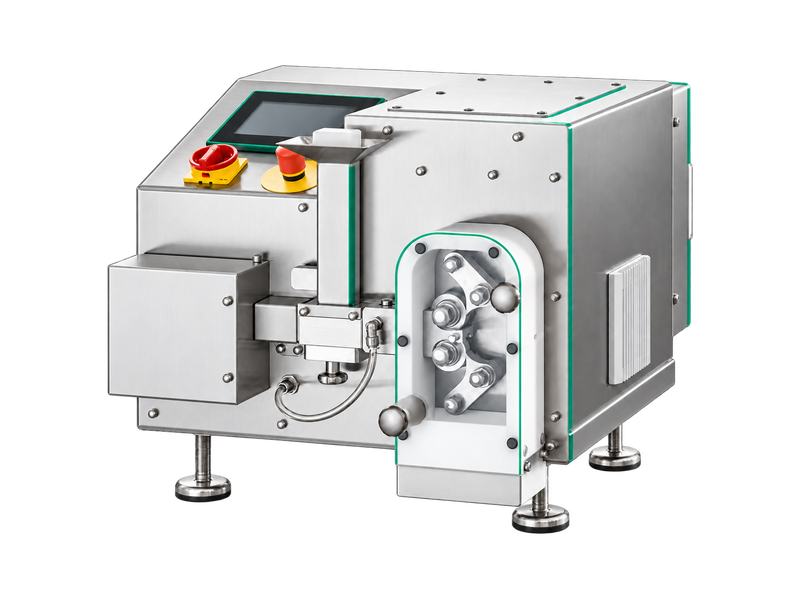
Tapped Density Tester

A tapped density tester measures the settled volume of a known powder mass after a defined tapping procedure. Comparing the loose and tapped states shows how the powder packs under that mechanical treatment; it is not a measurement of the material’s skeletal density.

Fine green powder shown in a loose pile
Process context · Fine green powder shown in a loose pile

Tapped Density Tester

Powder settling under a defined tapping method

Relate a known mass to its settled volume

Repeated taps rearrange particles and can reduce the volume occupied by the powder. The cylinder, tapping motion, sequence and endpoint determine the resulting packing state. Bulk and tapped values can support a compressibility index or Hausner ratio when measured on a compatible basis, but those indices do not guarantee behaviour in a production hopper or die.

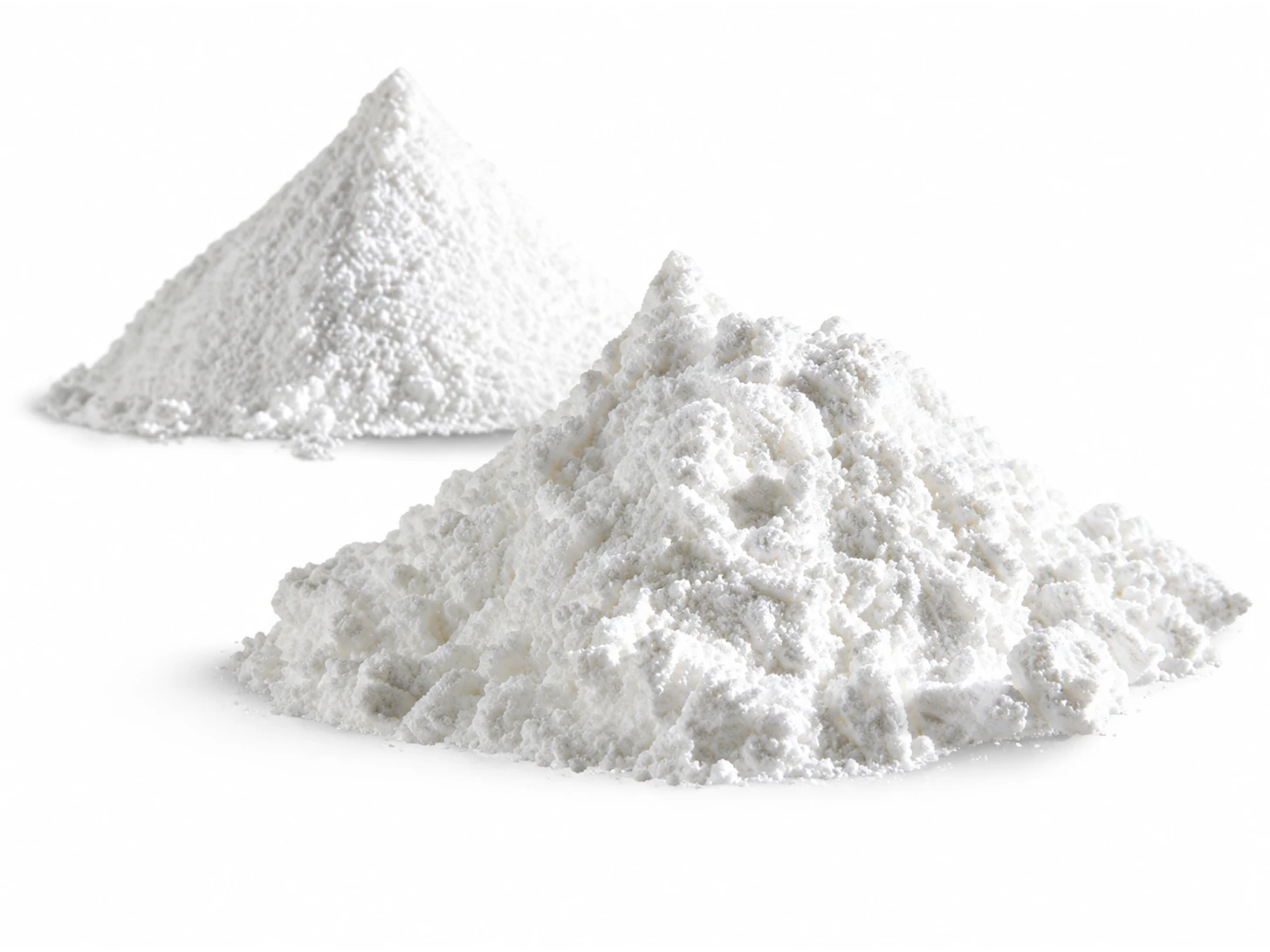
Loose inhalation powder shown as a fine white mound
Process context · Loose inhalation powder shown as a fine white mound

Example project input

Read the final volume at the endpoint defined by the agreed method. The result is not loose bulk density and does not prescribe a fixed number of taps.

50 g

Powder mass

80 mL

Final tapped volume

0.625 g/mL

Tapped density

Process challenges

The selected method defines the vessel, tapping motion and endpoint; verify the supplied apparatus for that method.

Read details

Method configuration: different procedures can specify different motion and vessels. Verify the supplied arrangement for each intended method.

Calculation basis: retain mass and volume readings so density and derived indices can be reconstructed independently.

Volume reading: sample preparation and the interpretation of an uneven powder surface remain important even when tapping is automated.

Settling response: compare initial and final packing states without assuming tapping reproduces every transfer or consolidation condition.

Method control: use the applicable procedure and verification records rather than a universal compliance claim.

Technical data & features

Agree the sample quantity, cylinder and tapping method used for comparisons.

Loose inhalation powder shown as a fine white mound

Tapping, endpoint and calculation

The tapping mechanism must provide the motion required by the selected method.

Density-derived indices use measured bulk and tapped values; software calculations require verified inputs and formulas.

The interface should identify the selected program, completed taps and volume readings used.

Cylinder, motion and endpoint requirements must be reviewed for the particular procedure.

Repeatability depends on powder conditioning, loading, motion and reading; automated tapping does not remove all operator influence.

Test element What to establish
Method arrangement Match cylinder and tapping motion to the selected procedure.
Tapping sequence Record completed taps and the rule used to determine the endpoint.
Result calculation Use measured mass and settled volume; retain any bulk reading used for indices.
Method verification Review geometry, movement and procedure against the applicable method.
Operator workflow Control sample loading, volume readings and result review.

How it works

How-To

How should a tapped-density endpoint be determined?

Follow the sequence and stopping rule in the selected method. Record the successive volume readings rather than assuming a fixed number of taps suits every material.

How are bulk and tapped results kept comparable?

Use the documented sample preparation and compatible measurement basis. Retain the initial loose-volume reading before deliberate settling, together with the final tapped reading.

How should inconsistent readings be investigated?

Review moisture, segregation, sample loading, cylinder condition and the volume-reading procedure. Inspect the tapping motion before concluding that the material itself changed.

Line integration

Identified powder sample → Initial bulk-volume reading → Defined tapping sequence → Method endpoint and final volume

→ Tapped density and any justified derived indices → Retained raw readings and report ↓

Packing evidence → Comparison with flow and processing observations

Support throughout your project and production

Define the equipment scope

Agree the sample quantity, cylinder and tapping method used for comparisons.

Learn more

Agree the acceptance test

Compare paired loose and tapped results when investigating filling variability or storage volume.

Learn more

Prepare for operation

Identify the contact parts and format tooling for Tapped Density Tester. Agree access for cleaning, the spares to hold and the operating records the site will need.

Learn more

Knowledge hub

2 resources

Frequently asked questions

Is tapped density the same as true density?

No. The settled powder still contains spaces between particles. Gas-displacement density measures a different volume and requires its own interpretation.

Does a Hausner ratio predict all powder flow?

No. It summarizes a comparison of packing states. Actual flow also depends on stress, wall interaction and process geometry.

Can one tapping setting be used for every method?

No. The required vessel, motion, sequence and endpoint depend on the selected procedure. Confirm each intended method against the supplied apparatus.

Does automation remove operator influence?

It can control repeated motion, but sample conditioning, loading and volume reading still affect the result. These steps need a consistent procedure.

Contact

Share the powder characteristics, cylinder method, tapping sequence and endpoint requirement, together with the intended reporting or calculation workflow.

Discuss your project →
Loose inhalation powder shown as a fine white mound