01
Loose or nested glass
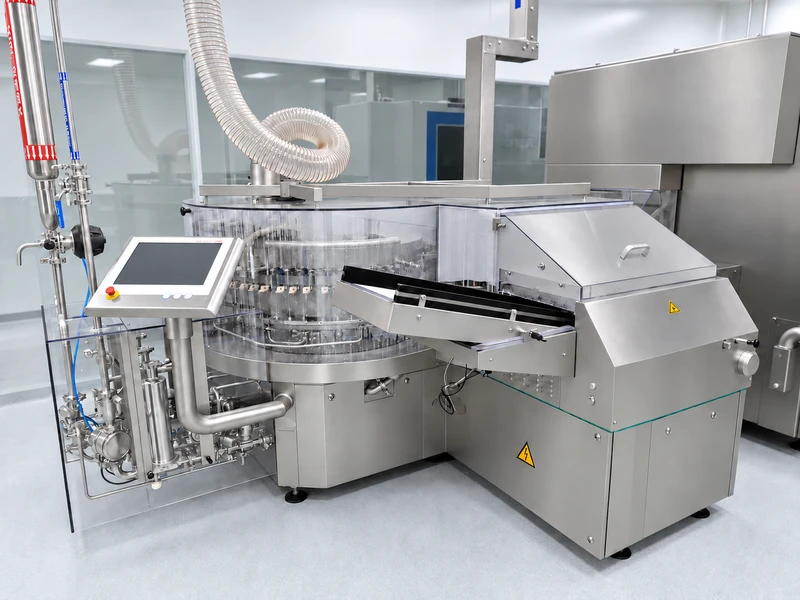
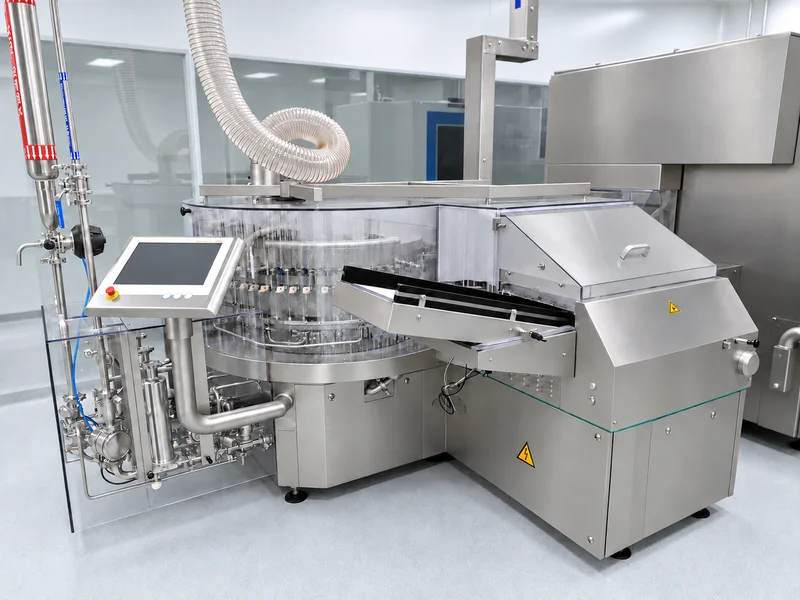
Choose washed and heat-treated loose vials or RTU vials supplied in tubs. Size the infeed and protected transfer for the selected supply format.
Process expertise. Chinese manufacturing. Global perspective.

Production line
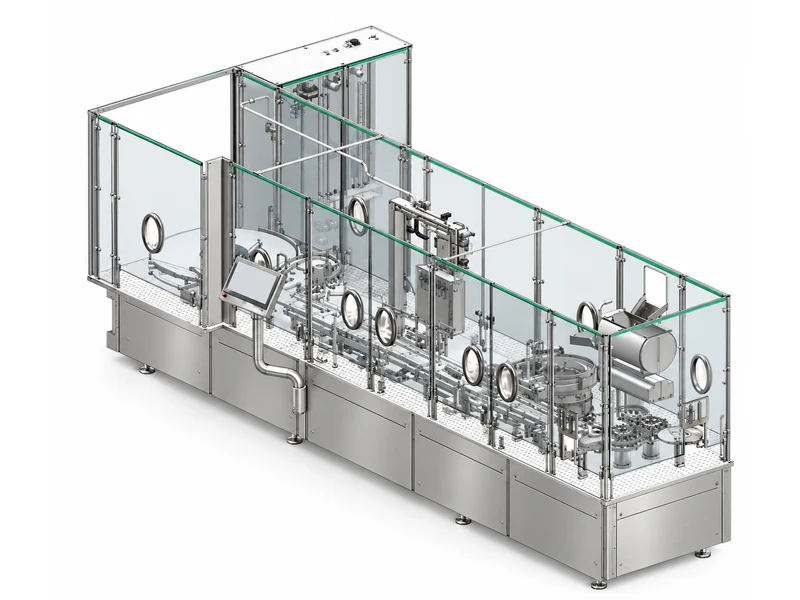
Bulk vials pass through preparation and filling before stoppering, capping and inspection.
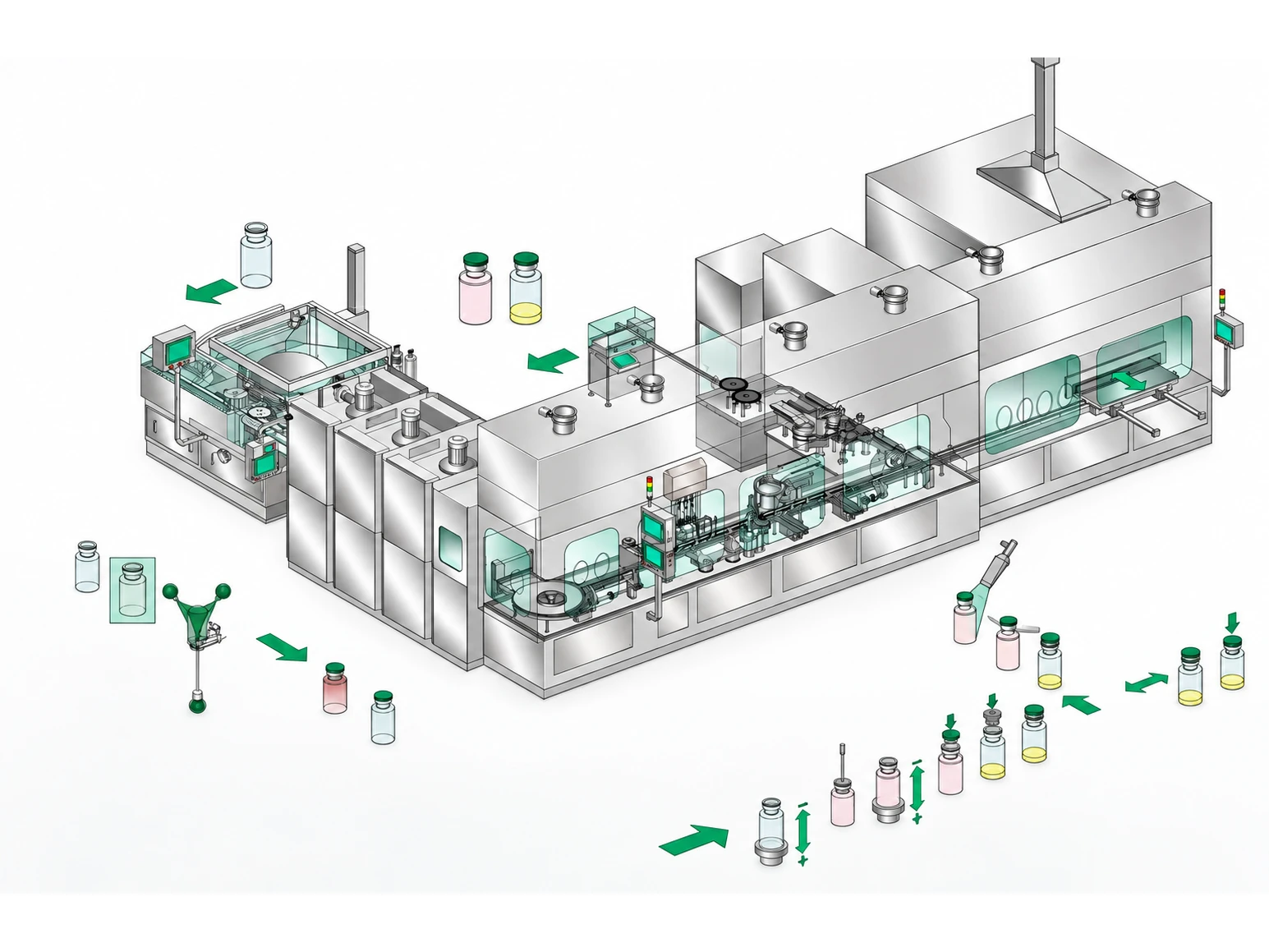
The formulation and the incoming vial format set two different boundaries. Define bulk liquid transfer to the needles and loose-glass or RTU handling to the filling zone separately.
Example project input
This uses the selected tray layout after inspection. Upstream filling demand also includes samples and rejected vials. Specify their allowances separately.
300
Trays of closed vials
20
Vials per tray
6,000
Vials entering secondary packing
—
Process options
Select container handling, dosing and barrier boundaries together using the actual vial and formulation.
Choose washed and heat-treated loose vials or RTU vials supplied in tubs. Size the infeed and protected transfer for the selected supply format.
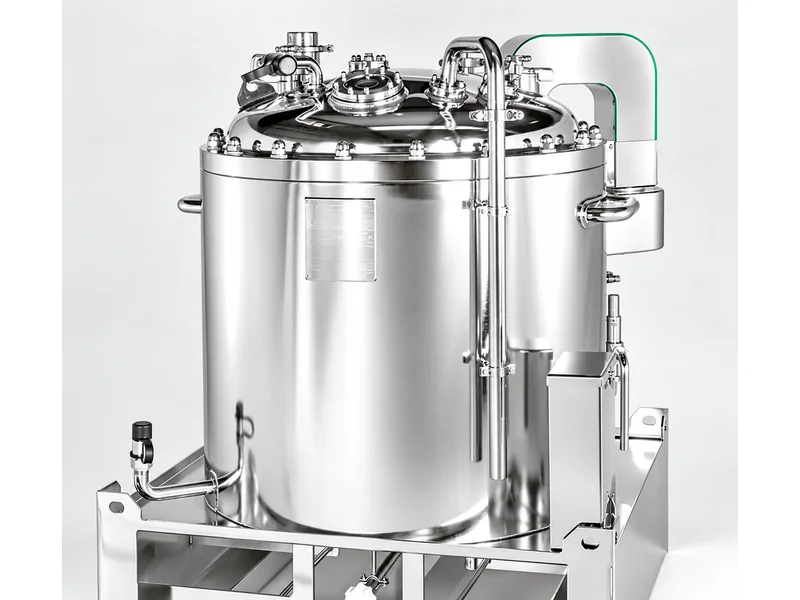
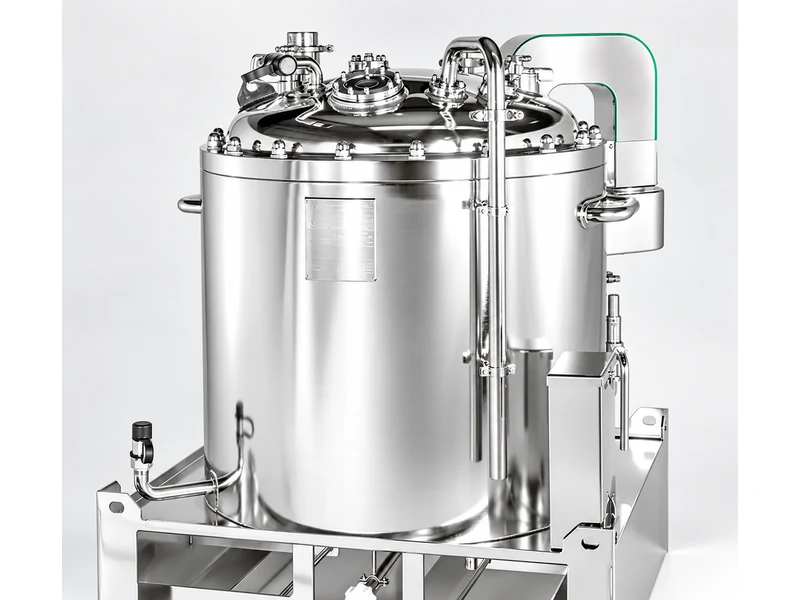
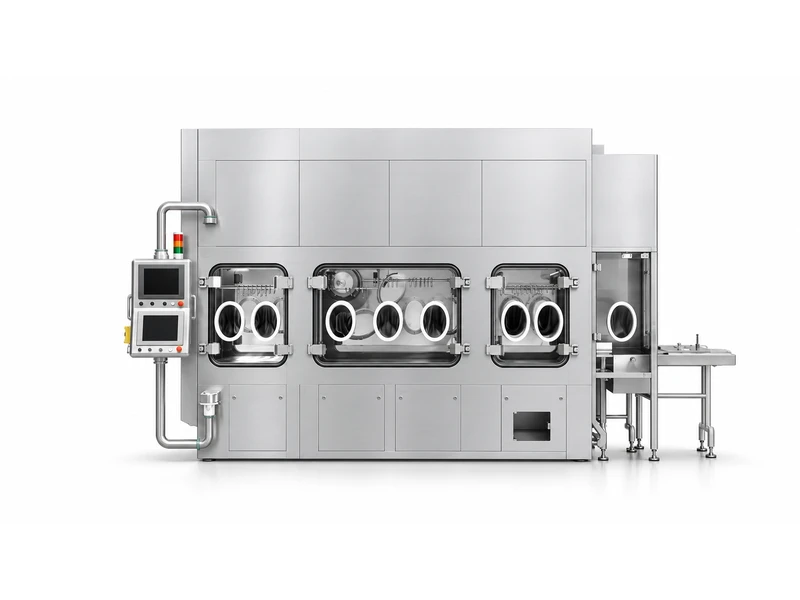
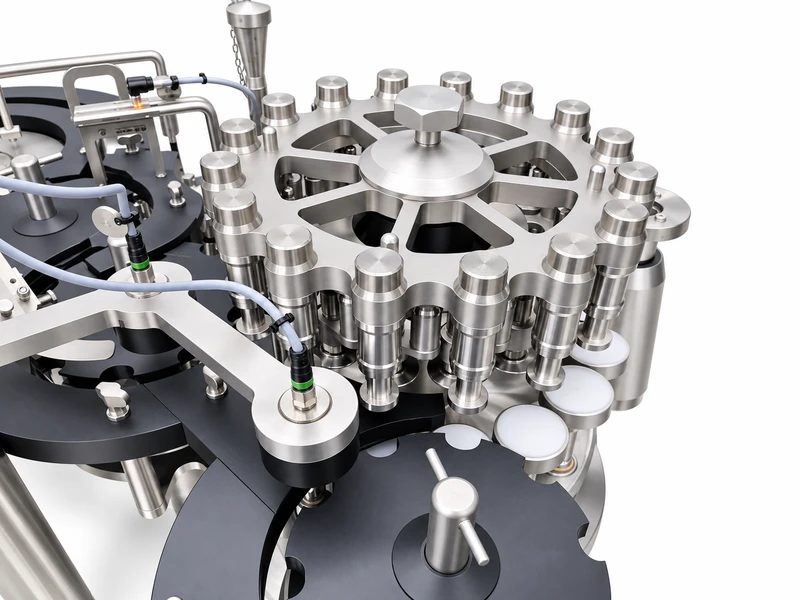
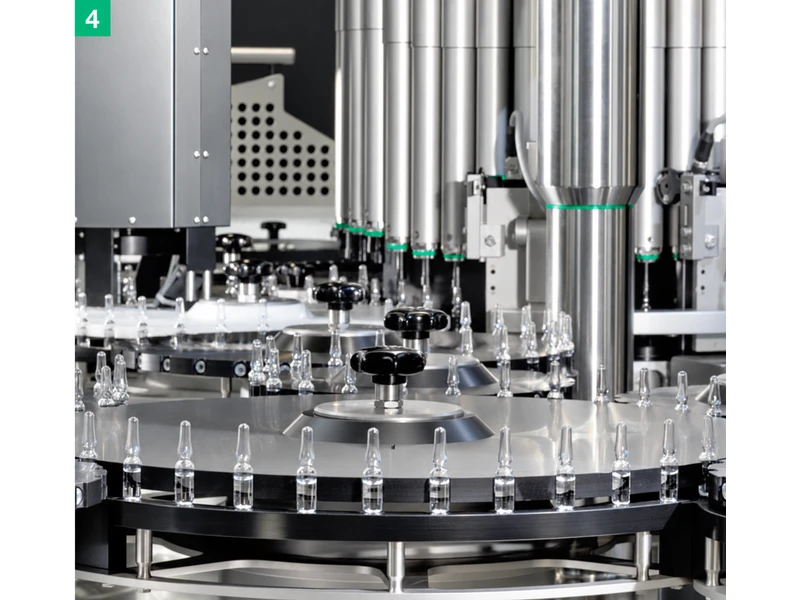
Agree the bulk-liquid hold, dosing method and stopper handling. Check fill and closure position before the vial leaves the protected zone.
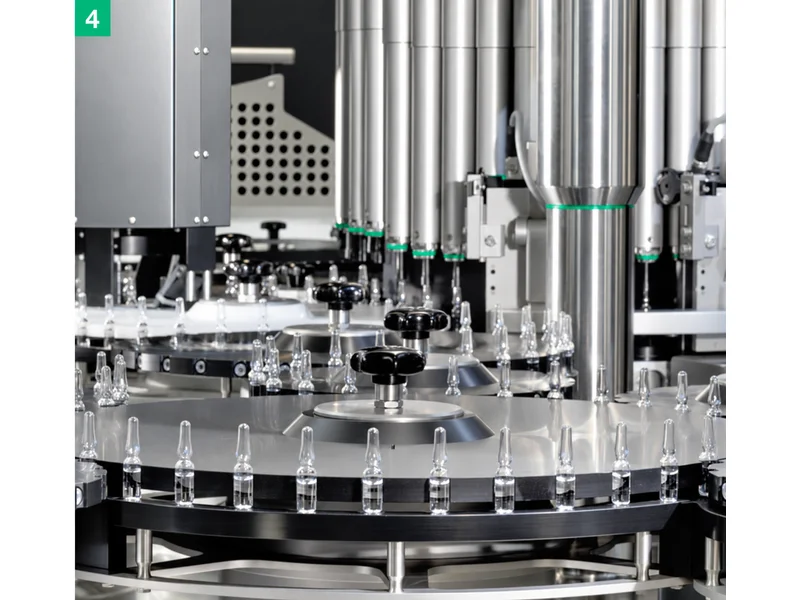
Set the visual inspection and closure-integrity method for the liquid and vial. Specify the tray, blister or carton receiving accepted units.
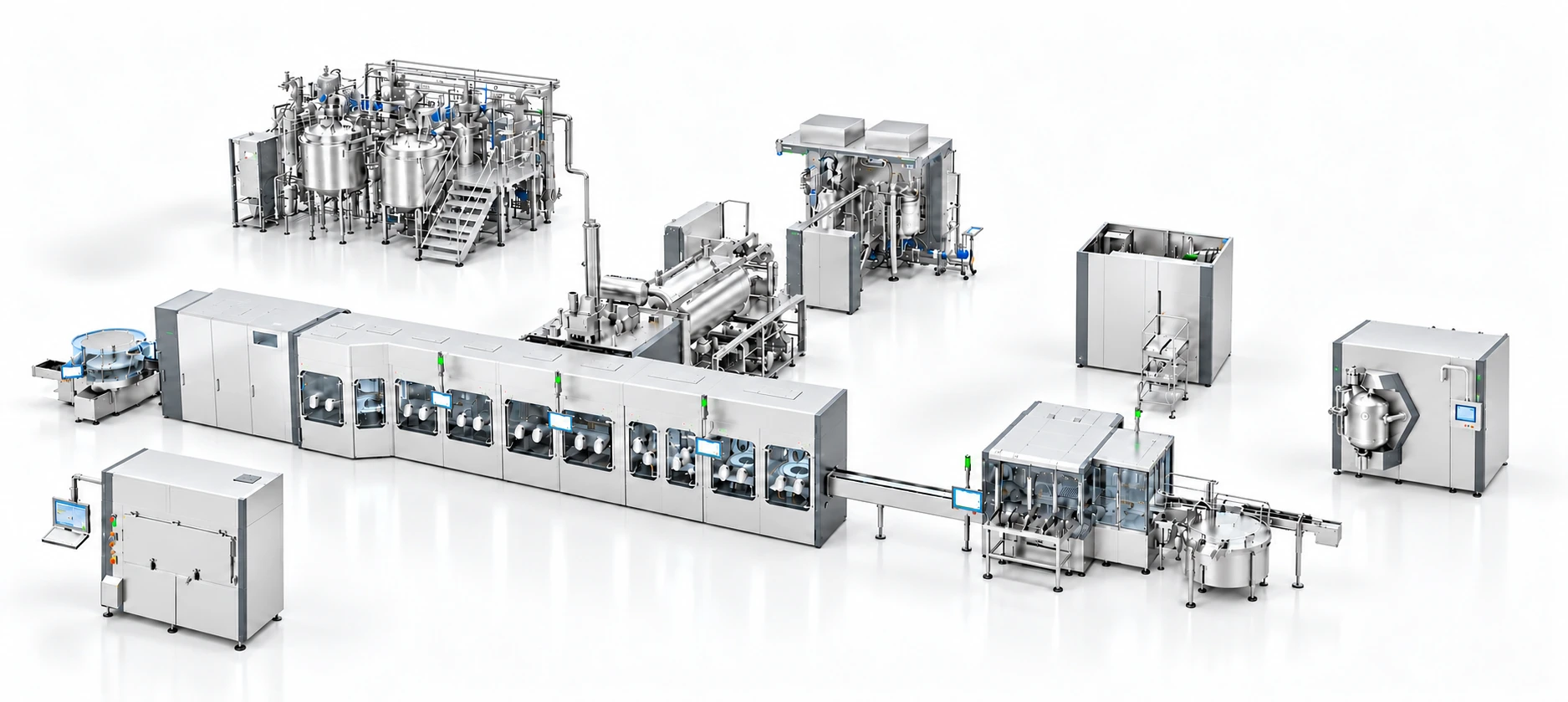
Integrated production · Process route
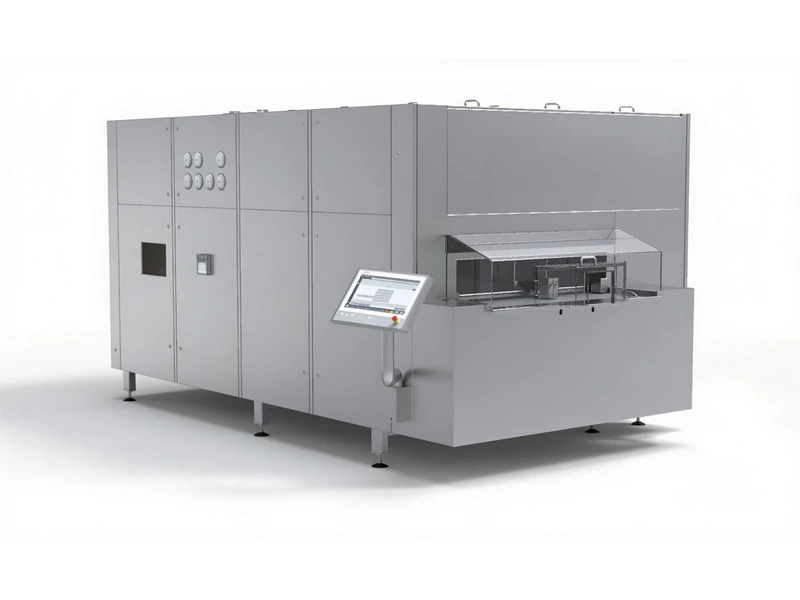
Follow the preparation, washing, tunnel and vial filling stations. The separate drying equipment serves lyophilized presentations.
Follow the preparation, washing, tunnel and vial filling stations. The separate drying equipment serves lyophilized presentations.
Select a numbered area to see the operation and related equipment.
Filling technology
A flexible tube carries the liquid while rotating rollers control dosing. The product contacts the tube rather than the pump mechanism. This principle is used when a disposable product path and gentle handling are priorities. Tubing selection, product compatibility and the changeover procedure should be reviewed for each application.
Explore technology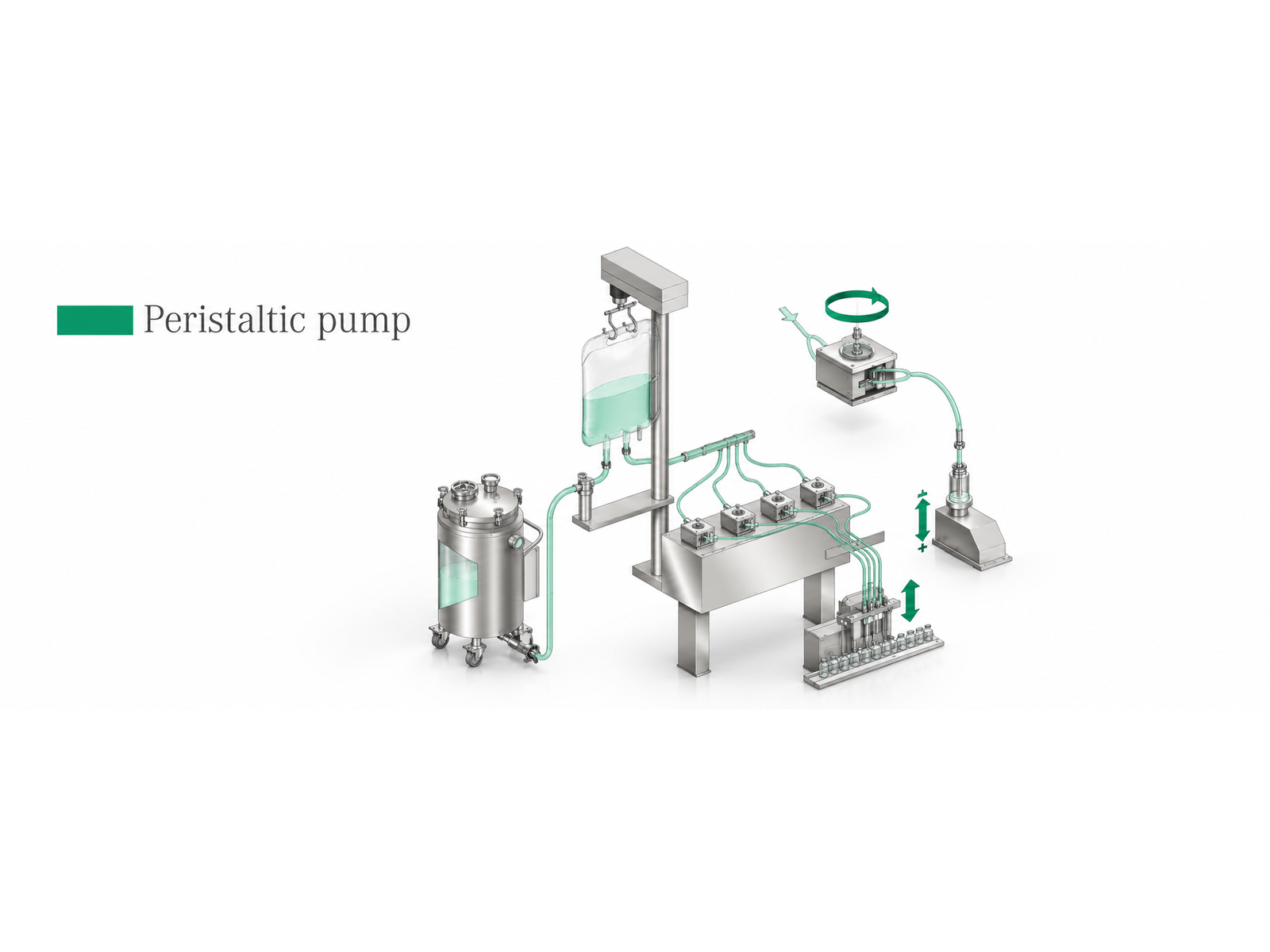
Filling technology
A piston draws liquid into a cylinder and then dispenses a measured volume through the outlet. The selected piston, valve and product-contact materials determine the application range. Review viscosity, cleaning requirements and the required filling volume together with the product and container format.
Explore technology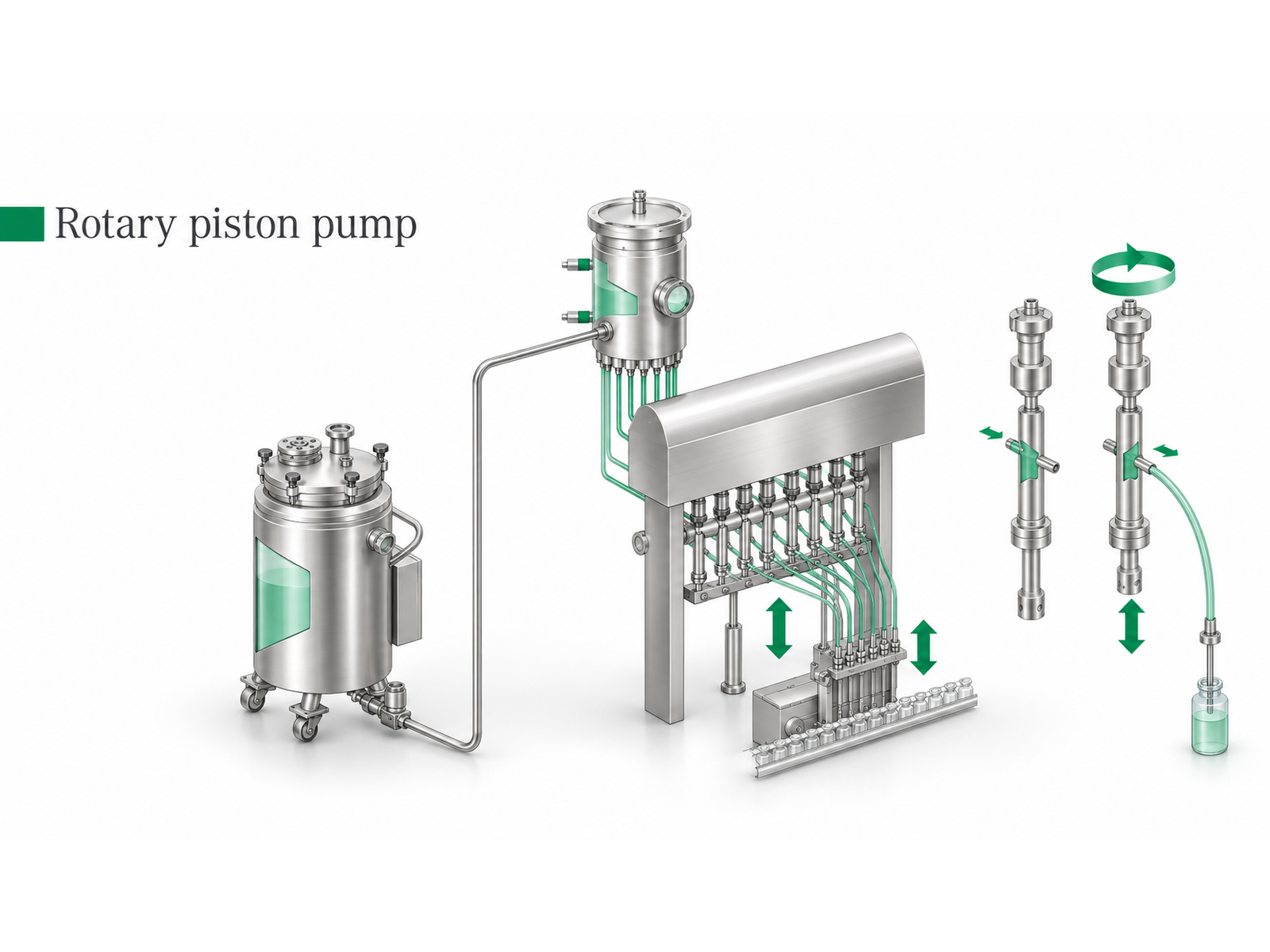
Filling technology
Controlled pressure moves liquid through a filling valve. The opening time and supply conditions determine the dispensed quantity. Product properties, pressure stability and the valve configuration are evaluated together when setting up the filling process.
Explore technology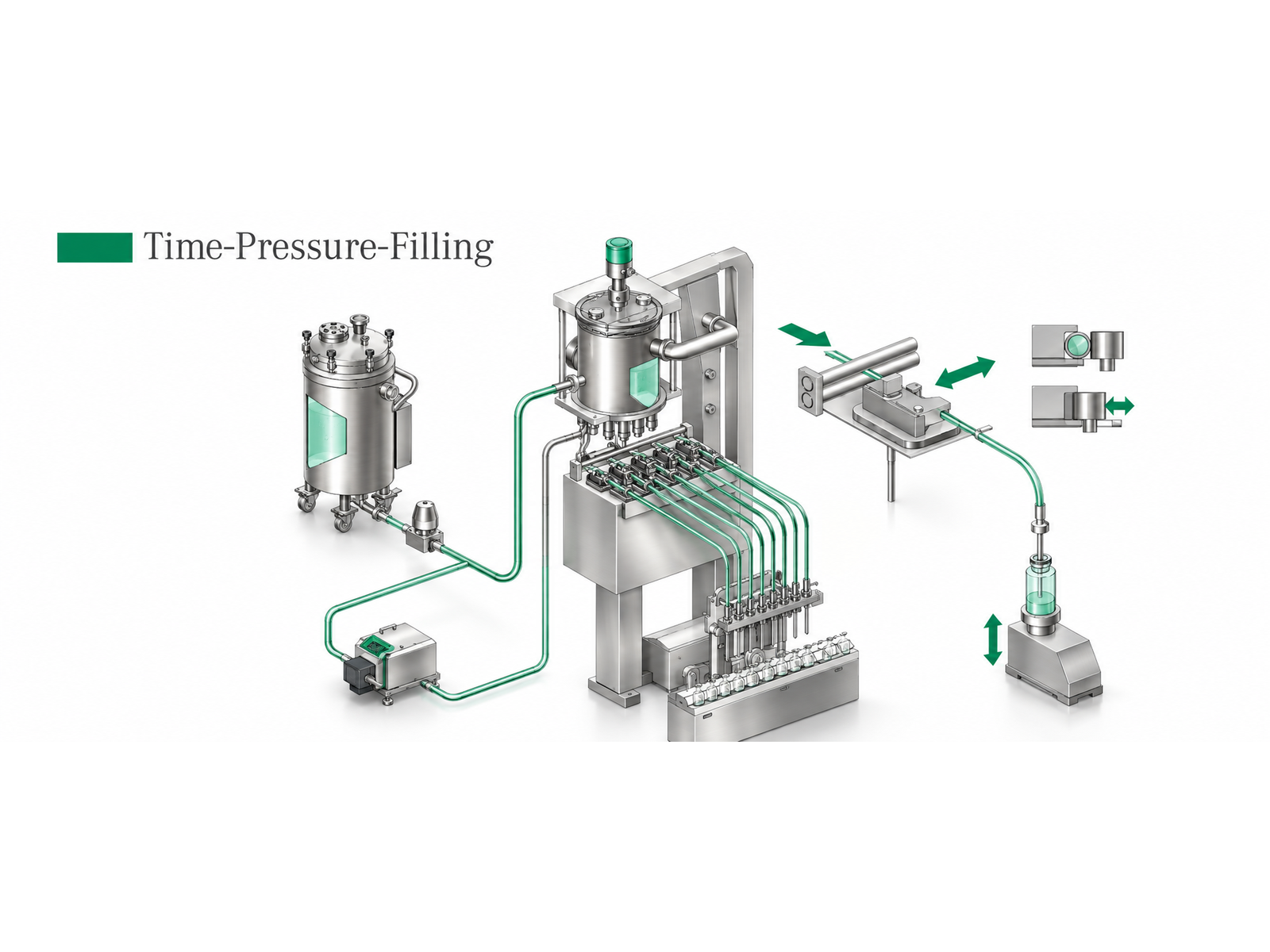
Filling technology
A flow sensor measures the product passing through the filling path and provides feedback to the dosing valve. The process is evaluated around the required fill mass, product behaviour and cleaning strategy. Sensor selection and the control sequence depend on the application.
Explore technology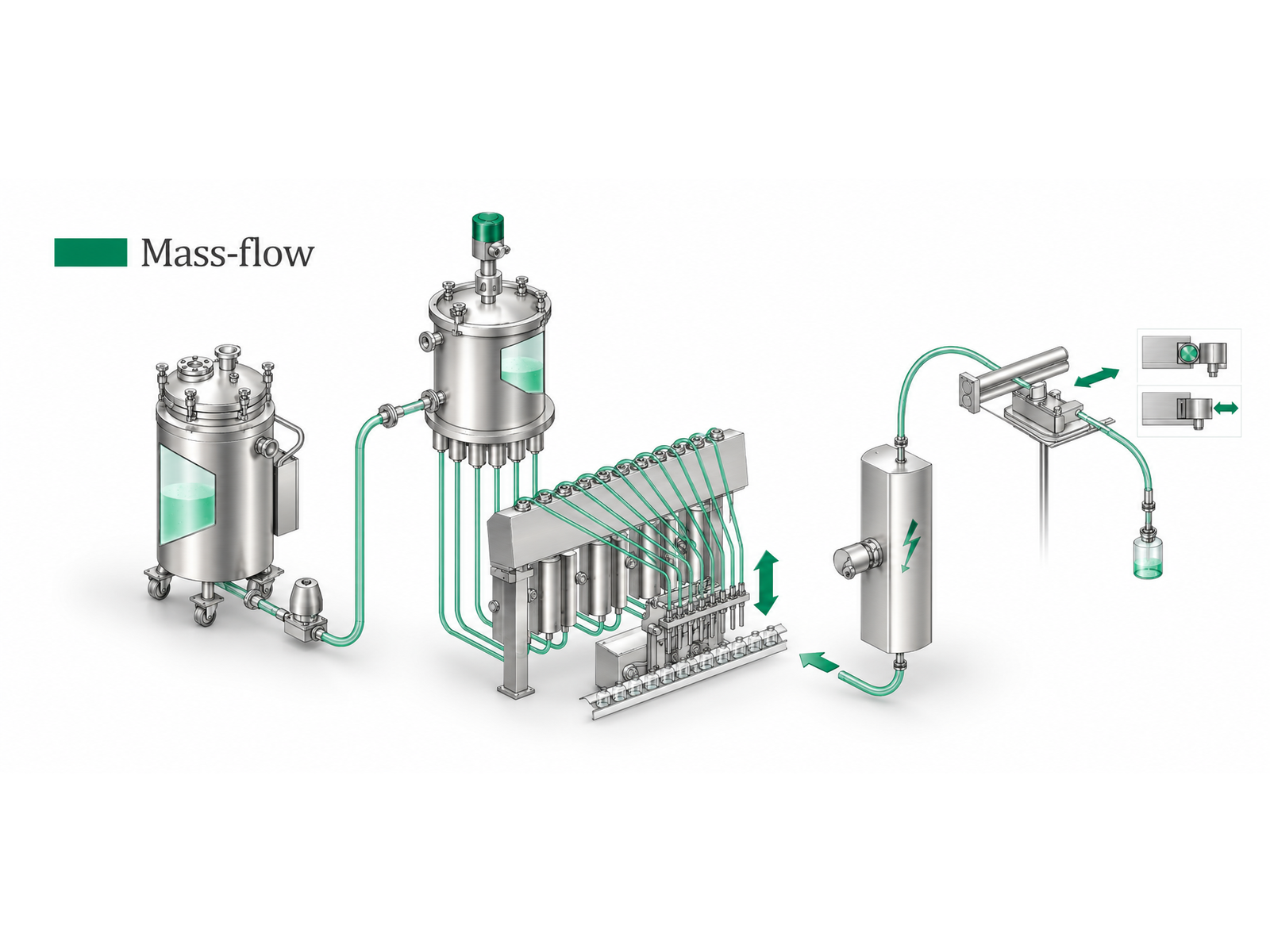
Matching both infeed paths at the filler helps distinguish a dosing interruption from an interruption in vial or stopper supply.

Retain identified samples by head, including the first fills after a stop. Compare delivered fill and inspect the needle cutoff with the actual liquid and vial.
Observe closure seating before and after transfer to inspection. Keep sample identity through the reject point and check that accepted vials enter the chosen pack intact.
Freeze drying shown in the equipment catalogue is an optional product route.
Choose loose vials with preparation equipment or prepared RTU vials with tub handling. Define the incoming closure supply.
Follow the product path from preparation to the dosing point. Check fill, stopper position and closure handling on actual containers.
Define inspection and integrity testing for the closed vial. Freeze drying is a separate branch for formulations that need it.
Select container handling, dosing and barrier boundaries together using the actual vial and formulation.
Learn moreMatch transfer pitch and container stability from the filling station to closure and final inspection.
Learn moreIdentify the contact parts and format tooling for Liquid Vial Filling & Packaging Lines. Agree access for cleaning, the spares to hold and the operating records the site will need.
Learn moreShare dosage form, starting material and finished presentation.
Request product information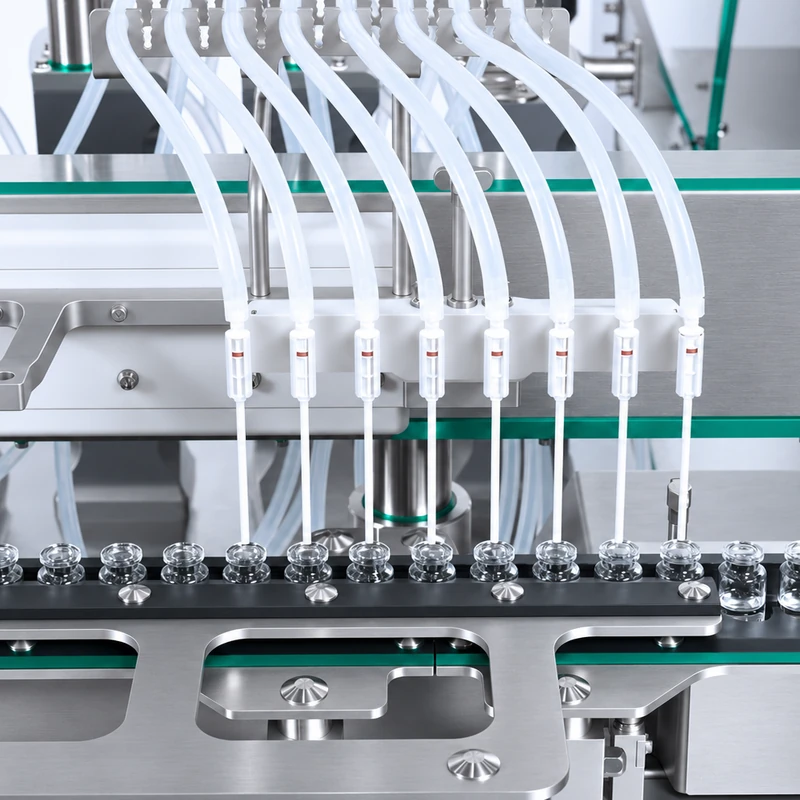
Brochure
Liquid Vial Filling & Packaging Lines
Available by enquiry
Request product informationCase
Liquid Vial Filling & Packaging Lines
Available by enquiry
Discuss project references2 resources
Include it when the product is intended to be lyophilised. Liquid presentations normally proceed from closing to their selected inspection and packing operations.