01
Coat the laminate
Define the adhesive or matrix, web construction and coating thickness. Set the drying conditions from the formulation and substrate.
Process expertise. Chinese manufacturing. Global perspective.

Production line
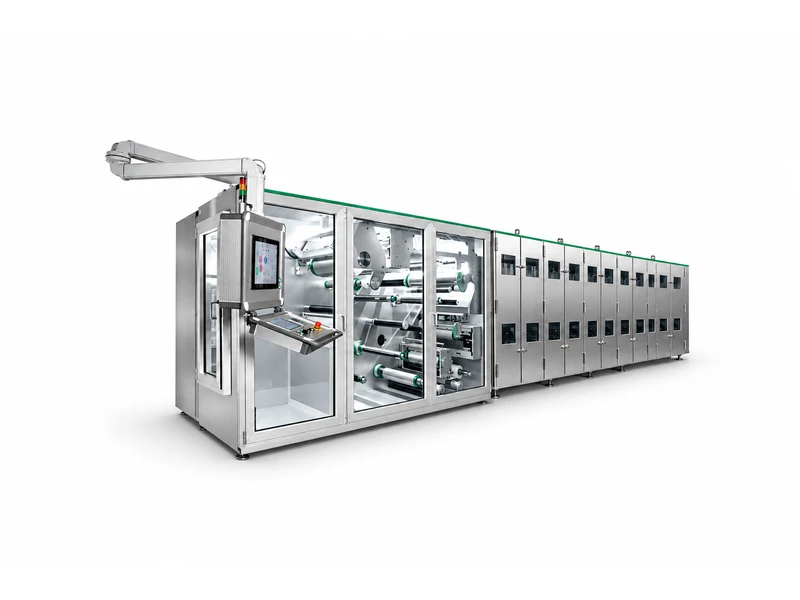
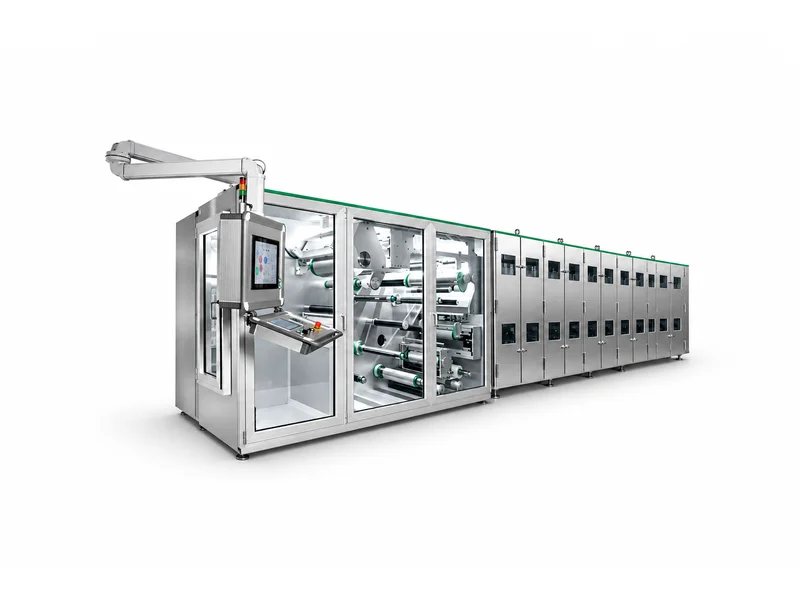
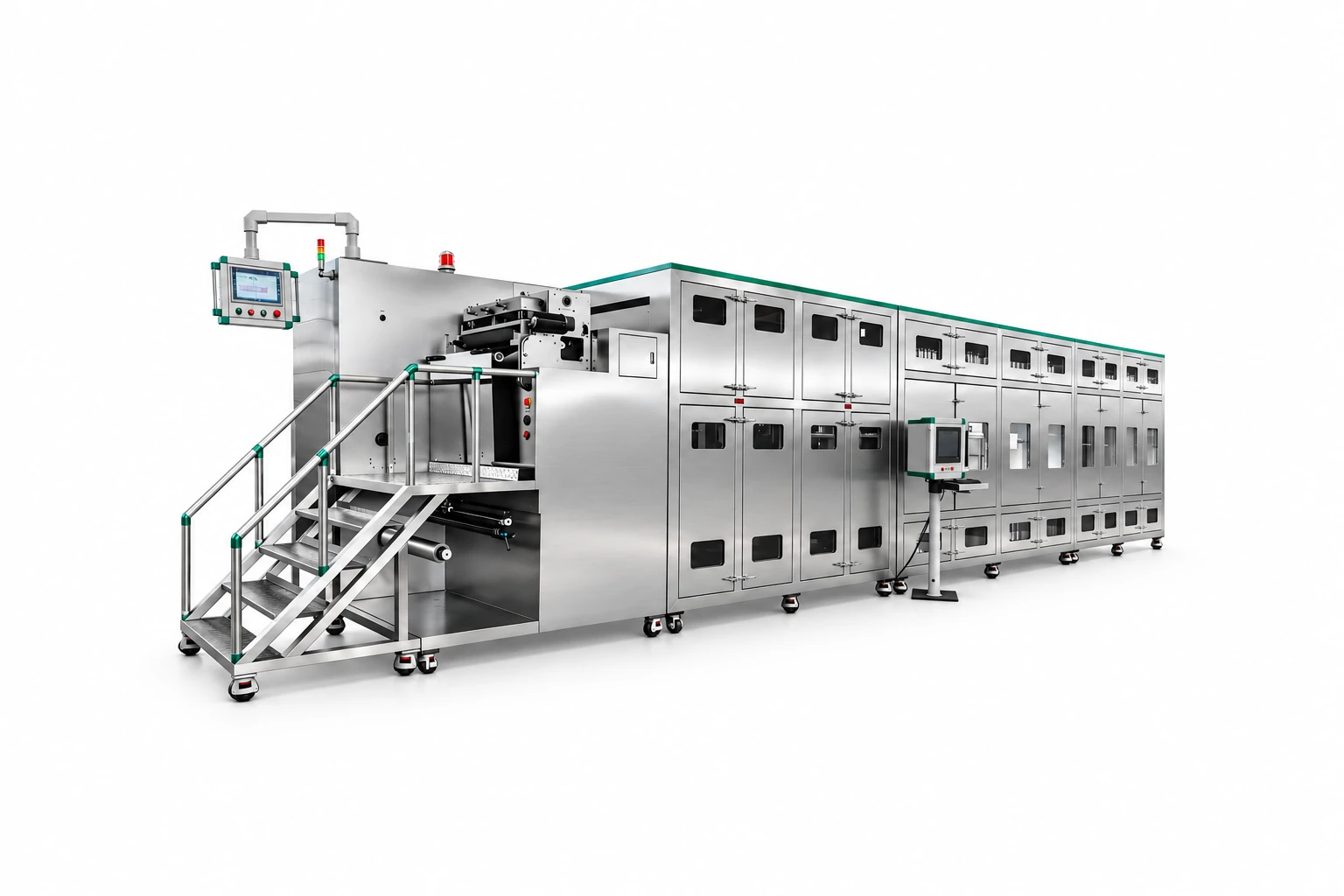
A transdermal patch production line follows the specified patch construction from formulation and web processing to lamination, cutting and individual pouching. The backing, drug-containing structure and release liner determine the operations. The illustrated coating and drying train is one part of that route, with conversion and packing downstream.
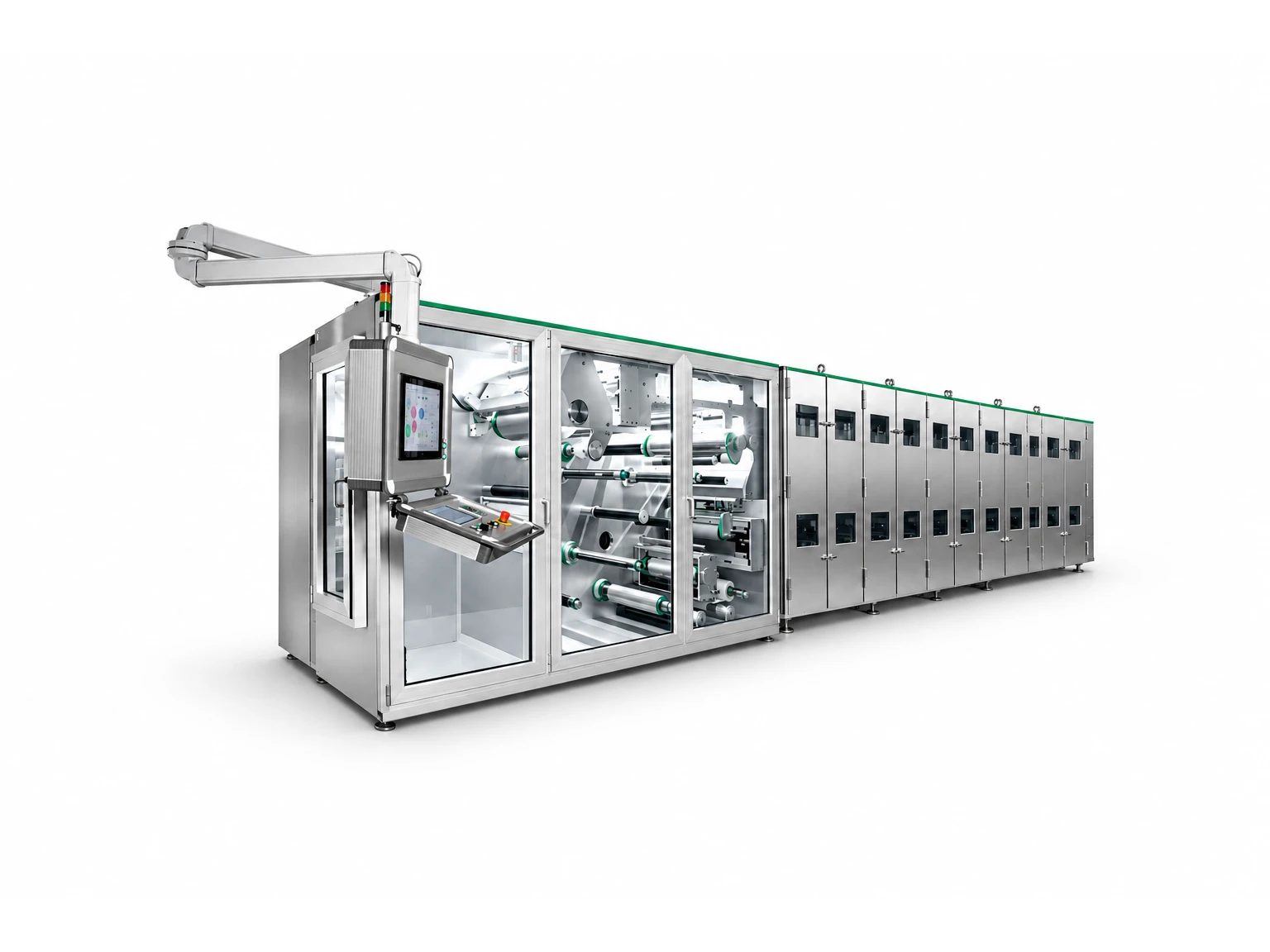
A drug-in-adhesive or matrix construction and a reservoir construction can require different processing and joining operations. For a coated-web route, the formulation and substrate determine coating, drying or curing needs; lamination and cutting then create the defined patch geometry. Tension, layer alignment and release behaviour connect those operations to the individual unit received by the pouch packer.
Example project input
This example assumes a rectangular layout with no inter-patch waste. Deduct trim, registration gaps and rejected lengths before planning pouch counts.
900 cm²
Usable coated laminate in the trial
15 cm²
Die-cut area per patch
60
Theoretical patches from the area
—
Process options
Web tensions, registration and the cutting pattern depend on the materials and final patch dimensions.
Define the adhesive or matrix, web construction and coating thickness. Set the drying conditions from the formulation and substrate.
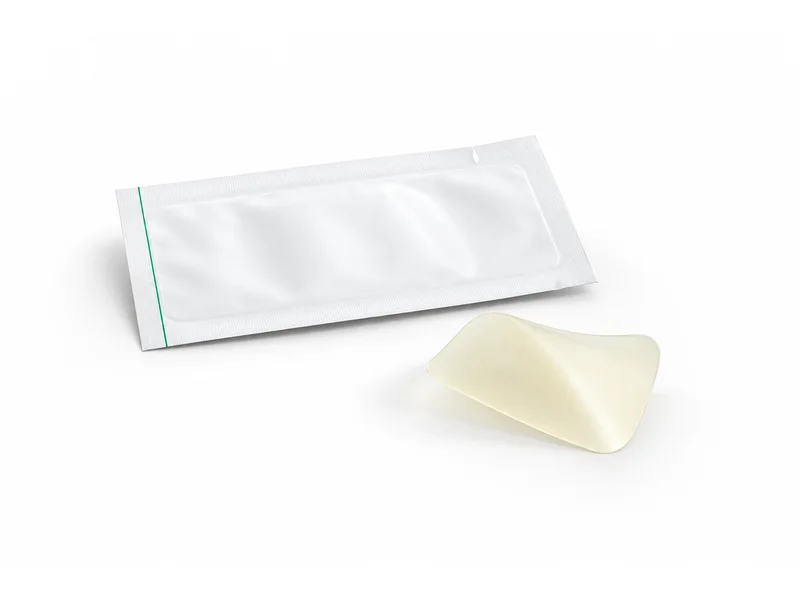
Align the backing and release liner to the coating. Check registration and removal of the waste matrix before individual patches enter the pouch.
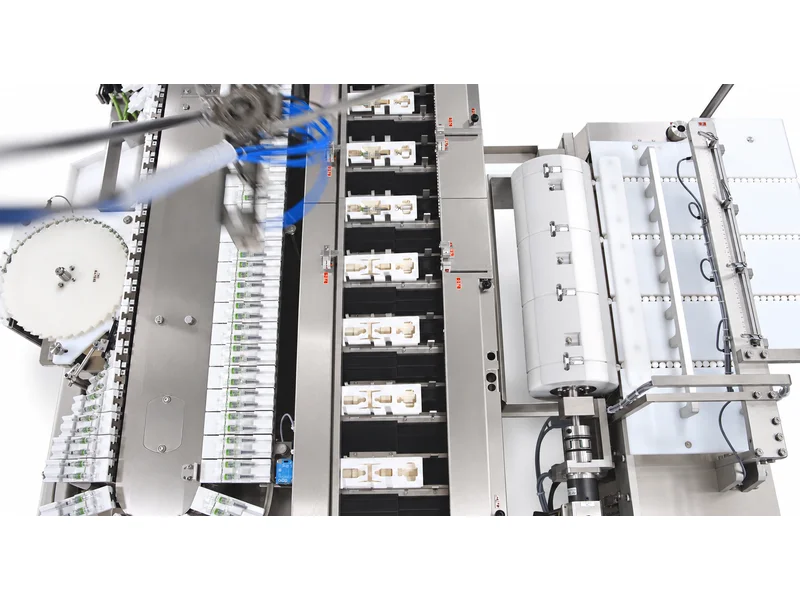
Specify the barrier material and seal check for the patch. Maintain the link between the accepted pouch, source roll and finished carton.
Integrated production · Process route
Explore the numbered process areas on this line.
This view follows the coated substrate through the dryer. Patch cutting and pouch packing are downstream of this image.
Select a numbered area to see the operation and related equipment.
Roll identity and web position connect each cut patch with its upstream coating or lamination region. Registration affects where the cut falls relative to the drug-containing area, while waste-matrix removal and liner handling affect the unit that reaches packaging. These are distinct from the seal checks on its protective pouch.

Mark known positions on a trial web and follow them through lamination and die-cutting. Compare the cut outline with the coated area and inspect the waste matrix.
Follow individual patches after cutting and examine their edges and liners. Inspect the seal region for folded material and record the pack with its roll position.
Use the product’s actual construction to select coating, drying or curing, layer joining and cutting operations. Agree usable web width, roll orientation and rejected-length handling between machines, then define patch-to-pouch transfer and carton count. Do not treat the coating image as evidence that every TTS design follows that same process.
Define the formulation, release liner and backing. Confirm coating width and roll identification at the start of the web.
Coordinate coating, drying or curing, lamination and cutting with the patch construction. Track the position of rejected material on the web.
Specify individual pouching and the final pack. Agree how a finished patch is traced back to its roll and cutting position.
Web tensions, registration and the cutting pattern depend on the materials and final patch dimensions.
Learn moreVerify liner separation, patch shape and pouch closure after the proposed conversion sequence.
Learn moreIdentify the contact parts and format tooling for Transdermal Patch Manufacturing Lines. Agree access for cleaning, the spares to hold and the operating records the site will need.
Learn moreShare dosage form, starting material and finished presentation.
Request product information
Brochure
Transdermal Patch Manufacturing Lines
Available by enquiry
Request product informationCase
Transdermal Patch Manufacturing Lines
Available by enquiry
Discuss project references2 resources
No. Drug-in-adhesive, matrix and reservoir designs can have different layer structures and manufacturing requirements. Provide the product construction and formulation process so the included coating, joining, drying or curing steps can be defined.
The cut outline must align with the intended patch structure. Tracking the coated area and web position through lamination and cutting helps identify misalignment and supports segregation of affected material. Cut dimensions alone do not establish drug-content or delivery performance.
The image shows substrate entry, coating and drying zones. Die cutting and individual pouch packing are downstream of that view. The overall project scope should state those separately, including material transfer and accepted-unit handling.
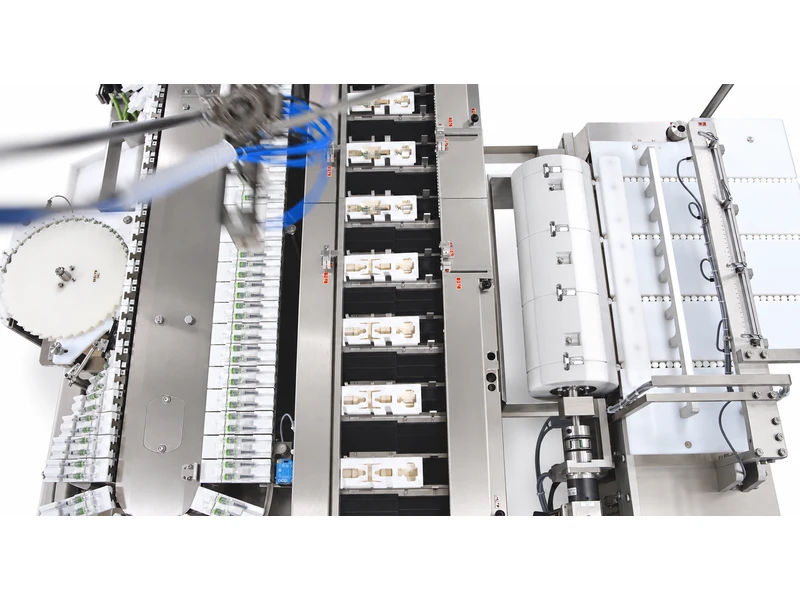
The cut patch, liner and edges should reach the pouch in the specified orientation and condition. Trials should examine sticking, folding, doubles and material in the seal area with the actual construction and pack film. Retain the connection to the source roll and conversion batch.