01
Incoming device kit
Confirm the supplied components, filled primary container and preassembled groups. Define orientation and the acceptance checks at receipt.
Device assembly system
Process expertise. Chinese manufacturing. Global perspective.

Production line
A pen or autoinjector assembly line starts with the accepted primary container and a defined device component kit. The device drawings determine assembly order, joining methods, in-process checks and finished-device testing before labeling and packing. Aseptic filling remains a separately defined upstream operation.
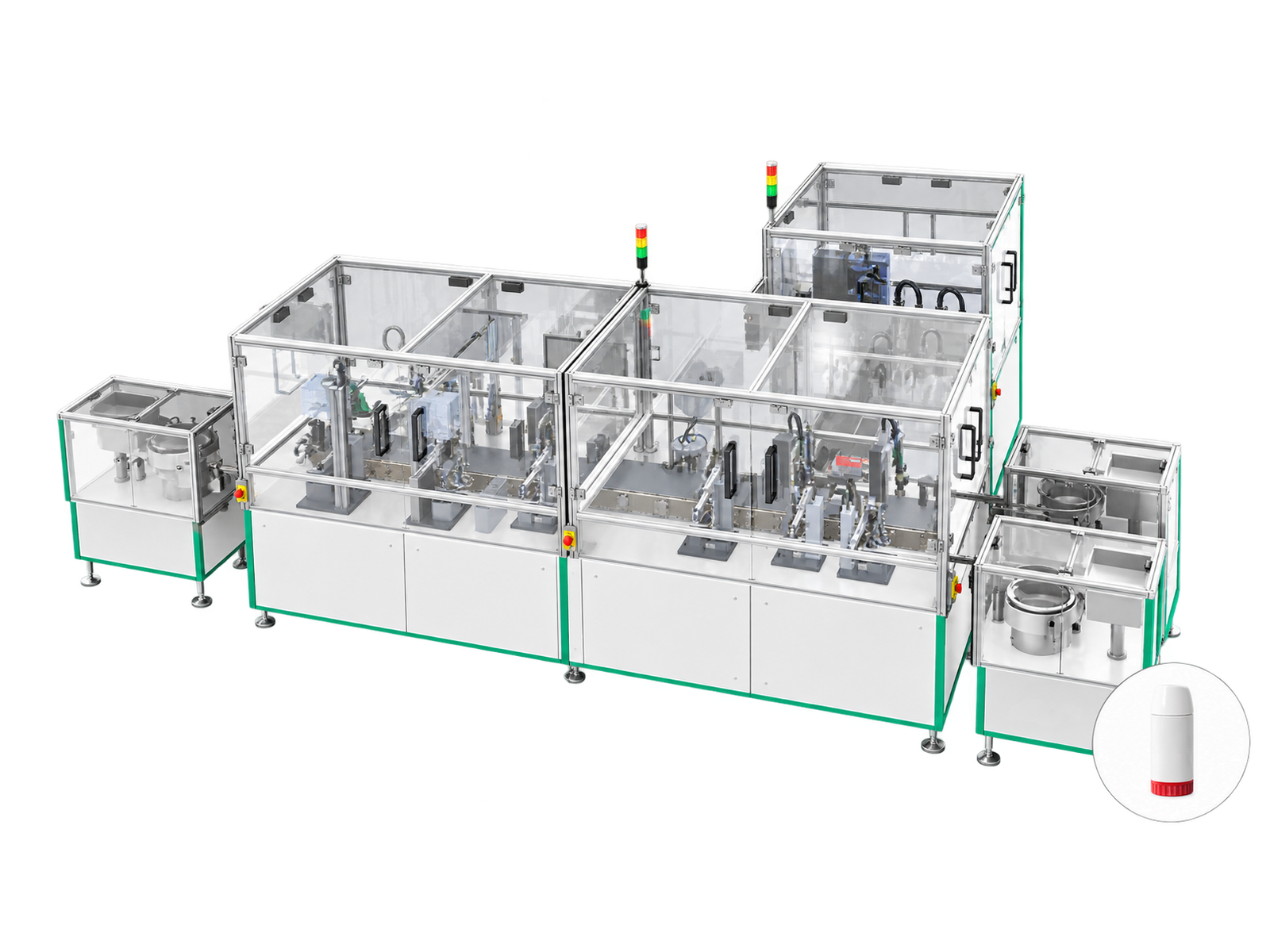
Device assembly transforms an accepted primary container and component kit into the specified injector. The pen or autoinjector mechanism controls component order, fixtures and joining methods. Some parts become inaccessible after the housing closes, which makes the last visible assembly stage a critical inspection point. Primary-container fill-finish remains a separate upstream scope.
Example project input
This assembly example starts with an accepted filled container. Define extra components for setup, destructive tests and rejected assemblies per device design.
4
Device build lots in the trial
25
Component kits per build lot
100
Kits for the assembly trial
—
Process options
Define the particular pen or autoinjector mechanism, required checks and responsibility for incoming filled units.
Confirm the supplied components, filled primary container and preassembled groups. Define orientation and the acceptance checks at receipt.
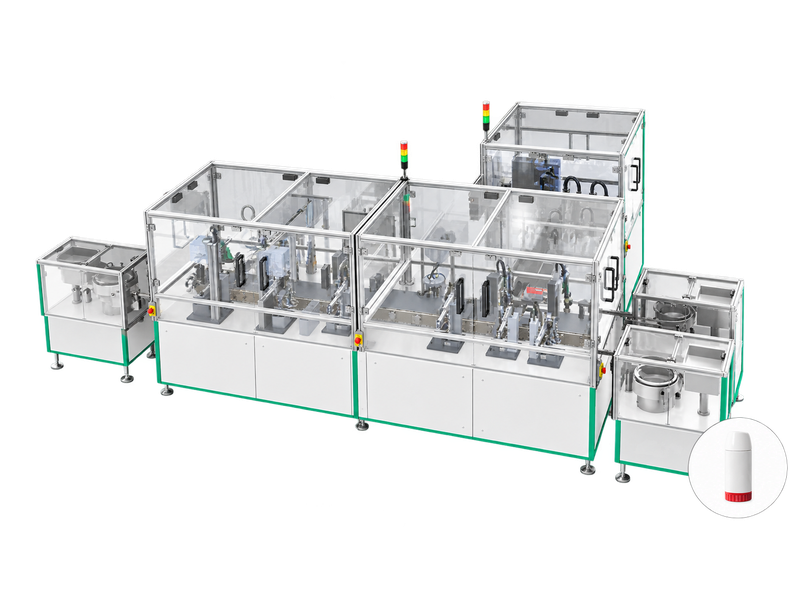
Use the pen fixture for the specified drive mechanism or the autoinjector fixture for the chosen spring and guard. Keep the device recipes and component feeds distinct.
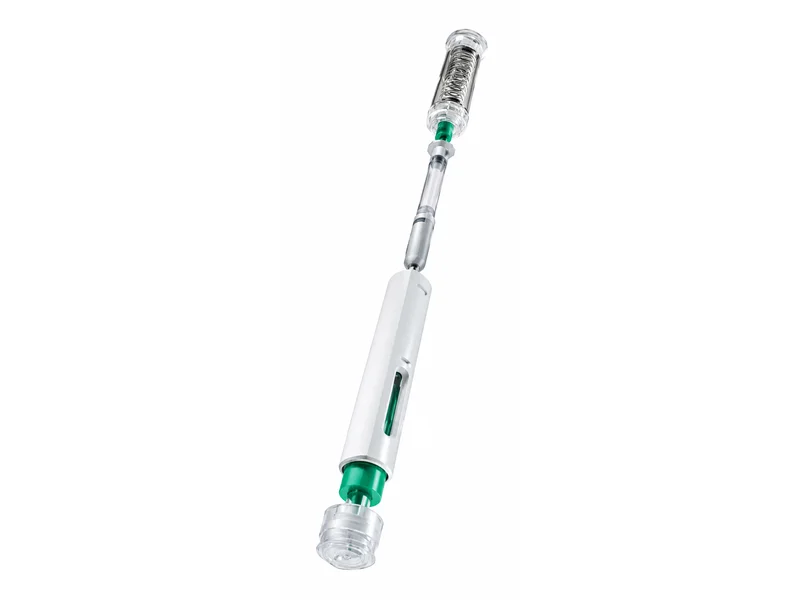
Agree functional tests, reject segregation and the data attached to the device before labeling. Verify device-to-carton identity at the handoff.
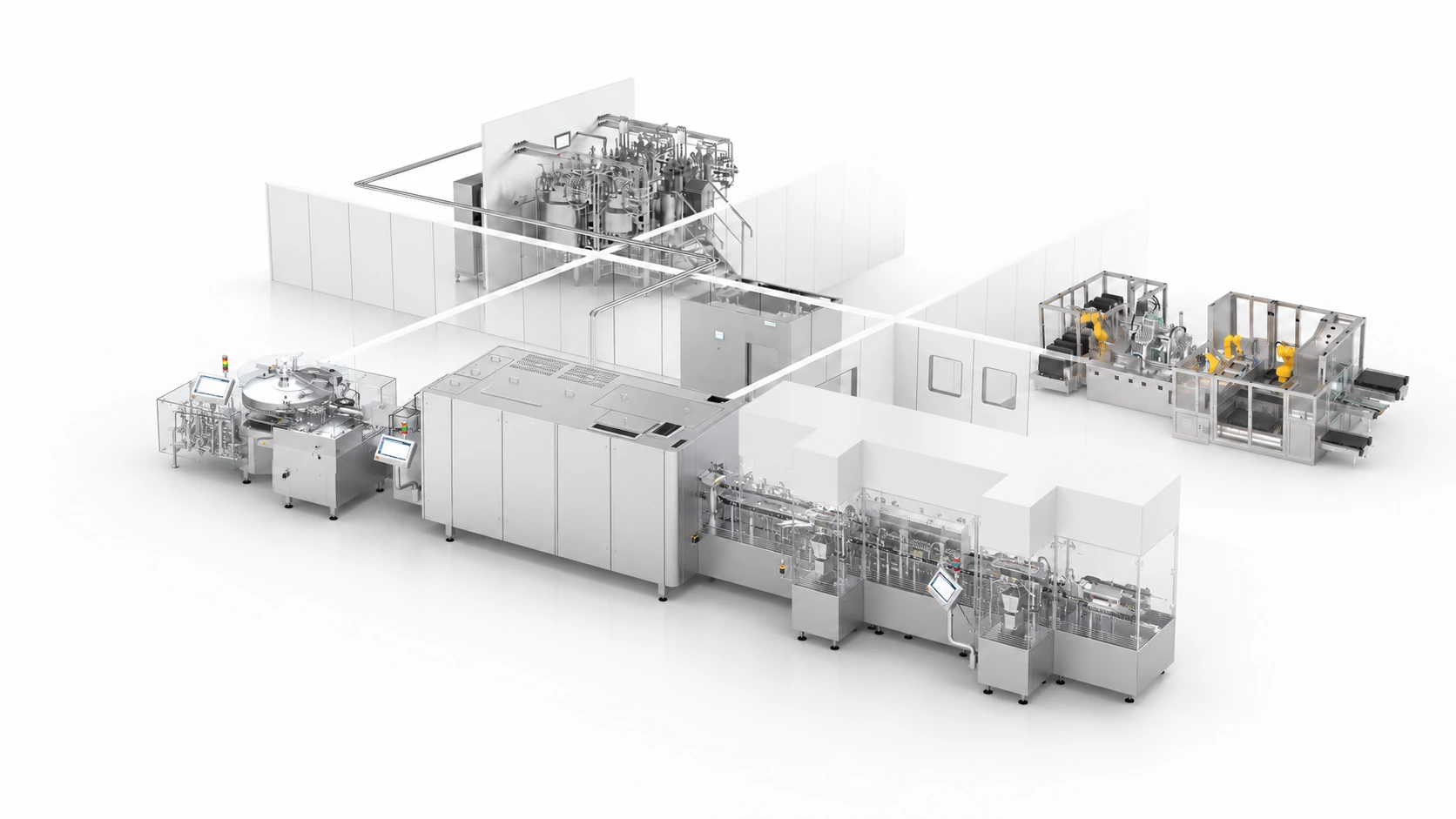
Integrated production · Process route
Explore the numbered process areas on this line.
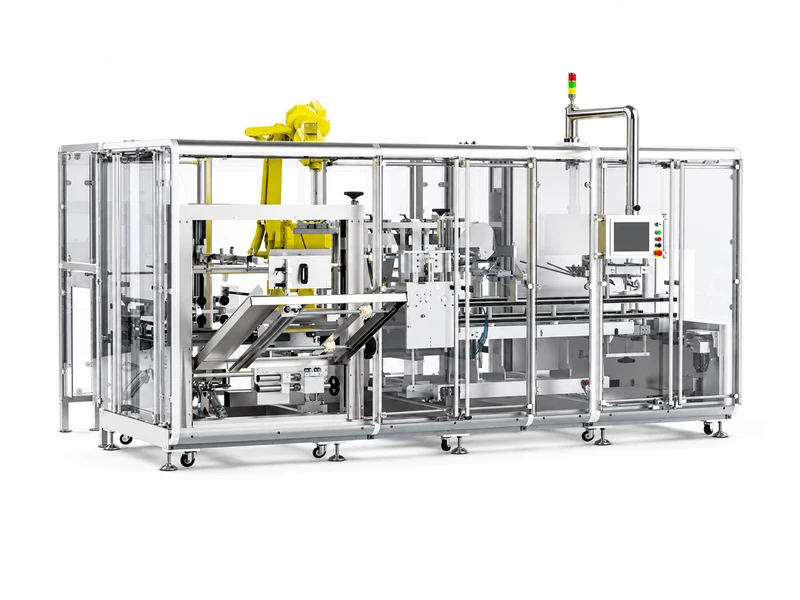
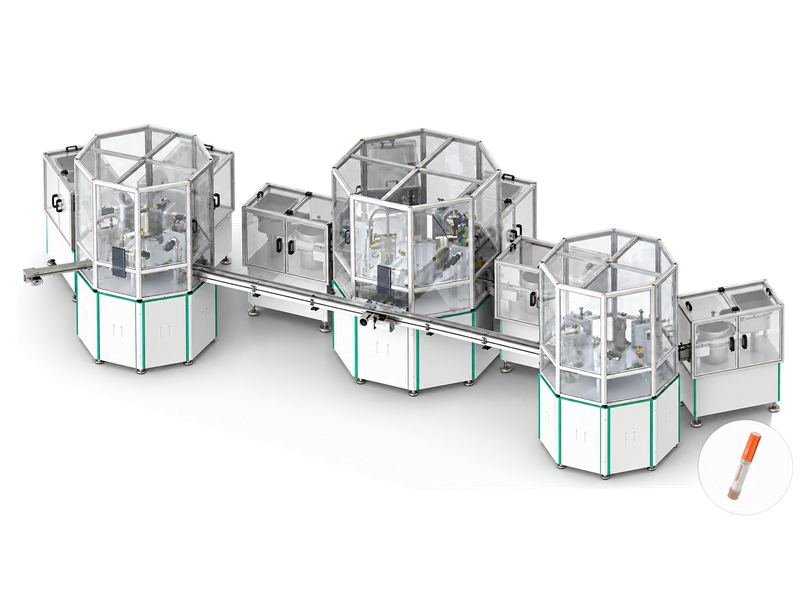
This drawing shows primary-container preparation and downstream pack handling. It does not depict the pen or autoinjector assembly stations.
Select a numbered area to see the operation and related equipment.
Technology
Use the specified holder and drive components. Record plunger position, dose-counter setting and joining force at the defined build stations.
Explore equipment Technology
Locate the primary container before closing the housing. Verify spring, guard and cap assembly against the specific device drawing.
Explore equipment Technology
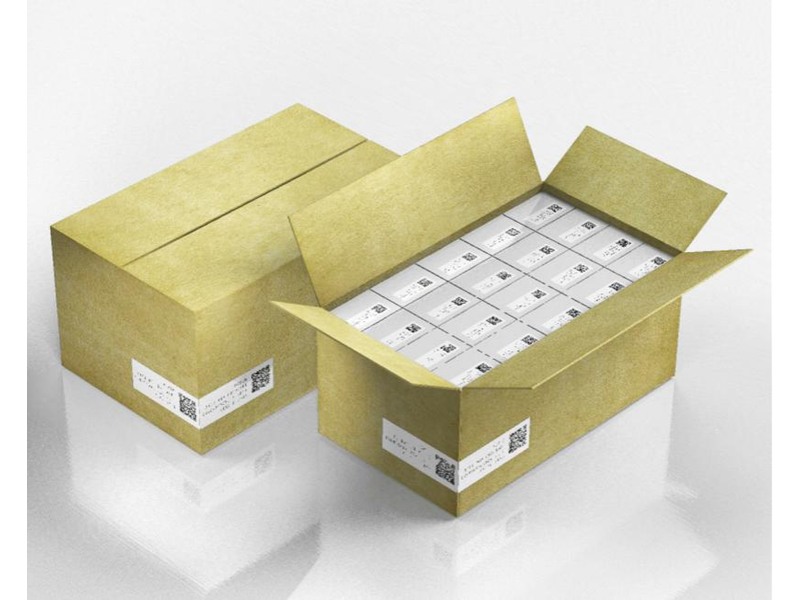
Confirm device orientation at labeling and check artwork against the product identity. Define how rejected labels and rejected devices are reconciled.
Explore equipment Component identity and station results connect a finished-device fault to the assembly step involved. Where force or travel monitoring is part of the selected configuration, its trace adds evidence about joining behaviour. Checks before housing closure and a distinct reject path prevent known failed builds from continuing to labeling and packing.

Record the component revision, carrier position and force–travel trace for each trial build. Examine the mating features before adjusting the setting.
Identify the last station at which the component is visible. Prove that check with known good and faulty builds, then confirm rejected units cannot continue to labeling.
Define what the assembly cell receives, what it adds and which checks it performs. State whether filling, primary-container inspection, final functional testing, labeling and cartoning are inside or outside the contract. Preserve device-to-pack identification at the handoff without treating a generic pack-handling cell as a device assembler.
Start with the filled primary container and device bill of materials. Identify the parts that arrive assembled.
Define the order and orientation of component insertion and the checks needed before the device is closed.
Connect the accepted device identity to its label and carton. Define the boundary for functional testing and reject reconciliation.
Define the particular pen or autoinjector mechanism, required checks and responsibility for incoming filled units.
Learn moreConfirm component orientation at infeed and device condition at final test and packing.
Learn moreIdentify the contact parts and format tooling for Pen & Autoinjector Line Integration. Agree access for cleaning, the spares to hold and the operating records the site will need.
Learn moreShare dosage form, starting material and finished presentation.
Request product information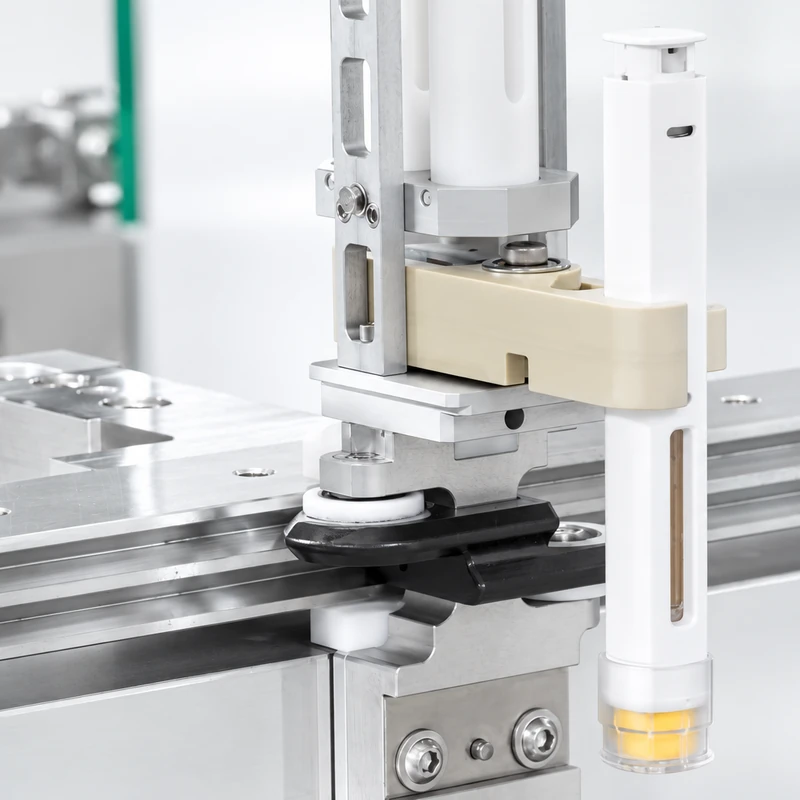
Brochure
Pen & Autoinjector Line Integration
Available by enquiry
Request product informationCase
Pen & Autoinjector Line Integration
Available by enquiry
Discuss project references2 resources
Not by assumption. The primary container, drive mechanism, housing, guards and component supply can differ. Use the specific assembly drawings and acceptance requirements to define each route; shared equipment concepts do not mean one recipe or fixture suits both.
Device assembly and primary-container fill-finish are separate process scopes. Agree the state and acceptance of incoming filled cartridges or syringes. If filling is included in the overall project, define its equipment, product-protection and transfer boundaries separately.
Identify the critical components, orientation, seating and joining features that will become hidden. Agree sensing or inspection methods and challenge samples at the last accessible station, then ensure a failed unit is segregated before it proceeds.
The displayed layout illustrates primary-container preparation and downstream pack handling. It does not reveal the internal pen or autoinjector assembly sequence. Use the device-specific process and station plan to define that part of the project.