01
Cast and dry
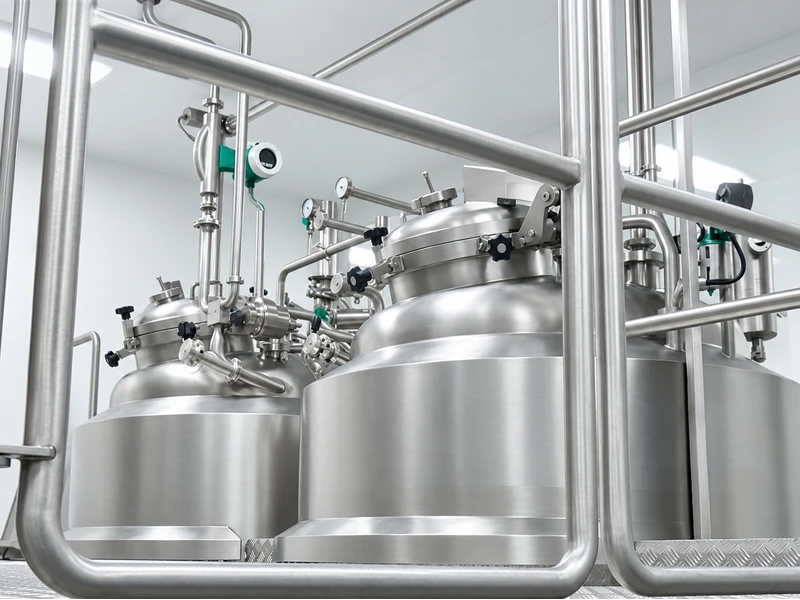
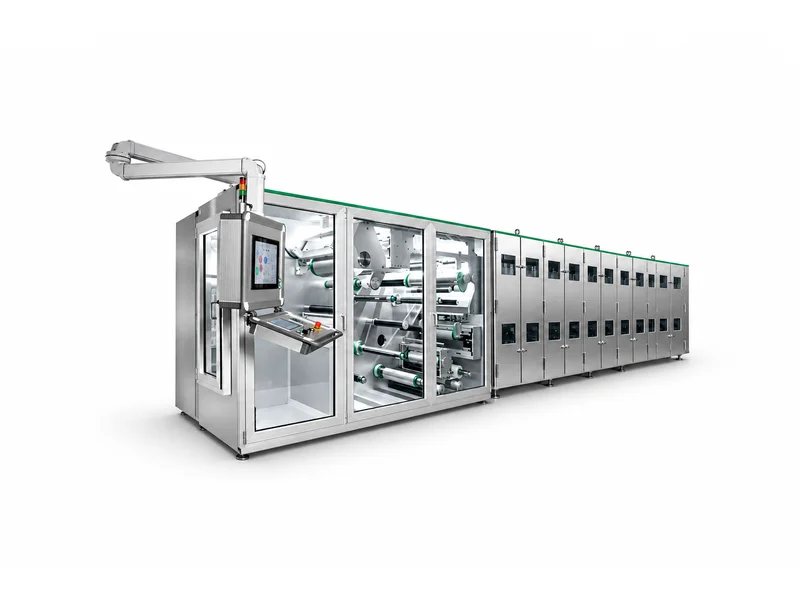
Prepare the formulation and cast it onto the selected substrate. Specify the dry thickness and how the web releases before planning slitting.
Process expertise. Chinese manufacturing. Global perspective.

Production line
An oral film manufacturing line links formulation preparation, casting or coating, drying, web conversion and individual protective packing. Start from the intended film construction and unit dimensions, then define where a prepared web enters the converter and how each accepted strip reaches its pouch.
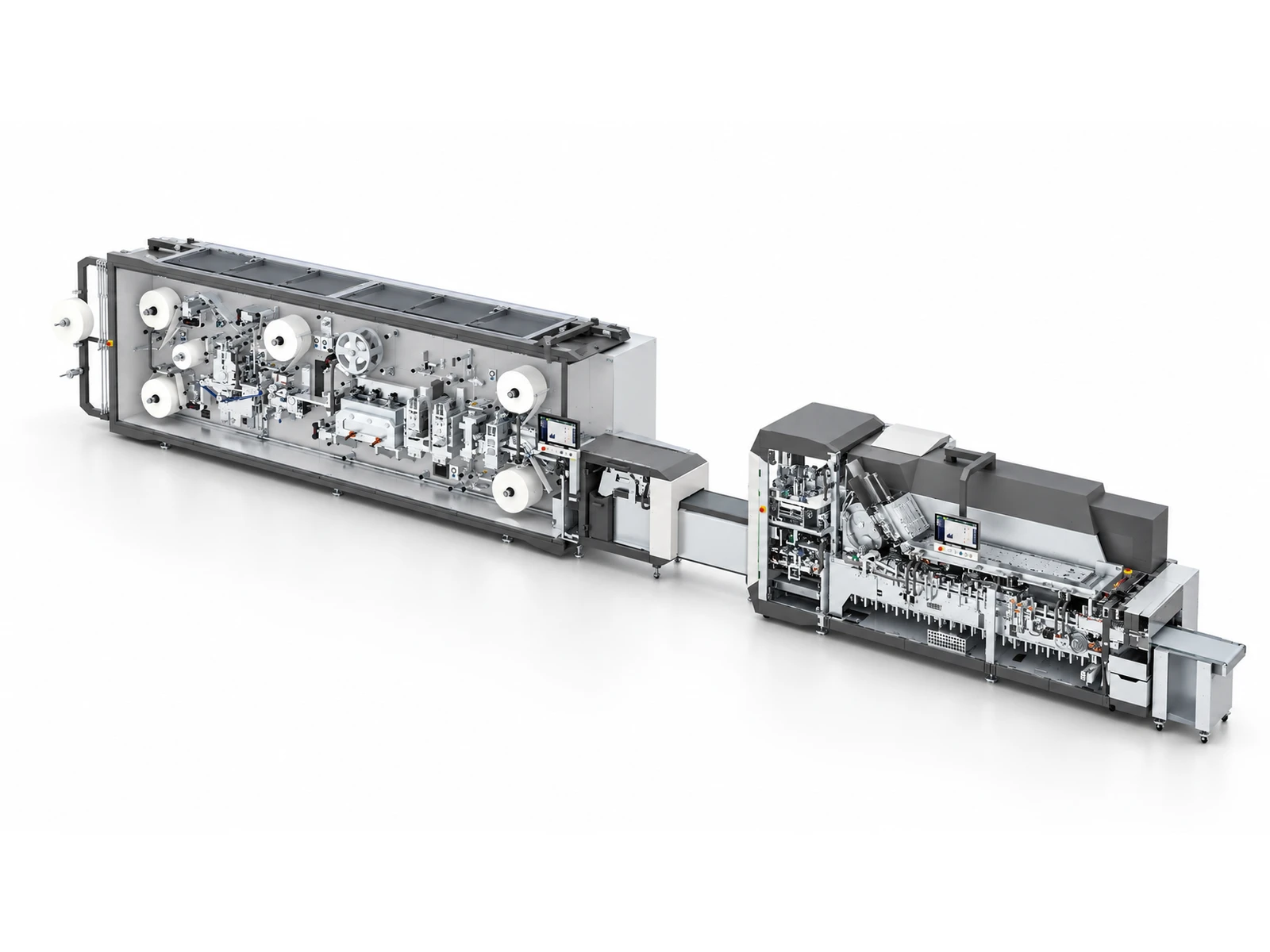
Oral film manufacture turns a formulation into a dry web and then into individual units. Drying, substrate release and web handling determine how the material reaches slitting and cutting; unit dimensions and the formulation’s distribution together influence the product checks. Orodispersible and mucoadhesive buccal films have different intended behaviour, so the film construction and process follow the product design.
Example project input
The example starts with accepted, cut strips. Confirm web width, edge trim and rejected areas separately when planning the wet coating batch.
240
Usable cut strips
1
Strip per individual pouch
240
Filled single-strip pouches
—
Process options
Start from unit dose, film dimensions and moisture sensitivity when choosing web width and conversion steps.
Prepare the formulation and cast it onto the selected substrate. Specify the dry thickness and how the web releases before planning slitting.
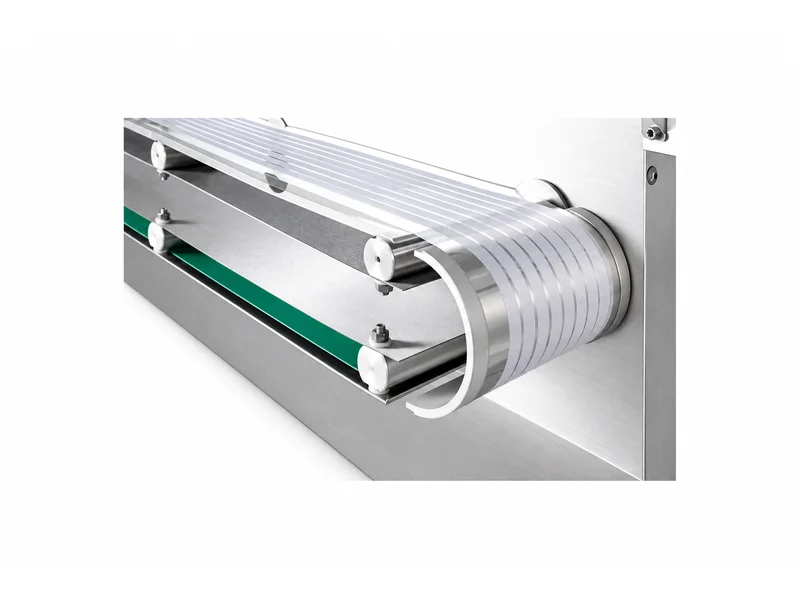
Match slit width and cut length to the strip drawing. Track web position and separate rejected lengths before the strip counter.
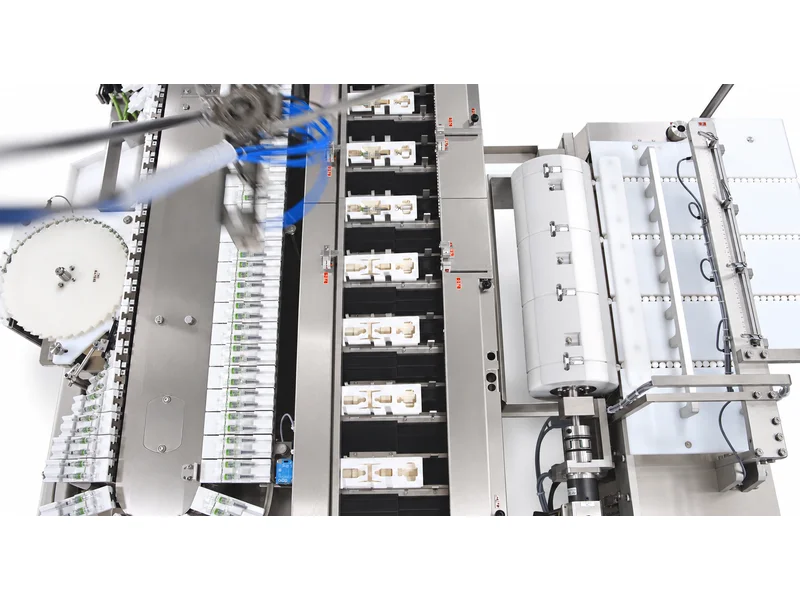
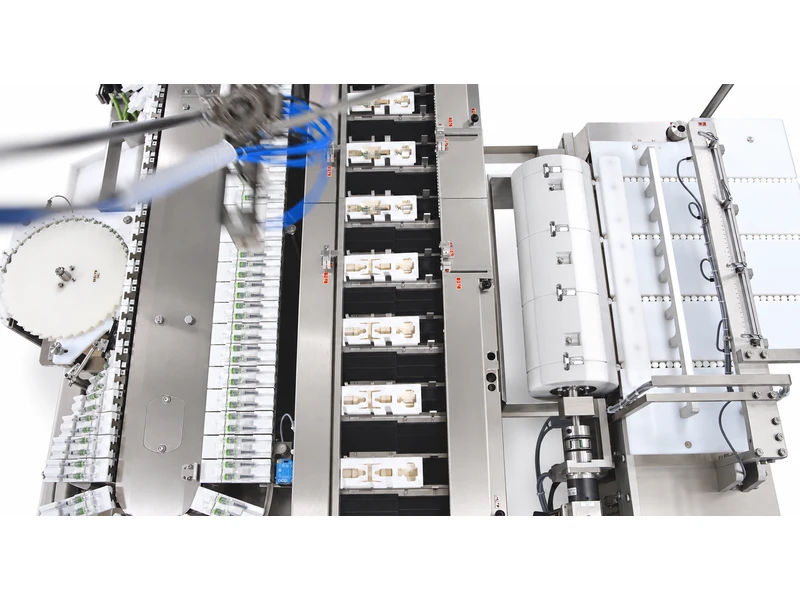
Protect the individual film in the agreed barrier pouch. Verify the seal and print, then collate the required number into the carton.
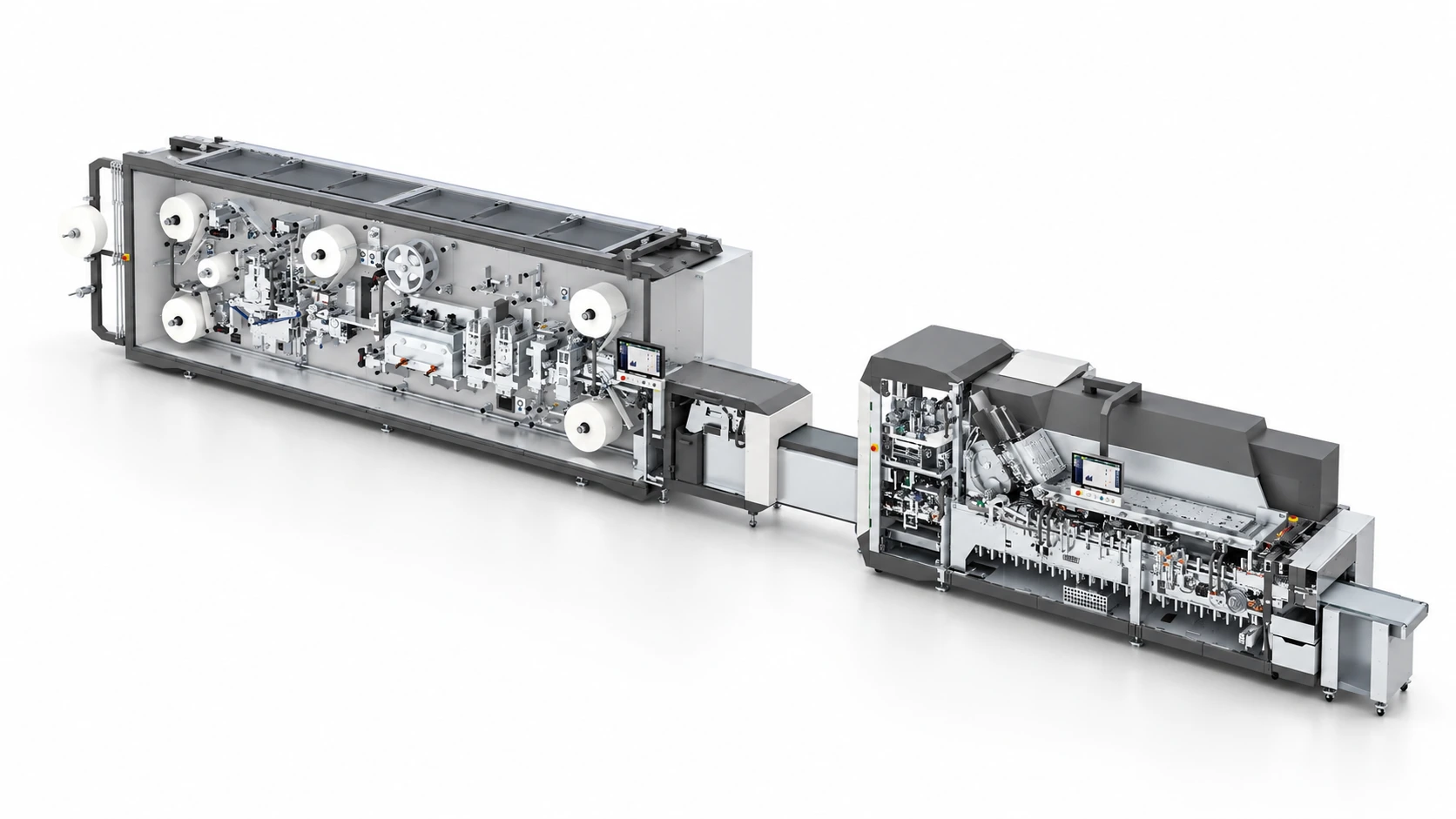
Integrated production · Process route
Explore the numbered process areas on this line.
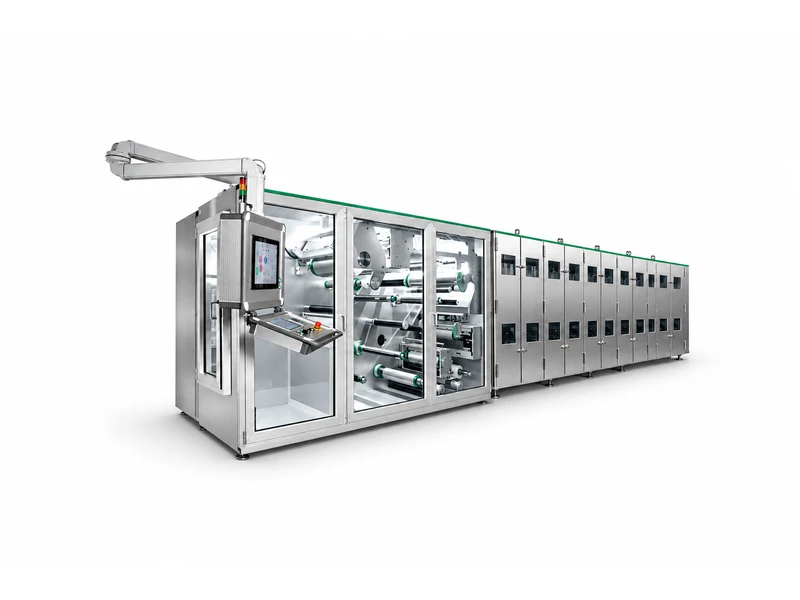
This layout starts with an existing film web and ends with cartons. Film preparation, casting and drying are upstream.
Select a numbered area to see the operation and related equipment.
Roll identity and web position connect an observed defect with the cut units produced from that length. Cross-web sampling reveals variation that a single centre-line sample can miss. After cutting, sticking, folds or double feeds can affect pouch loading, making the strip-to-pack transfer a distinct control point from upstream film formation.

Retain samples from defined cross-web positions and roll locations. Compare dry thickness, release and the agreed product checks before selecting the usable width.
Feed cut strips under the intended room conditions. Check for doubles, sticking and edge folds, then inspect the pouch seal for trapped film.
Separate upstream formulation/casting/drying from the converter shown in the illustration, which starts with an existing film web. Define roll acceptance, winding orientation, tension and rejected-length handling at that boundary. Coordinate unit transfer, pouch sealing and carton count using the actual film and pack materials.
Define the wet formulation, target web and substrate. Agree the transfer from mixing to the coating or casting head.
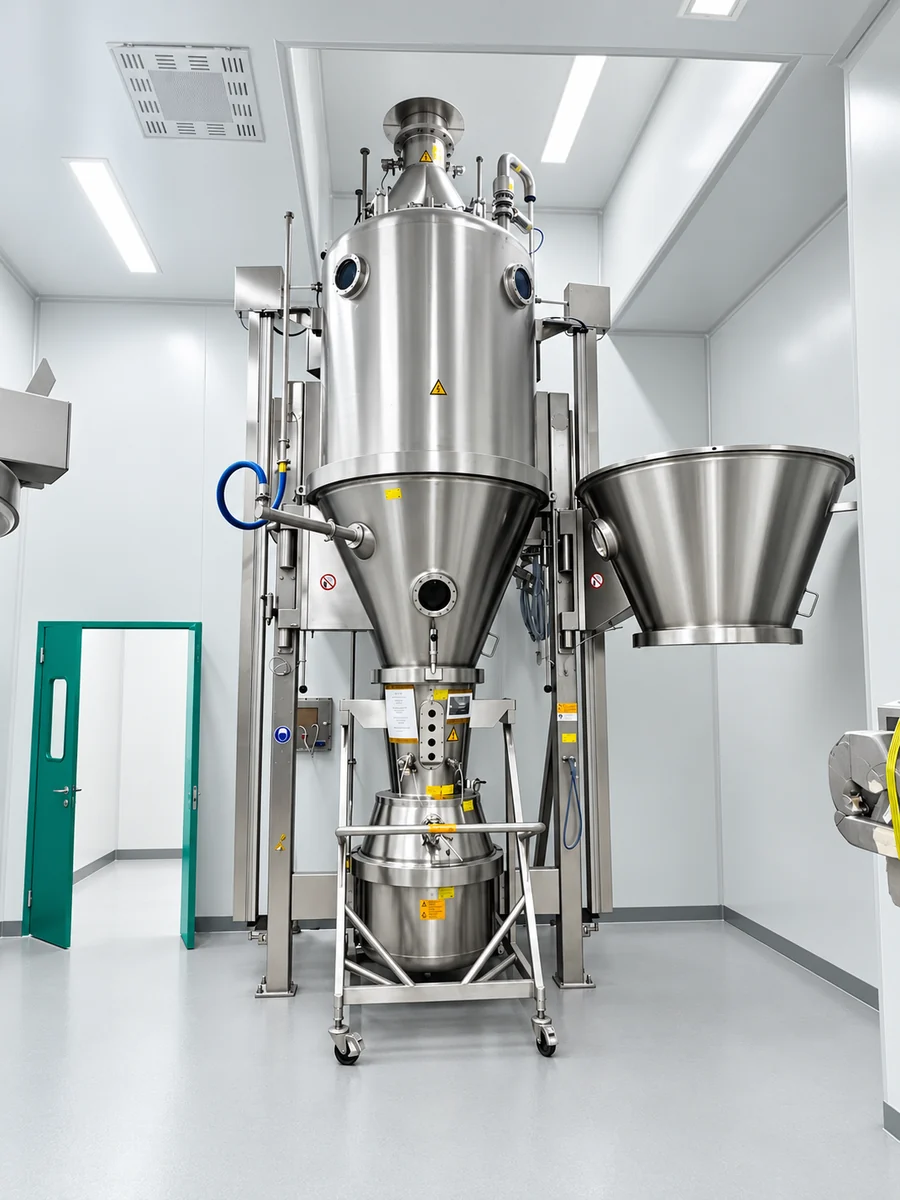
Relate drying and web handling to film thickness, release and cutting register. Inspect before a defect disappears into a pouch.
Choose the unit cut and barrier pouch before setting the final cartoning feed. Record which packaging equipment is included.
Start from unit dose, film dimensions and moisture sensitivity when choosing web width and conversion steps.
Learn moreKeep the web position and batch identity traceable through cutting and pouch packing.
Learn moreIdentify the contact parts and format tooling for Oral Film Manufacturing Lines. Agree access for cleaning, the spares to hold and the operating records the site will need.
Learn moreShare dosage form, starting material and finished presentation.
Request product information
Brochure
Oral Film Manufacturing Lines
Available by enquiry
Request product information2 resources
No. It shows a web-fed converting and packaging arrangement. Formulation preparation, casting or coating and drying are upstream operations that must be separately included or excluded in the supply boundary.
A controlled area is one input, but dose also depends on the distribution and amount of active material in the film. Agree the product-specific sampling and analytical checks across the web and roll. The cutter’s dimensional repeatability alone does not establish dose uniformity.
Use representative dried film under the intended environmental conditions. Check release, sticking, double feeds, folds and cut edges, then inspect the seal area for trapped film. Agree package integrity and barrier requirements with the product team.
No. Orodispersible and mucoadhesive products have different intended behaviour, and other film designs may have different release requirements. Define the product’s function and formulation before choosing process conditions; equipment selection is not evidence of a therapeutic or absorption claim.