Prepare product and containers
Agree the liquid supply, incoming bottle condition and cleaning or sterilization scope. A sterile product requires its own contamination-control and barrier assessment.
Process expertise. Chinese manufacturing. Global perspective.

Production line
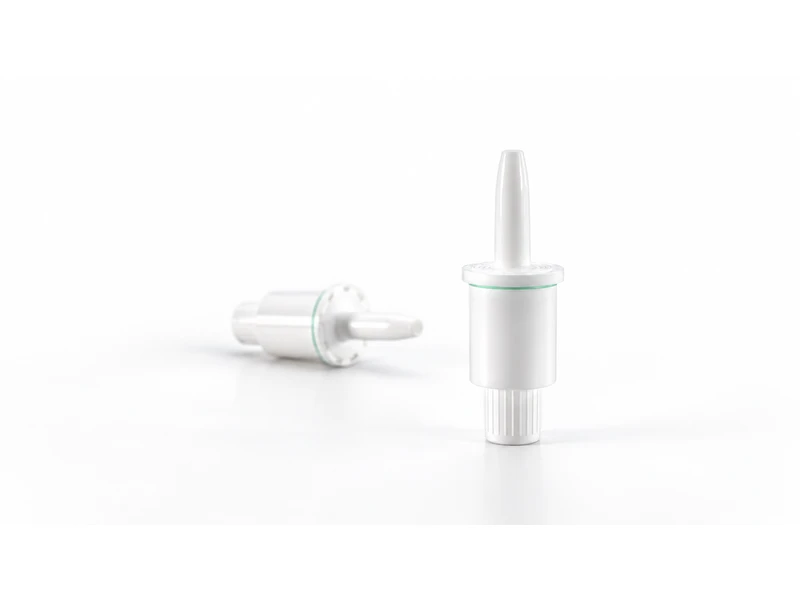
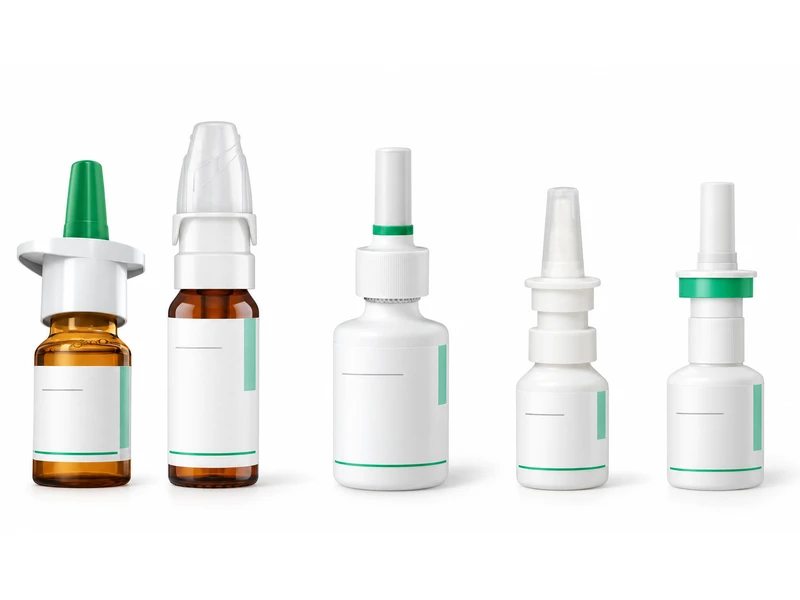
A nasal spray line combines liquid dosing with pump insertion, fastening and the specified actuator and cap assembly. Start with the complete bottle-and-pump presentation: the dip tube, neck finish and supplied component state determine the handling sequence and the finished-device checks.
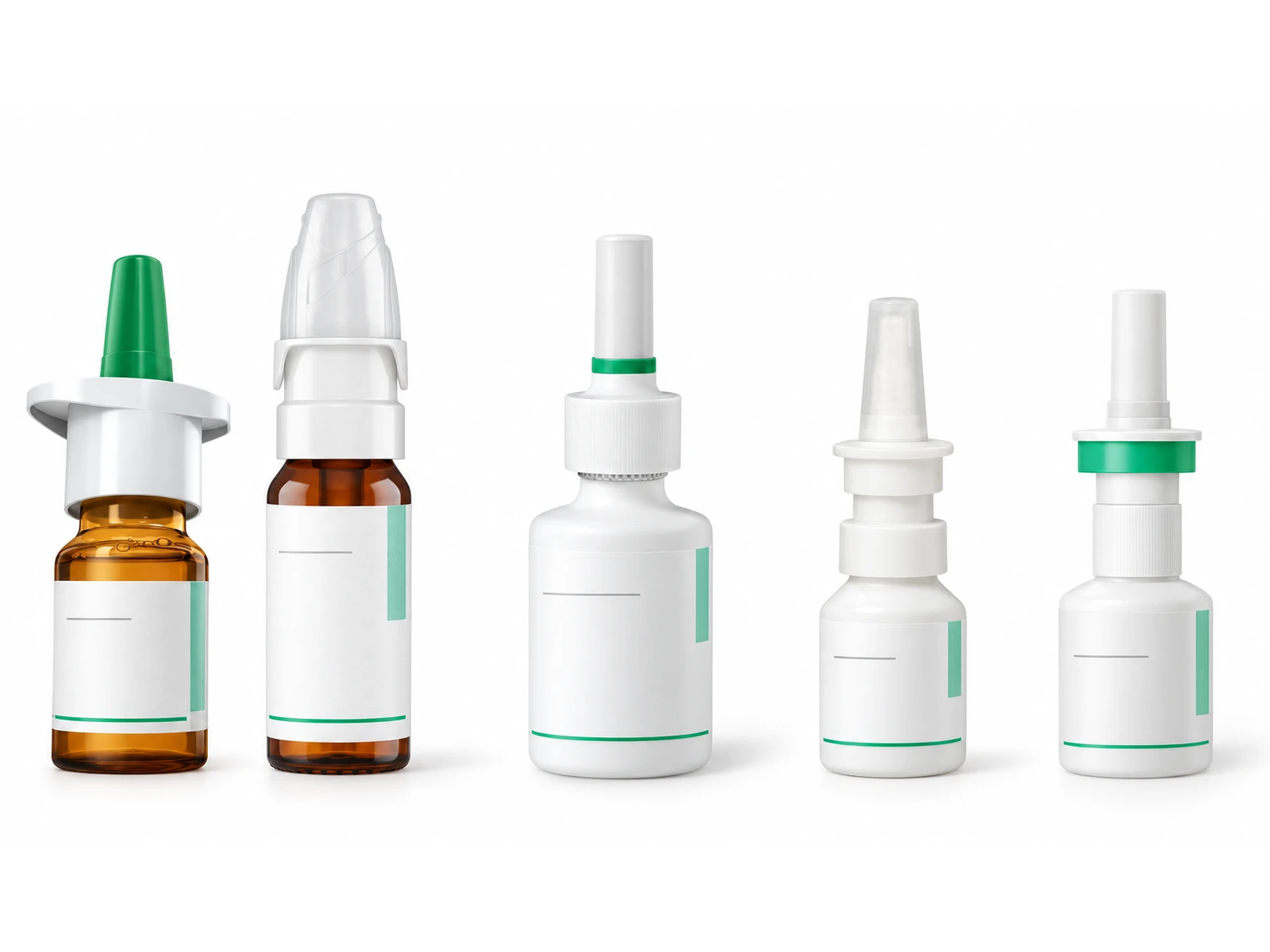
The bottle finish, dip tube and pump form the main assembly interface. Liquid is dosed before the pump closes access to the neck; the tube then enters the bottle and the pump is seated and secured by its specified closing method. Actuators and caps may arrive preassembled or be fitted later, changing the component feeds and the point at which the finished device is checked.
Example project input
Add separate components for dip-tube setup, fastening checks and functional tests. Derive sample allowances from the agreed test plan.
180
Filled bottles for the pump trial
1
Pump assembly per bottle
180
Pump assemblies required
—
Process options
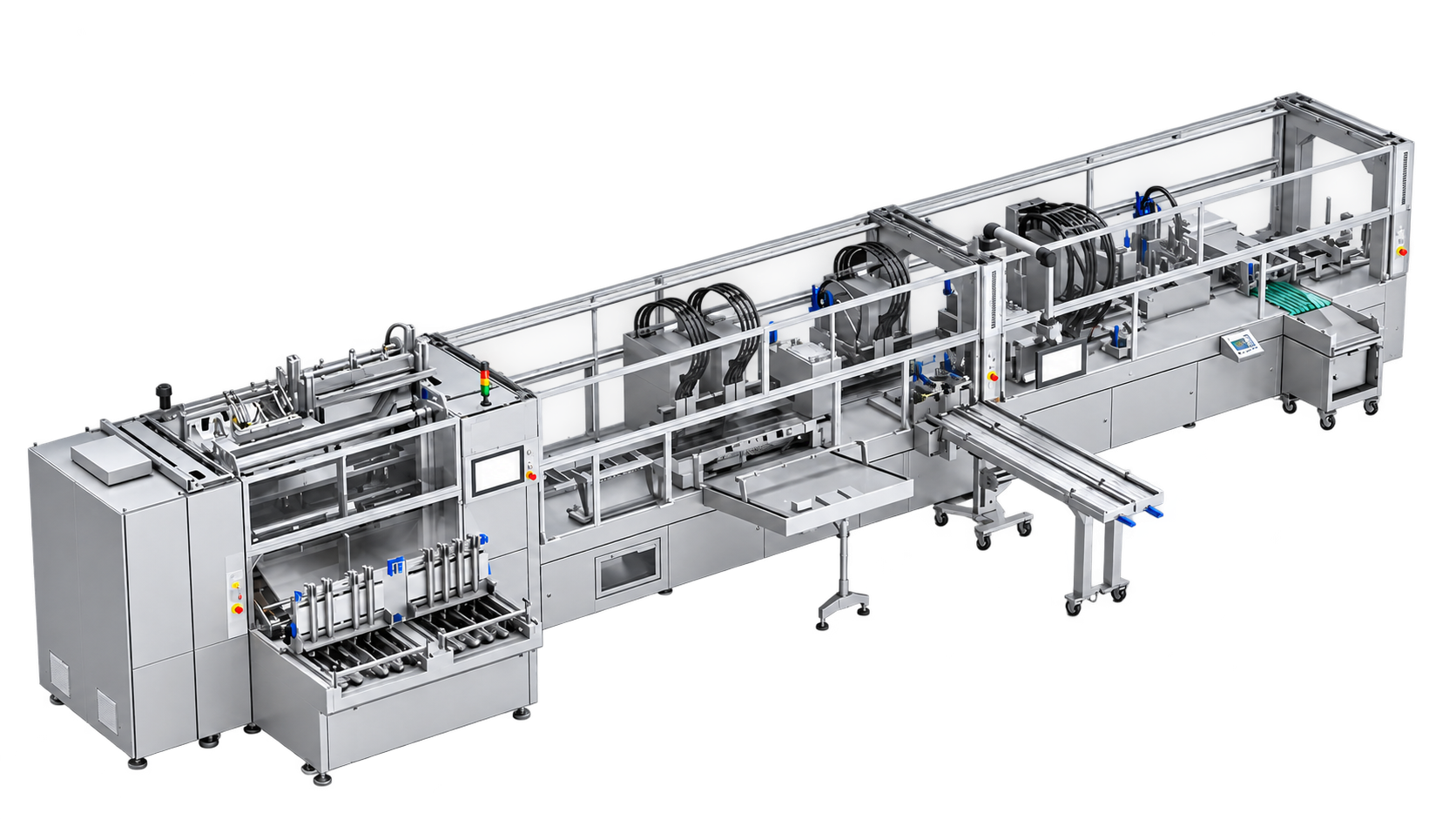
Connect product filling and pump assembly with the packaging configuration for your finished device.
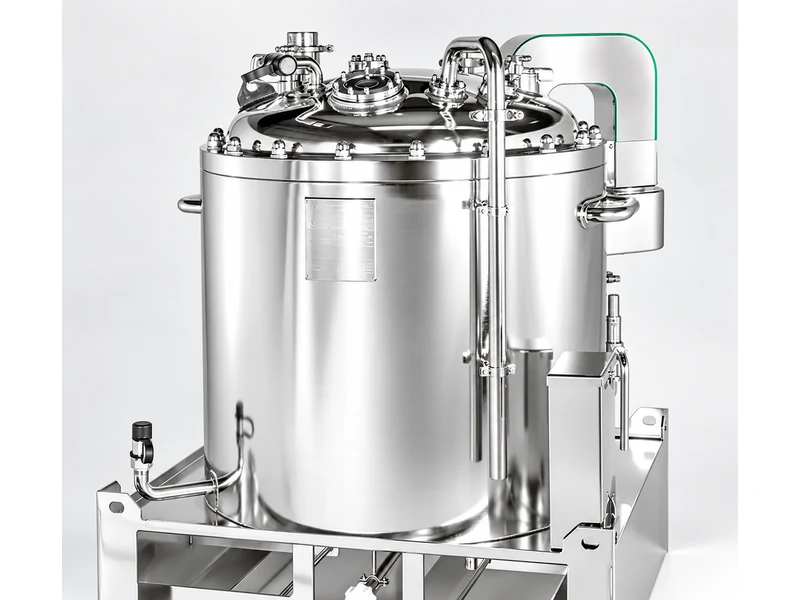
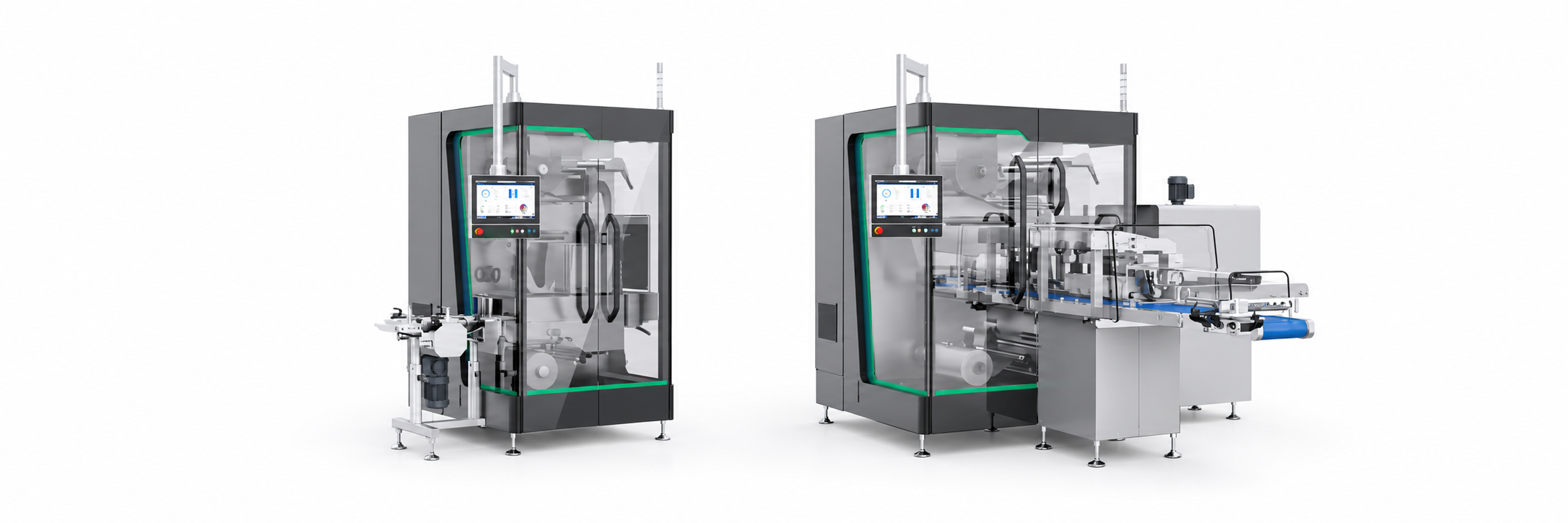
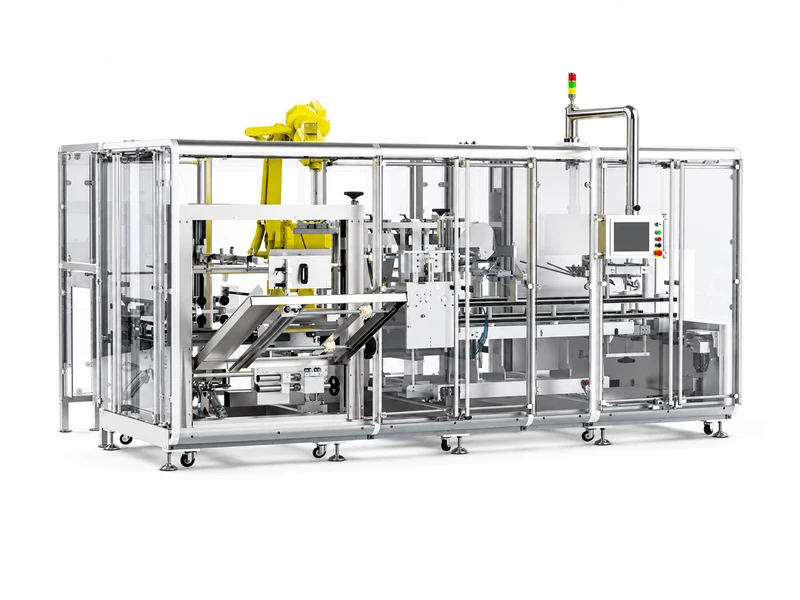
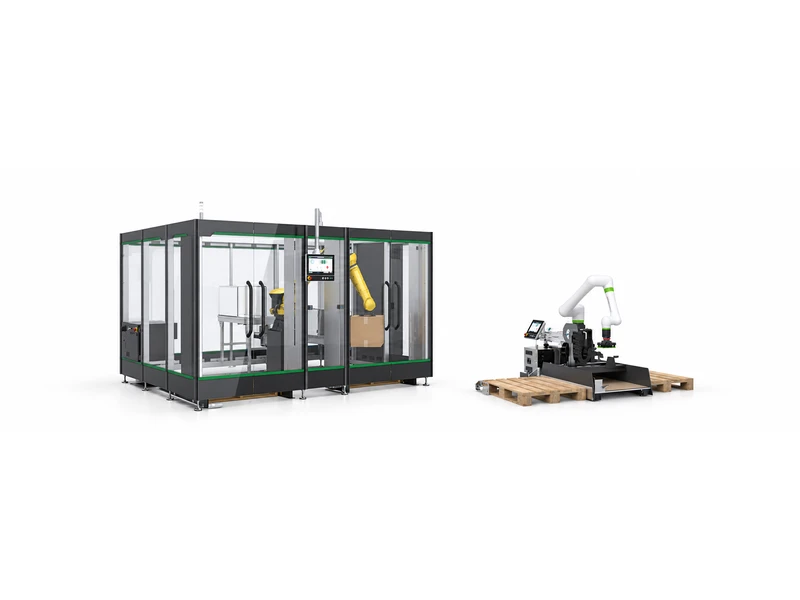
Equipment options are shown in process order. Cartoning format, coding and verification are selected for the pack; bundling and palletizing are optional. The final configuration is defined around the product and project scope. The first image shows bottle and pump formats, not a filling machine.
The bottle finish, pump design and incoming component state determine filling, insertion and closing operations.
Agree the liquid supply, incoming bottle condition and cleaning or sterilization scope. A sterile product requires its own contamination-control and barrier assessment.
Characterise the liquid at the filling temperature and choose a compatible metering path. Keep product off the closing surface.
Guide the dip tube, seat the pump and use the closing method specified for the bottle finish. Check seating and orientation.
Confirm which components arrive preassembled and which must be fitted on the line. Protect the actuator during subsequent handling.
Agree fill, closure and functional checks and their sampling or in-line arrangements before releasing devices to packing.
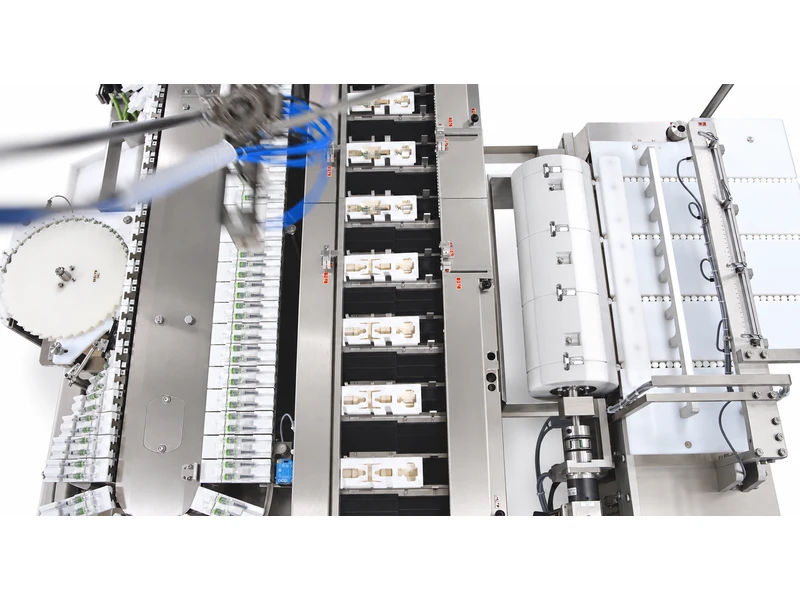
Match the accepted primary pack, leaflet and carton to the infeed and loading method.
Confirm pack orientation, count, carton size and leaflet handling with filled samples.
Agree the print location, readable code and verification method for the destination market.
Specify batch coding and, when required, serialization and aggregation. The print and inspection positions depend on the pack.
Add a bundle only when the selected sales or shipping pack needs one.
Choose the bundle count and wrapping material. A route without bundling can pass accepted cartons directly to case packing.
Transfer cartons or bundles into the agreed shipping-case pattern.
Confirm the product arrangement, case construction and the handoff to sealing and pallet handling.
Connect accepted cases to the selected pallet pattern and dispatch interface.
Agree case orientation, layer pattern, pallet dimensions and the transfer to warehouse or dispatch.
Filling technology
A flexible tube carries the liquid while rotating rollers control dosing. The product contacts the tube rather than the pump mechanism. This principle is used when a disposable product path and gentle handling are priorities. Tubing selection, product compatibility and the changeover procedure should be reviewed for each application.
Explore technology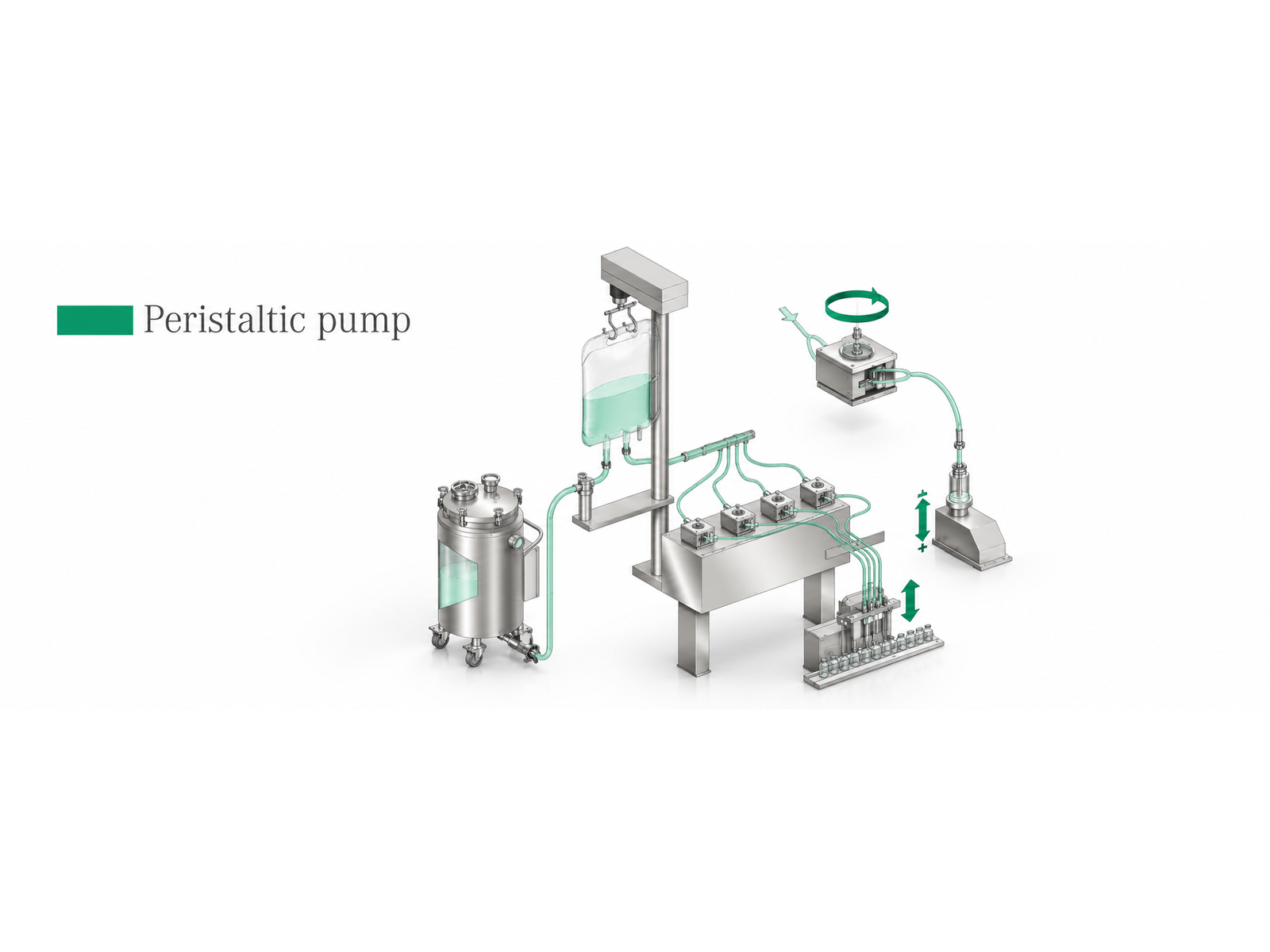
Filling technology
A piston draws liquid into a cylinder and then dispenses a measured volume through the outlet. The selected piston, valve and product-contact materials determine the application range. Review viscosity, cleaning requirements and the required filling volume together with the product and container format.
Explore technology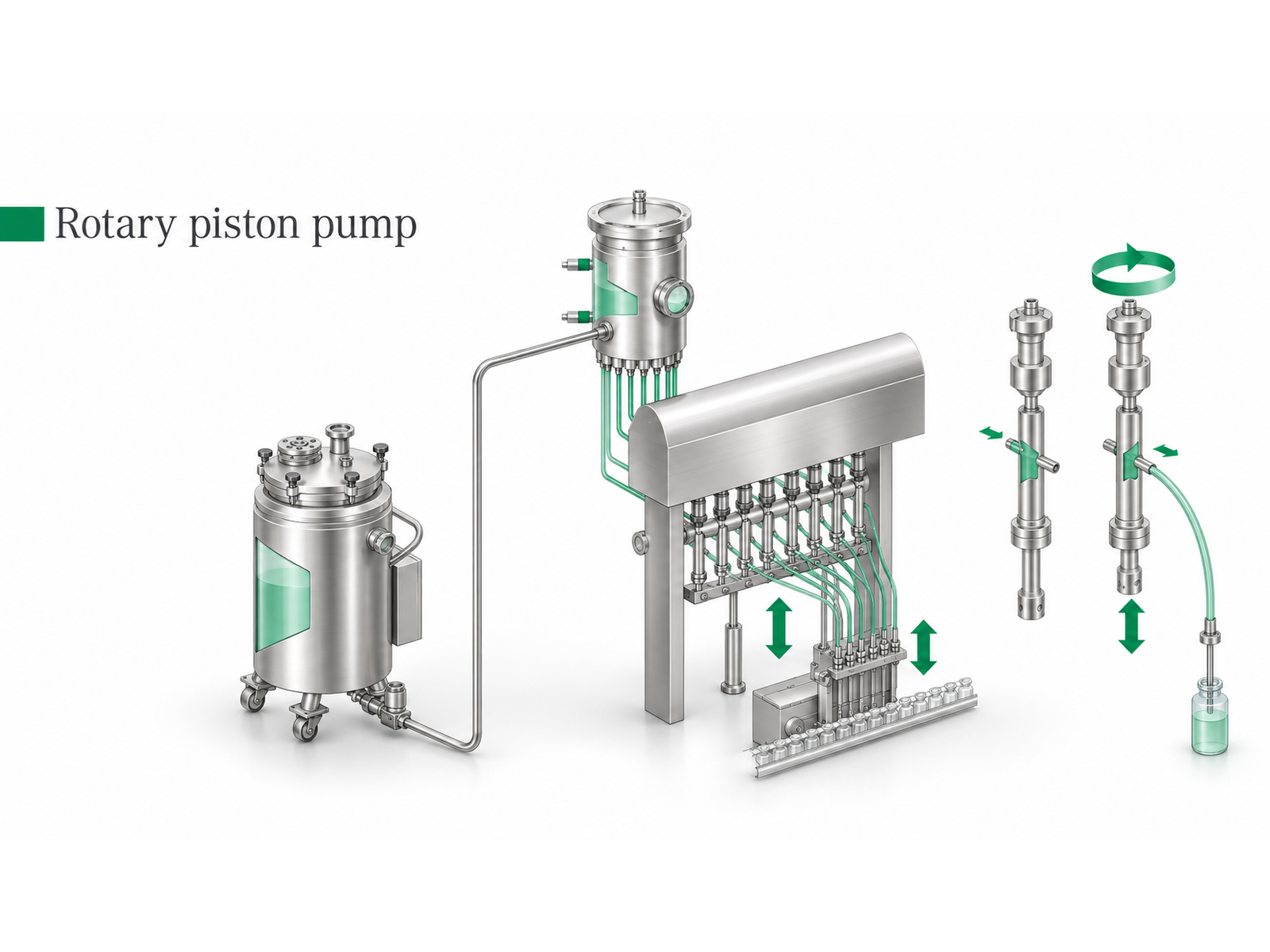
Filling technology
Controlled pressure moves liquid through a filling valve. The opening time and supply conditions determine the dispensed quantity. Product properties, pressure stability and the valve configuration are evaluated together when setting up the filling process.
Explore technology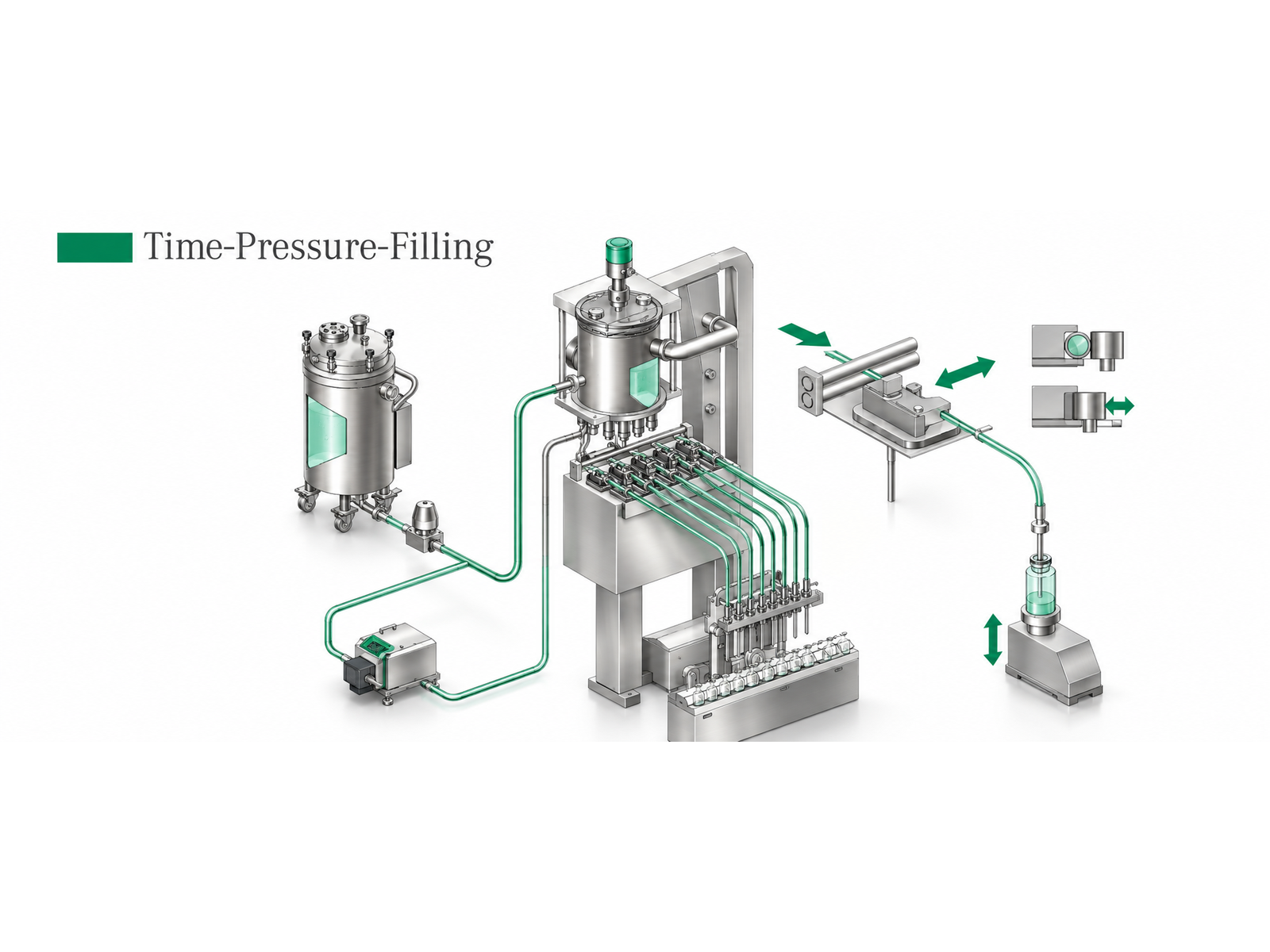
Filling technology
A flow sensor measures the product passing through the filling path and provides feedback to the dosing valve. The process is evaluated around the required fill mass, product behaviour and cleaning strategy. Sensor selection and the control sequence depend on the application.
Explore technology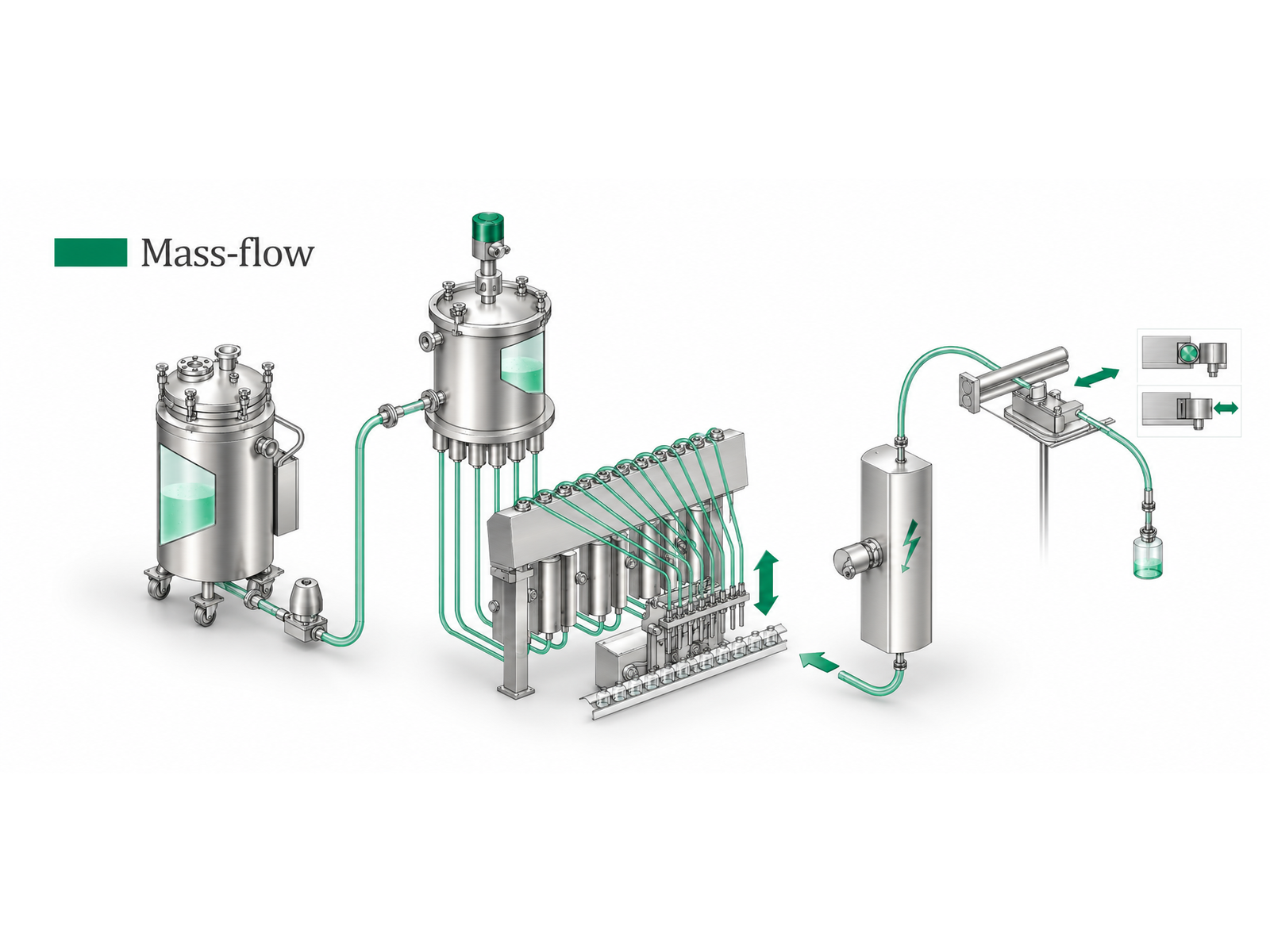
The neck is visible after filling but may be hidden once the pump is fitted. Checking it at that intermediate point separates splashing at the closing surface from a tube-insertion or fastening problem. Fill and closure records can then be linked to the completed devices reserved for the agreed priming and spray-function tests.

Use the production bottle and actual tube length. Check that the tube enters freely and the pump seats consistently before fastening.
Identify the finished device state, any required priming and the samples reserved for testing. Document whether those checks take place within the line or in a separate test area.
Coordinate liquid supply, bottle entry and pump-component feed before selecting downstream packing. State the required orientation and protection of the assembled actuator, the accepted/reject transfer, and which priming or spray-function measurements occur outside the production line.
Choose the bottle, pump, dip tube and actuator before setting line throughput or tooling.
Agree filling, pump insertion, fastening and assembly checks. Inspect the bottle neck before the pump hides it.
Confirm how the completed device is oriented for labelling and packing, and which dispensing checks are performed outside the line.
The selected pump defines insertion depth, closing method and which device components arrive preassembled.
Learn moreAgree test samples for closure, actuation and packaging of the finished device.
Learn moreIdentify the contact parts and format tooling for Nasal Spray Filling & Assembly Lines. Agree access for cleaning, the spares to hold and the operating records the site will need.
Learn moreShare dosage form, starting material and finished presentation.
Request product information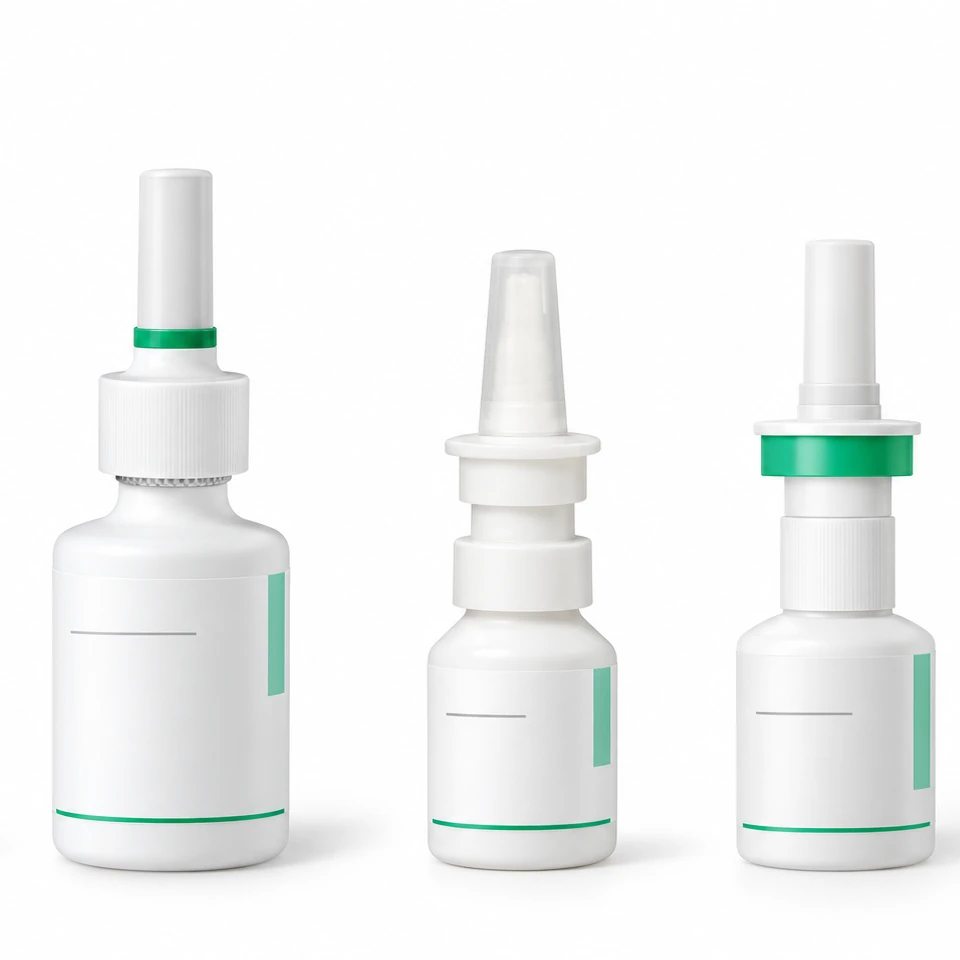
Brochure
Nasal Spray Filling & Assembly Lines
Available by enquiry
Request product informationCase
Nasal Spray Filling & Assembly Lines
Available by enquiry
Discuss project references2 resources
No. The bottle finish, pump geometry and component supplier’s assembly requirements determine the closing method and tooling. Use production-intent components to assess dip-tube insertion, seating and fastening rather than assuming a universal pump fit.
The project must specify the required tests and where they occur. Fill and assembly checks can be part of the production process; priming and other spray-function measurements may use separate samples or test equipment. State the finished-device condition and test method before assigning stations.
A pump-based nasal spray does not use the same valve closing and propellant-charging sequence as a pressurized aerosol. Confirm the actual presentation first. A soft mist device also has its own cartridge and assembly interfaces.
Trial the completed bottle with its actuator and cap fitted. Check orientation, guide contact, unintended actuation, label position and carton clearance. The cartoner should receive accepted finished devices in the specified state, with rejected or test-actuated samples separated.