Route A · Bottle
Supplied dropper bottle
Dose the liquid into the supplied bottle, fit the dropper and close the pack. Verify the tip seating and cap on the selected finish.
Process expertise. Chinese manufacturing. Global perspective.

Production line
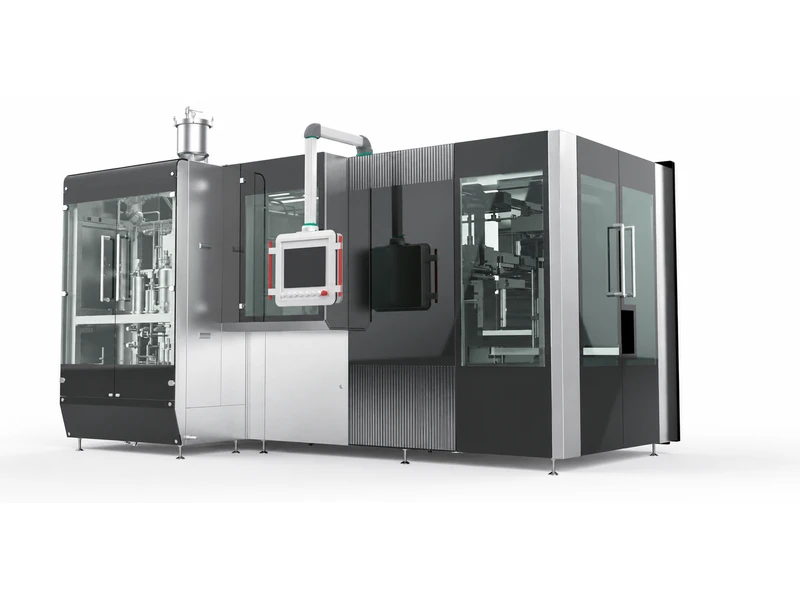
An eye drop filling line follows the chosen dispensing presentation. A preformed bottle needs liquid filling, dropper or pump placement and closing; a BFS unit is formed, filled and sealed in its mould. Select that primary route before defining inspection, identification and packing.
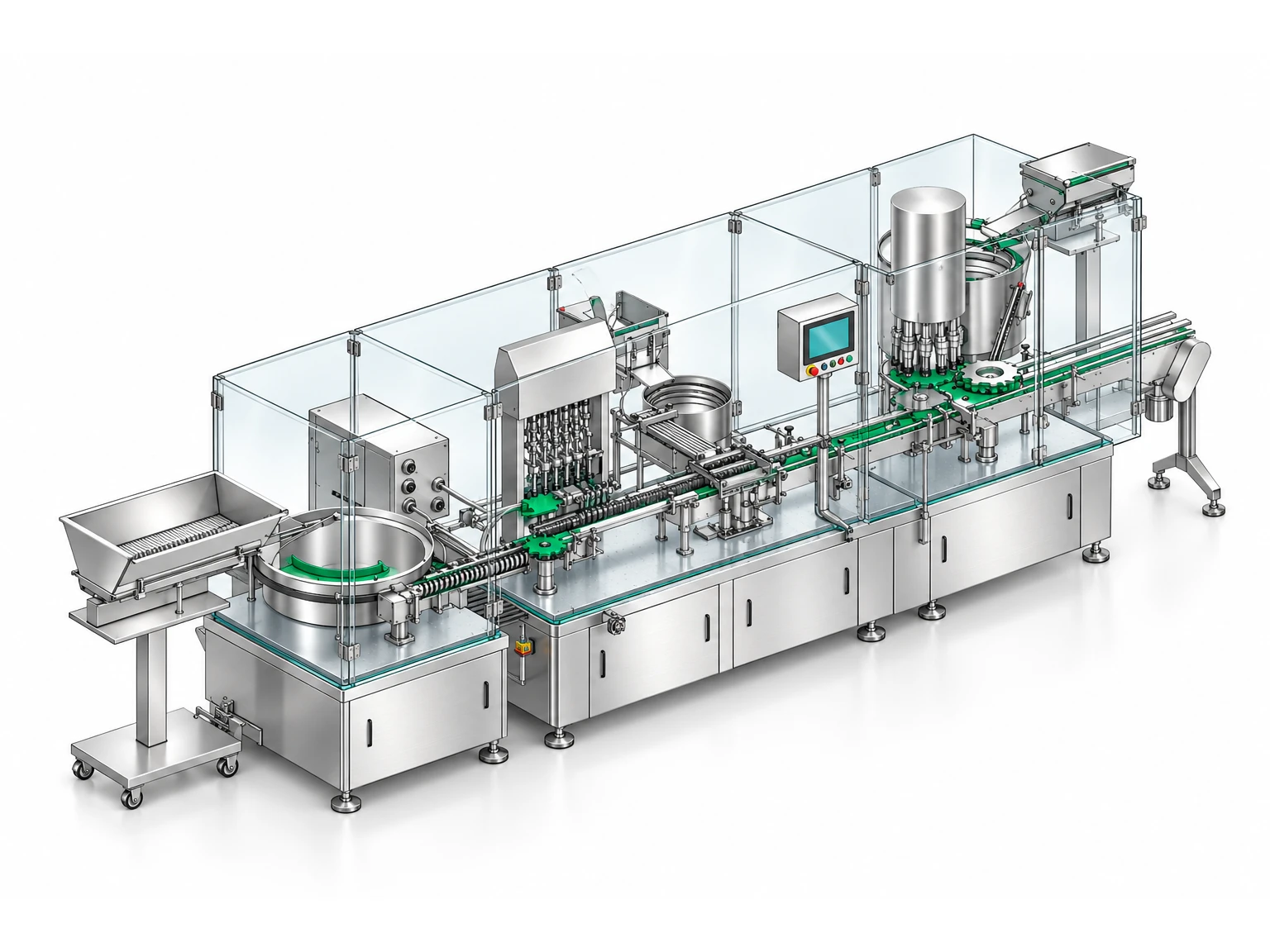
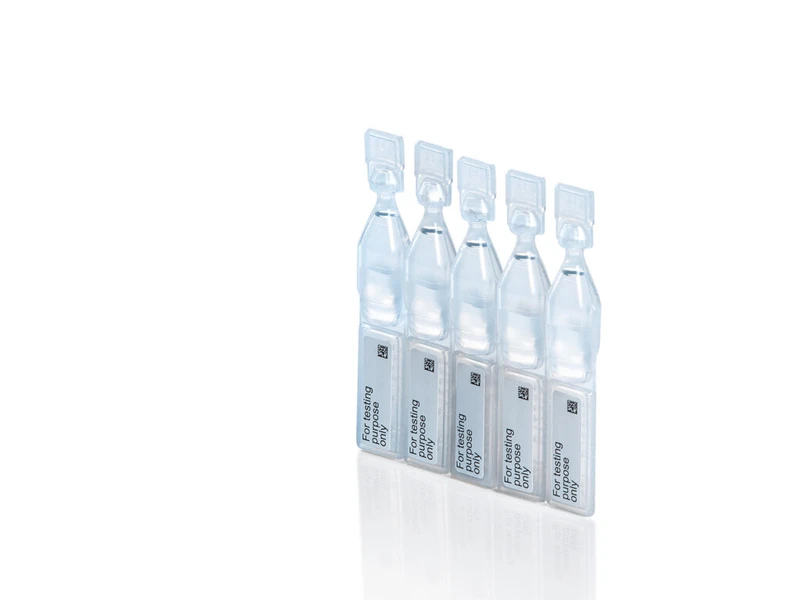
A preformed dropper bottle receives liquid and separately supplied dispensing components. A BFS ophthalmic unit instead gains its container shape and sealed opening during the forming/filling/sealing cycle. These branches create different finished presentations for inspection and packing. The illustration shows the single-dose BFS branch, while the bottle branch has its own tip-placement and closing operations.
Example project input
This example is for bottles with a fitted dropper. A BFS unit forms its own dispensing tip. Allow separate components for adjustment and rejects.
240
Bottles in a dropper-fitting trial
1
Dropper tip fitted per bottle
240
Tips in accepted assemblies
—
Process options
The container and administration format decide between bottle filling and a blow-fill-seal route.
Dose the liquid into the supplied bottle, fit the dropper and close the pack. Verify the tip seating and cap on the selected finish.
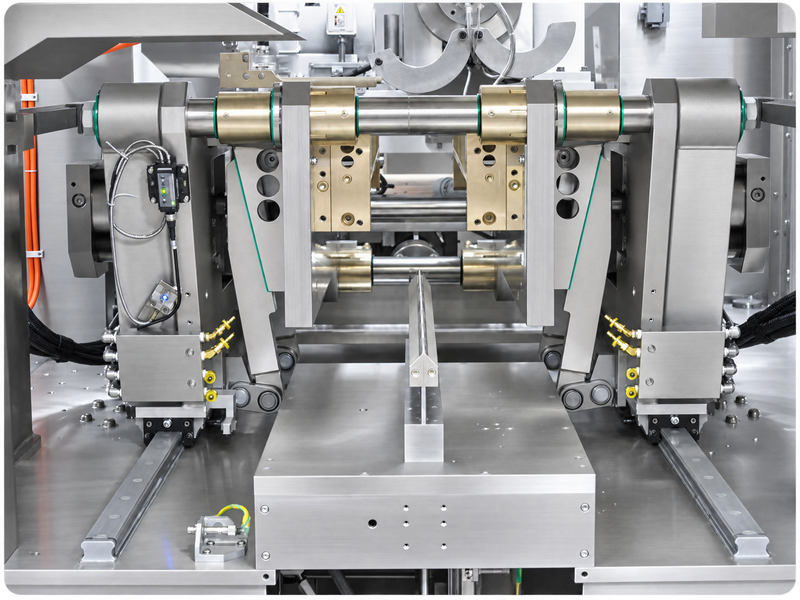
For a moulded unit, agree the integral tip and opening geometry before choosing cavities and inspection positions. Container forming occurs within the BFS cycle.
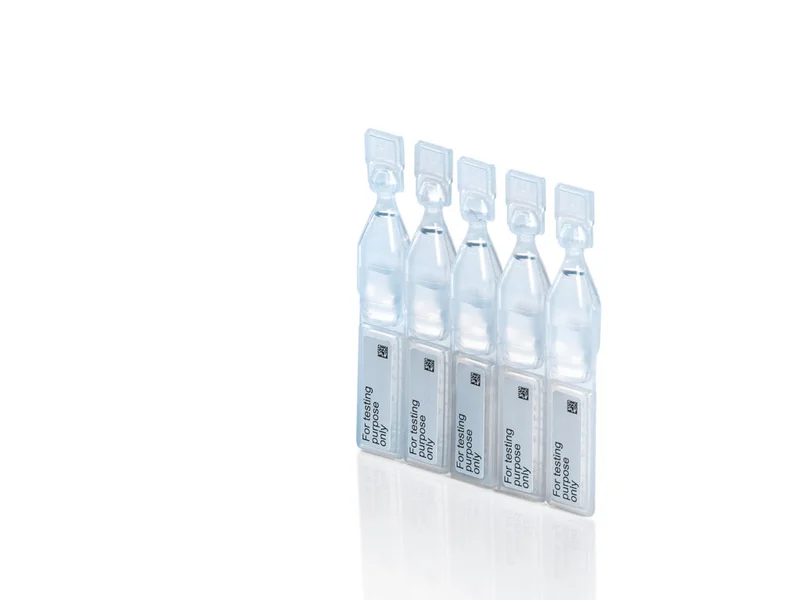
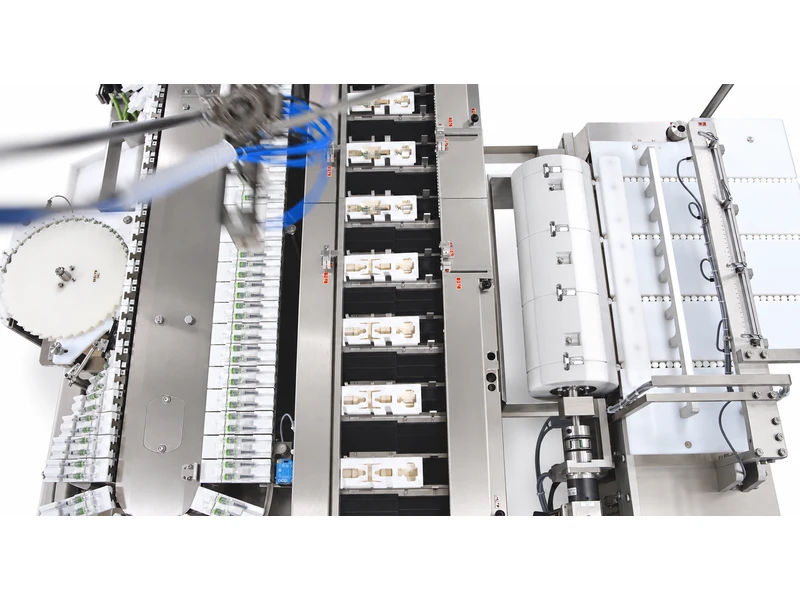
The packer receives the selected individual bottle or connected BFS units. BFS labeling belongs to the BFS branch; the preformed bottle requires its own labeling arrangement. Unit count, orientation and carton layout follow the actual presentation.
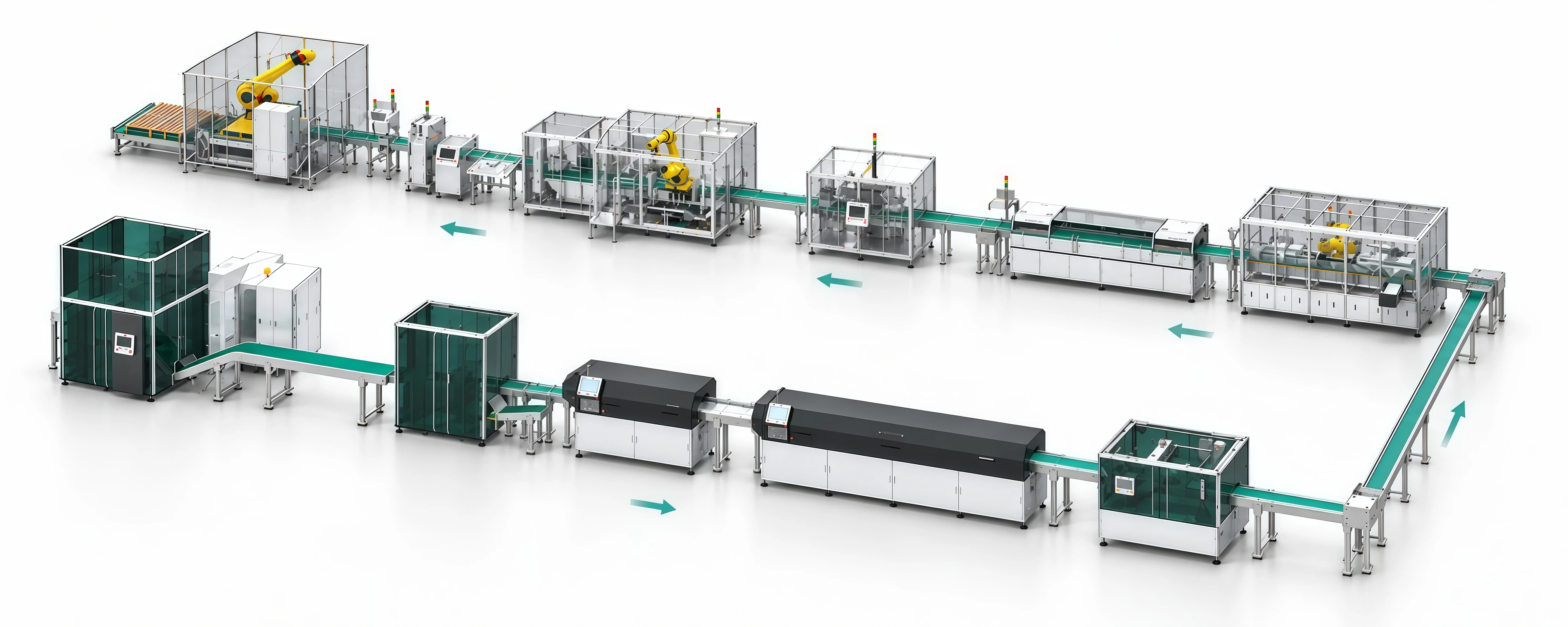
Integrated production · Process route
Explore the numbered process areas on this line.
Follow the single-dose ophthalmic route through container forming, filling and sealing, then secondary packing and palletizing.
Select a numbered area to see the operation and related equipment.
Filling technology
A flexible tube carries the liquid while rotating rollers control dosing. The product contacts the tube rather than the pump mechanism. This principle is used when a disposable product path and gentle handling are priorities. Tubing selection, product compatibility and the changeover procedure should be reviewed for each application.
Explore technology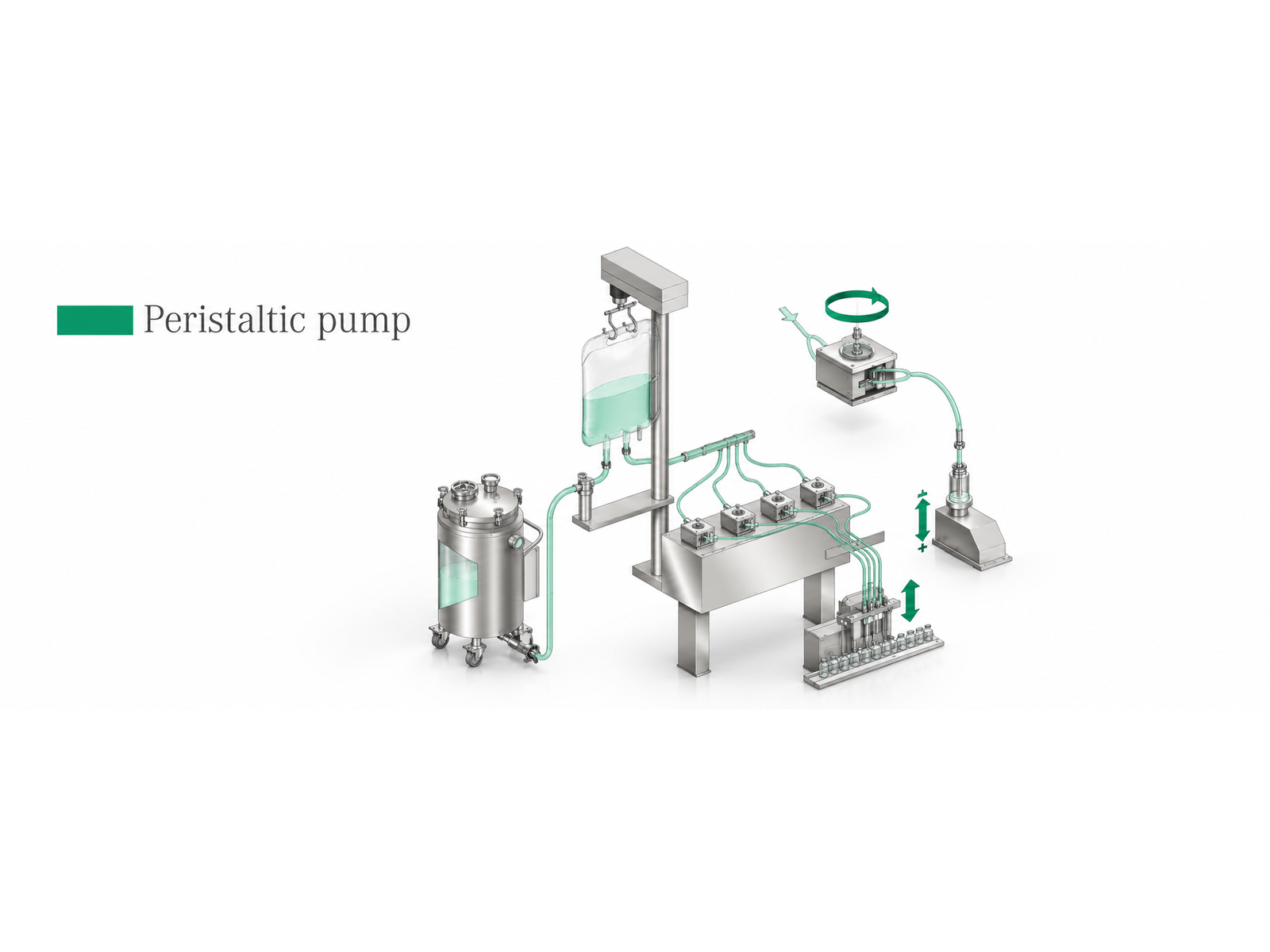
Filling technology
A piston draws liquid into a cylinder and then dispenses a measured volume through the outlet. The selected piston, valve and product-contact materials determine the application range. Review viscosity, cleaning requirements and the required filling volume together with the product and container format.
Explore technology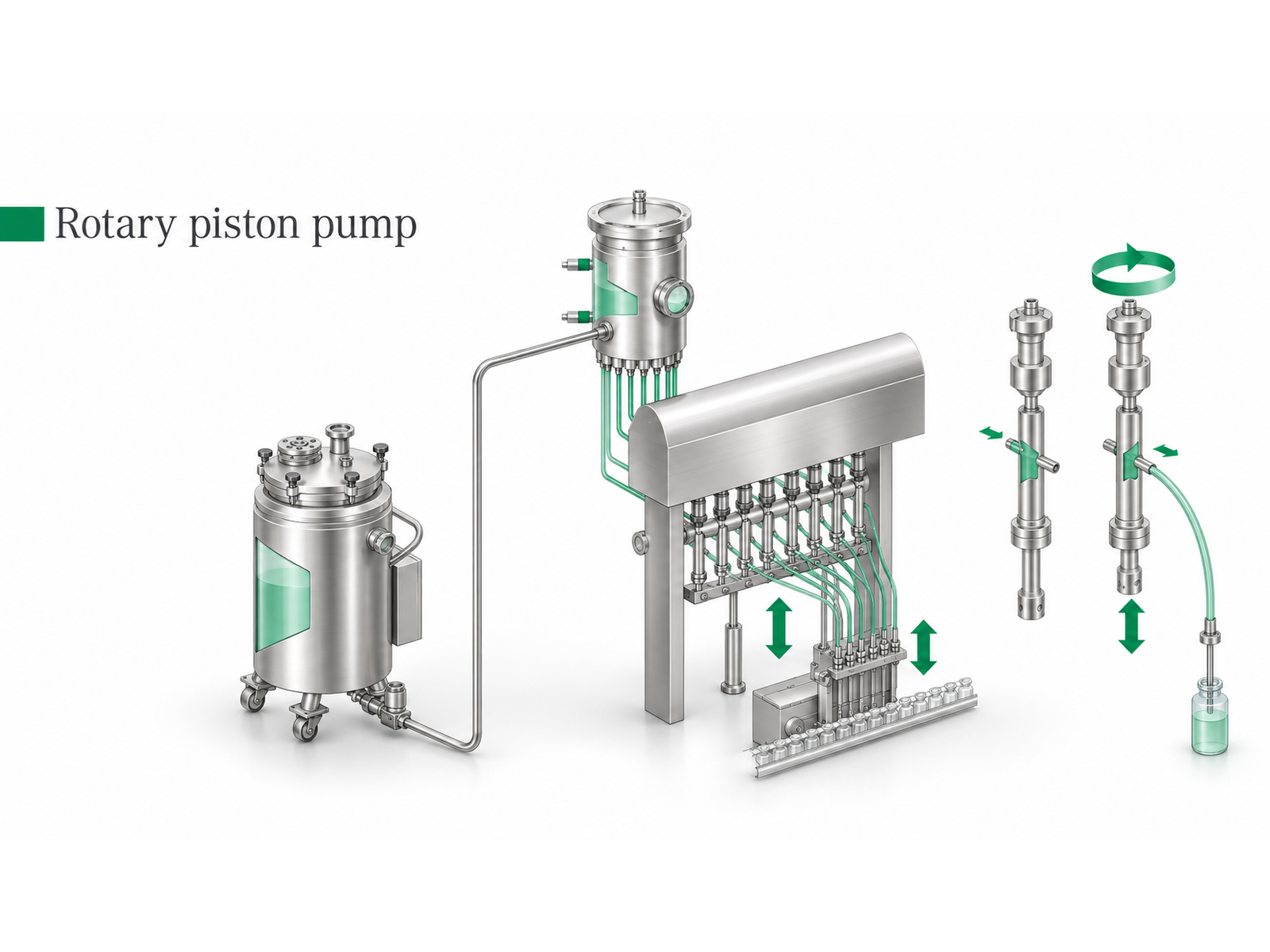
Filling technology
Controlled pressure moves liquid through a filling valve. The opening time and supply conditions determine the dispensed quantity. Product properties, pressure stability and the valve configuration are evaluated together when setting up the filling process.
Explore technology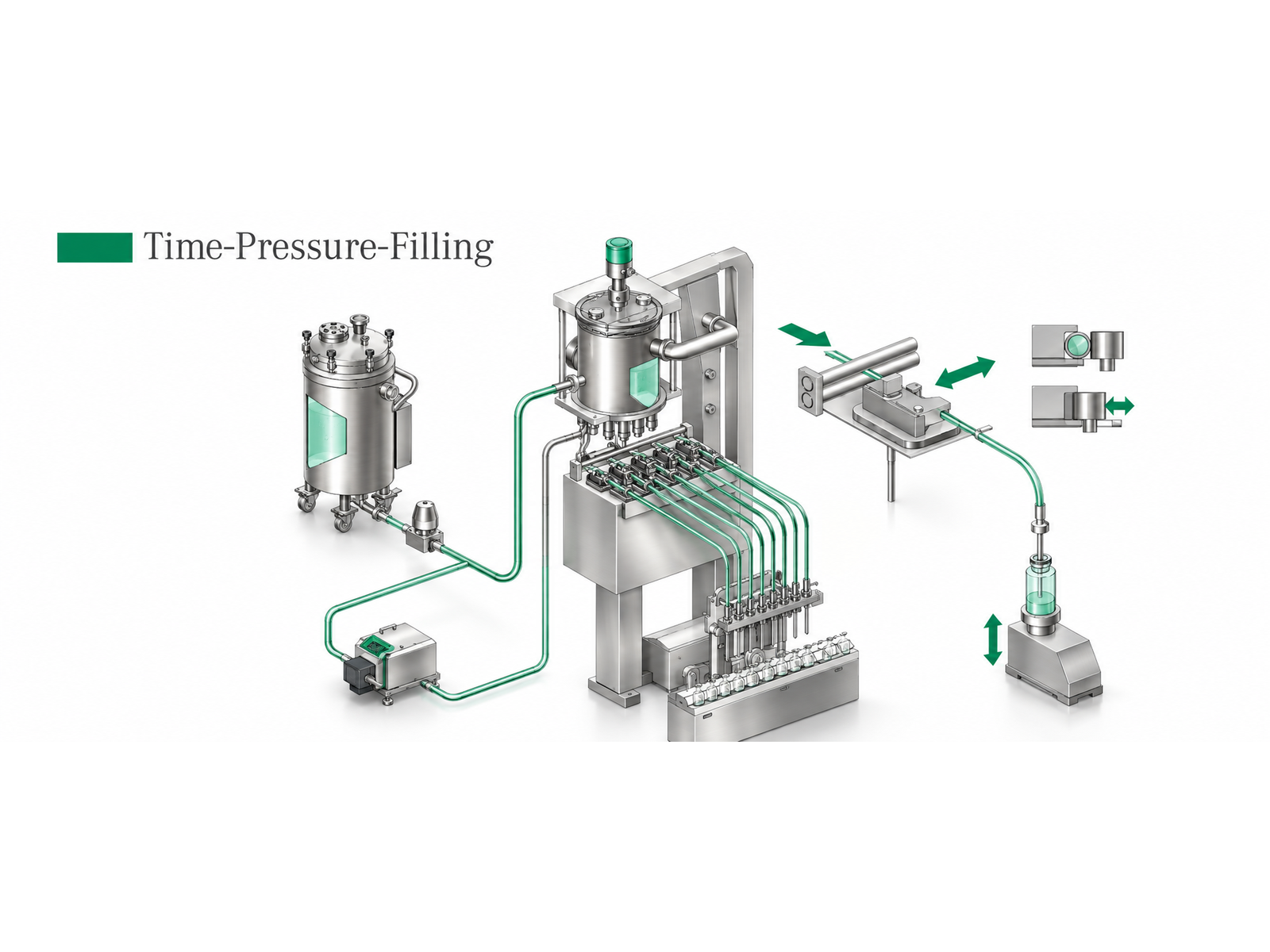
Filling technology
A flow sensor measures the product passing through the filling path and provides feedback to the dosing valve. The process is evaluated around the required fill mass, product behaviour and cleaning strategy. Sensor selection and the control sequence depend on the application.
Explore technology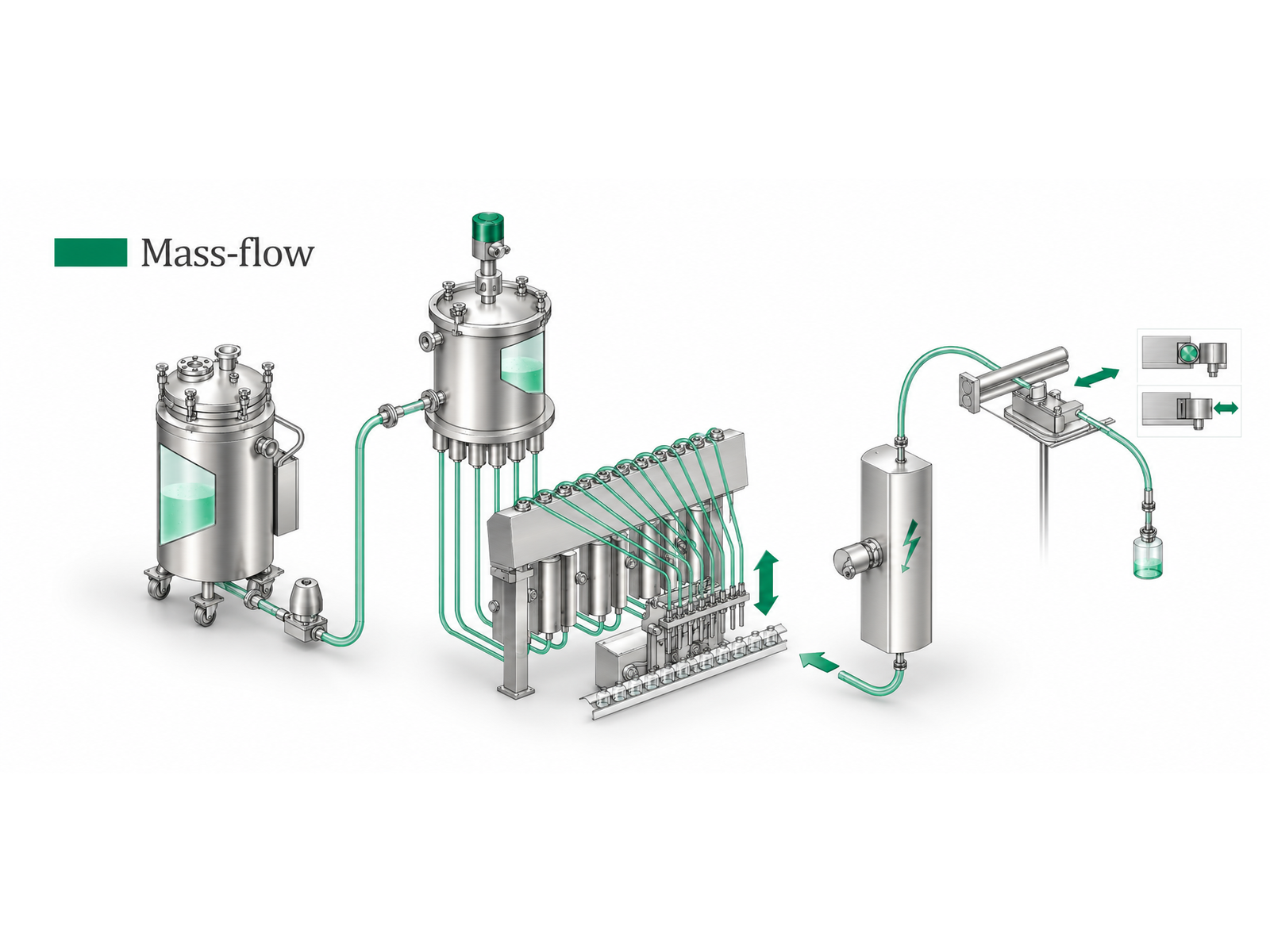
The dispensing format determines which features are accessible for checks. Bottle assembly exposes tip seating and fastening; a formed BFS unit presents its integral opening and seals. Selecting the relevant checks at those stages links primary-pack quality with the orientation, unit count and protection needed downstream.

Use the final neck, tip and cap components. Observe seating depth and tilt immediately after insertion, then check closure and the agreed dispensing test on the finished bottle.
Identify the cavity and examine the integral tip and seal. Follow accepted units through strip handling and confirm how the user opens the selected pack.
Choose the bottle or BFS branch first. Coordinate liquid preparation and filling with the required protection strategy, then match downstream handling to individual bottles or connected formed units. Define accepted-pack transfer and rejection before selecting labels, cartons and shipping cases.
Choose the intended presentation: a separately supplied dropper bottle or a formed BFS container.
A bottle line coordinates dosing, tip placement and closure. A BFS line forms, fills and seals in the mould.
Agree how drops or unit-dose strips are inspected, identified and packed. Establish the final presentation before selecting handling tooling.
The container and administration format decide between bottle filling and a blow-fill-seal route.
Learn moreAssess dispensing performance with the finished pack and its intended closure.
Learn moreIdentify the contact parts and format tooling for Pharmaceutical Eye Drop Filling Lines. Agree access for cleaning, the spares to hold and the operating records the site will need.
Learn moreShare dosage form, starting material and finished presentation.
Request product information
Brochure
Pharmaceutical Eye Drop Filling Lines
Available by enquiry
Request product informationCase
Pharmaceutical Eye Drop Filling Lines
Available by enquiry
Discuss project references2 resources
No. The bottle branch receives a preformed container and separately supplied dispensing components. The BFS branch forms and seals its polymer container during production. Some downstream packaging functions may be similar, but the primary process and tooling must be specified separately.
No. The formulation, container system, intended use and supporting studies determine that product claim. Equipment selection must meet the defined process requirements, but the machine name or a BFS presentation alone does not establish the finished product’s suitability.
Use the final bottle finish, dropper or pump and cap. Check insertion, seating, fastening, handling and the agreed dispensing function on the assembled pack. State which checks are inline and which use separate samples or laboratory equipment.
Specify whether the accepted product remains in a joined strip or is separated into units, and whether any additional protective pack is required. Agree orientation, unit count, labeling and the reject boundary using the actual formed pack.